Guide to Commercial Water Purifiers & RO Systems
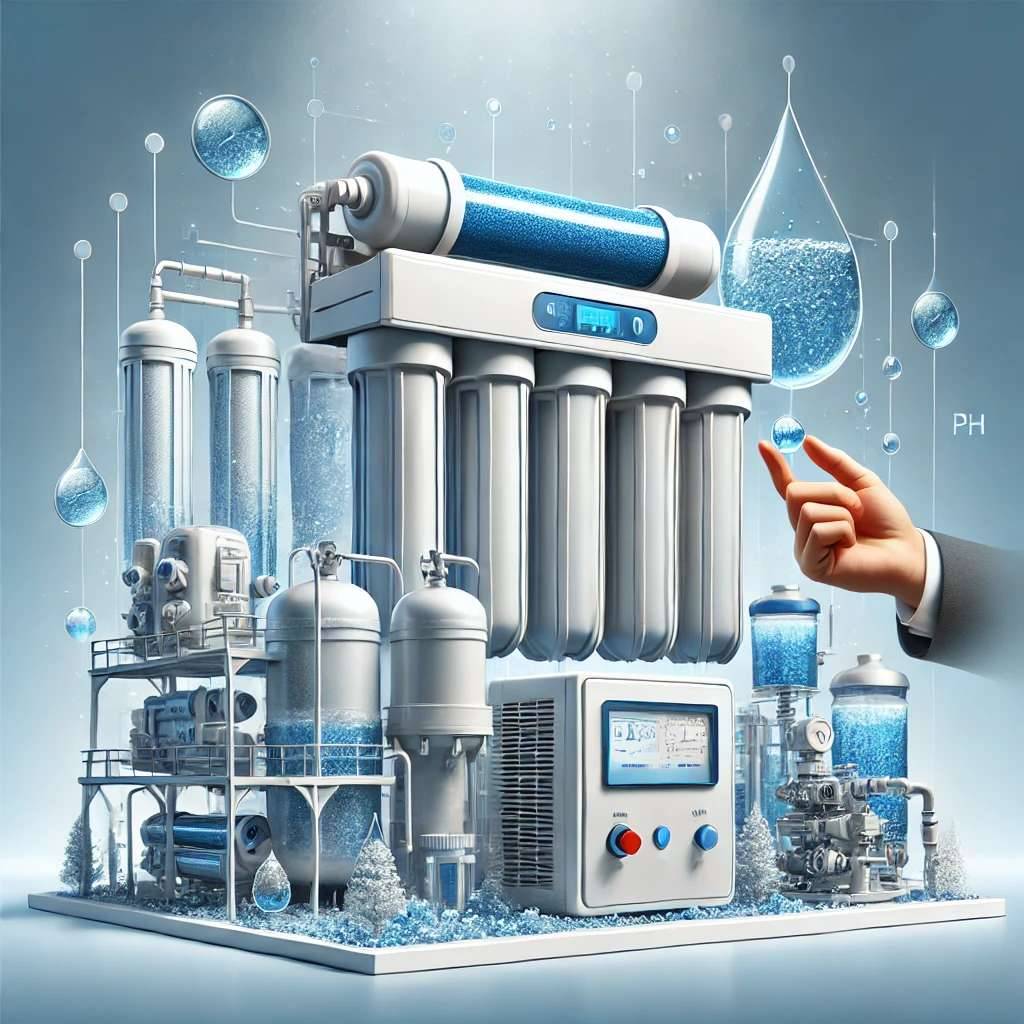
In today’s world, clean and safe drinking water is essential for health and well-being. Whether for residential, commercial, or industrial purposes, water purification plays a vital role in providing drinkable water. Among the most effective water treatment methods are commercial water purifiers and RO water treatment plants. These systems ensure that water is free from harmful contaminants, making it safe for consumption.
This blog will delve into the significance of commercial water purifiers and RO systems, focusing on TDS levels for drinking, drinkable water TDS, and pH meter uses. We'll also highlight the best practices for maintaining water quality and the role these systems play in modern-day water treatment.
What is a Commercial Water Purifier?
A commercial water purifier is a high-capacity water filtration system designed to meet the demands of large-scale water purification. These systems are used in various commercial settings, including offices, hotels, restaurants, and industrial facilities. They are typically designed to handle higher volumes of water and ensure that it meets the required quality standards.
Commercial water purifiers come in different types, including reverse osmosis (RO), UV filtration, and carbon filtration systems. RO systems are particularly popular because they can effectively remove dissolved solids, chemicals, and other contaminants, ensuring that the water is clean and safe for consumption. The purification process involves passing water through a semi-permeable membrane that filters out harmful substances.
RO Water Treatment Plants: What Are They and How Do They Work?
RO water treatment plants are large-scale systems designed to purify water using reverse osmosis technology. These systems are ideal for industries, large residential complexes, and municipal water treatment plants. RO treatment plants use a series of filters, including pre-filters, RO membranes, and post-filters, to remove contaminants from water.
The process works by applying pressure to water, forcing it through a semipermeable membrane that blocks contaminants such as bacteria, viruses, salts, and other harmful particles. The purified water, also known as permeate, is then collected for use, while the contaminants (concentrate) are flushed away.
One of the key advantages of RO water treatment plants is their ability to remove Total Dissolved Solids (TDS) and other impurities from water. As a result, these systems provide high-quality drinking water and ensure safe water for industrial processes, irrigation, and other applications.
Understanding TDS Levels for Drinking Water
TDS (Total Dissolved Solids) refers to the total concentration of dissolved substances in water, including minerals, salts, metals, and other organic and inorganic compounds. TDS is usually measured in parts per million (ppm) or milligrams per liter (mg/L).
For drinking water, the TDS level is an important indicator of water quality. According to the World Health Organization (WHO), the ideal TDS range for drinking water is between 300 and 600 ppm. Water with a TDS level of less than 300 ppm is considered excellent, while water with a TDS level above 1200 ppm is considered unsuitable for drinking. High TDS levels can lead to water that tastes salty or bitter and may contain harmful chemicals, making it unsafe for consumption.
What is the Ideal TDS Level for Drinkable Water?
The ideal TDS level for drinkable water varies depending on the source and the intended use. Generally, water with a TDS level below 300 ppm is considered to have the best taste and quality. Water with a TDS range of 300 to 500 ppm is still acceptable, though it may have a slightly salty or mineral taste.
On the other hand, water with a TDS level above 500 ppm may not be considered drinkable, as it could contain high concentrations of dissolved minerals or salts that could be harmful to health. TDS levels above 1000 ppm are generally a sign that the water is highly contaminated and may require additional filtration and treatment.
Using an RO water treatment plant or a commercial water purifier with TDS reduction capabilities can help bring down high TDS levels and ensure that the water is safe for drinking. These systems use specialized filters and membranes that effectively remove excess salts, minerals, and contaminants, improving the quality of water.
How Do pH Meters Help in Water Quality Testing?
The pH meter is an essential tool for measuring the acidity or alkalinity of water. pH is a scale that ranges from 0 to 14, where values below 7 indicate acidity, values above 7 indicate alkalinity, and a pH of 7 is considered neutral. For safe drinking water, the pH level should ideally fall between 6.5 and 8.5, according to the WHO guidelines.
pH meter uses in water quality testing are essential for monitoring and maintaining the proper pH balance in water. If the pH level of water is too high (alkaline) or too low (acidic), it can lead to various health issues. For instance, highly acidic water can cause skin irritation and damage pipes and equipment, while highly alkaline water can affect the taste and cause mineral buildup.
A pH meter is used to test the pH levels of water at different stages of the purification process. By regularly monitoring the pH levels, water treatment plants can ensure that the water remains within the safe and acceptable pH range for consumption.
Benefits of Using a Commercial Water Purifier and RO Water Treatment Plants
-
Efficient Contaminant Removal: Both commercial water purifiers and RO water treatment plants effectively remove harmful contaminants such as bacteria, viruses, chlorine, heavy metals, and dissolved salts, ensuring that the water is safe and clean.
-
Improved Taste and Quality: By removing high levels of TDS and other impurities, these systems improve the taste and clarity of water, making it more pleasant to drink.
-
Health Benefits: Drinking water with the right TDS level and pH balance is crucial for overall health. These systems ensure that the water meets the required standards for safe consumption.
-
Cost-Effective: While the initial investment in commercial water purifiers or RO systems may be high, they are cost-effective in the long run. They reduce the need for bottled water, reduce maintenance costs, and improve operational efficiency in industrial settings.
-
Environmental Benefits: By reducing the need for bottled water and ensuring proper water treatment, these systems contribute to environmental sustainability by reducing plastic waste and conserving water resources.
Choosing the Right Commercial Water Purifier and RO System for Your Needs
When selecting a commercial water purifier or RO water treatment plant, it is essential to consider factors such as:
-
Water Quality: Test the water source for its TDS levels, pH, and other contaminants to determine the right filtration system.
-
Capacity: Choose a system that can meet the required water demand for your business or facility.
-
System Maintenance: Ensure that the system you choose is easy to maintain and has a good track record of reliability.
-
Certifications: Look for products that are certified by health and safety standards to ensure that the water is safe for consumption.
Conclusion
Water purification is essential for ensuring the safety and quality of drinking water. Commercial water purifiers and RO water treatment plants are critical tools for maintaining clean, drinkable water in both residential and industrial settings. By understanding TDS levels for drinking, drinkable water TDS, and pH meter uses, you can ensure that the water you consume meets the necessary standards for safety and health. Investing in the right water purification system is a step toward better water quality, improved health, and environmental sustainability.