Industrial RO Plant: A Complete Guide to Purification Systems
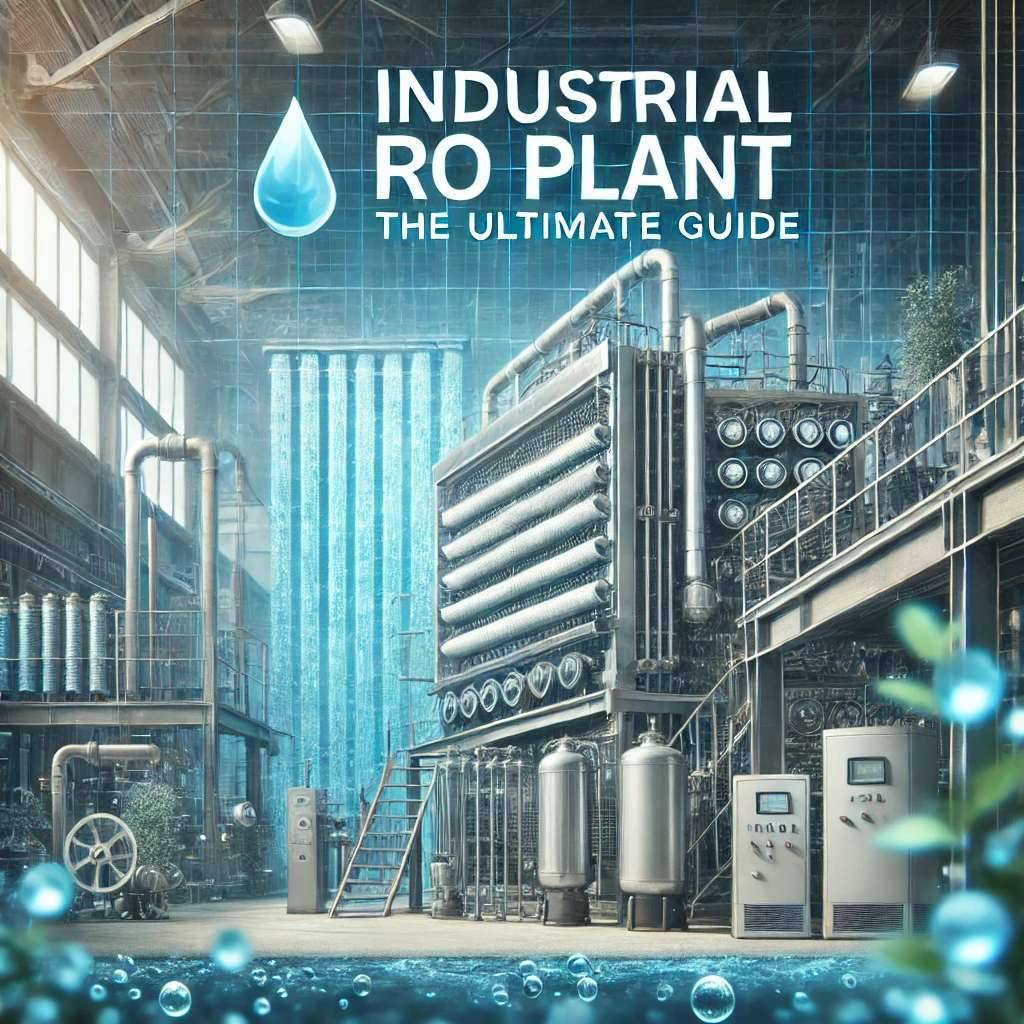
Water purification is a crucial requirement for industries that rely on high-quality water for manufacturing, processing, and other operational needs. An industrial RO plant is a highly effective solution that removes impurities, contaminants, and dissolved solids, ensuring clean and safe water for various applications. Whether it's for food processing, pharmaceuticals, textiles, or commercial establishments, industrial RO systems offer reliability, efficiency, and long-term benefits. These systems not only enhance operational efficiency but also contribute to sustainability by reducing water wastage and improving water recycling.
Industries today face numerous challenges related to water quality, including contamination from industrial waste, chemical residues, and microbial growth. Without proper water treatment, these issues can lead to operational failures, product defects, and even regulatory non-compliance. Implementing an industrial RO plant ensures consistent water quality, reduces dependency on external water sources, and improves overall industrial performance.
How Does an Industrial RO Plant Work?
Industrial reverse osmosis (RO) systems operate by utilizing a semi-permeable membrane to filter out harmful substances, including bacteria, viruses, heavy metals, and dissolved salts. The process involves several key stages, each playing a vital role in ensuring the purity of the treated water:
-
Pre-Filtration – This initial step removes large particles, sediments, chlorine, and other contaminants that could potentially damage the membrane. A robust pre-filtration system is necessary to extend the lifespan of the RO membrane and improve system efficiency.
-
High-Pressure Pumping – The water is then pressurized to push it through the RO membrane, allowing for effective separation of impurities. The pressure applied depends on the level of contaminants in the feed water.
-
Membrane Filtration – The semi-permeable membrane acts as a barrier, trapping dissolved solids and contaminants while allowing purified water to pass through. Modern industrial RO membranes are designed to handle high volumes of water without compromising efficiency.
-
Post-Treatment – The treated water undergoes further purification, such as UV treatment or remineralization, to enhance its quality and safety. Some systems incorporate activated carbon filters to remove residual organic compounds.
-
Storage & Distribution – The purified water is stored in clean reservoirs and distributed as per industrial requirements. Ensuring proper storage prevents secondary contamination and maintains water quality.
This multi-stage process ensures that industries receive water that meets stringent quality standards, making industrial RO plants an indispensable part of many sectors. Additionally, these systems can be integrated with advanced monitoring technologies to track water quality in real time.
Key Benefits of Using an Industrial RO Plant
1. Superior Water Purity
An industrial RO plant eliminates up to 99% of contaminants, ensuring that the water is free from harmful substances. This high level of purification is particularly crucial for industries like pharmaceuticals, electronics, and food processing, where water quality directly impacts product integrity and safety. Purified water helps maintain equipment longevity, prevents scaling, and ensures compliance with industry regulations.
2. Cost-Effective Solution
With reduced dependency on bottled water and lower maintenance costs, industries can save significantly by investing in an RO system. The initial investment in an industrial RO plant is quickly offset by long-term savings in operational costs, making it a smart financial decision for businesses. Additionally, modern RO systems are designed with energy-efficient components to minimize electricity consumption.
3. Eco-Friendly Approach
Industrial RO plants contribute to environmental sustainability by reducing plastic waste, minimizing chemical usage, and lowering energy consumption. By investing in an industrial RO system, businesses can reduce their ecological footprint and contribute to water conservation efforts. RO wastewater can also be treated and reused for non-critical applications, further improving sustainability.
4. Customization Options
RO systems can be tailored to specific industry needs, ensuring optimal efficiency and performance. Depending on the water source and quality requirements, industries can choose from various configurations and capacities. Explore customizable options like the 100 LPH RO Plant Without Tank for Commercial System, which provides reliable water purification for small to mid-sized applications.
Choosing the Right Industrial RO Plant for Your Needs
Selecting the right system depends on multiple factors such as water quality, industry-specific requirements, and capacity demands. Below are some of the top-rated industrial RO plants that cater to diverse needs:
1. 2000 LPH Industrial RO Plant
For large-scale industries, a high-capacity system like the Blue Hawk 2000 LPH Industrial RO Plant offers automatic operations, customizable features, and robust performance. This system is ideal for industries that require a high volume of purified water on a daily basis.
2. 500 LPH Dual Vessel RO Plant
A mid-range system like the 500 LPH Fully Automatic Dual Vessel Industrial RO Plant ensures efficiency, durability, and consistent performance. It is a great choice for businesses that need a balance between capacity and energy efficiency.
3. 1000 LPH FRP RO Plant
For industries requiring a durable and high-performing system, the Bluesmart 1000 LPH Industrial RO Plant offers single-phase operation with high-quality FRP material construction. This ensures long-term reliability, resistance to corrosion, and superior purification.
Factors to Consider Before Buying an Industrial RO Plant
When investing in an industrial RO plant, it is essential to evaluate various factors to ensure that you select the right system for your business. Here are some key considerations:
-
Water Quality Analysis – Conducting a water test to determine the level of impurities and contaminants present in the raw water.
-
Capacity Requirements – Selecting the right LPH (liters per hour) capacity based on the volume of water needed daily.
-
Membrane Quality – Choosing durable and high-performance membranes to ensure effective purification and a longer lifespan.
-
Energy Consumption – Evaluating the energy efficiency of the system to keep operational costs manageable.
-
After-Sales Service & Maintenance – Opting for systems with reliable customer support and easy maintenance to prevent downtime and ensure seamless operation.
-
Automation & Control Features – Many modern RO plants come with automated controls, digital monitoring, and remote access features that enhance usability and efficiency.
Conclusion
An industrial RO plant is a critical investment for industries that require purified water for their operations. With the right system in place, businesses can ensure consistent water quality, significant cost savings, and environmental sustainability. Whether you require a 100 LPH, 500 LPH, 1000 LPH, or 2000 LPH industrial RO plant, choosing the right solution can enhance efficiency and operational effectiveness.