

Best TDS level for drinking water
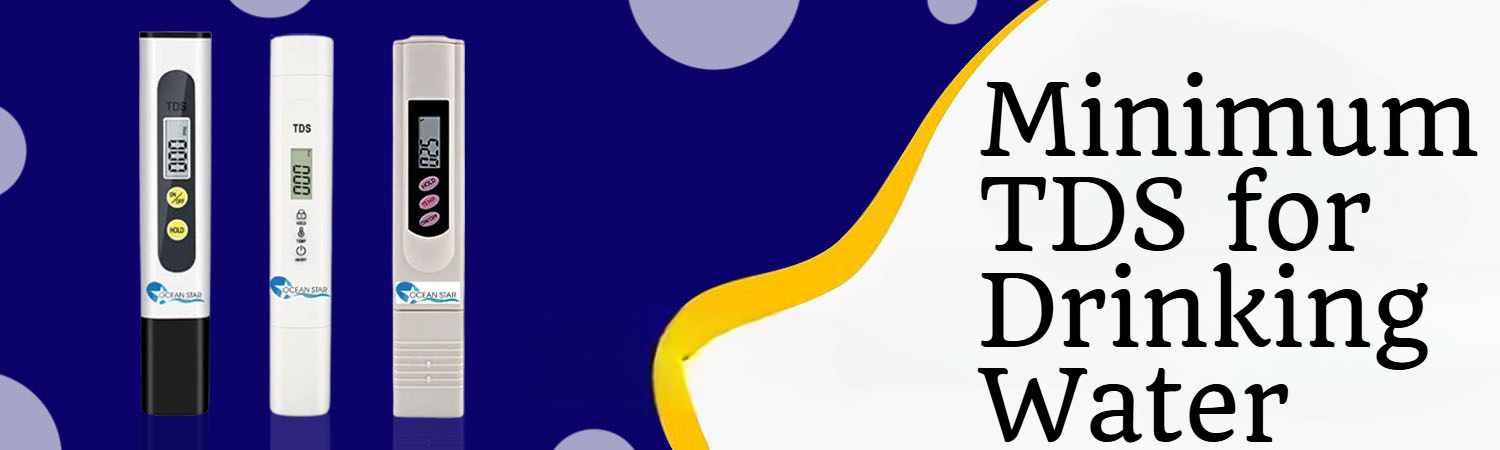
When it comes to drinking water, one of the most important indicators of quality is the Total Dissolved Solids (TDS) level. TDS refers to the concentration of dissolved substances like minerals, salts, and metals in water. But what is the best TDS level for drinking water? This blog will explore the ideal TDS range, the impact of TDS on your health, and how to ensure your drinking water meets optimal quality standards.
What is TDS in Drinking Water?
TDS (Total Dissolved Solids) represents the total concentration of dissolved substances in water. These substances can include minerals, salts, metals, and organic matter. TDS levels are typically measured in milligrams per liter (mg/L) or parts per million (ppm).
For drinking water, TDS is a crucial factor because it impacts both taste and health. RO (Reverse Osmosis) water often has a very low TDS, but mineral water contains a higher amount of dissolved solids.
Ideal TDS Levels for Drinking Water
The best TDS level for drinking water can vary depending on individual preferences and health needs. However, the general guidelines for TDS levels in drinking water are as follows:
1. Low TDS (0-150 ppm)
-
Characteristics: Water with a TDS level between 0-150 ppm typically has a clean and pure taste, as most of the harmful substances have been removed.
-
Health Impact: While water with low TDS is safe to drink, it can lack essential minerals like calcium, magnesium, and potassium that are beneficial for health.
-
Taste: Low TDS water may taste bland or flat due to the absence of minerals.
-
Recommended for: Individuals who prioritize purity over mineral content and are looking for water free from contaminants.
2. Optimal TDS (150-300 ppm)
-
Characteristics: Water with a TDS level in the range of 150-300 ppm offers a balance of purity and mineral content.
-
Health Impact: This range provides water with essential minerals like calcium and magnesium, which are important for bone health, hydration, and muscle function.
-
Taste: Water in this range typically has a pleasant taste and is ideal for those who enjoy both purity and good taste.
-
Recommended for: Most people looking for healthy, balanced drinking water with adequate minerals and a fresh taste.
3. High TDS (300-500 ppm)
-
Characteristics: Water with TDS levels between 300-500 ppm contains higher concentrations of dissolved solids.
-
Health Impact: While water in this range is still safe to drink, it may have a salty or metallic taste due to the high concentration of minerals.
-
Taste: The taste might not be pleasant for everyone due to the higher presence of salts, and it might cause scale formation in appliances.
-
Recommended for: Those who prefer mineral-rich water and don’t mind a slightly salty taste.
4. Very High TDS (500+ ppm)
-
Characteristics: Water with a TDS level above 500 ppm is considered not ideal for drinking.
-
Health Impact: High TDS levels may indicate the presence of heavy metals, salts, and other contaminants that can be harmful to health when consumed over time.
-
Taste: The water will have a strong salty or bitter taste and may cause unpleasant sensations when drinking.
-
Recommended for: Water in this range should be avoided for regular consumption unless treated with additional filtration.
Why TDS Matters for Drinking Water?
TDS plays a significant role in the quality and taste of drinking water. Here are some of the ways TDS levels can affect your drinking experience:
1. Health Benefits
Water with moderate TDS levels (150-300 ppm) provides essential minerals for your body. These minerals help support functions like bone health, electrolyte balance, and hydration. On the other hand, water with very low TDS can lead to mineral deficiencies over time, which may affect overall health.
2. Taste and Refreshment
The taste of water is closely linked to its TDS content. Low TDS water may taste flat, while higher TDS levels may give the water a salty or metallic flavor. A moderate TDS range strikes the right balance between taste and health benefits, making the water refreshing and enjoyable.
3. Impact on Appliances
Water with high TDS levels can cause scaling in appliances like water heaters, dishwashers, and kettles. This scaling occurs due to the accumulation of minerals, which can reduce the lifespan and efficiency of appliances. Regular maintenance and treatment can help reduce this buildup.
How to Maintain the Best TDS for Drinking Water?
To ensure that your drinking water has the ideal TDS level, here are some tips for managing TDS in your water:
1. Use a TDS Controller in Your RO System
A TDS controller helps you adjust the TDS level by mixing purified water with untreated water. This way, you can achieve a balance of minerals while keeping the water clean and safe to drink.
2. Install a Mineral Filter
Many RO water purifiers come with a post-filter mineral cartridge. These cartridges are designed to add essential minerals back into the water after the purification process, ensuring that your water has the optimal TDS level.
3. Regular Maintenance of RO Filters
Ensure that your RO system is well-maintained. Clogged or expired filters can affect the TDS level, leading to water that is either too mineral-deficient or too contaminated. Regular filter replacements ensure that the system is working efficiently.
Conclusion: What is the Best TDS Level for Drinking Water?
In conclusion, the best TDS level for drinking water lies between 150 and 300 ppm. This range ensures a balanced mineral content while maintaining purity. Water with this TDS range offers:
-
Essential minerals like calcium, magnesium, and potassium.
-
A pleasant taste that is refreshing and clean.
-
Health benefits that support hydration, bone health, and electrolyte balance.
While low TDS water (0-150 ppm) is safe and free from contaminants, it may lack the essential minerals that contribute to overall health. On the other hand, high TDS water (300+ ppm) may not be ideal for long-term consumption due to its impact on taste and the possible presence of contaminants.
Maintaining the best TDS level ensures that your drinking water is both safe and healthy, providing the benefits of purity and mineral balance.
FAQs
1. What is the best TDS level for drinking water?
The best TDS level for drinking water is between 150-300 ppm, offering a balanced level of minerals and good taste.
2. Is low TDS water safe to drink?
Yes, low TDS water (below 150 ppm) is safe to drink but may lack essential minerals like calcium and magnesium.
3. Can high TDS in drinking water be harmful?
Yes, water with TDS levels above 500 ppm can contain excessive salts and heavy metals, which may pose health risks over time.
4. How can I control the TDS level in my drinking water?
You can control the TDS level by using a TDS controller, installing a mineral filter, and maintaining your RO water purifier regularly.
For more information on TDS levels and safe drinking water, check out our blog titled What is the Minimum TDS for Drinking Water?.