Reverse Osmosis Water Treatment Plants: A Complete Guide
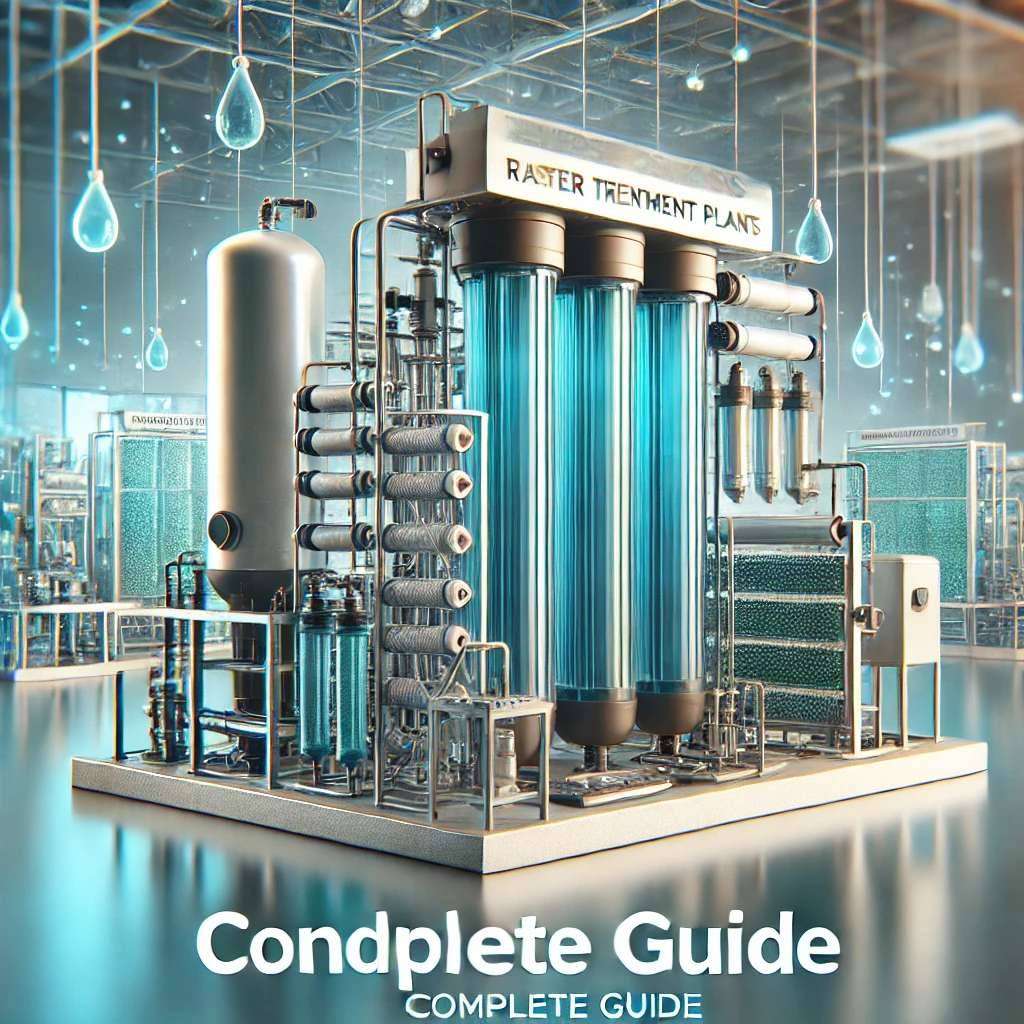
Access to clean and safe water is essential for both residential and commercial needs. A reverse osmosis water treatment plant plays a crucial role in purifying water by removing contaminants, making it suitable for consumption and industrial applications. This guide will explore how these plants work, their benefits, applications across various industries, and some of the best options available in the market.
What is a Reverse Osmosis Water Treatment Plant?
A reverse osmosis water treatment plant is a highly efficient filtration system that removes dissolved solids, chemicals, bacteria, and other impurities from water. The process involves forcing water through a semi-permeable membrane that filters out contaminants, delivering purified water suitable for drinking, industrial use, and other applications.
How Does a Reverse Osmosis Water Treatment Plant Work?
The process of reverse osmosis involves multiple stages:
-
Pre-Filtration: Removes large particles, sediments, and chlorine that could damage the RO membrane.
-
High-Pressure Pumping: Water is forced through a specialized membrane under pressure to separate impurities.
-
Membrane Filtration: The semi-permeable membrane filters out salts, heavy metals, and harmful substances.
-
Storage & Post-Treatment: Purified water is stored in a tank and may undergo additional filtration to improve taste and remove lingering contaminants.
-
Distribution: The treated water is then supplied for residential, commercial, or industrial use.
Key Benefits of Reverse Osmosis Water Treatment Plants
-
High-Quality Purification: Removes up to 99% of contaminants, including heavy metals, bacteria, and dissolved solids.
-
Cost-Effective: Reduces reliance on bottled water, making it a cost-saving solution for businesses and households.
-
Eco-Friendly: Minimizes plastic waste by providing a sustainable source of purified water.
-
Versatile Applications: Used in homes, hospitals, industries, and commercial setups to ensure a consistent supply of clean water.
-
Improved Taste & Odor: Eliminates unpleasant odors and taste caused by chlorine, sulfur, and other chemicals.
-
Scalability: Available in different capacities to meet the needs of households, businesses, and large industries.
Applications of Reverse Osmosis Water Treatment Plants
Reverse osmosis plants are widely used across multiple sectors due to their efficiency and reliability. Some key applications include:
-
Residential Use: Provides safe and healthy drinking water, free from impurities.
-
Food & Beverage Industry: Ensures clean water for manufacturing, processing, and maintaining hygiene.
-
Pharmaceutical Industry: Delivers ultra-pure water necessary for medical formulations and laboratory use.
-
Textile & Dyeing Units: Prevents contamination in dyeing and washing processes.
-
Hospitals & Laboratories: Supplies purified water for medical procedures and research activities.
-
Hotels & Restaurants: Enhances the quality of drinking water and food preparation.
-
Power Plants: Used for boiler feedwater treatment to improve efficiency and lifespan.
Choosing the Right Reverse Osmosis Water Treatment Plant
Selecting the right RO plant depends on your requirements. Here are some of the best models available:
1. 3000 LPH Industrial RO Water Treatment Plant
For high-capacity industrial water purification, this system features advanced water recovery technology and an efficient TDS removal system. Check it out here
2. Semi-Automatic 250 LPH Commercial RO Water Treatment Plant
This commercial-grade RO plant is built with a stainless-steel skid and ensures a reliable water purification process for businesses. View more details
3. NSW Automatic 150 LPH Commercial RO Water Treatment Plant
Designed for commercial use, this model offers efficient and high-capacity purification, making it ideal for small businesses. Learn more here
4. High-Capacity 8000 LPH Industrial RO Water Treatment Plant
Built for large-scale industrial applications, this FRP-based plant ensures maximum purification and durability. Check product details
Maintaining Your Reverse Osmosis Water Treatment Plant
Proper maintenance ensures the longevity and efficiency of your RO system. Key maintenance practices include:
-
Regular Filter Replacement: Change pre-filters and post-filters as recommended.
-
Membrane Cleaning: Prevents clogging and maintains efficiency.
-
Sanitization: Ensures bacterial buildup is eliminated.
-
System Inspection: Regular checks help identify potential issues before they become major problems.
-
Water Quality Testing: Ensures the system continues to meet required purity standards.
Future of Reverse Osmosis Water Treatment Technology
With the increasing demand for clean water, reverse osmosis technology is evolving to offer even more efficient and sustainable solutions. Some future advancements include:
-
Smart Monitoring Systems: Integration of IoT-based sensors for real-time water quality tracking.
-
Enhanced Membrane Technology: Development of membranes with higher efficiency and durability.
-
Zero-Waste RO Systems: Innovations to reduce wastewater production and increase recovery rates.
-
Solar-Powered RO Plants: Environmentally friendly solutions for remote and off-grid locations.
Conclusion
A reverse osmosis water treatment plant is a reliable solution for ensuring clean and safe water in residential, commercial, and industrial settings. With advanced purification technology, cost-effective operation, and eco-friendly benefits, investing in the right RO system can make a significant difference. Whether for a business, hospital, or industrial setup, choosing a high-quality RO plant guarantees consistent access to pure water.
Explore the best reverse osmosis water treatment plant options and make an informed decision for your water purification needs.