

RO Full Form

RO Full Form: Powerful & Complete Guide (2025 Edition)
Introduction to RO Full Form
The keyword RO full form is one of the most searched terms today, especially by students, homeowners, and professionals. Whether you're trying to understand water purification systems or exploring abbreviations used in business and administration, RO is a term that carries multiple meanings. In this comprehensive article, we’ll break down every important detail about RO, its full forms, and how the technology works in real life.
What Is the RO Full Form?
The most common RO full form is Reverse Osmosis, a highly advanced water purification technology used worldwide. However, RO also has several other meanings depending on the field.
RO Full Form in Water Purifiers
Here, RO = Reverse Osmosis.
This is the most popular usage and the one most people search for online.
RO Full Form in Government & Administration
-
RO = Returning Officer
Used during elections to manage vote counting and supervision.
RO Full Form in Business & Finance
-
RO = Regional Office
A branch-level administrative office.
RO Full Form in Medical & Health
-
RO = Resident Officer
Used in hospitals and health departments.
How RO (Reverse Osmosis) Technology Works
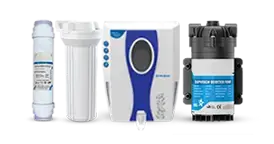
Reverse osmosis is a water purification process that removes contaminants from water by pushing it through a partially permeable membrane. This membrane holds back impurities like bacteria, viruses, TDS, heavy metals, fluoride, and arsenic.
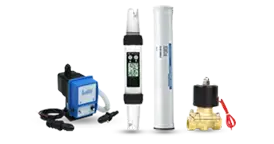
Key Components of an RO System
Sediment Filter
Removes dirt, dust, and large particles.
Carbon Filter
Reduces chlorine and harmful organic chemicals.
RO Membrane
The heart of the RO purifier that removes dissolved salts and contaminants.
UV/UF Filters
Additional purification stages to kill bacteria and enhance filtration.
Advantages of Reverse Osmosis Technology
RO systems are widely used because they offer:
Health Benefits
-
Removes 99% of impurities
-
Makes water safe for children and elders
-
Reduces waterborne diseases
Environmental Benefits
RO reduces the need for packaged drinking water, lowering plastic waste.
Various Uses of RO Across Industries
Home Water Purification
Households rely on RO for safe drinking water.
Industrial Water Treatment
Used in manufacturing, cooling towers, and food processing.
Medical and Laboratory Applications
Ensures high-purity water for tests and procedures.
RO Full Form in Different Contexts
RO in Army & Defense
RO = Regimental Orderly
Used in command structures.
RO in Banking
RO = Recovery Officer
Handles loan and debt recovery.
RO in Medical Terminology
RO = Radiation Oncology
A specialty dealing with cancer treatment.
RO in Business Operations
RO = Repair Order
Used in automotive and service sectors.
Difference Between RO, UV, and UF Systems
Filtration Technology
-
RO: Removes dissolved solids
-
UV: Kills germs but doesn’t filter particles
-
UF: Filters physical contaminants but not chemical ones
Which System Is Best?
RO is ideal for areas with high TDS or unsafe water quality.
Choosing the Right RO System for Your Home
Buying Factors
-
TDS level of your water
-
Budget
-
Storage capacity
-
Additional purification stages
Cost vs. Performance
Higher-end models offer better durability and water recovery.
Maintenance Tips for RO Water Purifiers
Filter Replacement
Change filters every 6–12 months.
Improving Efficiency
Regular servicing ensures clean, safe water and extends purifier life.
Common Myths About RO
Myth: RO Removes Essential Minerals
RO removes harmful substances; essential minerals can be re-added with a TDS controller.
Myth: RO Wastes Too Much Water
Modern RO purifiers come with advanced water-saving technology.
FAQs About RO Full Form
1. What is the RO full form in water purifiers?
RO stands for Reverse Osmosis.
2. What is the RO full form in elections?
RO means Returning Officer.
3. Is RO water safe for drinking?
Yes, RO water is safe and free from contaminants.
4. Does RO remove viruses?
Yes, RO membranes remove viruses, bacteria, and dissolved impurities.
5. What is the RO full form in business?
RO = Regional Office.
6. Is RO better than UV?
RO is better for high-TDS areas; UV is good for low-TDS water.
Conclusion
Understanding the RO full form helps you grasp its meaning across multiple fields—from water purification to government, business, and medicine. RO technology remains one of the safest and most effective purification systems. Whether you’re buying a purifier or studying abbreviations, this guide gives you complete clarity.