

Understanding RO Membranes: The Heart of Water Purification
In today’s world, where clean drinking water is becoming an increasingly scarce commodity, ensuring access to pure water is crucial. One of the most effective ways to achieve this is through Reverse Osmosis (RO) systems, which rely on high-quality RO membranes. In this blog post, we’ll dive into everything you need to know about RO membranes, their types, functions, and how to choose the best one for your needs.
What is an RO Membrane?
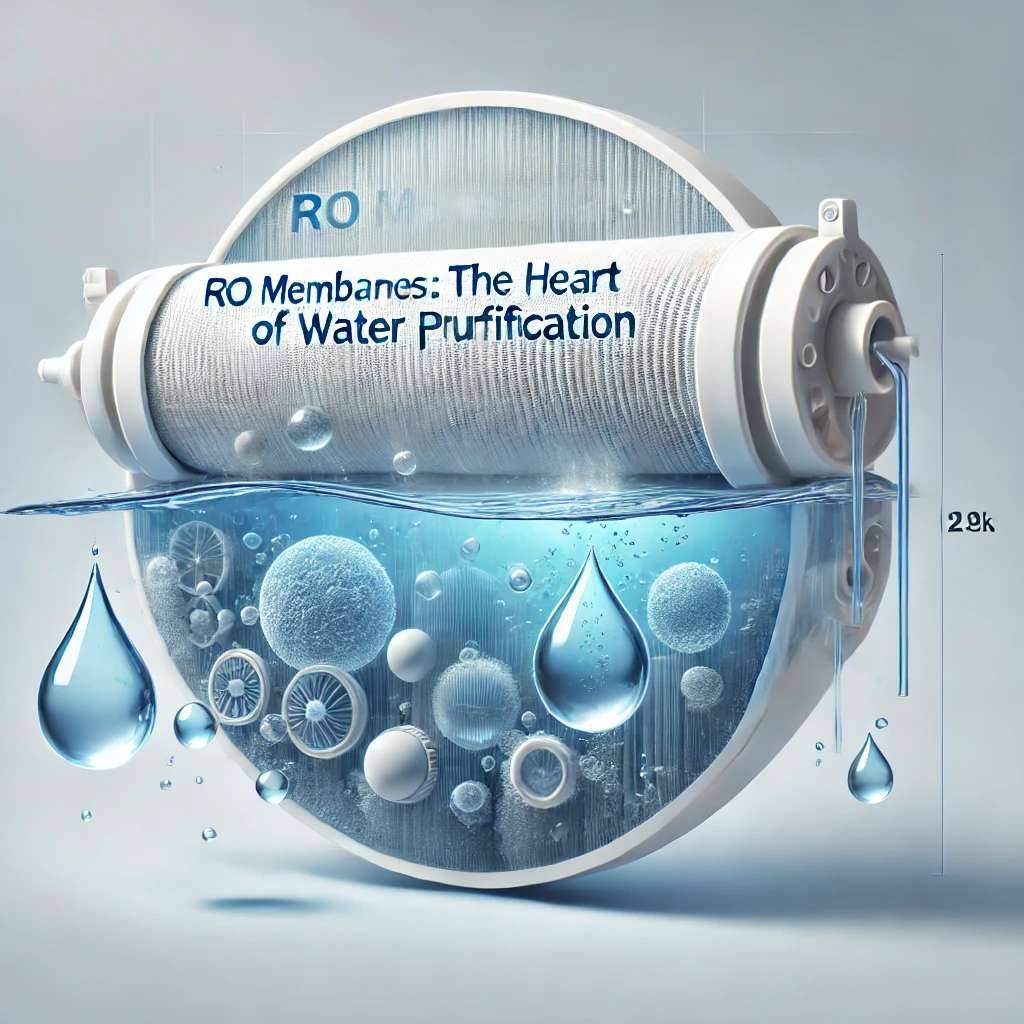
An RO membrane is a thin, semipermeable layer of material that allows water to pass through while blocking contaminants, chemicals, bacteria, and viruses. The membrane acts as the core filtration element in an RO water purifier. By applying pressure, water molecules pass through the membrane, leaving behind unwanted substances such as salts, heavy metals, and other impurities.

Types of RO Membranes
There are different types of RO membranes used in water purification systems, and the most common are:
-
Thin Film Composite (TFC) Membranes: These are the most commonly used membranes in domestic RO systems. Made from layers of materials, TFC membranes offer high performance, especially in areas with high TDS (Total Dissolved Solids).
-
Cellulose Acetate (CA) Membranes: These are used in specific industrial applications but are less popular in home systems due to their lower resistance to chlorine and limited durability.
-
Polyamide Membranes: Known for their resistance to chlorine and excellent filtration capabilities, polyamide membranes are commonly used in high-end RO systems.
Key Factors to Consider When Choosing an RO Membrane
-
Membrane Size and Capacity: Membranes come in various sizes and capacities, usually measured in gallons per day (GPD). If you are using a domestic RO system, you’ll typically find membranes ranging from 50 to 100 GPD. A membrane with a higher GPD is ideal for larger households or areas with higher water consumption.
-
TDS Level: If your water has high TDS levels (above 500), you may need a more powerful membrane that can handle higher contamination levels. The right membrane ensures that all harmful substances are filtered out effectively.
-
Durability and Lifespan: A good-quality RO membrane should last for at least 2-3 years, but regular maintenance and cleaning can extend its lifespan.
-
Material and Build Quality: Membranes come in different materials such as plastic and composite. The quality of material plays a significant role in how well the membrane performs and how long it lasts.

Why is the RO Membrane So Important?
The RO membrane is the most crucial part of your water purifier. Without it, the filtration process would not be possible. Here are a few reasons why the membrane is so vital:
- Effective Filtration: The membrane’s primary function is to remove harmful contaminants, including bacteria, viruses, heavy metals, and chemicals like chlorine and fluoride.
- Improved Taste and Odor: By eliminating impurities, RO membranes enhance the taste and smell of your water, making it fresh and clean.
- Health Benefits: Clean water free from harmful contaminants promotes better health and reduces the risk of waterborne diseases.
How to Choose the Right RO Membrane for Your Domestic Use
When selecting an RO membrane for your household, consider factors like the type of water you have, the size of your family, and the level of contamination in the water. Here are a few recommendations based on different needs:
-
For Domestic Use with High TDS: If you live in an area with hard water or high TDS levels, consider opting for membranes like the Haydro Blue Color 100 GPD Membrane for all types of Domestic RO Water Purifiers. This membrane is ideal for purifying water with TDS levels of up to 2200, ensuring high-quality filtration and cleaner water. Learn More
-
For Domestic Use with Moderate TDS: The Aqua Fresh Blue Color 80 GPD RO Membrane offers great performance for homes with moderate TDS levels. This membrane is perfect for families looking for an affordable yet reliable filtration system. Learn More
-
For Low TDS or Light Usage: The Aqua Fresh Golden Color 80 GPD RO Membrane and Aqua Fresh Orange Color 80 GPD RO Membrane are excellent choices for homes with lower water consumption or those located in areas with lower TDS levels. Both offer consistent performance and are available in appealing colors that fit well with most RO systems. Learn More (Golden) | Learn More (Orange)
How to Maintain an RO Membrane
Maintaining your RO membrane is crucial for ensuring that your water purifier works efficiently. Here are some tips for extending the lifespan of your RO membrane:
- Regular Cleaning: Clean the RO membrane every 3-6 months to remove any build-up of contaminants.
- Change Filters Regularly: Change the pre-filters and post-filters according to the manufacturer's recommendations to prevent clogging.
- Monitor TDS Levels: Check the TDS levels of your filtered water regularly. If it starts rising, it might be time to replace the RO membrane.
- Use Softened Water: If your water has high levels of hardness, consider using a water softener to prevent scaling on the membrane.
- Replace the Membrane as Needed: Even with proper maintenance, the RO membrane will eventually wear out and need replacement. Typically, it’s recommended to replace the membrane every 2-3 years.

Benefits of Using a Quality RO Membrane
Investing in a high-quality RO membrane provides several benefits, such as:
- Better Filtration: A high-quality membrane will remove more contaminants, ensuring that the water you consume is clean and safe.
- Lower Maintenance Costs: By using a durable and efficient membrane, you’ll reduce the need for frequent repairs and replacements.
- Improved Water Quality: High-quality RO membranes ensure that the water is free from chlorine, heavy metals, pesticides, and other harmful chemicals.
Conclusion
In conclusion, an RO membrane is at the heart of any Reverse Osmosis water purifier, playing a crucial role in ensuring the quality and safety of your drinking water. Choosing the right membrane, maintaining it properly, and investing in quality options can make a significant difference in your water filtration system’s performance. With a wide range of RO membranes available for domestic use, you can now enjoy pure, clean water directly from your tap.
For a wide variety of high-quality RO membranes for domestic use, visit RomegaMart’s RO Membranes Collection. Whether you’re looking for a 100 GPD membrane or an 80 GPD variant, there’s something for every household’s needs.