

What Should Be the TDS of Drinking Water
Factor to Consider: Did you know that even if your water looks clean, it could still be harmful if the TDS level isn’t right?
Total Dissolved Solids (TDS) in drinking water is one of the most overlooked yet crucial factors in determining water quality. Many people assume that crystal-clear water equals safe water, but that’s not always the case. Whether you're using municipal water, borewell water, or water purified through a filtration system, understanding TDS is essential for ensuring the water you drink supports your health and well-being.
In this comprehensive guide, we’ll explore what TDS means, why it matters, how much TDS in drinking water is considered safe, and how to manage TDS effectively using the right purification methods.
What is TDS in Water?
TDS (Total Dissolved Solids) refers to the combined content of all inorganic and organic substances present in a liquid. These solids are primarily composed of minerals, salts, and metals that are dissolved in water.
Common Sources of TDS in Drinking Water
-
Natural mineral springs
-
Runoff from agricultural fields (fertilizers, pesticides)
-
Urban and industrial wastewater
-
Plumbing and pipe corrosion
-
Municipal water treatment residues
TDS is measured in milligrams per liter (mg/L) or parts per million (ppm). The measurement gives an estimate of the total quantity of dissolved substances in the water, but not their exact composition.
Ideal TDS Range for Drinking Water
According to WHO (World Health Organization) and BIS (Bureau of Indian Standards) guidelines, the TDS levels in drinking water should ideally fall within a specific range given below
| TDS Level (mg/L) | Water Quality |
|---|---|
| 0 – 50 | Very low mineral content (not ideal for long-term use) |
| 50 – 150 | Excellent (balanced mineral content) |
| 150 – 300 | Good (suitable for drinking) |
| 300 – 500 | Fair (acceptable) |
| 500 – 1000 | Poor (acceptable in some areas but not ideal) |
| 1000 – 2000 | Very poor (requires treatment) |
| Above 2000 | Unacceptable (not fit for drinking) |
WHO Recommendation:
Water with a TDS level of less than 300 mg/L is considered excellent for drinking purposes.
BIS Standard (IS 10500:2012):
-
Desirable Limit: 500 mg/L
-
Maximum Permissible Limit (in absence of alternate source): 2000 mg/L
Best TDS Level for Drinking Water
One of the most common questions is: What is the best TDS level for drinking water?
The best TDS level lies between 150–300 mg/L, as this range offers a balance of good taste and adequate mineral content, especially calcium and magnesium, which are beneficial for health.
Effects of Low TDS:
-
May lack essential minerals
-
Can result in flat or bland taste
-
Prolonged consumption may cause mineral deficiency
Effects of High TDS:
-
Can lead to a salty, bitter, or metallic taste
-
Might contain harmful contaminants like nitrates, arsenic, lead, etc.
-
Could cause gastrointestinal and kidney-related issues over time
Supporting Keyword 1: Best TDS Level for Drinking Water
How to Check TDS in Water
Understanding the TDS level of your drinking water is the first step in evaluating its quality.
1. Using a Digital TDS Meter
A portable, battery-operated TDS meter is the most convenient and affordable tool to measure TDS.
Steps:
-
Turn on the meter
-
Dip it into a glass of water
-
Read the digital output (in ppm)
2. Lab Testing
For a more comprehensive analysis, you can send a water sample to a certified laboratory. This is especially recommended if your water source is from a borewell, tanker, or untreated municipal supply.
Supporting Keyword 2: How to Check TDS in Water
Health Impact of TDS Levels
Drinking water with extremely low or high TDS can pose health risks.
Risks of High TDS Water:
-
Kidney stones or urinary disorders
-
Gastrointestinal irritation
-
Increased risk of heavy metal contamination
-
High sodium levels, which are harmful for hypertensive individuals
Risks of Very Low TDS Water:
-
Lack of essential minerals like calcium, magnesium, and potassium
-
Poor taste and lower hydration efficiency
-
Long-term mineral deficiency
Who is Most at Risk?
-
Children and elderly people
-
Individuals with kidney or heart conditions
-
Pregnant women
TDS Levels and Water Taste
TDS doesn’t just affect health — it also impacts how water tastes.
| TDS Level | Taste Quality |
|---|---|
| < 50 ppm | Tasteless or flat |
| 50–150 ppm | Pleasant and fresh |
| 150–300 ppm | Slight mineral taste (ideal) |
| 300–500 ppm | Slightly salty/bitter |
| >500 ppm | Poor taste and odor |
Taste preferences vary by region, but most people prefer water with TDS between 150–300 ppm for a refreshing experience.
RO System for High TDS
If your water supply has high TDS levels (above 500 ppm), the best solution is to install a Reverse Osmosis (RO) system.
How RO Works
RO systems use a semi-permeable membrane to filter out dissolved solids, heavy metals, salts, and other impurities. The result is clean, low-TDS water that is safe for consumption.
Benefits of Using RO for High TDS:
-
Reduces TDS up to 90–95%
-
Removes harmful contaminants
-
Improves taste and odor
-
Maintains overall water safety
Supporting Keyword 3: RO System for High TDS
Popular RO Products on the Market
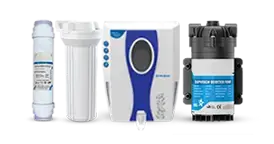
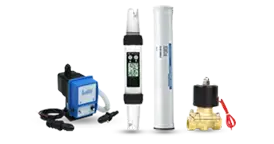
Explore advanced RO systems on Romegamart, such as:
These systems are equipped with TDS controllers and multiple stages of filtration suited for Indian water conditions.
TDS Adjustment Tips
1. Use a TDS Controller
Many RO water purifiers come with a TDS controller or mineral cartridge, which helps in adjusting the final output TDS to an optimal level.
2. Choose the Right Water Purifier
Based on your source water:
-
TDS < 300 ppm: Use a UV or UF purifier
-
TDS between 300–500 ppm: RO with TDS controller is ideal
-
TDS > 500 ppm: Multi-stage RO system is a must
3. Monitor Regularly
Test water at least once every 3–6 months. Environmental and seasonal changes can significantly impact the TDS level of your source water.
Conclusion
Understanding and maintaining the correct TDS level in drinking water is not just about taste—it's a vital health consideration. While TDS itself isn't inherently dangerous, high levels can point to potential contamination or excessive mineral content that needs to be treated.
In summary:
-
The ideal TDS level for drinking water is 150–300 mg/L
-
WHO recommends levels below 300 mg/L for safe, clean drinking water
-
You can easily measure TDS using a digital meter
-
High TDS water must be purified using an RO system with a TDS controller
-
Regular testing and the right purifier can ensure your family’s health
For high-quality RO systems and water purifiers designed specifically to manage TDS levels, explore:
Take control of your water quality today — because clean water means a healthier tomorrow.