

3D Aqua RO Water Purifier & Water Treatment Manufacturer in Delhi






Why Physical Design Matters in RO Systems
When selecting an RO water purifier, most users focus on filtration stages and water quality. However, physical design plays an equally important role in real-world usability. Limited kitchen space, wall-mount constraints, and service accessibility often determine how effectively a system performs over time.
Within the water purification industry, brands like 3D Aqua operate in an environment where compact and modular water filtration systems are increasingly preferred.
Compact Layouts and Installation Flexibility
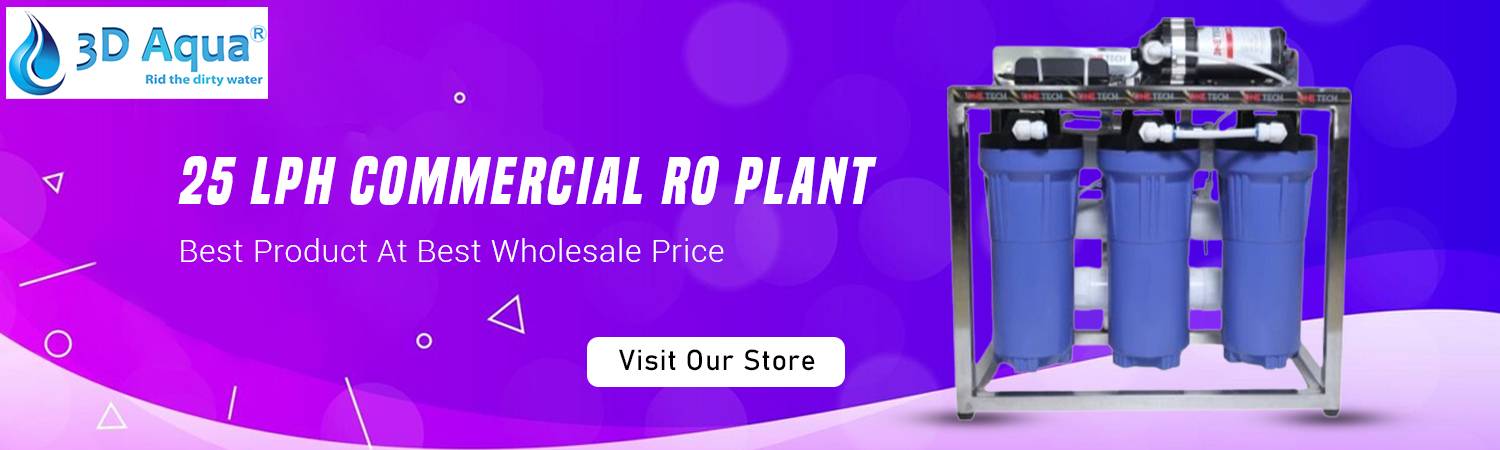
Modern homes often lack dedicated space for bulky purification units. Compact RO designs allow easier installation under sinks, on walls, or inside cabinets.
Benefits of compact RO layouts include:
-
Better space utilization
-
Cleaner plumbing routing
-
Reduced installation time
A compact RO water purifier also improves airflow around components, reducing heat buildup around electrical parts.
Modular Construction in RO Water Purifiers
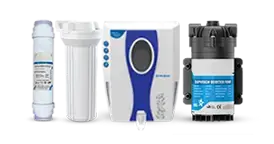
Modular construction allows individual components to be replaced without dismantling the entire system. This is especially useful during routine servicing.
Key modular components include:
-
Sediment filter housings
-
Carbon filter cartridges
-
RO membrane housings
-
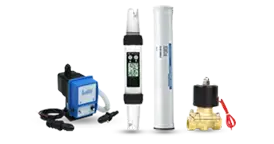
RO pumps and SMPS power supplies
Modularity reduces technician effort and minimizes service downtime.
Design Impact on RO Spare Parts Replacement
Tightly packed systems with poor access increase the risk of improper servicing. Compact yet accessible layouts simplify RO spare parts replacement and reduce accidental damage.
Well-designed systems allow:
-
Easy membrane replacement
-
Quick filter changes
-
Clear routing for pipes and wires
This improves long-term reliability and servicing accuracy.
Domestic vs Commercial RO Systems and Space Constraints
Domestic RO systems benefit most from compact design, as space limitations are common in residential kitchens.
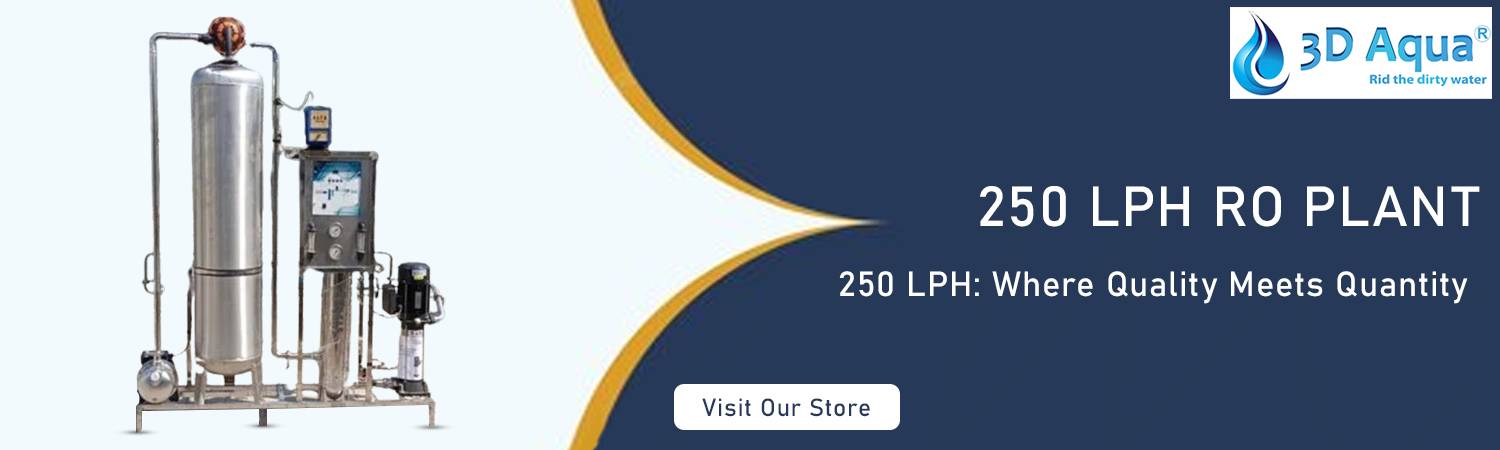
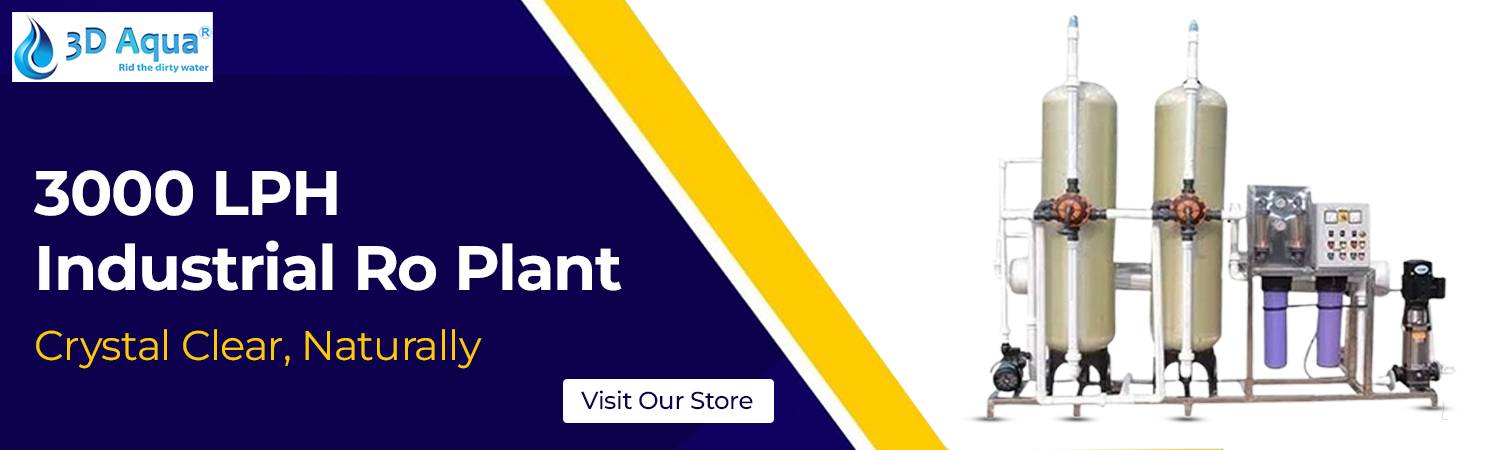
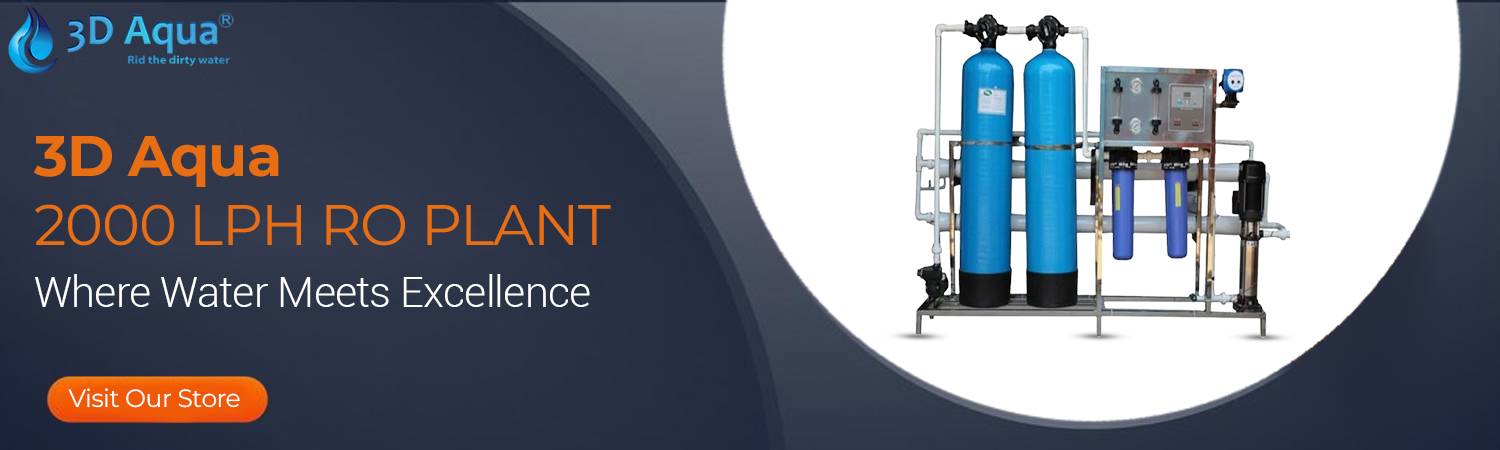
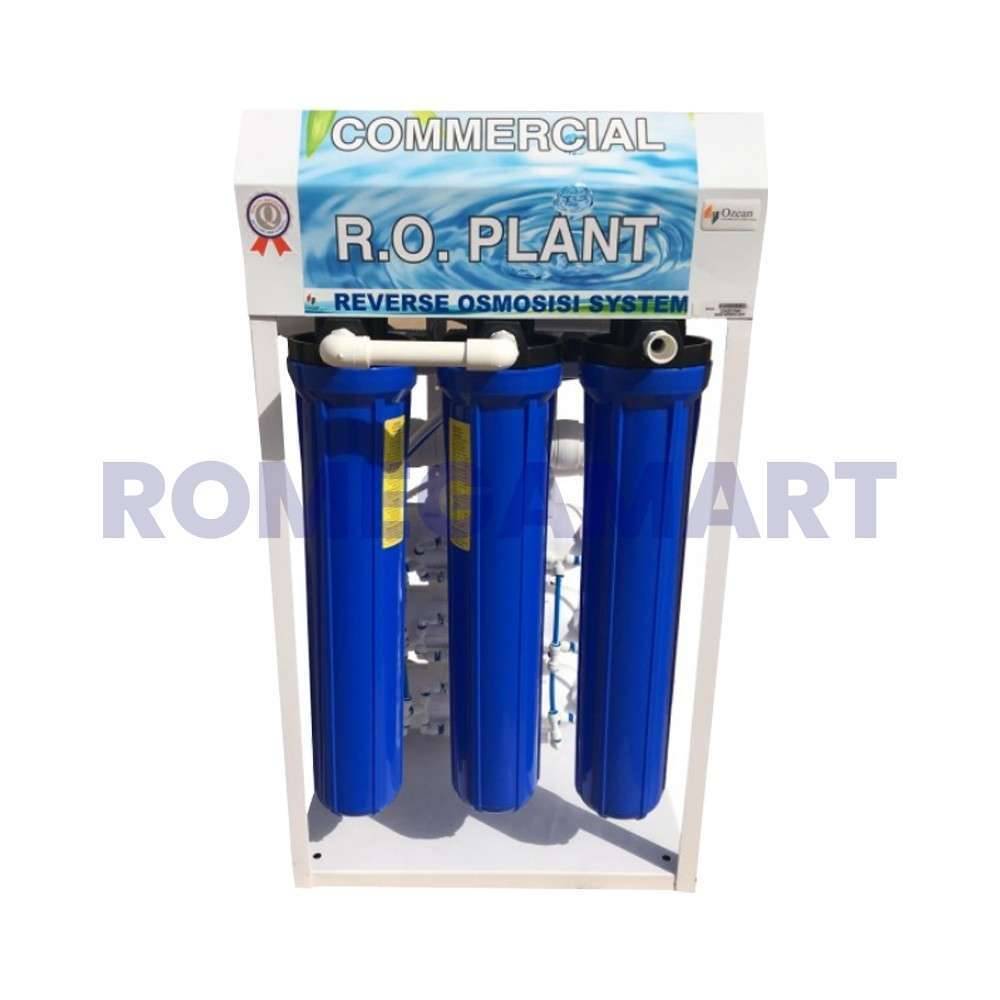
Commercial RO systems, although larger, also use modular design principles. Even in high-capacity water filtration systems, accessibility is critical for fast maintenance and troubleshooting.
Compact design does not necessarily mean lower capacity—it reflects efficient component arrangement.
Thermal Management and Electrical Safety
Crowded internal layouts can trap heat, affecting electrical components. Proper spacing helps protect:
-
RO pumps
-
SMPS power supplies
-
Wiring connectors
Thermal management improves electrical stability and reduces premature component failure.
Plumbing Efficiency and Leak Prevention
Clear internal routing of pipes and connectors reduces stress on fittings. Proper layout ensures:
-
Smooth water flow
-
Reduced vibration
-
Lower risk of leakage
This improves system reliability and simplifies inspection during maintenance.
Design and Water Recovery Efficiency
System layout can influence pressure stability and water recovery. Proper placement of RO pumps and flow restrictors ensures balanced pressure across the RO membrane.
Good design supports:
-
Stable TDS (Total Dissolved Solids) reduction
-
Controlled reject water flow
-
Consistent purification output
Efficiency depends on both component quality and physical arrangement.
Industry Perspective on Compact RO Design
The RO Water Purifier Industry is increasingly focusing on space-efficient and service-friendly designs. Consumer preference has shifted toward systems that combine performance with convenience.
Compact and modular RO water purification systems reduce long-term ownership challenges.
Final Thoughts
Physical design is a critical yet often overlooked aspect of RO water purifiers. Compact layouts and modular construction improve installation flexibility, servicing ease, and system longevity. Understanding how design impacts reverse osmosis performance helps users make informed choices.
Brands like 3D Aqua operate within this evolving ecosystem, where efficiency, accessibility, and filtration performance work together.