

Aqua RO Water Purifier & Drinking Water Systems Manufacturer in Delhi
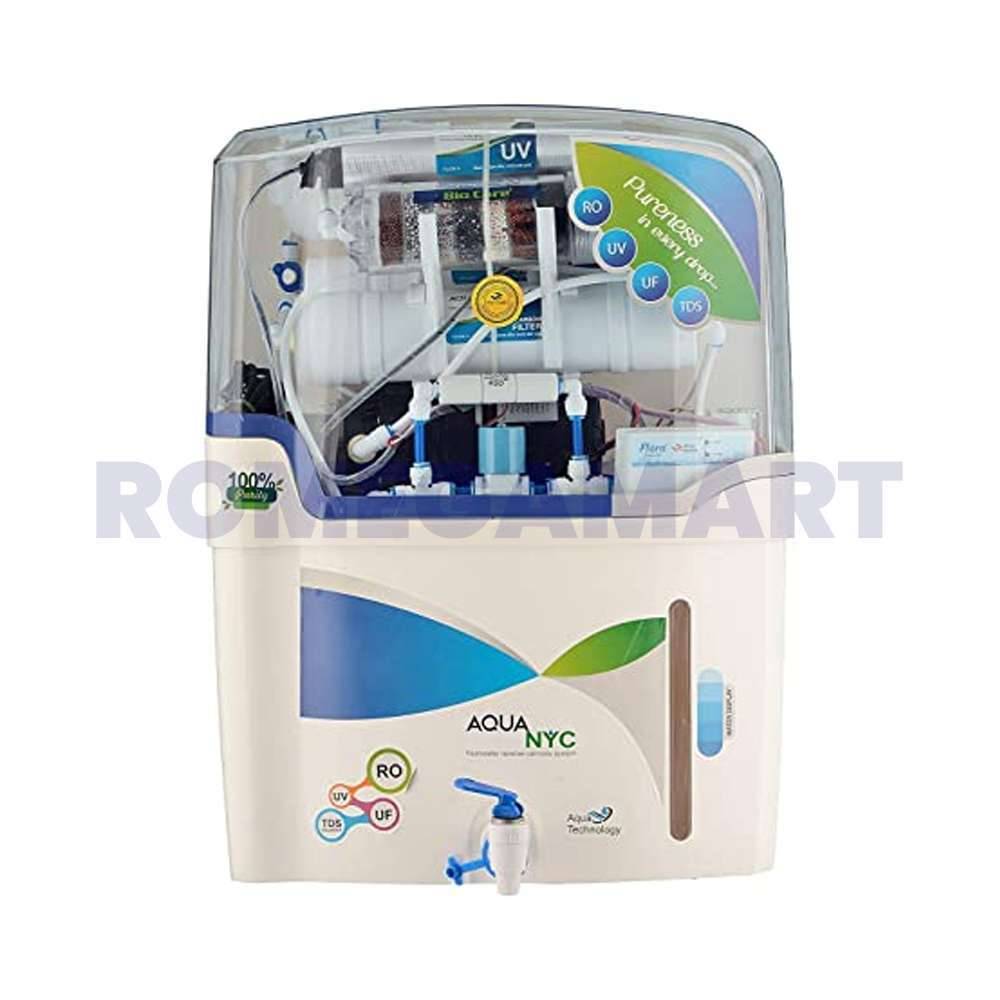
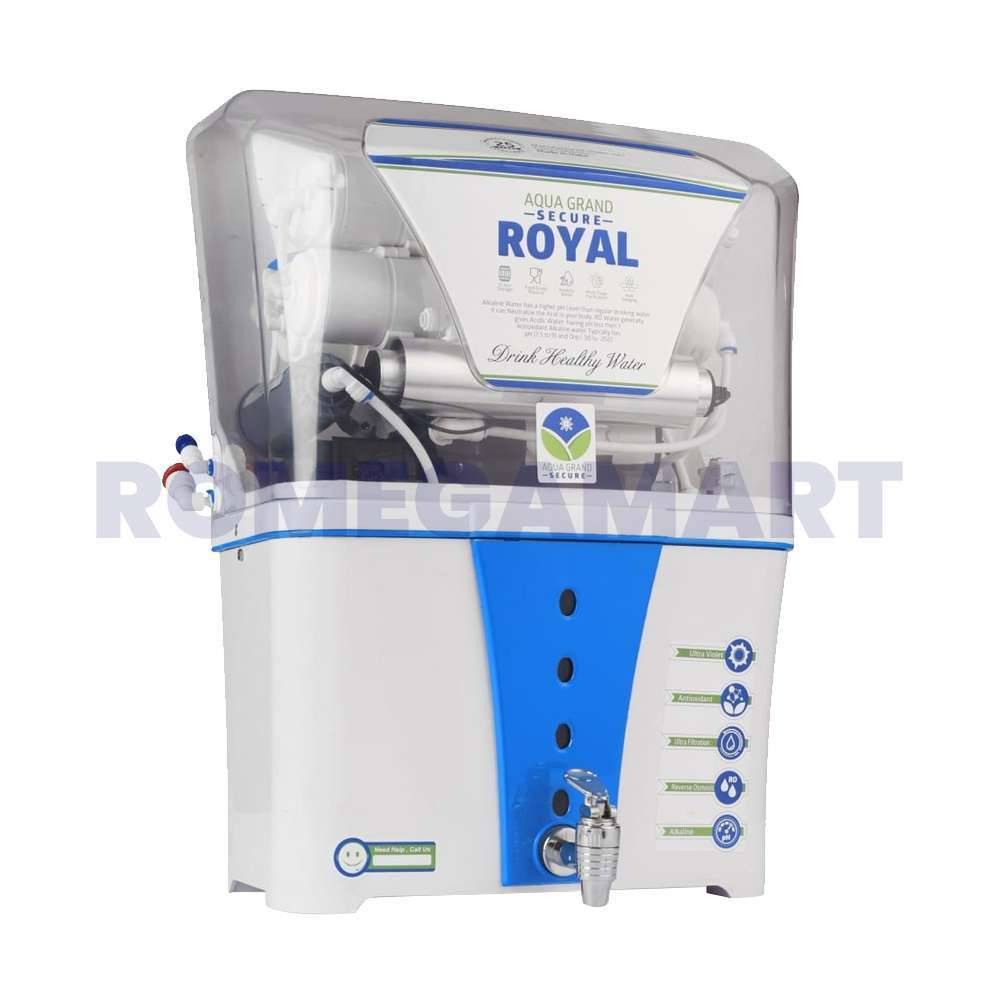
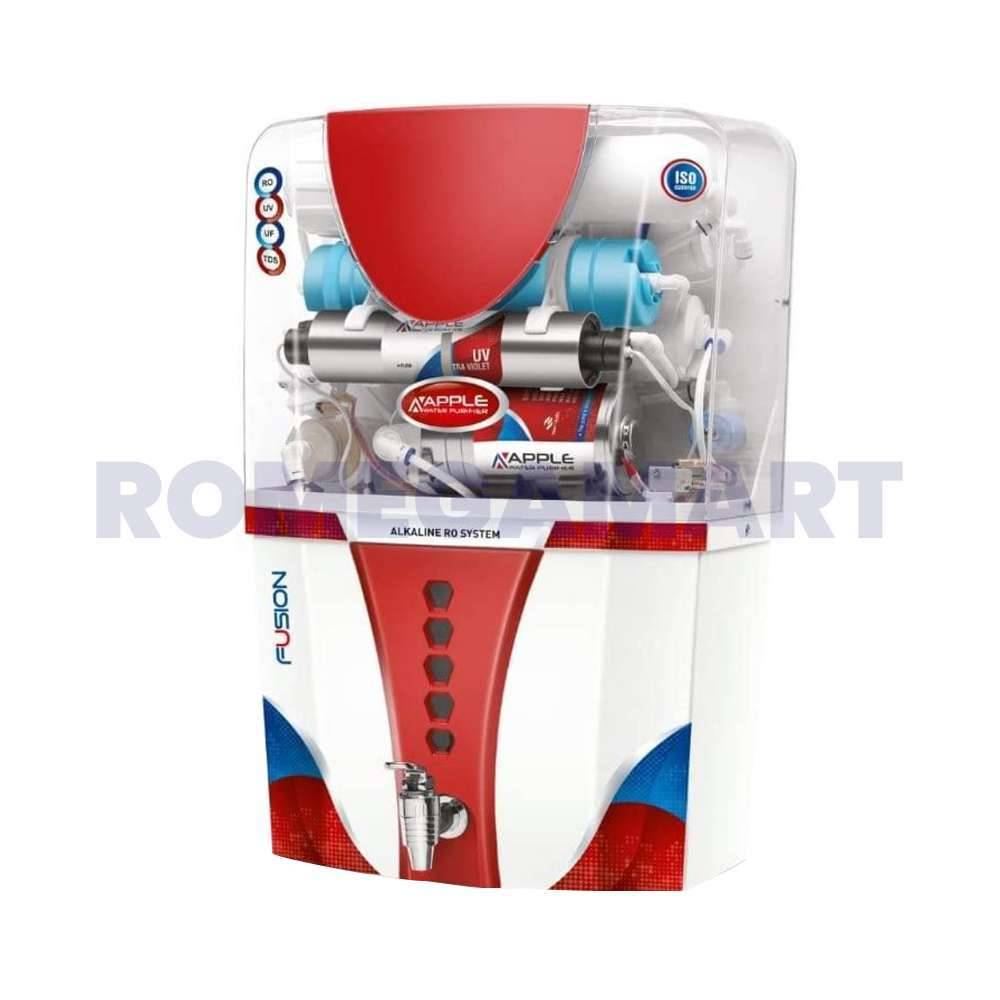

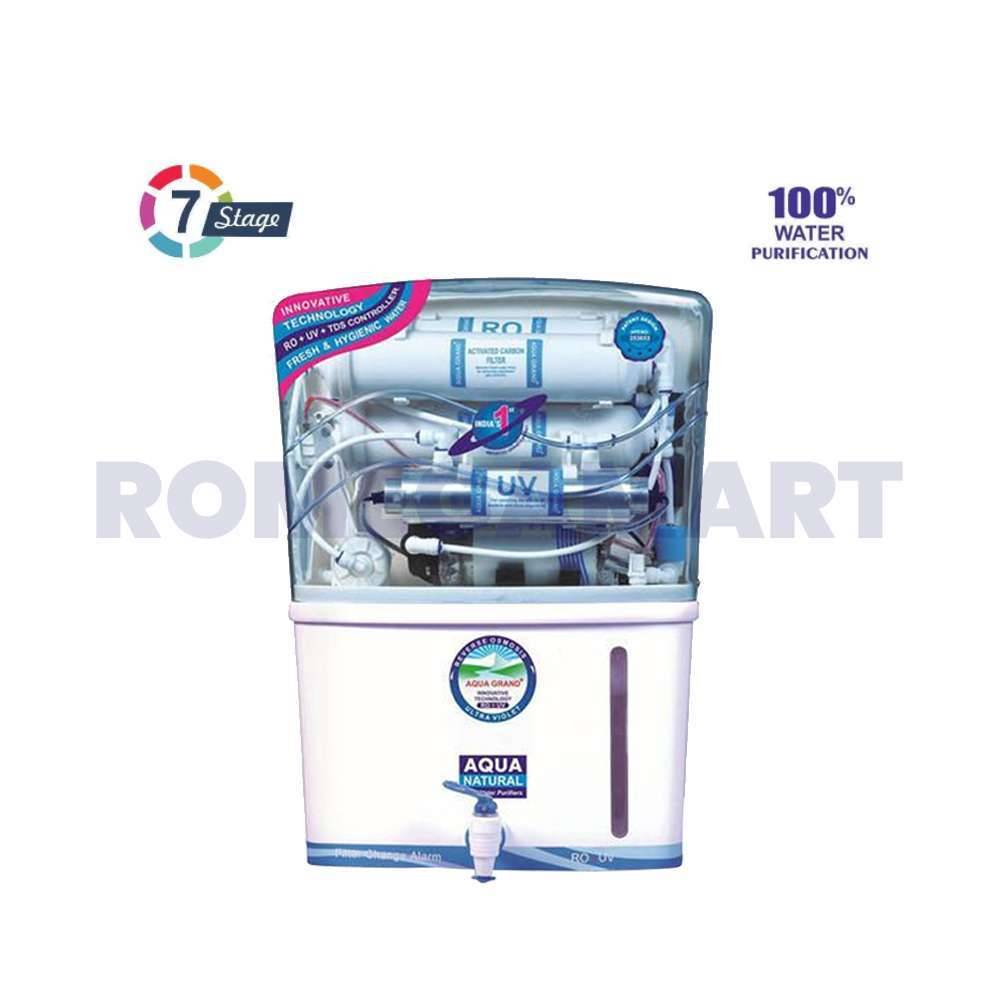




When the Name Feels Like the Solution
Before people taste water, check TDS, or understand reverse osmosis, they react to the name. A name that sounds like the product itself feels safe, obvious, and non-threatening.
In the water purification industry, names that directly reference water or RO technology trigger instant trust. Aqua RO fits into this psychological space where familiarity reduces doubt even before use.
The Comfort of Obviousness
Humans trust what feels obvious. When a water purifier’s name directly references water and purification, users feel they already understand it.
This creates assumptions such as:
-
“It’s meant for water, so it must be safe”
-
“It does exactly what it says”
-
“Nothing complicated or risky here”
Obvious naming reduces mental resistance.
Why Generic Names Lower Fear
Water safety is invisible. Anything invisible creates anxiety. Generic naming removes the sense of mystery.
Unlike technical or abstract names, familiar words like “Aqua” feel:
-
Natural
-
Non-chemical
-
Everyday
This emotional neutrality makes people more comfortable drinking water from RO water purifiers without overthinking safety.
Familiar Names Reduce the Need for Proof
When users trust the idea of a system, they seek less validation. They check TDS less frequently and rely more on routine.
Psychologically:
-
Familiar name = assumed reliability
-
Less questioning = smoother adoption
-
Smoother adoption = long-term usage
This explains why many users drink water confidently without understanding water filtration systems at all.
Association With Water, Not Machinery
People dislike thinking of drinking water as “processed.” Generic names shift perception away from machines and toward purity.
This reframing:
-
Softens the idea of filtration
-
Reduces fear of over-processing
-
Makes reverse osmosis feel natural
Water feels cleaned, not engineered.
How Naming Influences Taste Expectation
Expectation shapes experience. When users expect water to be clean and neutral, they perceive it that way.
Generic names create expectations of:
-
Smooth taste
-
Balanced output
-
No sharp mineral notes
When expectation and experience align, trust strengthens.
Simplicity Builds Daily Habit
People form habits faster when things feel uncomplicated. A simple name encourages relaxed daily use.
This leads to:
-
Regular consumption
-
Less adjustment behavior
-
Fewer unnecessary interventions
Confidence grows through repetition, not analysis.
Why Users Rarely Question Generic Systems
Systems with familiar naming are rarely blamed first when something feels off. Users often assume:
-
Source water changed
-
Weather affected taste
-
Storage caused the issue
The system itself remains trusted longer.
Technician Influence Is Reduced
With trusted naming, technician warnings carry less emotional weight. Users listen but don’t panic.
This psychological buffering prevents:
-
Over-maintenance
-
Fear-driven part replacement
-
System abandonment
Trust stabilizes behavior.
Generic Naming vs Technical Branding
Technical branding demands explanation. Generic branding removes the need for it.
In the water purification industry, both exist—but generic names win in:
-
First-time buyers
-
Non-technical households
-
Elderly users
Trust forms faster when understanding is not required.
Industry Perspective
As RO adoption expands, psychological comfort matters more than technical comparison. Systems that feel familiar integrate into daily life more easily.
Aqua RO operates in this trust-first environment, where acceptance depends on emotional ease rather than specification awareness.
Final Thoughts
People don’t want to study their drinking water—they want to trust it. Familiar naming reduces fear, lowers resistance, and encourages consistent use.
While RO water purification systems ensure safety technically, trust is built linguistically and emotionally.
Understanding this psychology explains why some systems are used confidently for years without a single doubt