

Ocean Star RO Water Purifier & Water Treatment Manufacturer in Delhi









The Real Problem Most RO Content Ignores
Most discussions around RO water purifiers assume stable water supply—fixed pressure, predictable timing, and consistent water quality. In reality, many Indian households and commercial spaces deal with irregular water flow, sudden pressure drops, tanker water usage, and frequent source changes.
This inconsistency creates stress on water filtration systems, impacting purification efficiency, component life, and daily usability. Brands like Ocean Star operate within this reality, where RO systems must perform reliably even when input conditions are far from ideal.
Irregular Water Pressure and Its Effect on RO Systems
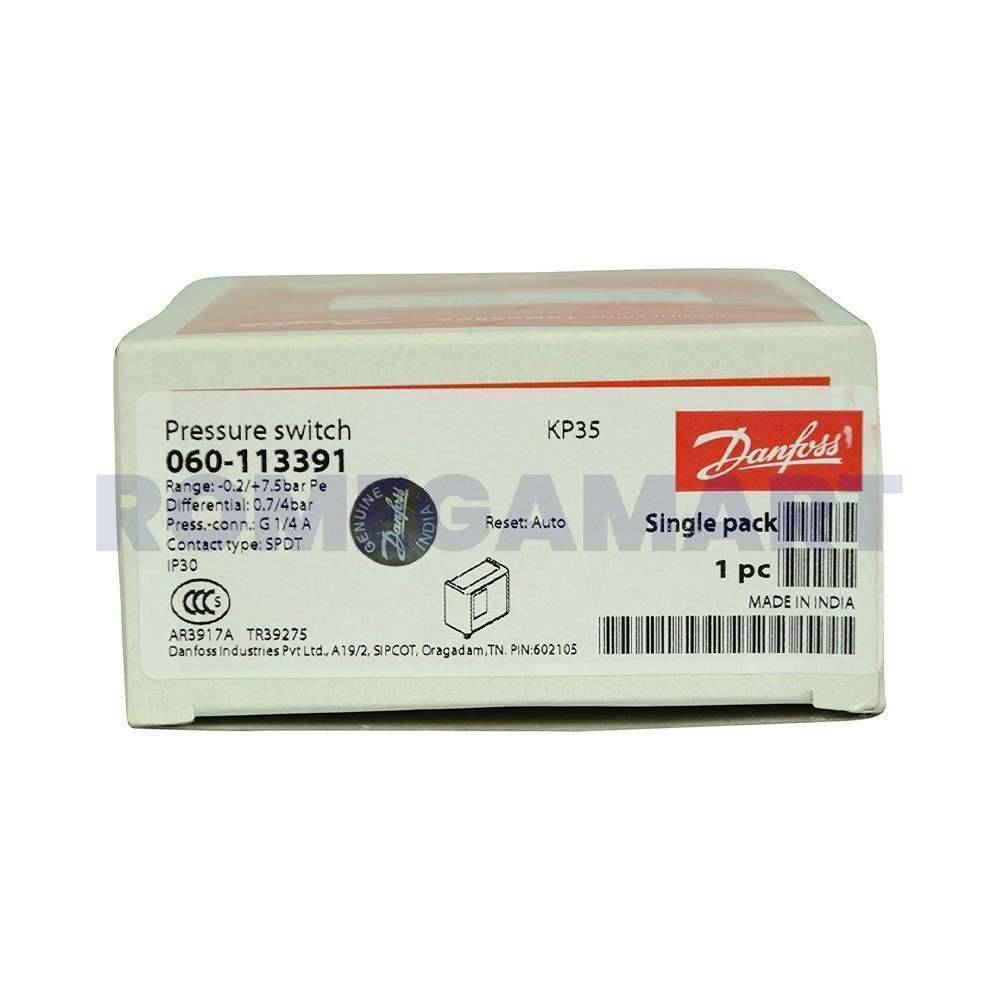
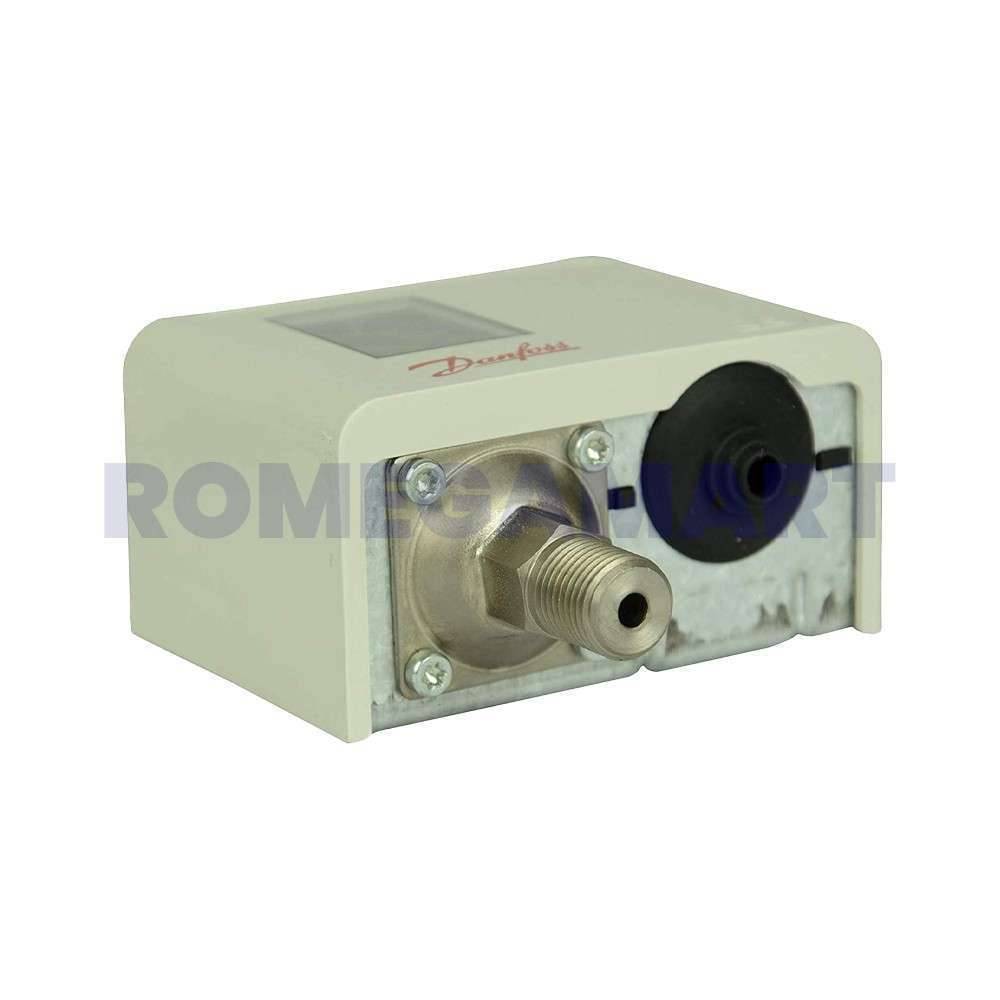
One of the most common issues in residential areas is fluctuating inlet pressure. Low pressure during peak hours and sudden surges at night can destabilize a system.
When pressure is inconsistent:
-
RO membranes struggle to maintain rejection rates
-
Flow restrictors fail to regulate reject water
-
Filters experience uneven loading
Pressure instability is a major reason for early system failure in many RO water purification systems.
Role of RO Pumps in Pressure Compensation
To counter irregular inlet conditions, RO pumps play a critical role. Pumps help stabilize internal pressure so that reverse osmosis can occur effectively.
A stable pump setup supports:
-
Consistent TDS reduction
-
Balanced feed water flow
-
Reduced membrane stress
Without pressure correction, even high-quality membranes underperform.
Tanker Water, Borewell Mixing, and Filtration Stress
Many users switch between municipal supply, borewell water, and tanker water. Each source has different contamination profiles.
Source variation affects:
-
Sediment load
-
Chlorine presence
-
Dissolved salts and metals
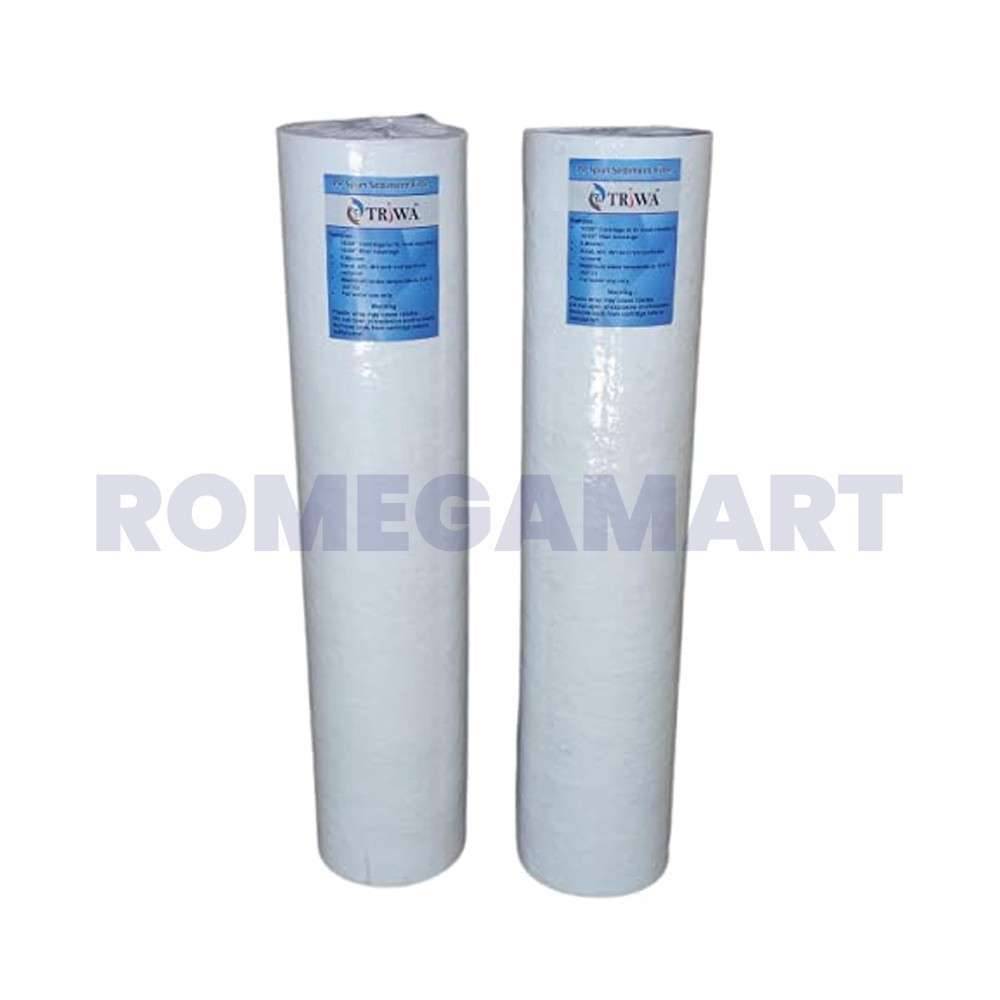
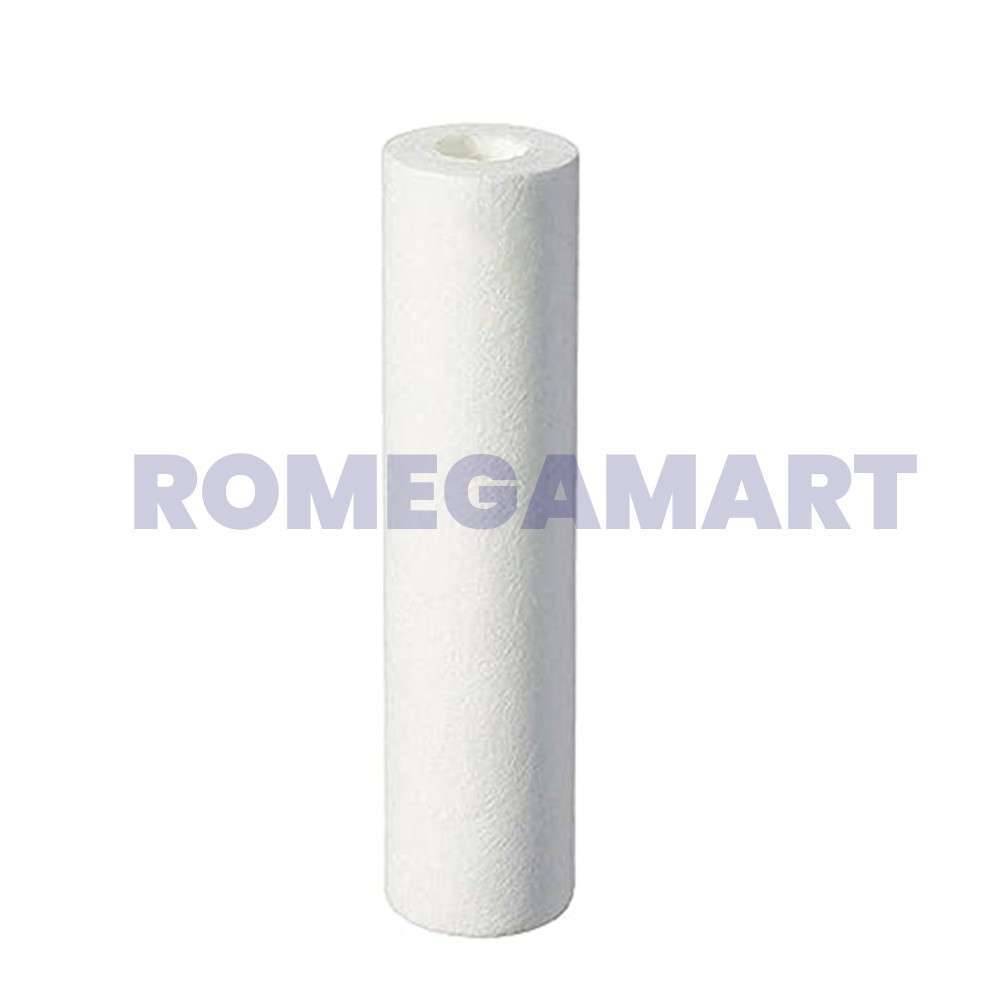
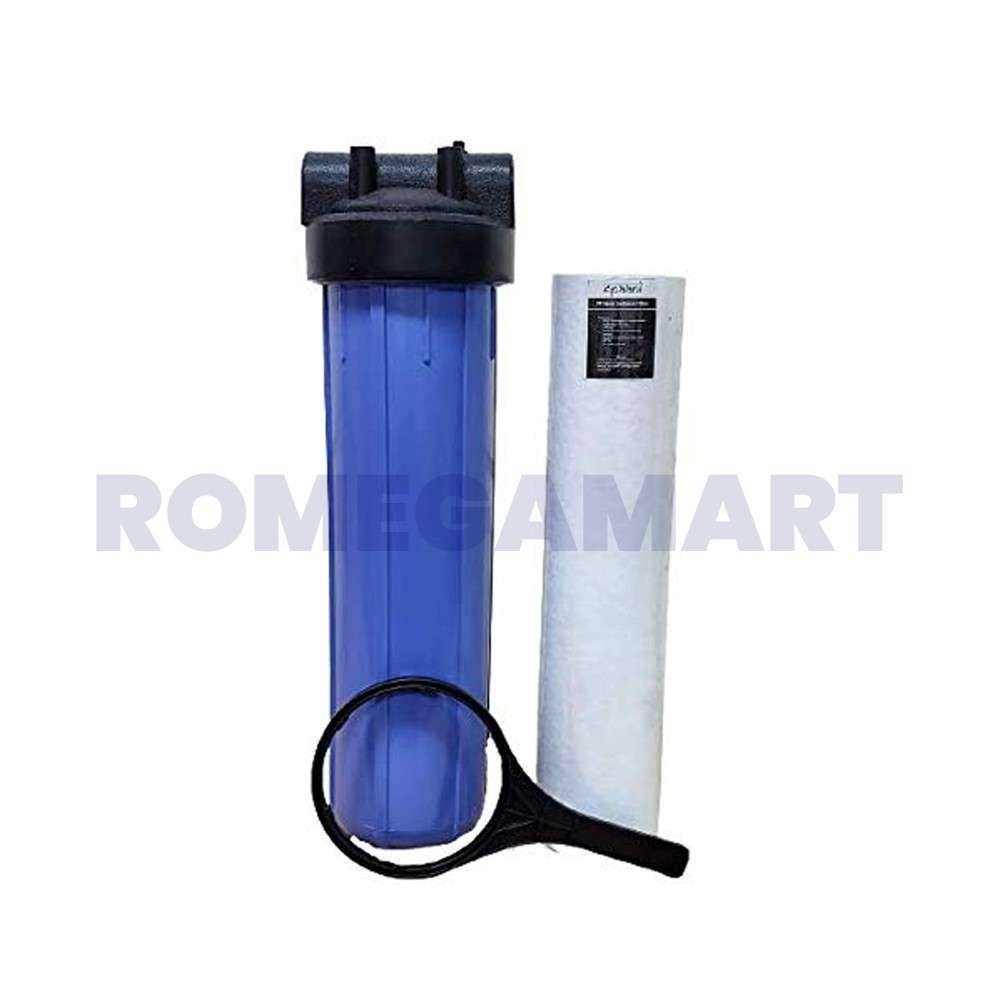
This variation increases the burden on sediment filters and carbon filters, making proper filtration sequencing essential.
Filter Saturation Patterns in Mixed Water Usage
Inconsistent water quality causes uneven filter saturation. For example:
-
Tanker water may clog sediment filters faster
-
Borewell water increases membrane scaling
-
Municipal water accelerates carbon filter exhaustion
Understanding saturation patterns helps in planning timely filter replacement rather than relying on fixed schedules.
Impact on RO Membrane Lifespan
The RO membrane is most vulnerable when input conditions change frequently. Rapid TDS swings and pressure variation reduce membrane efficiency over time.
Symptoms of membrane stress include:
-
Rising output TDS
-
Reduced water recovery
-
Increased reject water
Membrane protection depends on stable pre-filtration and pressure management, not just membrane brand quality.
Electrical Stability During Irregular Supply Cycles
RO systems often run during low-pressure hours, late nights, or early mornings. Electrical stability becomes critical during these cycles.
Components such as:
-
SMPS power supplies
-
Solenoid valves
-
Float switches
must operate reliably even during voltage fluctuation and intermittent water availability.
Domestic vs Commercial Usage Under Supply Constraints
Domestic RO systems face irregular usage patterns—short cycles, frequent ON/OFF operation, and partial tank fills.
Commercial RO systems, however, deal with:
-
Long operational hours
-
Sudden high-demand cycles
-
Continuous pressure dependency
Both environments require systems that tolerate operational inconsistency without frequent breakdowns.
RO Spare Parts Wear Under Stress Conditions
Irregular water conditions accelerate wear on RO spare parts such as:
-
Non-return valves
-
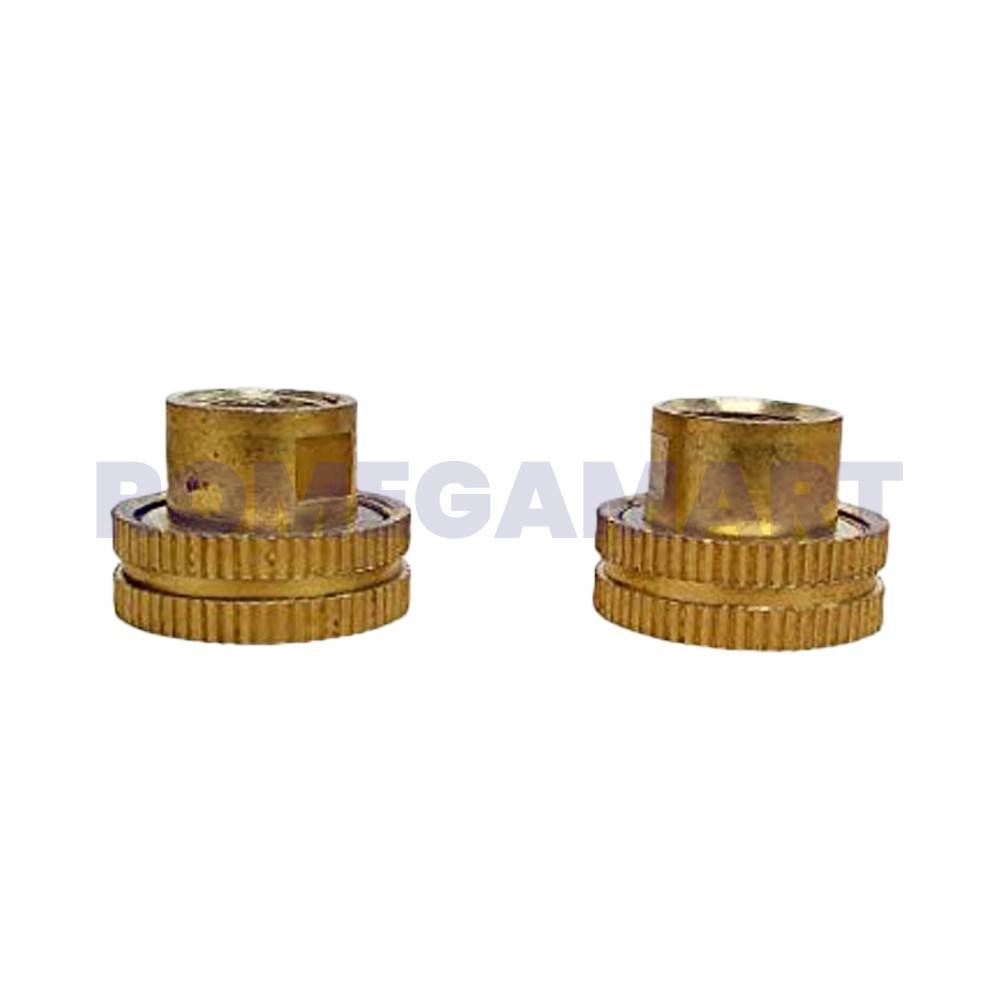
Connectors and elbows
-
Flow restrictors
Poor-quality fittings fail faster under pressure fluctuation, leading to leaks and system inefficiency.
Maintenance Strategy for Inconsistent Water Supply Areas
In areas with unpredictable water supply, maintenance strategy must be adaptive rather than calendar-based.
Effective practices include:
-
Monitoring output TDS monthly
-
Checking filter pressure drop
-
Inspecting membrane reject ratio
Proactive servicing prevents sudden system failure and improves long-term reliability.
User Awareness and Changing Purchase Behaviour
Consumers are increasingly aware that RO performance depends on local water conditions. Buyers now look beyond filter count and focus on system durability, pressure tolerance, and service ease.
This shift is influencing how water purification industry players design and position their systems.
Industry Perspective
As water availability patterns become more erratic, RO systems must adapt to real-world conditions rather than ideal laboratory assumptions. Systems designed for flexibility, pressure stability, and component compatibility perform better across diverse environments.
Ocean Star operates within this practical landscape, where RO systems must deliver consistent purification despite supply unpredictability.
Final Thoughts
Irregular water supply is no longer an exception—it is the norm in many regions. Understanding how RO water purifiers respond to fluctuating pressure, mixed water sources, and inconsistent usage is essential for long-term performance.
Reliable purification depends on system balance, pressure management, and timely maintenance—not just component count.