

Toray RO Water Purifier & Advanced Water Treatment Manufacturer in Delhi




People Trust Water More When It Feels “Scientifically Proven”
Most users cannot explain how reverse osmosis works, yet they strongly believe in it. This belief is not based on understanding—it is based on authority. When water purification feels connected to science, laboratories, or engineering rigor, people trust it instinctively.
Within the water purification industry, this phenomenon plays a powerful role in shaping acceptance of RO water purifiers, even before the first glass is consumed.
Authority Bias in Drinking Water Decisions
Authority bias is the tendency to trust something more when it appears backed by expertise. In drinking water, this bias is especially strong because contamination feels invisible and dangerous.
Users feel safer when they believe:
-
The system uses advanced technology
-
The filtration is “scientifically designed”
-
The process sounds technical
Even without comprehension, scientific language creates reassurance.
Why “Advanced” Sounds Safer Than “Simple”
When purification is described as multi-stage, membrane-based, or engineered, people assume superior safety. Simple explanations feel less protective, even if effectiveness is identical.
This is why RO water purification systems are often trusted more than basic filters—complexity signals control.
Complexity reduces fear.
The Role of the RO Membrane in Perceived Intelligence
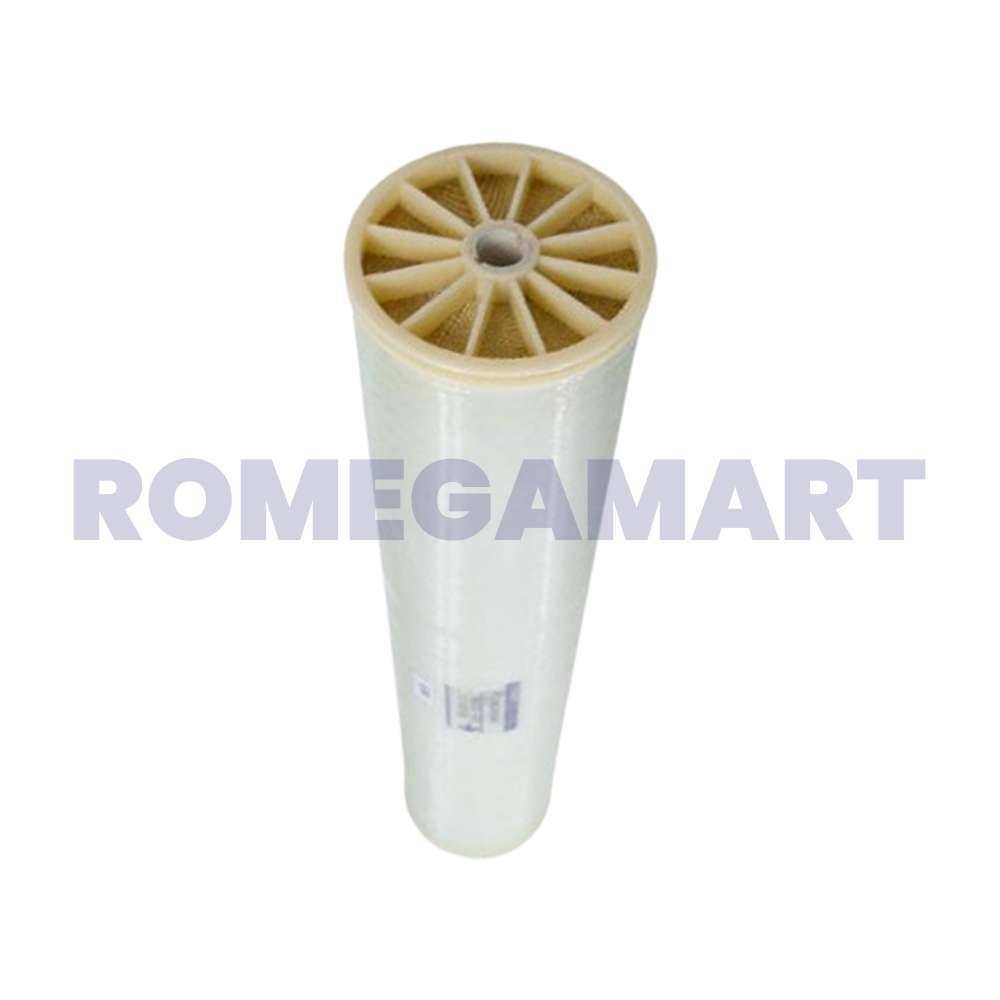
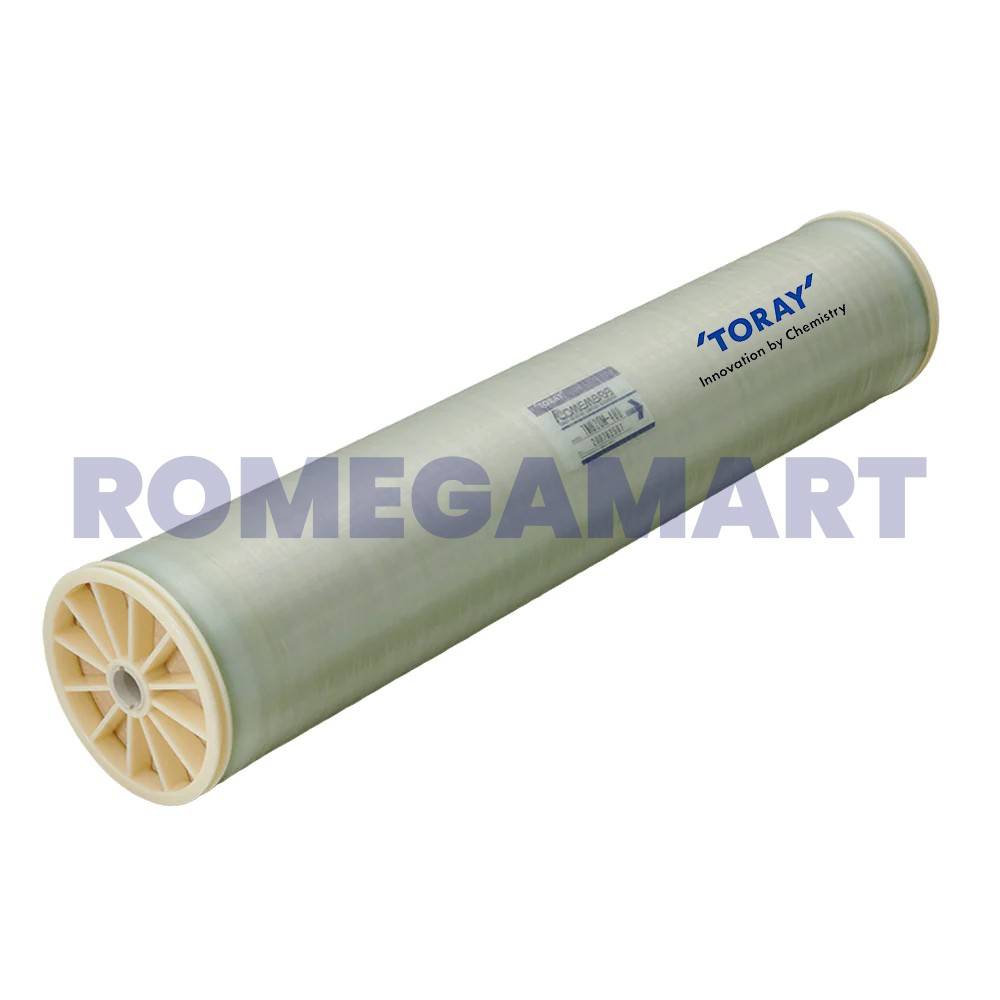
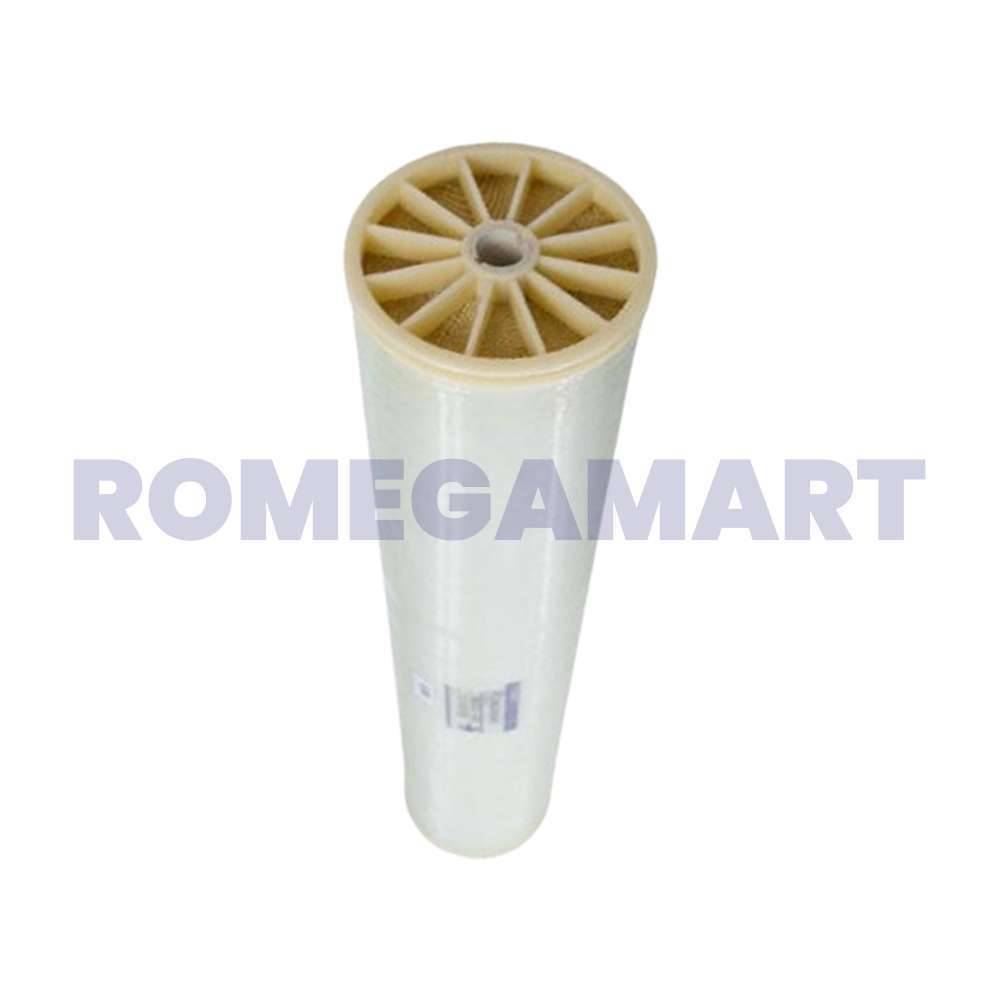
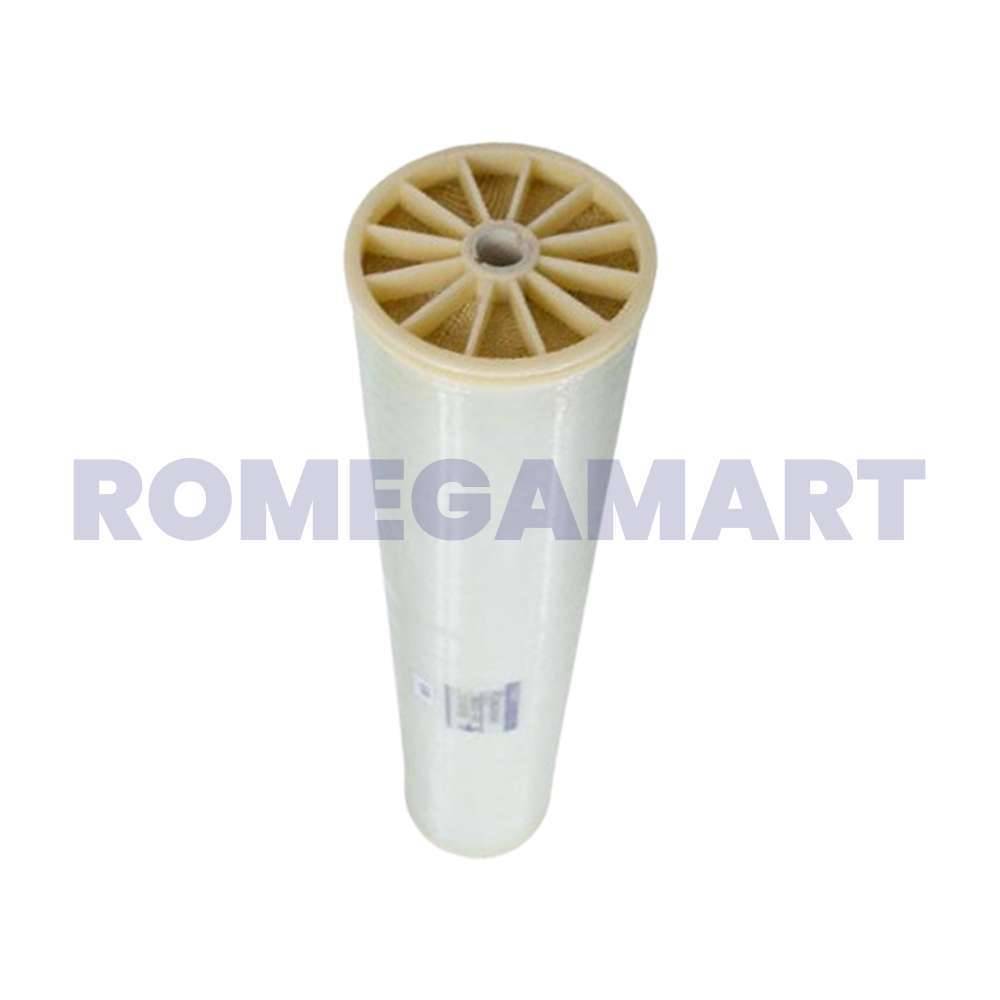
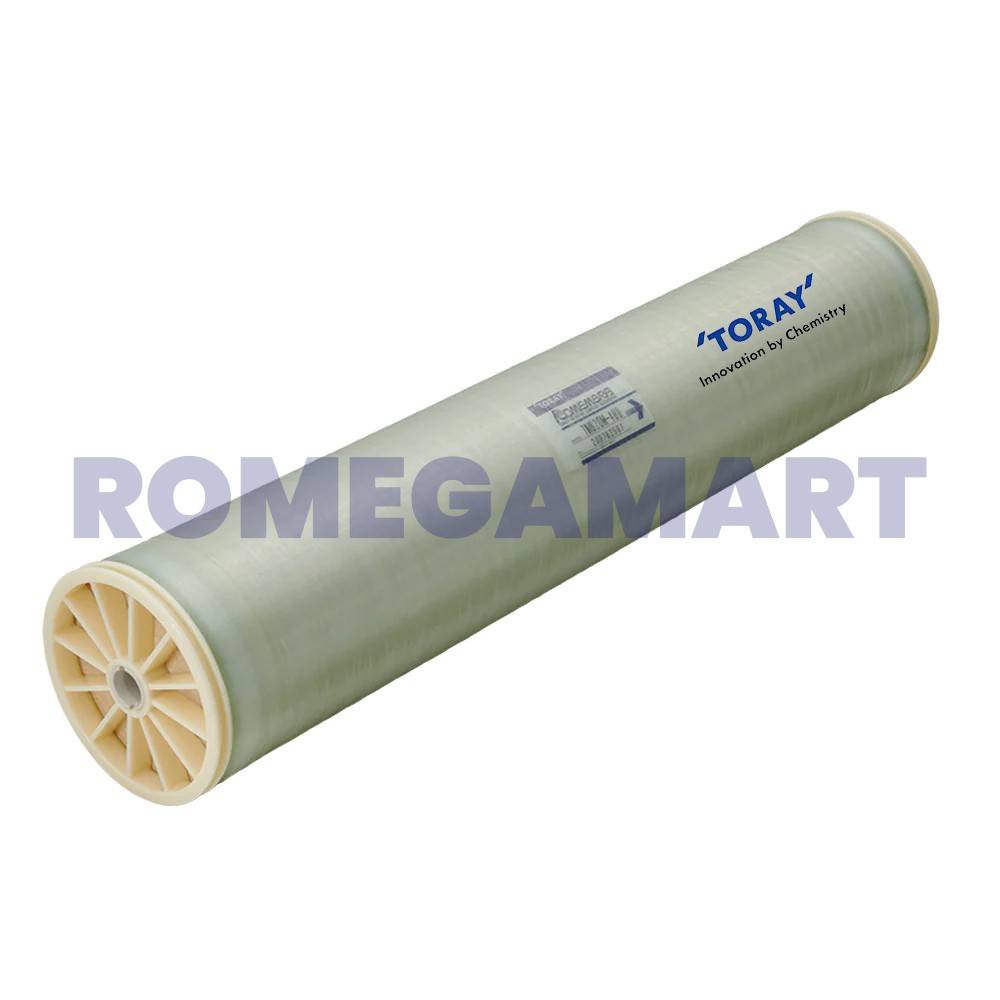
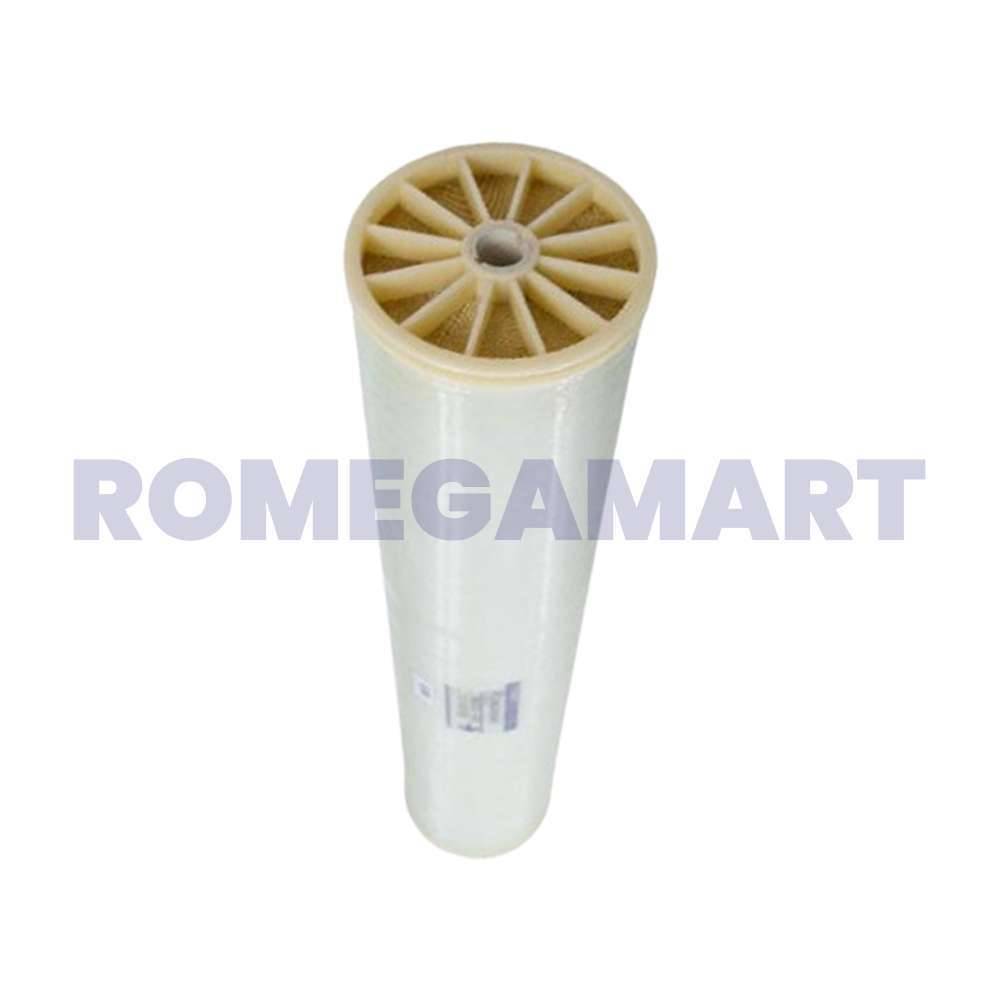
The RO membrane is rarely understood, yet deeply trusted. Users see it as a barrier that nothing harmful can cross.
Psychologically, membranes represent:
-
Precision
-
Microscopic control
-
Scientific filtering
Even when maintenance is neglected, belief in the membrane’s power persists longer than reality.
Numbers Feel Like Proof
Displaying numbers—especially TDS—creates a sense of measurable truth. People trust what can be counted, even if they don’t understand the meaning.
Common behaviors include:
-
Feeling safer after seeing a “good” number
-
Distrusting water without visible data
-
Comparing numbers emotionally, not logically
Numbers give comfort, not clarity.
Laboratory Thinking at Home
RO systems bring a “lab feeling” into kitchens. Tubes, cartridges, membranes, and controlled flow resemble controlled environments.
This environment:
-
Reduces uncertainty
-
Creates perceived hygiene
-
Signals professionalism
Even if users never test their water, the lab-like appearance builds trust.
Taste Becomes Secondary When Science Is Trusted
When users strongly trust the science behind purification, they tolerate taste variation more easily. Slight changes are rationalized as “healthy” or “natural.”
In contrast, when scientific trust is low, even minor taste shifts trigger suspicion.
Belief in science overrides sensory doubt.
Consistency as Proof of Engineering
Consistent output reinforces belief in technical reliability. When water behaves predictably, users assume the system is well-engineered.
Erratic flow, sudden stops, or unusual sounds break this illusion—even if water quality remains safe.
Smooth operation feels scientifically correct.
Technician Language Reinforces Authority
Technicians act as translators of science. Words like “membrane rejection,” “pressure balance,” or “water parameters” elevate perceived system intelligence.
Once users believe their system is technically sophisticated, they stop questioning daily output.
Authority transfers from expert to machine.
Why People Rarely Test Water After Trust Is Built
Once authority trust is established, users reduce verification. They stop checking TDS, stop tasting critically, and stop questioning storage.
Trust replaces vigilance.
This is why perception matters as much as actual water filtration systems performance.
When Scientific Trust Breaks
Trust collapses suddenly when:
-
Output changes dramatically
-
A visible failure occurs
-
Contradictory information is introduced
Once broken, rebuilding trust takes longer than establishing it initially.
Industry Perspective
The industry increasingly understands that scientific credibility is not just about performance—it is about communication. Systems must feel reliable, engineered, and precise to earn long-term trust.
Toray exists in a market where authority, consistency, and perceived scientific rigor shape how users emotionally relate to drinking water.
Final Thoughts
People trust water not because they understand it, but because they believe in the science behind it. Reverse osmosis represents control over the invisible, turning fear into confidence.
When RO water purifiers combine real performance with perceived authority, they deliver more than clean water—they deliver peace of mind.