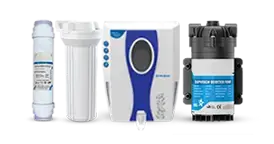
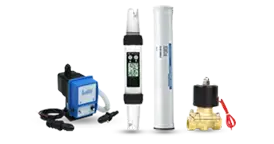


USHA RO Water Purifier & Drinking Water Systems Manufacturer in Delhi


Why Water Quality Is Judged Emotionally, Not Technically
Most people believe they evaluate drinking water logically—by checking clarity, TDS, or purification labels. In reality, water quality is largely judged through perception, habit, and emotional cues. Studies across consumer behavior show that humans rely more on taste, smell, and routine than on actual chemical data.
Within the water purification industry, this psychological layer strongly shapes how RO water purifiers are accepted, trusted, or rejected in daily use.
Taste as a Proxy for Safety
Taste is the most dominant factor in water trust. If water tastes “flat,” “metallic,” or unfamiliar, people instinctively assume it is unsafe—even when lab parameters show acceptable purity.
This is why users often adjust RO water purification systems to maintain a familiar taste profile. Slight mineral presence creates reassurance, even though technically purer water may taste less pleasant.
Psychologically, taste becomes a shortcut for safety.
The TDS Number Illusion
The TDS reading displayed on testers or smart purifiers carries disproportionate authority. Consumers frequently fixate on the number itself rather than understanding what it represents.
Common behaviors include:
-
Assuming lower TDS always means safer water
-
Rejecting water that falls outside a self-chosen “safe” range
-
Adjusting systems to hit a preferred number
In reality, reverse osmosis removes dissolved solids broadly, not selectively. Yet perception overrides chemistry.
Visual Cues and Trust Formation
Clear water creates instant confidence. Cloudiness—even if harmless—triggers rejection. This explains why users often clean storage tanks immediately after noticing visual residue, regardless of microbial risk.
Transparent housings, visible water flow, and illuminated indicators increase trust in water filtration systems, even when they do not change purification performance.
Trust is built through what people see, not what the system actually measures.
Routine Builds Safety Belief
When water tastes the same every day, users stop questioning its safety. Consistency creates psychological comfort.
This explains why sudden changes—filter replacement, membrane servicing, or source switching—often lead to complaints. The water may be purer, but it feels unfamiliar.
Stable output from RO water purifiers supports trust more than absolute purity.
The Role of Storage in Perceived Freshness
Stored water is judged differently from freshly drawn water. Even in closed tanks, users perceive stored water as “old” after a few hours.
This leads to behaviors such as:
-
Frequent tank draining
-
Preference for direct-flow dispensing
-
Avoidance of overnight storage
The psychology of freshness influences how people interact with RO water purification systems, regardless of actual water safety.
Sound, Flow, and System Confidence
Operational sounds affect trust. A smooth pump sound reassures users, while sudden clicks or vibrations raise suspicion.
Quiet RO pumps and steady flow patterns subconsciously signal reliability. Erratic behavior creates doubt, even if performance remains within specification.
People associate calm operation with safe purification.
Branding and Familiarity Bias
Well-known names create assumed safety. Users are more forgiving of taste variation or minor issues when the brand feels familiar or longstanding.
This familiarity bias plays a significant role in adoption across the water purification industry, influencing purchasing decisions more than technical comparison charts.
Technician Influence on Perception
What a technician says often becomes “truth” for the user. Explanations like “your water is very hard” or “this membrane is weak” shape long-term beliefs.
Even after servicing, users may continue to distrust water due to remembered warnings, regardless of improved output quality.
Psychology lingers longer than data.
Why Perception Matters for Long-Term Usage
When users trust their water, they:
-
Drink more consistently
-
Avoid unnecessary adjustments
-
Maintain systems properly
When trust is low, users interfere with settings, delay maintenance, or abandon systems entirely—even high-performing ones.
Effective water purification systems must address perception as much as filtration.
Industry Perspective
As awareness grows, the industry is slowly recognizing that water quality is not judged purely by numbers. Taste stability, sensory cues, and emotional reassurance play a decisive role in how systems are valued.
USHA operates within this psychological landscape, where acceptance depends on daily experience—not just laboratory standards.
Final Thoughts
Water quality lives in the mind as much as in measurement. While reverse osmosis delivers technical purity, trust is built through taste, consistency, and familiarity.
Understanding the psychology behind drinking water helps users make more informed choices—and helps systems deliver not just clean water, but confidence.