RO Plant Parts Manufacturer in Delhi






Best RO Plant Parts Manufacturer for Industrial Water Treatment Solutions
Did you know that the performance of an RO plant depends heavily on the quality of its components? Even a single low-grade membrane, pump, or filter can reduce purification efficiency, increase maintenance costs, and affect the overall lifespan of the system. This is why industries across sectors rely on a trusted RO Plant Parts Manufacturer for durable, efficient, and high-performance water treatment components.
Featured Snippet
What Is an RO Plant Parts Manufacturer?
An RO Plant Parts Manufacturer manufactures and supplies essential components used in reverse osmosis systems, including RO membranes, pressure vessels, pumps, filters, dosing systems, and other industrial RO plant components required for efficient water purification.
Table of Contents
- Introduction to RO Plant Parts Manufacturing
- What Is an RO Plant and How Does It Work?
- Importance of High-Quality RO Plant Components
- Essential Parts Used in Reverse Osmosis Plants
- Why 4040 RO Membrane Is Important in Industrial RO Systems
- How to Choose the Right RO Plant Parts Manufacturer
- Features of a Reliable RO Spare Parts Supplier
- Industrial Applications of RO Plant Components
- Benefits of Premium Reverse Osmosis Plant Parts
- Custom RO Plant Parts Manufacturing Solutions
- Quality Standards and Certifications to Look For
- Maintenance Tips for RO Plant Components
- Future of Industrial RO Plant Technology
- Frequently Asked Questions
- Conclusion
Introduction to RO Plant Parts Manufacturing
Water purification has become an essential requirement for industries, commercial facilities, hospitals, food processing units, pharmaceutical companies, and municipal projects. Reverse osmosis systems are widely used because they effectively remove dissolved salts, chemicals, bacteria, and impurities from water. However, the efficiency of an RO system depends entirely on the quality of its components.
A professional RO Plant Parts Manufacturer provides reliable and precision-engineered components designed to improve filtration performance, reduce downtime, and increase system durability. From membranes and pumps to filters and dosing systems, every part contributes to the smooth operation of a reverse osmosis plant.
Industries today look for manufacturers that offer durable industrial RO plant components, technical expertise, customization options, and long-term support. High-quality reverse osmosis plant parts not only improve water quality but also help businesses reduce operational and maintenance costs.
What Is an RO Plant and How Does It Work?
An RO plant, also known as a reverse osmosis plant, is a water purification system that removes contaminants, dissolved salts, heavy metals, and microorganisms from water through a semi-permeable membrane.
The process works by applying pressure to untreated water and forcing it through an RO membrane. The membrane blocks impurities while allowing purified water to pass through. The purified water is then collected for industrial or commercial use.
A standard RO plant consists of several important components, including:
- RO membranes
- High-pressure pumps
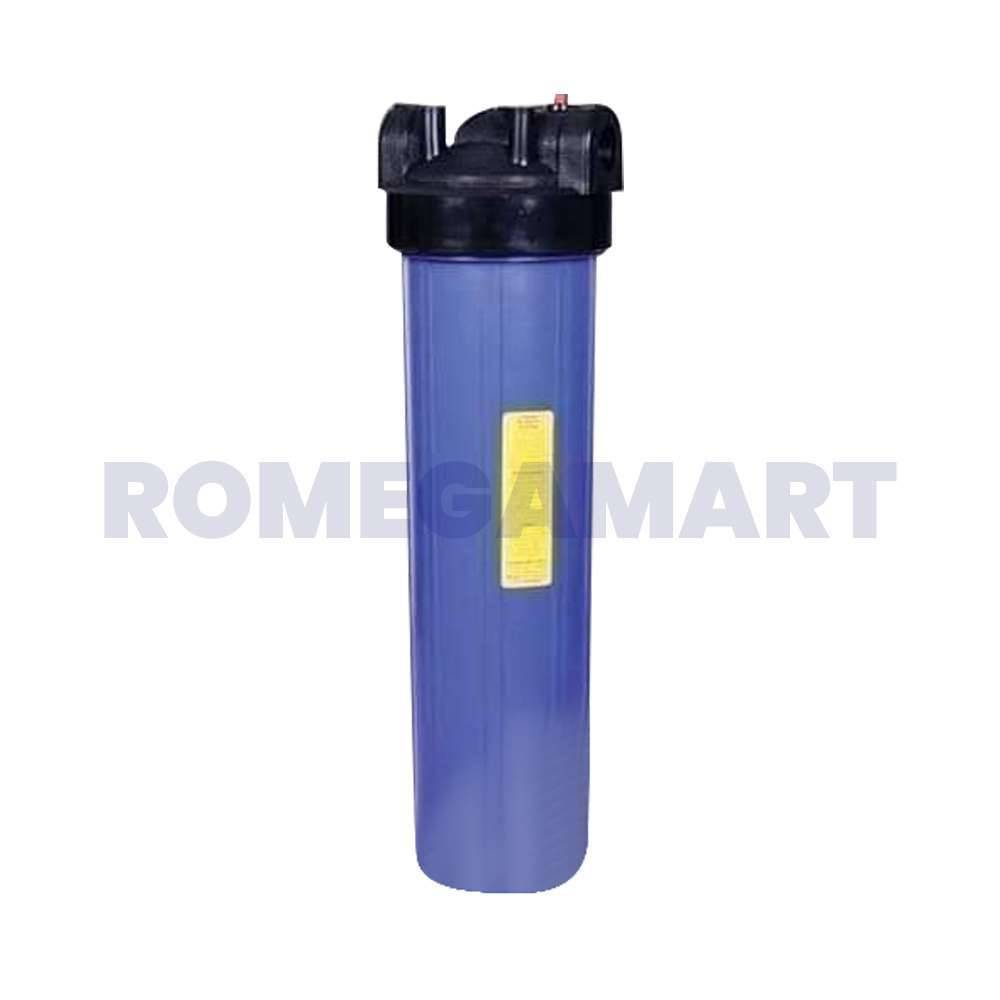
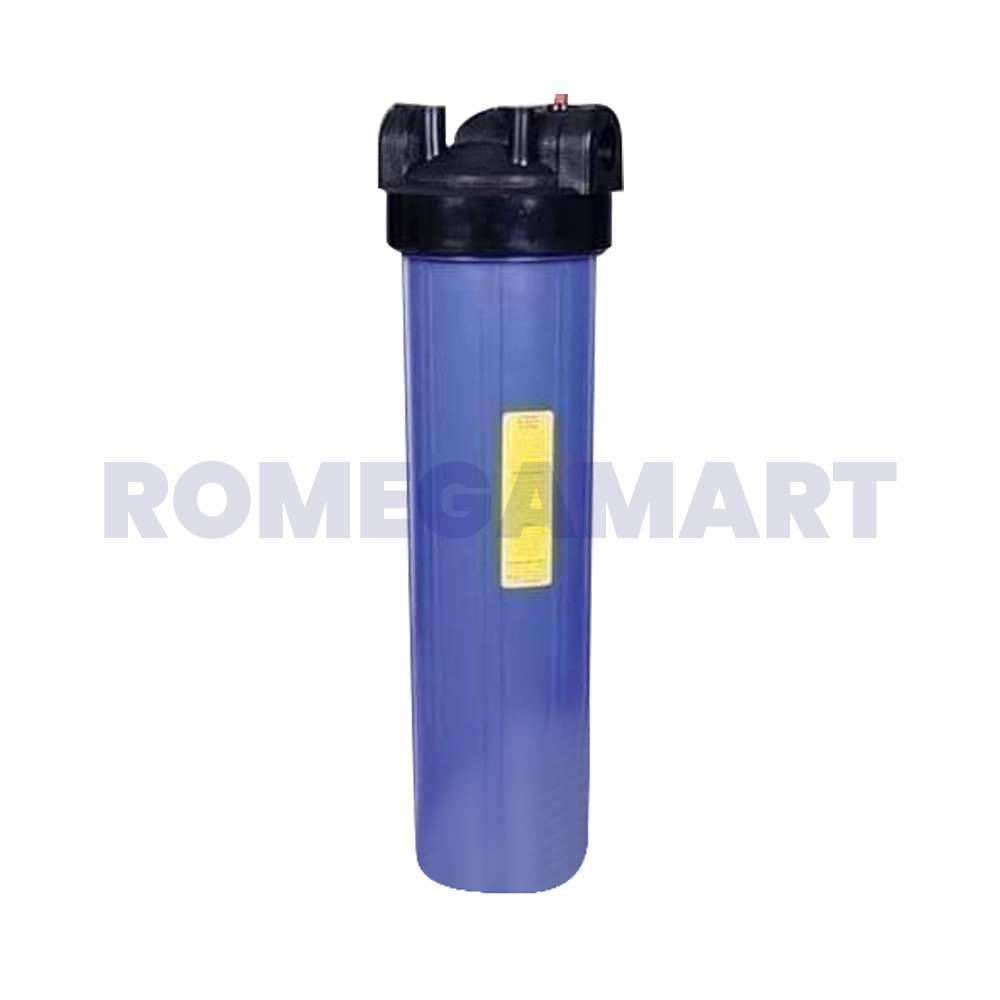
- Pressure vessels
- Filter cartridges
- Dosing systems
- Flow meters
- Control valves
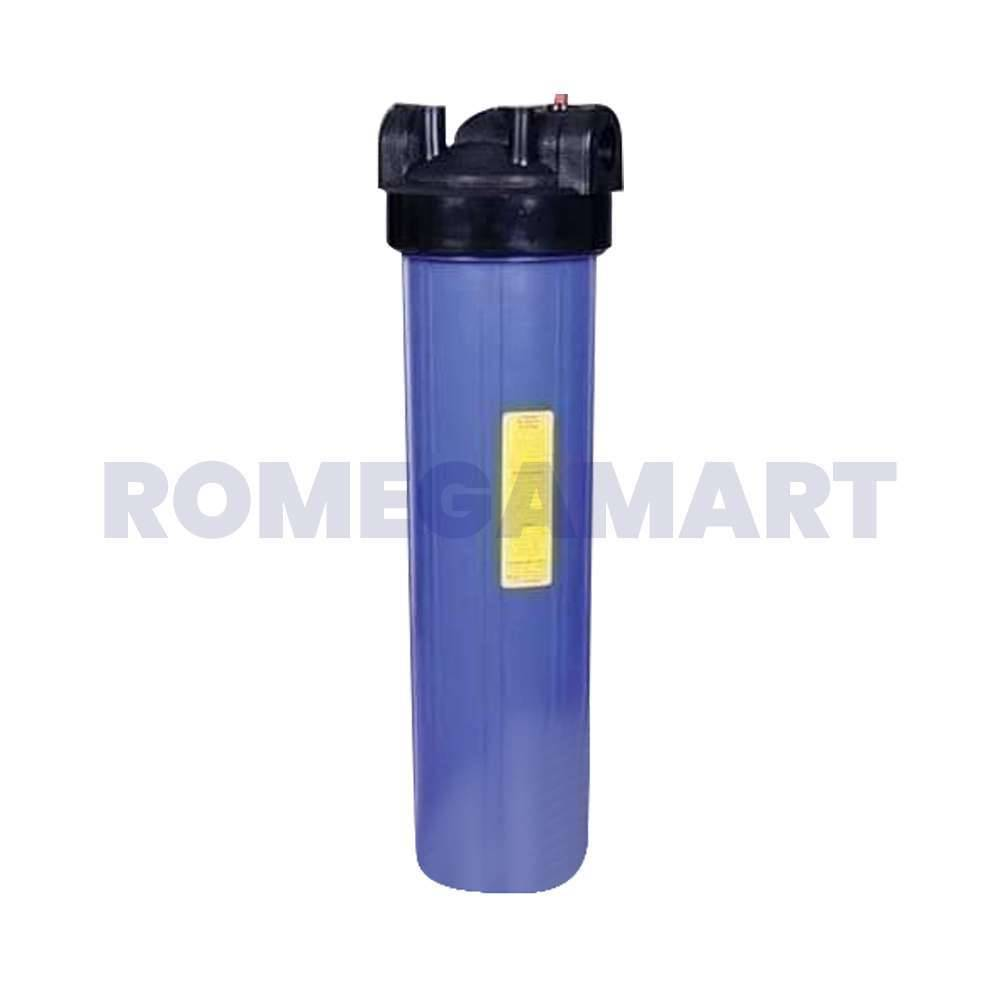
- Membrane housings
The quality and compatibility of these components directly impact system efficiency and water purity levels.
Importance of High-Quality RO Plant Components
Using premium industrial RO plant components is critical for maintaining the performance and reliability of water treatment systems. Inferior components often lead to membrane fouling, leakage, pressure imbalance, reduced filtration efficiency, and increased energy consumption.
A trusted RO Plant Parts Manufacturer ensures that every component meets industrial quality standards and delivers long-term operational stability.
Key Benefits of High-Quality RO Components
Improved Water Purity
Quality components ensure effective removal of contaminants, dissolved solids, and harmful particles from water.
Longer Equipment Lifespan
Durable materials reduce wear and tear, extending the operational life of the RO plant.
Reduced Maintenance Costs
Reliable reverse osmosis plant parts require fewer repairs and replacements, helping businesses save money.
Better Energy Efficiency
Efficient pumps and membranes reduce power consumption and improve overall system performance.
Consistent System Performance
Premium components maintain stable pressure and flow rates, ensuring uninterrupted water treatment operations.
Essential Parts Used in Reverse Osmosis Plants
A reliable RO Spare Parts Supplier provides a wide range of components used in industrial and commercial water treatment systems.
RO Membranes
RO membranes are the heart of any reverse osmosis system. They remove dissolved salts, bacteria, organic impurities, and harmful contaminants from water.
Industrial-grade membranes are designed to provide:
- High rejection rates
- Better flow performance
- Long operational life
- Low maintenance requirements
Choosing membranes from a reliable RO Plant Parts Manufacturer ensures consistent purification efficiency and system stability.
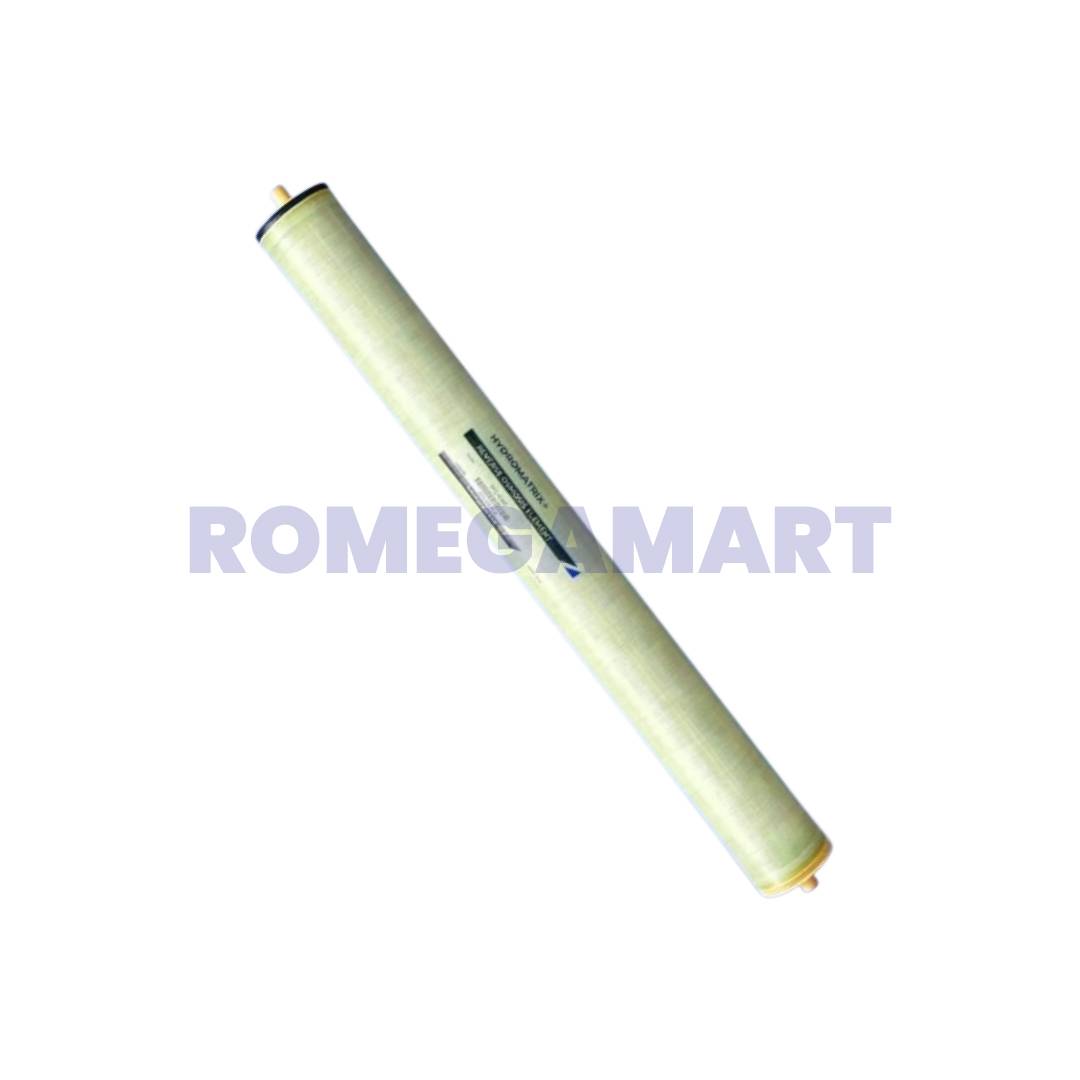
4040 RO Membrane
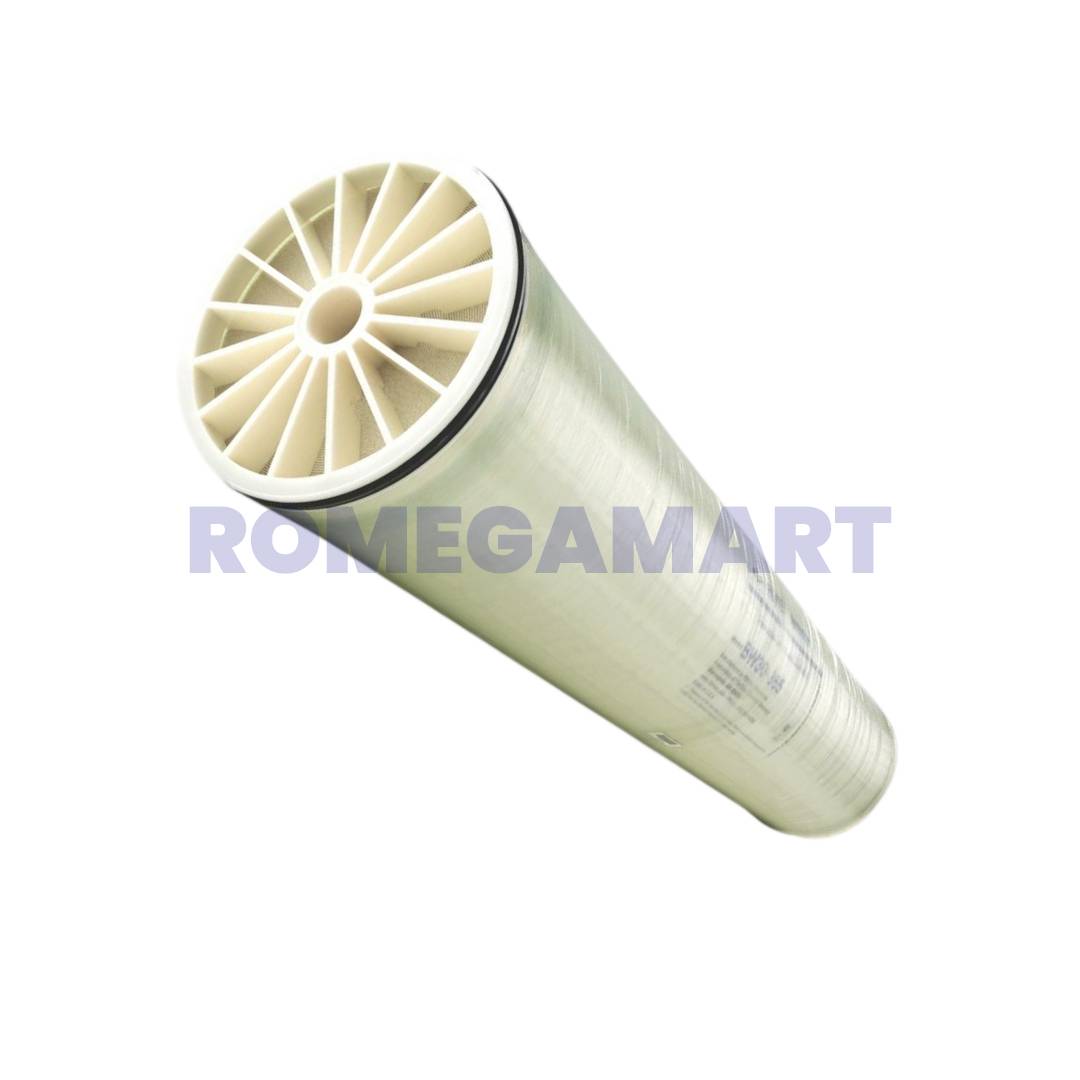
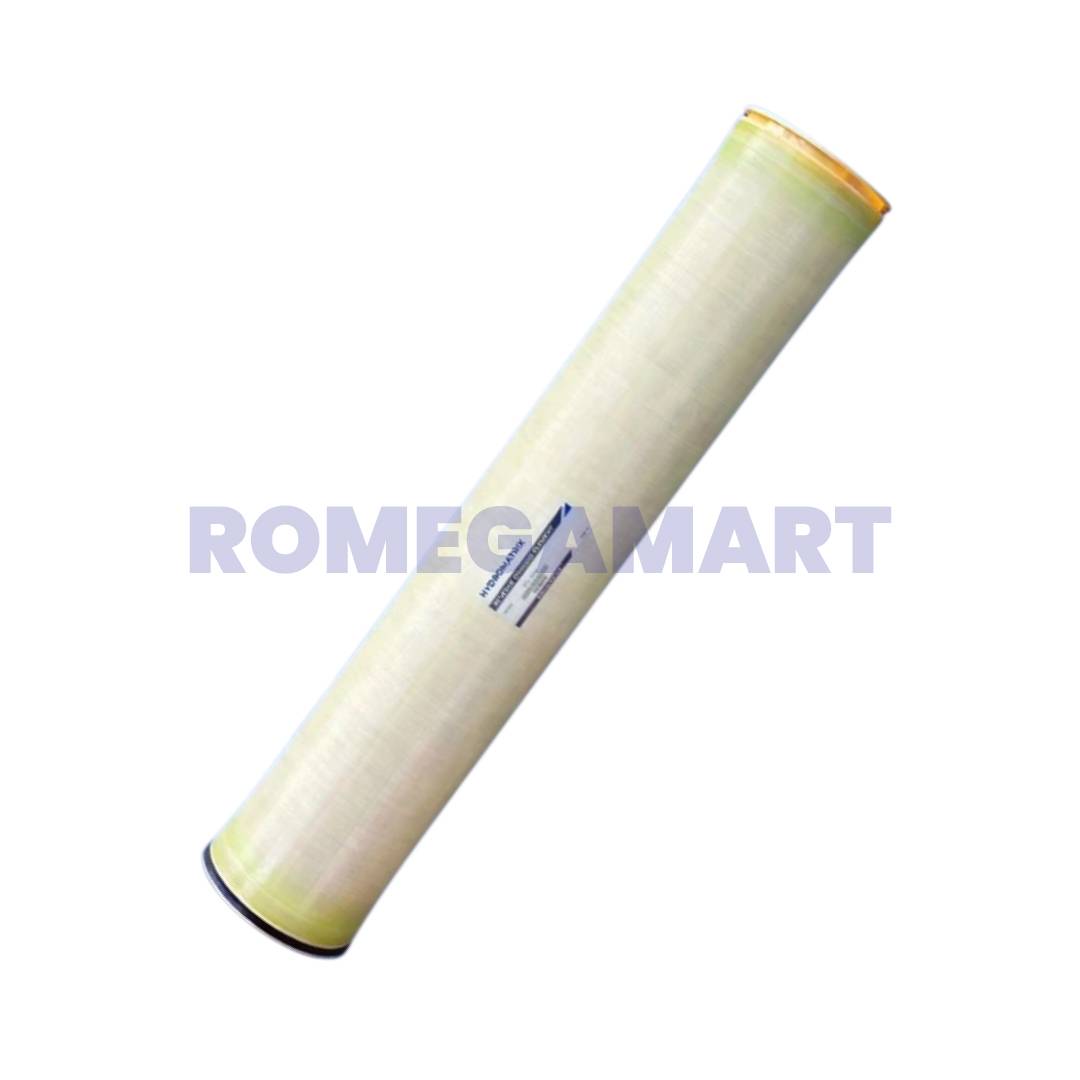
The 4040 RO membrane is one of the most widely used components in industrial and commercial RO systems. It is known for its high filtration capacity, excellent salt rejection rate, and reliable performance.
What Is a 4040 RO Membrane?
A 4040 RO membrane is a spiral-wound reverse osmosis membrane measuring 4 inches in diameter and 40 inches in length. It is commonly used in medium-capacity industrial RO systems for water purification applications.
Advantages of 4040 RO Membrane
- High water purification efficiency
- Excellent dissolved salt removal
- Long service life
- Low operating cost
- Consistent flow performance
Industries prefer high-quality 4040 RO membrane solutions because they provide efficient filtration while reducing operational downtime.
Applications of 4040 RO Membrane
- Pharmaceutical industries
- Food and beverage plants
- Chemical processing units
- Hospitals
- Commercial water purification systems
- Industrial manufacturing facilities
A trusted RO Plant Parts Manufacturer ensures that the membrane is manufactured using premium materials and advanced membrane technology for superior performance.
High-Pressure Pumps
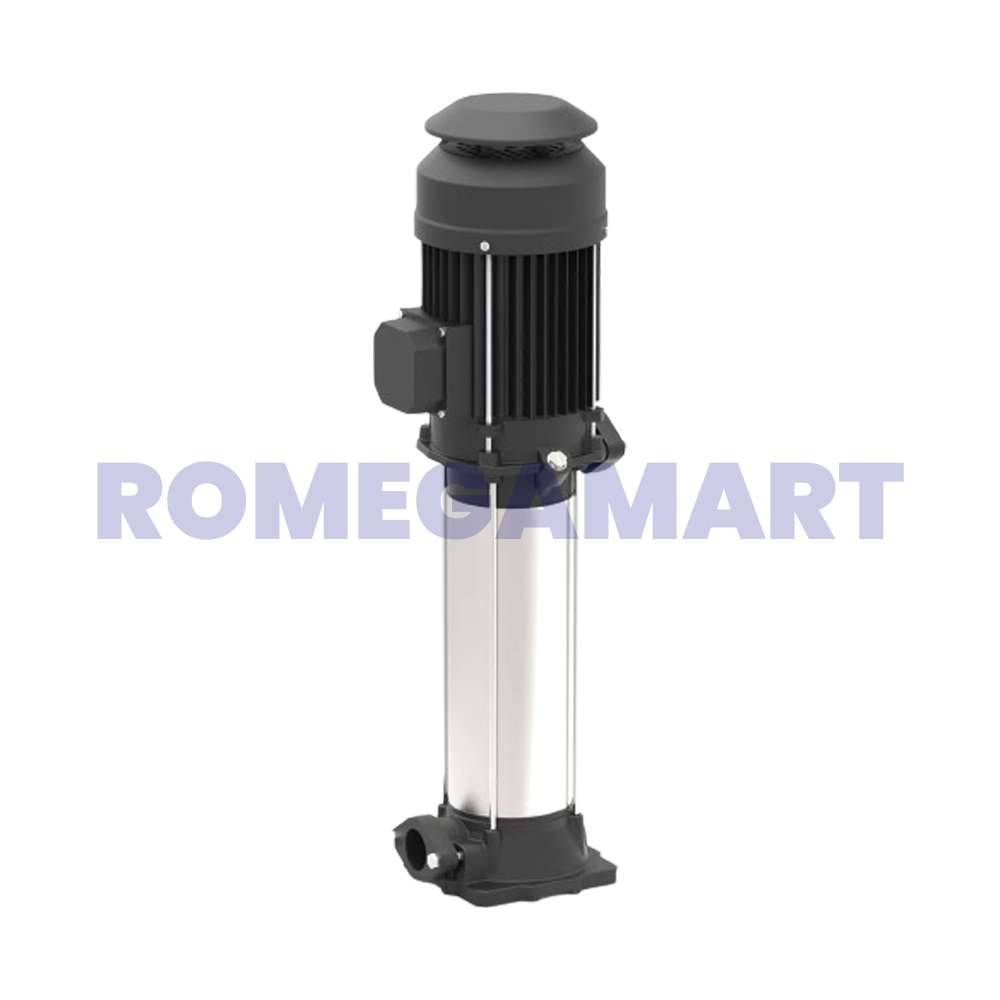
High-pressure pumps generate the pressure required for the reverse osmosis process. These pumps are essential for forcing water through the RO membrane.
Quality pumps provide:
- Stable pressure levels
- Energy efficiency
- Reduced vibration
- Long operational life
Industrial RO systems require robust pumps capable of handling continuous operation under demanding conditions.
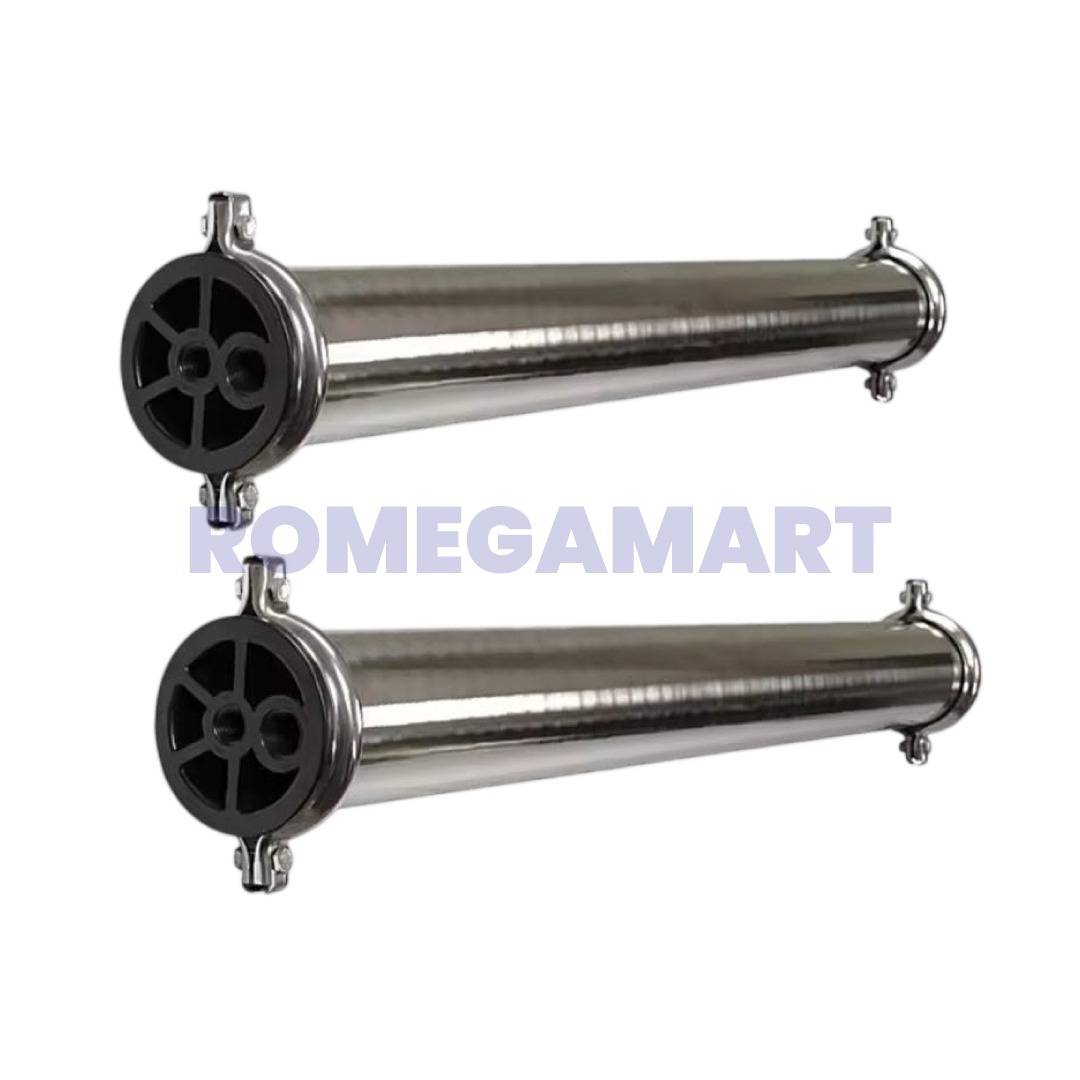
Pressure Vessels
Pressure vessels house the RO membranes and maintain proper operating pressure inside the system. High-quality vessels are corrosion-resistant and designed for long-term industrial use.
A reliable RO Spare Parts Supplier offers pressure vessels made from durable materials such as FRP and stainless steel.
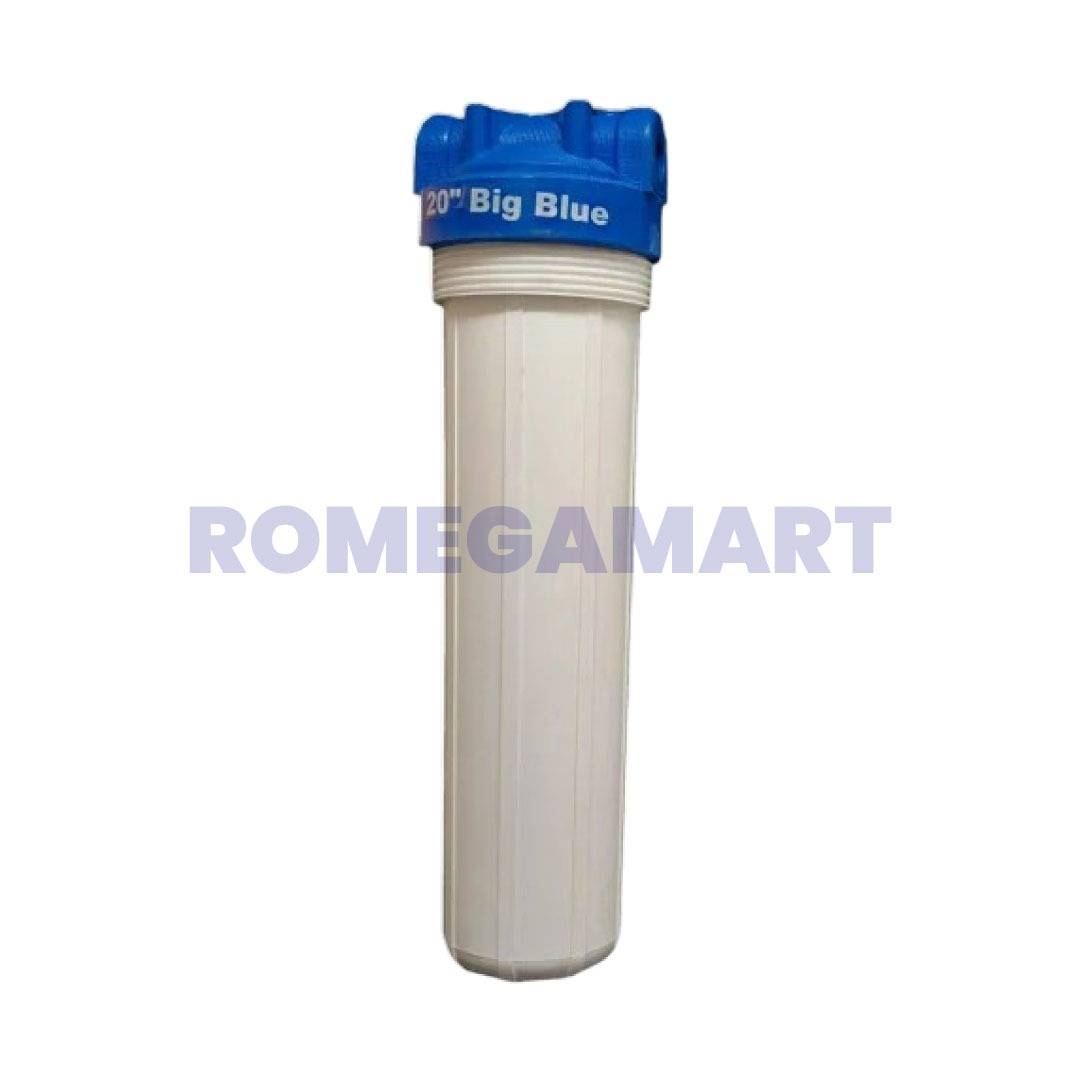
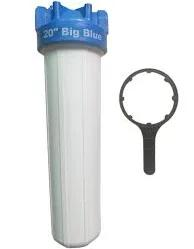
Filter Cartridges
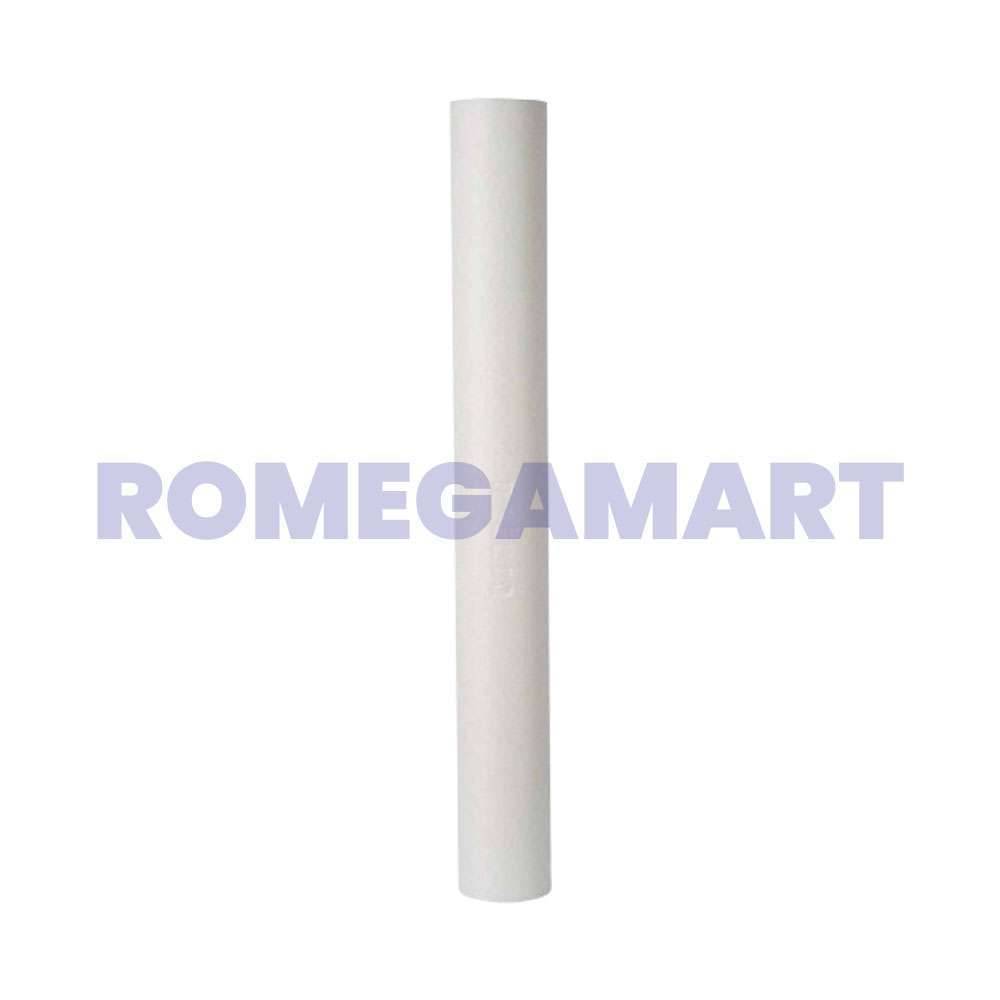
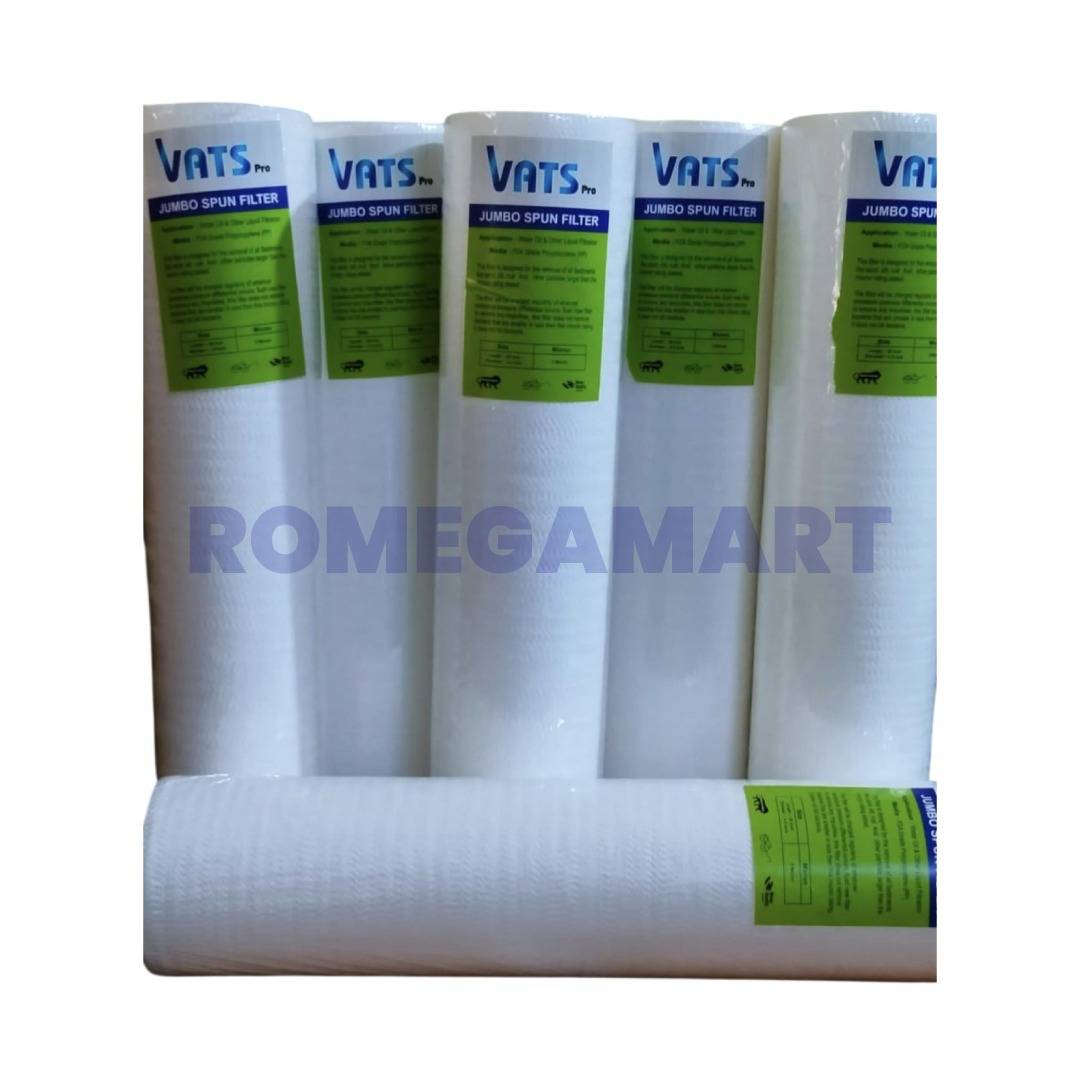
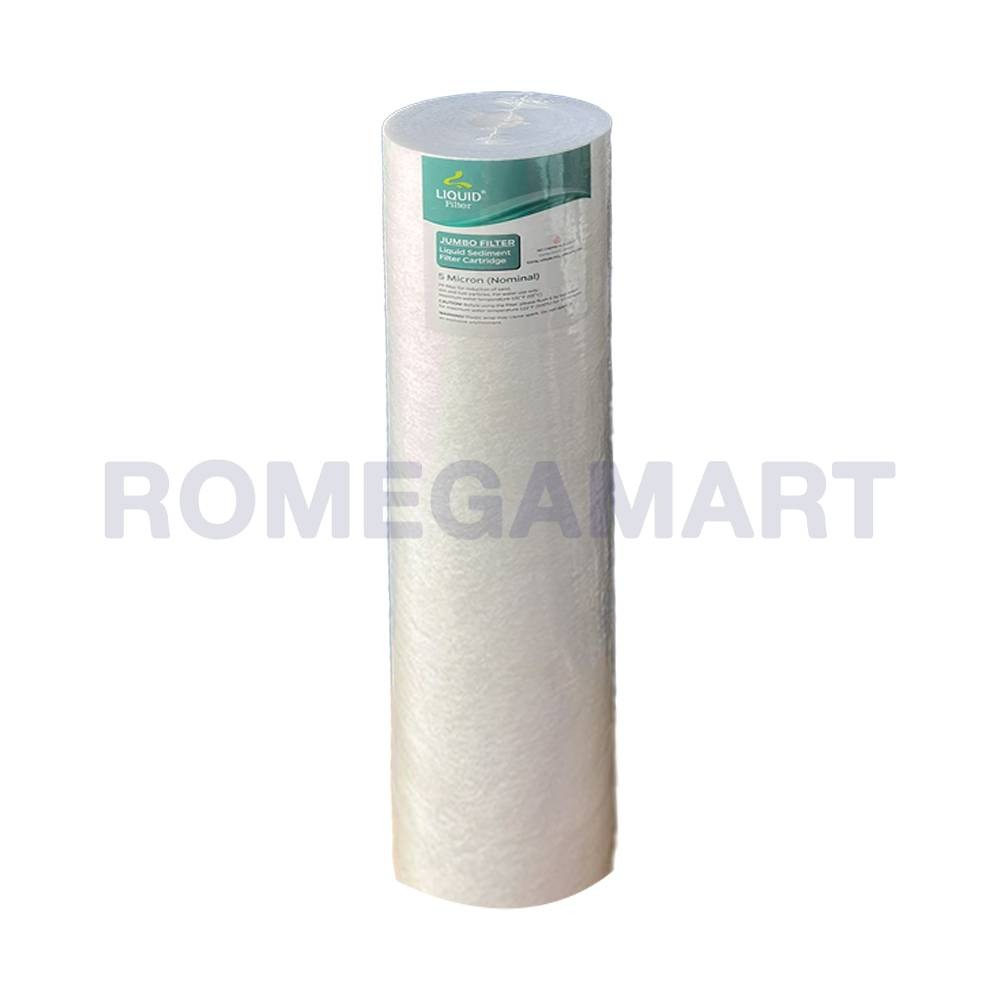
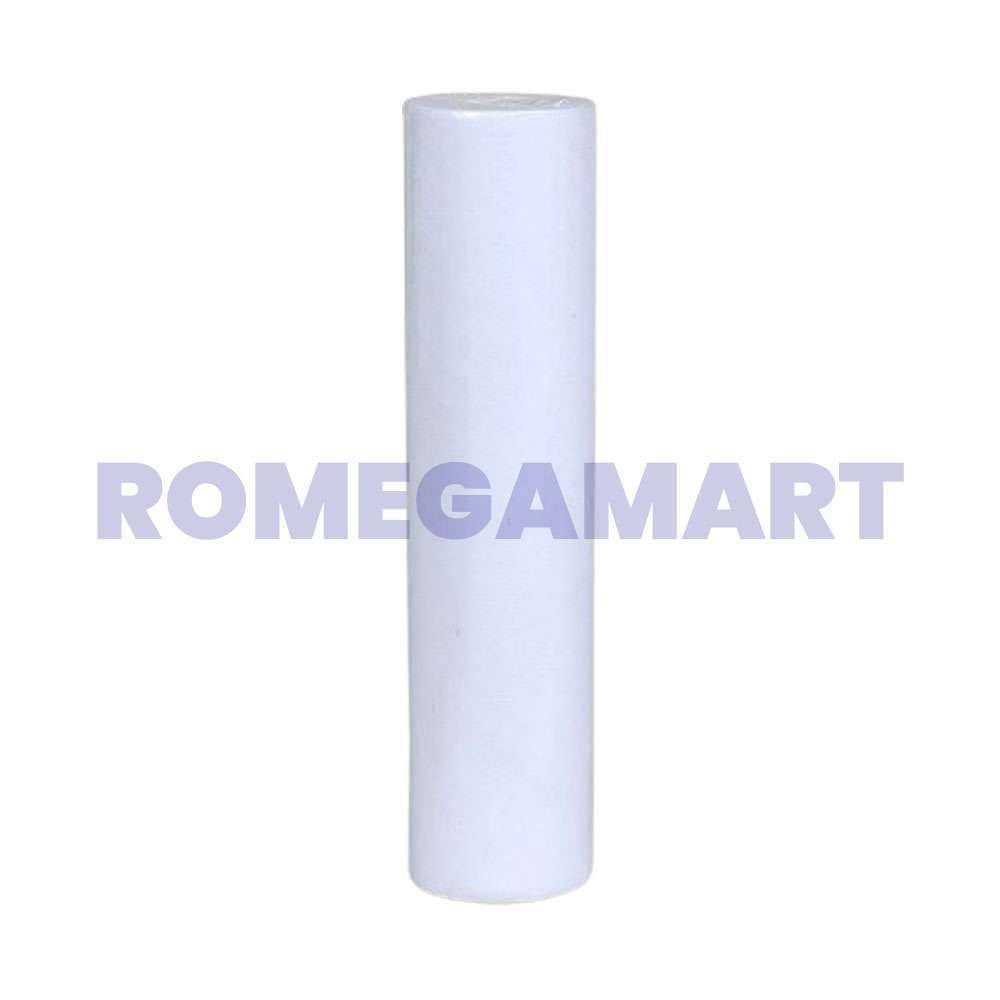
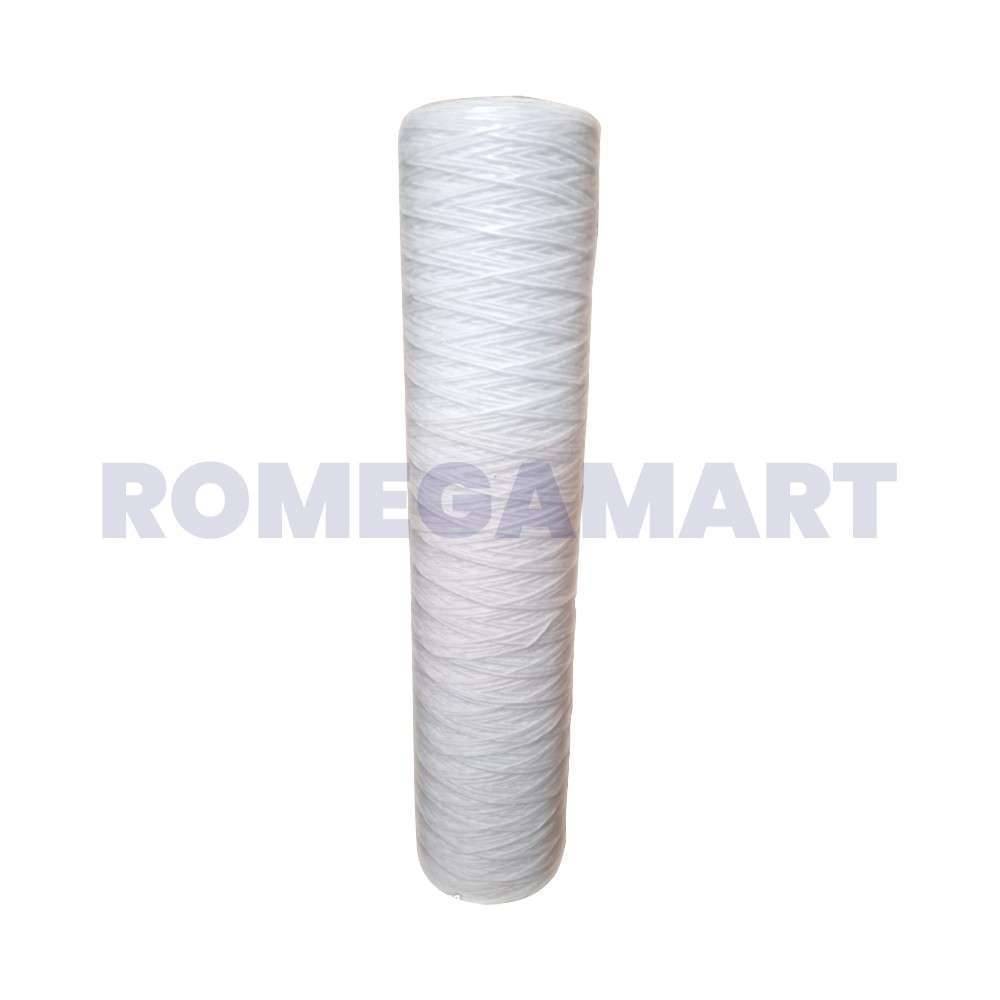
Filter cartridges remove suspended particles, sediments, and impurities before water reaches the RO membrane. This protects the membrane from damage and improves filtration efficiency.
Common filter types include:
- PP spun filters
- Activated carbon filters
- Micron cartridges
- Sediment filters
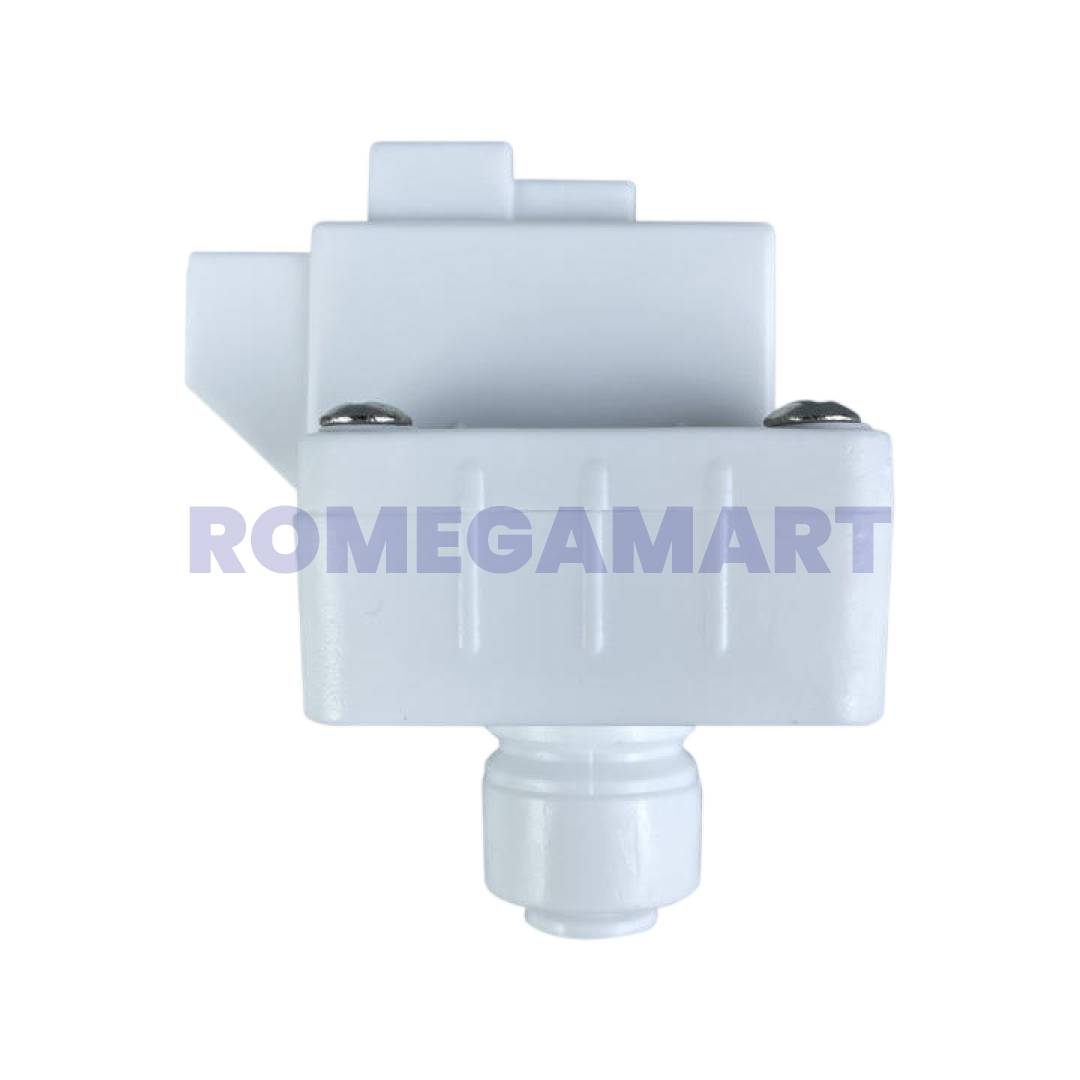
Flow Meters and Control Valves
Flow meters and valves help regulate water pressure, flow rate, and operational efficiency. Precision-engineered valves improve system control and minimize water wastage.
Dosing Systems
Chemical dosing systems are used to add antiscalants, disinfectants, and pH control chemicals to the water treatment process.
These systems help:
- Prevent membrane scaling
- Improve membrane life
- Enhance purification efficiency
Why 4040 RO Membrane Is Important in Industrial RO Systems
The 4040 RO membrane plays a major role in maintaining water treatment efficiency in industrial applications. Industries prefer this membrane because it balances high output with reliable filtration performance.
A premium-quality 4040 RO membrane offers:
- Better recovery rate
- High contaminant rejection
- Stable water flow
- Reduced membrane fouling
When sourced from an experienced RO Plant Parts Manufacturer, these membranes provide long-term operational reliability and improved purification results.
How to Choose the Right RO Plant Parts Manufacturer
Selecting the right manufacturer is essential for ensuring product quality and long-term system performance.
Product Quality
Always choose a manufacturer that follows strict quality control standards and uses premium raw materials.
Industry Experience
Experienced manufacturers understand industrial requirements and provide technically advanced solutions.
Product Range
A reliable manufacturer should offer a complete range of industrial RO plant components under one roof.
Customization Support
Industrial projects often require customized solutions based on water quality, plant capacity, and operational requirements.
Technical Assistance
Professional manufacturers provide installation guidance, maintenance support, and product consultation services.
Features of a Reliable RO Spare Parts Supplier
A dependable RO Spare Parts Supplier focuses on quality, consistency, and customer satisfaction.
Key features include:
- Wide product availability
- Timely delivery
- Competitive pricing
- Technical expertise
- OEM manufacturing capability
- Quality-tested components
- After-sales support
Businesses prefer suppliers that can provide both standard and customized reverse osmosis plant parts for different industrial applications.
Industrial Applications of RO Plant Components
Industrial RO plant components are used across multiple industries where purified water is essential.
Pharmaceutical Industry
RO systems are used for producing purified water required in medicine manufacturing and laboratory processes.
Food and Beverage Industry
Purified water ensures hygiene and product quality in food processing operations.
Chemical Industry
RO plants remove impurities and dissolved chemicals from process water.
Textile Industry
Treated water improves dyeing quality and reduces equipment scaling.
Hospitals and Healthcare Facilities
RO systems provide clean water for medical equipment and patient care applications.
Benefits of Premium Reverse Osmosis Plant Parts
Using high-quality reverse osmosis plant parts offers several operational advantages.
Higher Efficiency
Premium components improve filtration accuracy and system performance.
Lower Downtime
Reliable components reduce unexpected failures and operational interruptions.
Better Return on Investment
Durable RO components minimize maintenance and replacement costs.
Improved Water Quality
Advanced filtration technology ensures better purification results.
Custom RO Plant Parts Manufacturing Solutions
Many industries require customized water treatment solutions based on capacity, water quality, and operational requirements.
An experienced RO Plant Parts Manufacturer provides:
- Customized membrane configurations
- Special pump designs
- Tailor-made filter systems
- OEM manufacturing services
- Industrial-grade component solutions
Customization improves compatibility, efficiency, and long-term plant performance.
Quality Standards and Certifications to Look For
Quality certifications indicate that the manufacturer follows strict production and testing standards.
Important certifications include:
- ISO certification
- CE certification
- NSF standards
- Industrial quality compliance standards
Choosing certified industrial RO plant components ensures safety, durability, and performance reliability.
Maintenance Tips for RO Plant Components
Proper maintenance increases the lifespan and efficiency of RO systems.
Replace Filters Regularly
Dirty filters reduce flow efficiency and increase membrane load.
Monitor Membrane Performance
Regular inspection helps identify fouling or scaling issues.
Clean the System Periodically
Scheduled cleaning improves operational efficiency.
Check Pump Pressure
Maintaining proper pressure levels prevents membrane damage.
Use Genuine Spare Parts
Always use components supplied by a trusted RO Spare Parts Supplier for reliable performance.
Future of Industrial RO Plant Technology
The water treatment industry continues to evolve with advanced membrane technologies and energy-efficient solutions.
Future trends include:
- Smart RO monitoring systems
- Energy-saving pumps
- High-efficiency membranes
- Automated dosing systems
- Advanced industrial water recycling solutions
Modern RO Plant Parts Manufacturer companies are investing in innovation to deliver more sustainable and efficient water treatment technologies.
Frequently Asked Questions
What are the main parts of an RO plant?
The main components include RO membranes, pumps, pressure vessels, filters, dosing systems, flow meters, and control valves.
What is the function of a 4040 RO membrane?
A 4040 RO membrane removes dissolved salts, impurities, and contaminants from water in industrial and commercial RO systems.
Why is component quality important in RO plants?
High-quality components improve water purity, reduce maintenance costs, and increase system lifespan.
How do I choose the right RO Plant Parts Manufacturer?
Choose a manufacturer based on product quality, certifications, technical expertise, customization capability, and industry experience.
Which industries use industrial RO plant components?
Industries such as pharmaceuticals, food processing, chemicals, textiles, hospitals, and manufacturing facilities use RO systems for water purification.
Conclusion
The efficiency and reliability of any reverse osmosis system depend on the quality of its components. From membranes and pumps to filters and pressure vessels, every part contributes to system performance, water quality, and operational stability.
Choosing an experienced RO Plant Parts Manufacturer ensures access to durable, high-performance, and quality-tested industrial RO plant components designed for long-term use. Whether you require premium reverse osmosis plant parts, customized solutions, or advanced 4040 RO membrane systems, working with a trusted manufacturer helps improve efficiency, reduce maintenance costs, and achieve reliable water purification results.
Businesses looking for dependable RO solutions should always partner with a professional RO Spare Parts Supplier that understands industrial requirements and delivers consistent product quality for every application