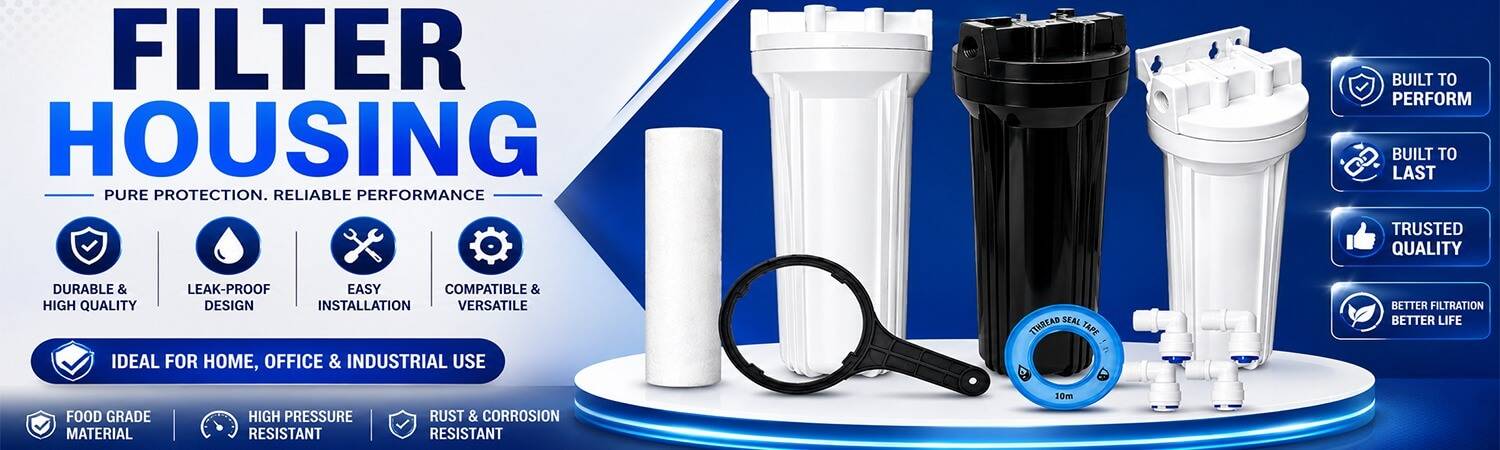


RO Filter Housing Wholesaler in Delhi
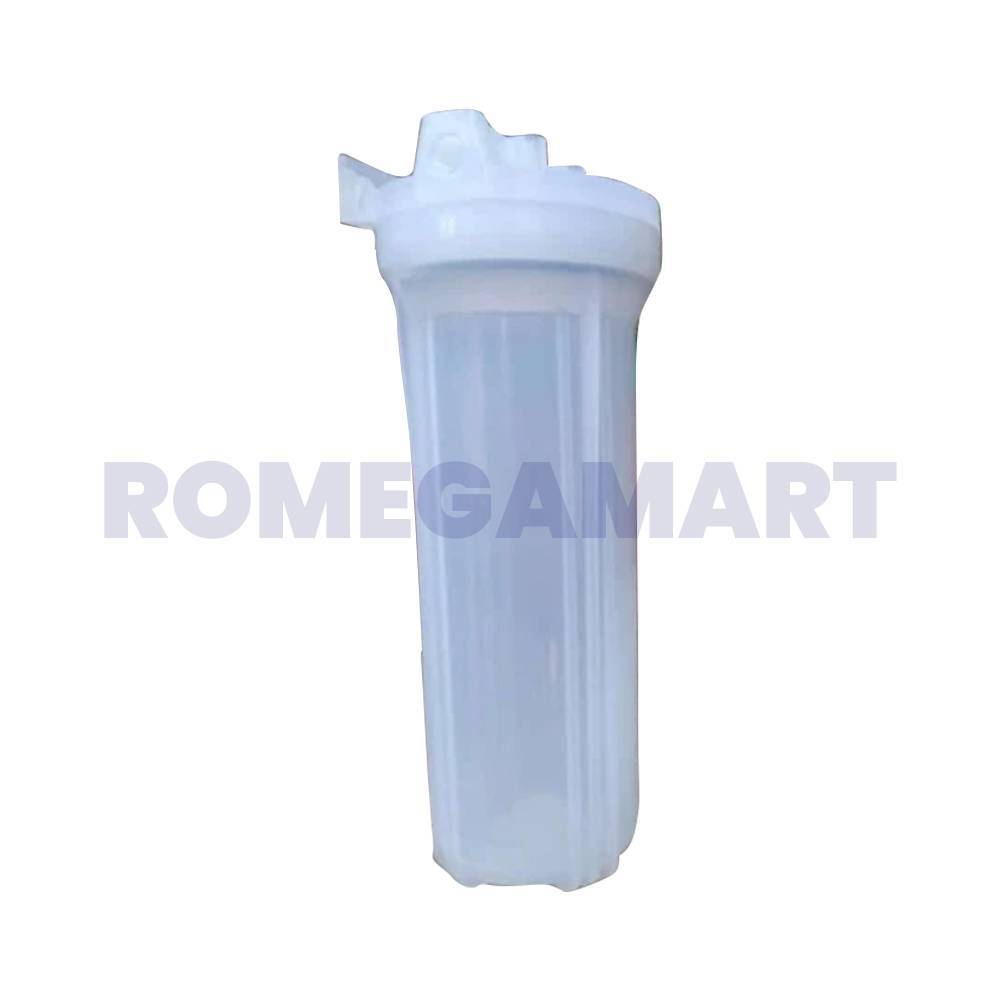
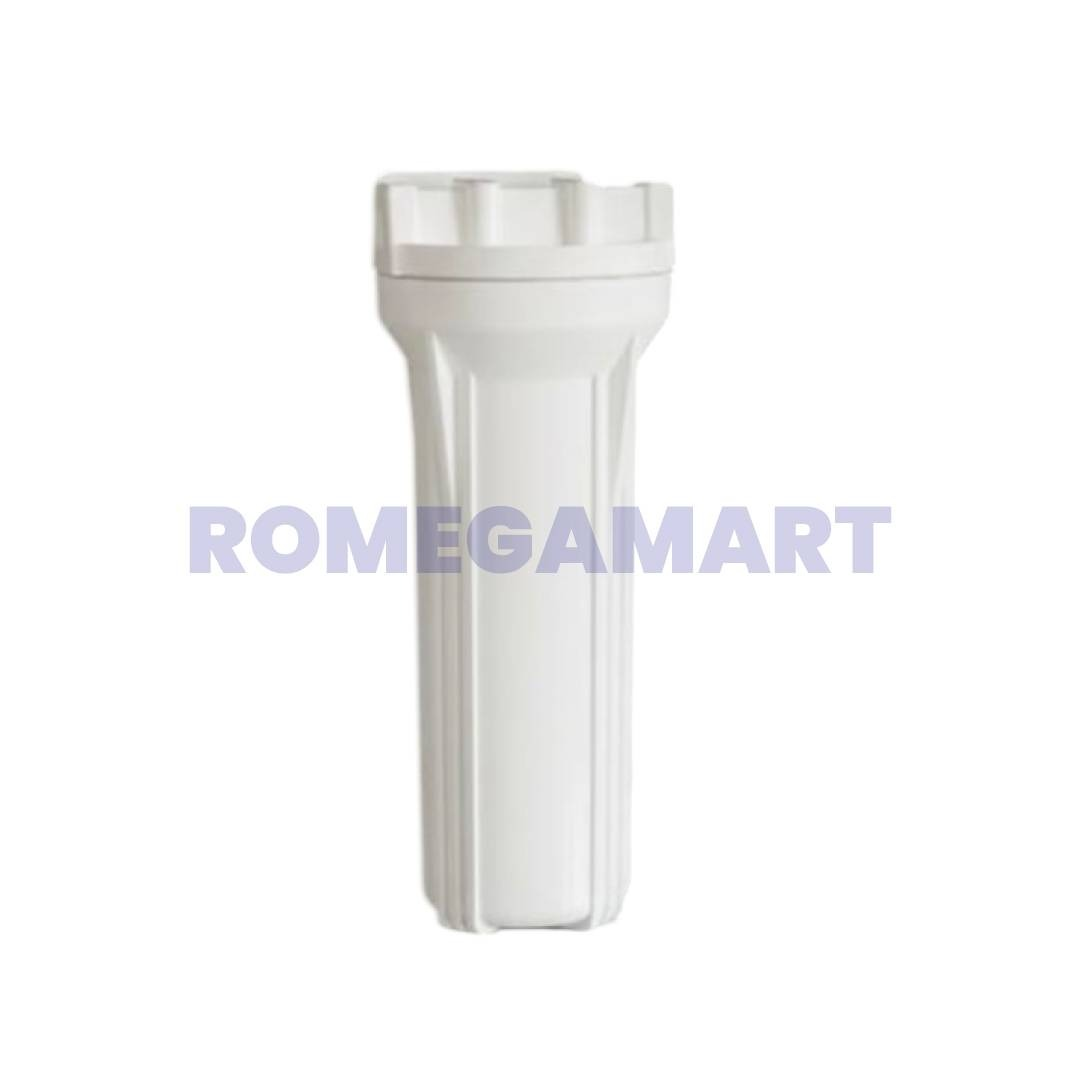
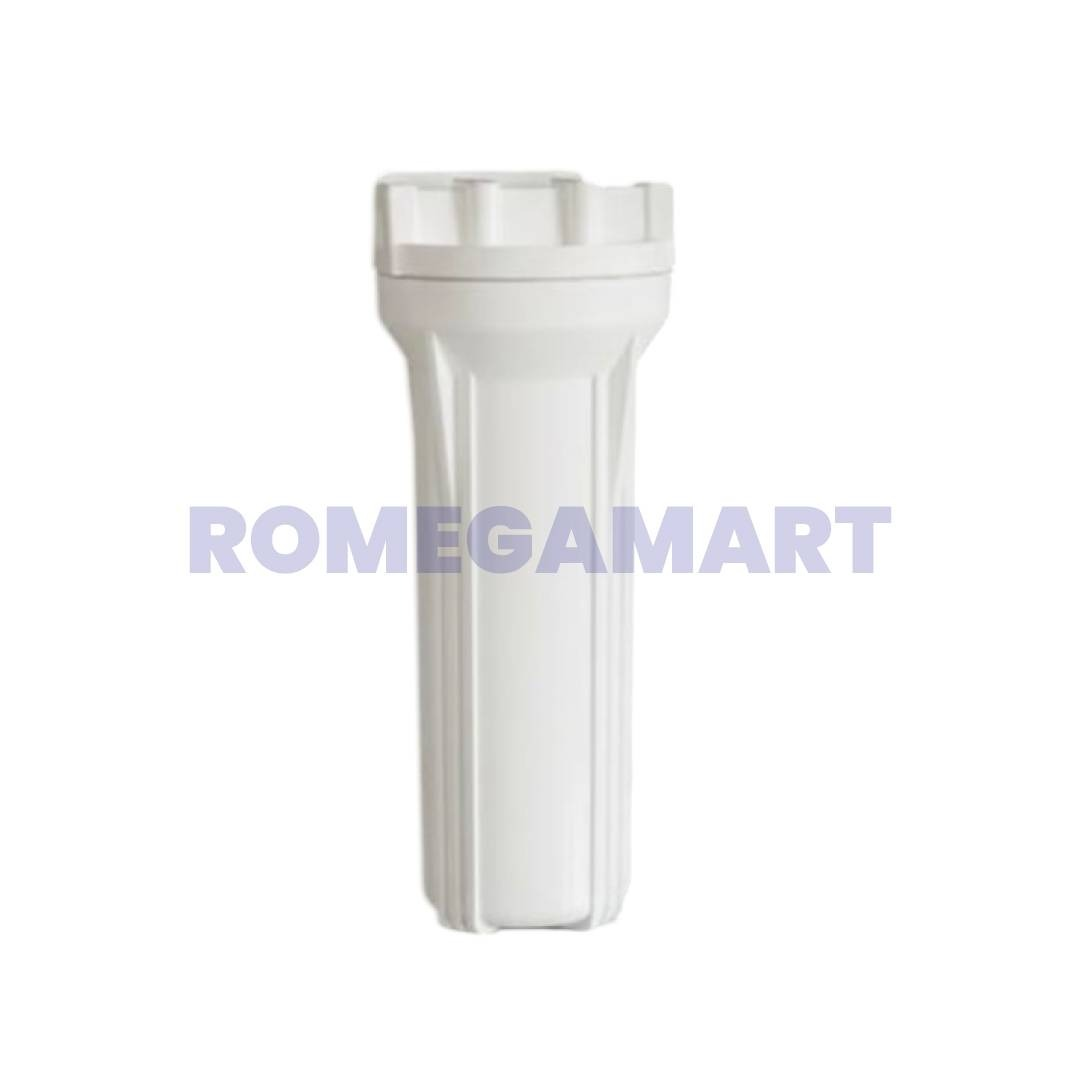


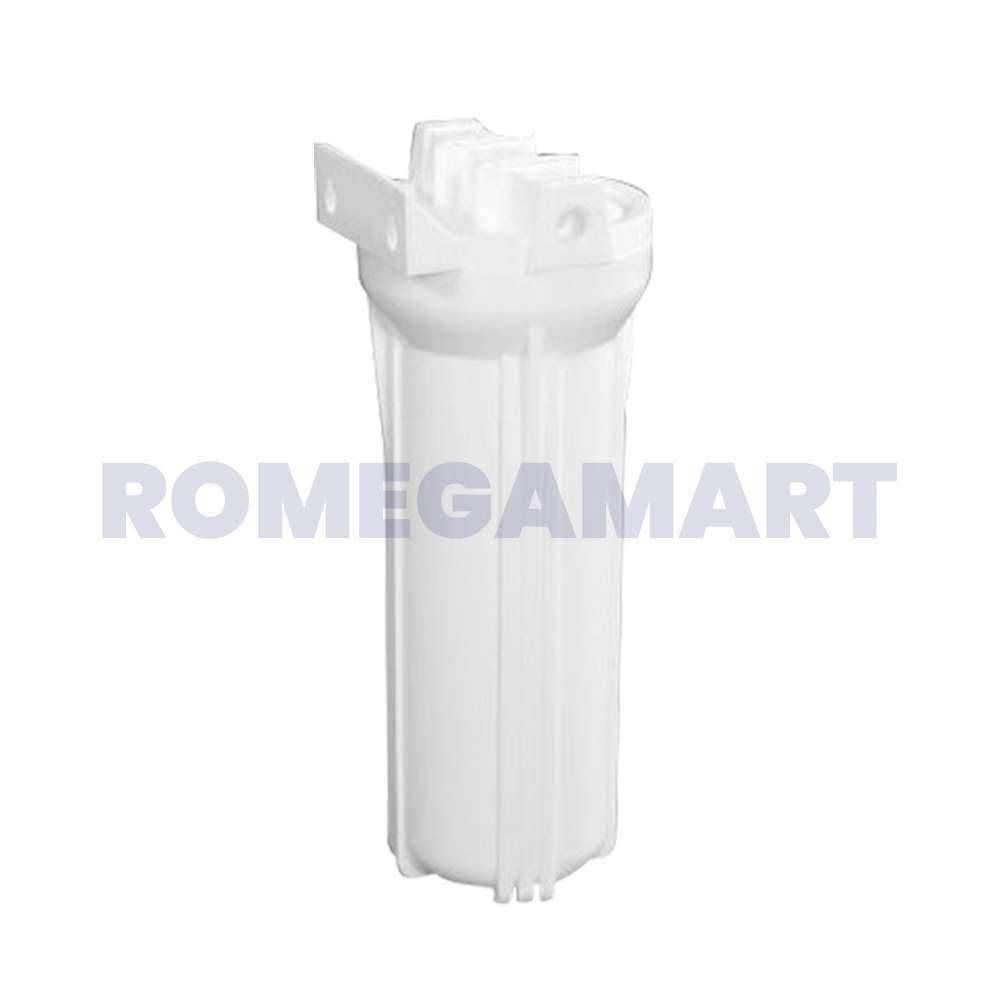
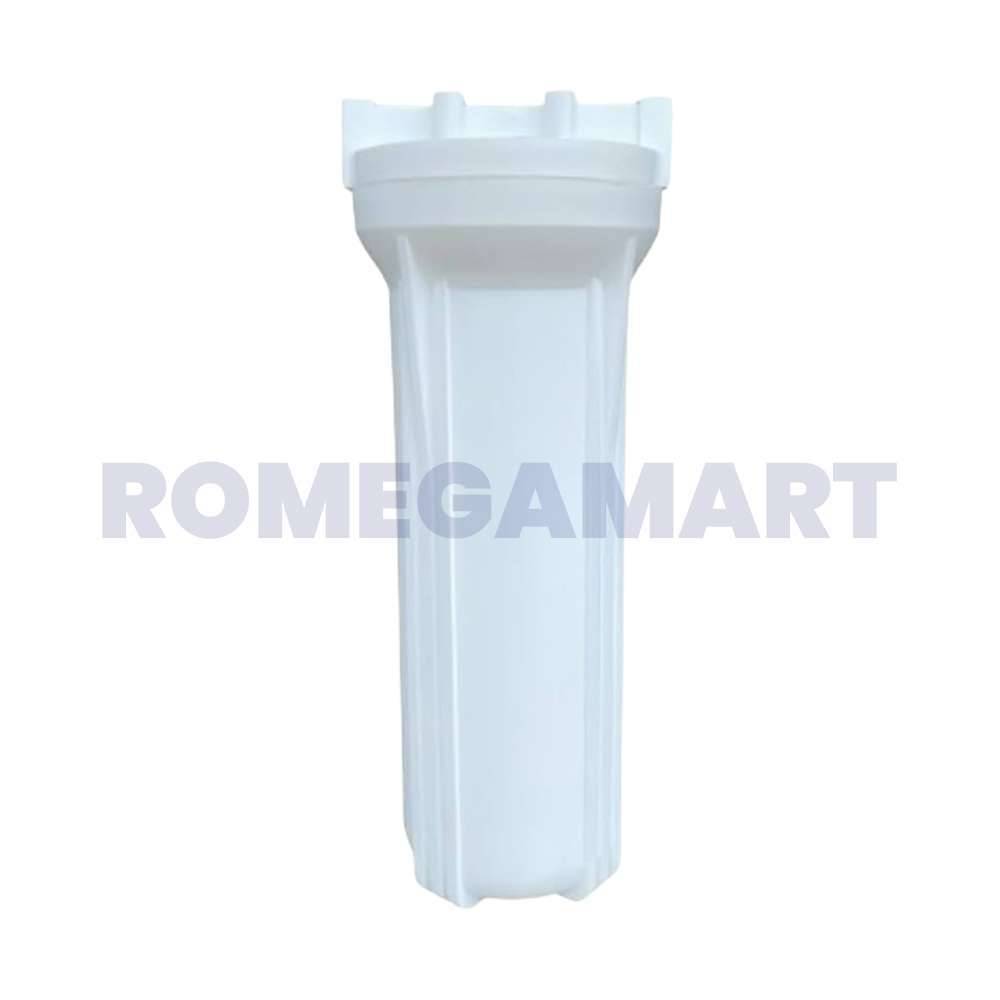


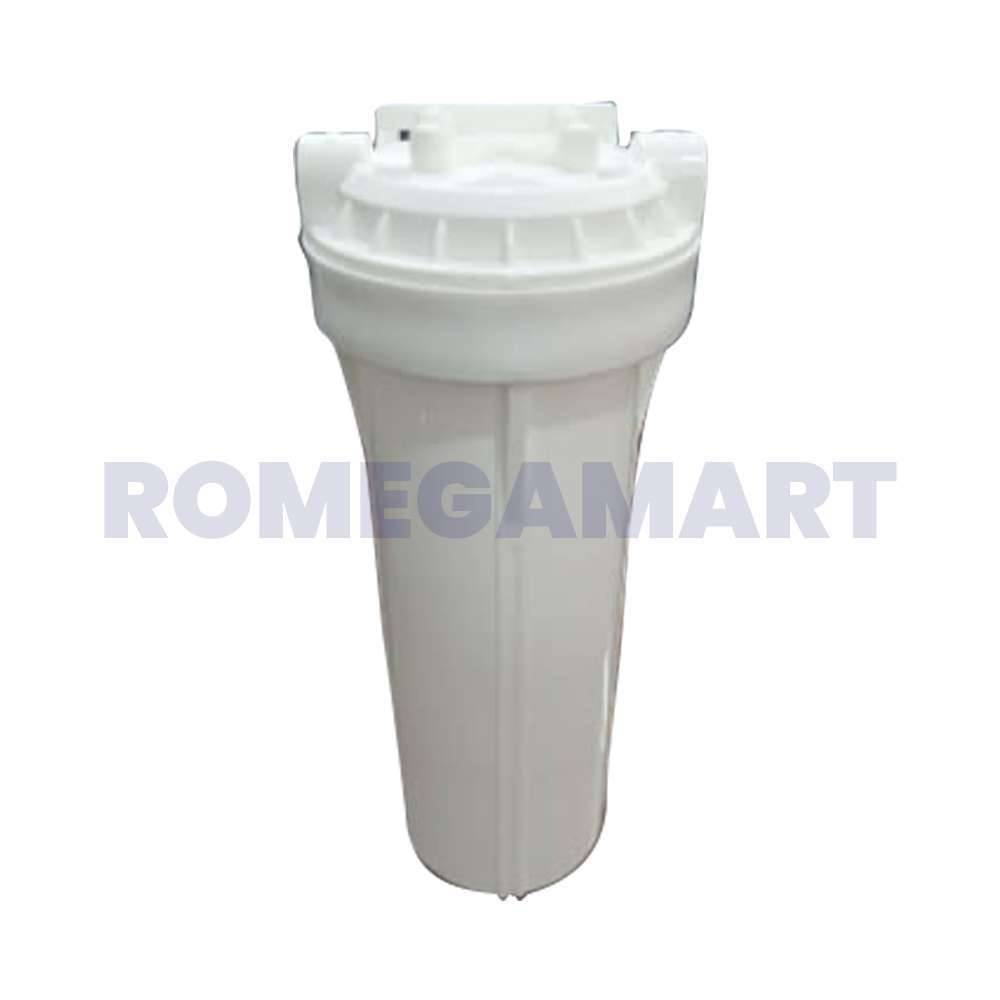


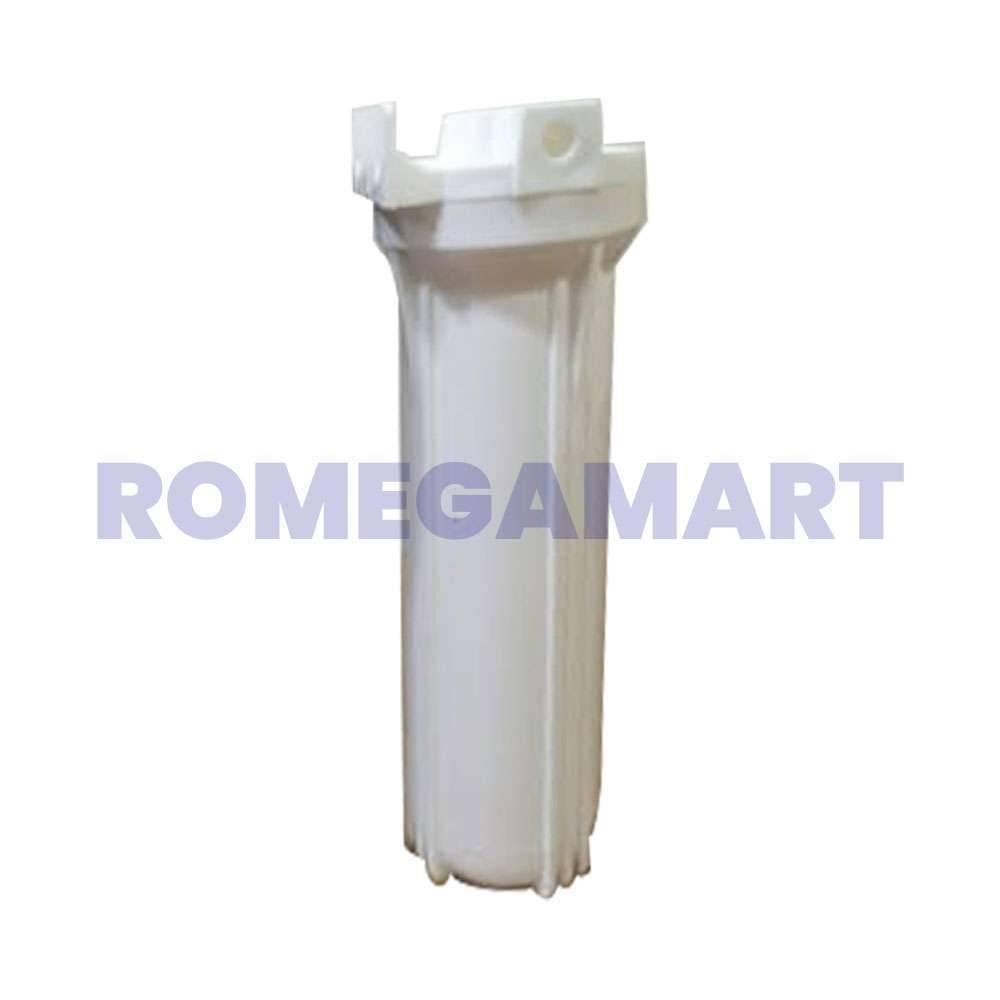
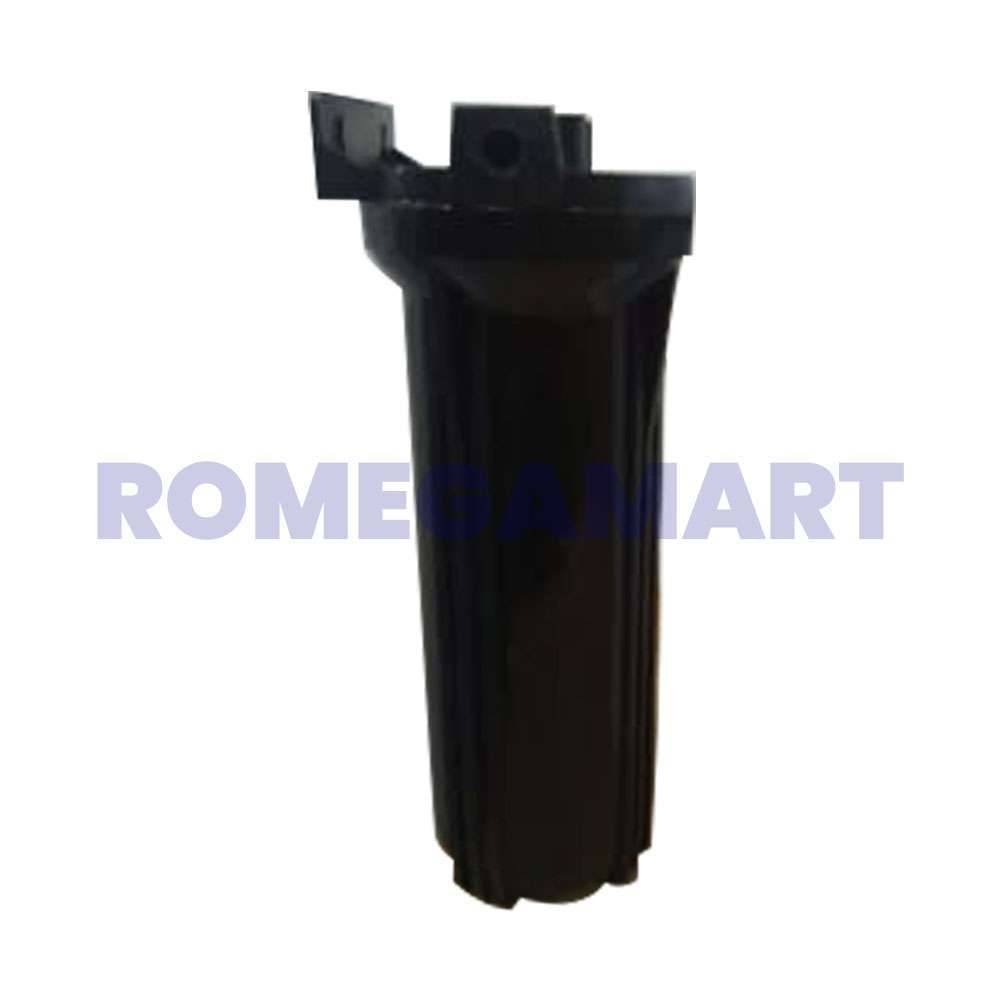
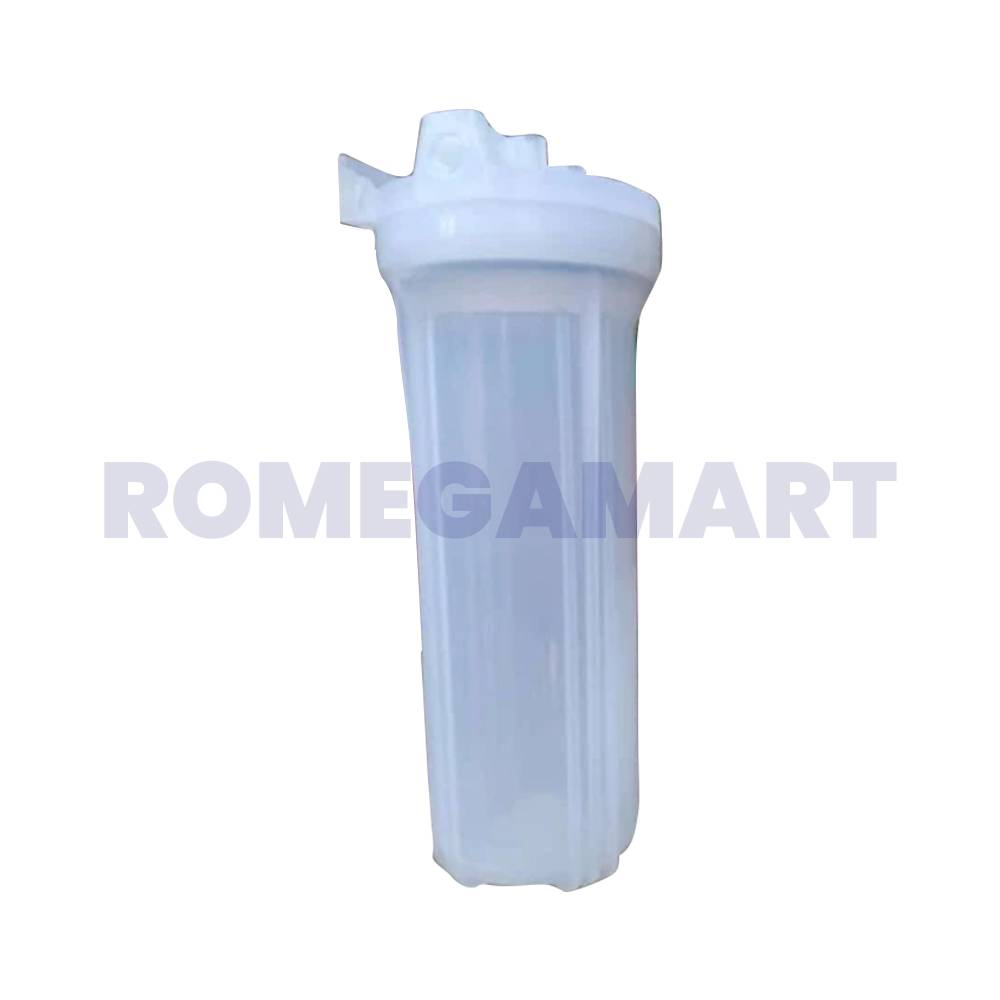

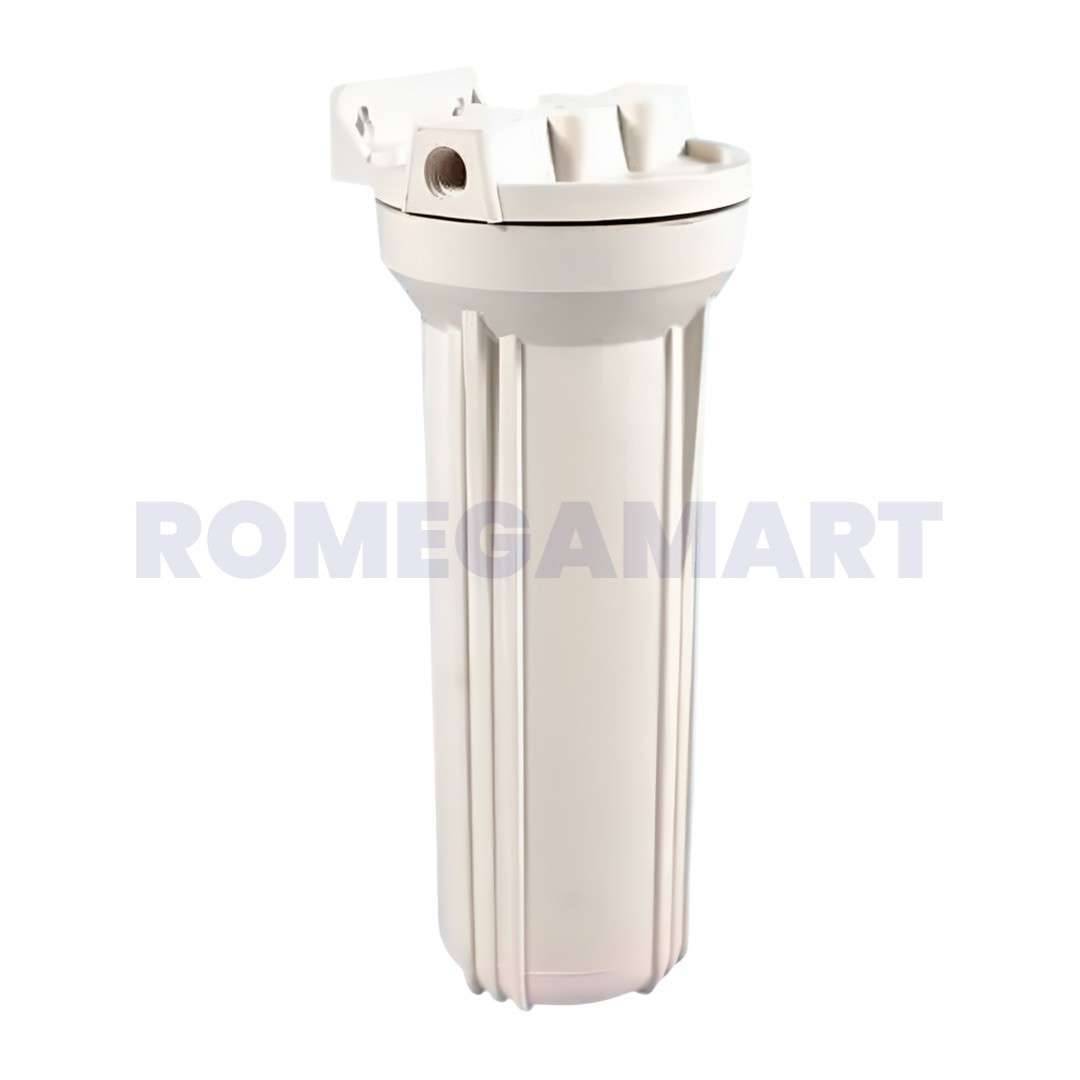

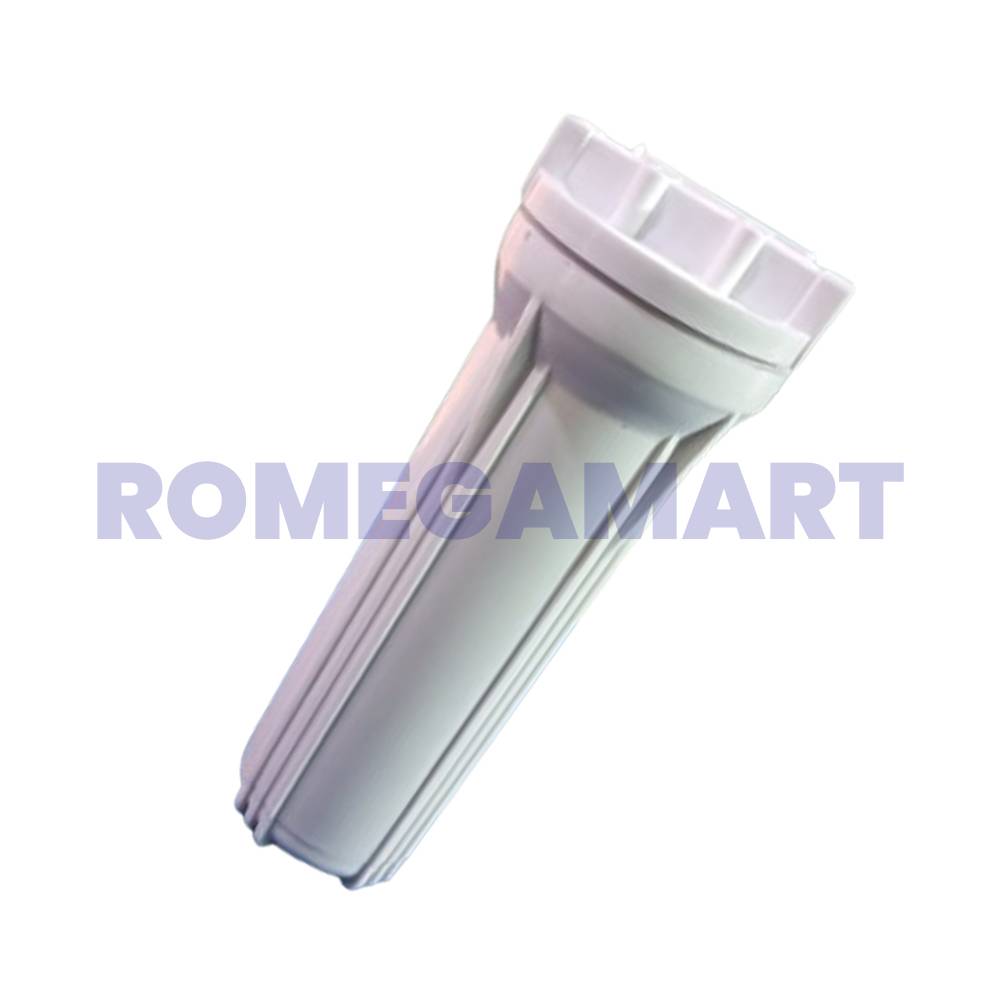
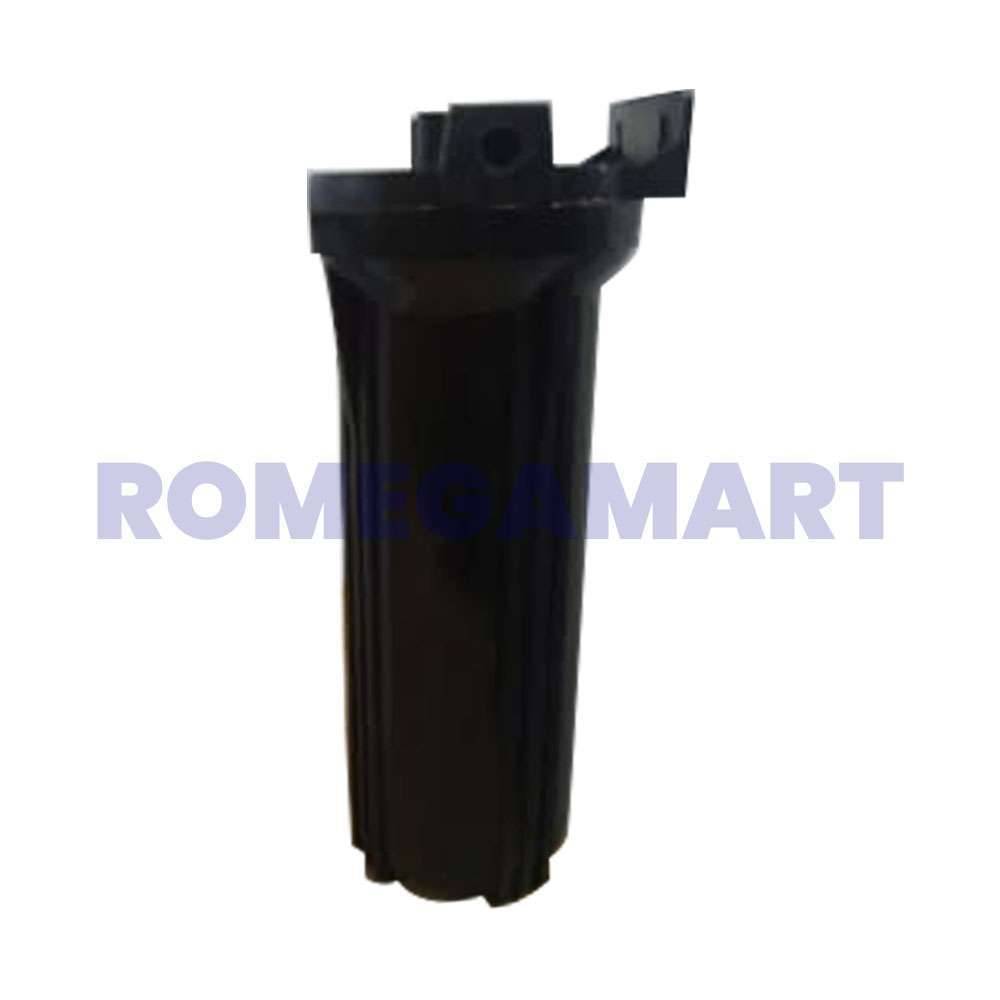

Filter Housing Components Used in Domestic Water Purifiers
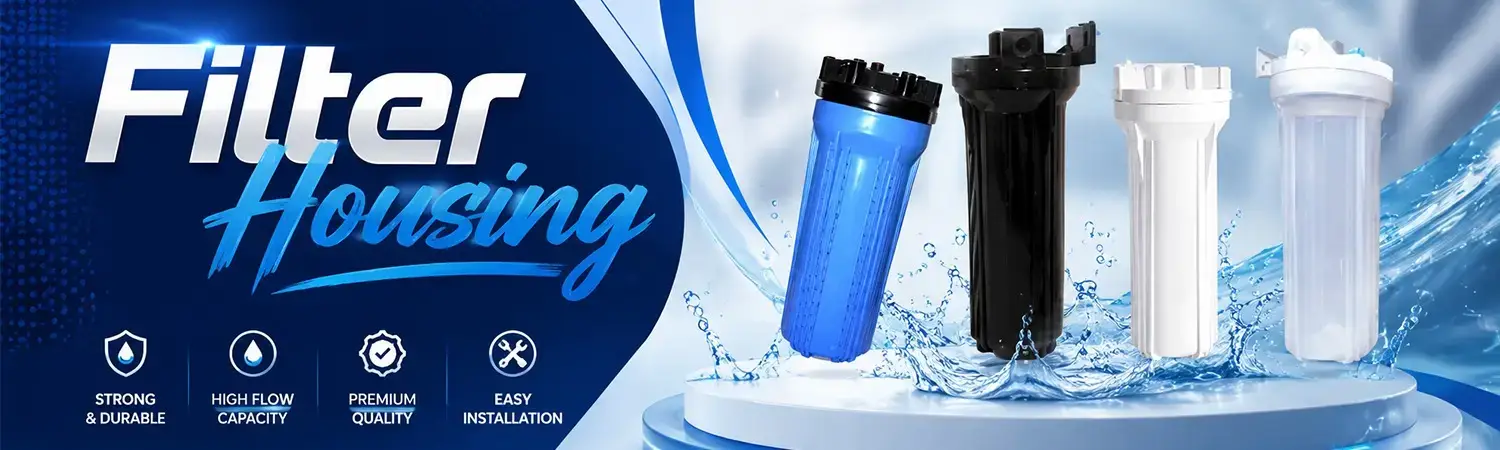
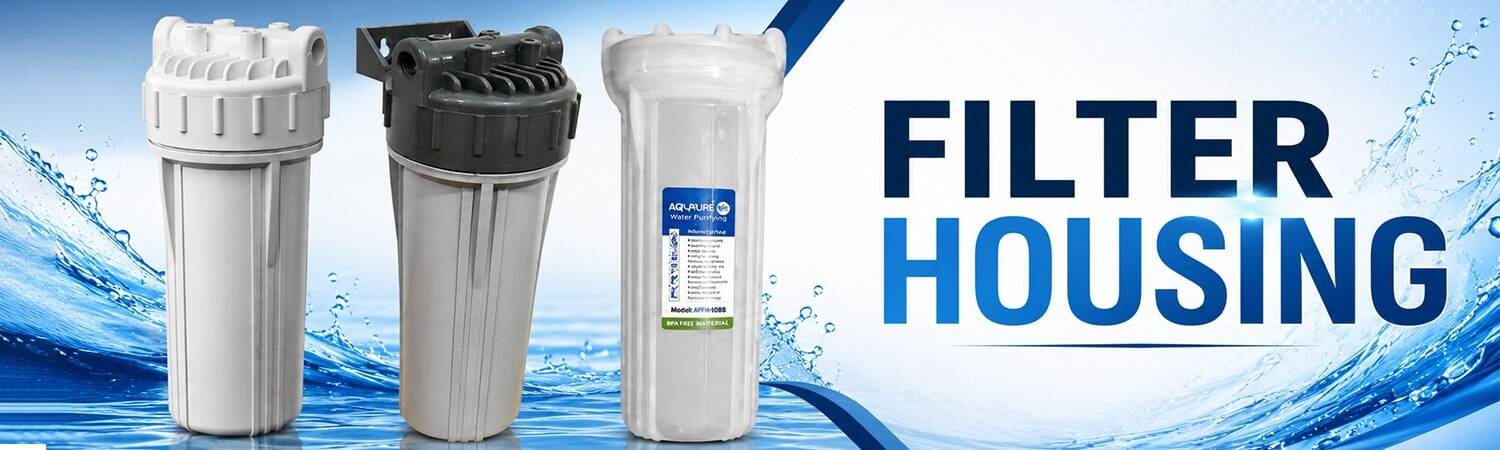
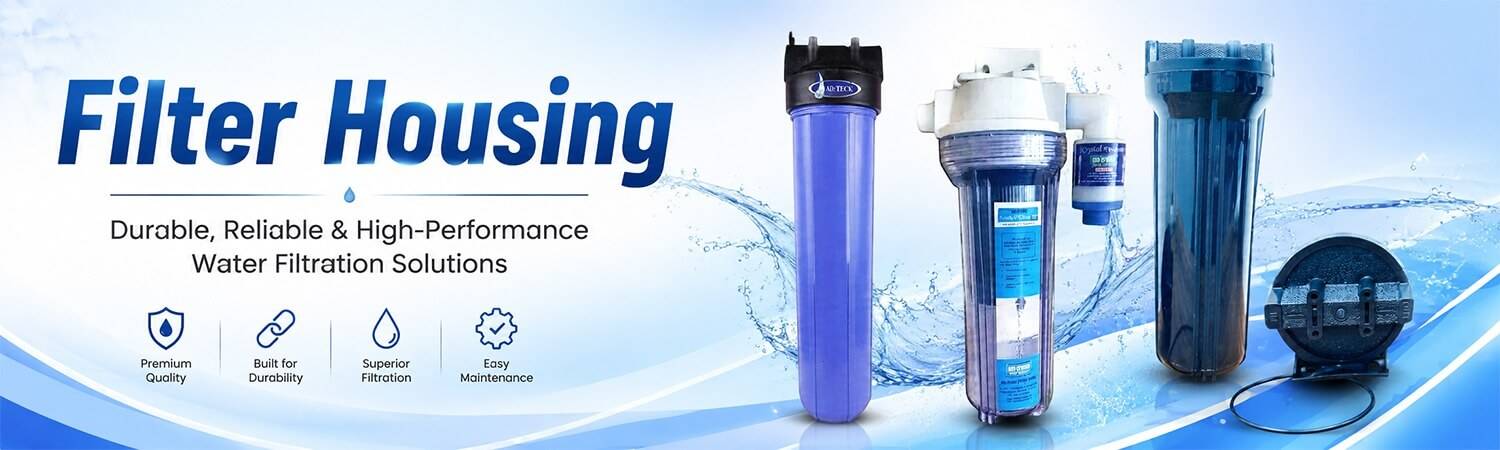
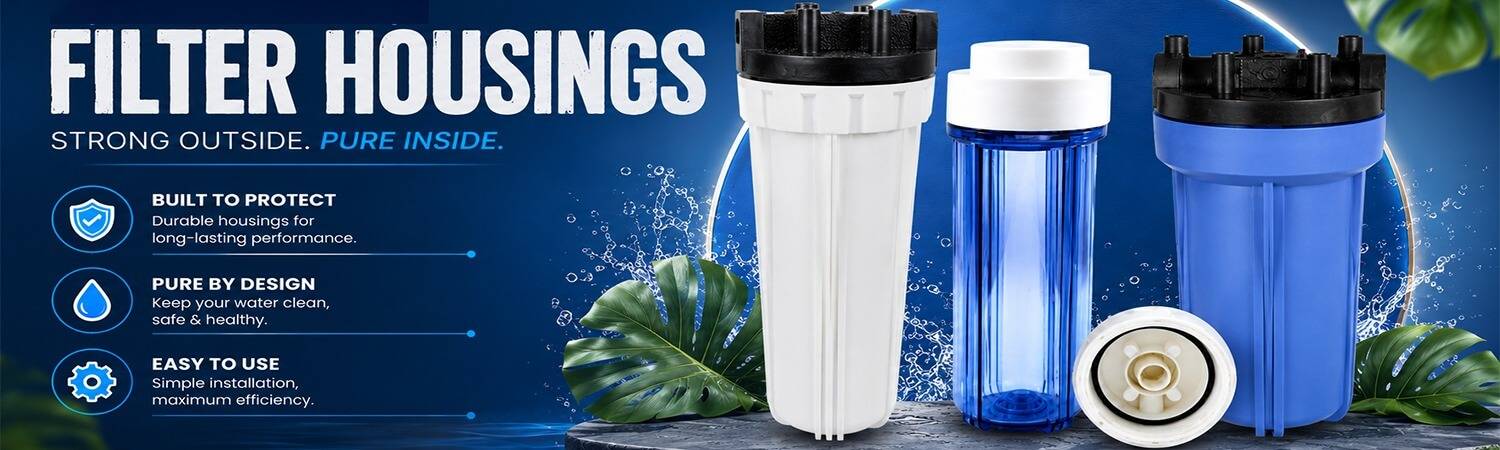
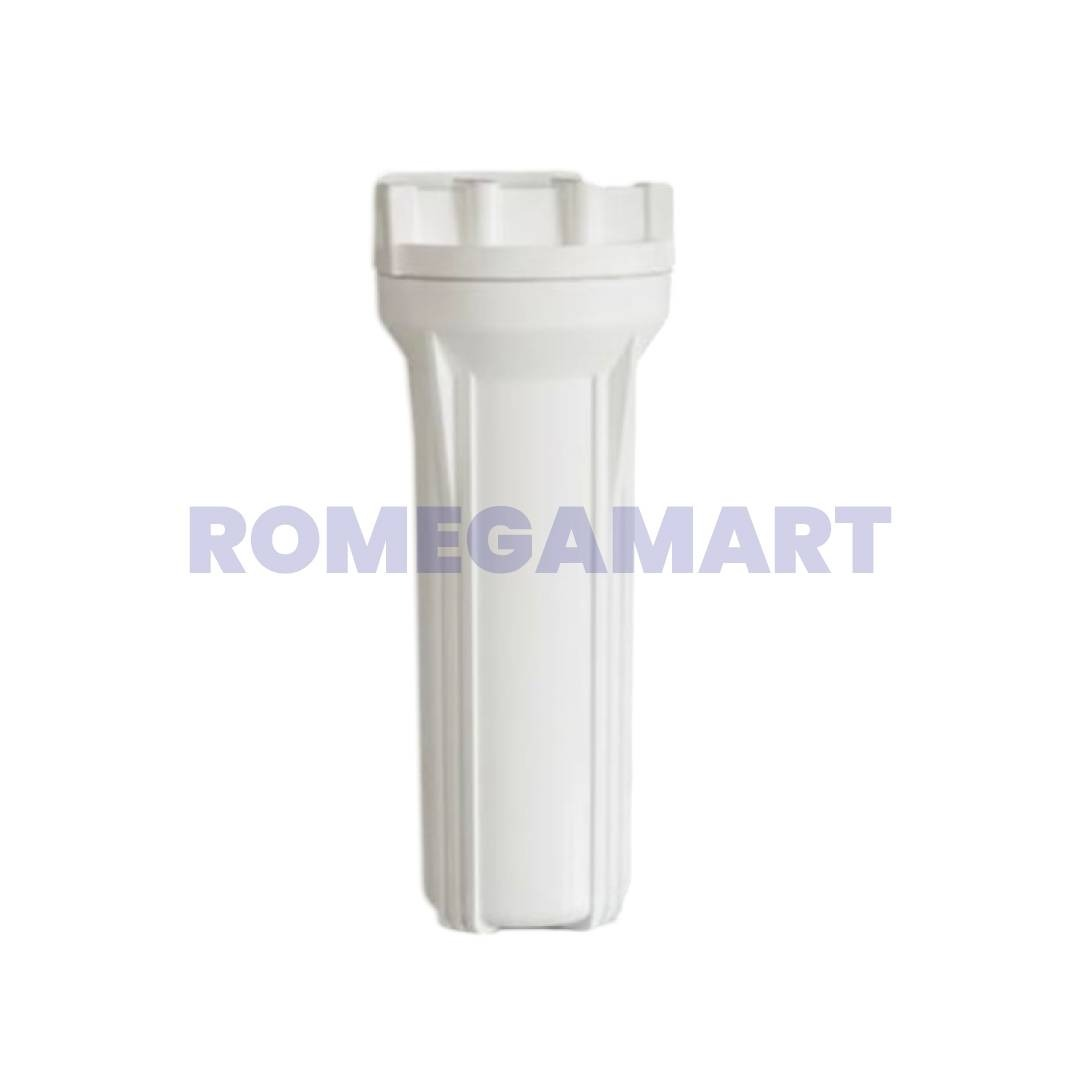
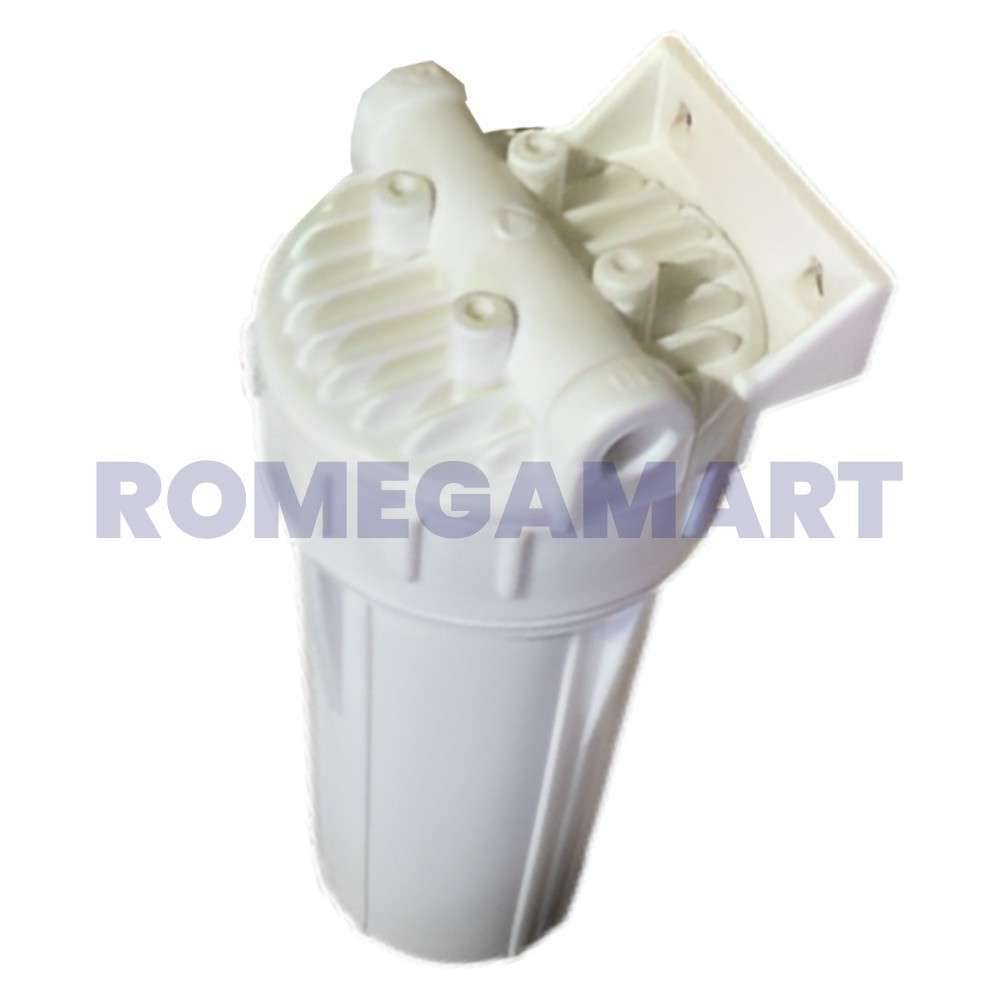
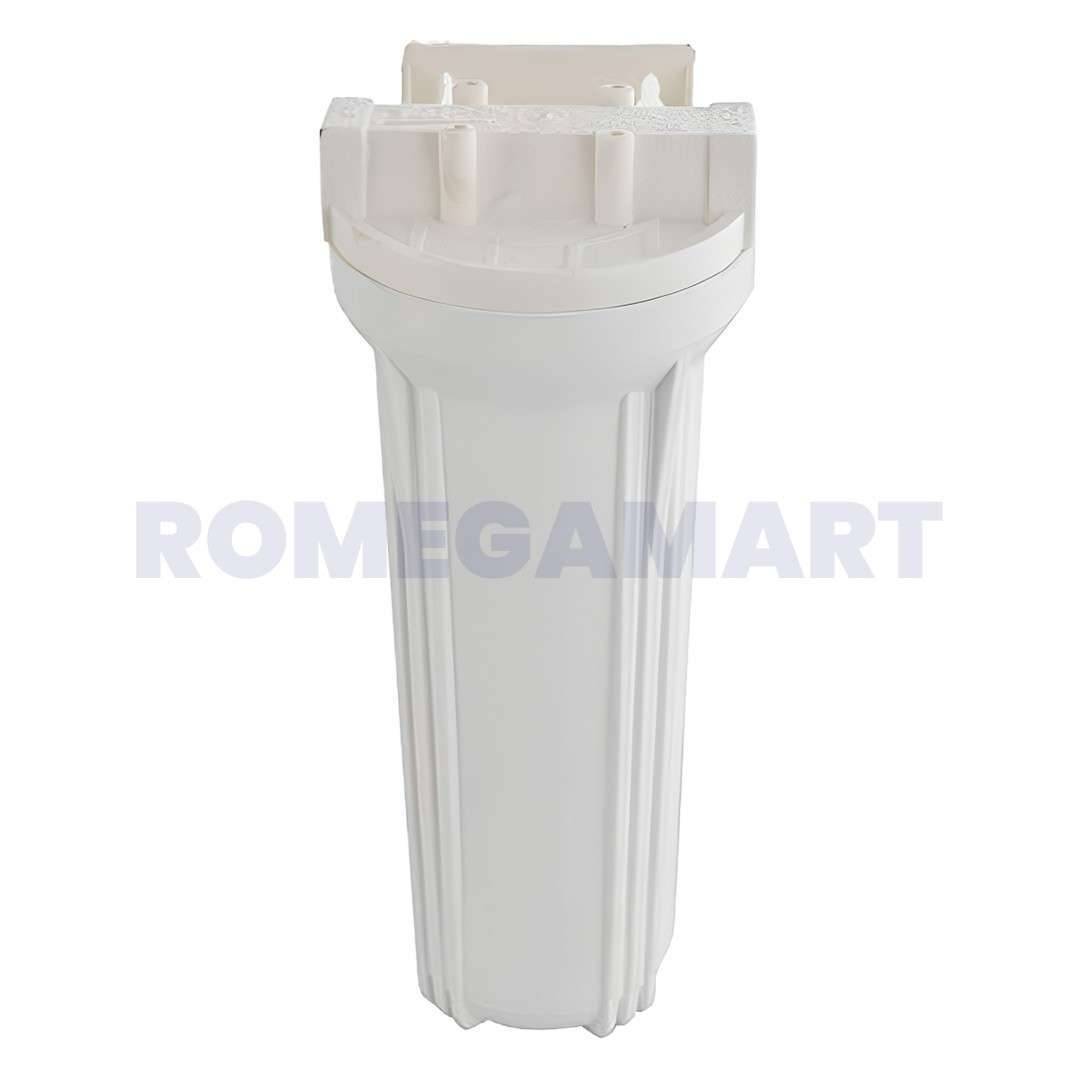
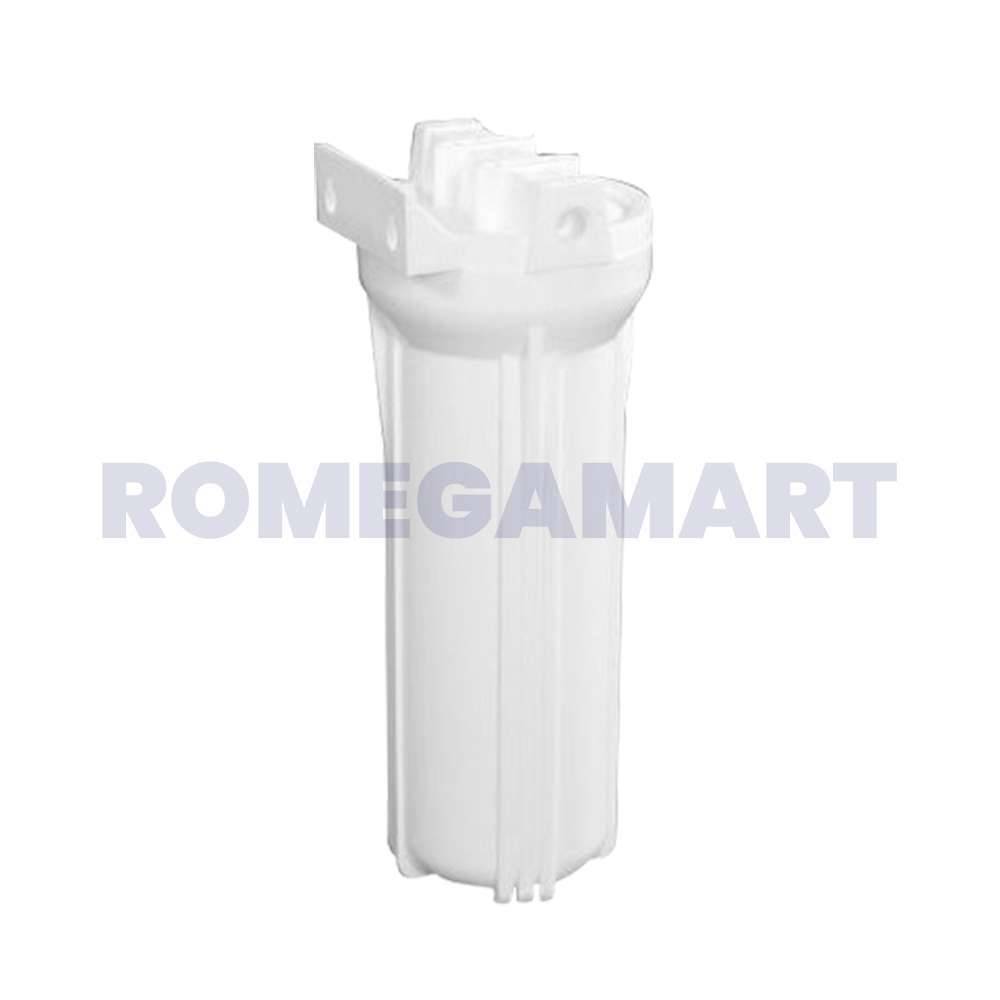
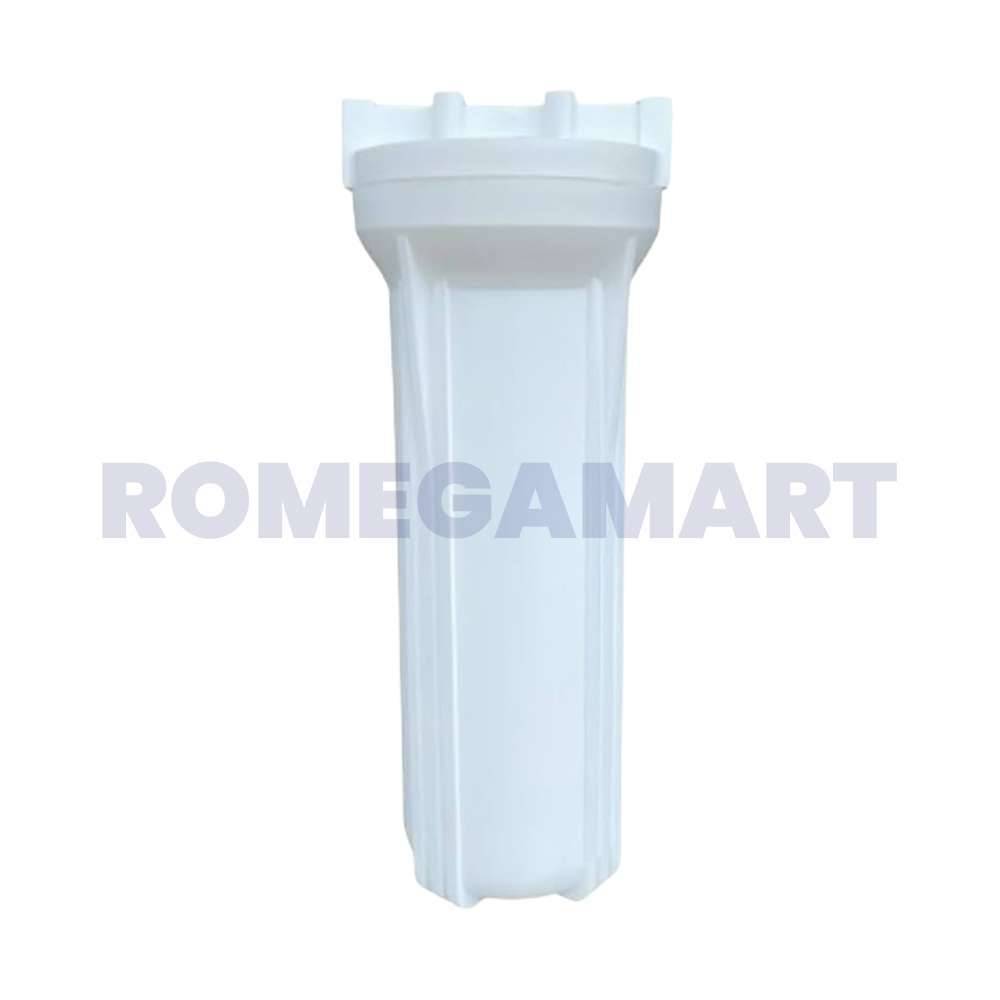
RO filter housing is a protective enclosure used in water purifiers to hold filtration cartridges such as sediment filters and PP spun filters. It ensures secure filtration, maintains water pressure, and supports efficient purification performance.
Domestic water purification systems consist of several filtration components that work together to remove impurities and ensure safe drinking water. These systems typically include sediment filters, carbon filters, membranes, pumps, and protective housings that support the filtration process.
One of the essential structural components in these purification systems is the RO filter housing, which acts as the enclosure that holds filtration cartridges securely in place.
A water purifier filter housing protects filtration cartridges while allowing water to flow through the filter media during the purification process.
Most domestic purification systems use a 10 inch filter housing, which is designed to hold standard filter cartridges such as PP spun filters or sediment filters.
A properly designed RO housing for water purifier ensures that filtration components remain sealed and operate efficiently under normal water pressure conditions.
Within purification systems, the filter housing for RO system supports filtration cartridges and ensures that water passes through the filtration media correctly.
As the demand for domestic water purification systems continues to grow, structural components such as domestic RO filter housing units are widely distributed through B2B marketplaces like Romegamart, connecting manufacturers, wholesalers, retailers, and service technicians across the water purification industry.
Role of Filter Housing in Water Purifiers
The RO filter housing performs an important function within water purification systems by securely holding filtration cartridges in place.
When water enters the purifier, it flows into the water purifier filter housing, where the filtration cartridge captures suspended particles and impurities.
The housing ensures that water passes through the filter media rather than bypassing it.
Most domestic purification systems use a 10 inch filter housing, which is compatible with standard filtration cartridges used in household purifiers.
A well-designed RO housing for water purifier maintains proper sealing to prevent leakage during the filtration process.
The filter housing for RO system also helps maintain water pressure within the purifier while supporting efficient filtration performance.
By protecting filtration cartridges and maintaining proper water flow, the domestic RO filter housing helps ensure stable purification performance.
Types of Filter Housing Used in Purifiers
Different purifier designs use different types of filter housings depending on filtration requirements and system configuration.
Common RO filter housing types include:
| Housing Type | Application |
|---|---|
| Standard 10 inch filter housing | Domestic purification systems |
| Transparent filter housing | Allows visual inspection of filter condition |
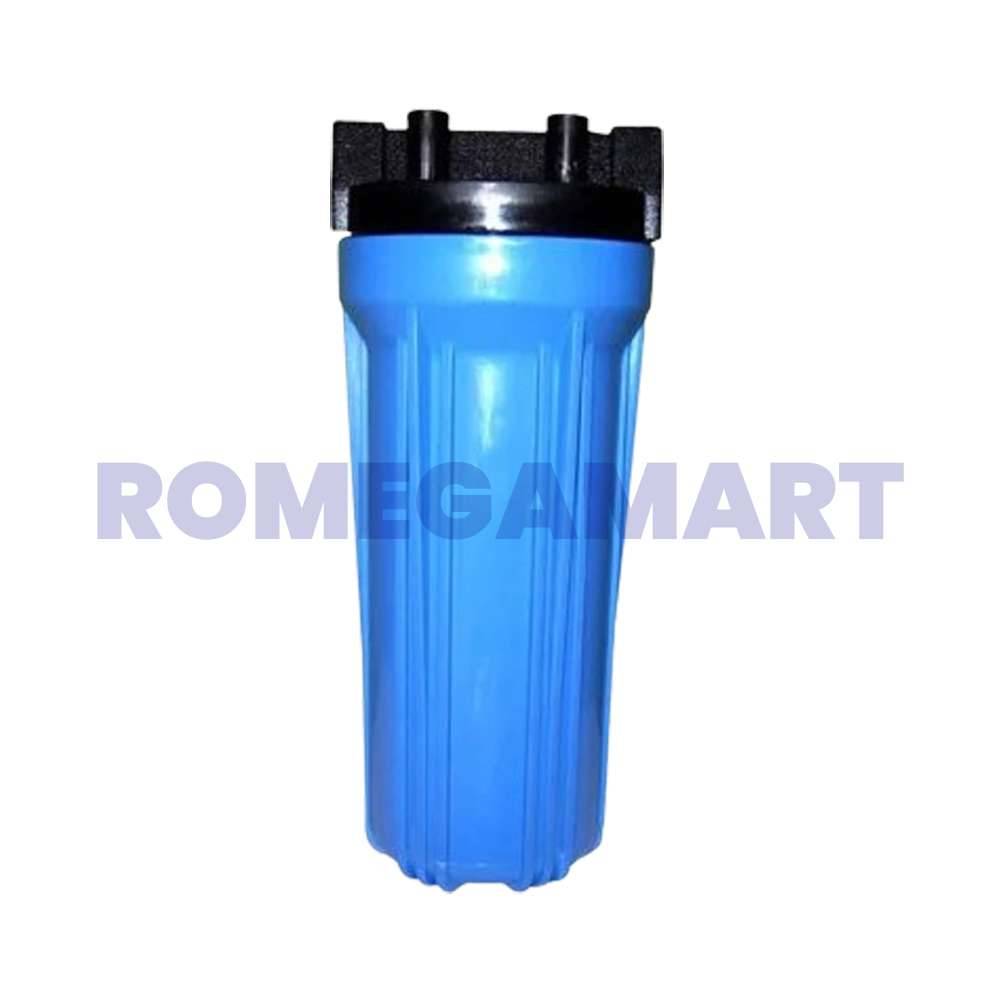
| Heavy duty filter housing | High pressure filtration systems |
| Inline housing module | Compact purifier designs |
A water purifier filter housing with transparent construction allows users to visually inspect sediment accumulation.
The 10 inch filter housing is the most widely used housing type in domestic water purifiers.
A durable RO housing for water purifier ensures proper cartridge installation and reliable sealing.
Many purification systems rely on a strong filter housing for RO system to support multiple filtration stages.
Construction and Materials
The durability of a RO filter housing depends on the materials used in its construction.
Most housings are manufactured using high-strength food-grade polypropylene that can withstand internal water pressure.
A water purifier filter housing made from durable polymer materials ensures long operational life and reliable sealing.
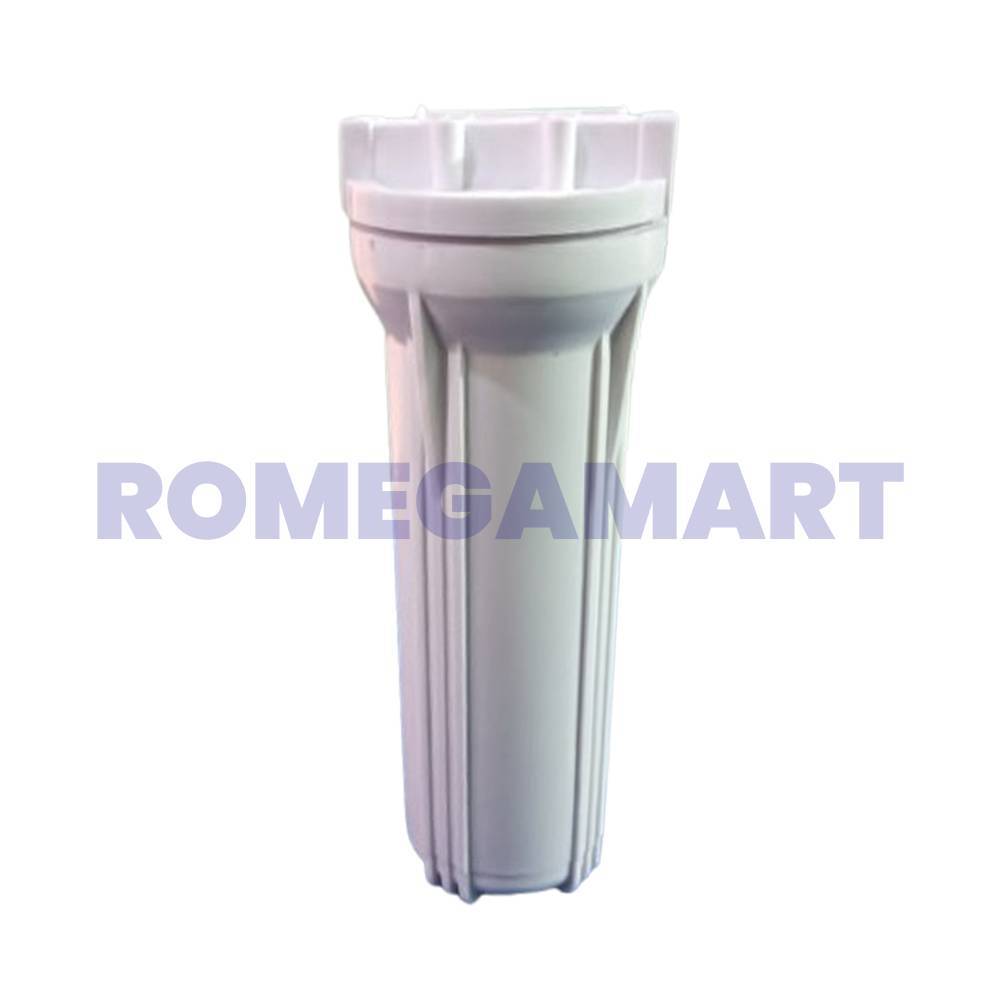
The 10 inch filter housing typically consists of two parts: a housing body and a screw-on cap that secures the filter cartridge.
A properly manufactured RO housing for water purifier includes sealing rings that prevent water leakage during filtration.
The filter housing for RO system is designed to maintain structural integrity while allowing easy installation and maintenance.
Within household purification systems, the domestic RO filter housing ensures that filtration cartridges operate efficiently and safely.
Compatibility with Filtration Cartridges
Filter housings are designed to accommodate different types of filtration cartridges used in purification systems.
The RO filter housing commonly supports cartridges such as sediment filters, PP spun filters, and carbon filters.
A water purifier filter housing ensures that cartridges remain aligned so water flows evenly through the filtration media.
Most domestic systems use a 10 inch filter housing, which is compatible with widely used filter cartridge sizes.
A properly fitted RO housing for water purifier ensures that the cartridge remains securely positioned inside the housing.
The filter housing for RO system therefore plays an important role in maintaining proper filtration efficiency.
The domestic RO filter housing also allows easy cartridge replacement during purifier servicing.
Installation and Maintenance
Correct installation is essential for ensuring that the RO filter housing functions properly.
During installation, technicians place the filter cartridge inside the water purifier filter housing and secure the housing cap tightly.
The 10 inch filter housing must be sealed properly to prevent water leakage during operation.
Routine servicing allows technicians to inspect the RO housing for water purifier for signs of wear or damage.
The filter housing for RO system should also be cleaned periodically to remove accumulated sediment.
Proper maintenance of the domestic RO filter housing ensures consistent water flow and reliable purification performance.
Importance of Proper Housing Design
The design of a RO filter housing directly influences the efficiency of the filtration process.
A strong water purifier filter housing ensures that water flows evenly through the filtration cartridge.
A well-designed 10 inch filter housing provides secure sealing that prevents water from bypassing the filter media.
The RO housing for water purifier also supports stable water pressure during filtration.
A reliable filter housing for RO system improves purifier durability and helps maintain long-term filtration performance.
The domestic RO filter housing therefore acts as a structural support component within water purification systems.
Market Demand for Filter Housing Components
The global demand for water purification systems has increased significantly due to growing awareness of drinking water safety.
As purifier installations expand, the demand for structural components such as RO filter housing units continues to grow.
Service technicians frequently install water purifier filter housing units during purifier installation and servicing.
The 10 inch filter housing remains one of the most widely used housing types in domestic purification systems.
Manufacturers producing RO housing for water purifier components supply these products to distributors and retailers across the purification industry.
B2B marketplaces such as Romegamart help connect suppliers, wholesalers, and distributors who provide filter housing for RO system components.
Within the household purification industry, the domestic RO filter housing remains a fundamental structural component supporting filtration systems.
Key Features of High Quality Filter Housing
| Feature | Benefit |
|---|---|
| Durable polymer construction | Long operational lifespan |
| Secure sealing mechanism | Prevents water leakage |
| Standard cartridge compatibility | Fits common filter cartridges |
| Pressure resistant design | Maintains stable filtration |
FAQs
What is an RO filter housing?
A RO filter housing is a container used in water purifiers to hold filtration cartridges securely during the purification process.
What is a 10 inch filter housing used for?
A 10 inch filter housing is commonly used in domestic water purifiers and holds standard filtration cartridges.
What does a water purifier filter housing do?
A water purifier filter housing protects filter cartridges and ensures proper water flow during filtration.
What is RO housing for water purifier?
RO housing for water purifier refers to the protective enclosure that supports filter cartridges in purification systems.
What is filter housing for RO system?
A filter housing for RO system holds filtration cartridges and maintains proper sealing and pressure during the filtration process.
Conclusion
Structural components play an important role in ensuring efficient operation of domestic water purification systems. The RO filter housing provides the enclosure required to hold filtration cartridges securely during the purification process.
A water purifier filter housing ensures that water flows correctly through the filtration media while preventing leakage.
In most domestic systems, the 10 inch filter housing is widely used because it supports standard filter cartridges.
A properly designed RO housing for water purifier maintains sealing integrity and protects filtration components.
The filter housing for RO system therefore supports effective filtration and ensures stable purifier performance.
As demand for water purification continues to grow, structural components such as domestic RO filter housing units remain essential for purification system assembly and servicing. Platforms like Romegamart help connect manufacturers, distributors, and suppliers across the water purification industry.