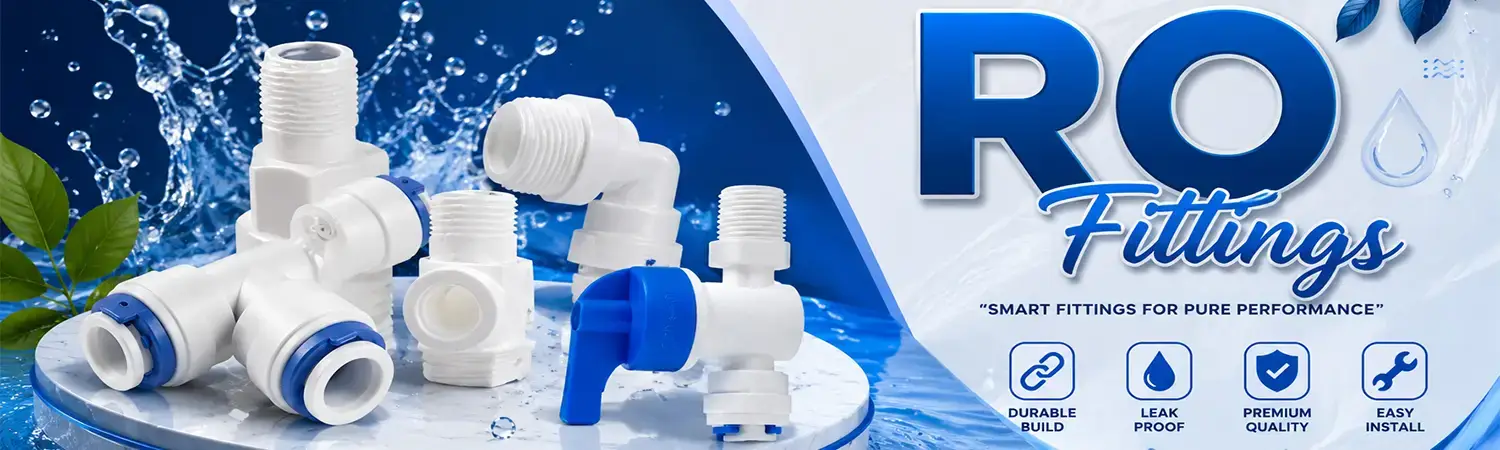
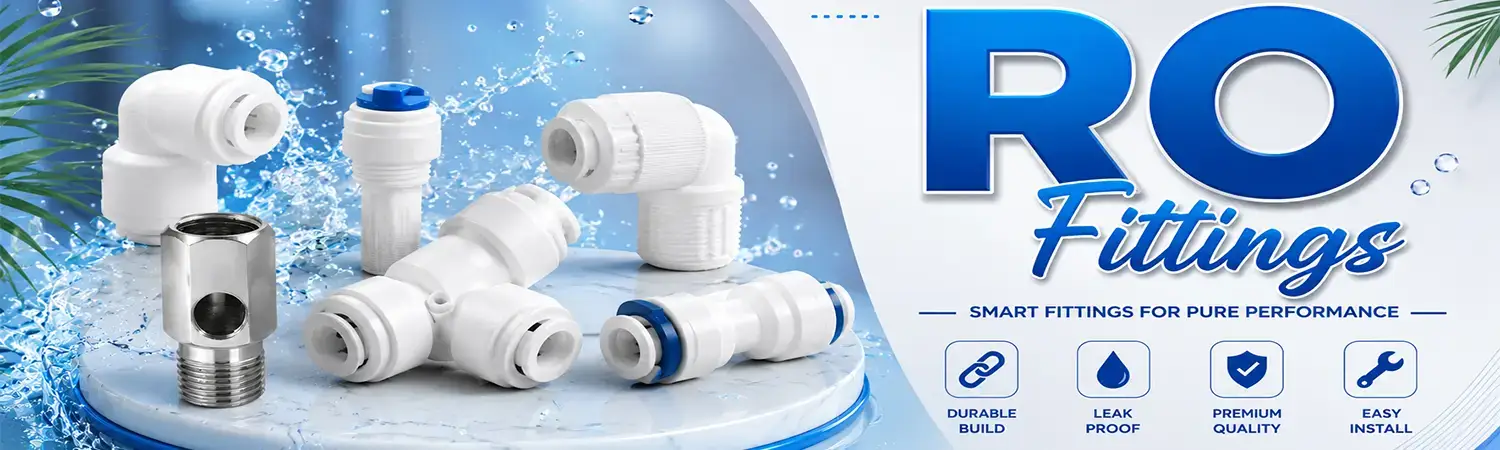
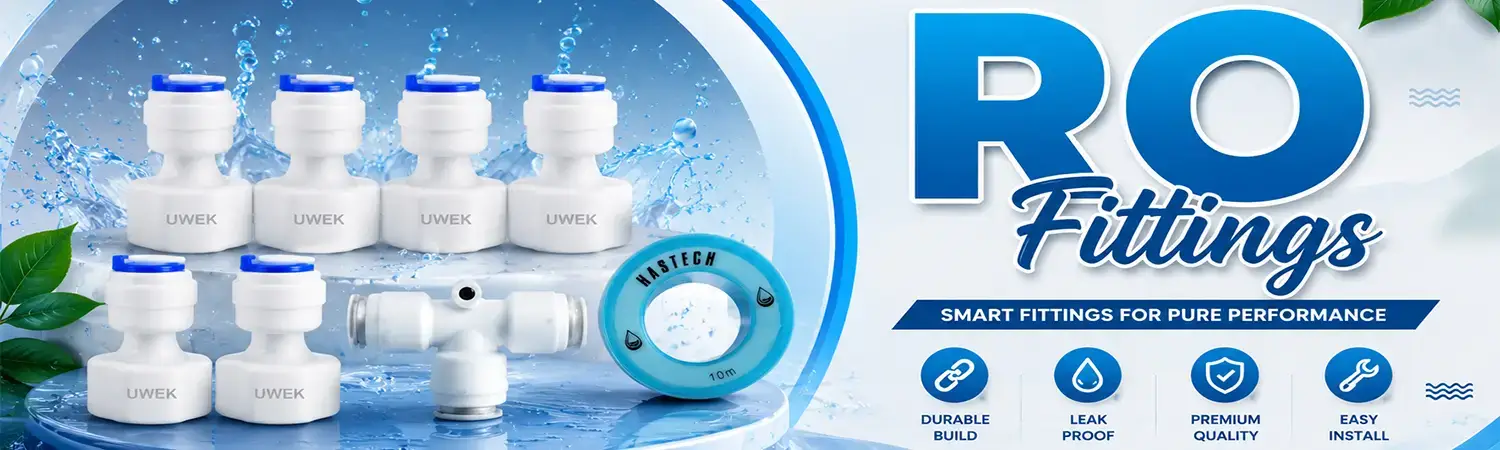
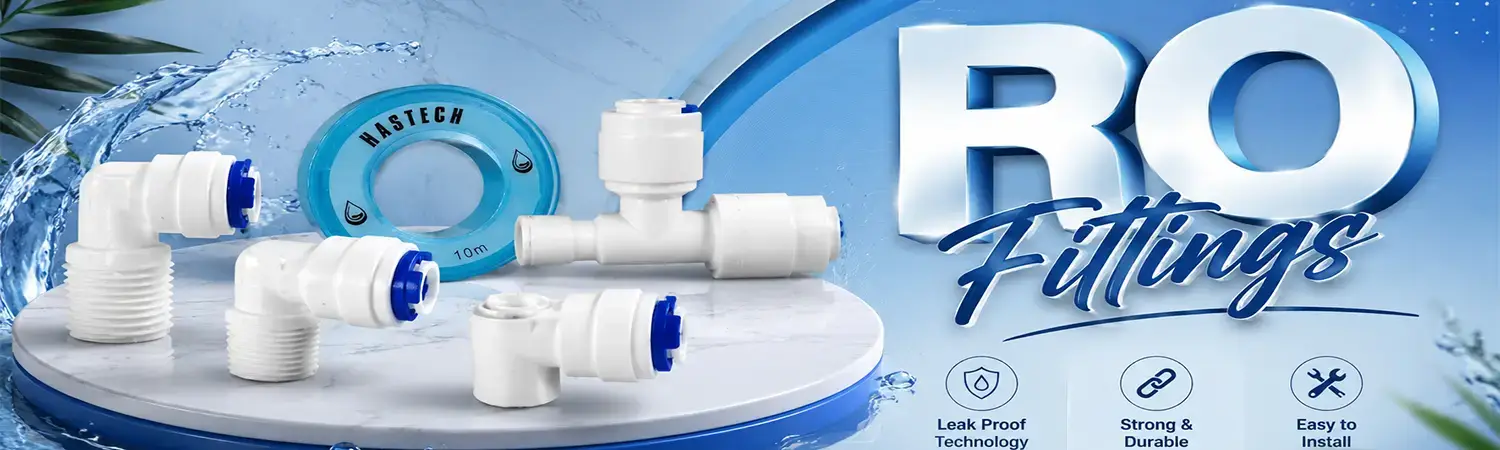
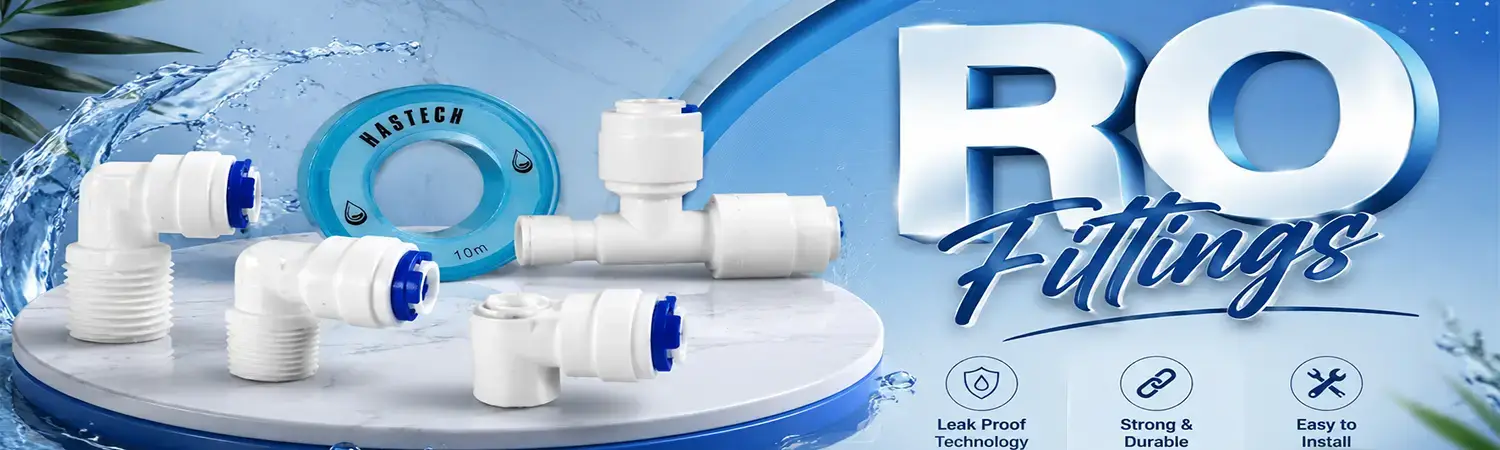
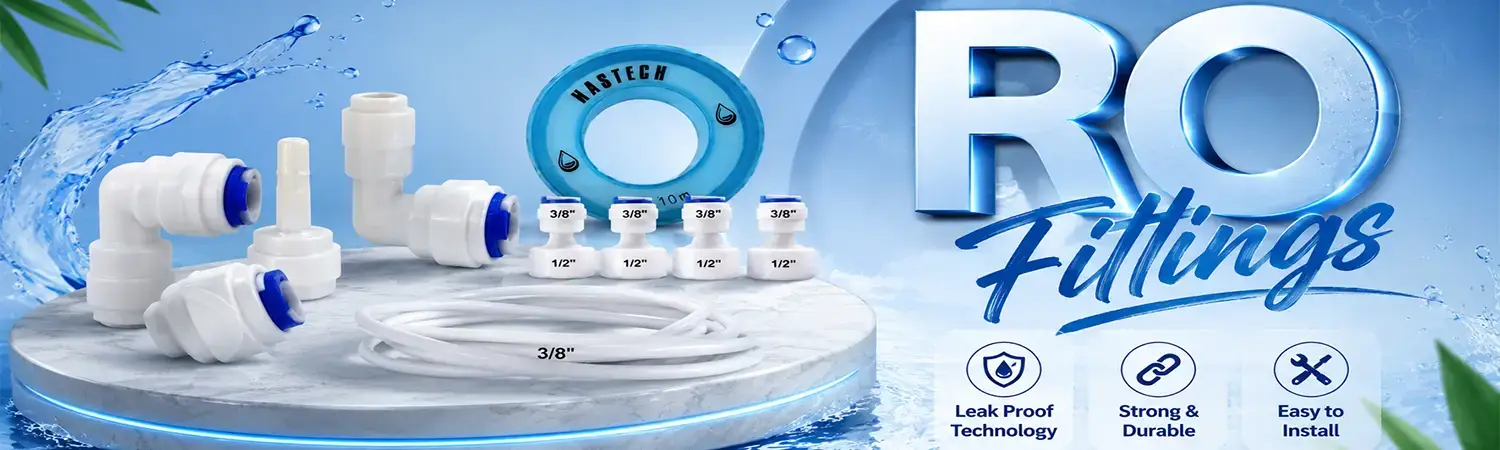
RO Fitting Manufacturer in Delhi
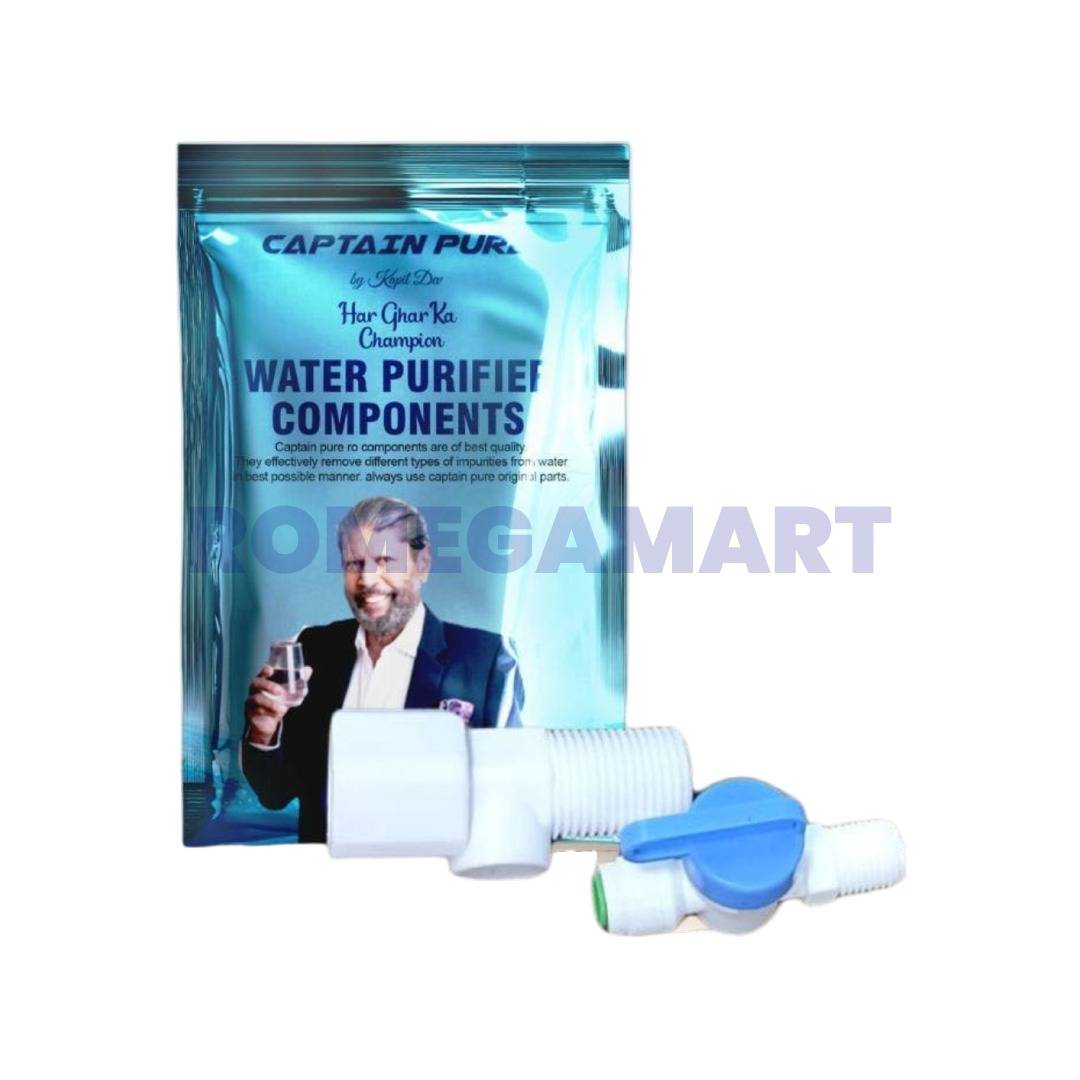


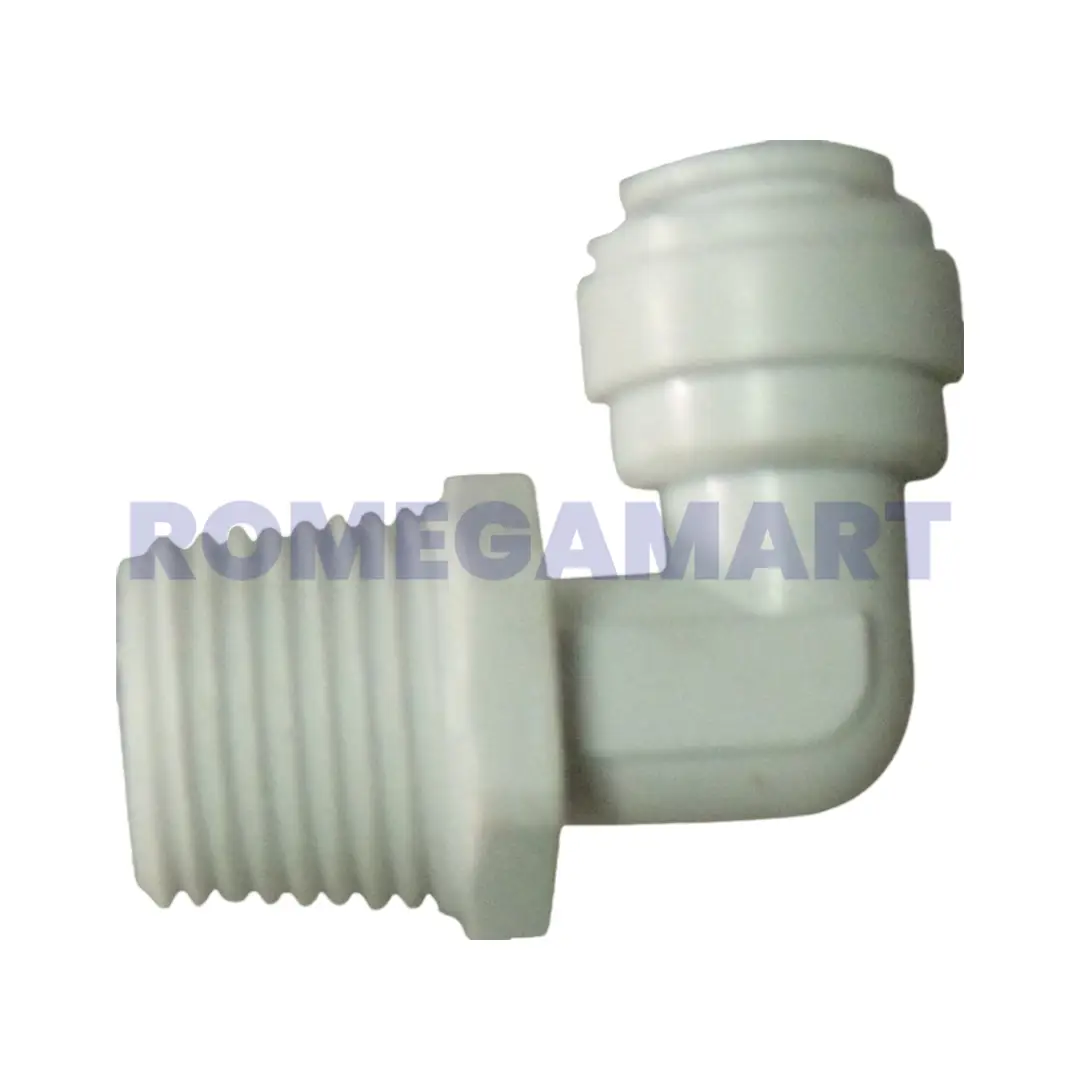
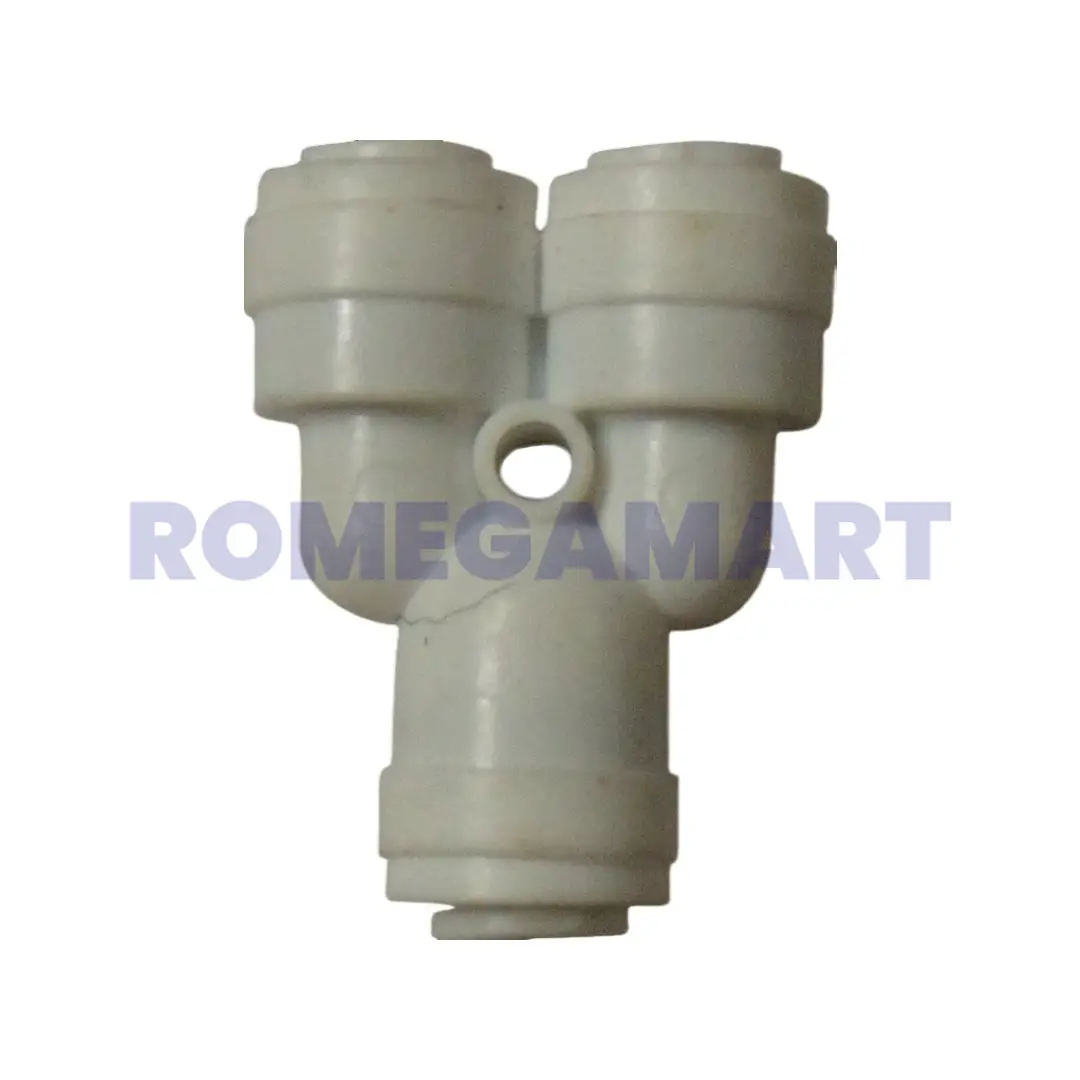
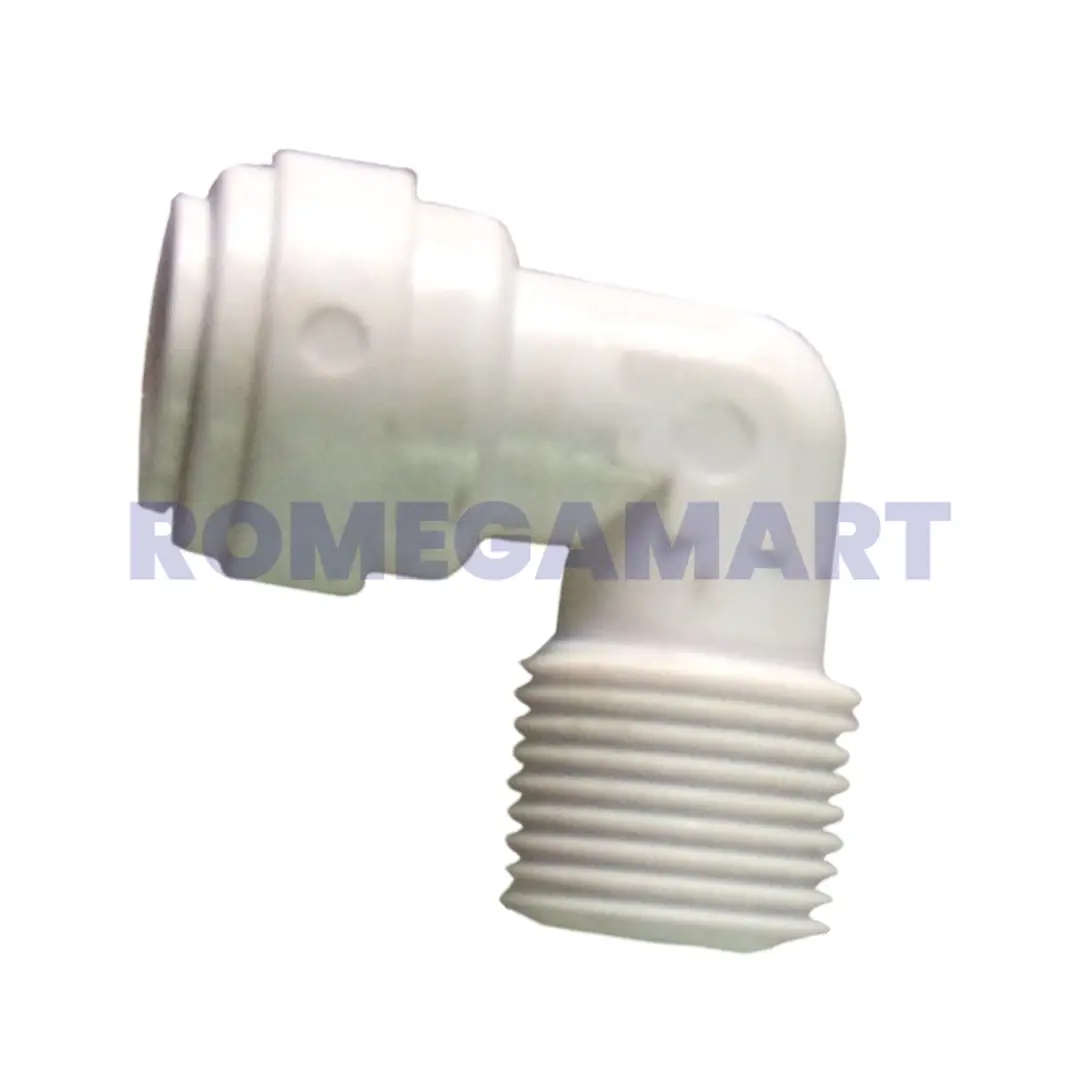
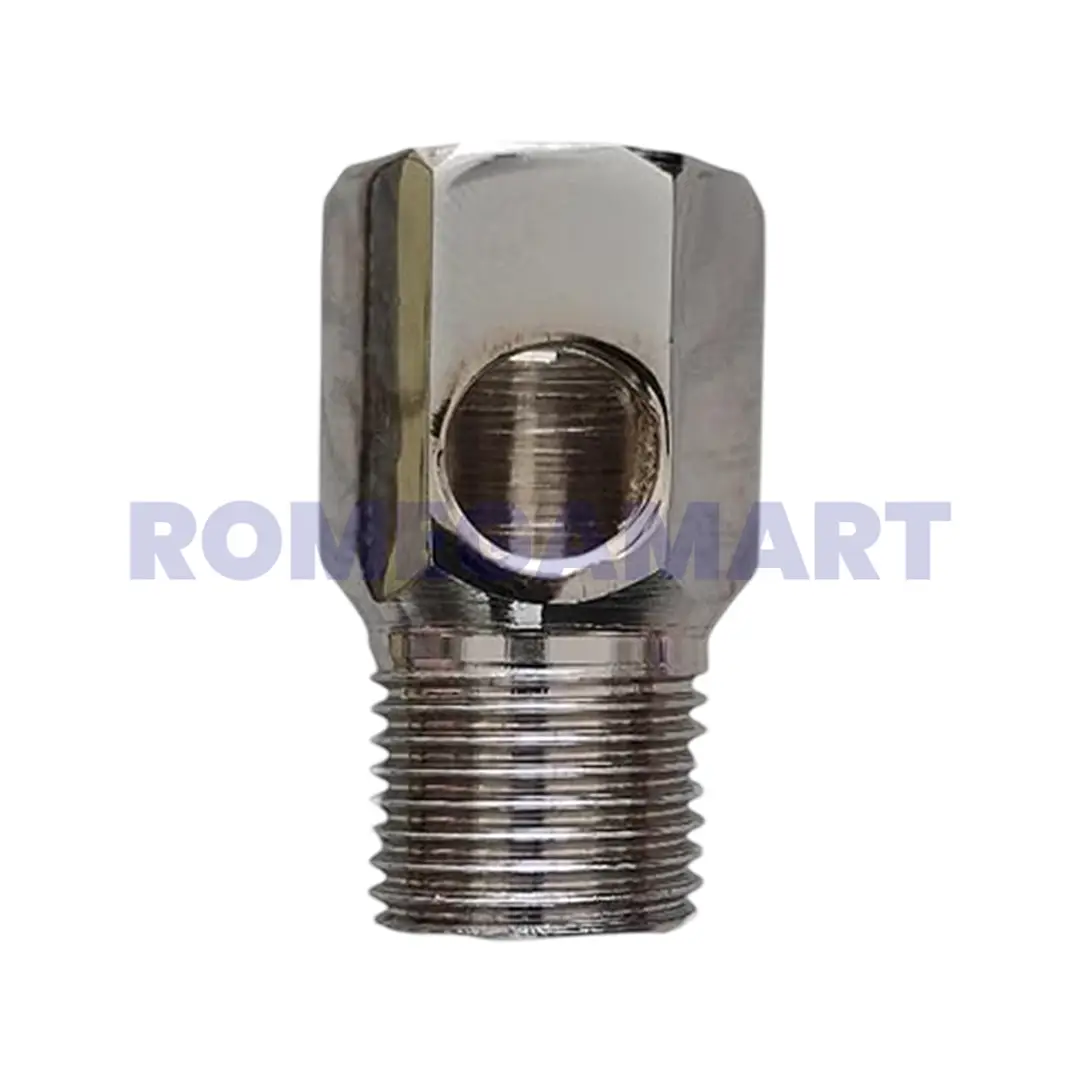


RO Fittings: Essential Connectors for Domestic RO Water Purifiers
RO fittings are critical components in every domestic RO water purifier system, ensuring secure and leak-proof connections between different parts. From connecting RO pipes to linking filters and membranes, these small yet vital parts maintain the efficiency and hygiene of your home water purification setup.
In a home RO system, even a minor leakage or loose connection can impact water quality and system performance. High-quality RO fittings are designed to provide tight sealing, easy installation, and long-term durability, making them indispensable for smooth operation.
Whether you are installing a new water purifier for home or maintaining an existing one, using reliable RO connection fittings ensures consistent water flow and safety.
What are RO Fittings in a Domestic RO System?
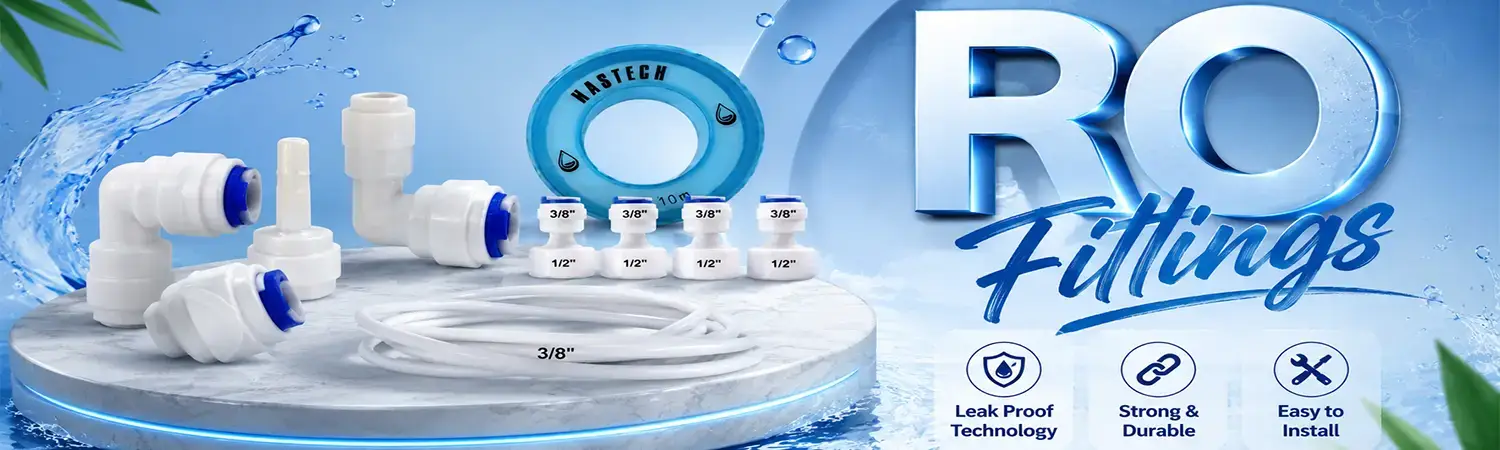
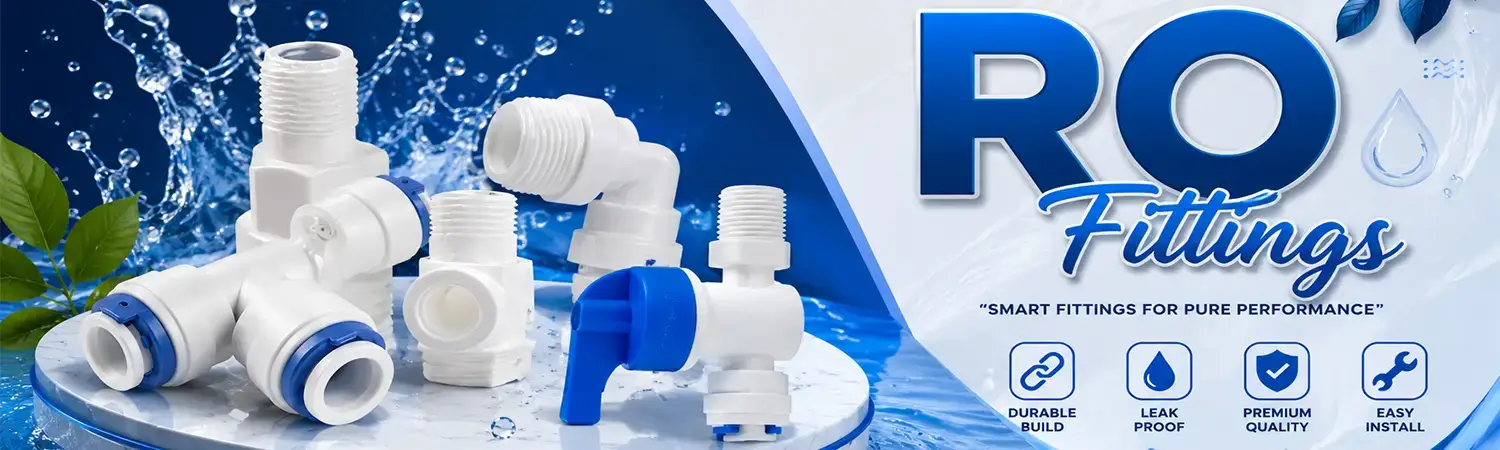
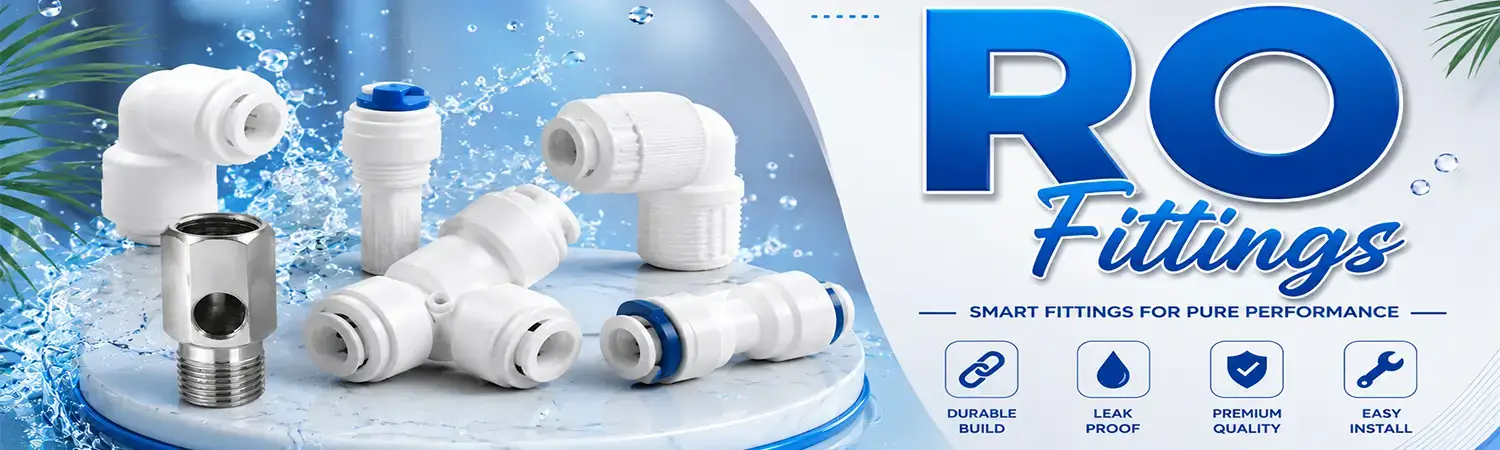
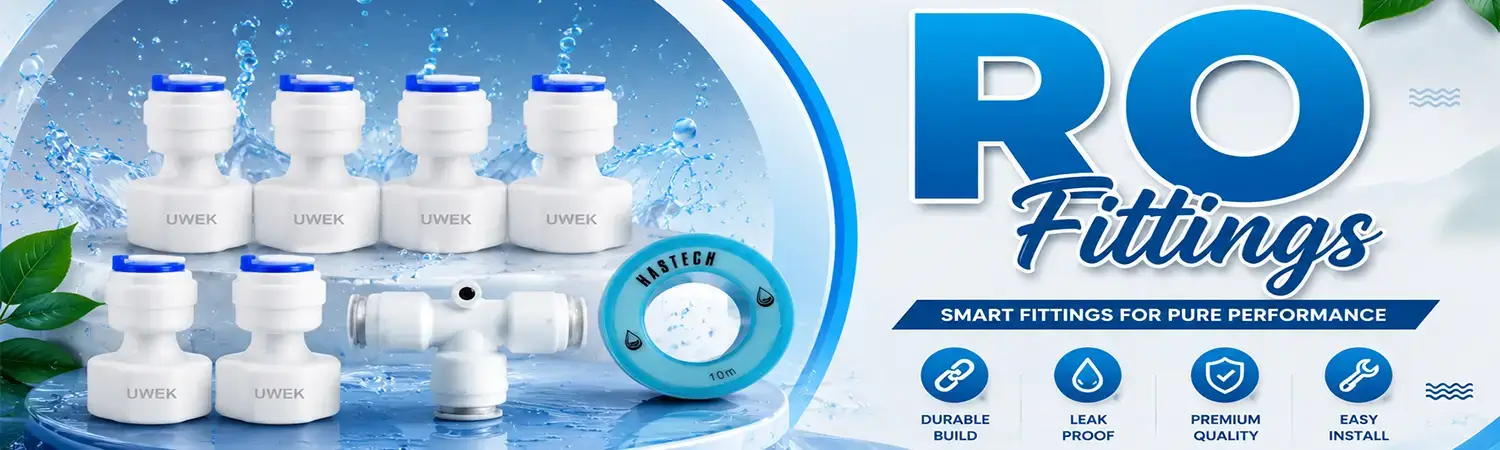
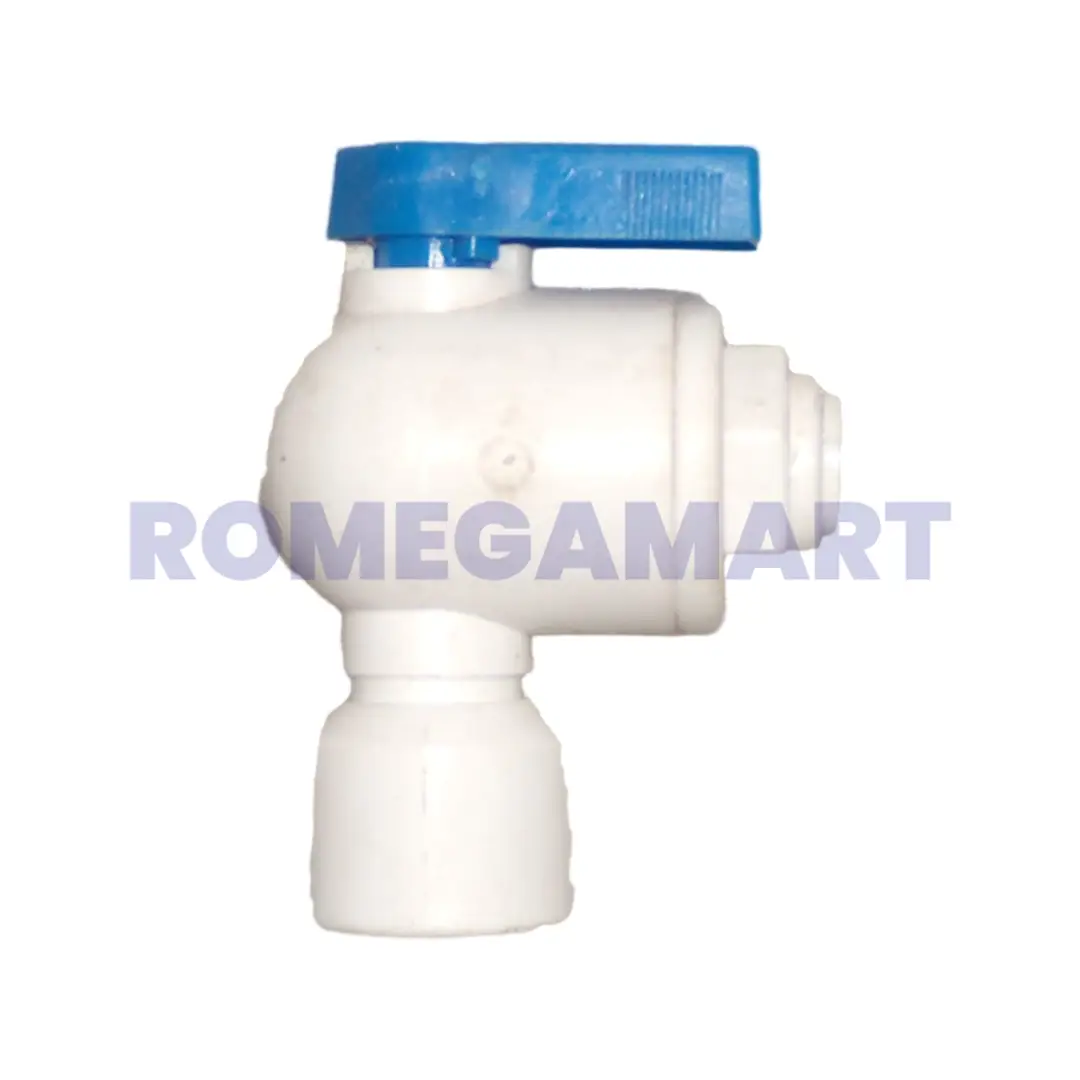
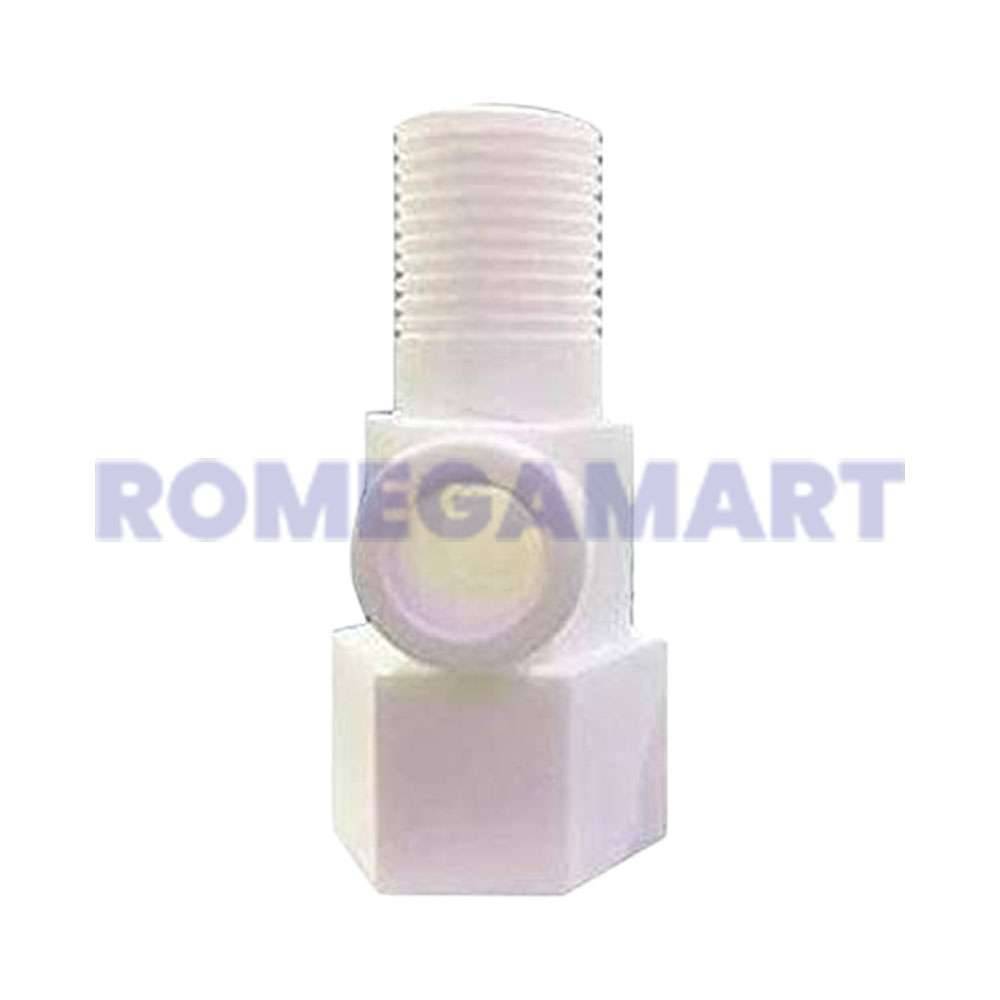
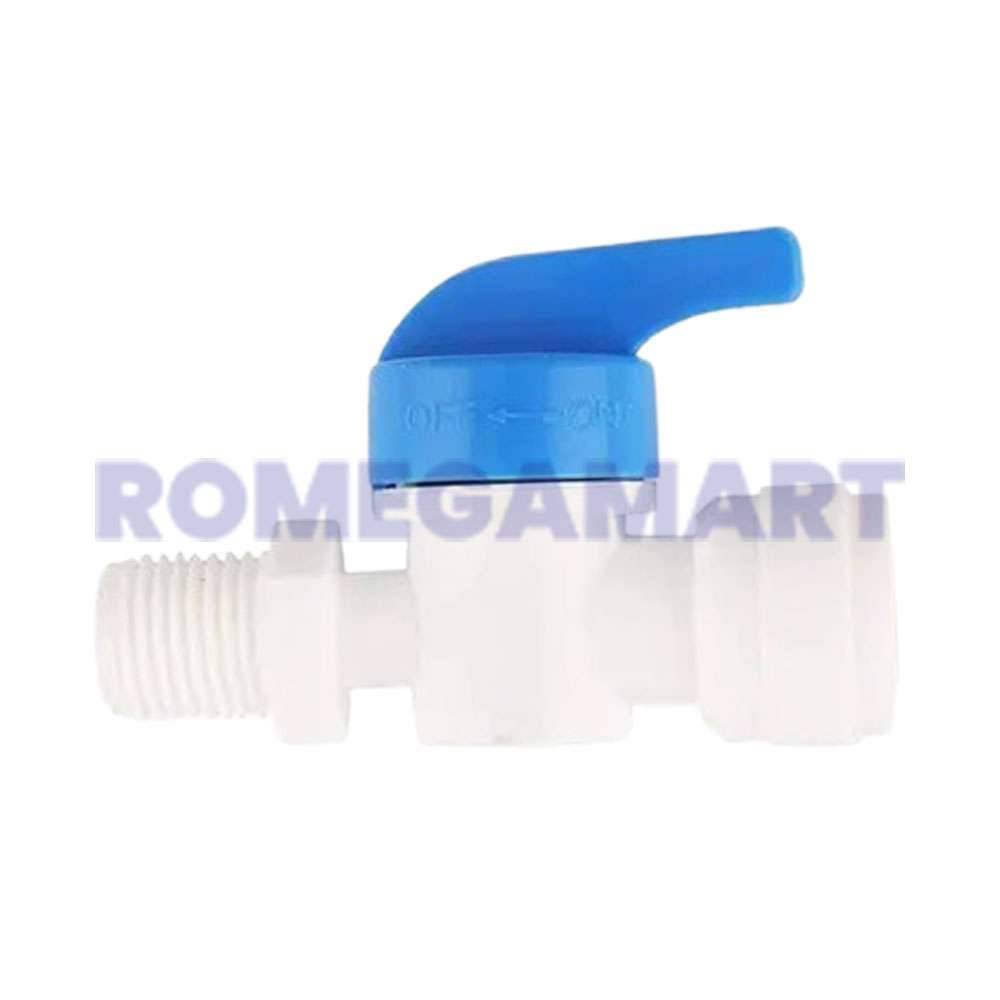
RO fittings are small connectors used to join different components of a domestic RO system, such as RO pipe roll, sediment filter, carbon filter, RO membrane, and storage tank. These fittings help maintain proper alignment and prevent leakage during water flow.
They are specifically designed for:
- Quick connection and disconnection
- Leak-proof sealing in RO water purifiers
- Compatibility with standard RO pipes
- Long-term use in household systems
Using high-quality RO pipe fittings ensures your domestic water purifier runs efficiently without interruptions.
Types of RO Fittings Used in Home RO Systems
Different types of RO fittings are used in domestic water purifiers, each serving a specific purpose:
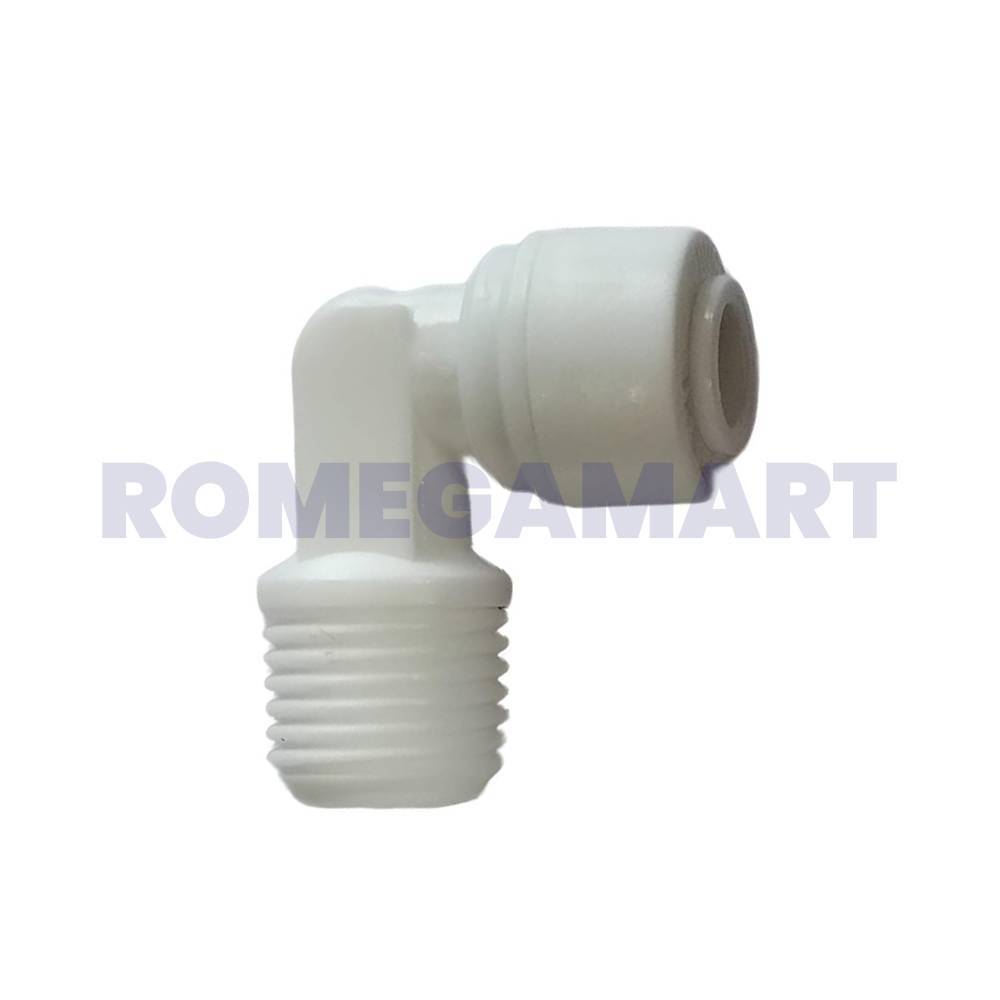
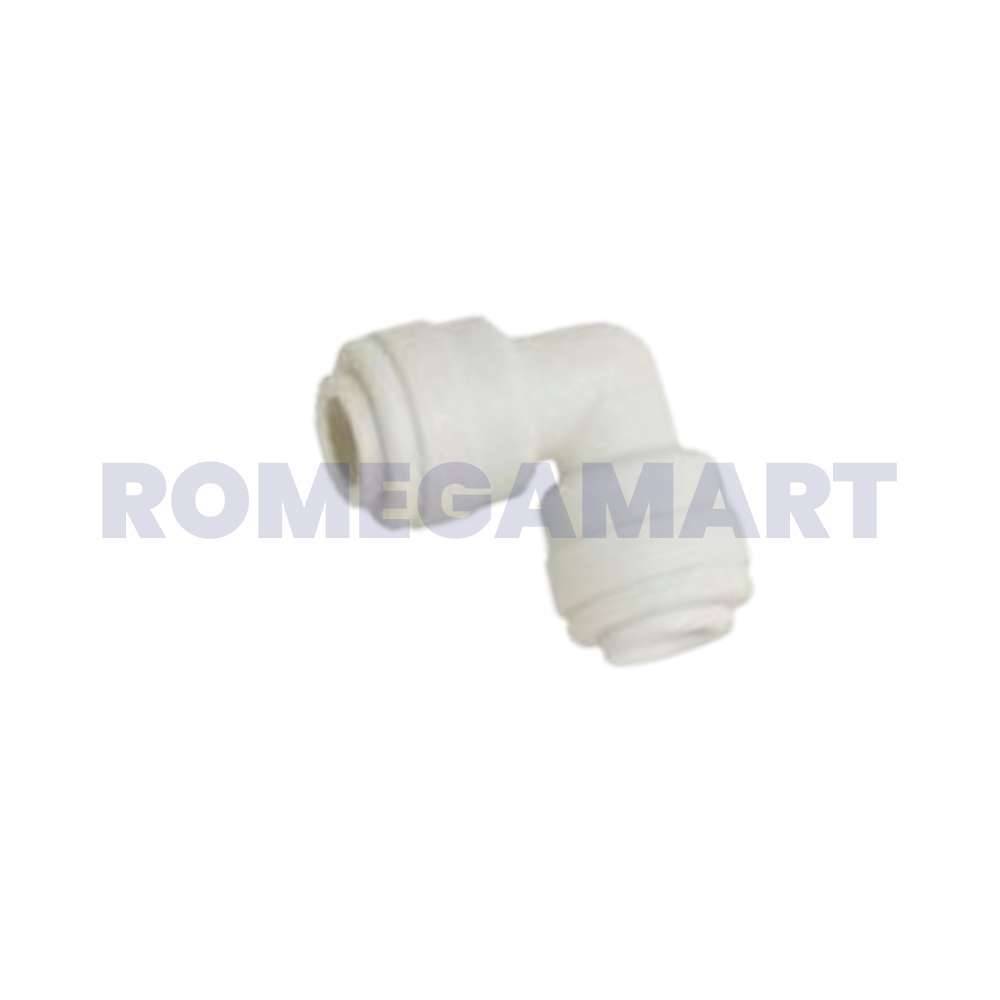
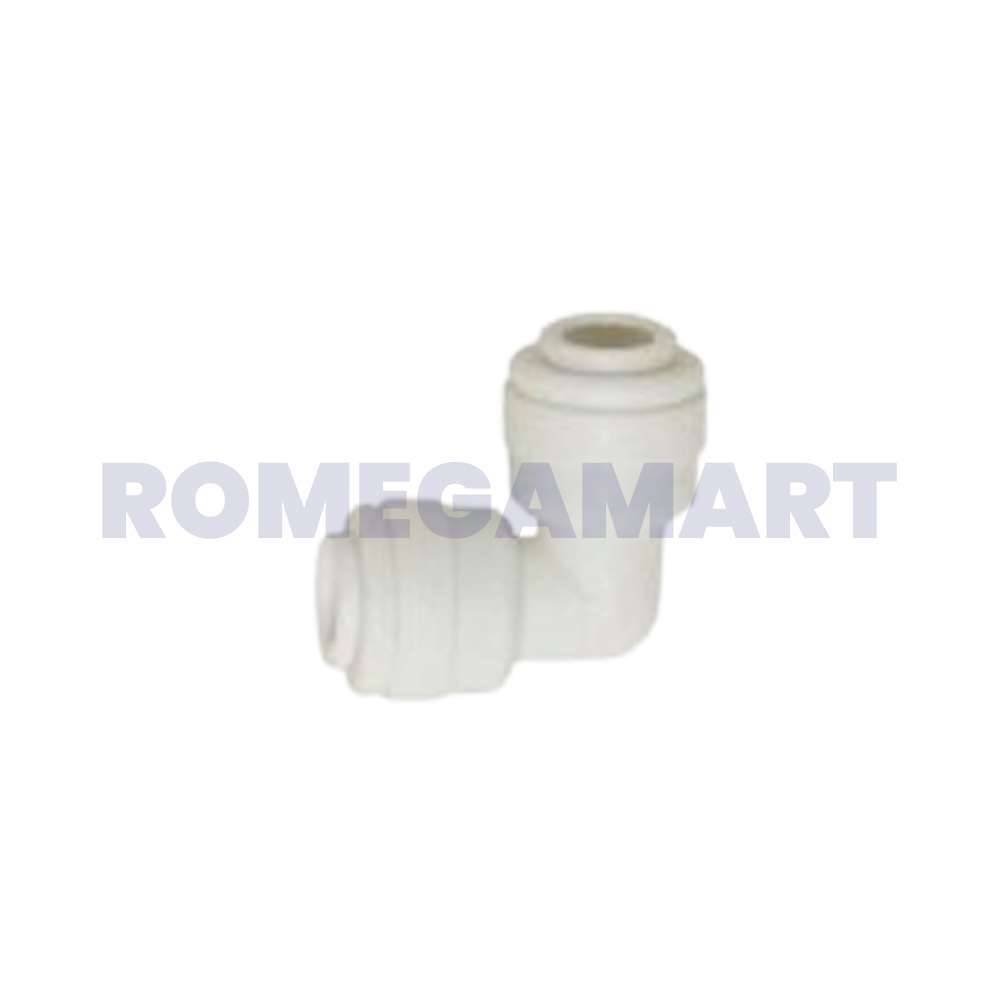
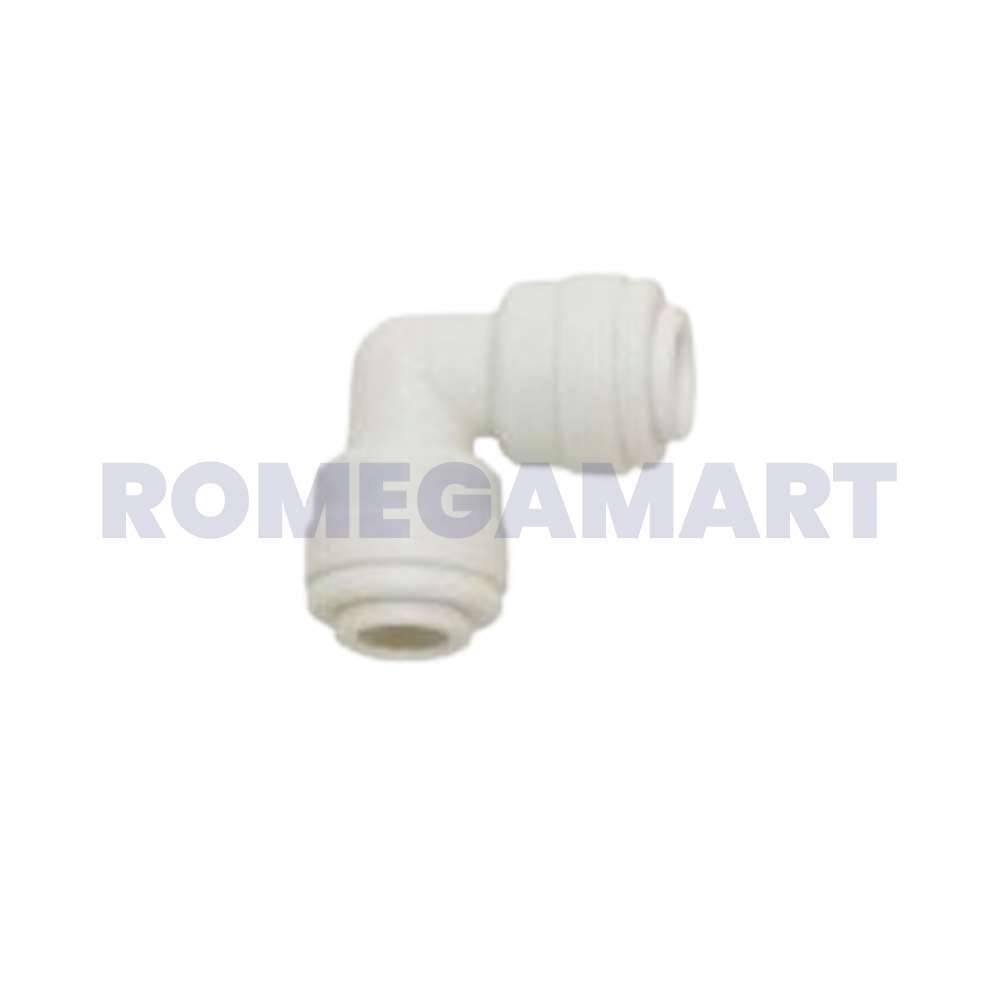
1. Elbow Fittings
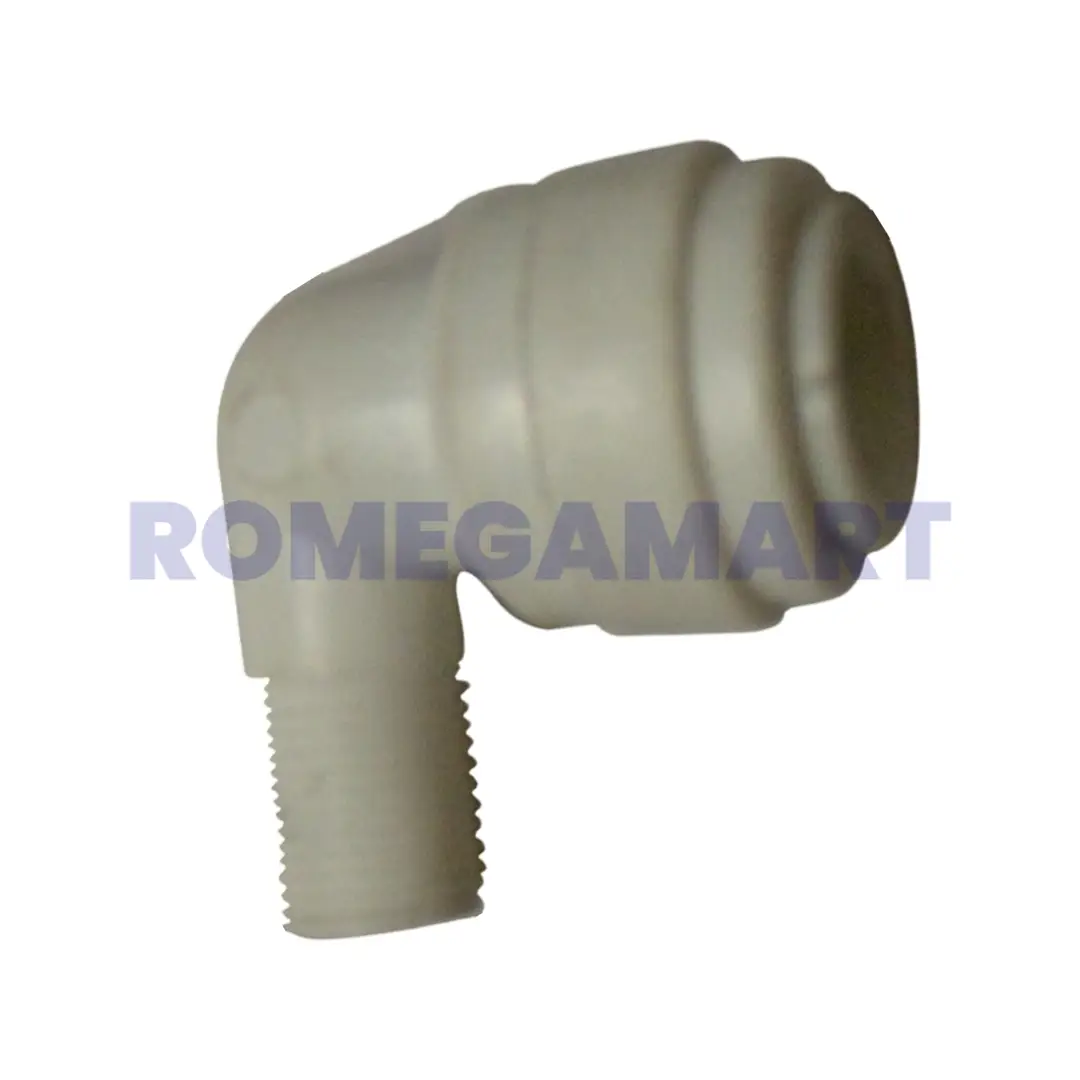
Used to change the direction of RO pipe flow, especially in compact kitchen installations.
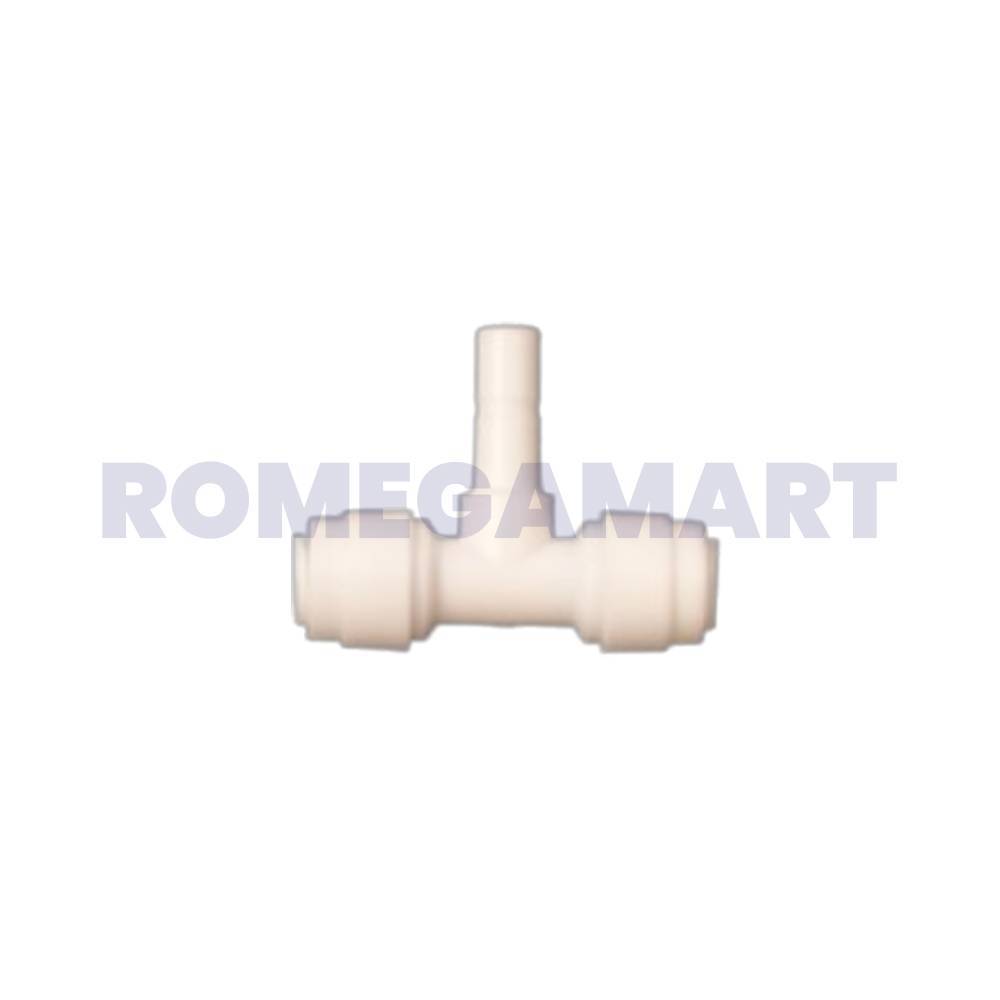
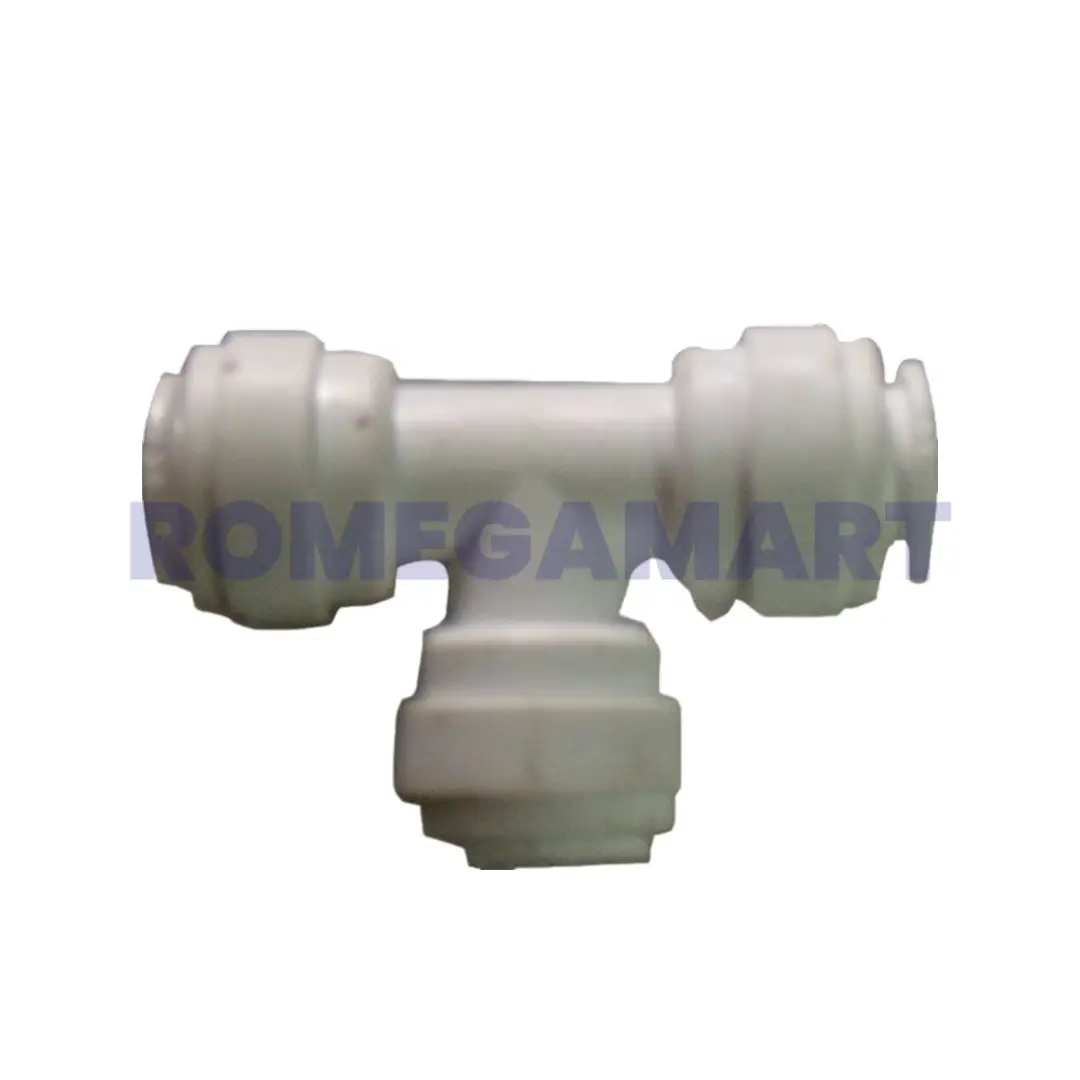
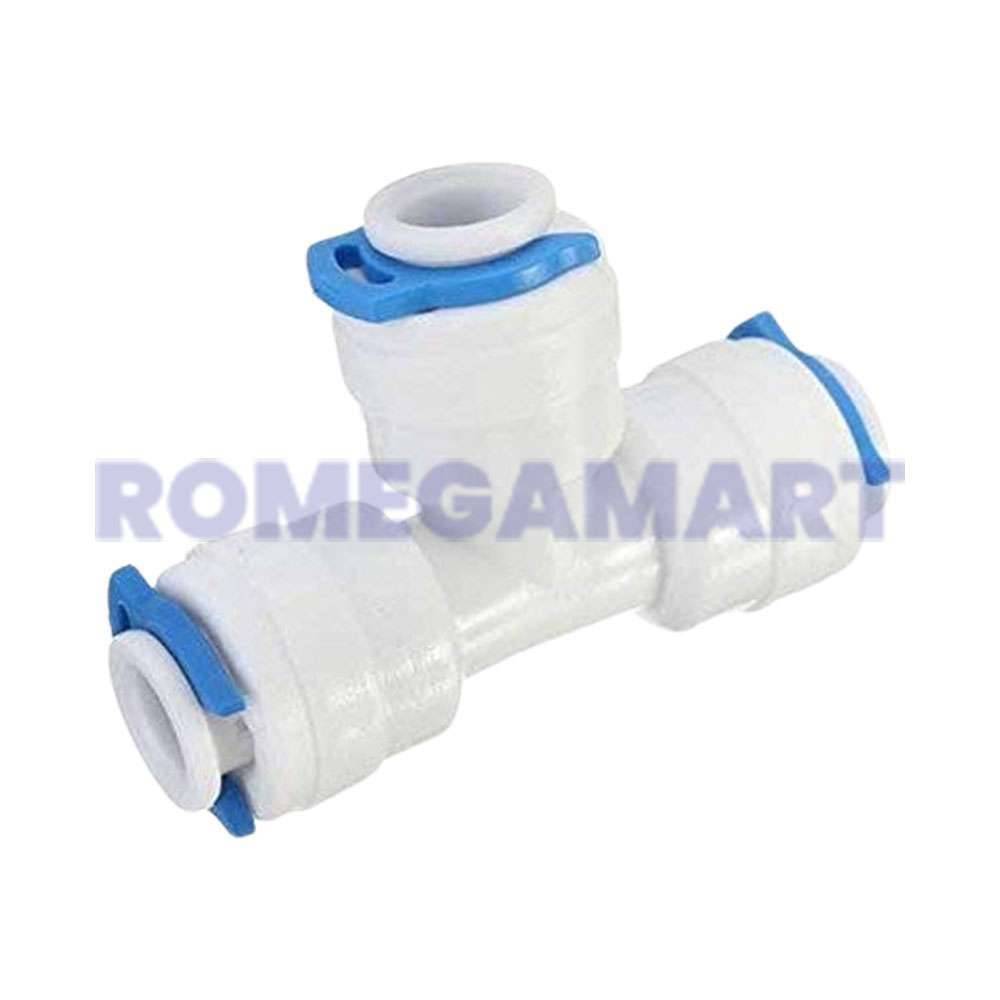
2. Tee Fittings
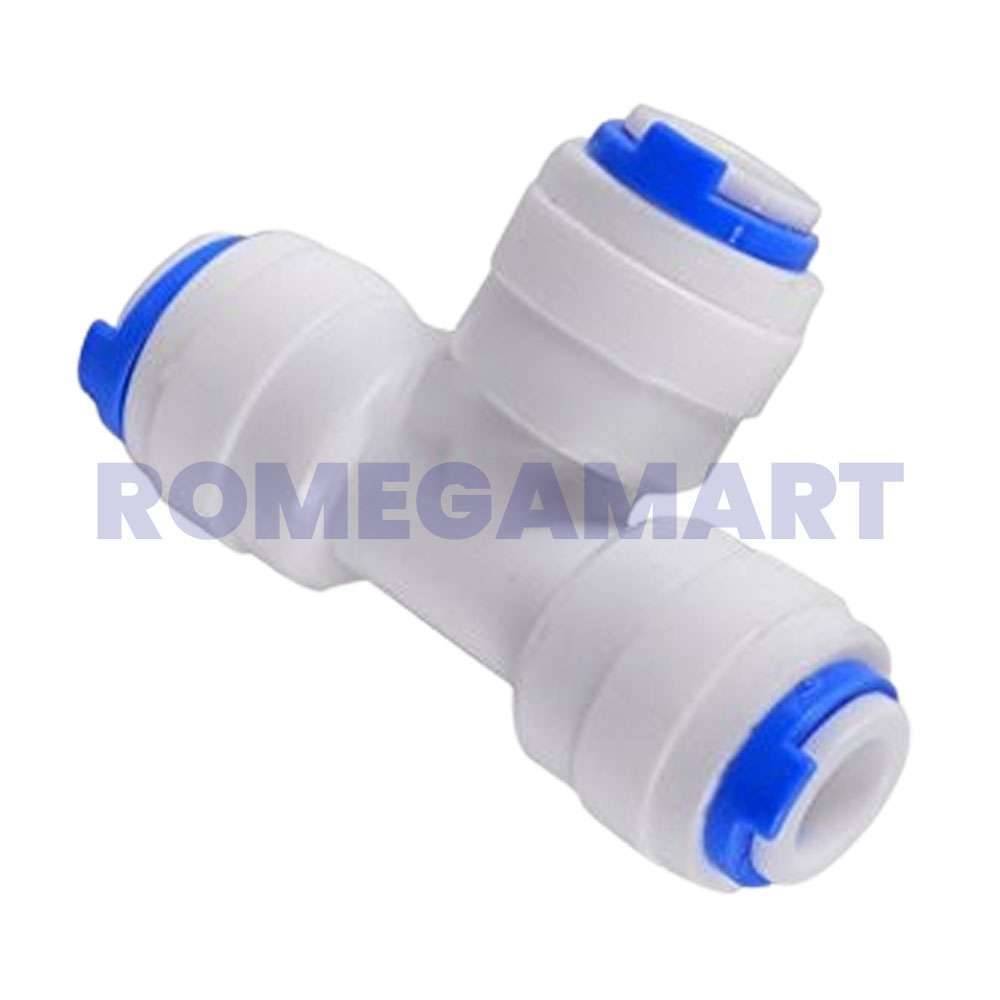
Allow splitting of water flow into multiple directions within a home RO system.
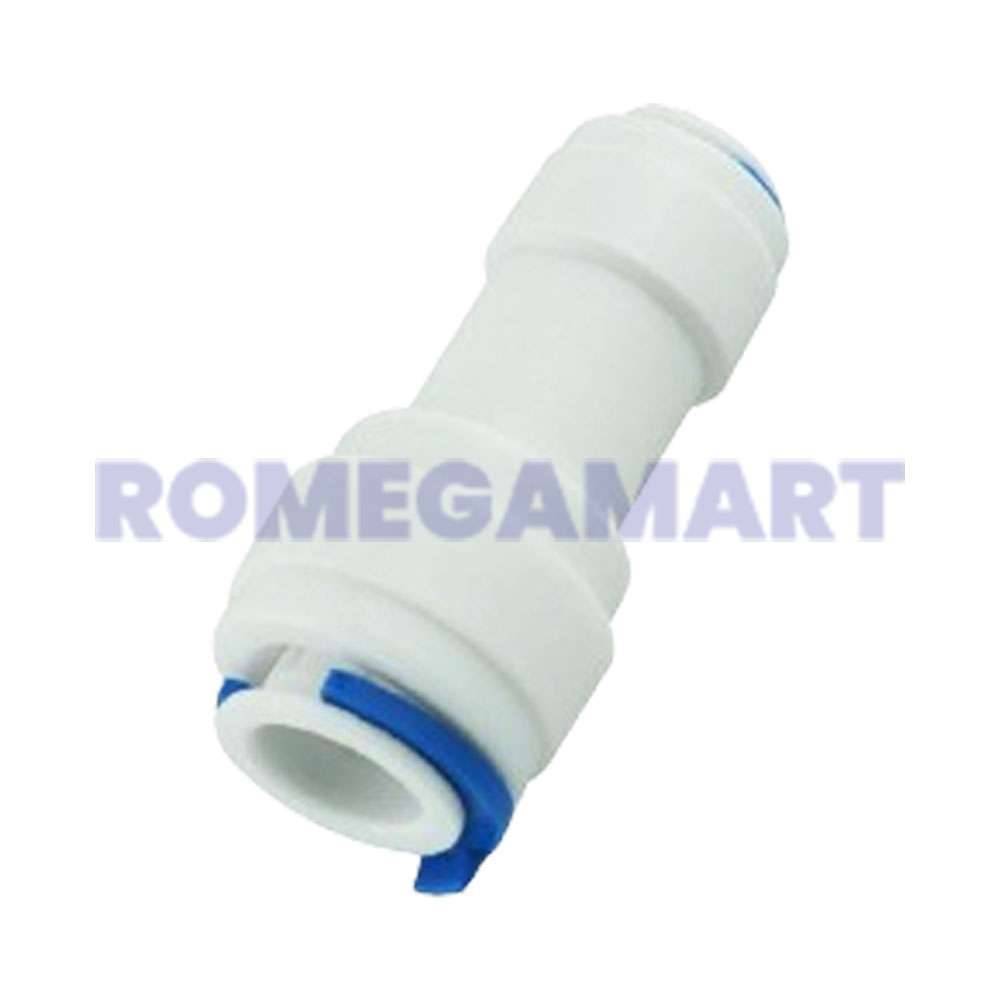
3. Straight Connectors
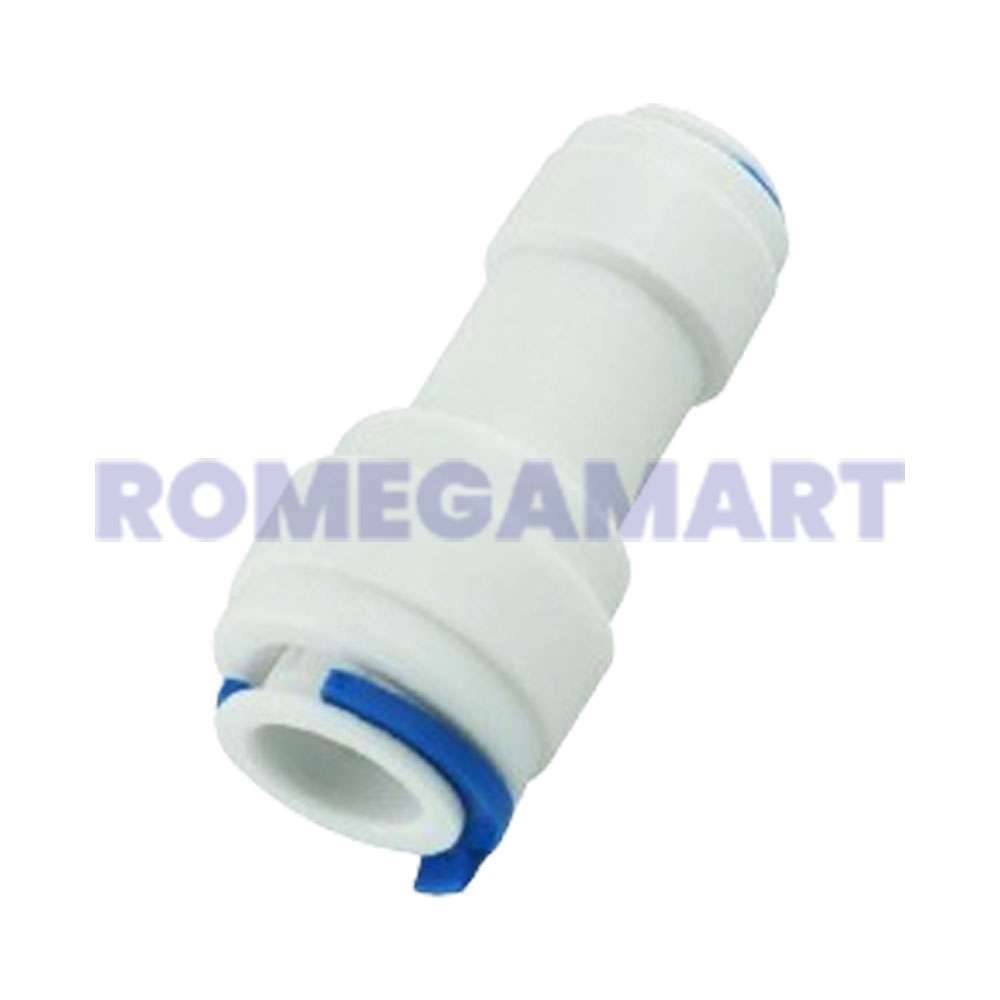
Used to join two RO pipes in a straight line.
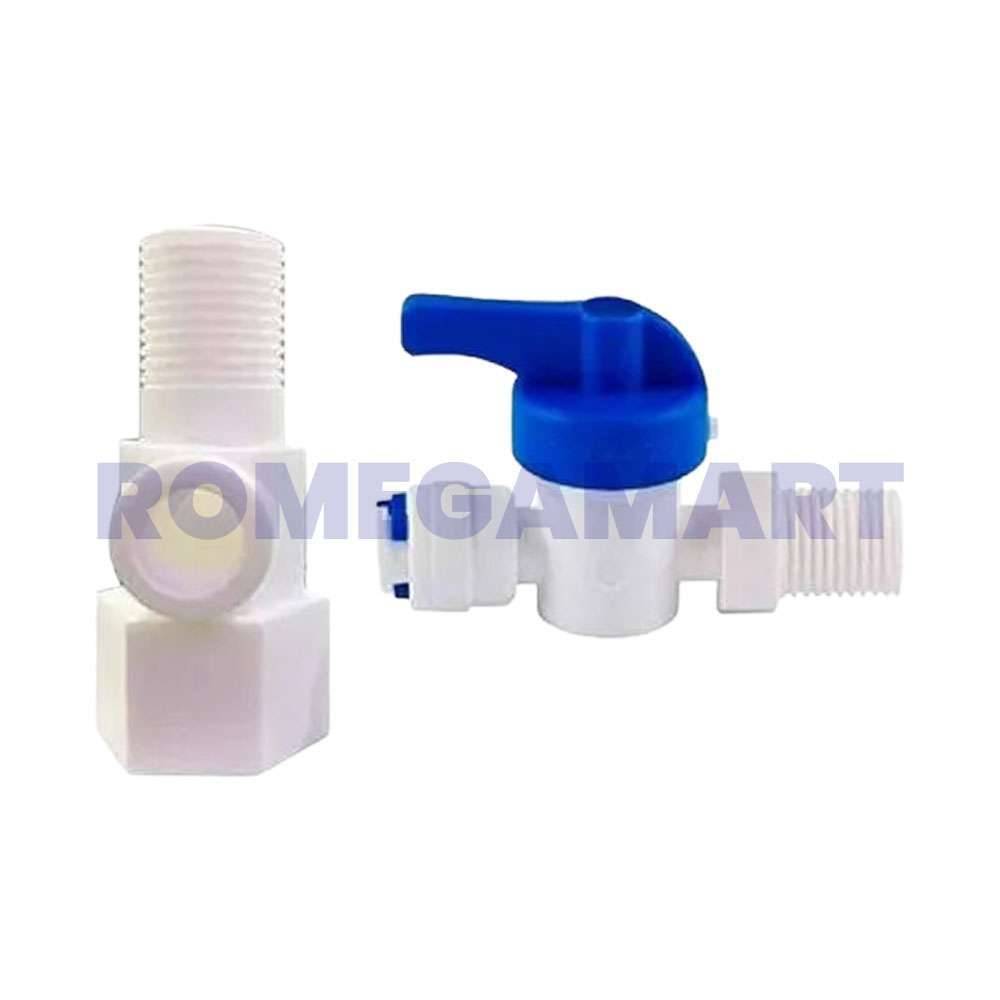
4. Union Fittings
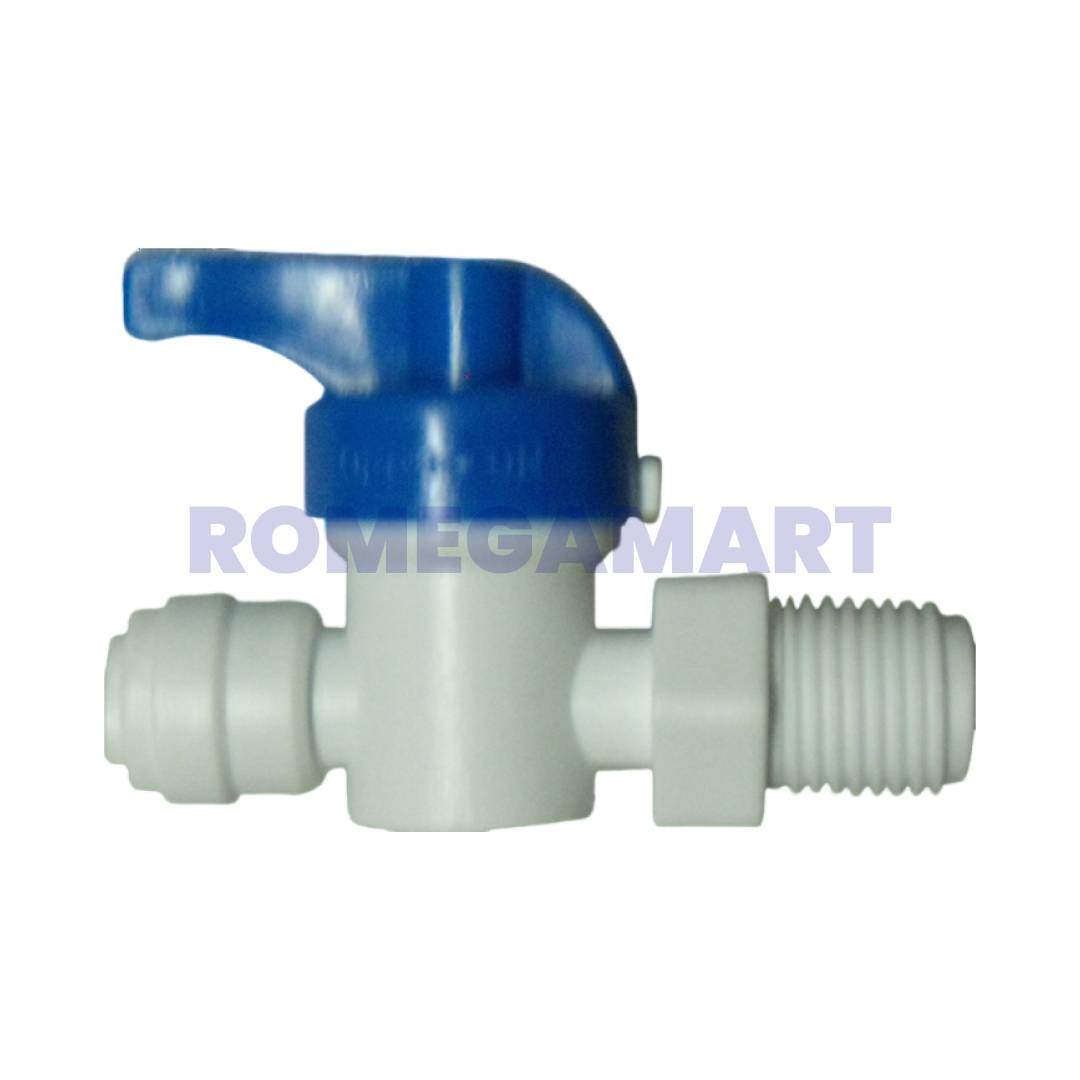
Help connect or disconnect sections easily for maintenance.
5. Quick Connect Fittings
Enable fast installation without tools in domestic RO systems.
Key Features of Domestic RO Fittings
High-quality RO fittings come with features that enhance the performance of your home water purifier:
- Leak-proof RO fittings design for safe operation
- Food-grade plastic material for drinking water safety
- Quick-connect mechanism for easy installation
- High durability for long-term use
- Compatibility with standard RO pipe sizes
- Corrosion-resistant fittings for better lifespan
These features ensure reliable performance in everyday household use.
Technical Specifications of RO Fittings
| Feature | Details |
|---|---|
| Material | Food-grade Plastic |
| Color | White |
| Size Compatibility | 1/4 inch RO pipe (standard domestic size) |
| Connection Type | Push-fit / Quick connect |
| Pressure Handling | Suitable for domestic water pressure |
| Application | Domestic RO water purifier systems |
| Durability | Long-lasting |
How RO Fittings Work in Domestic Water Purifiers
In a domestic RO system, RO fittings connect all major components and ensure proper water flow throughout the purification process.
Working process:
- Water enters through the RO inlet pipe
- Flows through sediment filter and carbon filter
- Passes into the RO membrane
- Stored in the tank via connected RO pipes
- Delivered through the outlet
At each stage, RO fittings ensure tight and secure connections, preventing leaks and maintaining system pressure.
Benefits of Using High-Quality RO Fittings
1. Prevents Water Leakage
Durable RO fittings ensure tight sealing in your domestic RO system.
2. Maintains Water Purity
Food-grade materials prevent contamination in home water purifiers.
3. Easy Installation & Replacement
Quick-connect RO fittings simplify setup and maintenance.
4. Enhances System Efficiency
Proper connections improve the performance of RO filters.
5. Long-Term Reliability
High-quality RO spare parts reduce frequent repairs.
Applications of RO Fittings in Home Use
RO fittings are widely used in:
- Domestic RO water purifiers
- Kitchen-based home RO systems
- Under-sink and wall-mounted units
- Household drinking water filtration setups
They are essential for maintaining proper connections in daily-use water purifiers.
Why RO Fittings Quality Matters in Domestic Systems
In a home RO water purifier, poor-quality fittings can lead to leakage, pressure loss, and contamination. This directly affects water quality and system efficiency.
Using premium RO fittings ensures:
- Leak-free performance
- Consistent water flow
- Safe drinking water
- Longer life of RO components
Choosing the Right RO Fittings for Home RO Systems
When selecting RO fittings for your domestic water purifier, consider:
- Compatibility with RO pipe roll
- Standard 1/4 inch size fittings
- Food-grade material quality
- Type of fitting required (elbow, tee, connector)
- Ease of installation
Choosing the right RO pipe fittings ensures smooth and efficient operation.
Maintenance Tips for RO Fittings
To maintain your RO fittings in a home RO system:
- Check for leakage regularly
- Ensure proper fitting alignment
- Replace worn-out RO connectors
- Avoid excessive force during installation
Regular maintenance ensures long-term reliability.
Why RO Fittings Are Essential for Domestic RO Systems
Though small in size, RO fittings play a major role in the functioning of your domestic water purifier. They ensure all components are securely connected and water flows without interruption.
Without proper RO fittings, even the best RO system cannot operate efficiently.
FAQs
What are RO fittings used for?
RO fittings are used to connect different components in a domestic RO water purifier, ensuring leak-proof water flow.
Which material is best for RO fittings?
Food-grade plastic RO fittings are best for safe drinking water applications.
Are RO fittings universal?
Most RO fittings are designed for standard 1/4 inch RO pipes, making them widely compatible.
How do I fix a leaking RO fitting?
Check the connection, reinsert the RO pipe, or replace the faulty fitting.
Can RO fittings be reused?
Yes, high-quality RO fittings can be reused if they are in good condition.
How long do RO fittings last?
Durable RO fittings can last several years with proper maintenance.
Are RO fittings easy to install at home?
Yes, most RO fittings come with a quick-connect design for easy installation.