400 LPH Industrial RO Plant in Delhi

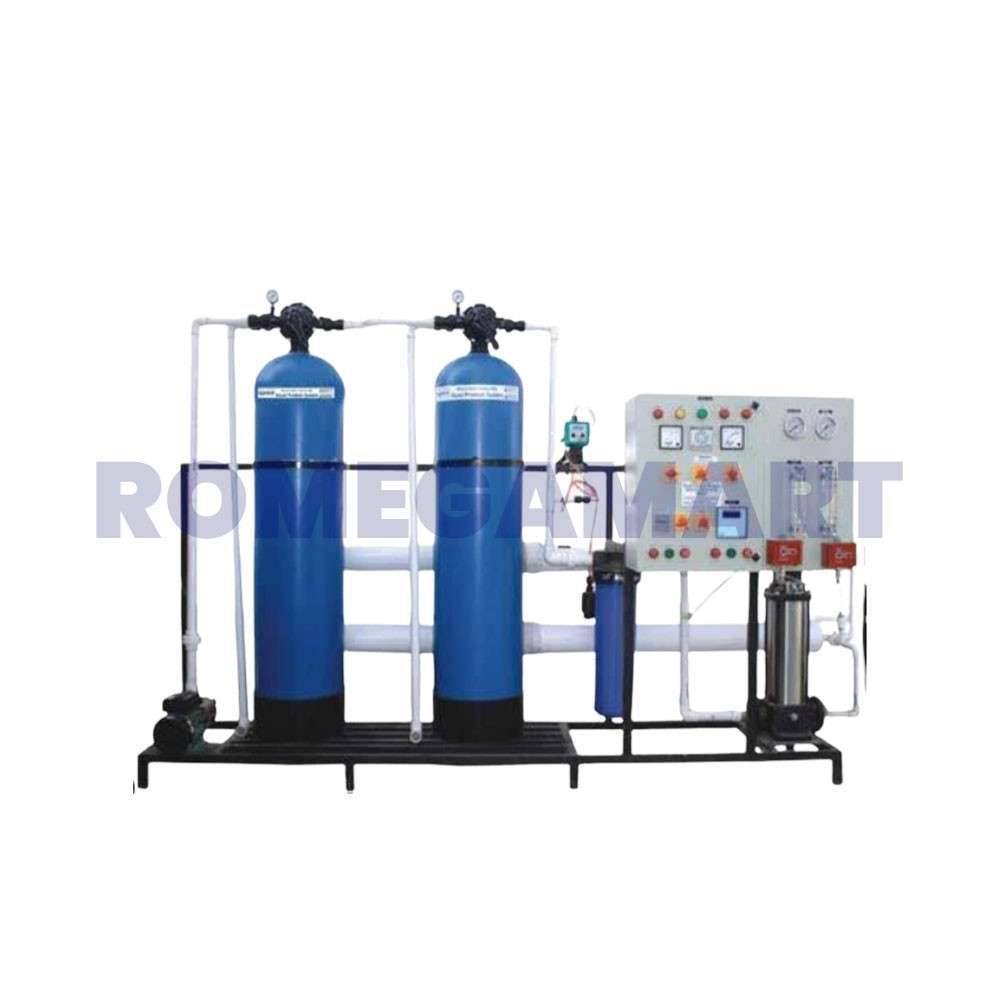
400 LPH RO Plant: Comprehensive Guide to Industrial Water Purification
Introduction
Water is a critical resource for industries and commercial establishments, and maintaining its purity is essential for both operational efficiency and health. Reverse osmosis (RO) technology has become one of the most reliable solutions for water purification. Among the various capacities available, the 400 LPH RO plant is an ideal choice for medium-scale industrial and commercial applications.
This blog will cover the definition, working, features, benefits, and applications of a 400 LPH RO plant, focusing on industrial use, so you can make an informed decision for your water purification needs.
What is a 400 LPH RO Plant?
A 400 LPH RO plant is a reverse osmosis system capable of producing 400 liters of purified water per hour. The term “LPH” stands for liters per hour, representing the production capacity of the plant. This system is suitable for medium-scale industrial operations, hospitals, hotels, and commercial complexes that require a steady supply of clean water.
A 400 LPH RO plant industrial version is designed specifically to handle higher water demands in industrial environments. It not only removes dissolved salts but also eliminates harmful microorganisms and impurities, ensuring safe and high-quality water for various applications.
How Does a 400 LPH RO Plant Work?
The operation of a 400 LPH RO plant is based on reverse osmosis, a process where water is pushed through a semi-permeable membrane that removes dissolved salts, chemicals, and other impurities. The process begins with pre-filtration, where sediment and carbon filters remove larger particles and contaminants that could damage the RO membrane.
After pre-filtration, water passes through a high-pressure pump that forces it through the RO membrane. Purified water passes through, while the concentrated waste water containing impurities is discharged. Some systems also include post-treatment processes such as UV sterilization or mineral addition to improve taste and quality. The purified water is then stored in a tank for distribution, making it ready for industrial or commercial use.
Features of a 400 LPH RO Plant
The 400 LPH RO plant comes with features that make it suitable for industrial and commercial applications. Industrial versions of the plant are built with robust, corrosion-resistant materials to handle continuous operation in demanding environments. Modern systems are often equipped with automated controls, flow meters, and monitoring systems to ensure optimal performance.
Energy efficiency is another key feature, allowing the system to deliver high-quality water while minimizing electricity consumption. The 400 LPH RO plant industrial is designed to operate reliably for long hours, providing consistent water output without compromising on quality.
Benefits of Installing a 400 LPH RO Plant
Installing a 400 LPH RO plant offers several advantages. It guarantees a continuous supply of clean, safe water for industrial, commercial, or institutional needs. The system effectively removes harmful salts, bacteria, and impurities, promoting health and operational efficiency.
For industrial applications, a 400 LPH RO plant industrial ensures water is suitable for manufacturing processes, cooling systems, and laboratory use. Economically, it reduces dependency on external water sources, saving costs and minimizing environmental impact. The system’s versatility and efficiency make it a valuable investment for industries and businesses requiring reliable water purification.
Applications of 400 LPH RO Plant Industrial
A 400 LPH RO plant industrial can be used across various sectors. In manufacturing industries, it provides purified water for boilers, cooling towers, and production processes. Hospitals and laboratories depend on it for clean, sterile water. Hotels and commercial establishments utilize it to supply safe drinking water to staff and customers.
Its medium-scale capacity makes it ideal for industrial environments where smaller RO systems are insufficient, but very large systems are not required. This balance of capacity and efficiency ensures a reliable supply of purified water for multiple industrial applications.
Maintenance and Longevity
Proper maintenance of a 400 LPH RO plant is essential for long-term performance. Pre-filters should be replaced regularly, and the RO membrane should be cleaned according to manufacturer recommendations. Pumps, valves, and other mechanical components should be checked routinely.
With regular maintenance, a 400 LPH RO plant industrial can operate efficiently for 8–10 years, providing uninterrupted access to clean and safe water. Routine care ensures consistent water quality, reduces downtime, and prolongs the lifespan of the system.
Conclusion
A 400 LPH RO plant is a reliable solution for industries, commercial establishments, and institutional setups that require a steady supply of high-quality water. The industrial version of this system is built to withstand continuous operation while delivering purified water that meets stringent quality standards.
Understanding its features, benefits, and applications helps industries make informed decisions when investing in water purification systems. With proper maintenance and careful selection, a 400 LPH RO plant industrial can deliver consistent, safe, and efficient water purification for years, supporting operational efficiency and sustainability.
FAQs
1. What is the capacity of a 400 LPH RO plant?
A 400 LPH RO plant produces 400 liters of purified water per hour, suitable for medium-scale industrial and commercial use.
2. Can a 400 LPH RO plant industrial handle hard water?
Yes, but pre-treatment like water softening may be required to prevent scaling and prolong membrane life.
3. How much electricity does a 400 LPH RO plant consume?
Electricity consumption varies by design, generally around 1.5–3 kWh per 1000 liters of purified water.
4. What industries commonly use a 400 LPH RO plant industrial?
Manufacturing units, hospitals, laboratories, hotels, and commercial complexes often use this capacity for reliable water supply.
5. How long does a 400 LPH RO plant last?
With proper maintenance, a 400 LPH RO plant industrial can operate efficiently for 8–10 years.
Explore - 500 LPH RO, 600 LPH RO, 1000 LPH RO, 2000 LPH RO, 3000 LPH RO.
More Categories - Water Softenners, Water Treatment, Commercial System, industrial System, Domestic System.