500 LPH Industrial RO Plant in Delhi



500 LPH RO Plant: Complete Guide to 500 Liter RO Plants
Introduction
Clean and safe water is essential for industries, commercial establishments, and large residential complexes. Reverse osmosis (RO) technology has become the most reliable method for water purification, capable of removing dissolved salts, impurities, and harmful microorganisms. Among the different RO capacities available, the 500 LPH RO plant is a popular choice for medium to large-scale water requirements.
This blog will explain what a 500 LPH RO plant is, how it works, its features, benefits, applications, and pricing so you can make an informed decision when considering installation.
What is a 500 LPH RO Plant?
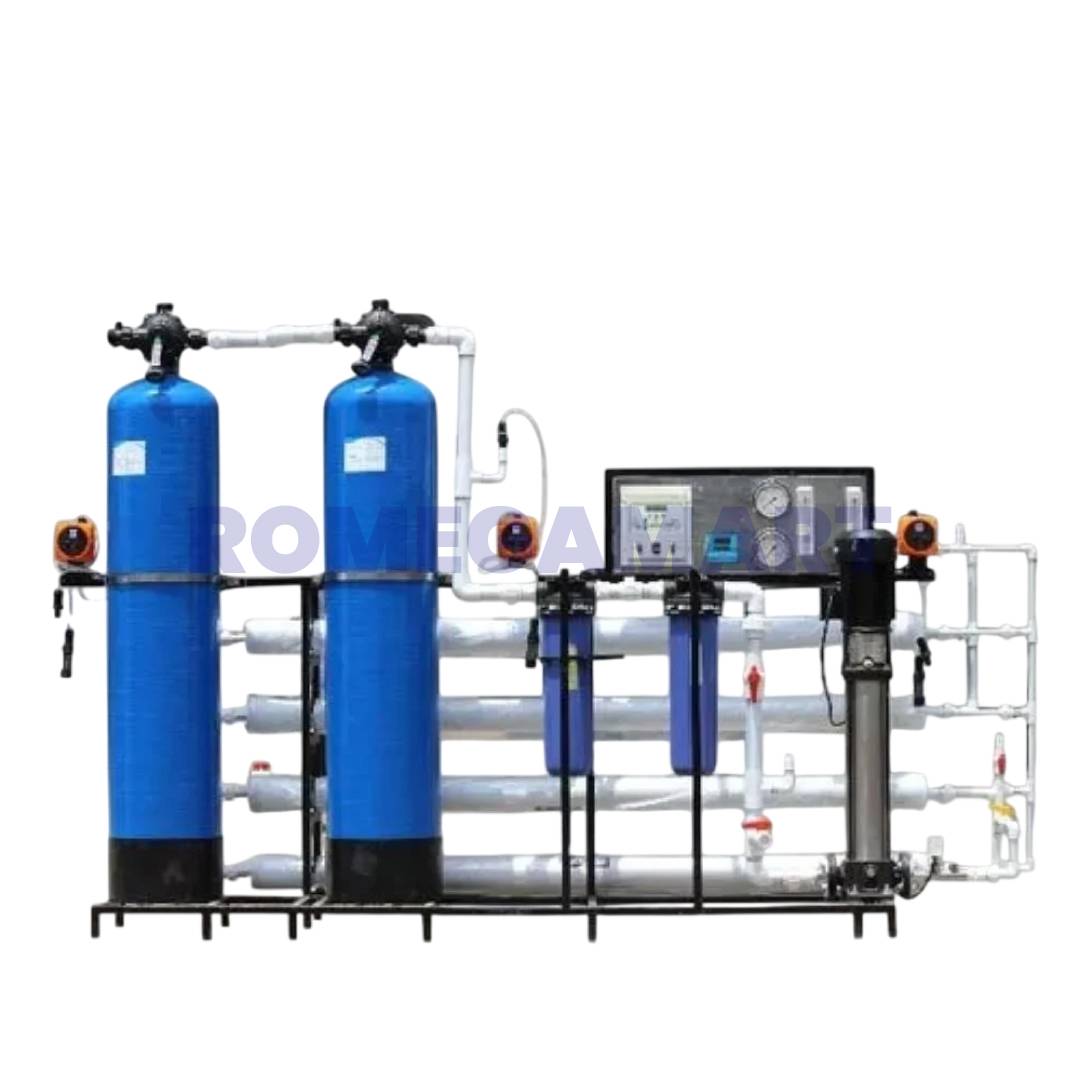
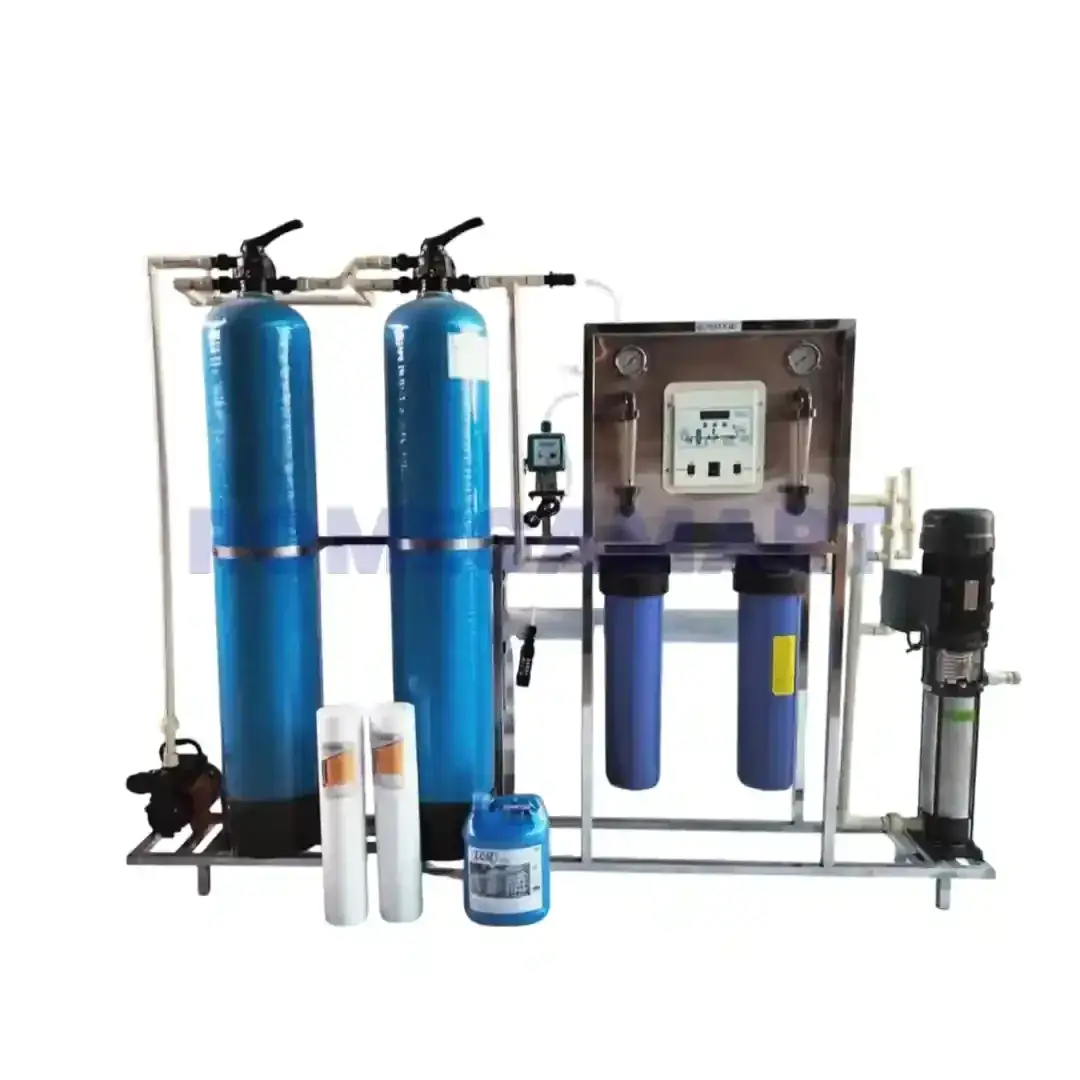
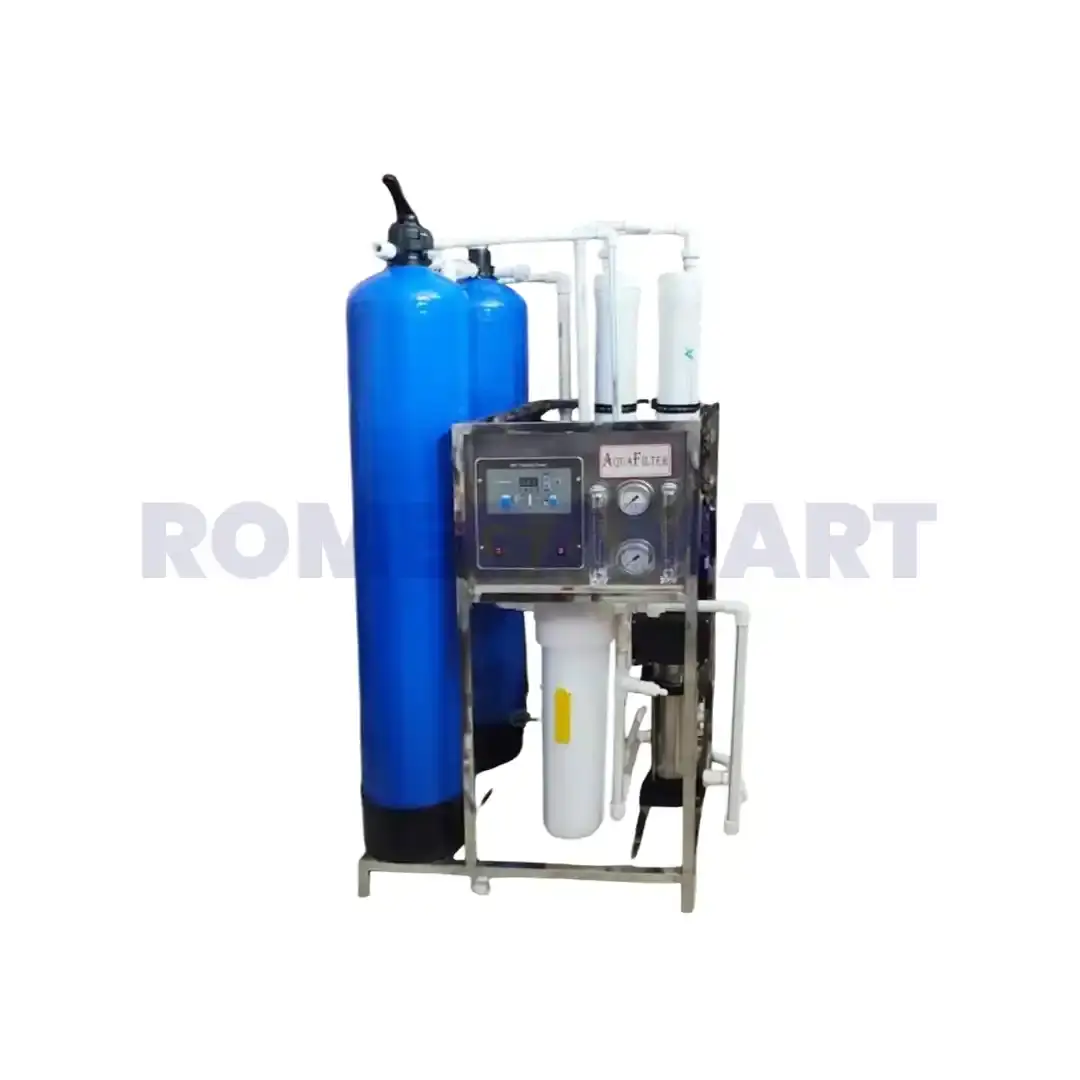
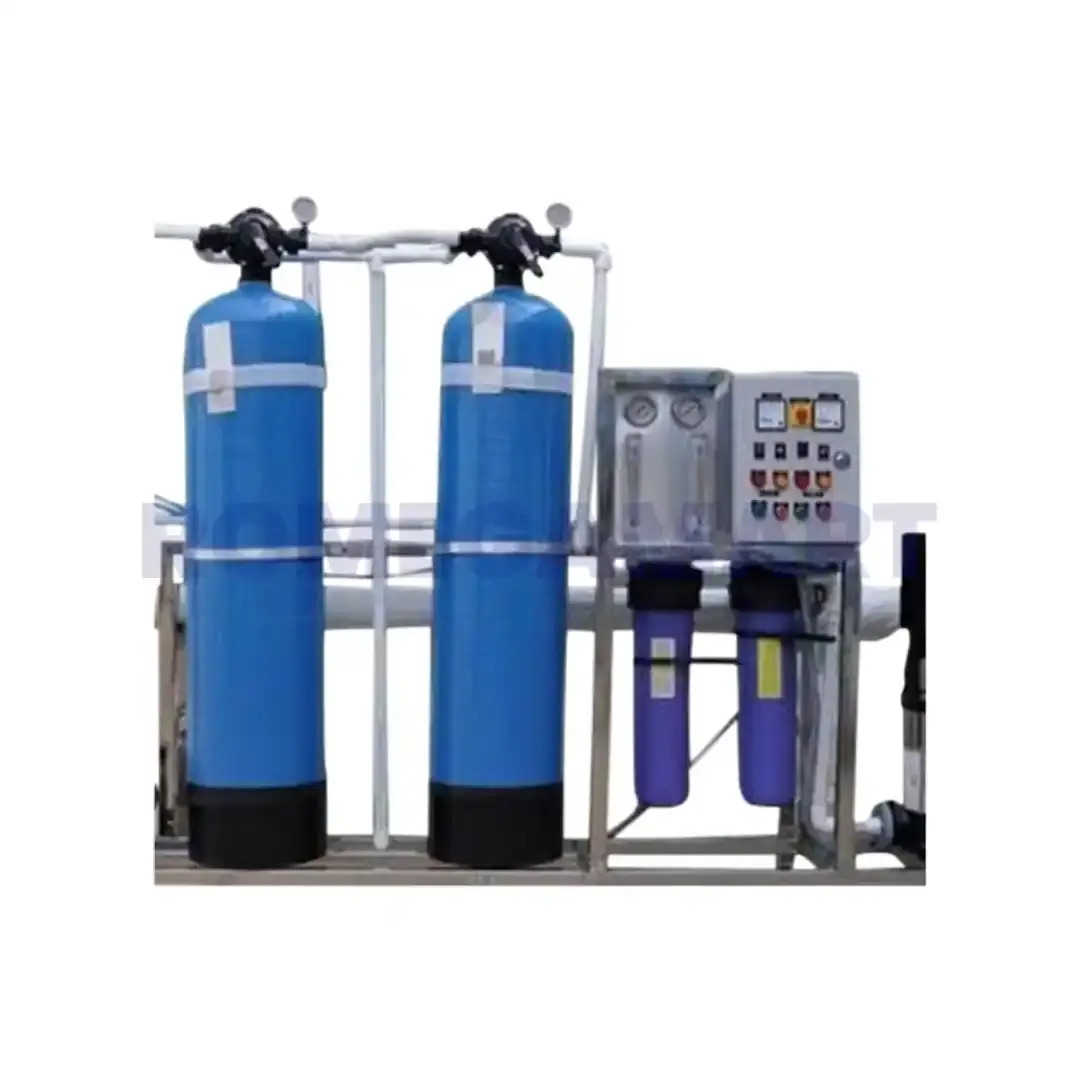
A 500 LPH RO plant is a reverse osmosis system that can produce 500 liters of purified water per hour. The term LPH stands for liters per hour, indicating the plant’s production capacity. These plants are widely used in industries, hospitals, hotels, restaurants, and residential complexes where a consistent supply of high-quality water is required.
Also referred to as a 500 liter RO plant, it ensures that water is free from dissolved salts, bacteria, viruses, and other impurities. The system’s design allows it to handle continuous high-volume water production efficiently, making it ideal for both industrial and commercial use.
How Does a 500 LPH RO Plant Work?
The 500 LPH RO plant operates on the principle of reverse osmosis. Water first goes through pre-filters to remove sediments, chlorine, and other contaminants that could damage the RO membrane. A high-pressure pump then pushes the water through the RO membrane, separating purified water from wastewater containing dissolved salts and impurities.
Some systems also include post-treatment stages such as UV sterilization or mineral addition to enhance the water’s taste and quality. Finally, purified water is collected in a storage tank and distributed for consumption or industrial processes. This multi-stage process ensures the water produced by a 500 LPH RO water plant is safe, clean, and suitable for all applications.
Features of a 500 LPH RO Plant
A 500 LPH RO plant comes equipped with advanced features for efficiency and ease of use. Modern systems include automated control panels, sensors, and flow meters to monitor performance and operation. The construction typically uses corrosion-resistant materials, ensuring durability and long life even in demanding industrial environments. Energy-efficient designs reduce power consumption while maintaining optimal water quality.
These features make a 500 LPH RO plant a reliable solution for businesses and organizations that require a continuous supply of purified water.
Benefits of Installing a 500 LPH RO Plant
Installing a 500 LPH RO plant offers multiple advantages. It provides a consistent supply of high-quality water for industrial, commercial, or residential purposes. The purified water is free from harmful salts, chemicals, and microorganisms, ensuring health and safety.
From an economic perspective, a 500 litre RO plant reduces dependence on bottled water, lowering costs and environmental impact. It is also versatile enough to be used for industrial processes, laboratories, hotels, restaurants, and large housing complexes. The combination of efficiency, durability, and high water production capacity makes it a practical investment.
Applications of 500 LPH RO Water Plant
A 500 LPH RO water plant can be used across various sectors. In manufacturing, it provides purified water for boilers, cooling systems, and product formulations. Hospitals and laboratories rely on it for hygienic water that meets strict standards. Hotels and restaurants use it to serve safe drinking water to guests, while residential complexes benefit from a reliable supply of clean water for daily needs.
The system is designed to handle medium to large volumes of water efficiently, making it suitable for any scenario where water demand exceeds the capacity of smaller RO systems.
Maintenance and Longevity
Regular maintenance is essential for the smooth operation of a 500 LPH RO plant. Pre-filters should be replaced periodically, and the RO membrane must be cleaned according to the manufacturer’s instructions. Monitoring water quality ensures the system is performing optimally. Pumps, valves, and mechanical components should be inspected routinely, and professional servicing can help maintain long-term efficiency.
With proper care, a 500 LPH RO plant can operate efficiently for 8–10 years, providing consistent water quality and uninterrupted service.
500 Litre RO Plant Price
The 500 litre RO plant price can vary depending on features, brand, and additional components such as pumps, tanks, and automation. On average, a 500 LPH RO plant may range from moderate to high investment depending on system quality, durability, and manufacturer. While price is an important factor, it should be weighed against the plant’s efficiency, longevity, and reliability to ensure the best value for your money.
Investing in a high-quality 500 LPH RO plant not only ensures reliable water purification but also reduces long-term operational and maintenance costs.
Choosing the Right 500 LPH RO Plant
Selecting the right 500 LPH RO plant involves evaluating water quality, expected daily demand, space for installation, and budget. It’s important to work with trusted manufacturers and suppliers who provide good after-sales support and warranty. Choosing the correct system ensures consistent water quality, minimal maintenance issues, and cost-effective operation over time.
Conclusion
A 500 LPH RO plant is an ideal solution for industries, commercial establishments, and large residential complexes requiring a steady supply of high-quality water. Its reverse osmosis technology ensures the removal of dissolved salts, chemicals, and harmful microorganisms. Understanding the features, benefits, applications, and pricing of a 500 litre RO plant can help you make an informed investment that delivers long-term value.
With proper selection and regular maintenance, a 500 LPH RO water plant can provide reliable, safe, and clean water for years, ensuring operational efficiency and peace of mind.
FAQs
1. What is the lifespan of a 500 LPH RO plant?
A 500 LPH RO plant generally lasts 8–10 years with proper maintenance and timely replacement of filters and membranes.
2. Can a 500 LPH RO plant handle hard water?
Yes, but pre-treatment such as water softening may be necessary to prevent scaling and protect the RO membrane.
3. How much electricity does a 500 LPH RO plant consume?
Electricity consumption varies depending on the system design, typically around 2–3 kWh per 1000 liters of purified water.
4. What is included in the 500 litre RO plant price?
The price generally covers the RO unit, pre-filters, pumps, storage tanks, and basic automation. Additional features like advanced monitoring or UV sterilization may increase the cost.
5. Is the water from a 500 LPH RO plant safe to drink?
Yes, the system removes salts, bacteria, viruses, and other impurities, ensuring safe, high-quality water suitable for consumption and industrial use.
Explore more - 9000 LPH SS RO, 10000 LPH SS RO, 50 LPH RO, 250 LPH SS.
More category - Water ATM, Water Softener, Water Treatment, Bottling Plant.