7000 LPH Industrial RO Plant in Delhi




7000 LPH RO Plant – Price, Specification & Complete Guide
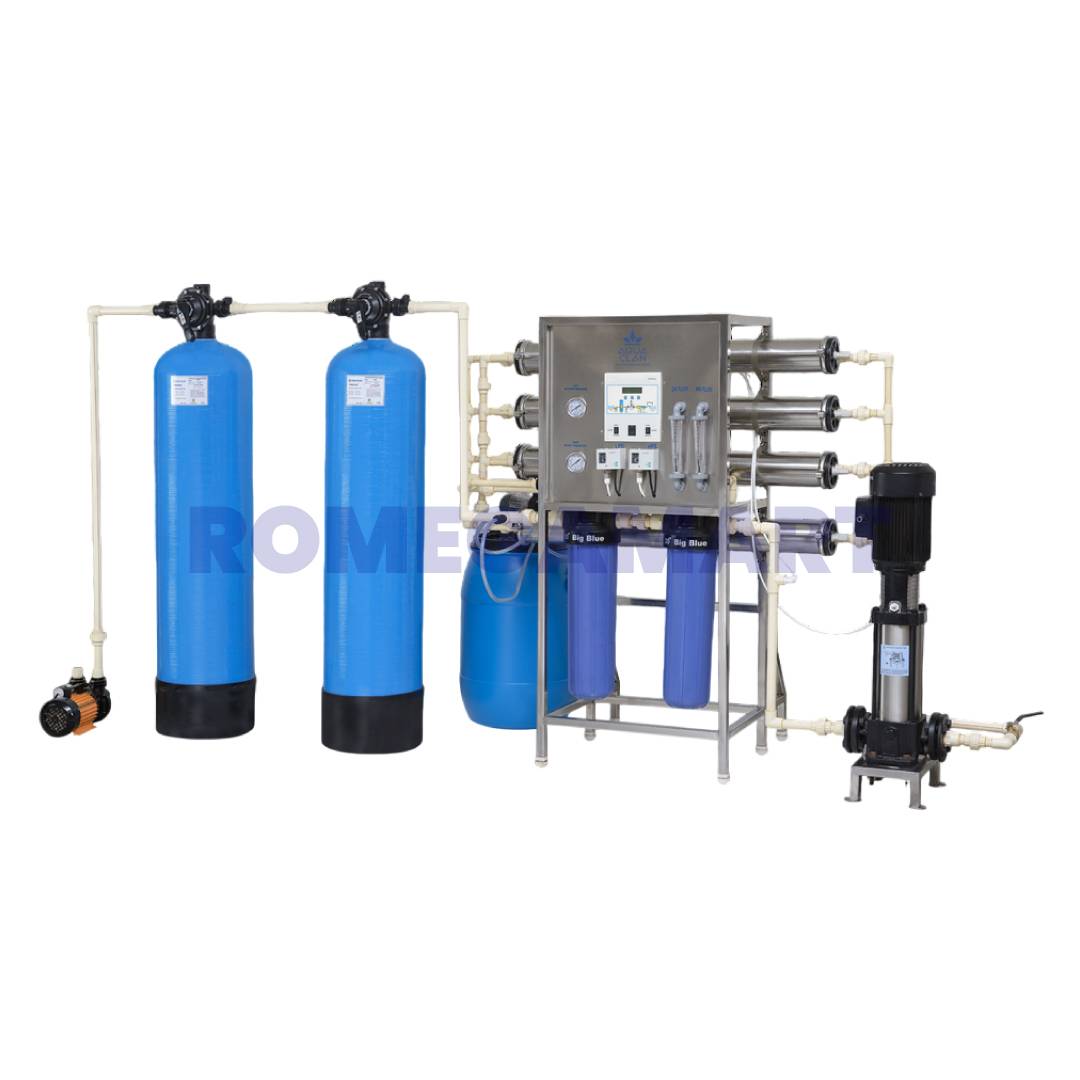
A 7000 LPH RO plant is a high-capacity water purification system designed to deliver up to 7000 liters of clean water every hour. It is widely used in industries, commercial establishments, hospitals, hotels, and large residential complexes where a reliable and uninterrupted supply of purified water is essential. With advanced RO technology and a durable build, this system ensures consistent purification quality and long-term performance.
Introduction
As industries and institutions place higher importance on water quality and operational efficiency, the need for large-scale purification systems continues to grow. A 7000 LPH RO plant meets these demands through a multi-stage filtration process that effectively removes dissolved salts, chemicals, microorganisms, and other impurities.
Its robust structure and high output make it ideal for continuous operation, supporting various processes where water purity directly impacts productivity and safety.
How the Plant Works
The system begins with pre-filtration, which removes suspended particles such as sand, dust, and silt. It then proceeds through carbon filtration to eliminate chlorine and organic contaminants. Anti-scalant dosing helps protect the membranes from scaling. The final purification occurs when high-pressure pumps push water through RO membranes, separating impurities from the purified stream.
This combination of pre-treatment and membrane technology ensures high-quality water suitable for industrial, commercial, and institutional use.
7000 LPH RO Plant Price
The 7000 LPH RO plant price varies depending on the system design, membrane type, automation level, and the quality of raw water being treated. Plants designed for high-TDS water may require additional components, which can influence cost. Similarly, systems built with stainless steel frames, energy-efficient pumps, and advanced control panels can be priced higher but offer superior durability and long-term savings.
Understanding daily water demand and raw water characteristics helps determine the exact pricing more accurately.
7000 LPH RO Plant Specification
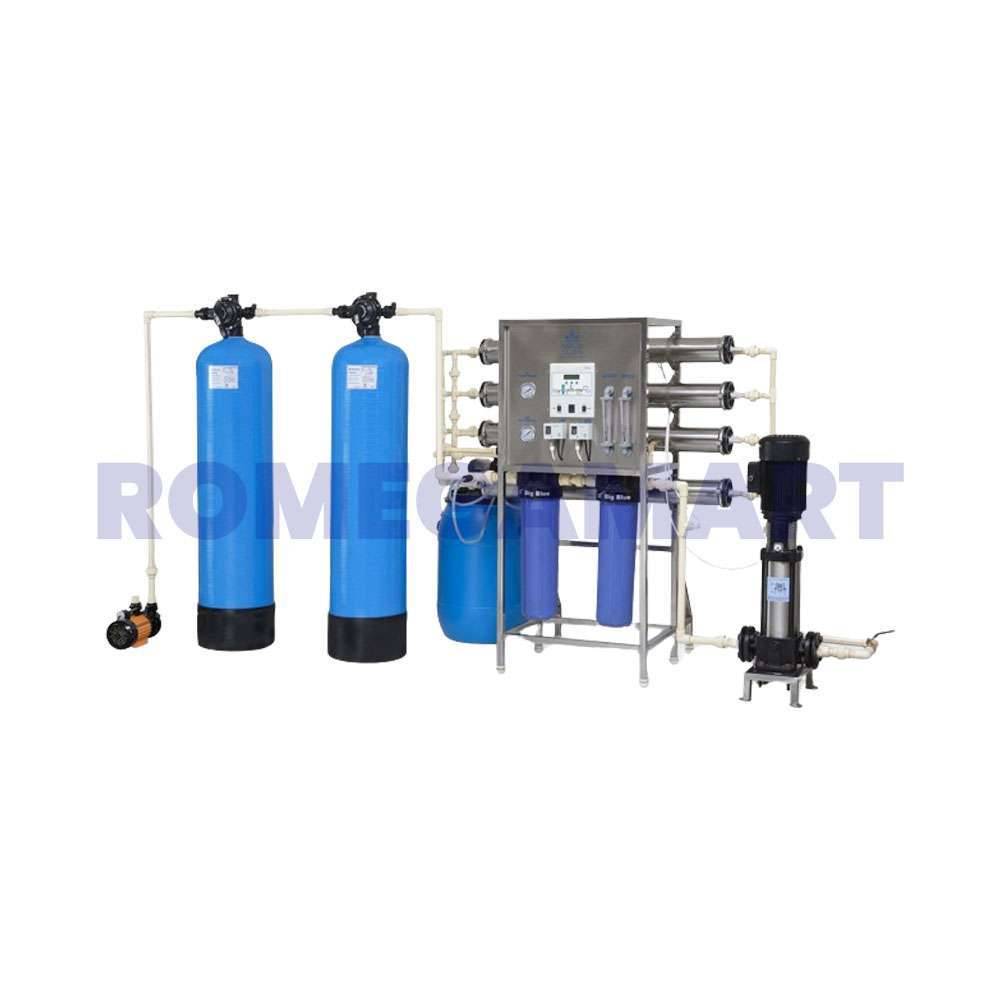
Although specifications differ among manufacturers, most 7000 LPH RO plant specifications include a structured MS or SS skid, multi-stage pre-filters, high-pressure pumps, premium RO membranes, a flushing system, and essential monitoring instruments such as flow meters and TDS indicators. Many systems have semi-automatic or fully automatic control panels to ensure steady operation and consistent output.
Specifications can be customized based on industry type, water quality requirements, and operational load.
Applications of a 7000 LPH RO Plant
This capacity is suitable for industries such as pharmaceuticals, food and beverage manufacturing, textiles, and chemical processing. Commercial establishments like hotels, schools, hospitals, malls, and large office complexes also benefit from its continuous supply of purified water. Water bottling units and residential societies often choose this system to support daily consumption without interruptions.
Benefits of Choosing a 7000 LPH RO Plant
The system provides consistent water quality throughout the day, helping businesses maintain process efficiency and regulatory compliance. It reduces dependency on external water sources and lowers operational downtime. Its high recovery rate minimizes wastage, while its sturdy construction ensures reliable operation for years. For institutions and industries aiming for long-term cost savings and sustainability, a 7000 LPH RO plant is a highly rewarding investment.
Maintenance and Lifespan
Routine maintenance is essential for maintaining optimal performance. Filters require timely replacement, membranes need periodic cleaning, and pumps must be inspected regularly to ensure stable pressure and flow. When maintained correctly, a 7000 LPH RO plant can function efficiently for many years, offering consistent water purity with minimal operational issues.
Conclusion
A 7000 LPH RO plant offers a powerful and dependable water purification solution for large-scale operations. While the 7000 LPH RO plant price may vary based on design and raw water conditions, the system’s efficiency, durability, and long-term benefits make it a worthwhile investment. With flexible specifications and strong performance, it meets the needs of industries, commercial establishments, and institutions seeking stable and high-quality water supply.
FAQs
1. What is the daily production capacity of a 7000 LPH RO plant?
A 7000 LPH RO plant can produce up to 168,000 liters of purified water in a 24-hour cycle if run continuously.
2. What factors determine the 7000 LPH RO plant price?
The price depends on raw water quality, membrane type, automation level, frame material, pump capacity, and required pre-treatment stages.
3. Can the 7000 LPH plant be customized for different industries?
Yes. The plant can be customized with specialized membranes, additional filtration stages, or automation features depending on the industry and water quality requirements.
4. How often should membranes and filters be replaced?
Filter replacement frequency depends on usage and raw water quality. Membranes typically last 2–3 years with proper maintenance and cleaning.
5. Is a 7000 LPH RO plant suitable for commercial spaces like hotels and malls?
Absolutely. Its consistent output and reliable purification make it ideal for high-consumption commercial environments.
Explore - 9000 LPH RO, 10000 LPH RO, 1000 LPH SS RO, 2000 LPH SS RO, 3000 LPH SS RO.
More categories - Domestic Brands, Industrial Brands, Commercial System, Water Softener.