

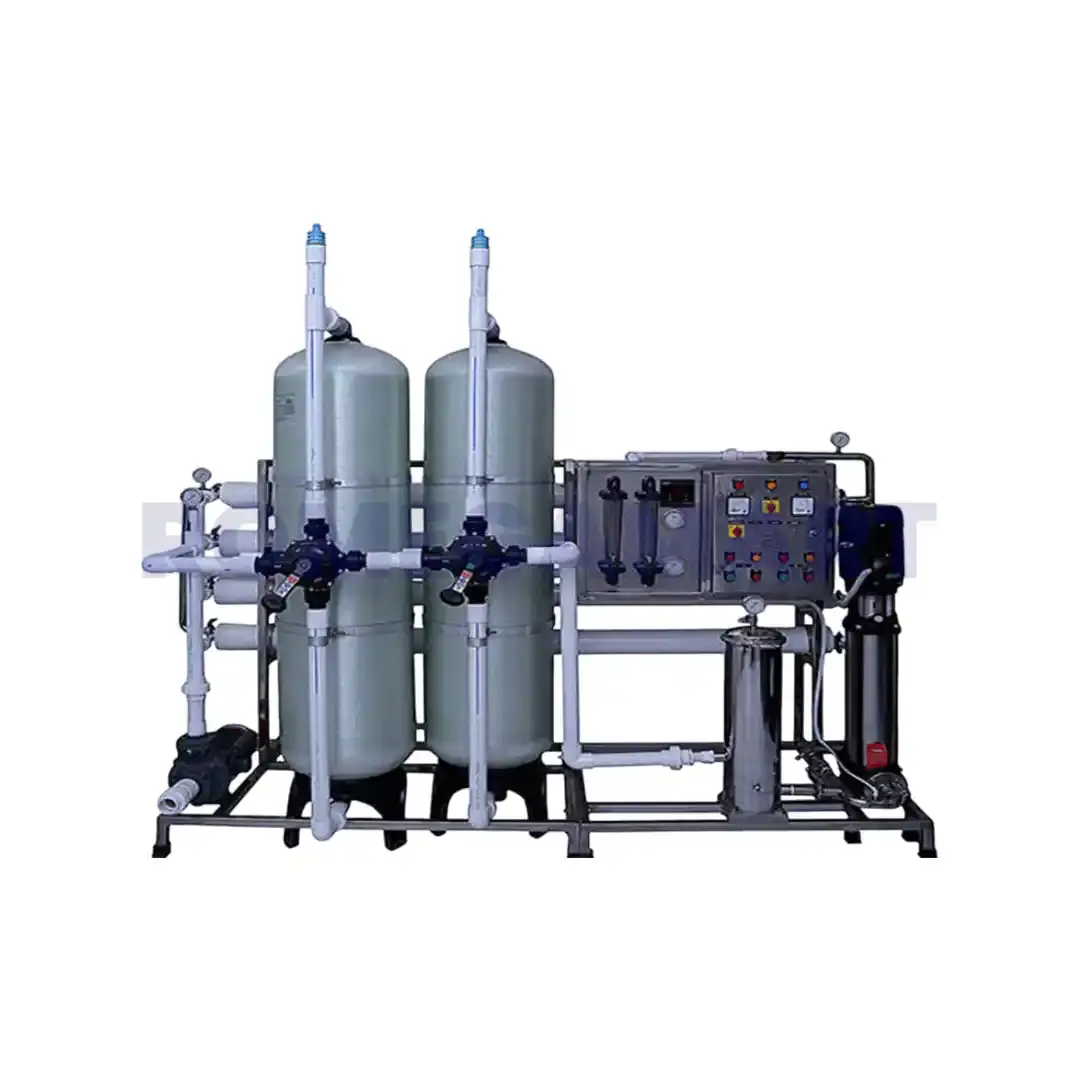
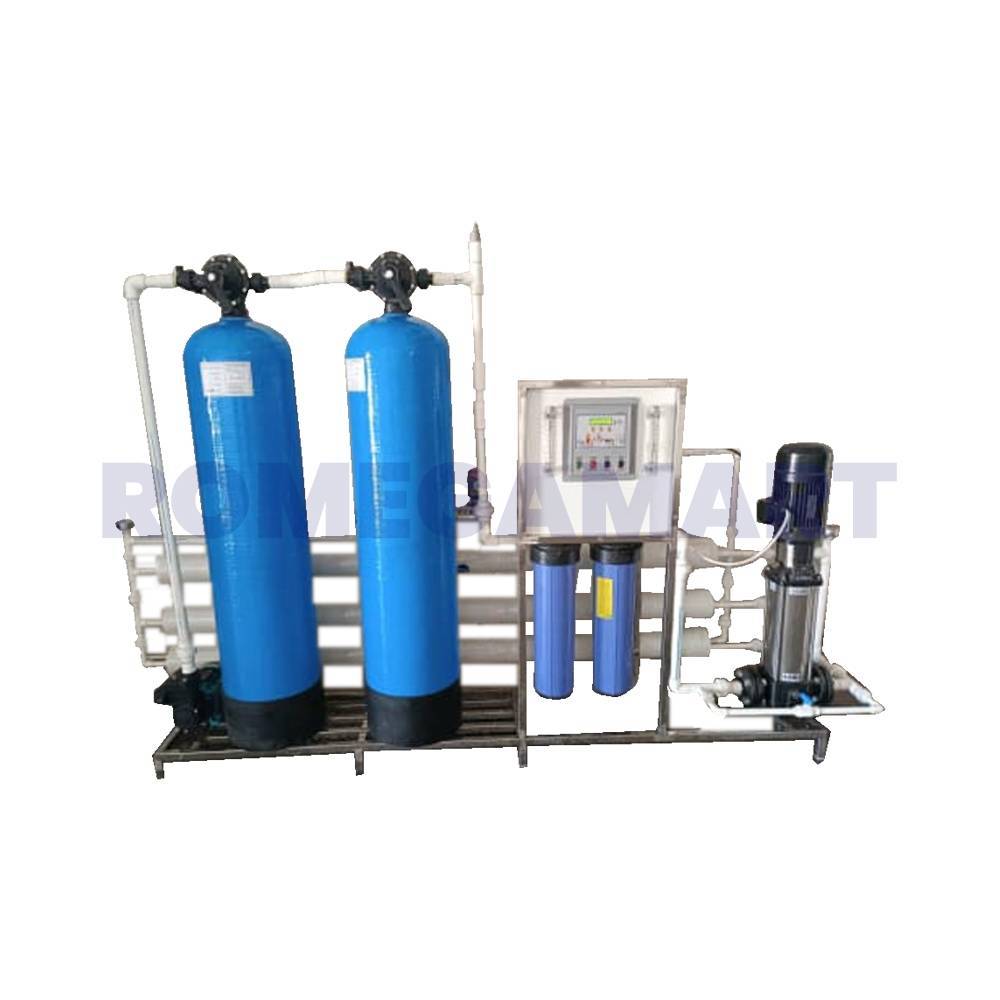
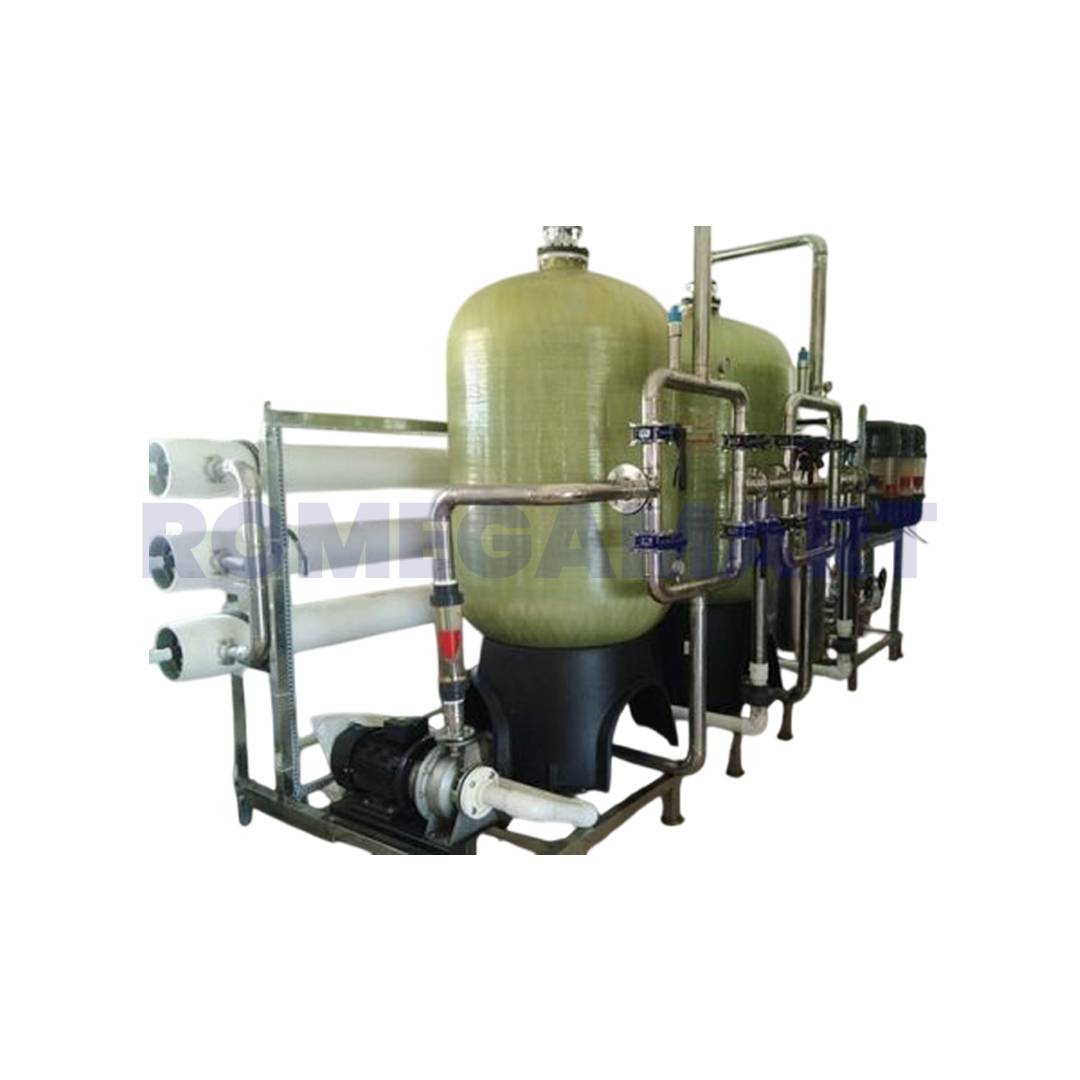
50 LPH SS RO Plant – Price & Details in Delhi


Industrial System: The Key Factor Behind Modern Manufacturing
In today’s industrial world, one factor has more influence on efficiency and competitiveness than almost anything else: the industrial system. From automotive plants to food-processing facilities, the way a factory’s system is designed determines how smoothly it runs, how quickly it solves problems, and how consistently it delivers high-quality output.
As global markets shift and technology advances, industrial systems have become more interconnected and intelligent. This guide explains what they are, why they matter, and how they shape the future of manufacturing.
What Is an Industrial System?
An industrial system is the full structure that supports the creation of goods in a factory or industrial facility. It includes the machines doing the physical work, the electrical and control systems guiding them, the software that monitors performance, and the people who operate and oversee the process.
Older systems relied mostly on mechanical equipment and manual intervention. Modern systems blend mechanical strength with digital intelligence. They use sensors, automation, industrial software, and real-time data to keep production consistent, safe, and efficient.
The overall goal remains the same: to turn raw materials into finished products in the smartest and most reliable way possible.
Why Industrial Systems Matter
Manufacturing today demands speed, accuracy, adaptability, and cost control. A strong industrial system provides all of these by creating a stable, predictable environment where machines and processes work together instead of against each other.
A well-designed system helps companies reduce downtime, improve quality, and maintain safety. It also provides clearer visibility into operations. With modern monitoring tools, managers can see what’s happening on the production floor at any moment—allowing faster decisions and fewer surprises.
In short, the industrial system is not just part of production; it is production.
Types of Industrial Systems
Industrial systems generally fall into three main categories. Each plays a different role, but all three must work together for production to run smoothly.
Mechanical Systems
These are the physical machines that shape, cut, move, heat, or assemble materials. Motors, conveyors, pumps, presses, and turbines all fall under this category. Mechanical systems form the foundation of production because they perform the physical tasks that actually create the product.
Electrical and Electronic Systems
These systems supply power and control to the machines. They include circuits, drives, control panels, sensors, and programmable logic controllers (PLCs). They act as the “brain and nerves,” ensuring machines respond correctly, operate safely, and coordinate with other equipment.
Cyber-Physical and Digital Systems
This is where modern industrial technology comes in. Digital systems—like monitoring dashboards, industrial IoT devices, cloud-based control software, and digital twins—help factories predict problems, adjust performance in real time, and make data-driven improvements.
The Role of Industrial Automation
Industrial automation has transformed the way factories work. Instead of relying heavily on manual actions, automation allows machines, robots, and software to take over repetitive or precision-focused tasks. This creates smoother workflows, reduces errors, and improves worker safety.
Automation doesn’t remove the need for human workers; it enhances their roles. People move into positions that involve oversight, troubleshooting, and optimization, while machines handle tasks that require speed, consistency, or endurance.
Automation is now central to modern industrial systems because it makes production more reliable and more scalable than ever before.
How Industrial Systems Improve Manufacturing Efficiency
One of the strongest benefits of a mature industrial system is improved manufacturing efficiency. When machines, controls, and digital tools are integrated properly, the entire production line becomes more predictable.
Efficiency improves in several meaningful ways:
-
Production flows more smoothly because machines communicate and respond to one another.
-
Downtime decreases as systems detect and report problems early.
-
Product quality improves through consistent monitoring and automatic adjustments.
-
Energy use becomes more controlled thanks to smart regulation tools.
Perhaps the biggest advantage is visibility. Modern industrial systems give manufacturers a real-time window into performance—making it easier to pinpoint issues, adjust processes, and increase output.
Technologies Reshaping Industrial Systems
Industrial technology continues to advance quickly. AI-driven tools now help factories forecast maintenance needs and optimize schedules. Collaborative robots, or cobots, safely assist human workers. Digital twins allow manufacturers to test changes virtually before implementing them. And the Industrial Internet of Things connects machines so they can share data and react intelligently.
These technologies expand what industrial systems are capable of. They make factories more flexible, responsive, and prepared for unexpected changes in demand or supply.
Challenges in Modern Industrial Systems
Even with major benefits, building or updating an industrial system comes with challenges. New technologies often require significant investment, especially when upgrading older facilities. Integrating mechanical equipment with digital tools can be complex and usually requires specialized skills.
Cybersecurity has also become a major concern as more systems connect to networks. Protecting machinery from digital threats is now as important as maintaining physical safety.
Another challenge involves the workforce. As automation becomes more advanced, employees need training to understand new tools, software, and procedures. With the right support, this shift leads to a stronger, more skilled workforce—but it does require time and planning.
The Future of Industrial Systems
The future points toward smarter, greener, and more adaptable industrial systems. Factories will increasingly rely on AI-driven automation, autonomous equipment, and human-machine collaboration. Digital tools will continue to help companies reduce waste, predict disruptions, and operate more sustainably.
Industry 5.0 will push this even further by emphasizing human creativity and environmental responsibility alongside advanced automation. The industrial systems of tomorrow will not only be efficient—they will be intelligent, flexible, and aligned with global sustainability goals.
Conclusion
Industrial systems lie at the center of modern manufacturing. They connect machines, people, and technology into one unified environment that shapes how efficiently and reliably a company can operate. As industries continue embracing automation and digital innovation, industrial systems will only grow more capable, more intelligent, and more essential.
Explore - 9000 LPH RO, 10000 LPH RO, 1000 LPH SS RO, 2000 LPH SS RO, 3000 LPH SS RO.
More categories - Domestic Brands, Industrial Brands, Commercial System, Water Softener.