RO Float Switch Wholesaler in Delhi





What Controls Water Overflow in Storage-Based Purification Systems
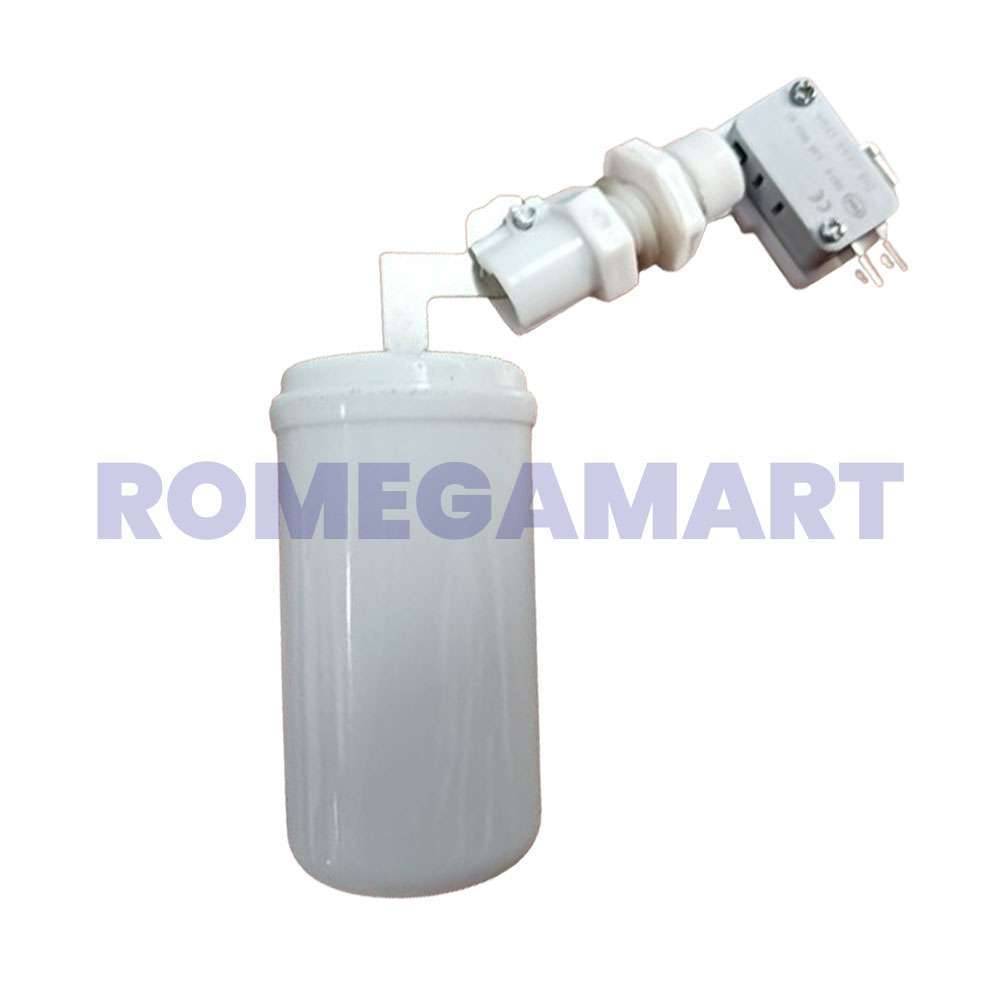
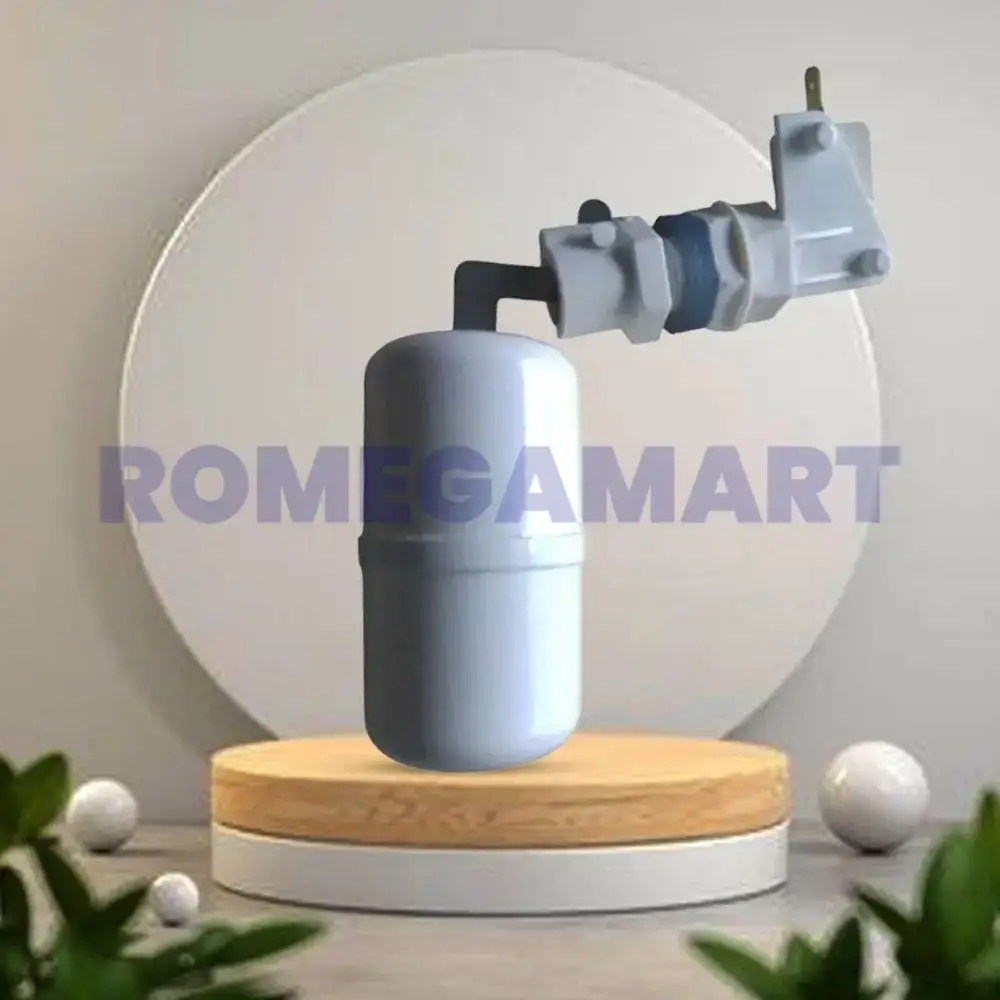
An RO float valve is a mechanical device that automatically controls water levels in storage tanks by stopping inlet flow when the tank is full. It prevents overflow, reduces water wastage, and ensures efficient operation in domestic RO systems without requiring electricity.
In any storage-based water purification setup, one of the most common real-world problems is water overflow. While filtration components handle water quality, controlling water level inside the storage tank is equally critical—and this responsibility falls on the RO float valve.
A poorly functioning or low-quality valve can lead to continuous overflow, water wastage, and even structural damage in kitchens or installation areas. For technicians, dealers, and system installers, selecting the right float valve for water purifier setups is essential for ensuring reliable and maintenance-free operation.
How This Mechanism Actually Controls Water Flow
The RO float valve operates using a purely mechanical principle, making it one of the most reliable components in a system.
- As water fills the tank, the float rises
- The rising float gradually moves the valve mechanism
- Once a predefined level is reached, the inlet is shut off
This automatic action ensures that the RO tank float valve maintains a consistent water level without manual monitoring or electrical dependency.
Ideal Water Level Settings
One of the biggest installation mistakes is incorrect float adjustment.
A properly set automatic water level float valve RO should:
- Stop water before the tank is completely full
- Leave slight headspace to prevent pressure buildup
- Avoid contact with tank lid or walls
Incorrect adjustment can lead to:
- Delayed shut-off
- Continuous dripping
- Reduced valve life
Pressure Handling: Why Some Valves Fail Early
Not all float valves perform equally under different pressure conditions.
Typical Working Range:
- Low pressure: Works smoothly
- High pressure: Can cause leakage or failure if design is weak
A high-quality RO float valve is designed to:
- Handle standard inlet pressure
- Maintain tight shut-off even under flow force
- Prevent backflow or seepage
This is especially important in areas with fluctuating water pressure.
Types Based on Tank Compatibility
Different storage systems require different valve configurations.
Compact Tank Valves
Used in domestic RO units with limited space.
External Tank Float Valves
Used in overhead or external storage tanks connected to RO systems.
Adjustable Arm Valves
Allow precise control of water level.
A reliable RO float valve supplier typically offers multiple configurations to match these use cases.
Float Valve vs Electronic Shut-Off: Key Difference
This is a common confusion in the market.
Mechanical Float Valve
- No electricity required
- Works independently
- Highly reliable
Electronic Shut-Off
- Requires power
- Controlled by sensors
- More complex system
In many domestic setups, the RO tank float valve is preferred due to its simplicity and low failure rate.
Common Failure Signs
Recognizing early signs of failure helps prevent bigger issues.
Continuous Overflow
Valve not shutting properly due to wear or pressure imbalance.
Slow Leakage
Indicates seal degradation.
Stuck Float
Caused by dirt, scaling, or poor design.
Irregular Shut-Off Level
Incorrect adjustment or mechanical wear.
Replacing a faulty float valve for water purifier at the right time prevents system damage.
Installation Mistakes That Reduce Performance
Even a high-quality RO float valve can fail if installed incorrectly.
Common mistakes include:
- Incorrect angle of installation
- Loose fitting causing leakage
- Improper alignment with water inlet
- Over-tightening leading to cracks
Proper installation ensures the automatic water level float valve RO performs as intended.
Material Durability in Real Conditions
Water quality and environment directly affect valve life.
Good Quality Materials:
- Food-grade polypropylene
- High-strength plastic
- Corrosion-resistant components
A durable RO tank float valve should:
- Resist scaling
- Maintain smooth float movement
- Withstand long-term water exposure
Maintenance That Actually Extends Life
Unlike many components, float valves don’t require frequent servicing—but ignoring them leads to failure.
Best practices:
- Clean periodically to remove deposits
- Check float movement
- Inspect sealing points
- Replace if shut-off becomes inconsistent
A maintained RO float valve can last significantly longer without issues.
Real B2B Insight: Why This Category Has Hidden Value
Many sellers underestimate this product—but experienced dealers know:
It Solves a Major Problem
Overflow is one of the most common complaints.
High Replacement Frequency
Regular wear ensures repeat demand.
Low Cost, High Utility
Affordable but critical component.
Easy Bulk Selling
Compact, non-fragile, and high rotation.
Working with a reliable RO float valve supplier ensures consistent demand and fewer returns.
Buying Strategy That Maximizes Profit
Smart bulk buyers focus on:
- Strong shut-off mechanism
- Smooth float movement
- Pressure resistance
- Durable material
- Balanced quality vs cost
Choosing only based on price often leads to complaints. A slightly better float valve for water purifier reduces long-term losses.
Market Demand and Future Scope
With increasing adoption of storage-based RO systems, the demand for RO float valve products continues to grow steadily.
Customers are now more aware of:
- Water wastage issues
- Overflow damage
- Need for automatic control
This makes it a consistent, long-term product category for dealers.
FAQs
Q1. Why is my RO float valve not stopping water?
This usually happens due to worn seals, high pressure, or improper float adjustment.
Q2. How to adjust water level in a float valve?
Adjust the float arm position to set the shut-off level slightly below the tank top.
Q3. Can float valves work under high pressure?
Yes, but only high-quality RO float valve models are designed to handle pressure effectively.
Q4. What is the lifespan of a float valve?
A good RO tank float valve can last 1–3 years depending on usage and water quality.
Q5. Is it better than electronic shut-off systems?
For simple setups, a float valve for water purifier is more reliable and maintenance-free.
Conclusion
The RO float valve is a small but critical component that directly impacts water control, system efficiency, and user convenience. From preventing overflow to ensuring consistent water levels, its role in storage-based purification systems is essential.
For dealers and distributors, focusing on high-quality automatic water level float valve RO products ensures fewer complaints, better performance, and consistent repeat sales. Choosing the right product is not just about cost—it’s about reliability, efficiency, and long-term business growth.