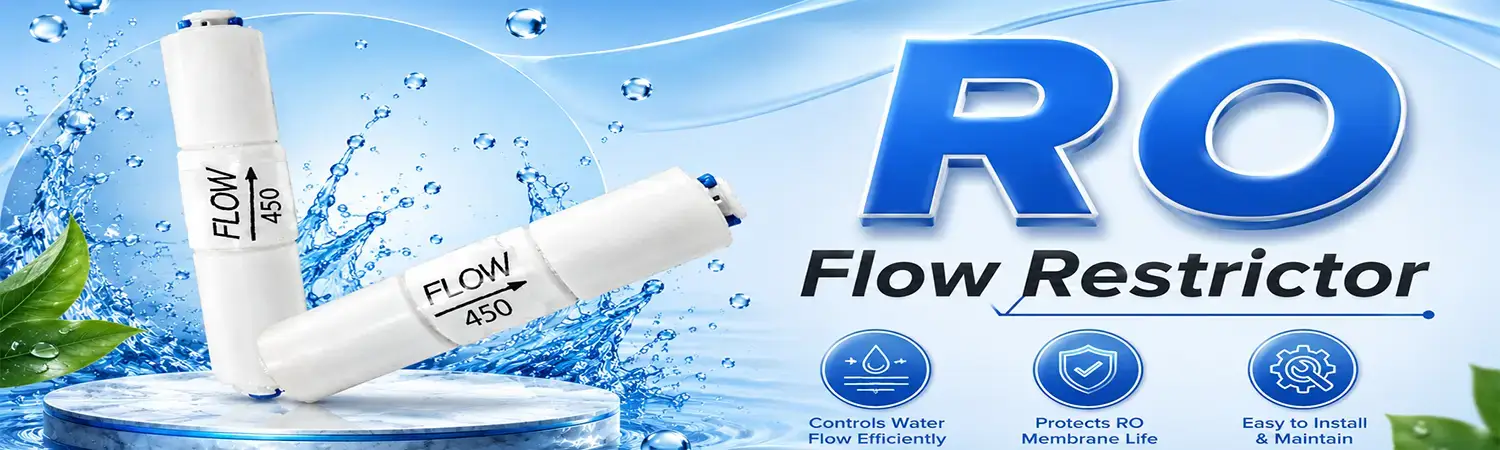
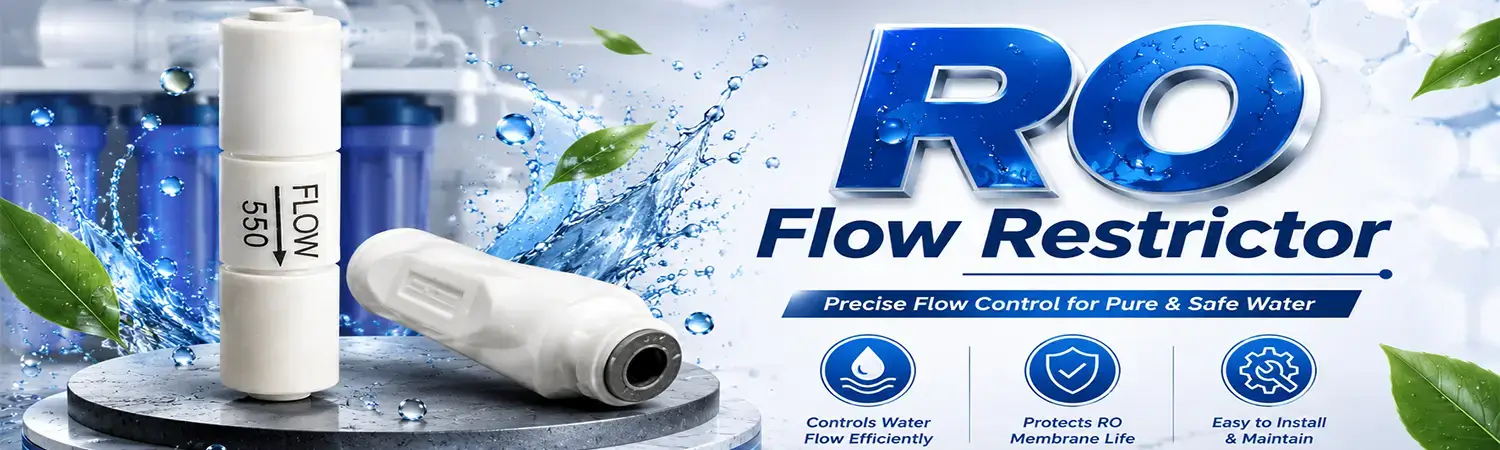
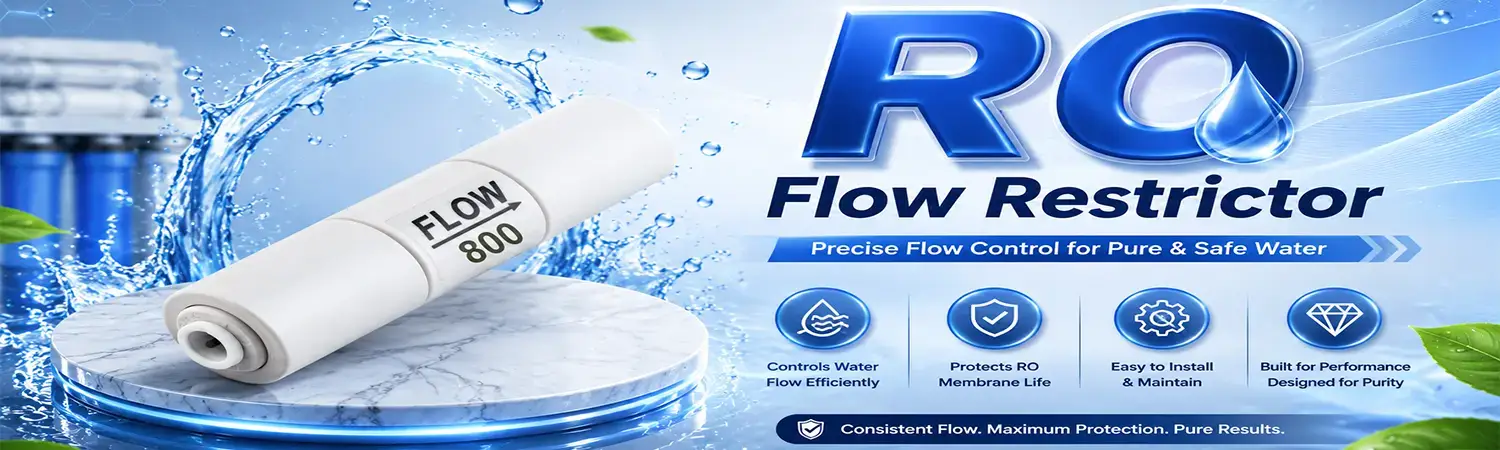
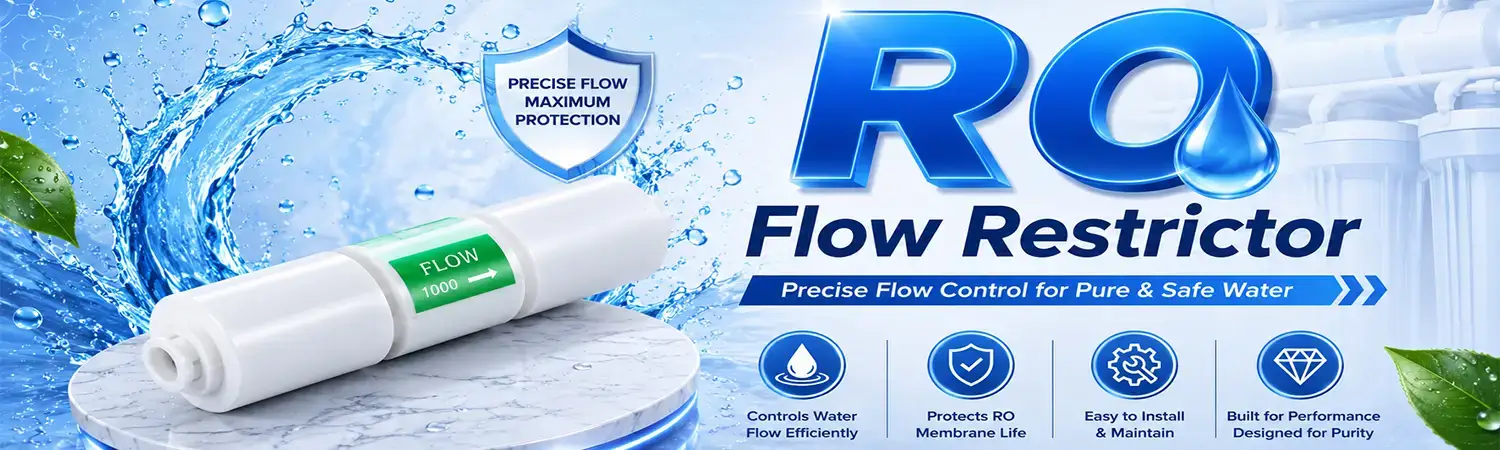
RO Flow Restrictor Manufacturer in Delhi




What Regulates Wastewater and Pressure Balance in RO Systems
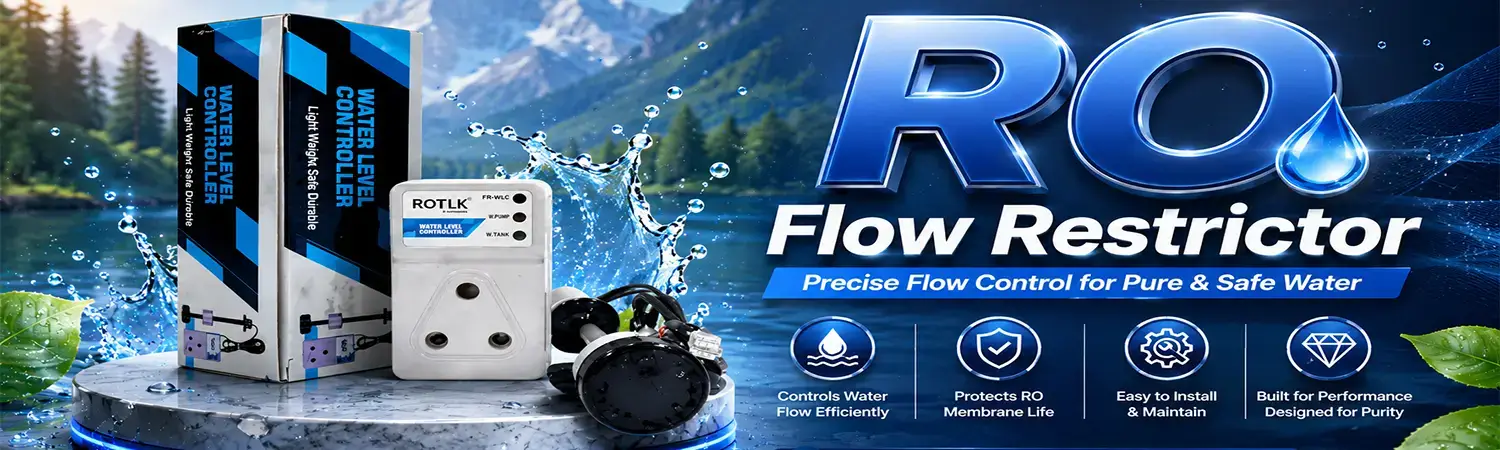
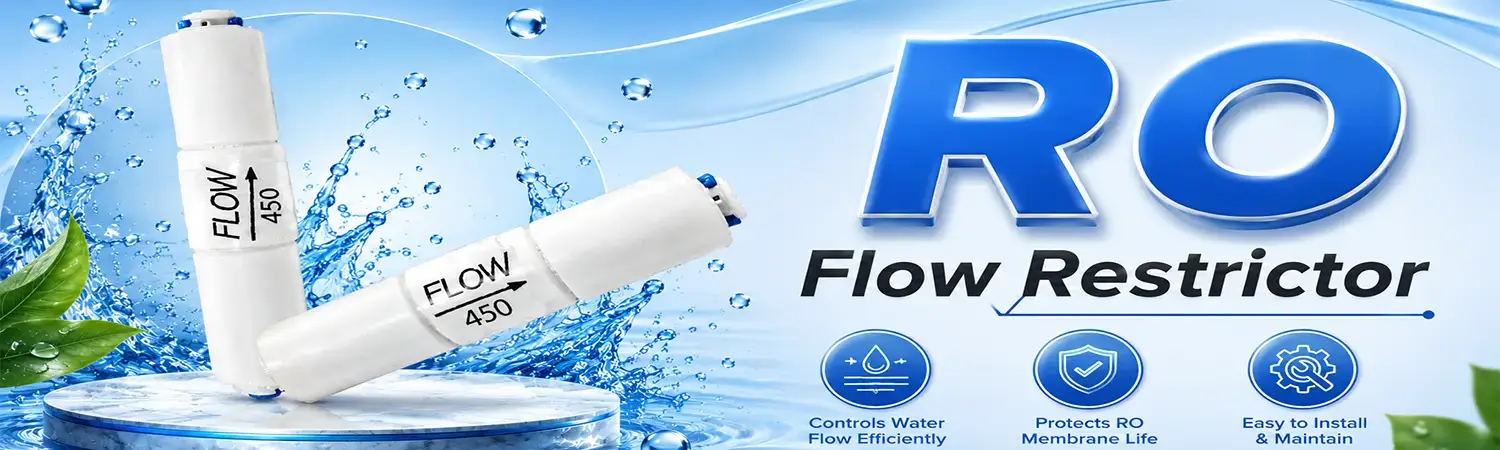
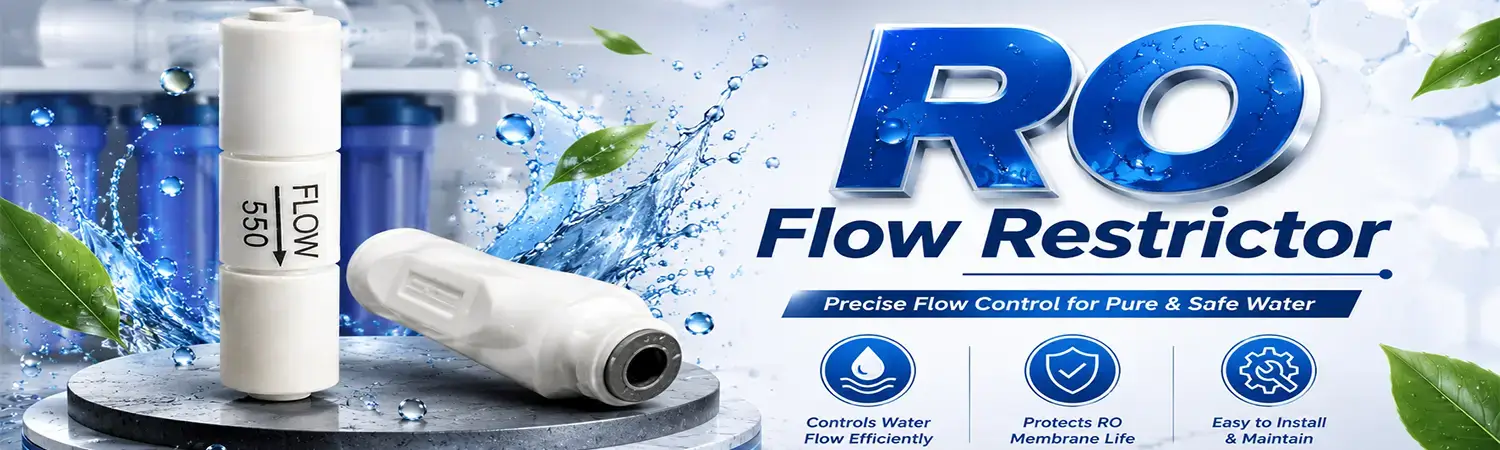
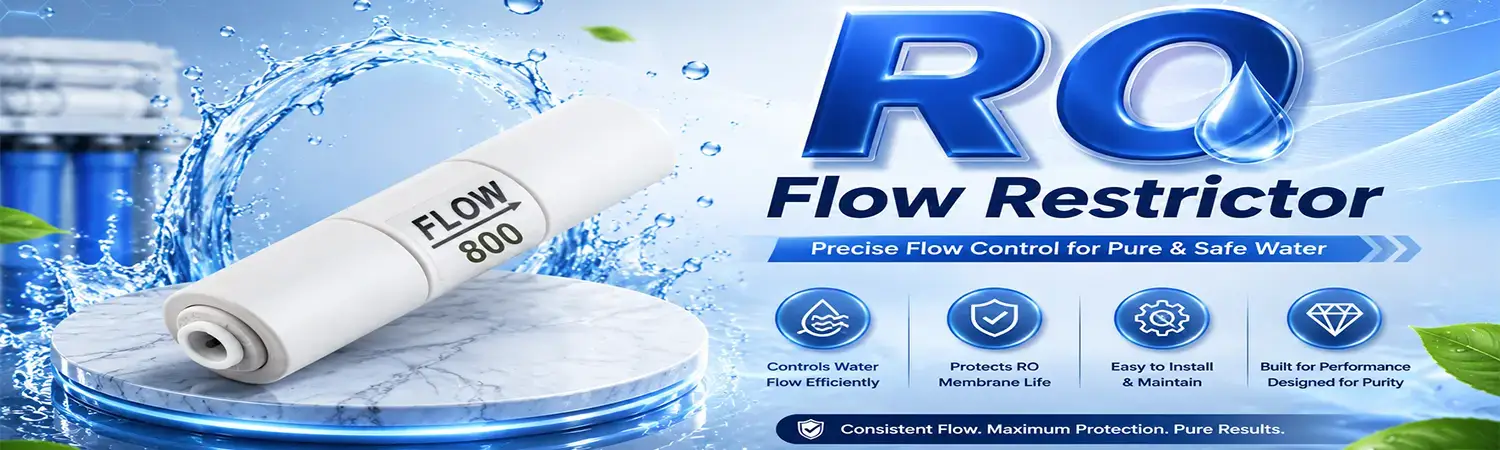
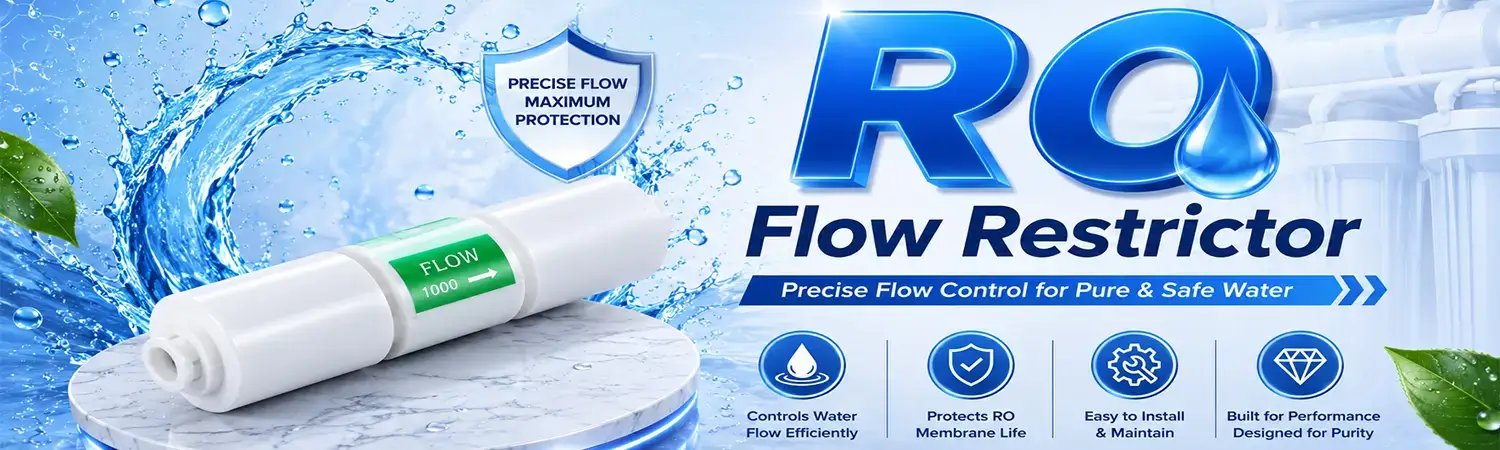
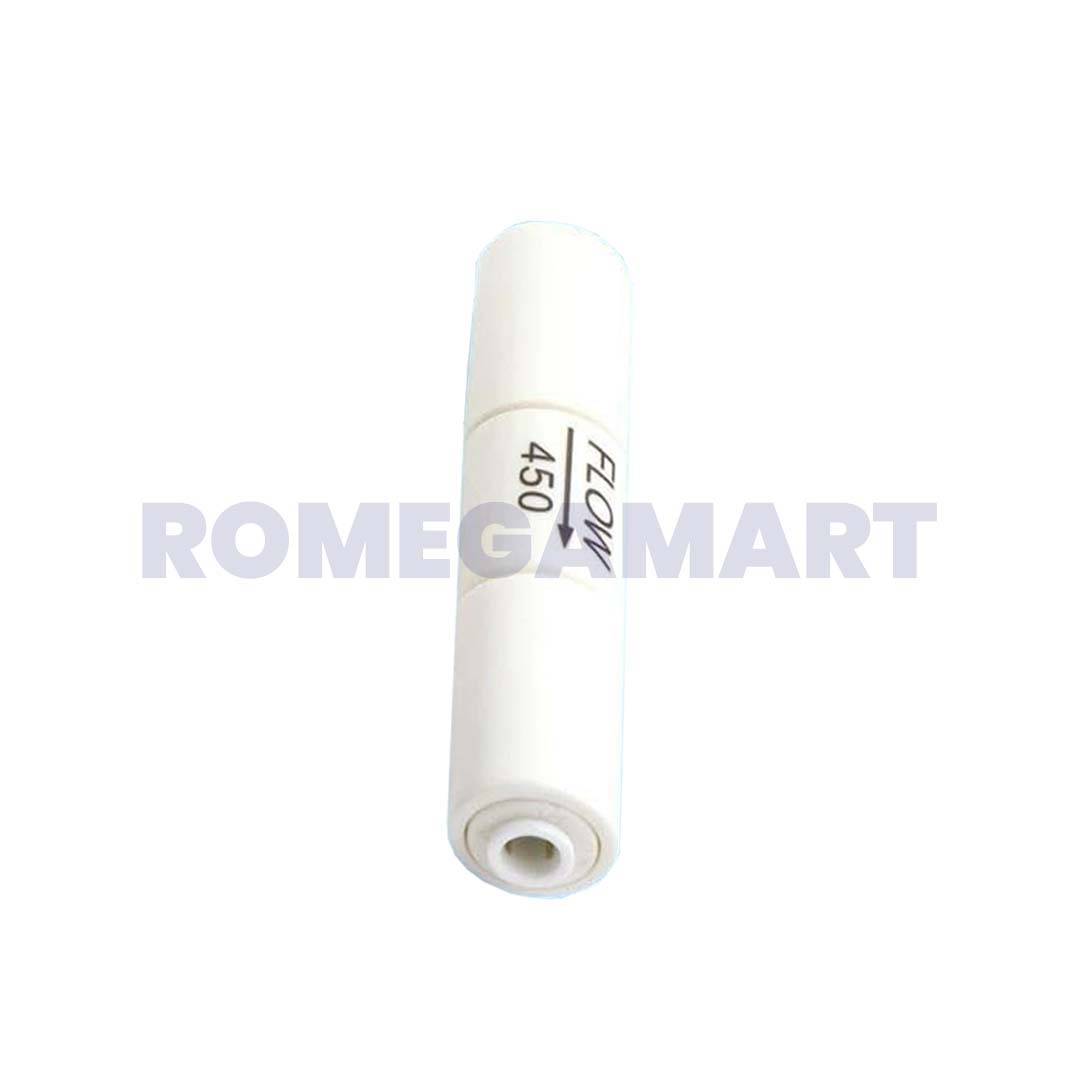
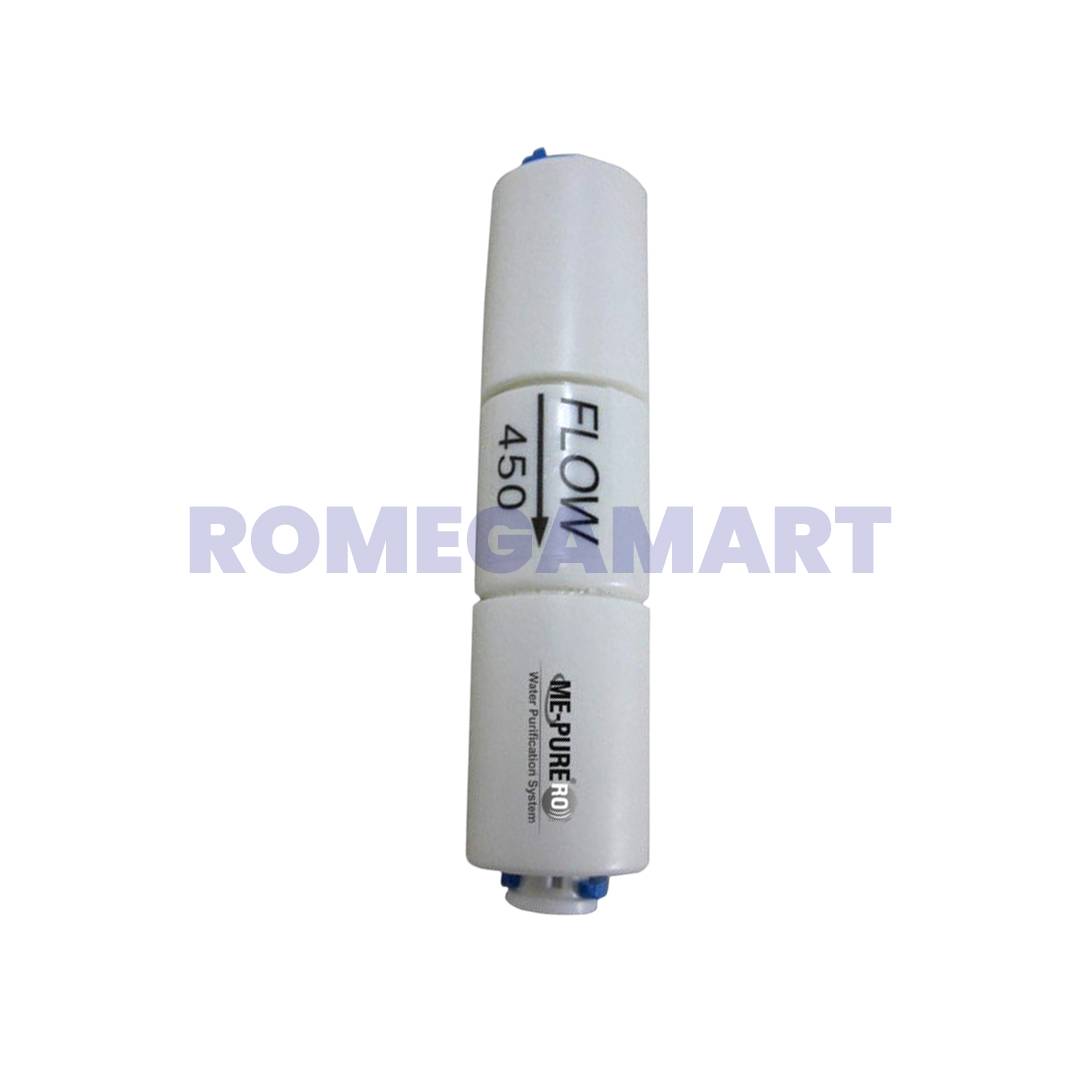
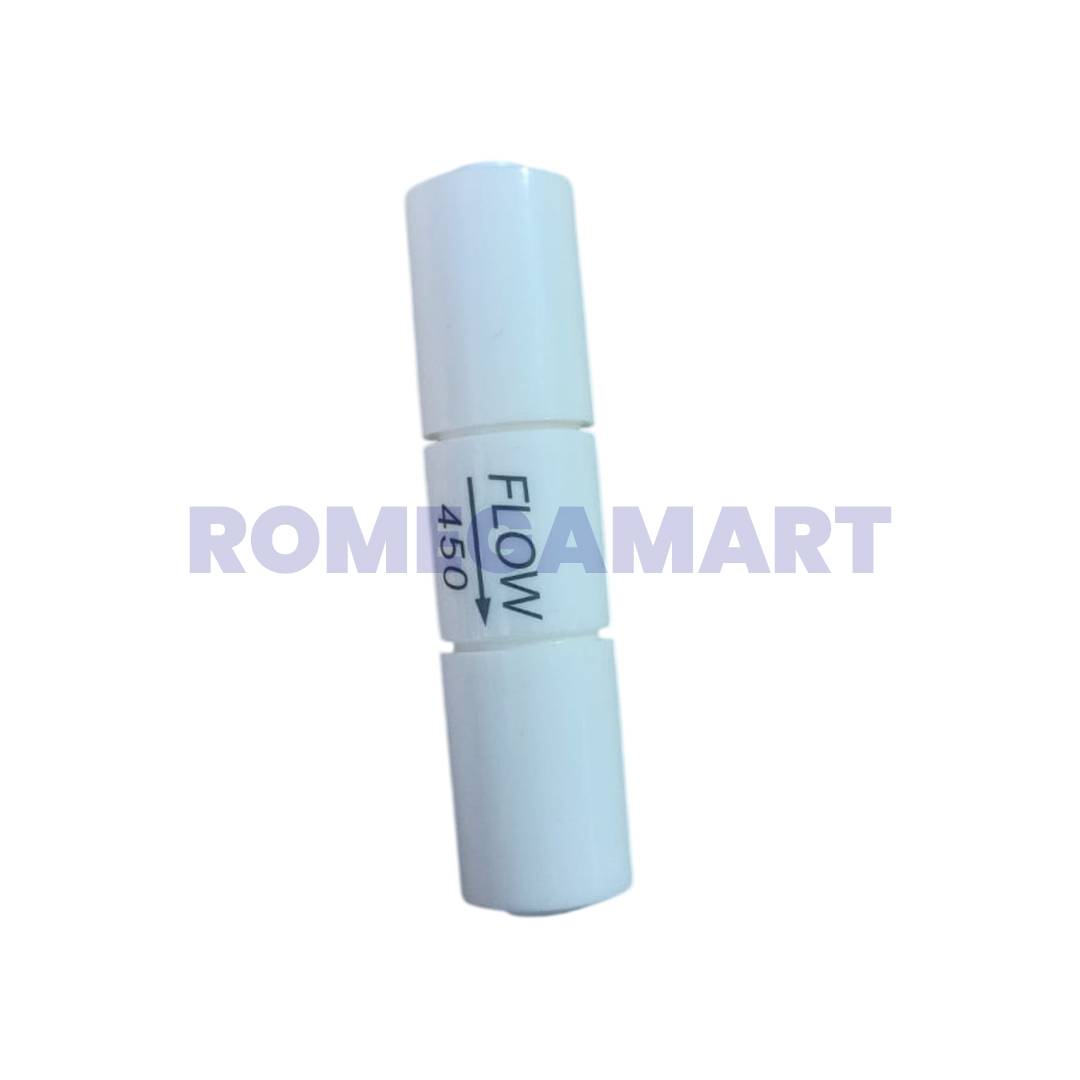
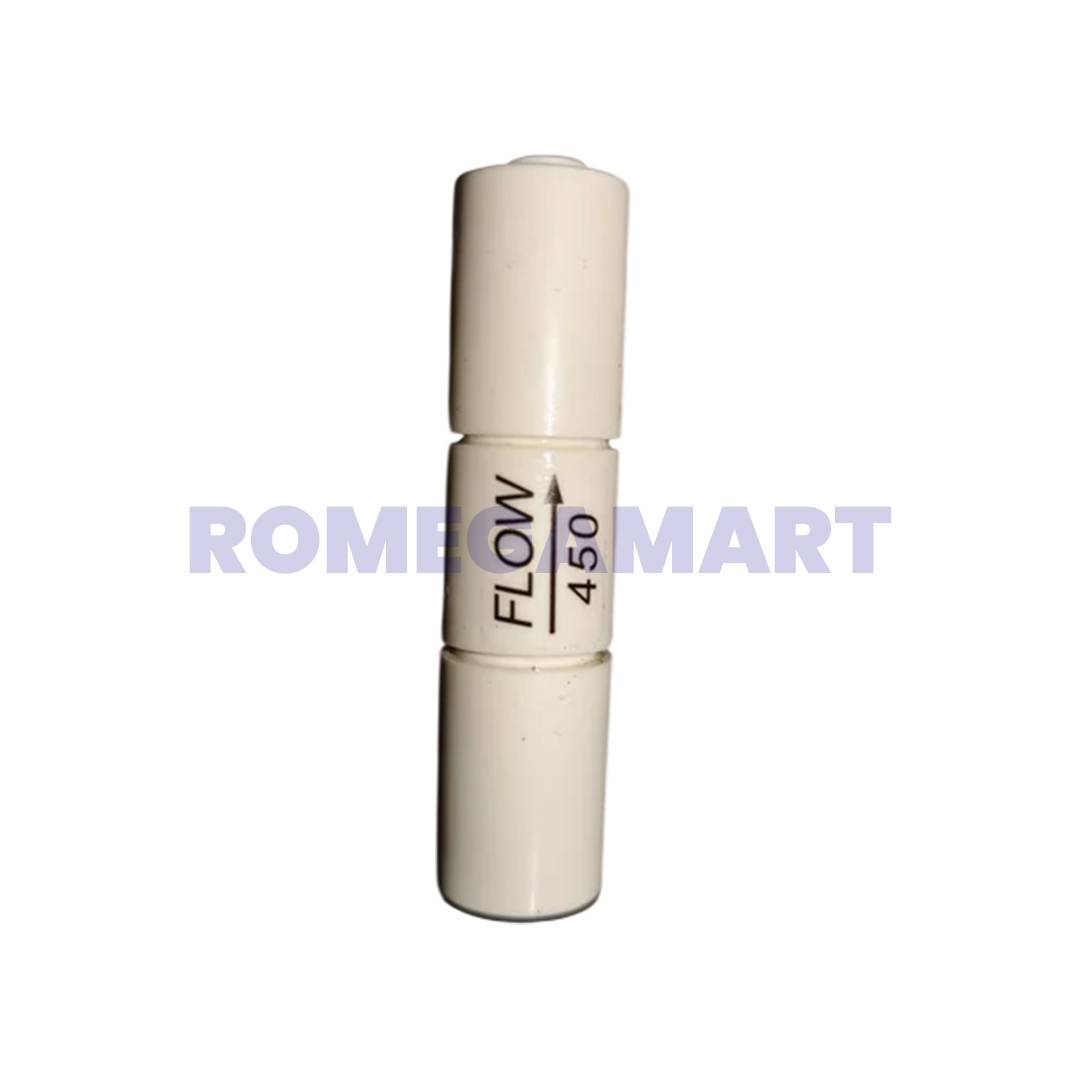
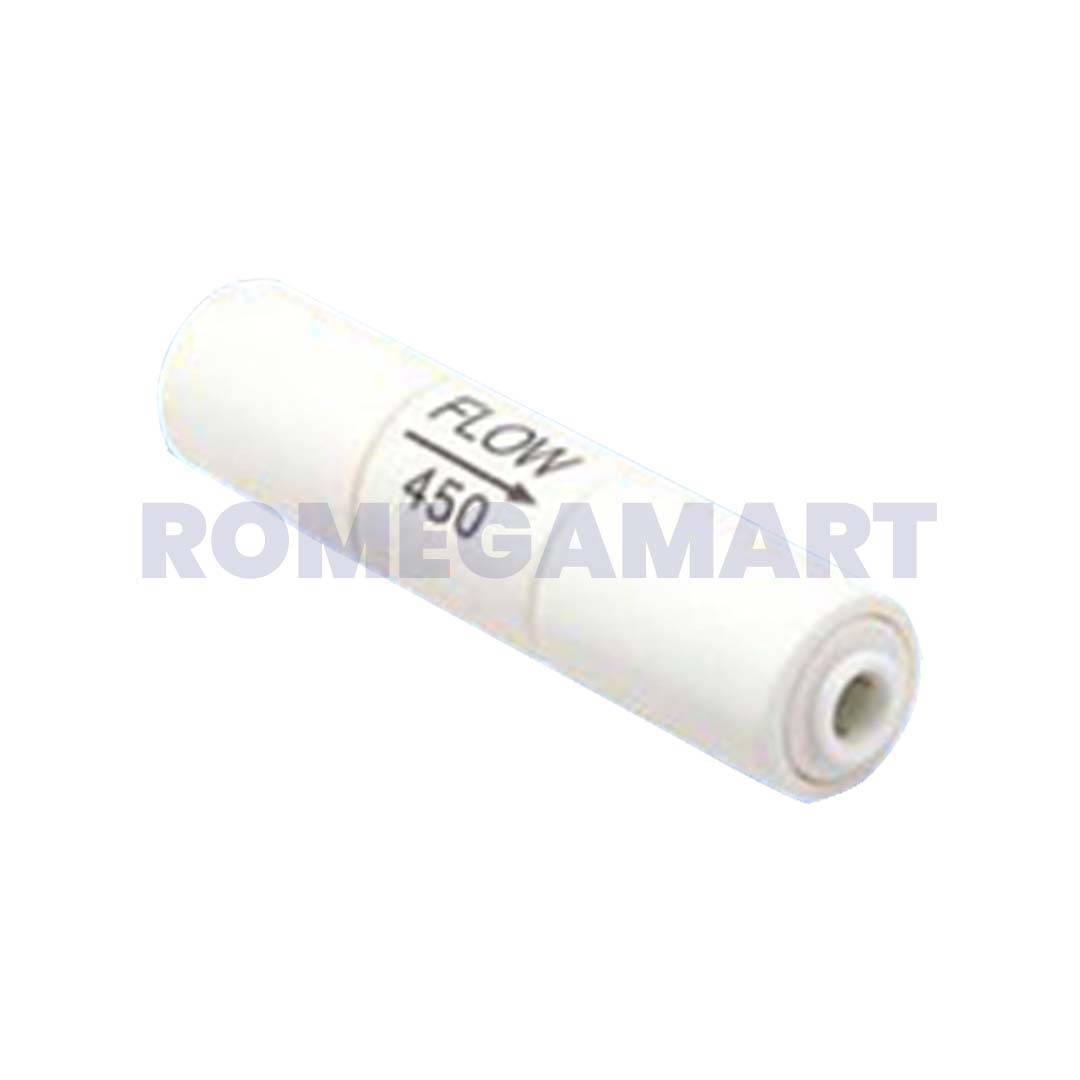
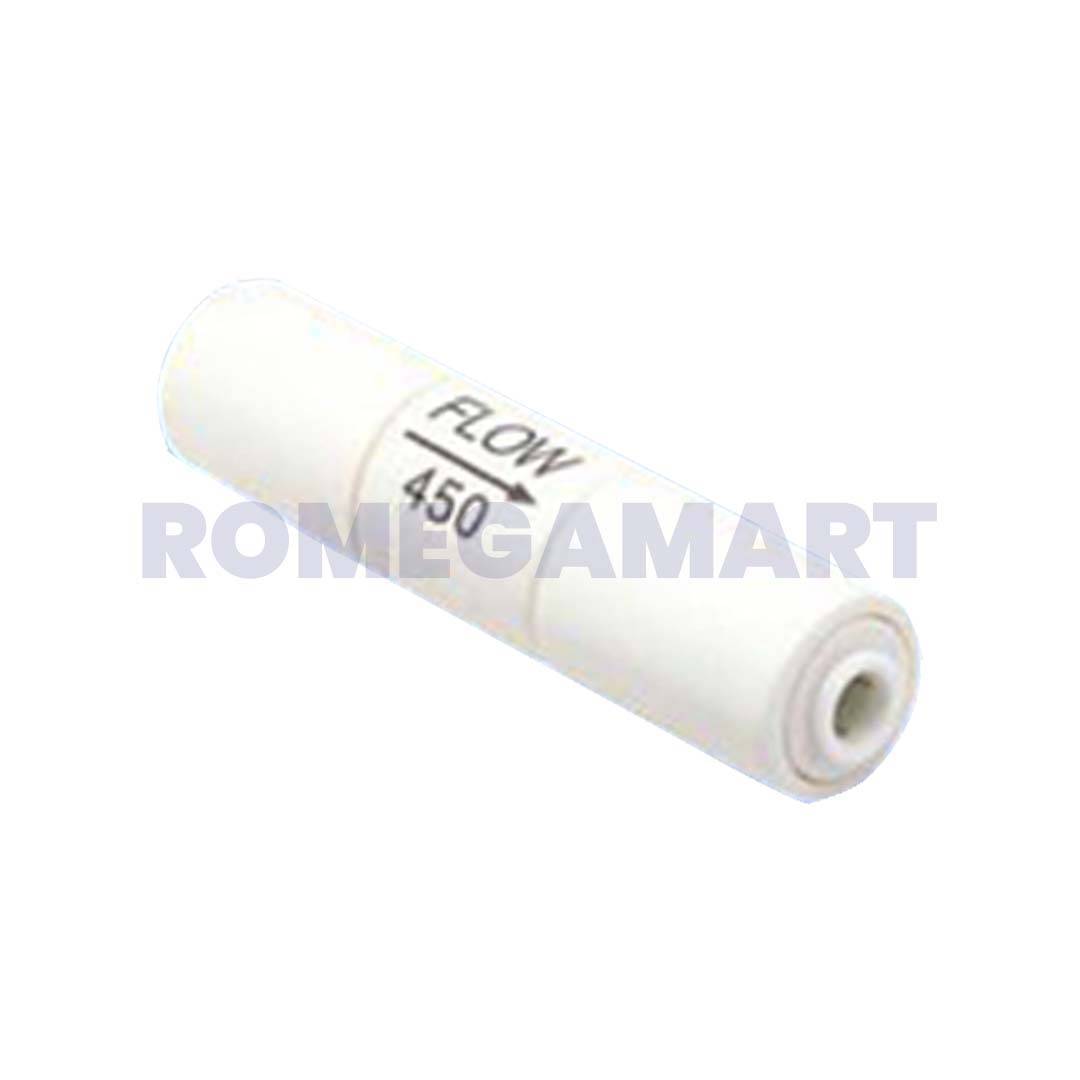
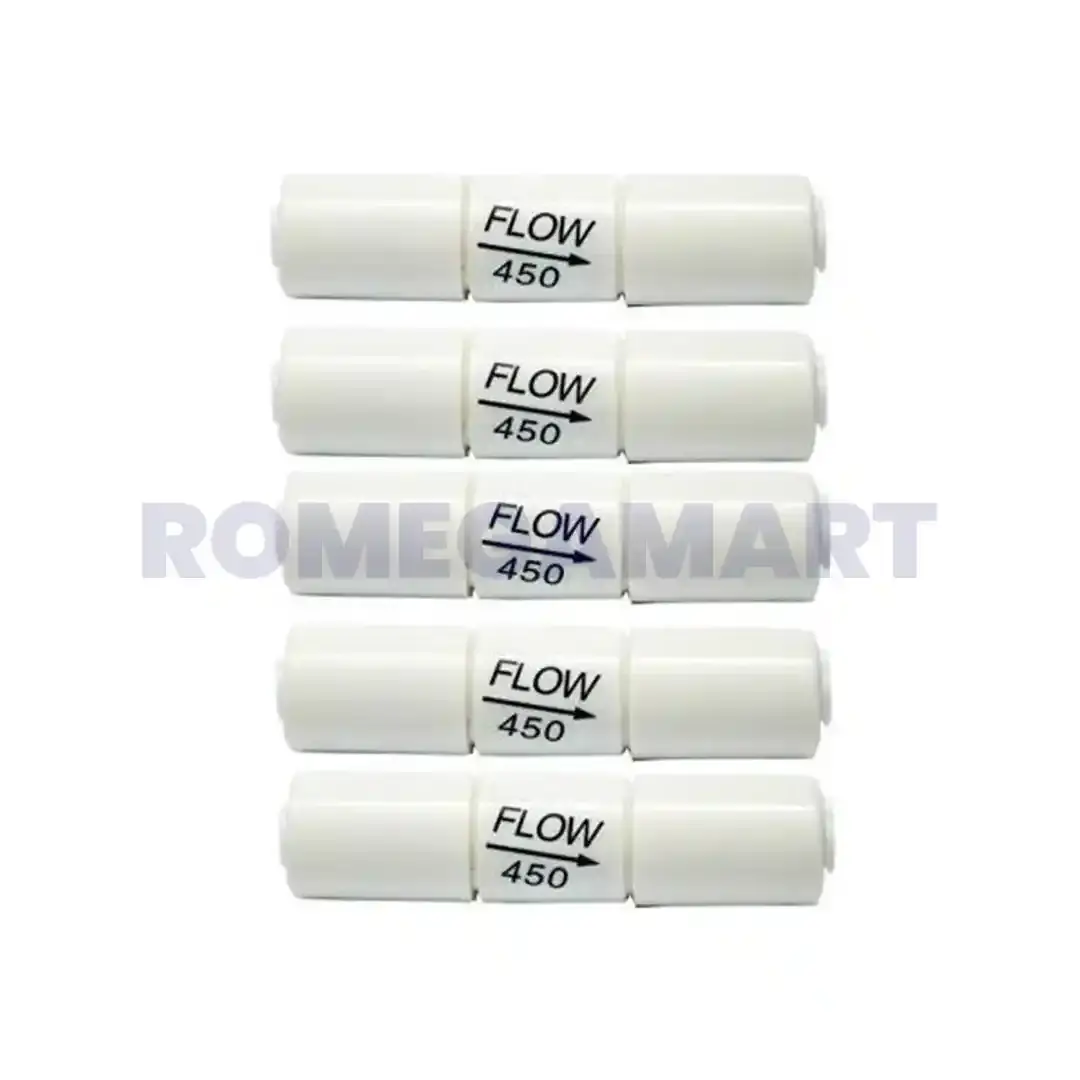
An RO flow restrictor is a device installed in the reject line of a water purifier that controls wastewater flow. It maintains proper membrane pressure, ensures efficient filtration, and balances the ratio between purified and rejected water.
In reverse osmosis systems, filtration efficiency depends heavily on maintaining the correct pressure across the membrane. While pumps generate pressure, the RO flow restrictor is the component that regulates how that pressure is sustained.
An incorrect or low-quality restrictor can lead to excessive water wastage, poor purification, or even membrane damage. For technicians and dealers, understanding how a flow restrictor for RO system works is essential for both installation accuracy and troubleshooting.
What This Component Actually Does
An RO flow restrictor is installed in the reject (wastewater) line to control how much water exits the system.
Its function is to:
- Restrict reject water flow
- Maintain back pressure on the membrane
- Balance purified vs reject water ratio
Without this restriction, the system cannot maintain the pressure required for proper filtration.
Ideal Reject Water Ratio
One of the most important yet often ignored factors is the reject ratio.
Standard Ratio:
- 1:2 to 1:3 (Pure water : Waste water)
Example:
- 1 glass purified water → 2–3 glasses reject water
Flow Rate Matching:
- 75 GPD membrane → ~300 ml/min restrictor
- 100 GPD membrane → ~400 ml/min restrictor
Using the correct RO FR valve ensures:
- Optimal water recovery
- Proper membrane performance
- Reduced unnecessary wastage
How It Creates Back Pressure
The RO flow restrictor works by limiting the speed at which reject water exits.
- Slower reject flow → higher internal pressure
- Higher pressure → better filtration
- Balanced pressure → optimal output
This controlled back pressure is essential for maintaining membrane rejection efficiency.
Types of Flow Restrictors
Capillary Flow Restrictor
- Thin tube design
- Precise control
- Can clog over time
Inline Flow Restrictor
- Pre-calibrated
- Easy to install and replace
- Most common in domestic systems
Fixed vs Adjustable
| Type | Advantage | Limitation |
|---|---|---|
| Fixed | Stable performance | No flexibility |
| Adjustable | Custom control | Requires proper calibration |
A reliable RO flow restrictor supplier offers all these options based on system requirements.
Flow Restrictor vs Membrane Problem
This is one of the most searched technician problems.
Symptom: High Waste Water
- If output is low + waste high → membrane issue
- If output normal + waste high → restrictor issue
Symptom: Low Output
- If pressure low → pump issue
- If pressure normal → over-restricting FR
Correct diagnosis between membrane and flow restrictor for RO system is critical.
Common Problems Caused by Wrong Flow Restrictor
Excess Water Wastage
Restrictor too loose or damaged.
Low Purified Output
Restrictor too tight.
Poor Filtration Quality
Insufficient pressure across membrane.
Increased TDS in Output
Reduced rejection efficiency due to pressure imbalance.
A correctly selected RO flow restrictor prevents all these issues.
Signs That Replacement Is Needed
- Sudden increase in reject water
- Decrease in purified output
- Fluctuating system performance
- Visible clogging or scaling
Replacing a faulty RO FR valve restores system balance.
Installation and Positioning
For correct performance:
- Install in reject water line only
- Ensure proper direction of flow
- Match with membrane capacity
- Avoid loose connections
Incorrect installation directly impacts system efficiency.
Maintenance and Cleaning
Flow restrictors are prone to clogging due to:
- High TDS water
- Sediment buildup
- Scaling
Maintenance tips:
- Flush system periodically
- Replace instead of over-cleaning
- Monitor flow consistency
A clean RO flow restrictor ensures stable operation.
Advanced Concept: Recovery Rate
Recovery rate refers to how much purified water is produced compared to total input.
- Higher recovery → less wastage
- Lower recovery → more reject water
The RO flow restrictor directly affects this balance.
Incorrect sizing:
- Reduces efficiency
- Increases operational cost
- Affects membrane life
Business Value for Dealers and Distributors
This is a high-impact, repeat-demand category.
Essential for Every System
No RO works efficiently without it.
Frequent Replacement
Clogging ensures repeat sales.
Low Cost, High Importance
Small product with major system impact.
Easy Bulk Selling
Compact and high rotation product.
Working with a reliable RO flow restrictor supplier ensures quality consistency and fewer complaints.
Smart Buying Strategy
For bulk buyers, focus on:
- Correct flow rating (ml/min)
- Compatibility with GPD membranes
- Durable material
- Consistent performance
Balancing quality with RO flow restrictor price wholesale ensures better margins and customer satisfaction.
Market Demand and Opportunity
As awareness about water wastage increases, users are demanding:
- Efficient RO systems
- Lower reject water
- Better performance
This makes the RO flow restrictor a critical product in modern RO setups.
FAQs
Q1. Why is my RO wasting too much water?
This is often due to a faulty or incorrect RO flow restrictor.
Q2. What size flow restrictor should I use?
It should match the membrane capacity (e.g., 75 GPD → ~300 ml/min).
Q3. Can I reduce RO waste water?
Yes, by using the correct flow restrictor for RO system and maintaining proper pressure.
Q4. What happens if restrictor is removed?
The system loses pressure, leading to poor filtration and excessive wastage.
Q5. How often should it be replaced?
Typically every 6–12 months depending on water quality.
Conclusion
The RO flow restrictor is a critical component that directly controls system efficiency, water recovery, and membrane performance. Without proper flow regulation, even high-quality RO systems cannot function effectively.
For dealers and technicians, selecting the right RO FR valve ensures optimal pressure balance, reduced water wastage, and longer membrane life. Investing in high-quality restrictors not only improves system performance but also enhances customer satisfaction and long-term business success.