

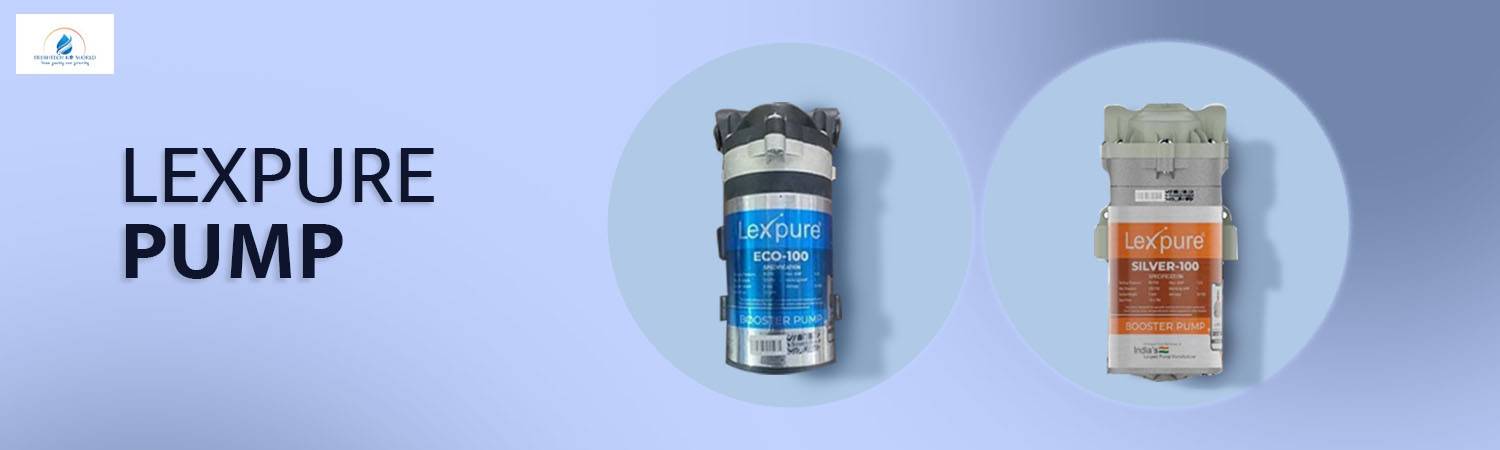
RO Booster Pump Wholesaler in Delhi
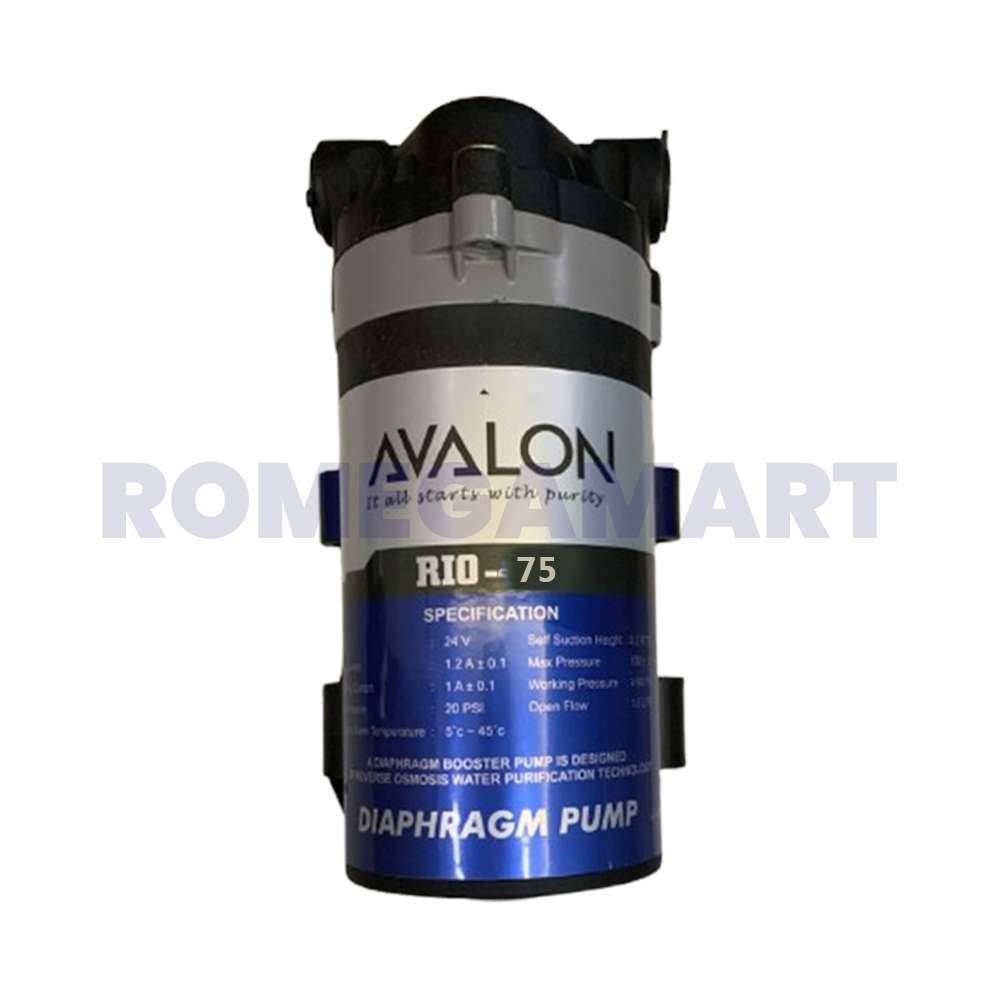
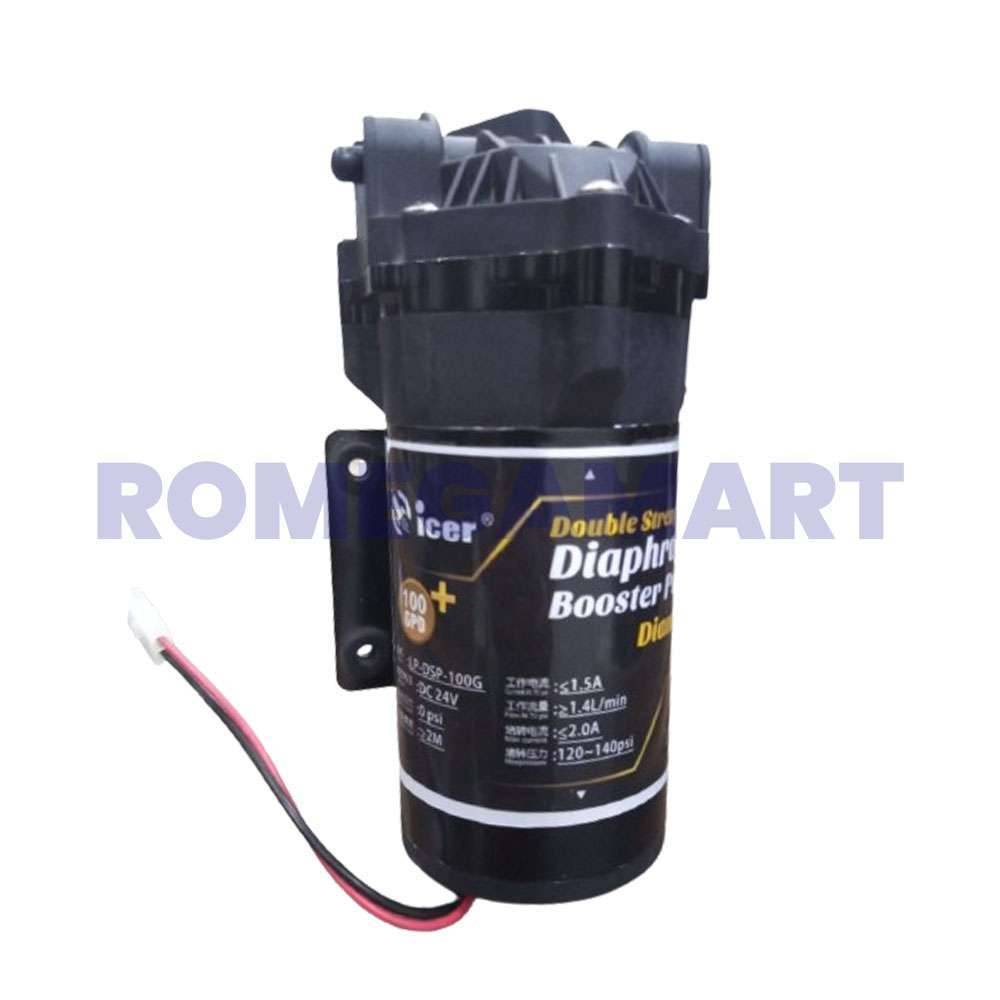
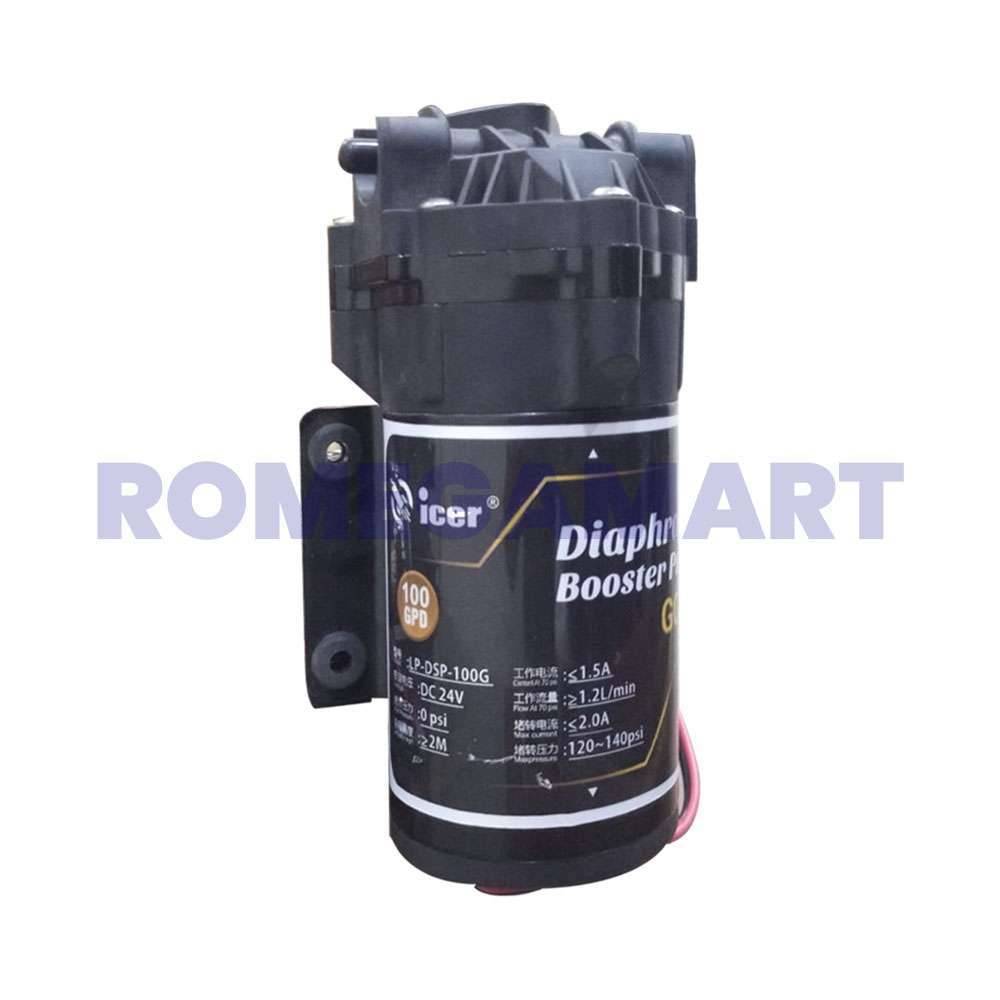

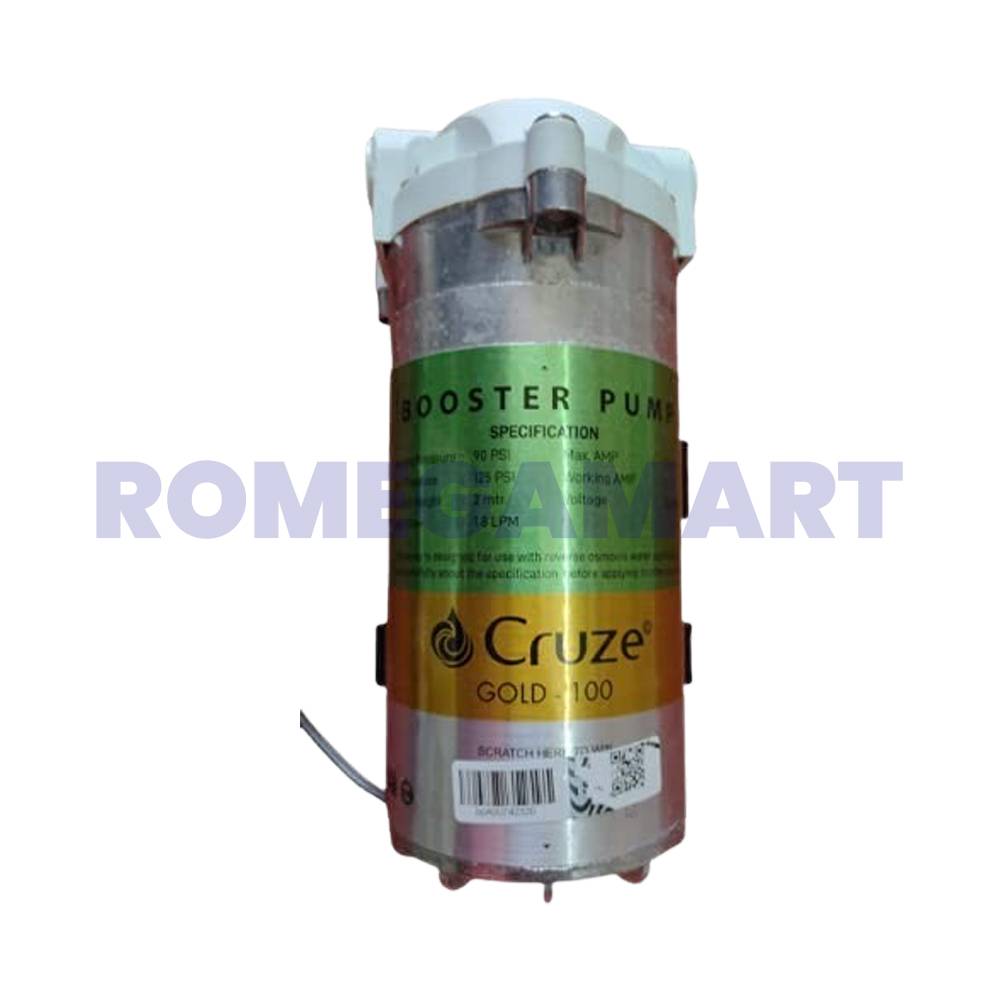
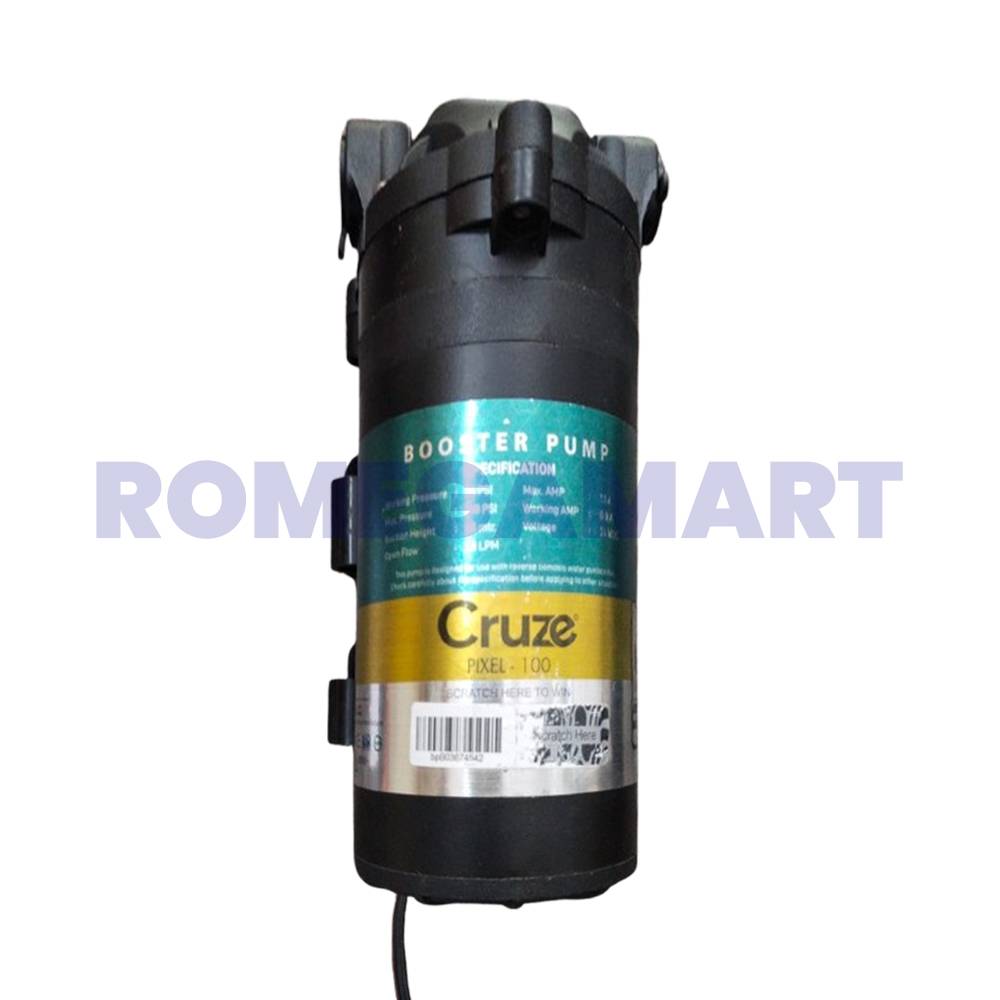
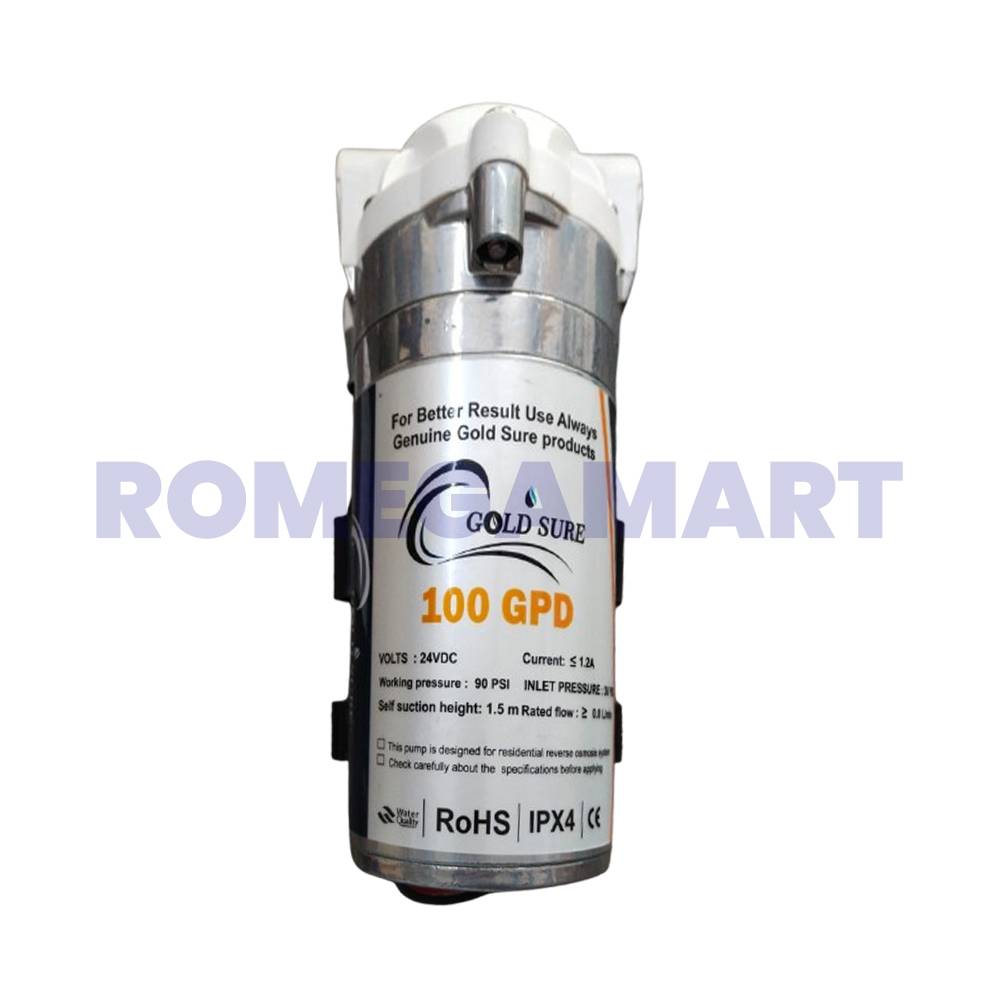
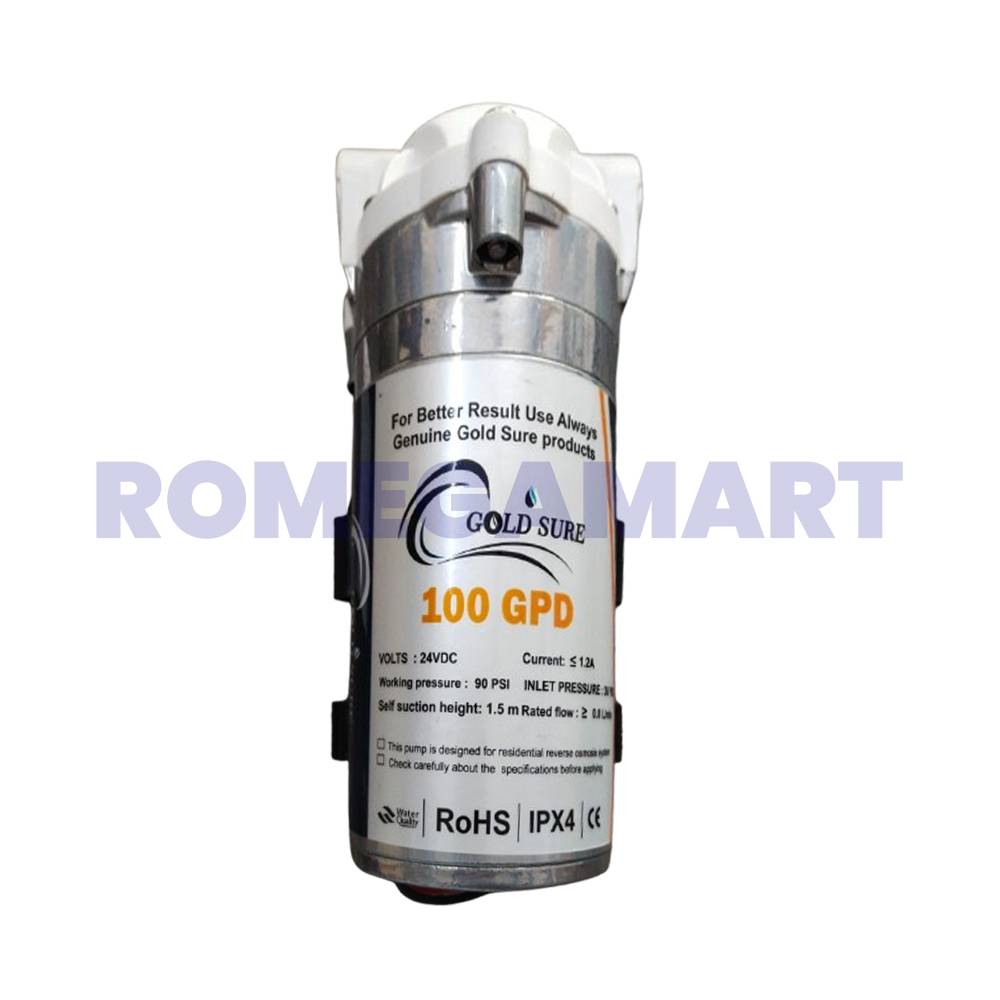
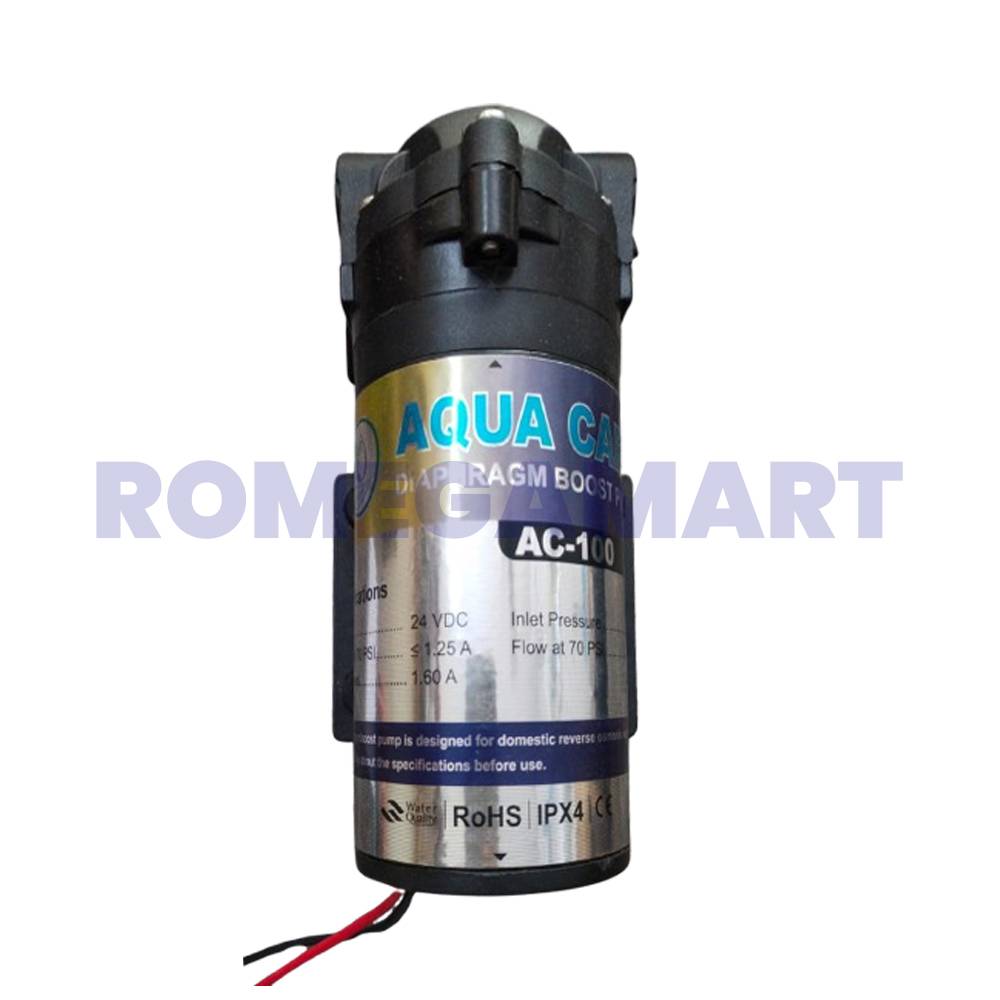
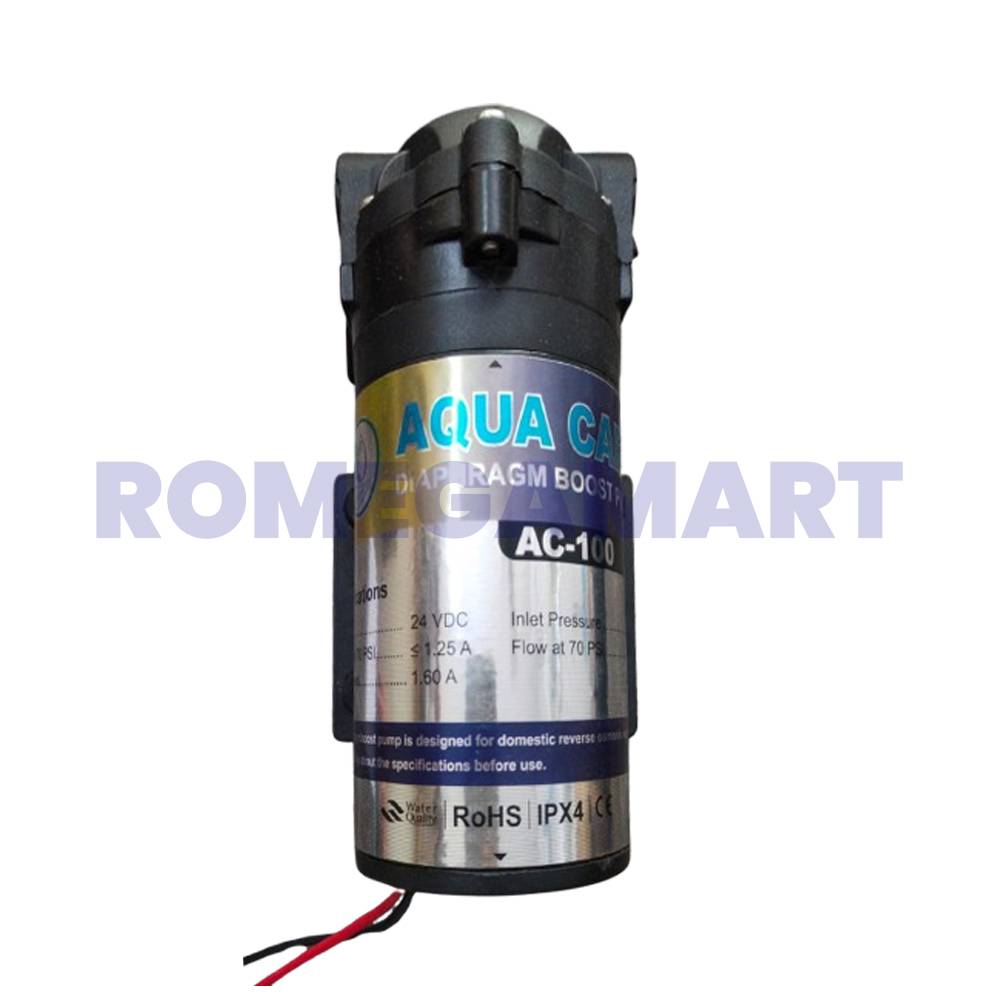
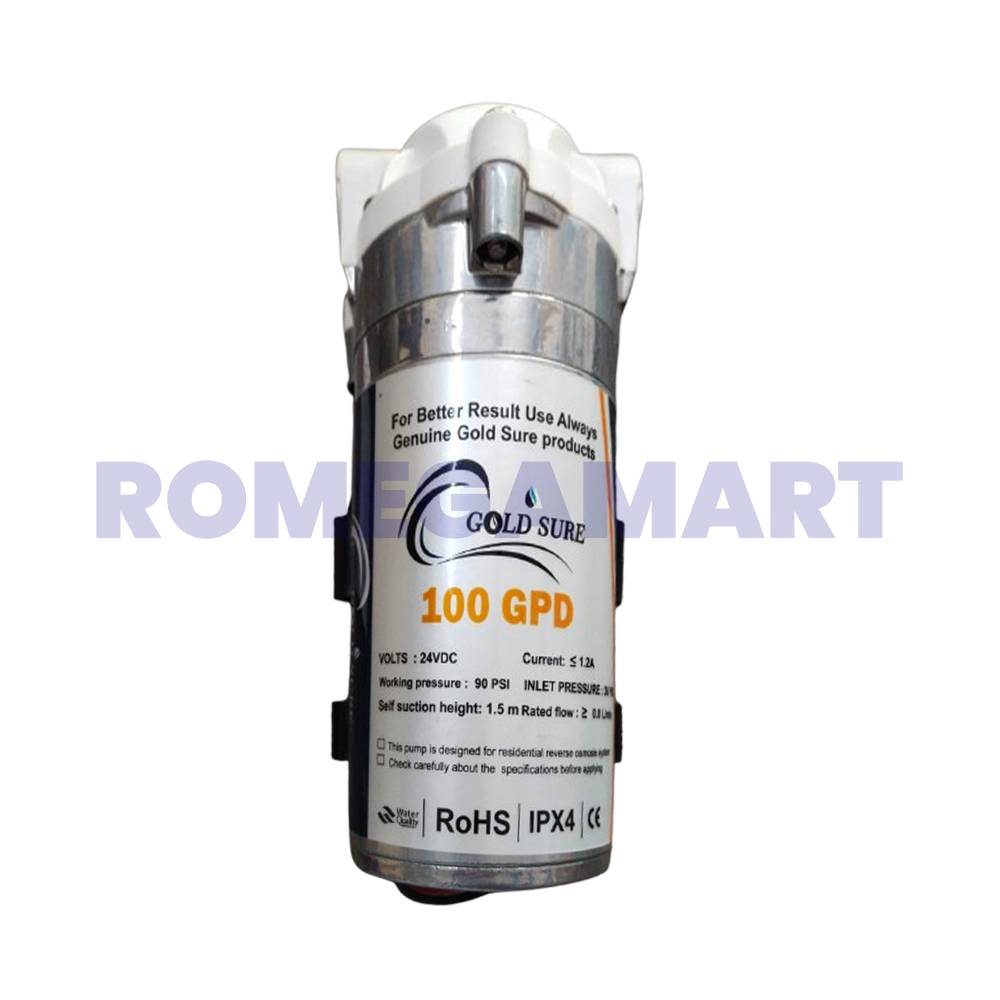
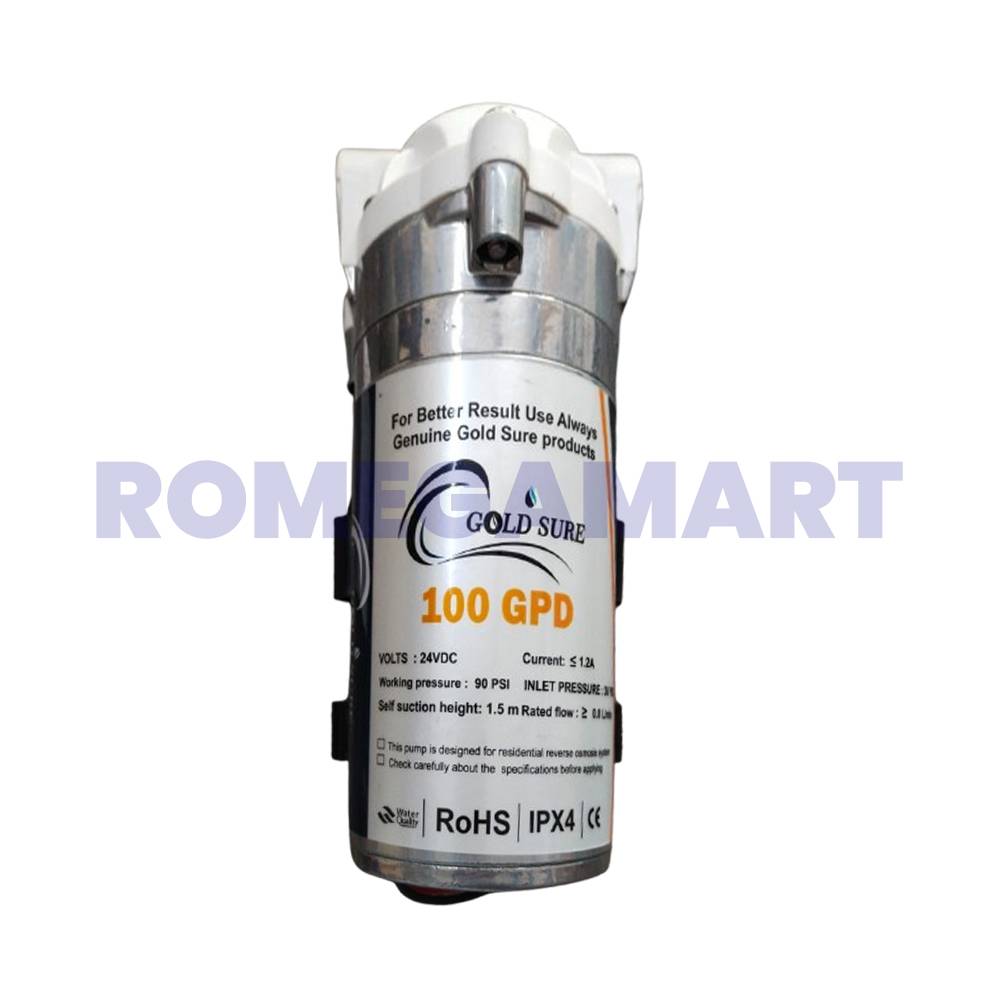
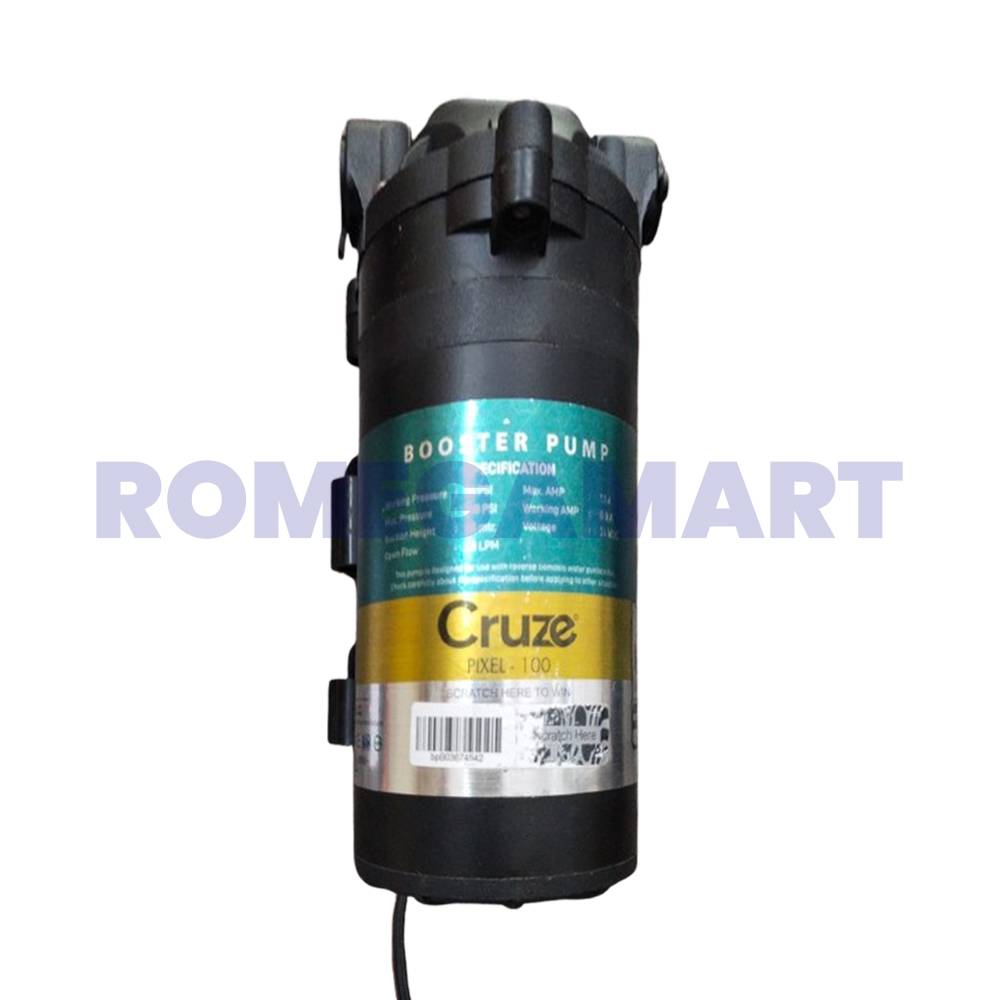
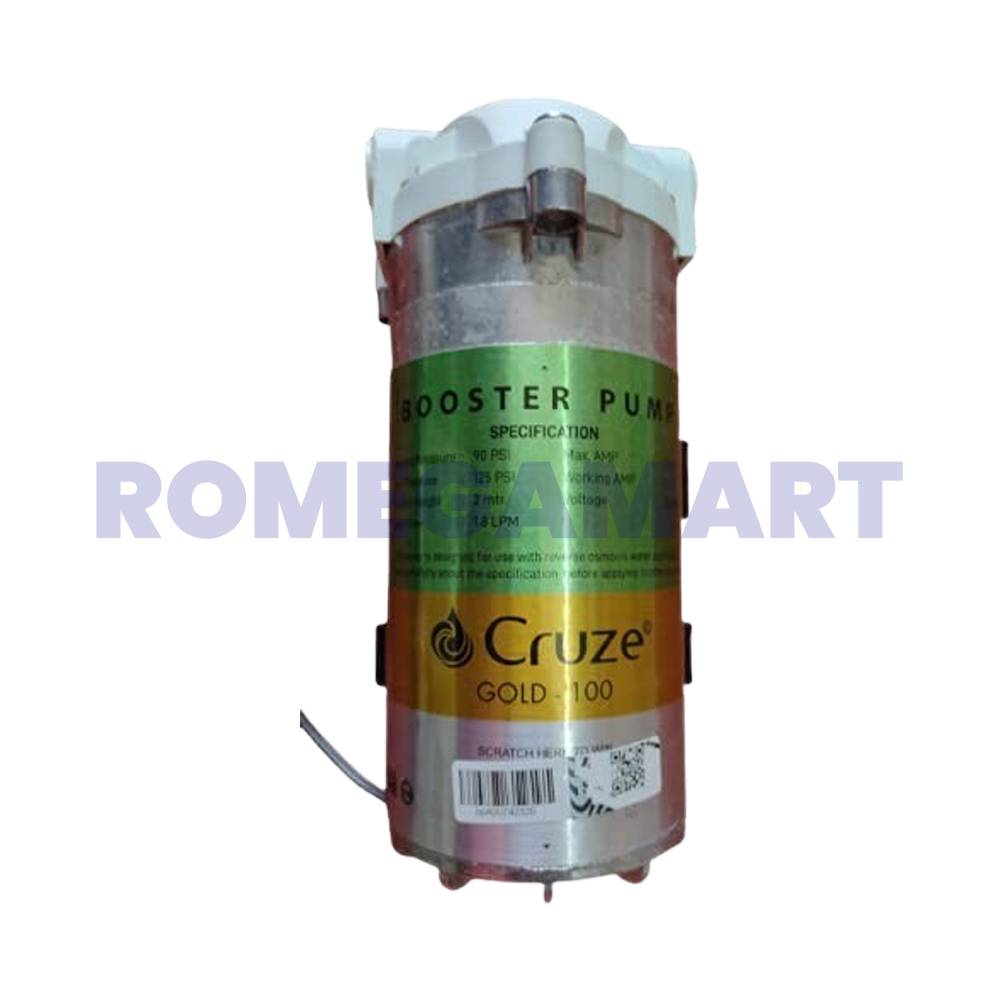
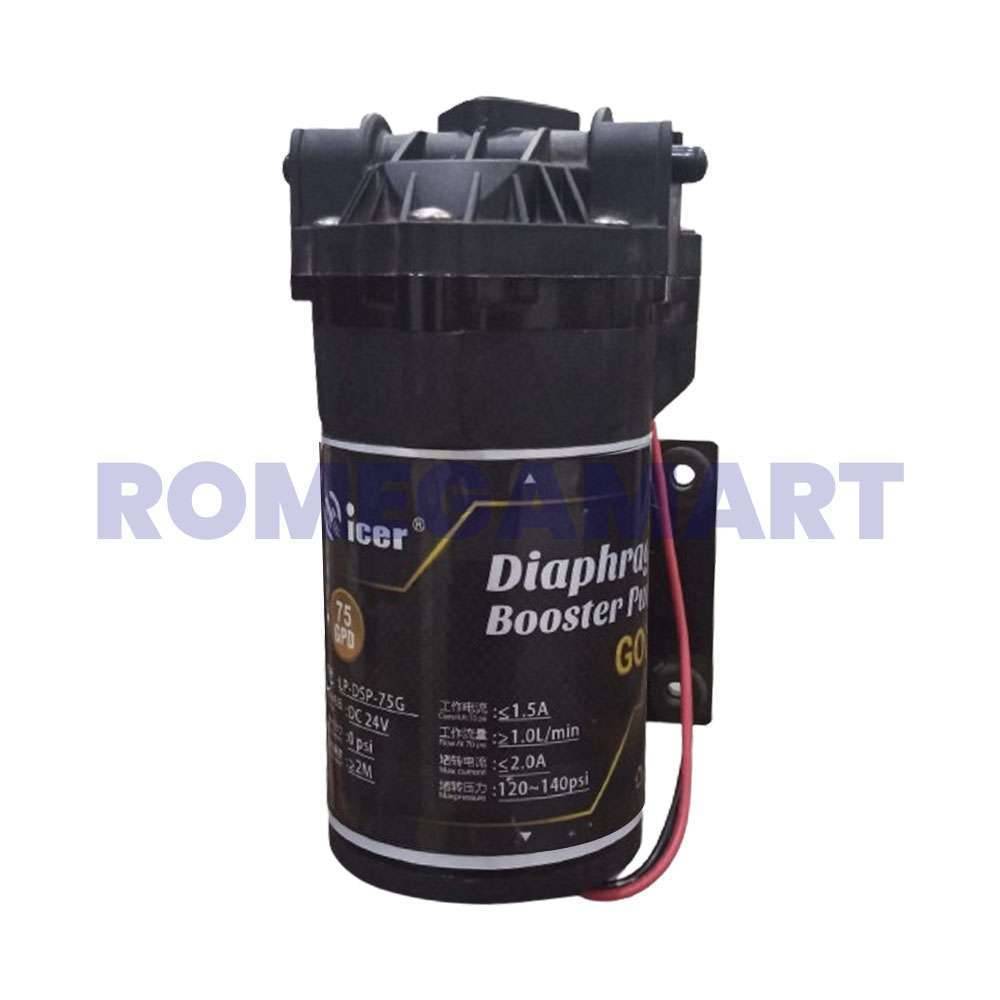
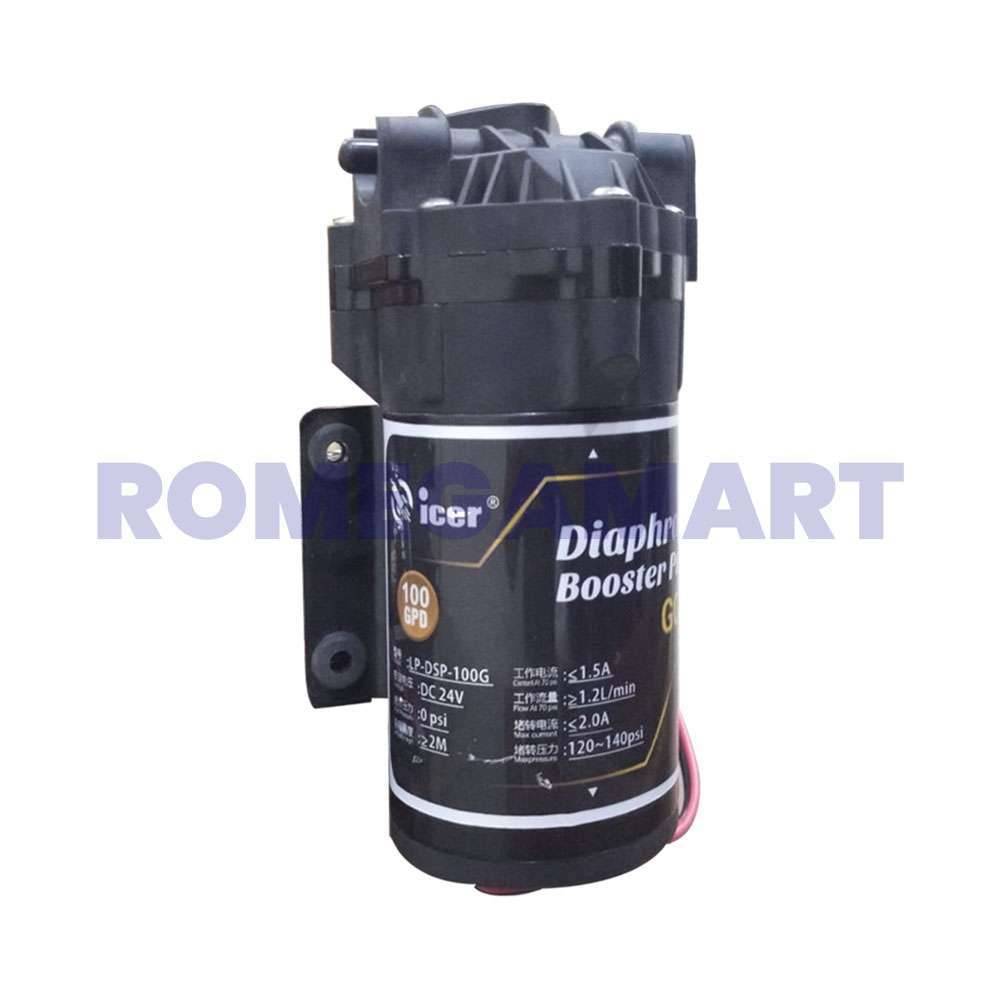
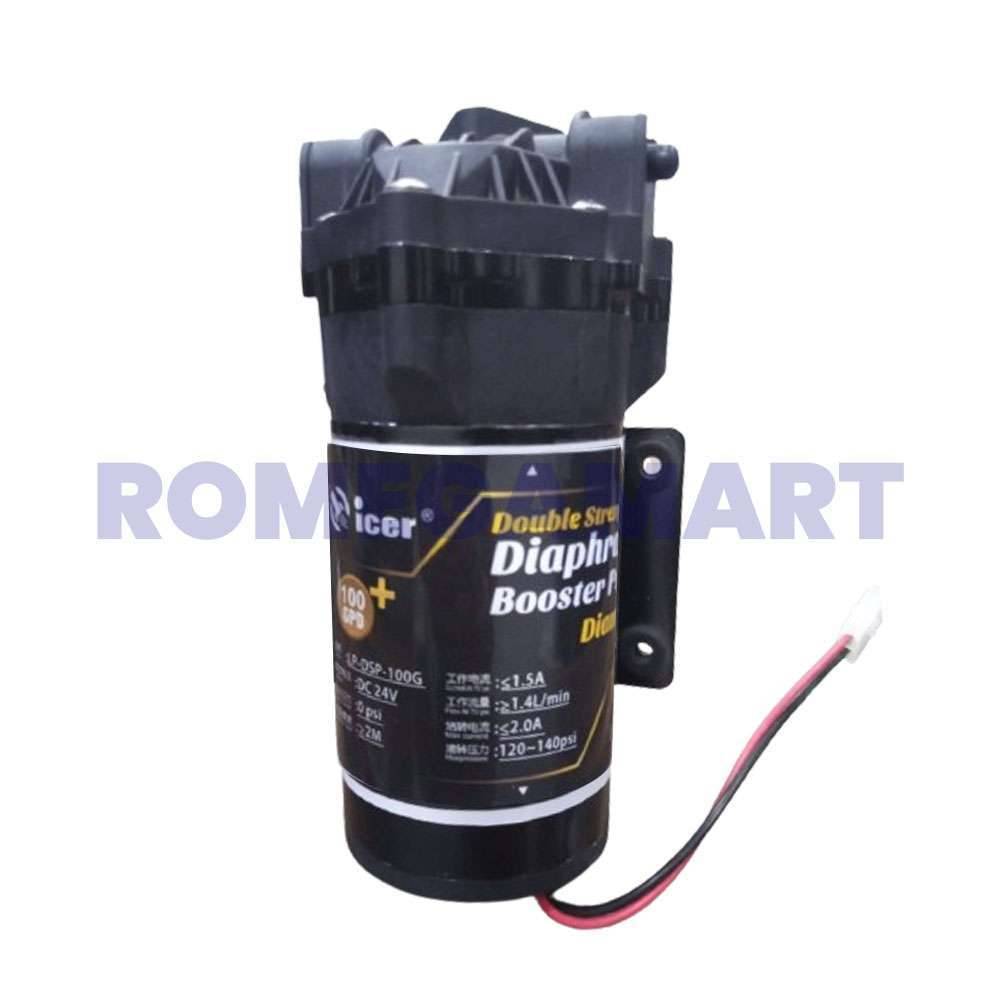


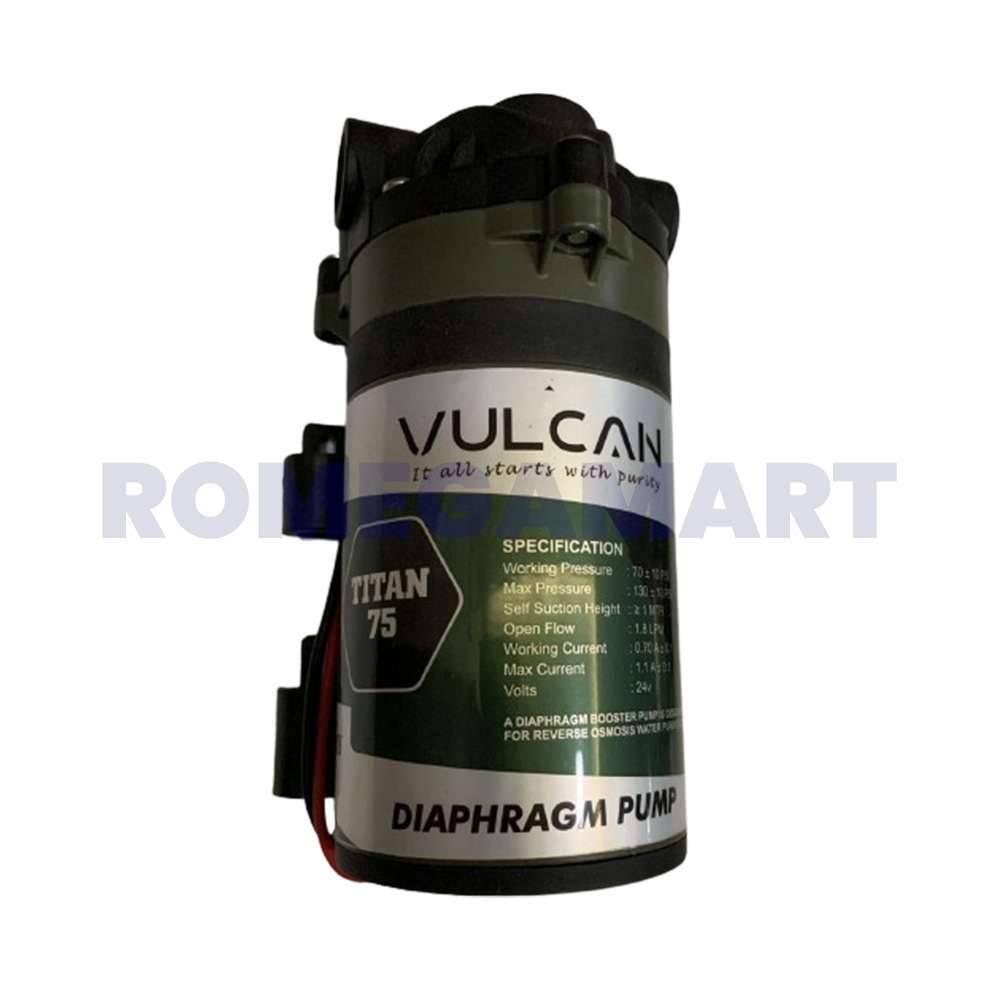
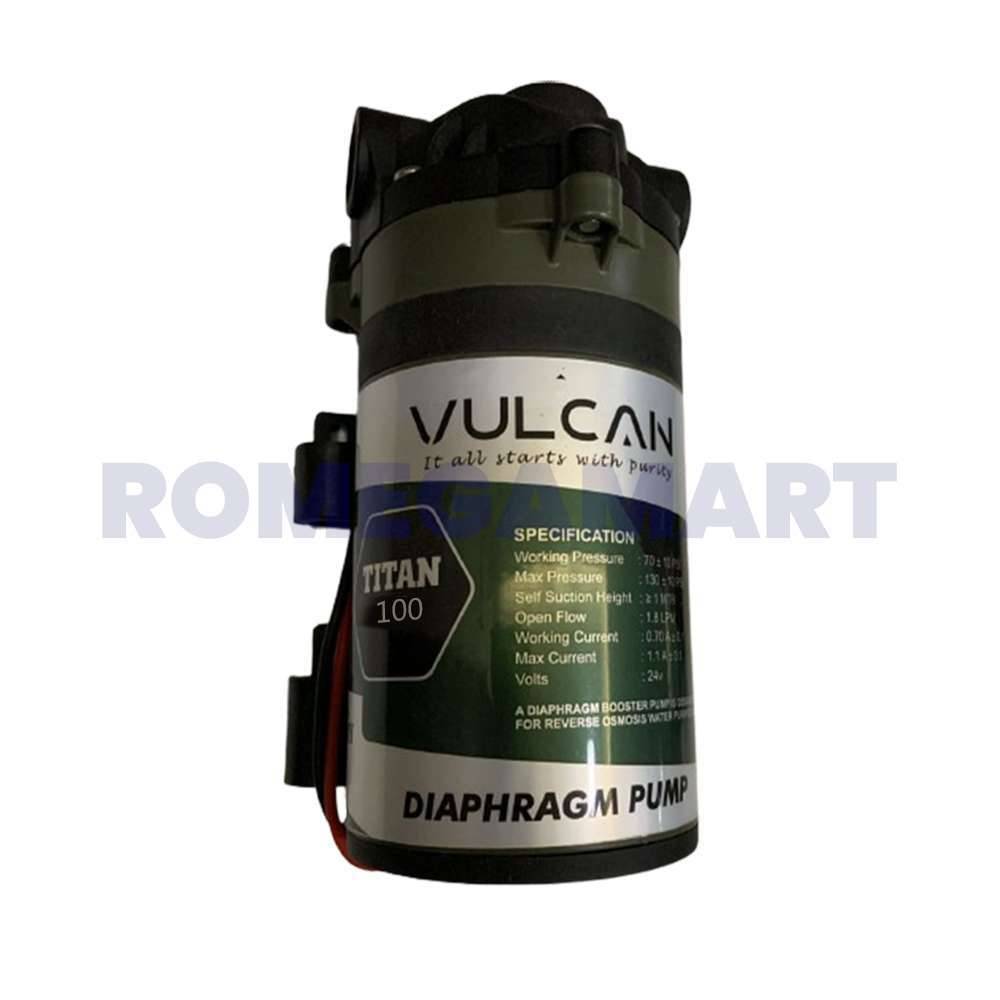
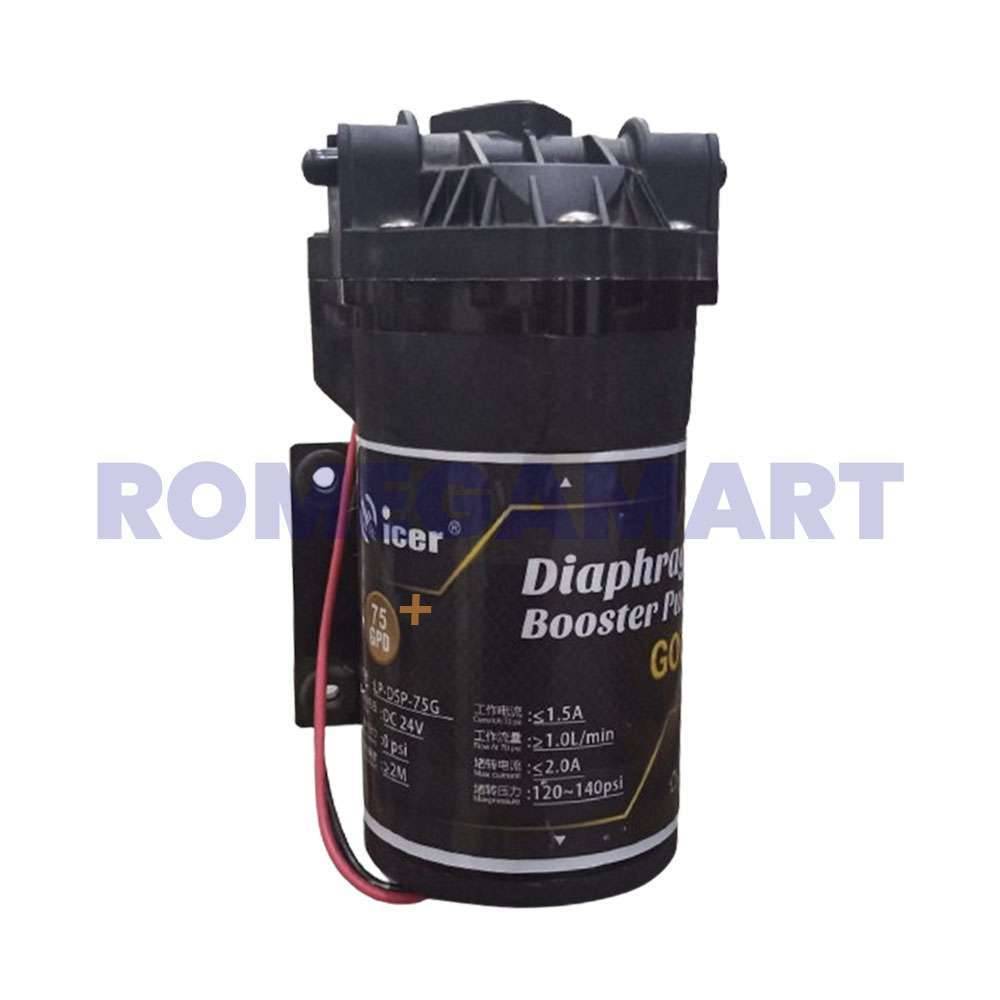
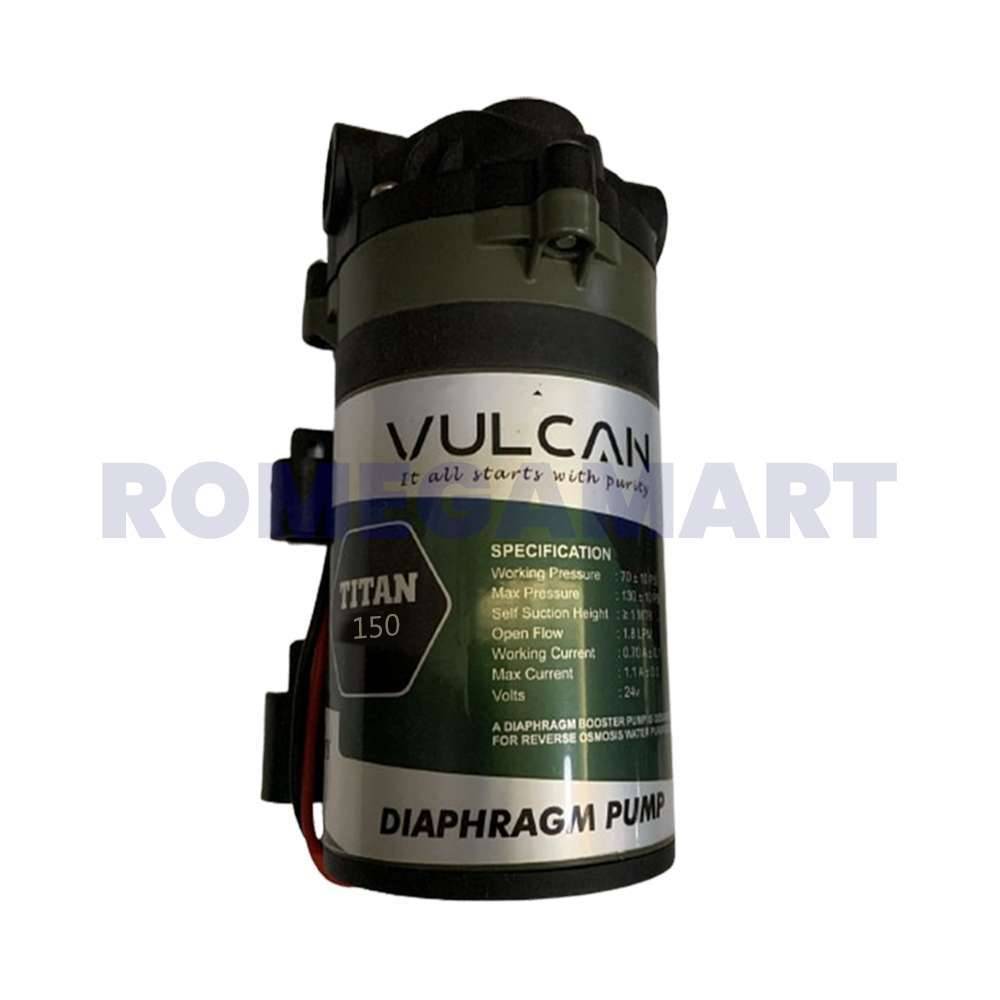
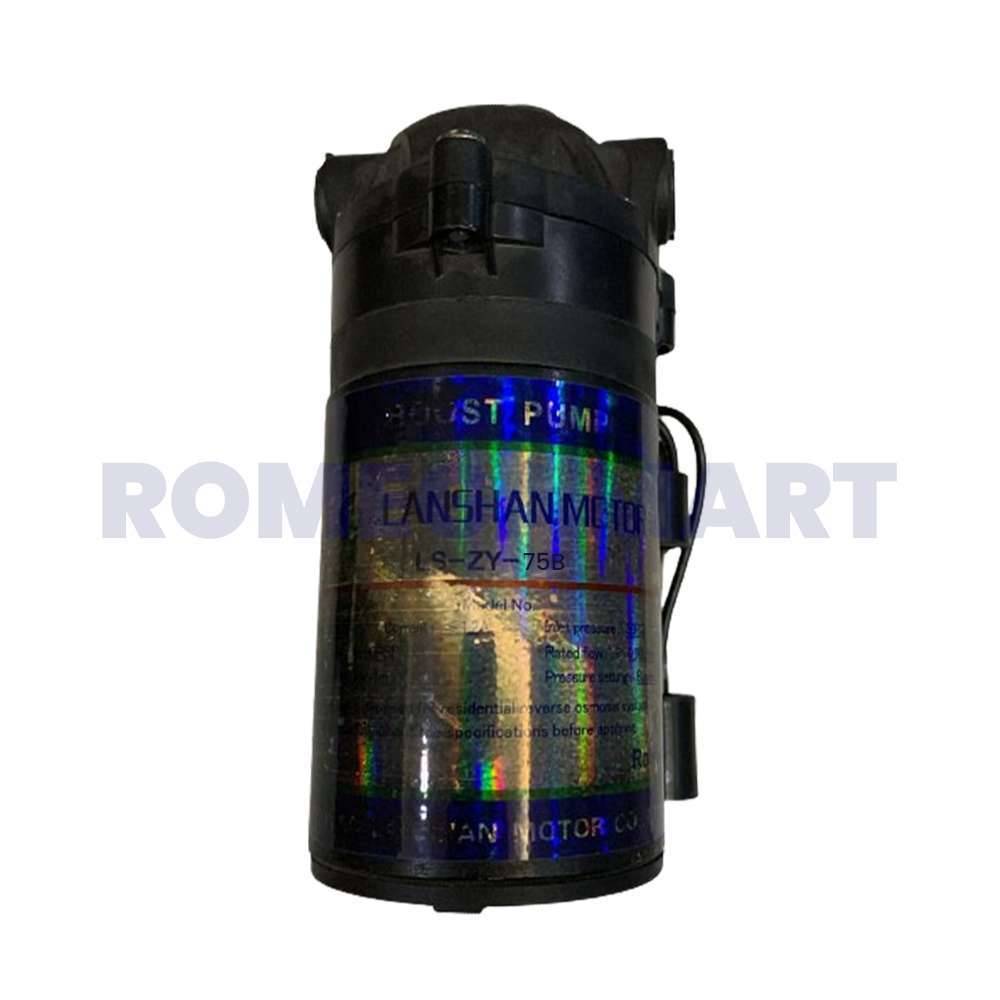
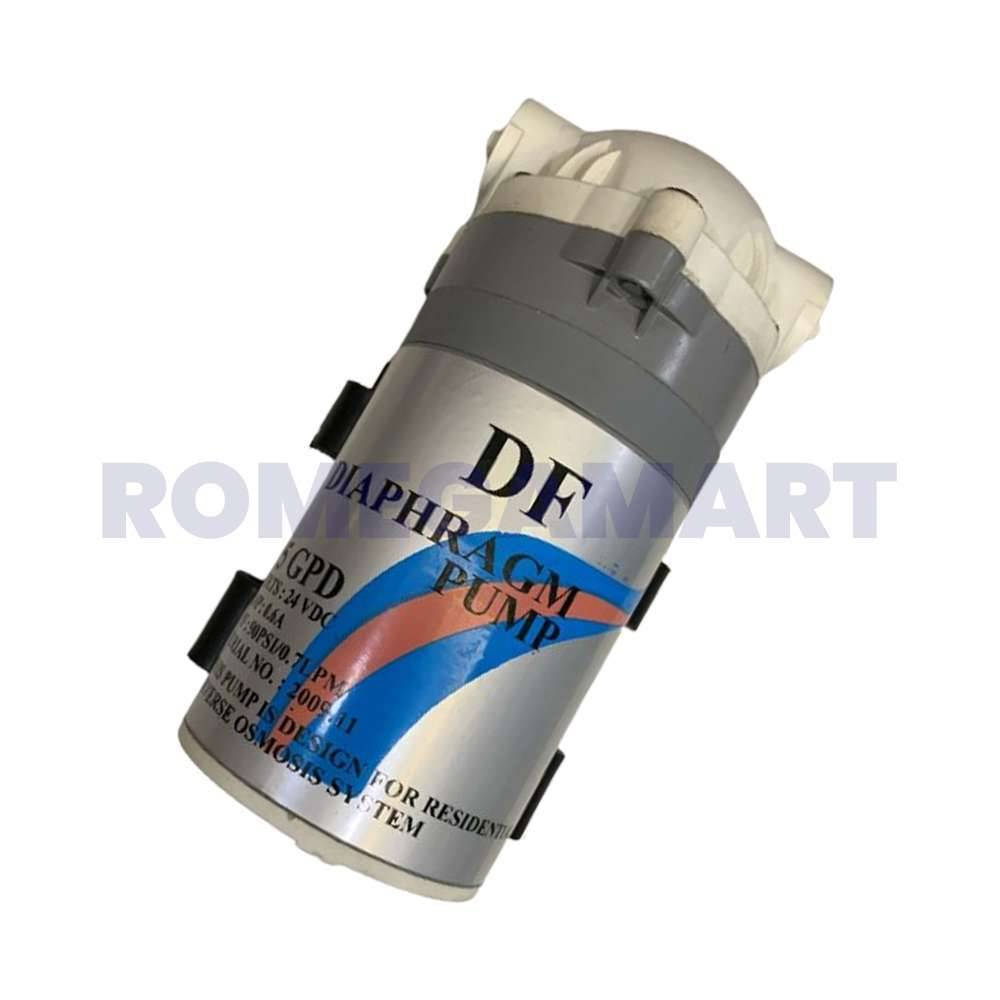

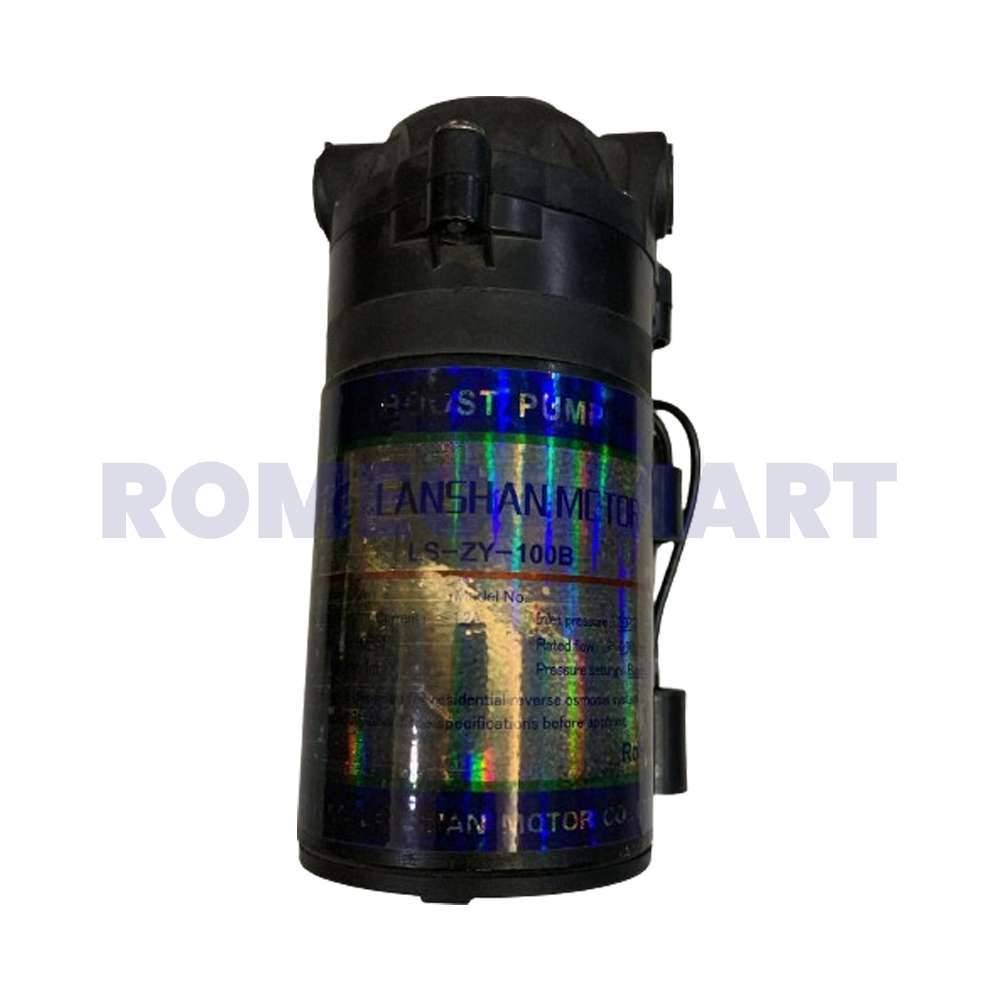


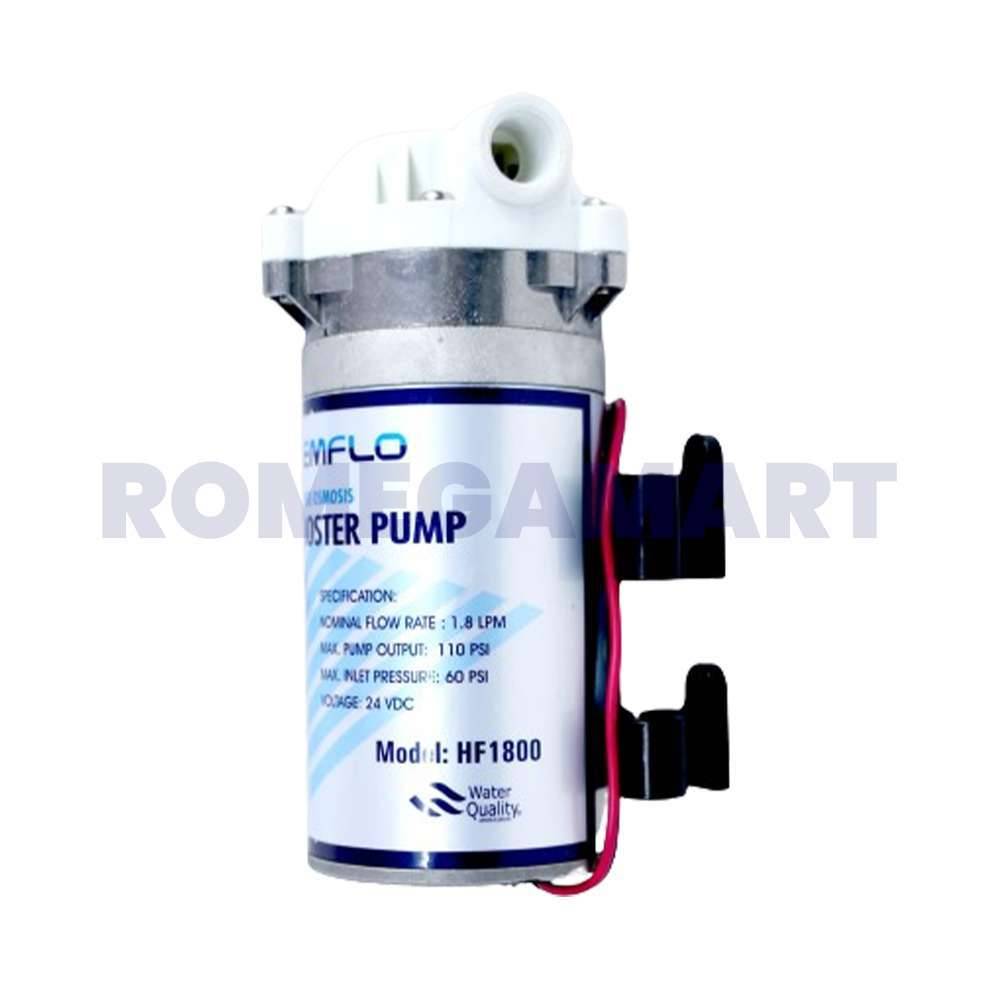
RO Booster Pump for Domestic Water Purifiers and Filtration Systems
An RO booster pump is a pressure-enhancing component used in reverse osmosis purification systems. It increases incoming water pressure so the RO membrane can effectively remove dissolved impurities and contaminants from water.
Domestic water purification systems rely on several components that work together to remove contaminants and deliver clean drinking water. While filtration stages such as sediment filters and membranes perform the purification process, water pressure plays a crucial role in ensuring effective filtration.
The RO booster pump is responsible for increasing the pressure of incoming water before it reaches the membrane filtration stage. Reverse osmosis filtration requires sufficient pressure to push water through microscopic membrane pores.
A reliable booster pump for RO ensures that water flows through the purification stages at the required pressure level. Without adequate pressure, the filtration system may operate slowly or fail to remove contaminants effectively.
Modern purification systems therefore integrate a water purifier pressure pump that boosts water pressure and supports efficient filtration performance.
Many household purifiers operate using a RO pump 24V motor that provides stable pressure while maintaining low energy consumption. These compact pump motors are designed to fit inside purifier cabinets without affecting system layout.
As domestic water purification systems continue expanding across residential markets, retailers and technicians frequently source pump components through RO booster pump wholesale networks to support purifier assembly and repair services.
Role of Pressure Generation in Reverse Osmosis Filtration
Reverse osmosis filtration depends on pressure to push water through a semi-permeable membrane layer. The RO booster pump creates the pressure necessary for this filtration process.
During operation, the booster pump for RO draws water from the inlet supply and pushes it toward the filtration assembly. This pressure forces water molecules through the membrane while rejecting dissolved contaminants.
A properly functioning water purifier pressure pump ensures consistent water flow across all filtration stages.
The RO pump 24V motor used in domestic purifiers is designed to maintain stable pressure output throughout the purification cycle.
If incoming water pressure is low, the domestic RO pump replacement becomes necessary to restore system efficiency and maintain proper filtration performance.
Technicians and manufacturers therefore rely on high-quality pump components sourced through RO booster pump wholesale suppliers.
Voltage Variations Used in Domestic Pump Systems
Domestic purification systems commonly use pumps with different voltage configurations depending on purifier design.
The RO booster pump used in most household systems operates using compact low-voltage motors designed for continuous operation.
Common voltage variations include:
| Pump Type | Application |
|---|---|
| RO pump 24V | Standard domestic water purifiers |
| 36V pump | Higher capacity RO systems |
| High pressure pump | Large domestic purification units |
The booster pump for RO operating at 24 volts is widely used because it provides reliable pressure output while maintaining low energy consumption.
Most water purifier pressure pump designs are optimized for quiet operation, making them suitable for installation in household kitchens.
Retailers frequently stock multiple pump models, including RO pump 24V variants, to support purifier assembly and servicing operations.
Bulk procurement through wholesale suppliers ensures availability of pumps used for domestic RO pump replacement.
Technical Specifications of Domestic Pumps
Technical specifications play an important role when selecting a RO booster pump for purification systems.
The following table highlights common specifications used in domestic pump motors.
| Specification | Typical Range |
|---|---|
| Voltage | 24V / 36V |
| Pressure Output | 80–125 PSI |
| Flow Rate | 0.8–1.2 LPM |
| Power Consumption | 24–36 Watts |
A high-performance booster pump for RO should provide stable pressure within this range to ensure effective membrane filtration.
A reliable water purifier pressure pump maintains consistent flow and prevents pressure fluctuations during operation.
Many purifier systems rely on RO pump 24V motors because they provide efficient pressure while consuming minimal electricity.
When pump performance declines, technicians may recommend domestic RO pump replacement to restore filtration efficiency.
Internal Components of Pump Motors
The performance of a RO booster pump depends on several internal components working together to generate water pressure.
A typical booster pump for RO contains the following components:
-
Electric motor
-
Diaphragm assembly
-
Pump chamber
-
Pressure valves
-
Inlet and outlet connectors
The diaphragm mechanism powered by the motor creates pressure that pushes water through the purification stages.
A durable water purifier pressure pump must maintain consistent pressure without overheating or vibration.
Compact motors such as RO pump 24V units are engineered to operate quietly while maintaining stable pressure output.
When pump components wear out over time, technicians may perform domestic RO pump replacement to restore purifier functionality.
Pressure Challenges in Domestic Purification Systems
Low water pressure is a common issue affecting household purification systems.
If the incoming supply pressure is insufficient, the RO booster pump becomes essential for maintaining purification efficiency.
A properly functioning booster pump for RO ensures that water flows through the membrane filtration stage at the correct pressure level.
When the water purifier pressure pump begins to lose efficiency, users may notice slower purification or reduced water output.
In such cases, replacing the pump motor or performing domestic RO pump replacement can restore normal purifier operation.
Retailers therefore maintain stock of pumps such as RO pump 24V models to support maintenance services.
Market Demand for Pump Components
The demand for domestic water purification systems has increased significantly due to rising concerns about water quality. As purifier installations grow, the need for spare components continues expanding.
Among these components, the RO booster pump remains one of the most essential parts required for system operation.
Retailers assembling purifiers rely on a reliable booster pump for RO to ensure proper pressure generation within filtration systems.
Service technicians also require replacement pump motors when performing domestic RO pump replacement for malfunctioning purifiers.
Many businesses track RO pump price trends to maintain competitive procurement strategies while purchasing pumps in bulk.
Suppliers offering water purifier pressure pump models often provide multiple configurations including RO pump 24V units used in standard domestic purification systems.
Digital B2B marketplaces such as Romegamart connect manufacturers, distributors, and retailers operating within the water purification supply chain.
Why Businesses Source Pumps in Bulk
Businesses involved in purifier manufacturing, distribution, and servicing require reliable access to spare components.
Purchasing RO booster pump units through bulk supply networks helps retailers maintain consistent inventory.
A reliable booster pump for RO supplier ensures compatibility with commonly used purification systems.
Monitoring RO pump price fluctuations also helps distributors manage procurement costs and maintain competitive market pricing.
Wholesale sourcing of water purifier pressure pump models allows retailers to support technicians performing domestic RO pump replacement services.
Bulk procurement also ensures steady supply of common models such as RO pump 24V units used in household purification systems.
Key Features of High-Quality Pumps
| Feature | Benefit |
|---|---|
| High Pressure Output | Supports membrane filtration |
| Stable Water Flow | Maintains purification efficiency |
| Durable Motor | Extends pump lifespan |
| Low Noise Operation | Suitable for household installation |
These characteristics allow the RO booster pump to maintain stable pressure across purification systems.
FAQs
What does a booster pump do in an RO purifier?
An RO booster pump increases water pressure so the reverse osmosis membrane can filter contaminants effectively.
What voltage pump is used in domestic RO systems?
Most domestic purifiers use RO pump 24V motors because they provide efficient pressure with low energy consumption.
How do I know if my pump needs replacement?
If purification becomes slow or water output decreases, a domestic RO pump replacement may be required.
What affects RO pump price?
Factors such as motor quality, pressure output, and brand influence RO pump price in the market.
What is a water purifier pressure pump?
A water purifier pressure pump is a motorized device that increases water pressure for efficient RO filtration.
Conclusion
Reverse osmosis purification systems depend on proper pressure regulation to deliver effective filtration. The RO booster pump plays a vital role in generating the pressure required for membrane filtration.
A reliable booster pump for RO ensures stable water flow and supports efficient purification performance in household systems.
Modern purification units frequently use RO pump 24V motors that provide consistent pressure while maintaining low power consumption.
When pump performance declines, technicians may recommend domestic RO pump replacement to restore system efficiency.
As the water purification industry continues expanding, demand for reliable water purifier pressure pump components remains strong. Businesses sourcing pumps while monitoring RO pump price trends help maintain supply chains that support the growing domestic purification market.