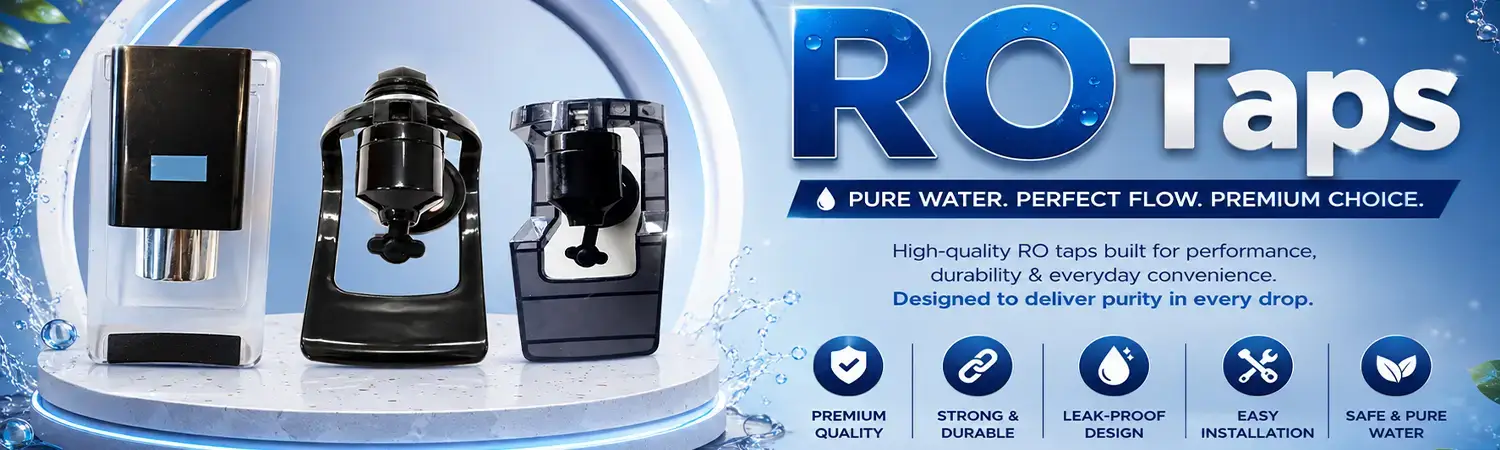

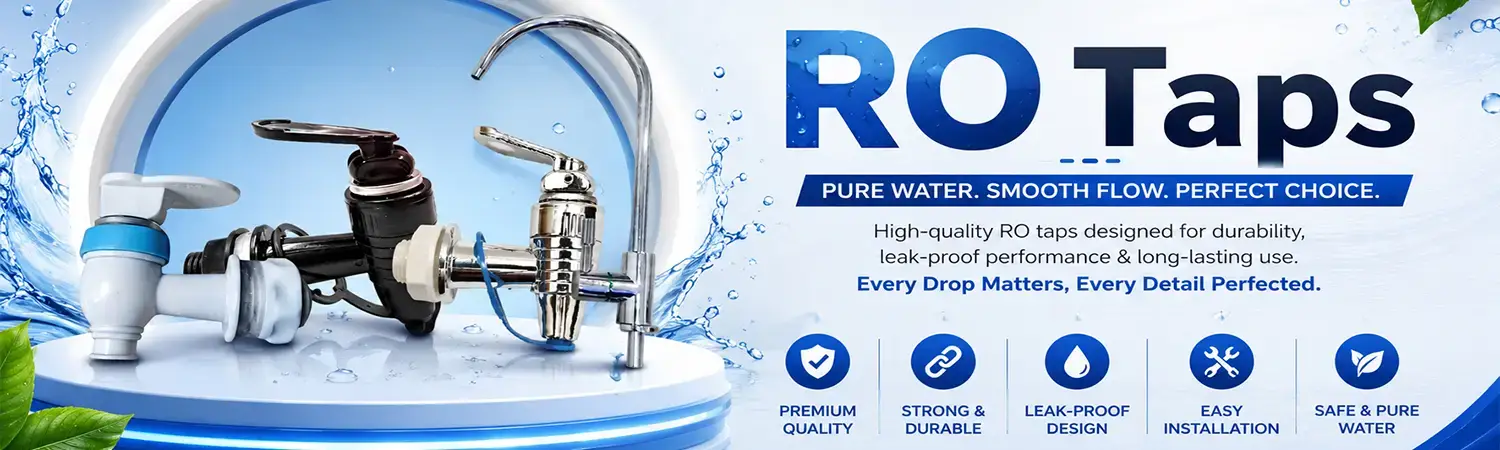
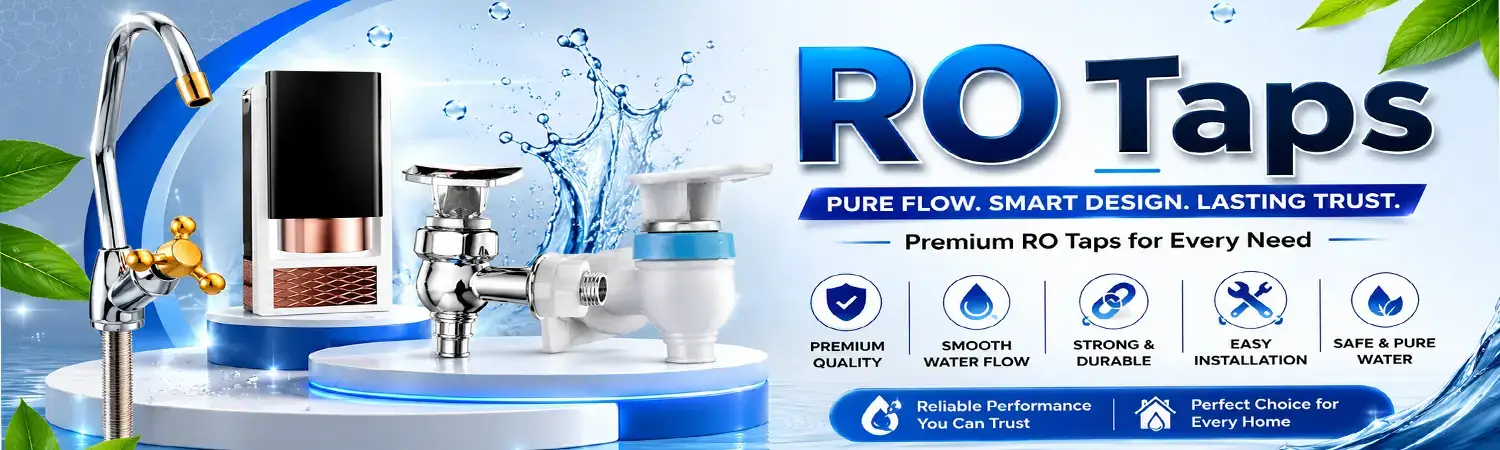
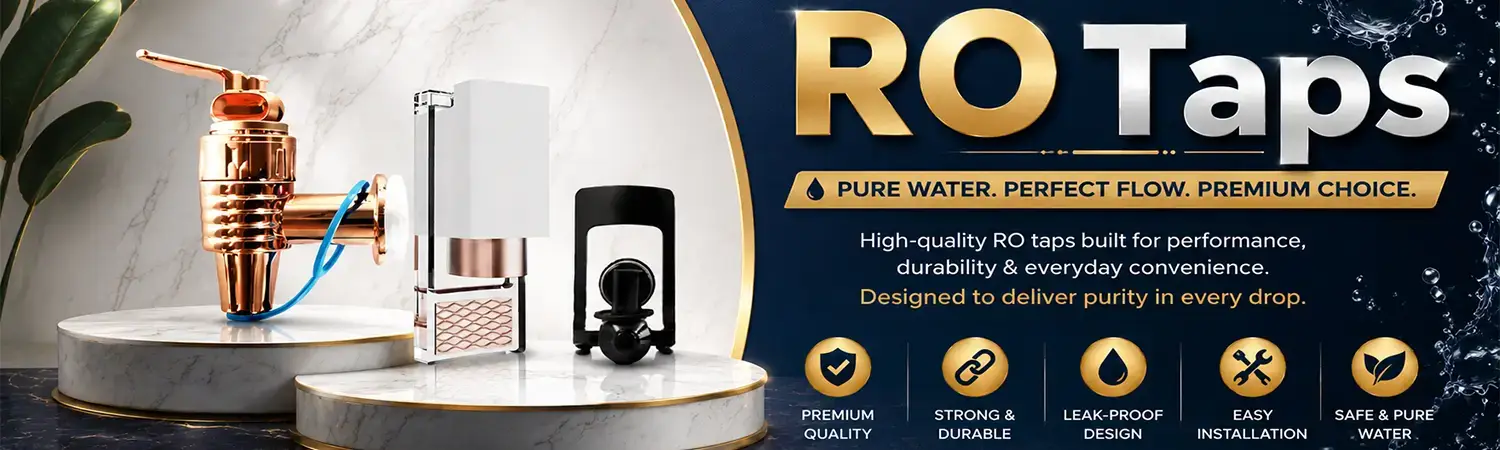
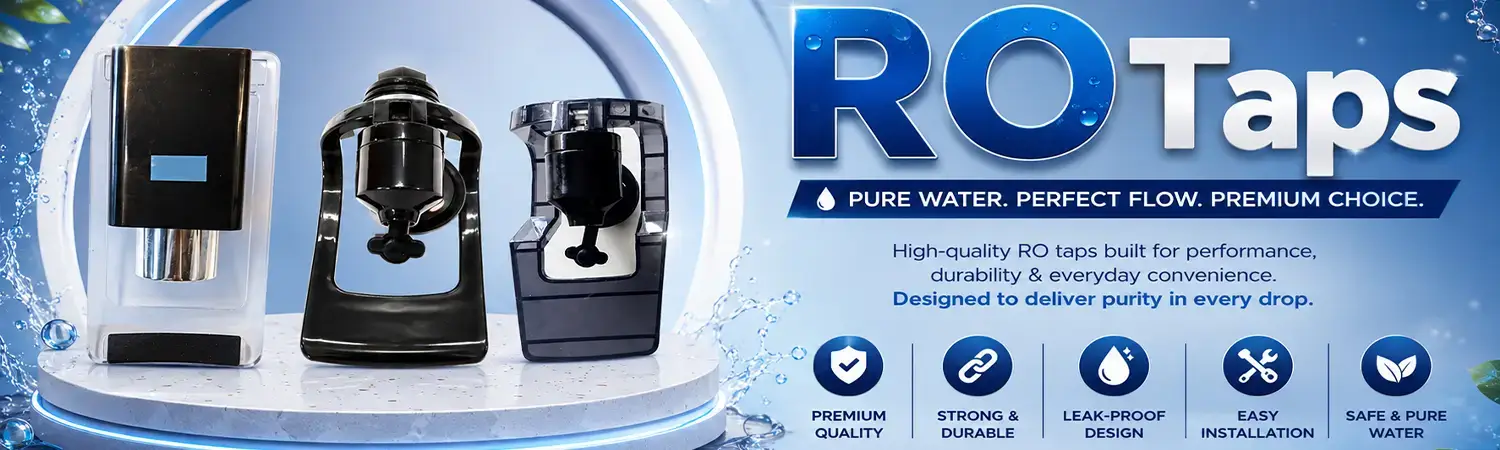
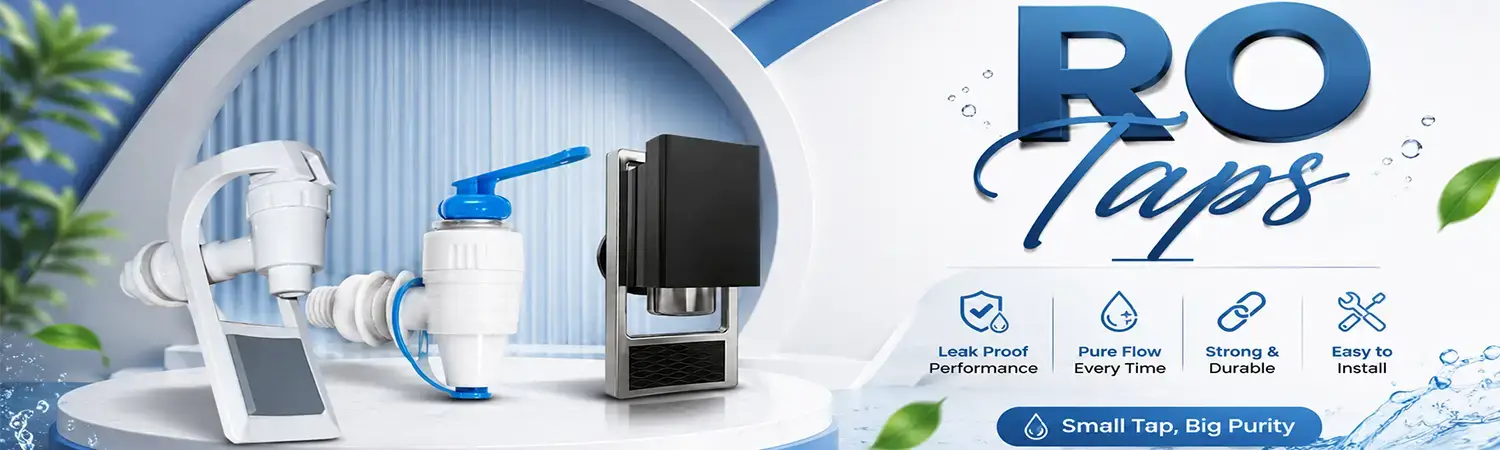
RO Taps Manufacturer in Delhi
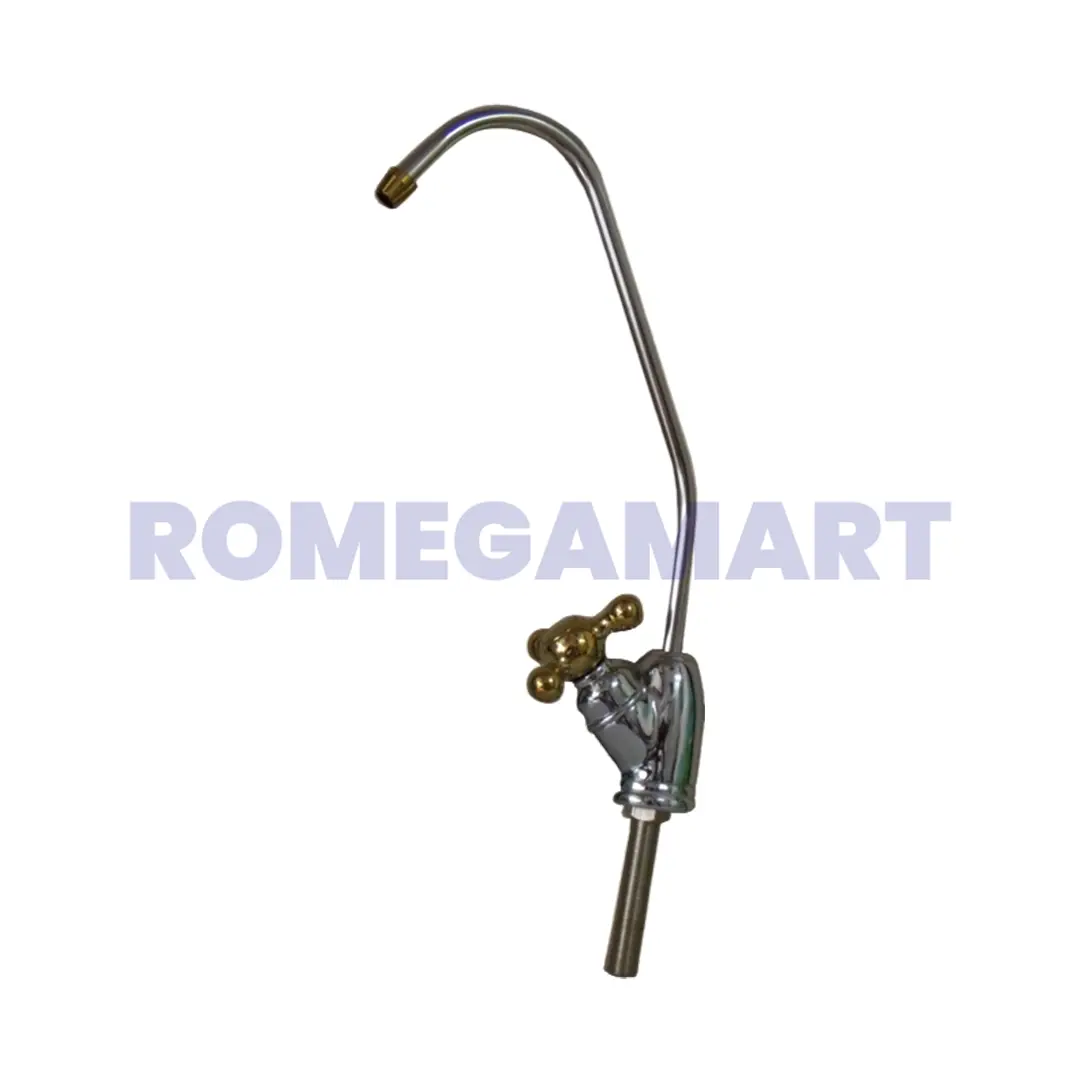
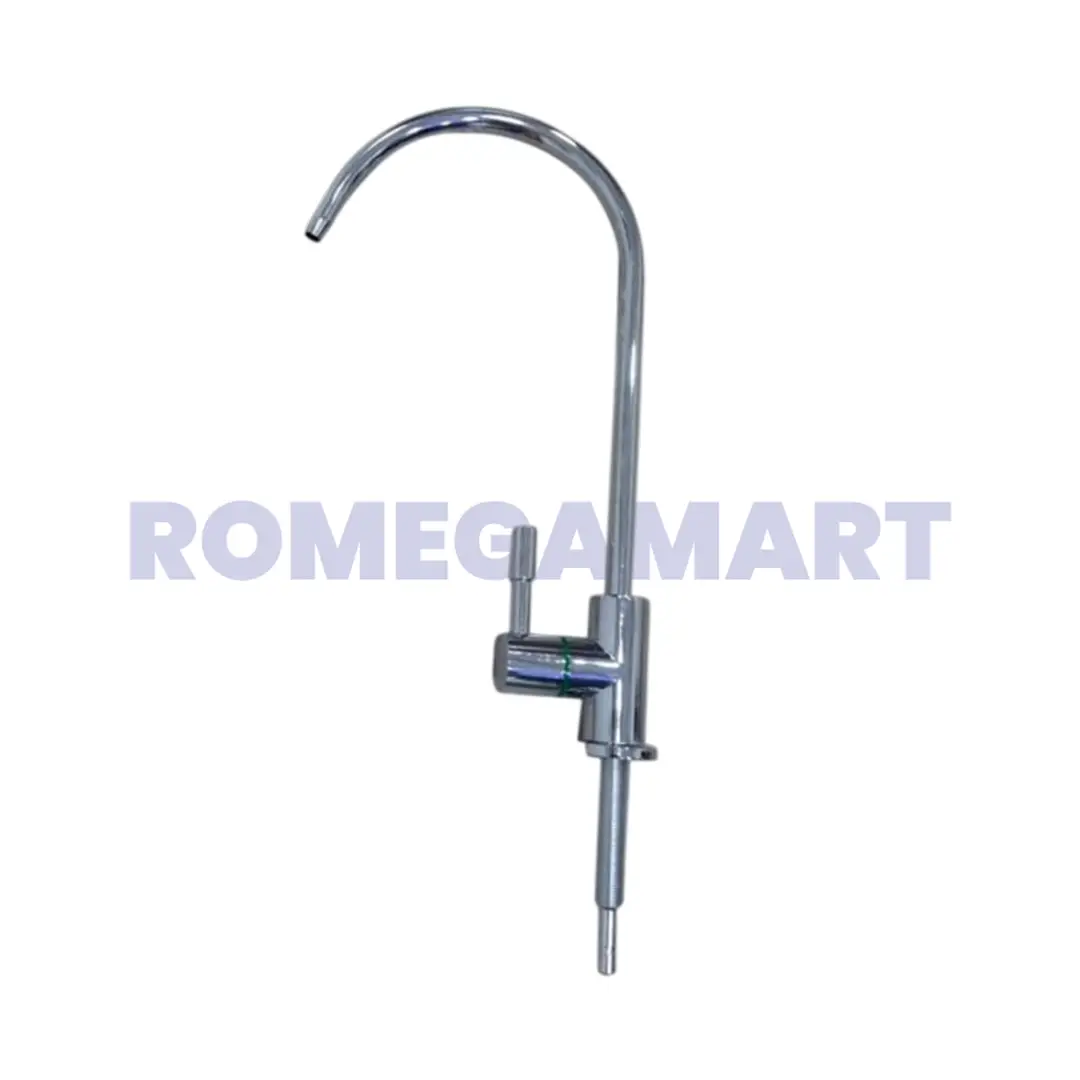





How the Right Water Outlet Improves Daily Usage and System Reliability
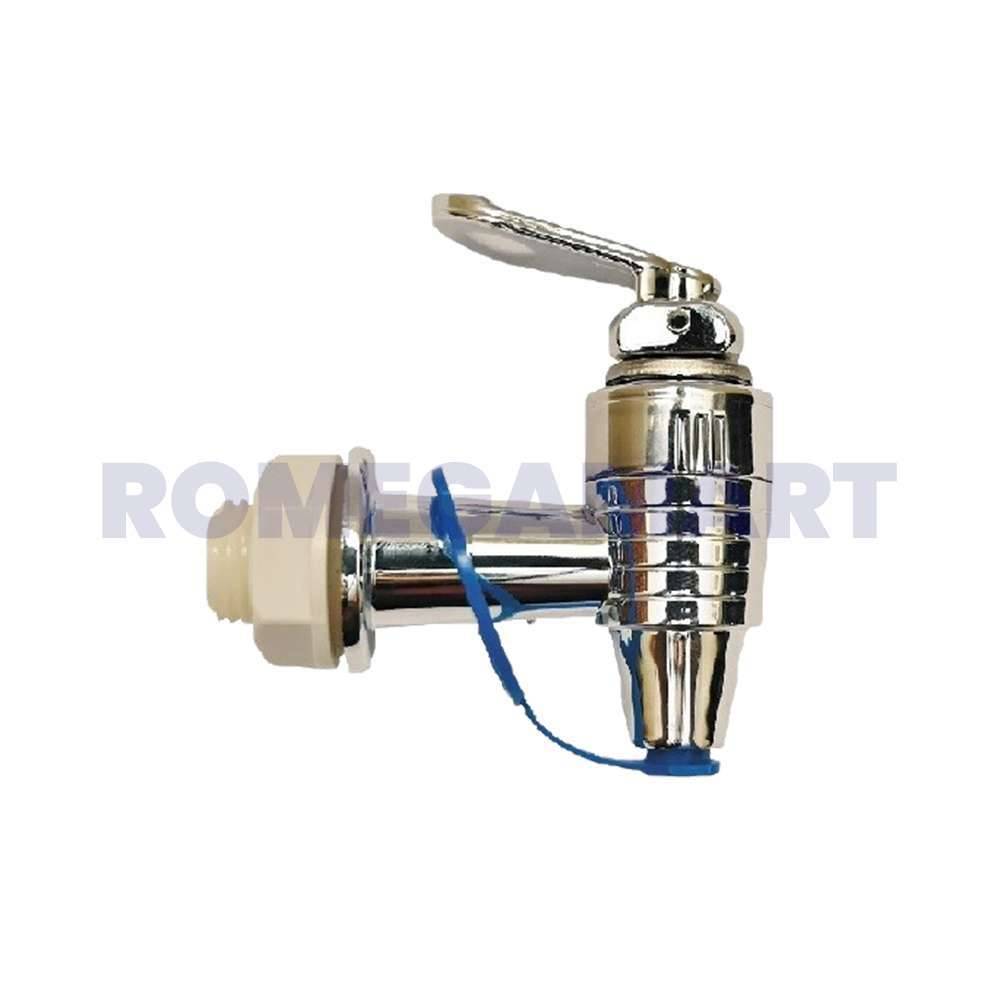
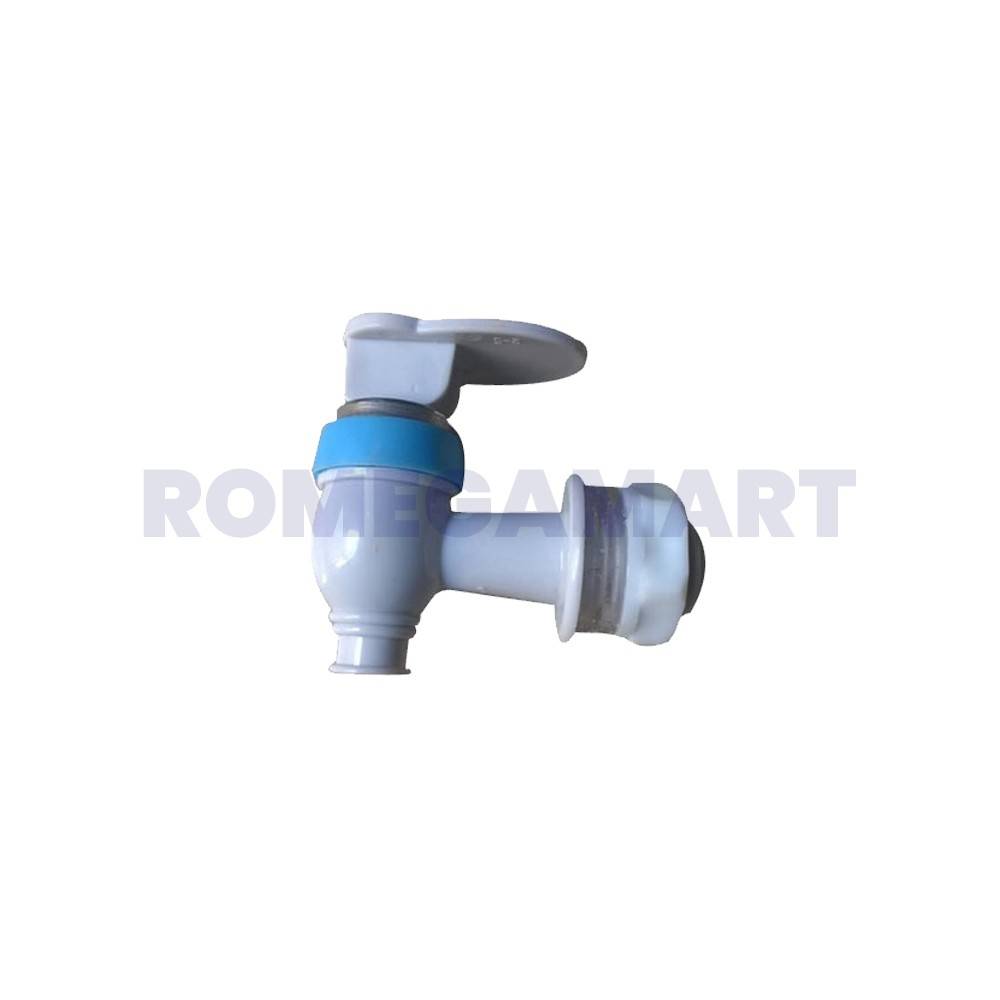
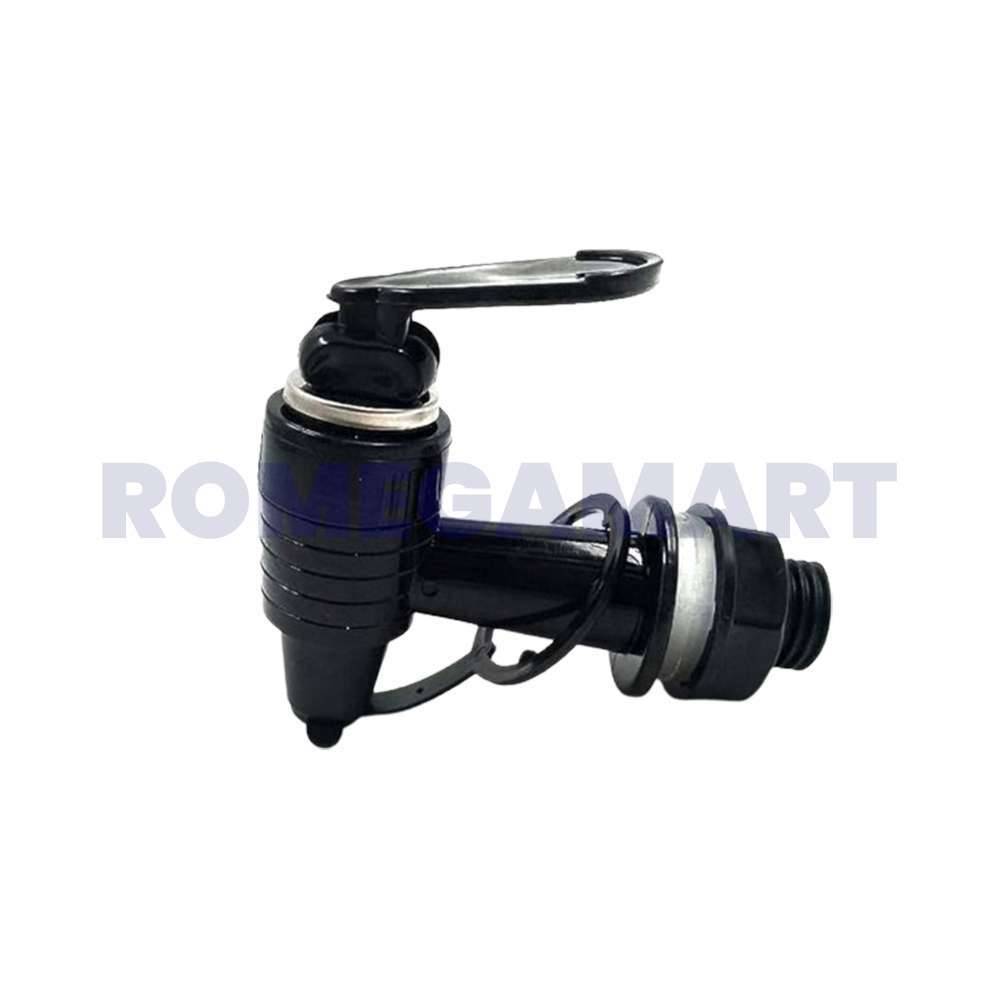
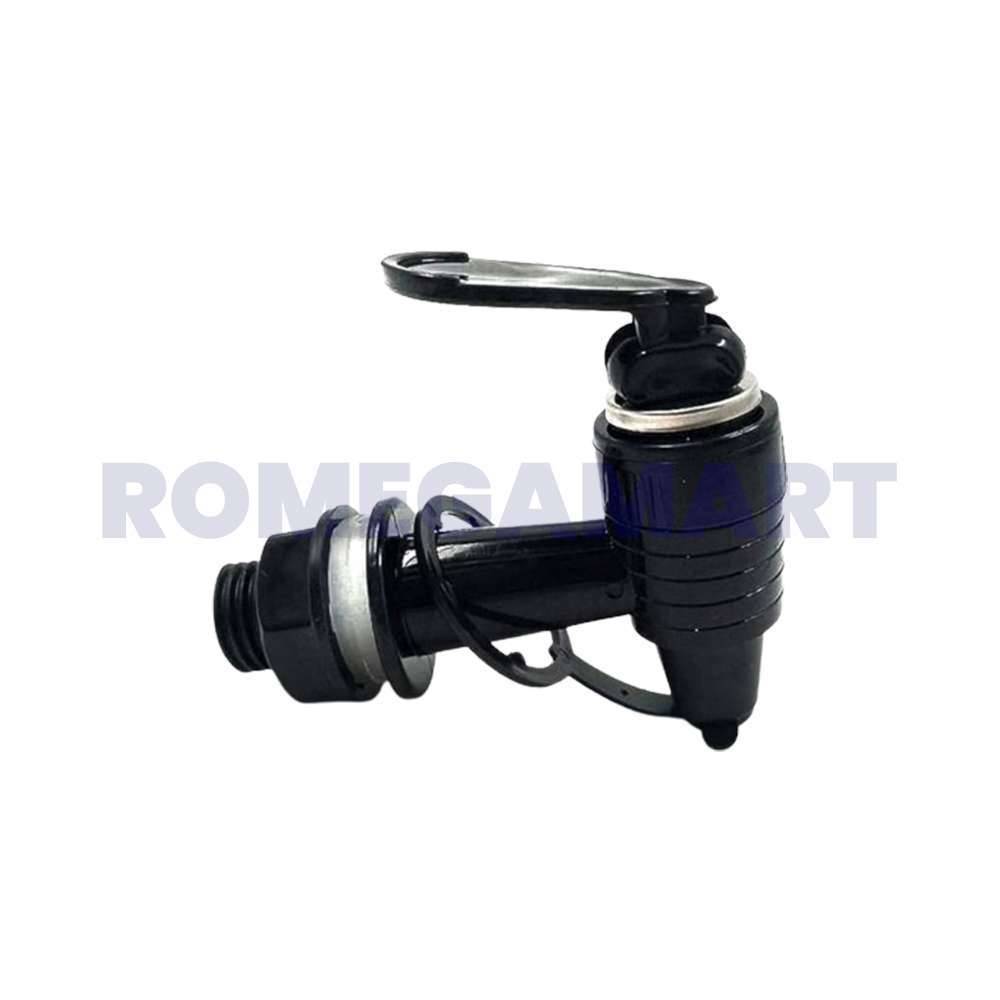
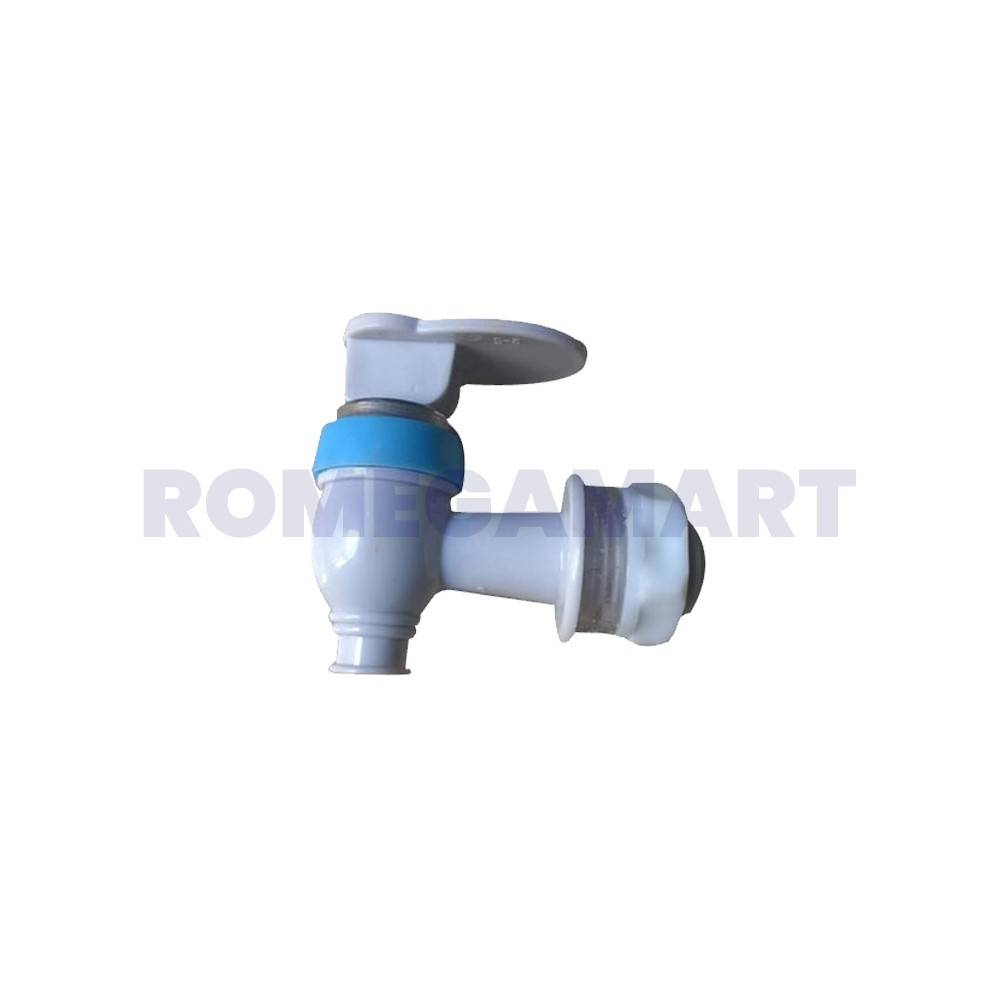
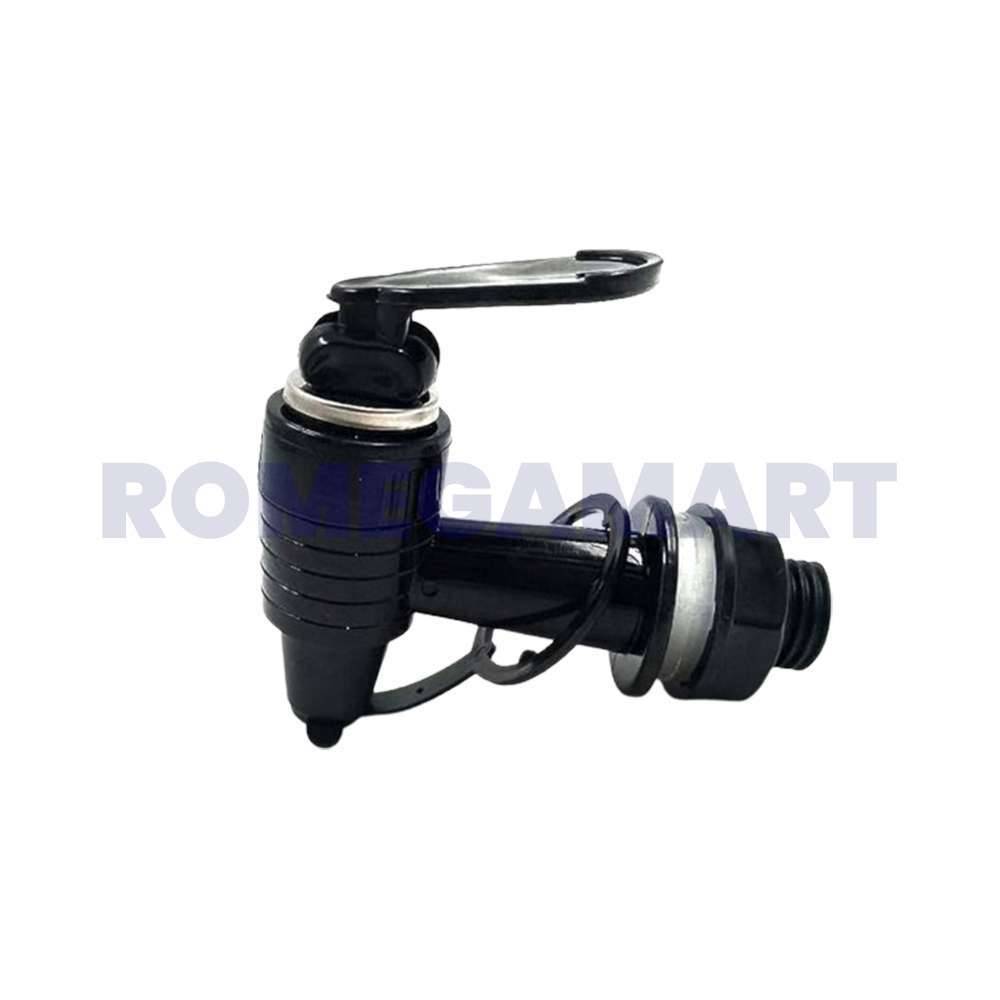
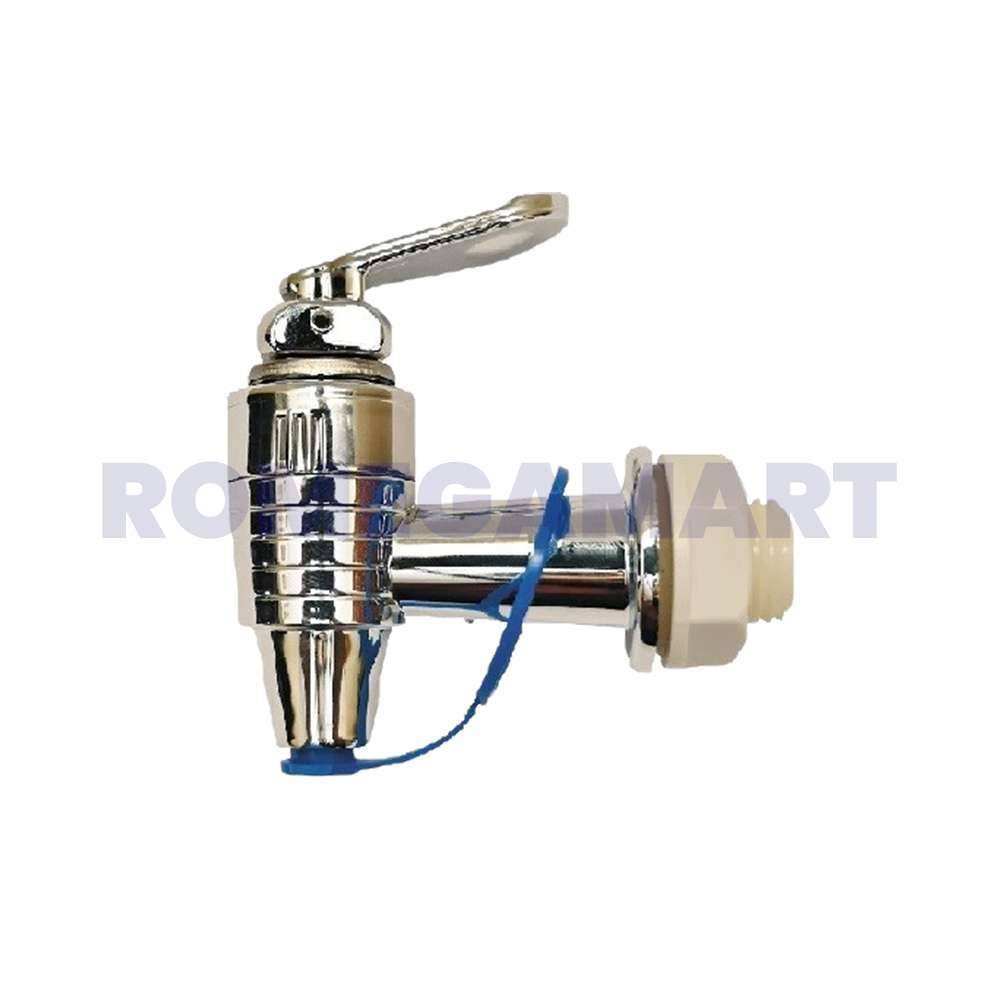
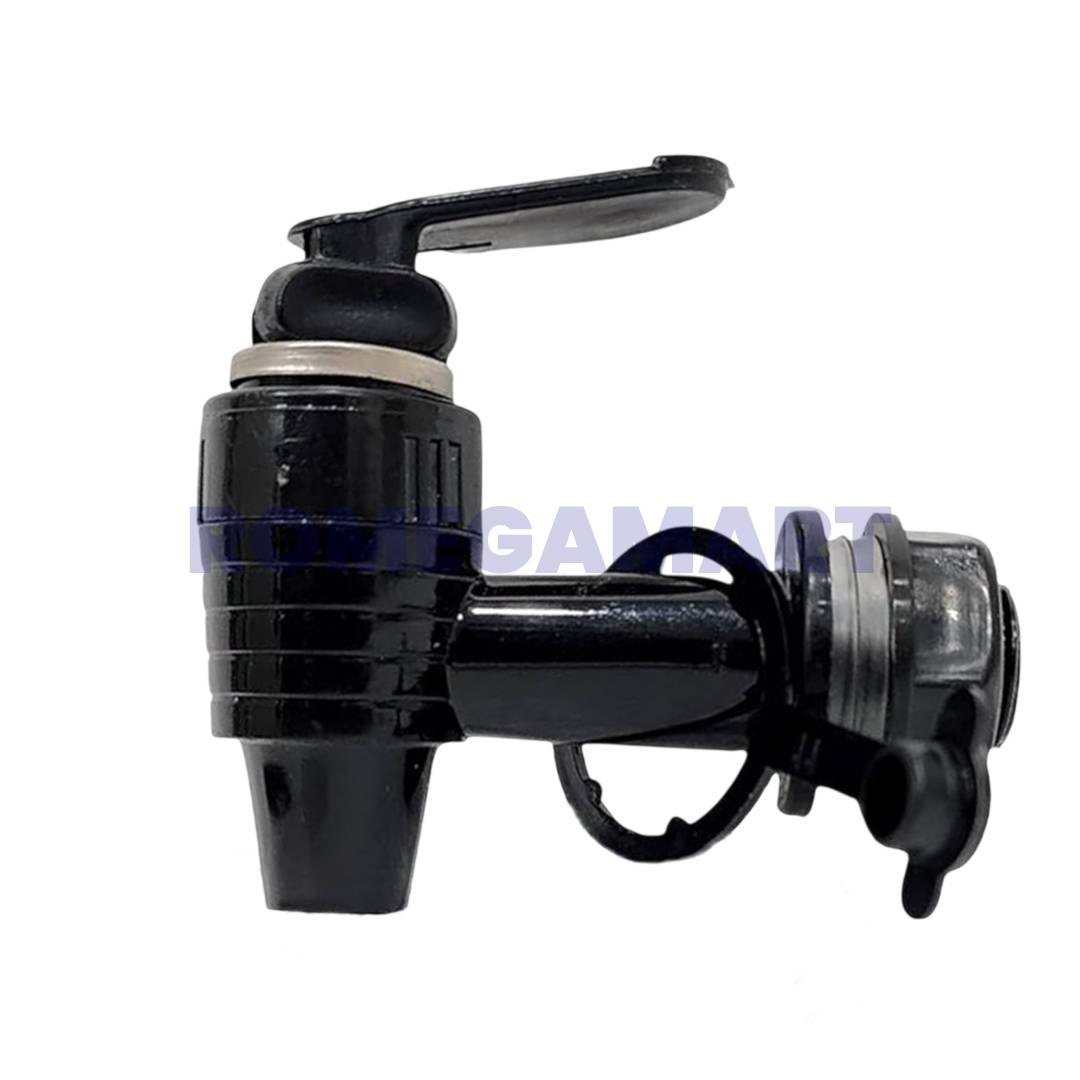
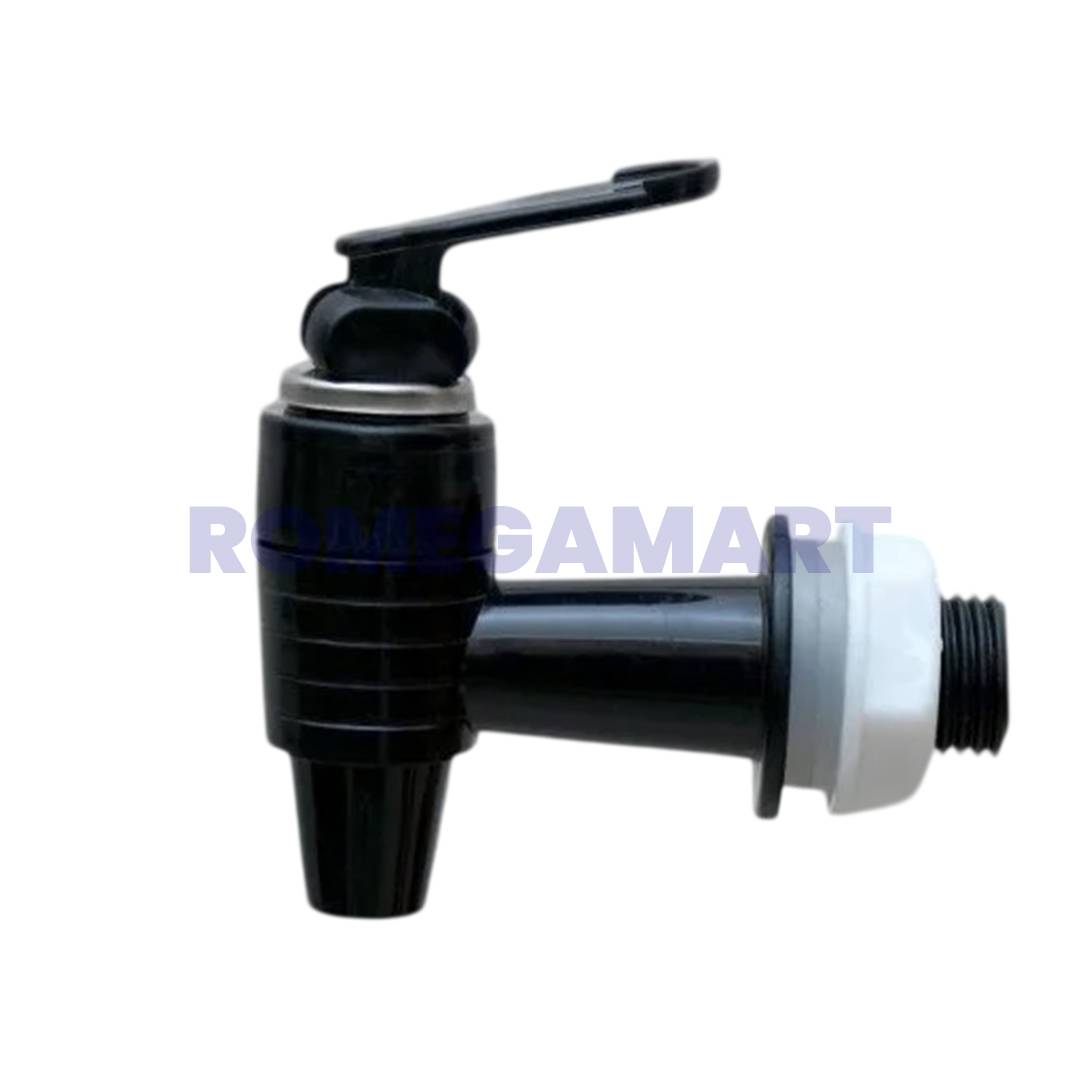
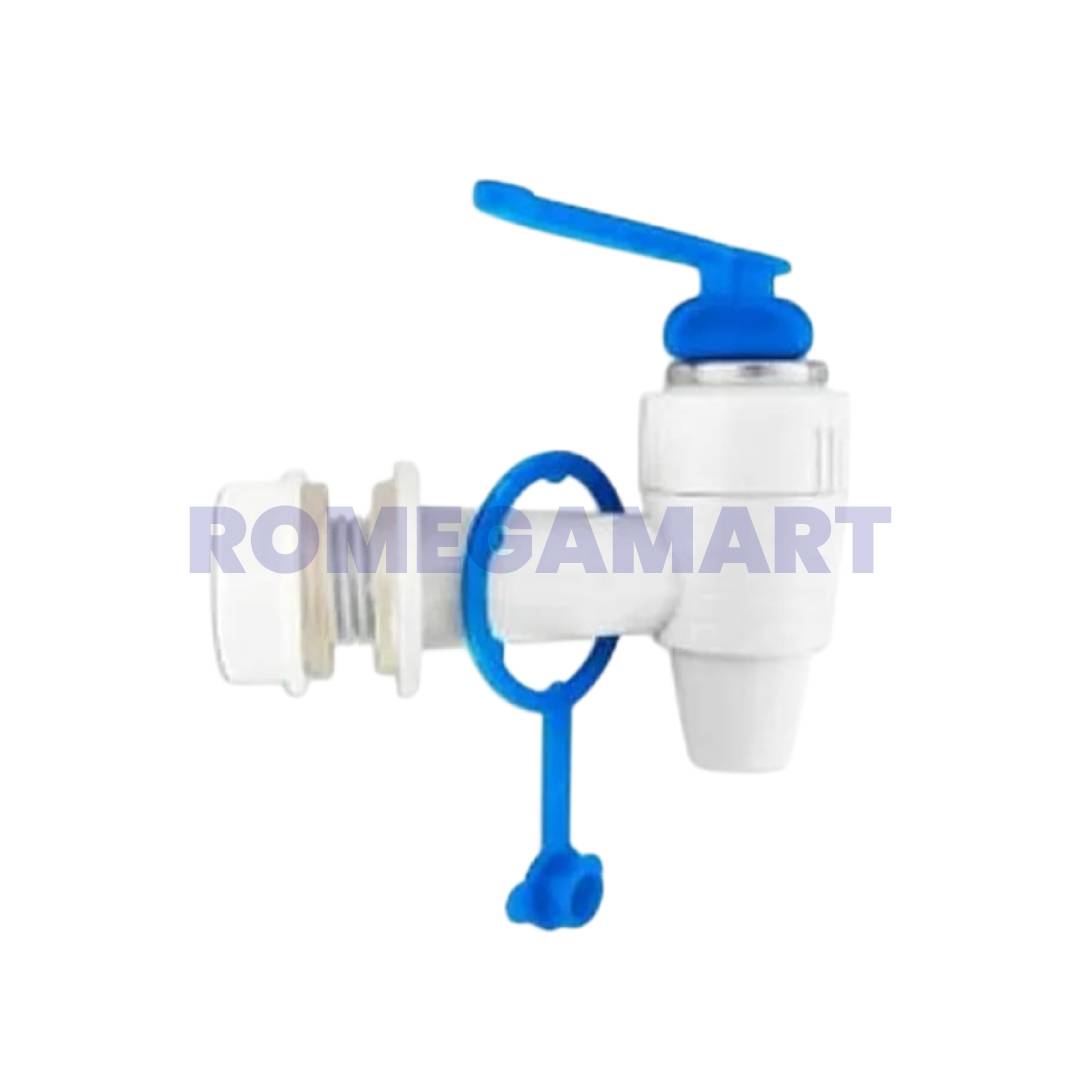
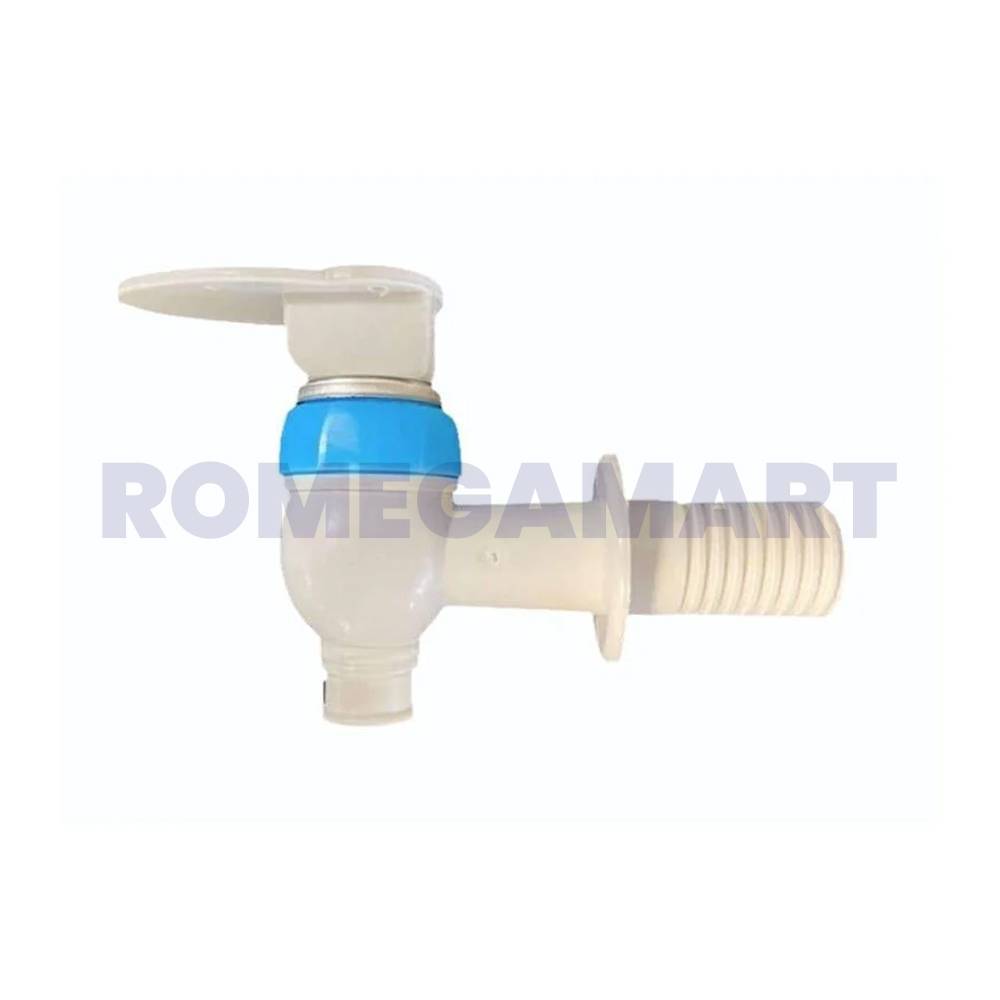
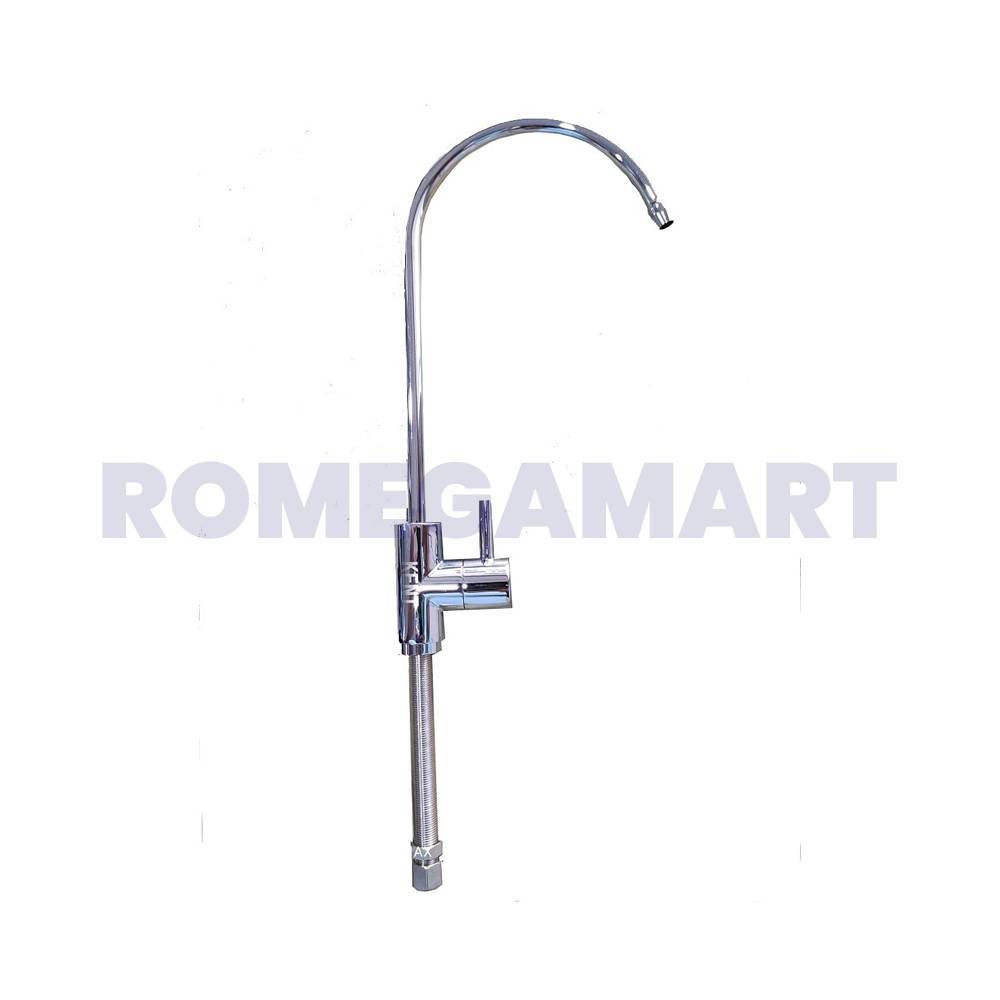
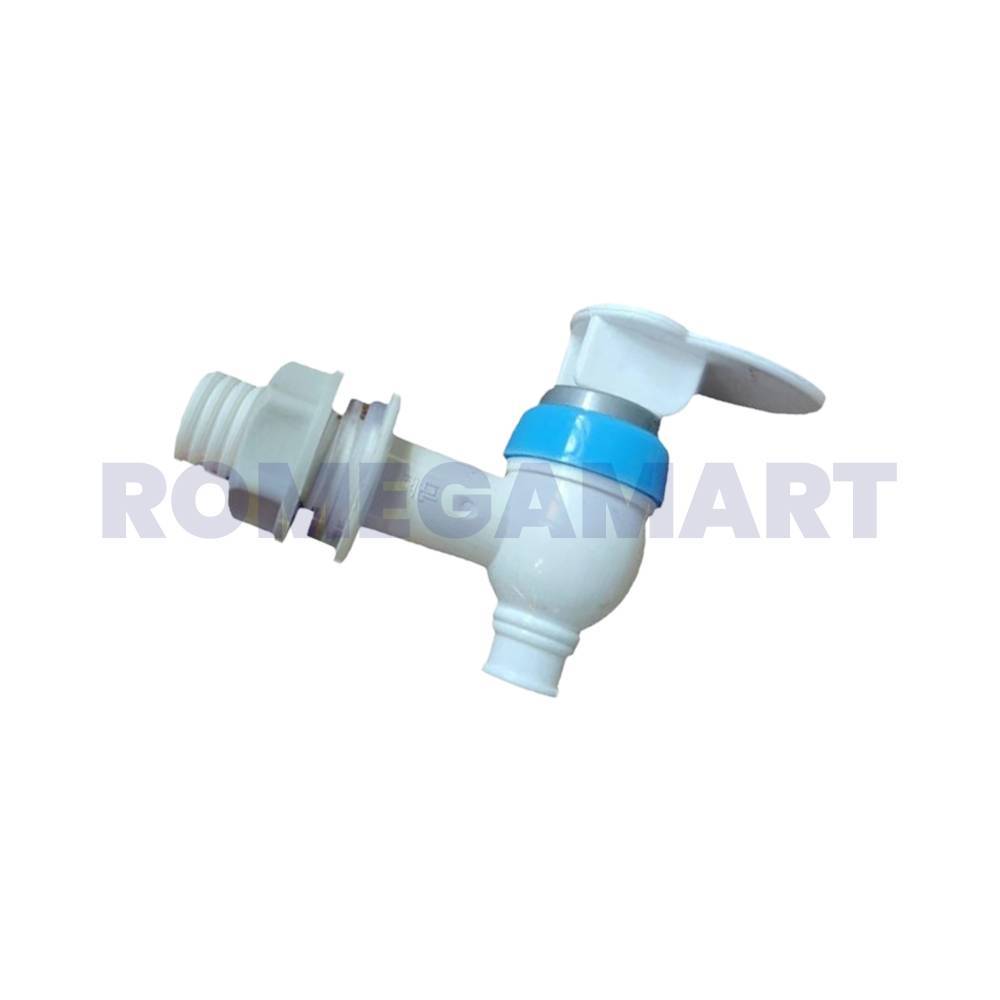
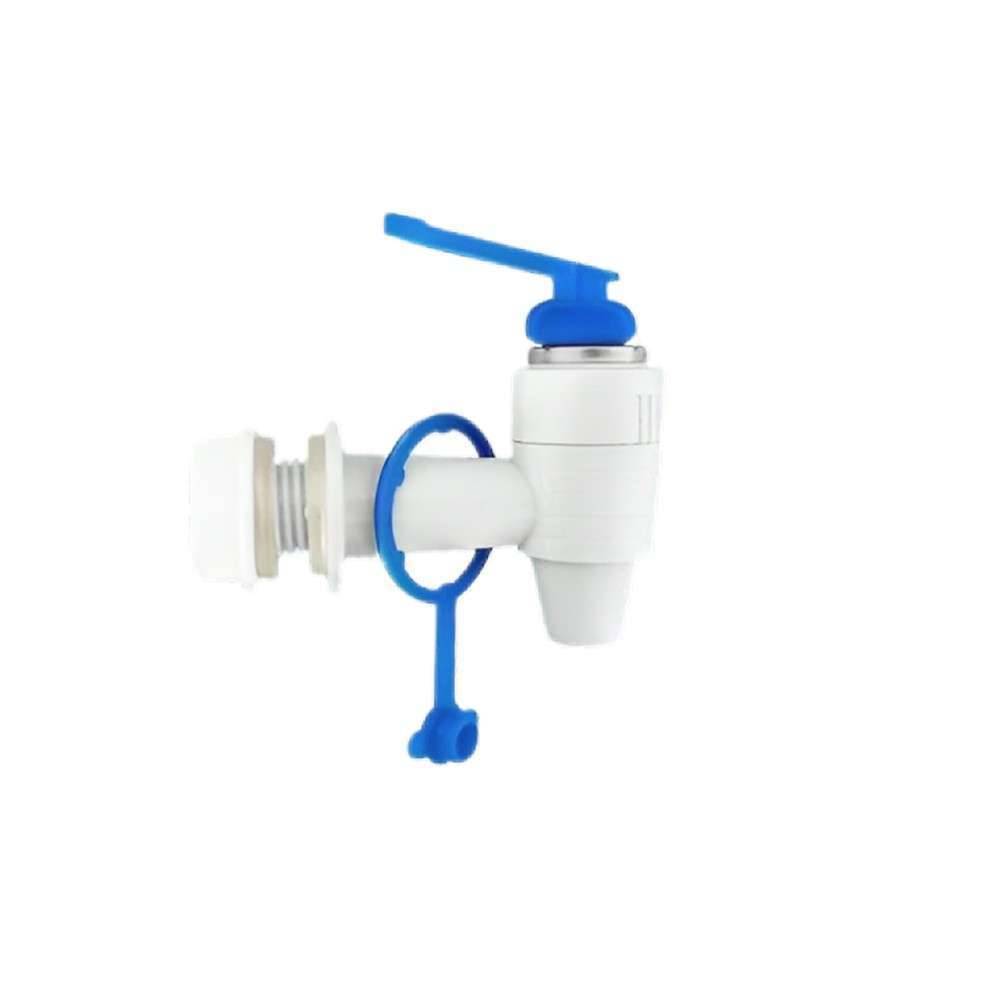
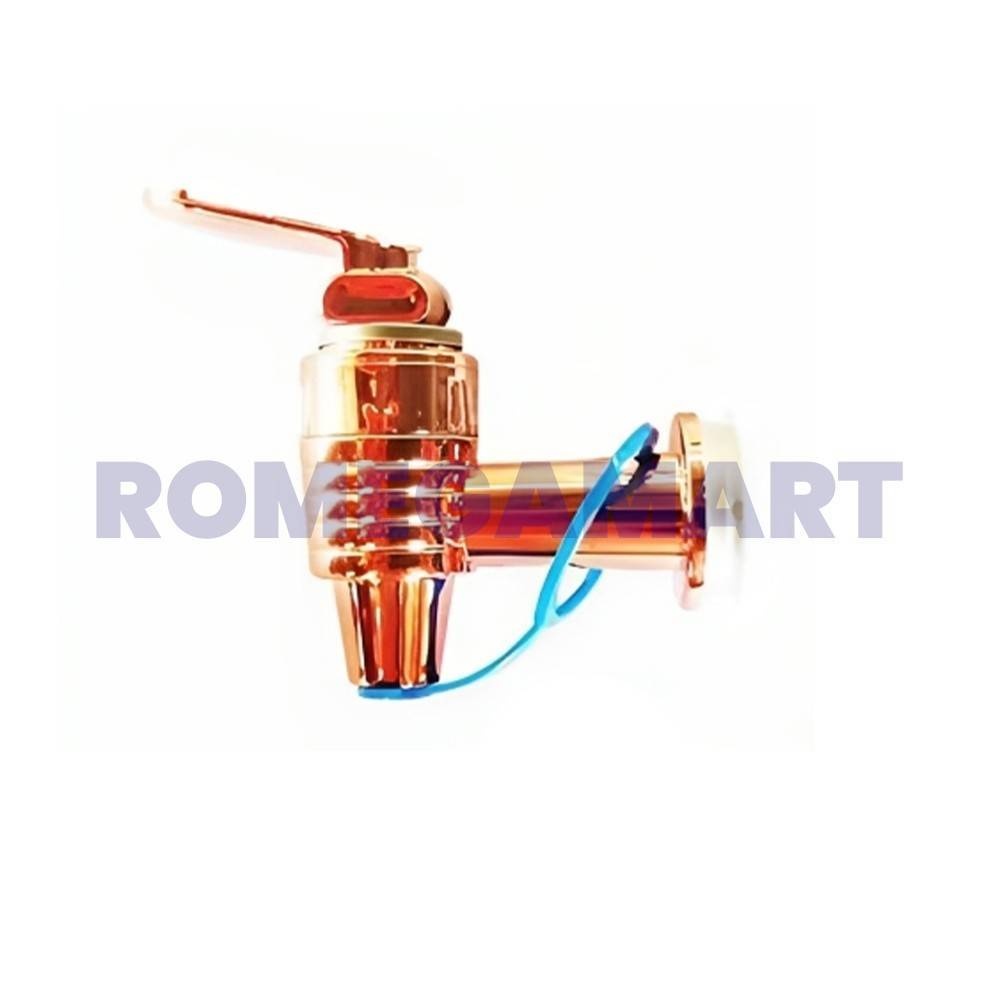
An RO tap is a dedicated outlet used in water purifiers to dispense filtered water safely. It ensures smooth flow, prevents leakage, and maintains hygiene, making it a critical component in domestic RO systems.
In a domestic water purifier setup, the most frequently used component is the dispensing outlet. Regardless of how advanced the filtration system is, the user experience ultimately depends on the performance of the RO tap.
A poorly manufactured tap leads to constant dripping, uneven flow, and frequent replacements—issues that directly affect customer satisfaction. For dealers and technicians, selecting a reliable RO tap for water purifier systems is essential to ensure long-term usability and reduce service complaints.
What Makes a Tap Reliable in Daily Use
Unlike internal components, a tap undergoes repeated manual operation every day. This makes durability and precision extremely important.
A high-quality RO water purifier tap ensures:
- Smooth opening and closing without stiffness
- Consistent water flow without splashing
- Zero leakage even after repeated use
- Comfortable handling for daily operation
These factors define whether a product will perform well in real household conditions.
Internal Build That Affects Performance
Most failures in a RO tap are not visible externally—they come from internal design flaws.
Valve Mechanism
The core of the tap controls how water flows. A well-designed valve ensures smooth operation and prevents sudden pressure release.
Sealing Components
Rubber seals and washers prevent leakage. Low-grade materials wear out quickly, causing dripping issues.
Flow Path Design
A properly designed internal channel ensures steady water flow without interruption.
For B2B buyers, sourcing from a trusted RO tap supplier ensures these internal components meet quality standards.
Material Selection Based on Usage
The material of the tap determines its durability and resistance to wear.
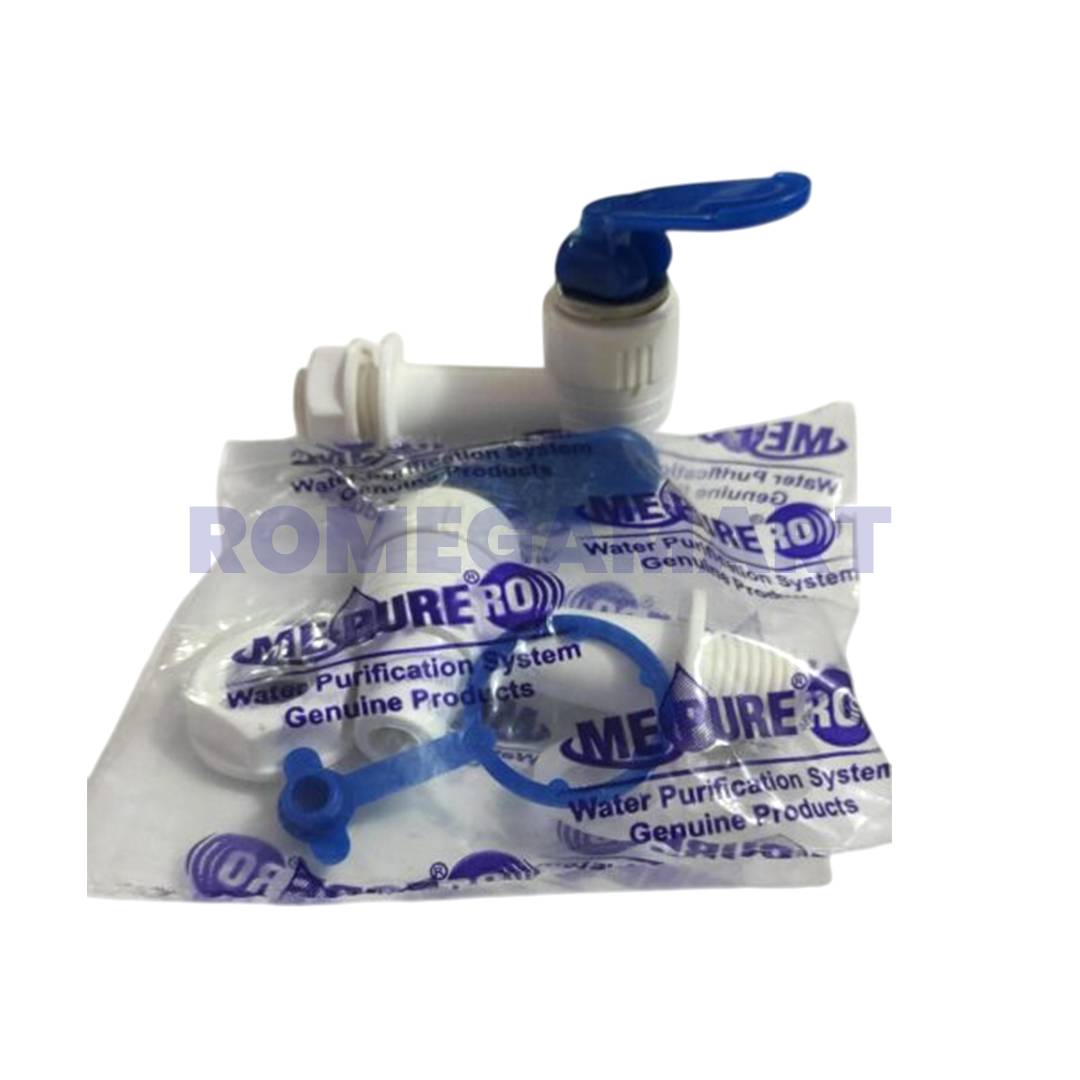
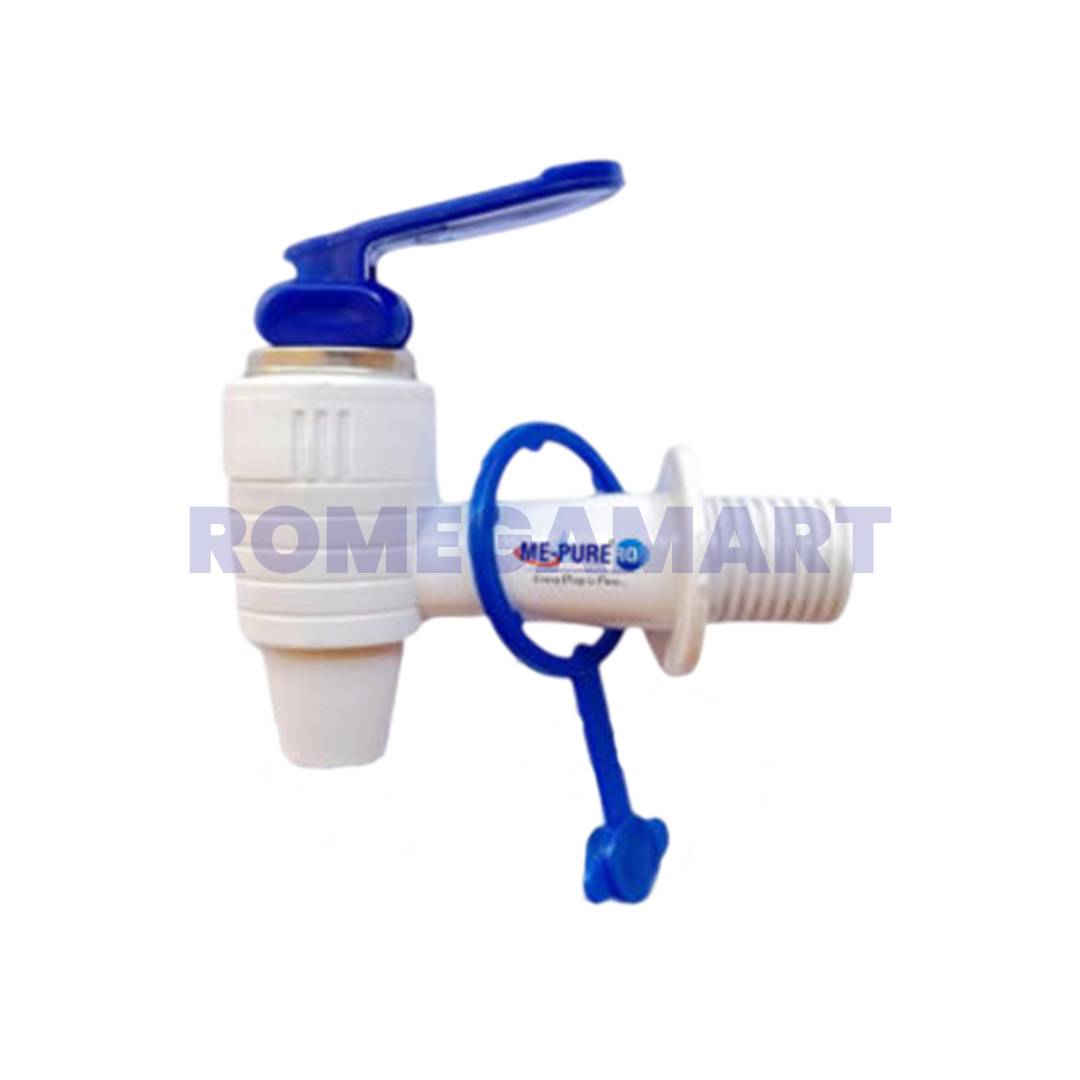
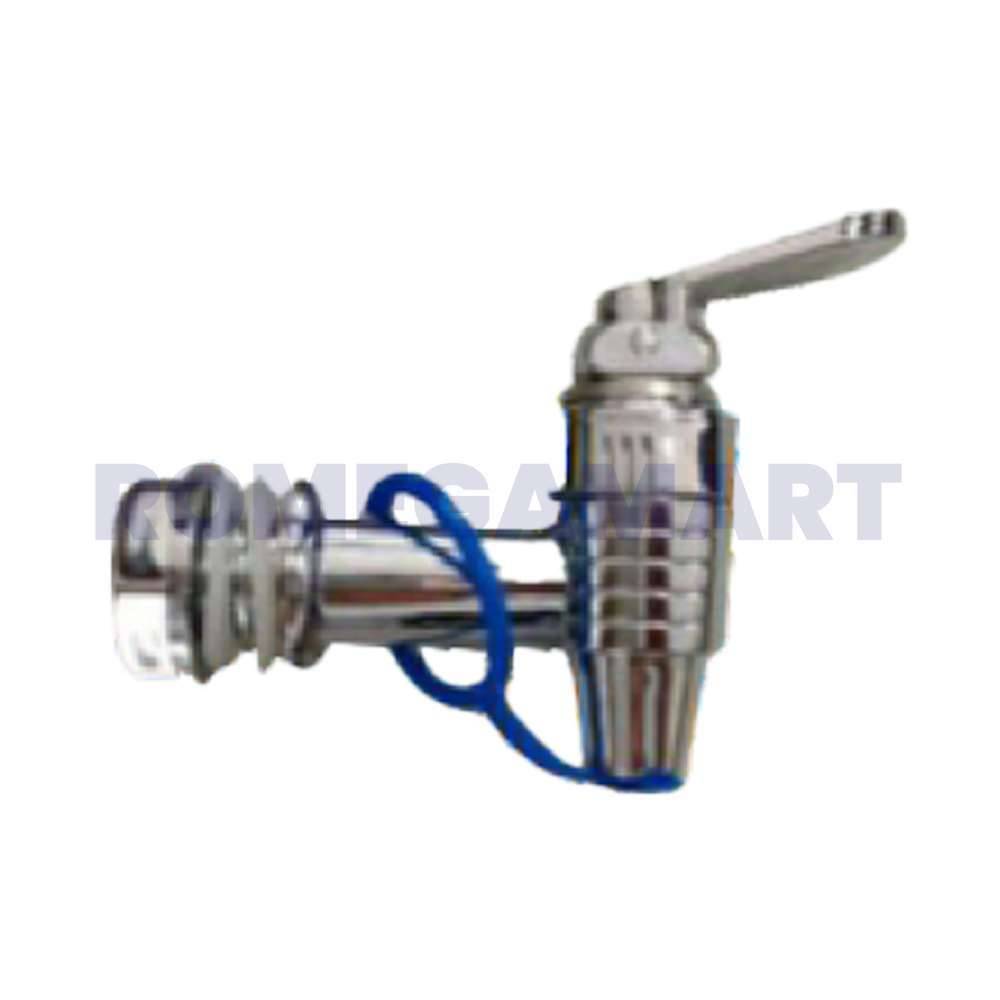
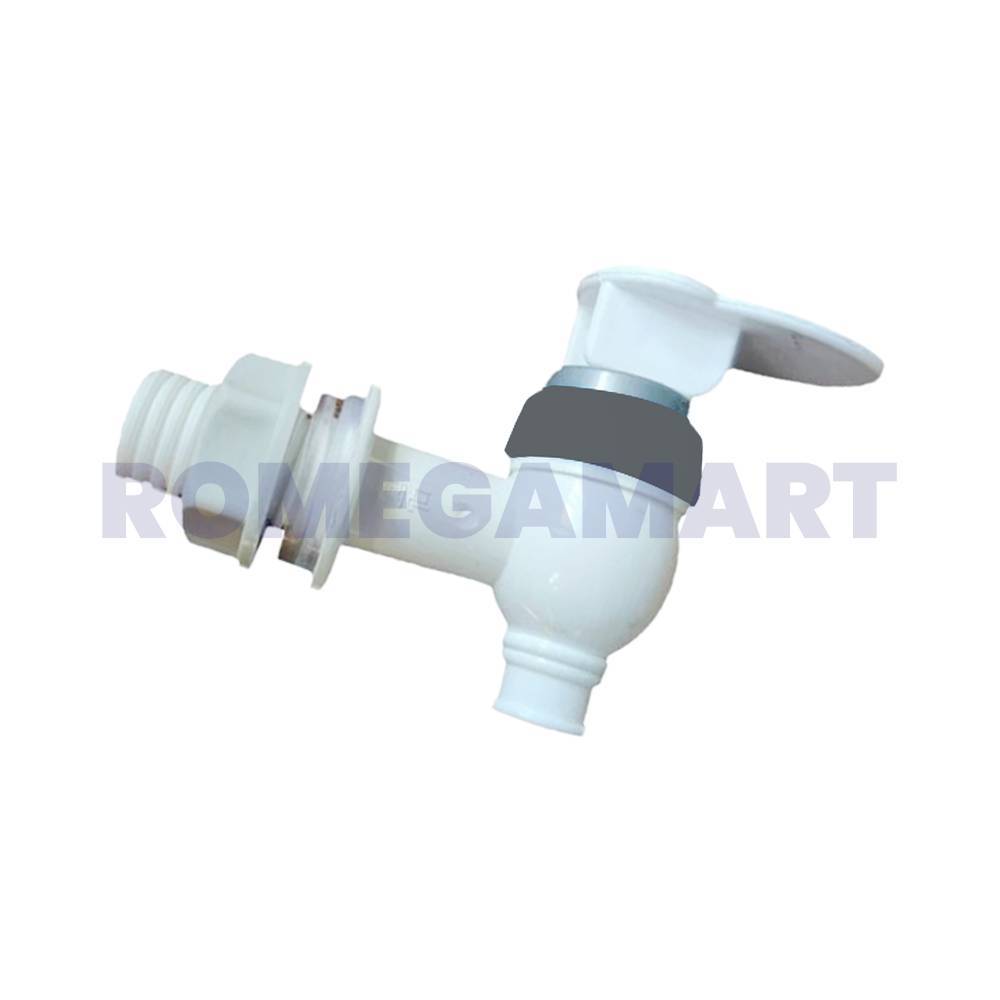
Plastic Taps
- Affordable
- Lightweight
- Suitable for high-volume sales
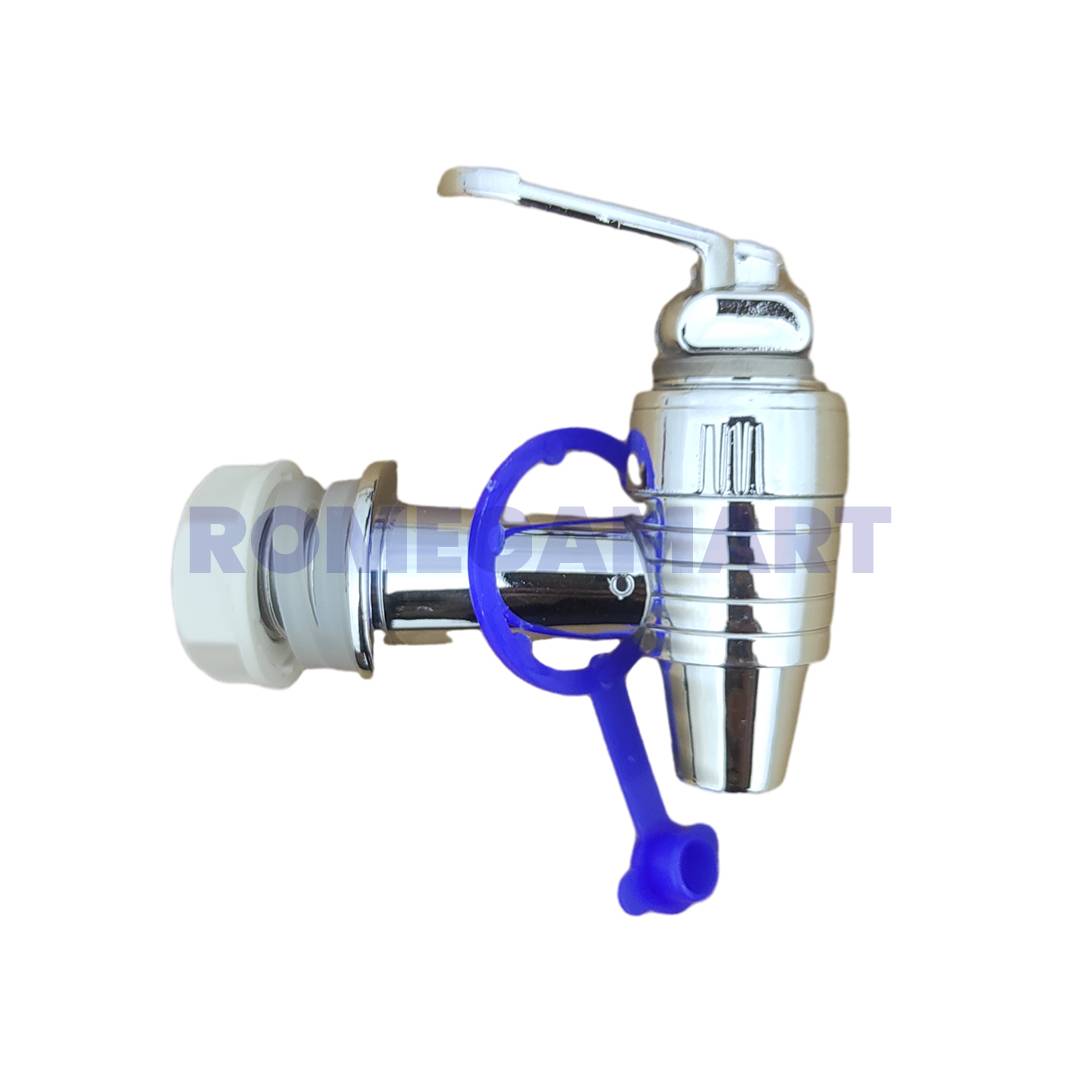
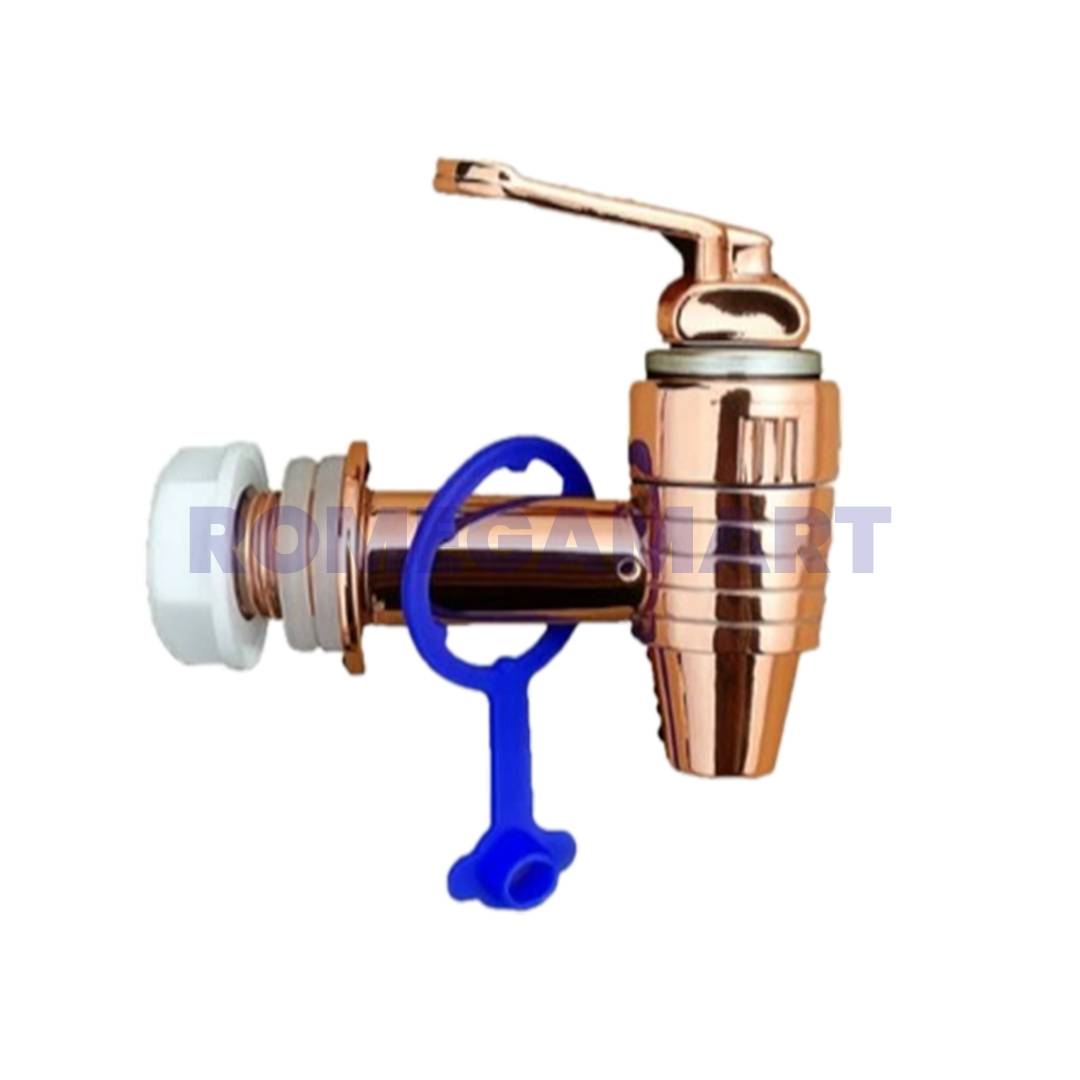
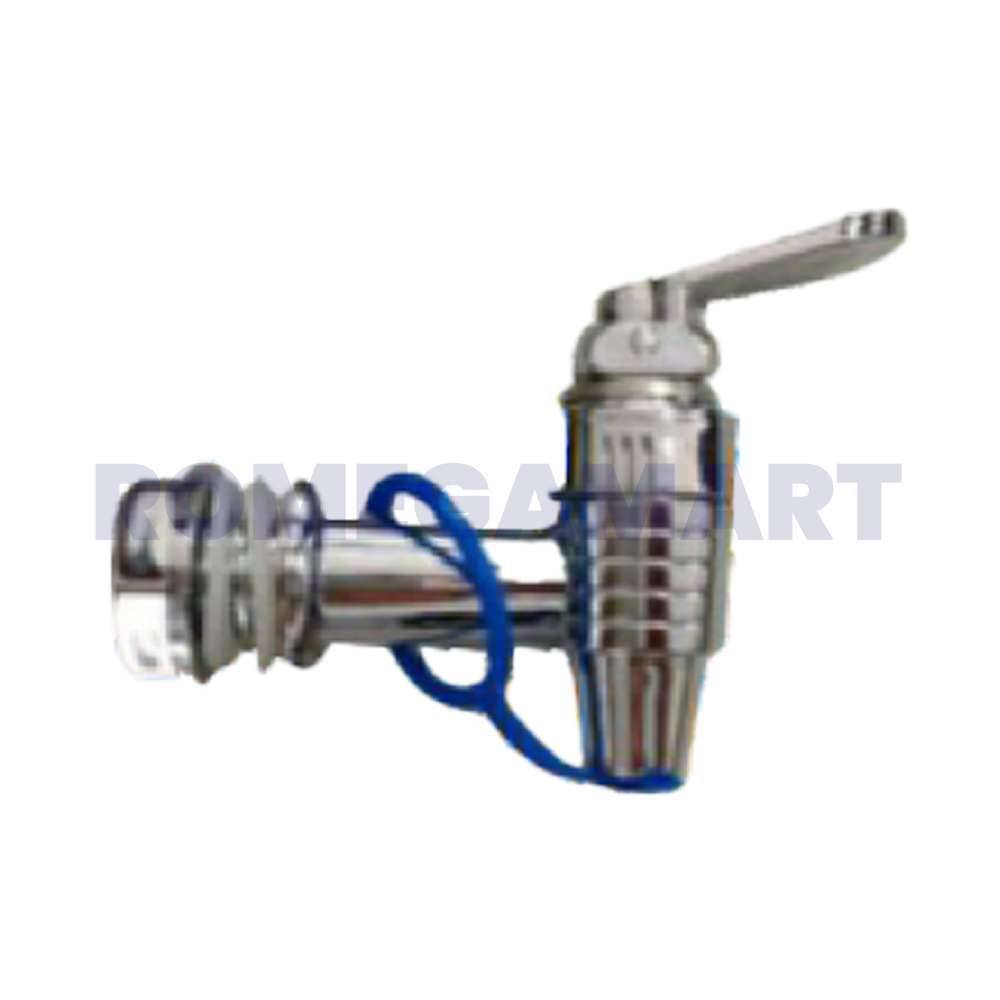
Metal Taps
- More durable
- Better for long-term use
- Preferred in premium installations
A good RO tap for water purifier must be corrosion-resistant and safe for drinking water applications.
Common Issues Observed in Low-Quality Products
From a practical standpoint, these are the most frequent problems:
- Continuous dripping after use
- Handle becoming loose or breaking
- Reduced water flow over time
- Leakage at connection points
Such issues increase service visits and reduce customer trust. Choosing a better RO water purifier tap helps avoid these problems completely.
Installation Factors That Matter
Ease of installation is a major concern for technicians.
A well-designed RO tap should:
- Fit standard hole sizes
- Include proper washers and fittings
- Allow tight and secure mounting
- Prevent leakage from joints
Poor fitting is one of the biggest reasons behind early failures.
Maintenance and Replacement Insights
Even high-quality taps require minimal care for long-term performance.
- Clean regularly to avoid dirt buildup
- Avoid applying excessive force
- Check for early signs of leakage
- Replace seals if needed
Timely maintenance ensures that the RO tap for water purifier continues to function efficiently.
Business Perspective for Dealers and Suppliers
This category is highly practical from a B2B standpoint.
High Rotation Product
Taps are frequently replaced, ensuring regular demand.
Low Investment, Good Returns
Affordable sourcing with strong resale potential.
Easy Inventory Management
Compact size and no special storage requirements.
Margin Optimization
Buying at competitive RO faucet price wholesale helps increase profitability.
Working with a reliable RO tap supplier ensures consistent quality and repeat orders.
How to Choose the Right Product for Bulk Selling
For bulk buyers, selection should be based on:
- Low complaint rate
- Strong build quality
- Smooth operation
- Competitive pricing
- Reliable supplier support
Balancing quality and RO faucet price wholesale is key to long-term success.
Market Demand Insights
As more households adopt water purifiers, the demand for replacement parts like the RO tap continues to grow.
Customers are becoming more quality-conscious, preferring:
- Leak-proof designs
- Durable materials
- Smooth functionality
This shift creates an opportunity for sellers to focus on better-quality products instead of just low-cost options.
FAQs
Q1. Why does an RO tap drip continuously?
Dripping is usually caused by worn-out internal seals or poor valve quality.
Q2. Are all taps compatible with every purifier?
Most RO tap for water purifier models are universal, but fitting size should always be verified.
Q3. Which type is better for long-term use?
Metal taps are generally more durable than plastic ones.
Q4. Is bulk buying beneficial for sellers?
Yes, purchasing at RO faucet price wholesale improves margins and ensures stock availability.
Q5. How to identify a good supplier?
A reliable RO tap supplier provides consistent quality, proper fittings, and low defect rates.
Conclusion
The RO tap is a critical user-facing component that directly impacts daily usability, hygiene, and customer satisfaction. A well-designed tap ensures smooth operation, prevents leakage, and reduces maintenance issues.
For dealers and distributors, focusing on quality rather than just price leads to fewer complaints, better customer retention, and higher long-term profitability. Choosing the right RO water purifier tap is not just a product decision—it’s a business advantage.