Ro TDS Meters Manufacturer in Delhi




How Accurate Water Testing Devices Influence System Performance and Customer Trust
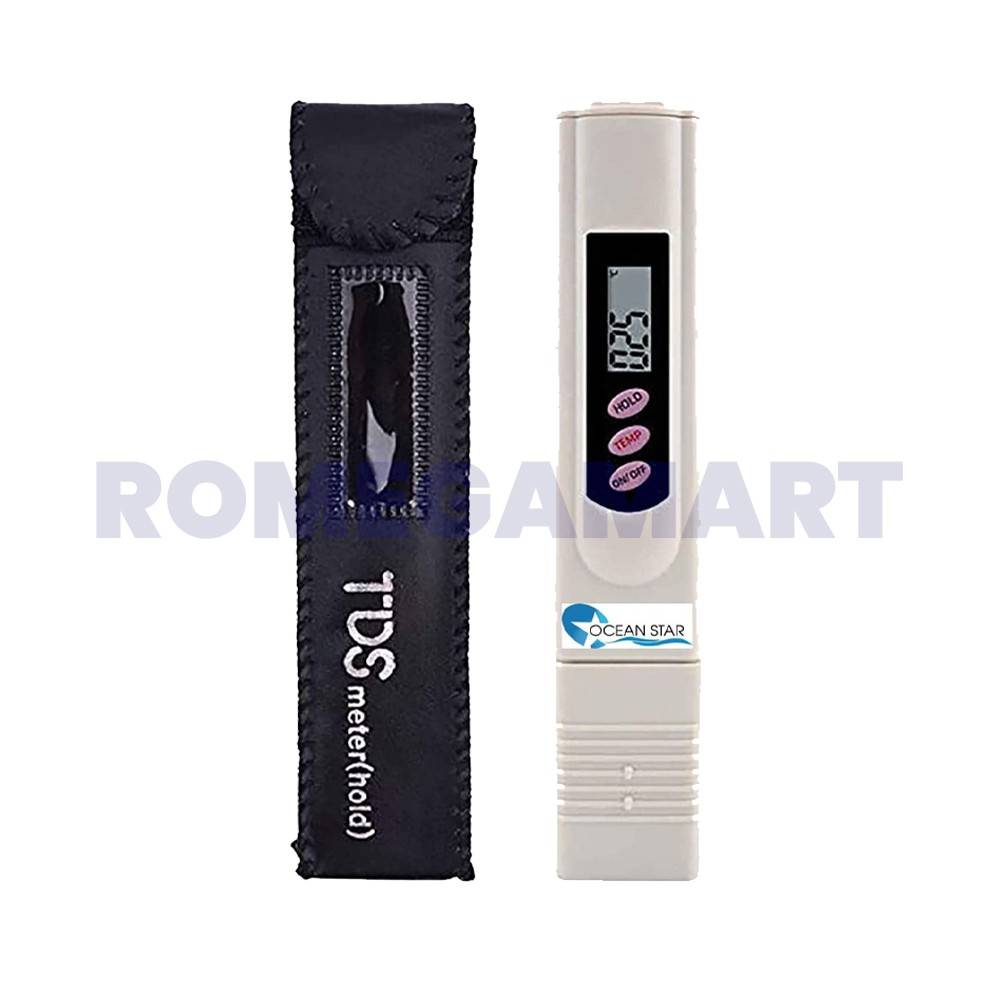
A TDS meter is a digital device used to measure the total dissolved solids in water, indicating its purity level. It is widely used in RO systems, water testing, and maintenance to ensure safe and effective filtration performance.
Water quality is not something that can be judged visually. Clear water can still contain high levels of dissolved impurities, making accurate testing essential. This is where a TDS meter becomes one of the most important tools in the water purification industry.
For technicians, dealers, and service providers, a digital TDS meter for water is not just a testing device—it is a decision-making tool. It helps determine filter performance, diagnose system issues, and validate water purity for customers.
What TDS Measurement Actually Indicates
TDS (Total Dissolved Solids) refers to the concentration of dissolved substances in water, including:
- Salts
- Minerals
- Metals
- Organic matter
A TDS meter for RO water testing provides a numerical reading (in ppm), which helps assess whether water is safe for drinking or requires further purification.
Why This Device Is Essential in RO Systems
In real-world usage, every RO system needs regular monitoring. Without testing, there is no way to confirm whether the system is performing correctly.
A reliable TDS meter helps in:
- Checking input (raw water) quality
- Measuring output (purified water) quality
- Identifying membrane performance
- Detecting system faults early
This makes it an essential tool for both installation and maintenance.
How a Digital TDS Meter Works
A digital TDS meter for water operates using electrical conductivity.
- Water conducts electricity based on dissolved solids
- The device measures conductivity
- It converts this into a TDS value (ppm)
Higher readings indicate higher impurity levels, while lower readings suggest better water purity.
Types of TDS Meters Available
Different types are available based on usage and accuracy requirements.
Handheld Digital Meters
Most commonly used in domestic and field applications.
Pen-Type Meters
Compact and easy to carry, ideal for technicians.
Inline TDS Meters
Installed directly in RO systems for continuous monitoring.
Advanced Multi-Parameter Devices
Used in laboratories for detailed analysis.
A reliable TDS meter supplier typically offers multiple variants depending on business needs.
Accuracy Factors That Most Buyers Ignore
Not all devices provide the same level of accuracy. Key factors include:
Calibration
Regular calibration ensures consistent readings.
Temperature Compensation
Water temperature affects conductivity, so automatic adjustment improves accuracy.
Sensor Quality
Better sensors provide stable and reliable results.
Choosing a high-quality TDS meter for RO water testing ensures dependable readings and better decision-making.
Common Mistakes in Usage
Even a good device can give wrong readings if used incorrectly.
- Not cleaning the probe before use
- Measuring immediately after switching on
- Ignoring calibration
- Testing stagnant water
Proper usage ensures that the TDS meter delivers accurate and useful data.
Maintenance and Care Guidelines
To extend the life of a digital TDS meter for water:
- Rinse the probe after every use
- Store in a dry environment
- Avoid dropping or physical damage
- Replace batteries on time
Regular care ensures long-term reliability.
Practical Use Cases in the Field
A TDS meter is used daily in multiple scenarios:
- RO installation and commissioning
- Routine maintenance checks
- Customer demonstrations
- Water quality verification
It is one of the few tools that directly connects technical performance with customer understanding.
Business Value for Dealers and Distributors
From a B2B perspective, this category offers strong advantages.
High Demand Product
Used by technicians, labs, and even end users.
Repeat Sales
Devices need replacement over time.
Low Storage Requirement
Compact and easy to handle.
Profit Margins
Sourcing at competitive water TDS tester price wholesale improves profitability.
Partnering with a reliable TDS meter supplier ensures consistent quality and customer satisfaction.
How to Choose the Right Product for Bulk Selling
Smart buyers evaluate:
- Accuracy level
- Build quality
- Battery life
- Ease of use
- Price vs reliability
Balancing quality and water TDS tester price wholesale is key to long-term business success.
Market Trends and Demand Growth
With rising awareness about water quality, more people are testing their drinking water regularly. This has increased demand for:
- Portable testing devices
- Easy-to-use digital meters
- Affordable yet accurate solutions
This trend makes the TDS meter a fast-moving and scalable product category.
FAQs
Q1. What is a TDS meter used for?
A TDS meter measures dissolved solids in water to indicate its purity level.
Q2. What is a good TDS level for drinking water?
Typically, 50–150 ppm is considered acceptable for drinking after RO purification.
Q3. Can a TDS meter detect bacteria?
No, it only measures dissolved solids, not biological contaminants.
Q4. Why is calibration important?
Calibration ensures accurate readings in a TDS meter for RO water testing.
Q5. Is bulk buying beneficial for sellers?
Yes, buying at water TDS tester price wholesale increases margins and ensures stock availability.
Conclusion
A TDS meter is not just a testing device—it is a critical tool for ensuring water quality, system performance, and customer confidence. Whether used for installation, maintenance, or demonstration, it plays a key role in the water purification process.
For dealers and distributors, offering reliable digital TDS meter for water solutions helps build trust, reduce complaints, and increase repeat business. Choosing the right supplier and maintaining quality standards can significantly improve both technical efficiency and profitability.