Buy UV Lamps for Water Purification | UV-A Lamps & UV Light Water Filters in Delhi
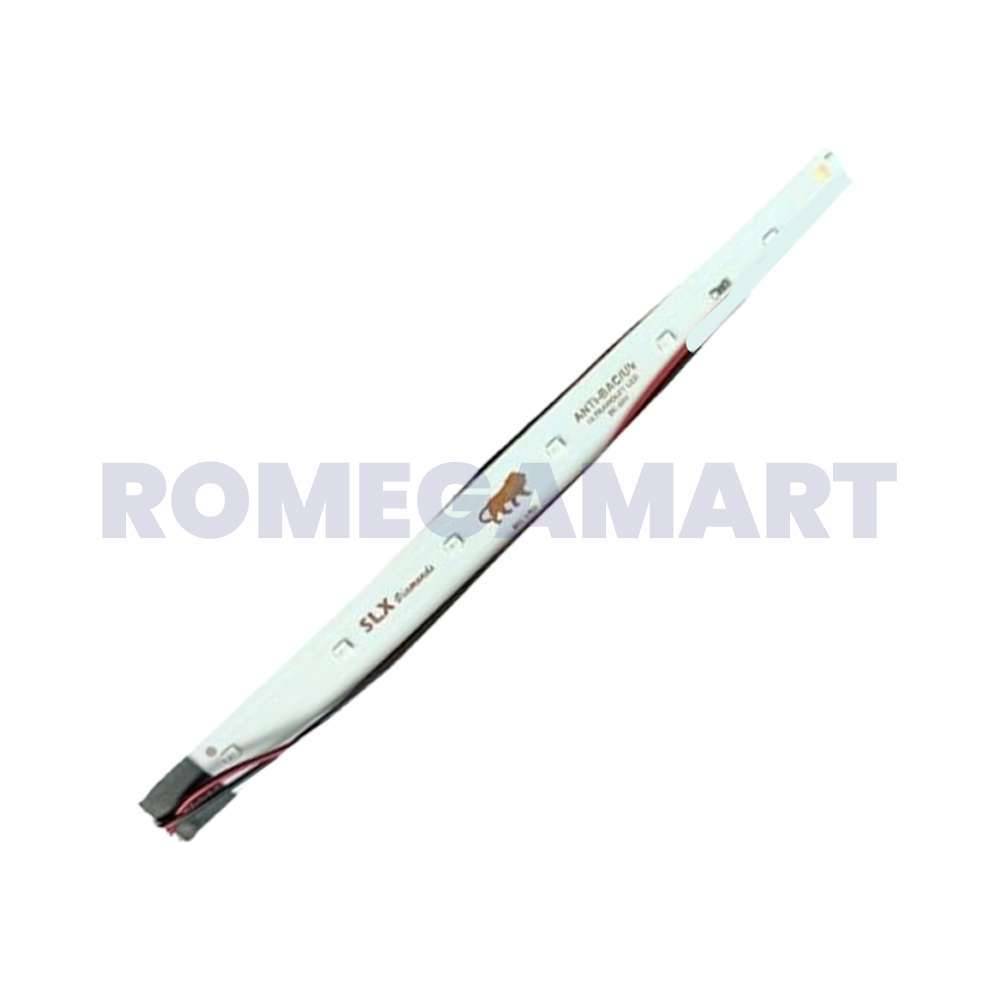
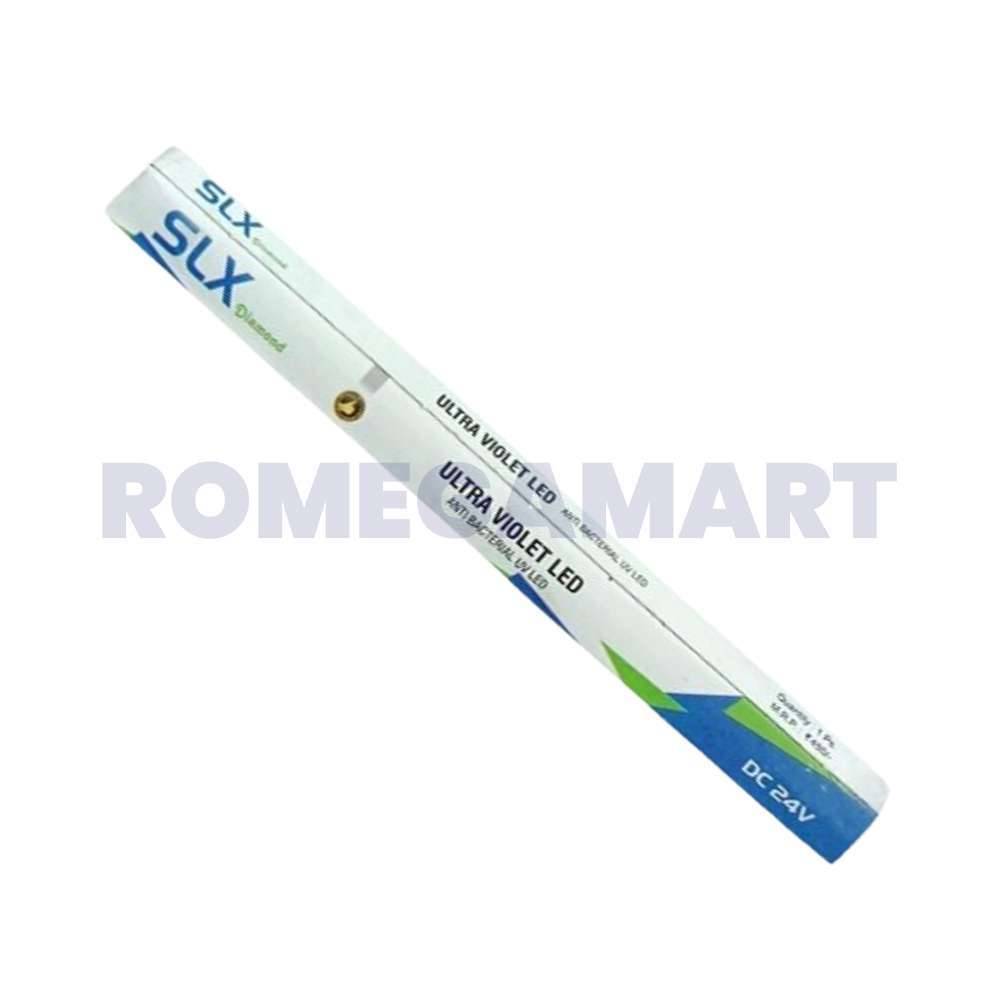


RO UV Lamp: The Complete Guide to UV Light Water Purification
Access to clean and safe drinking water has become a growing concern across cities, towns, and even rural areas. With increasing contaminants in water sources, a single-stage purification method is no longer sufficient. Today, most homes rely on multi-stage purifiers that include RO filtration combined with a UV lamp for microbiological safety.
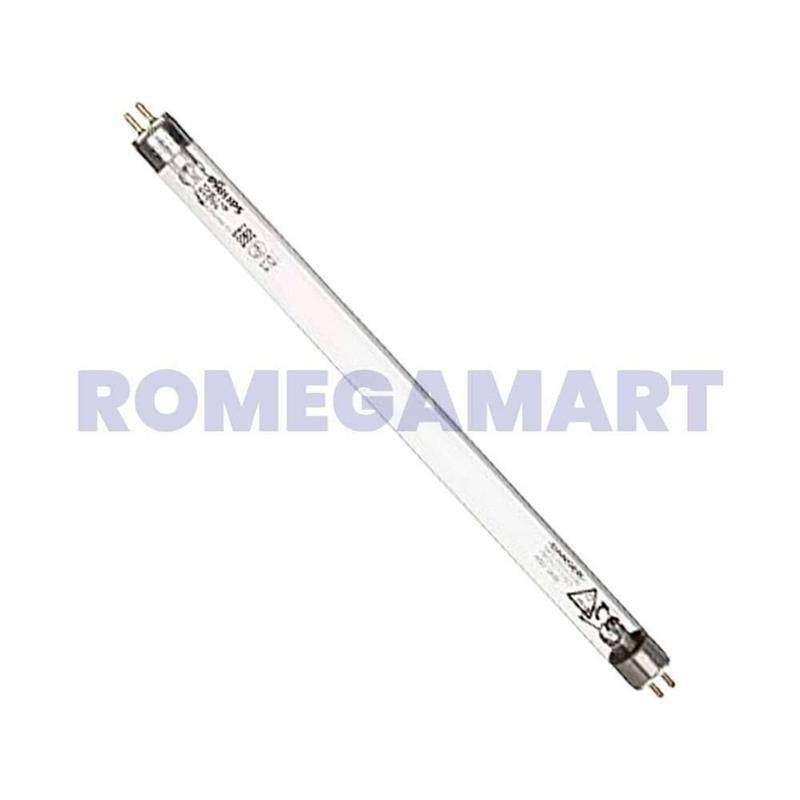
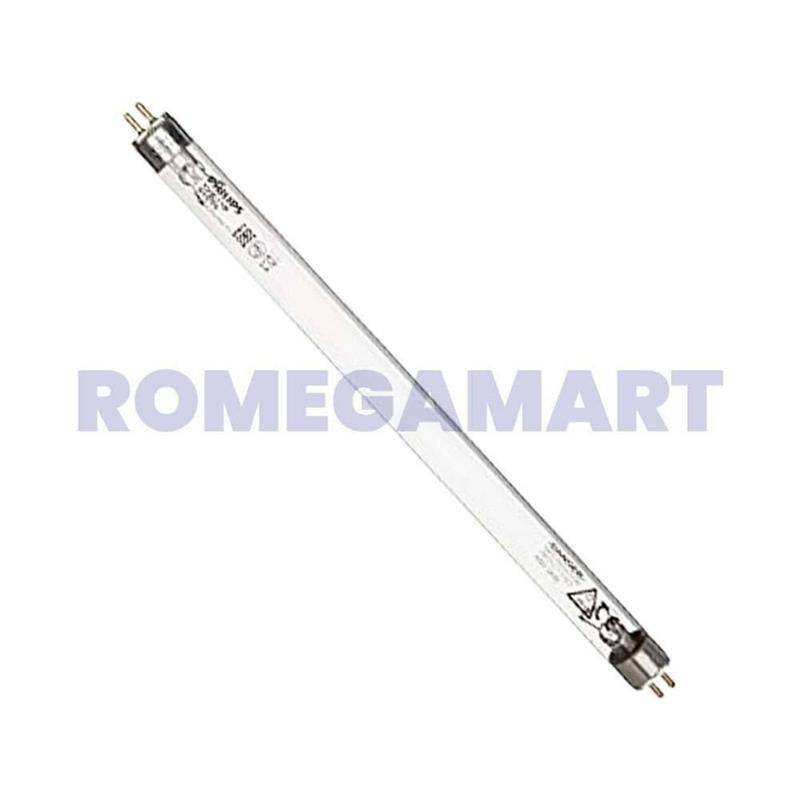
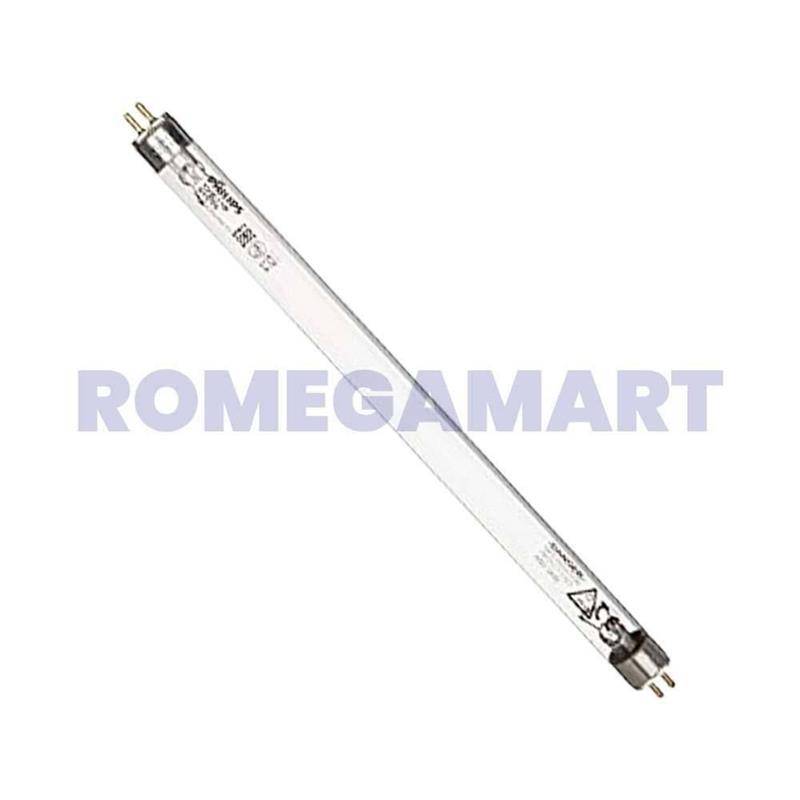
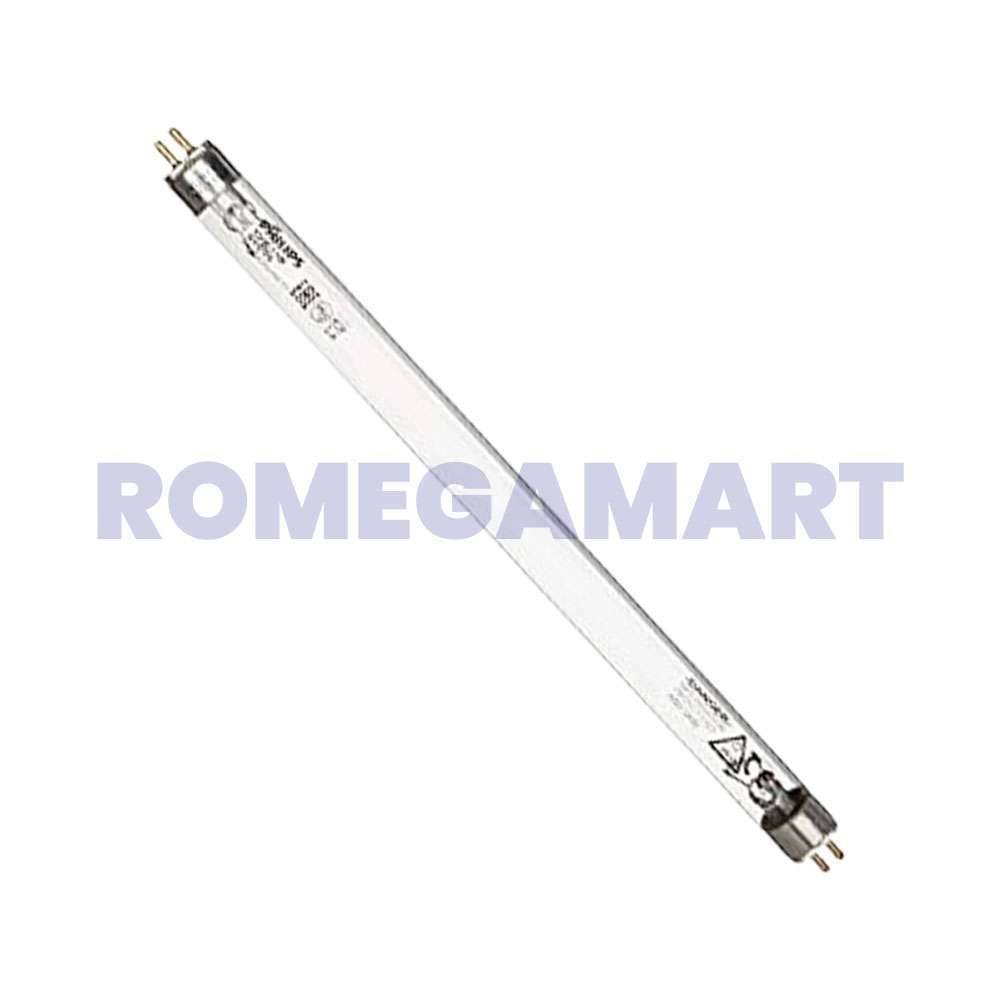
The RO UV Lamp is one of the most important components of a modern water purifier. It uses ultraviolet light to kill harmful microorganisms, ensuring that the water is safe for drinking. Whether you refer to it as a lamp uv, uv a lamp, uv lamp, uv water filter, or a water purifier UV lamp, the purpose remains the same—protection from invisible threats present in water.
This detailed guide explains the function, benefits, maintenance, and importance of UV lamps in RO systems, helping you understand why they are essential for every household.
Introduction: Understanding the Importance of an RO UV Lamp
Even after removing visible dirt, dissolved solids, and chemical impurities, water can still contain millions of microorganisms. Many of these are too small to be seen but large enough to cause serious illnesses. This is why modern purifiers use a UV lamp to disinfect water at the microbial level.
Reverse Osmosis filters out dissolved substances, but the UV lamp ensures the destruction of biological contaminants. Together, these two technologies create one of the most thorough purification methods available today.
UV lamps are used not only in home water purifiers but also in hospitals, laboratories, and municipal water treatment plants. Their ability to kill harmful organisms without chemicals makes them an ideal purification method for families and children.
How an RO UV Lamp Works in Water Purification
Understanding UV-C Technology
UV lamps used in water purifiers emit UV-C radiation, typically at a wavelength of 254 nanometers. This specific wavelength has a germicidal effect, meaning it can destroy the DNA of bacteria, viruses, and other pathogens.
UV-C light does not add chemicals to water. It does not change the taste or odor. Instead, it simply neutralizes microorganisms using light energy. This makes it one of the cleanest and safest methods of water disinfection.
The Role of the UV Lamp in RO Purifiers
In most RO systems, the UV lamp is placed after the RO membrane. This ensures that:
-
RO removes dissolved impurities.
-
UV removes biological impurities.
Even if a microorganism passes through the membrane or enters the storage tank, the UV lamp ensures it is neutralized before the water reaches your glass.
UV Light for Water Purification: How Effective Is It?
UV light is highly effective at killing:
-
Bacteria such as E. coli and Salmonella
-
Viruses including Hepatitis A and Rotavirus
-
Protozoa such as Giardia and Cryptosporidium
-
Fungi, algae, and mold spores
UV light works in real time. As water passes through the UV chamber, the microorganisms are instantly neutralized.
Because it is a chemical-free process, it is considered safer and more environmentally friendly than chlorine-based purification.
This is why UV light water purifier systems have become the preferred choice for homes, offices, and commercial establishments.
RO vs UV vs UF: What Makes UV Lamp Technology Special?
Purification technologies differ in what they remove:
-
RO removes dissolved salts, metals, pesticides, and chemicals.
-
UF removes suspended particles and some microbes.
-
The UV lamp kills microorganisms at the DNA level.
The unique advantage of UV is that it specifically targets living organisms.
RO and UF do not kill microbes; they only filter them. UV ensures that even if tiny microorganisms escape filtration, they are still neutralized.
This makes UV technology essential for complete purification.
Benefits of Using a UV Lamp in Water Filters
Eliminates Harmful Microorganisms
The UV lamp water filter neutralizes 99.99% of bacteria, viruses, and protozoa. This prevents diseases and ensures microbiological safety.
Chemical-Free Purification
UV purification does not use chlorine or any chemical disinfectant. Water remains natural in taste and composition.
Enhances Overall RO Purification
RO membranes cannot destroy viruses; they only block many contaminants. The UV lamp adds an extra layer of protection.
Instant Sterilization
Water passing through the UV chamber is disinfected within seconds. There is no waiting time, unlike chemical treatments.
Environmentally Friendly
UV technology does not produce harmful byproducts or waste. It is energy-efficient and eco-friendly.
Types of UV Lamps Used in Water Purifiers
Different kinds of UV lamps may be installed in water filters, including:
-
Low-pressure UV-C mercury lamps
-
High-output UV lamps
-
UV-C LED lamps (modern option)
Low-pressure mercury lamps are the most commonly used in household water purifiers due to their high germicidal efficiency.
The typical lifespan of a good water purifier UV lamp ranges from 8,000 to 10,000 hours.
Signs That Your Water Purifier UV Lamp Needs Replacement
You should monitor your UV lamp regularly. Signs of replacement include:
-
Unusual taste or odor in water
-
Reduced water clarity
-
UV indicator on the purifier showing a fault
-
Lamp looks dimmer or discolored
-
Lamp has been in use for a year or more
A UV lamp may still glow even when it stops producing adequate UV-C light. This is why timely replacement is essential.
How to Maintain an RO UV Lamp for Better Performance
Proper maintenance ensures your UV lamp works effectively:
-
Replace the lamp once every 12 months
-
Clean the quartz glass sleeve every 3–6 months
-
Avoid voltage fluctuations by using a stabilizer
-
Prevent sediment buildup by maintaining filters
-
Ensure the lamp is installed correctly and securely
A well-maintained uv lamp water filter works more efficiently and produces safer drinking water.
RO Water Filter and UV Light Combination: Why It’s Considered the Best
Water Filter with UV Light vs UV-Only Systems
UV-only systems work well for water that is low in chemical contamination. However, they cannot remove dissolved salts or heavy metals. A water filter with UV light and RO membrane offers the best purification standard.
Why Modern RO Systems Always Include UV Lamps
Manufacturers include UV lamps in RO systems to ensure total protection from microorganisms. RO alone cannot destroy viruses; UV ensures microbial destruction.
This combination removes:
-
Heavy metals
-
Pesticides
-
Industrial chemicals
-
Microbial contaminants
-
Pathogens that may enter during storage
Together, RO and UV provide the highest level of safety.
Choosing the Best UV Lamp Water Filter for Your Home
When selecting a purifier that uses UV technology, check for:
-
Quality of the UV lamp
-
Its rated lifespan
-
Efficiency of the quartz sleeve
-
RO and UF combination features
-
Water flow rate
-
Availability of spare lamps
-
Maintenance convenience
A high-quality uv light water purifier ensures purity, safety, and long-term performance.
Common Myths About UV Lamps in Water Purifiers
Myth: UV changes the taste of water.
Fact: UV does not affect taste, color, or odor.
Myth: If the lamp glows, it works.
Fact: A glowing lamp may not produce UV-C rays.
Myth: UV can purify any kind of water.
Fact: UV needs clear water; murky water blocks UV rays.
Myth: UV removes chemicals.
Fact: UV only kills microorganisms; RO handles chemicals.
Frequently Asked Questions About RO UV Lamps
1.How often should I replace the UV lamp?
Most UV lamps need replacement every 9–12 months.
2.Is UV purification safe for children?
Yes. UV adds no chemicals and is safe for all ages.
3.Can UV kill viruses?
Yes. UV-C technology neutralizes viruses effectively.
4.Does UV purification work without RO?
Only if the water does not contain dissolved chemicals or heavy metals.
5.Does a UV lamp consume a lot of electricity?
No. It consumes about the same power as a small household bulb.
Conclusion: Why Every Home Needs an RO UV Lamp System
Clean drinking water is essential for health, and with rising contamination levels, a strong purification system is necessary. The RO UV Lamp ensures microbiologically safe water by neutralizing harmful microorganisms using UV-C light. Combined with RO filtration, it delivers water that is safe, pure, and free from chemicals, dissolved impurities, and biological contaminants.
Whether you refer to it as a uv lamp water filter, water filter and uv light, water filter with uv light, a lamp uv, or uv a lamp, the technology remains vital for modern households. By understanding how the UV lamp works and maintaining it properly, you ensure long-term protection and safe drinking water for your family.
More Category - Ro Membrane, Ro Pump, Membrane Housing, Carbon filter, Filter Cartridge.
Explore - Industrial RO Spare Parts, Industrial Ro Plant, Domestic RO Brands, RO Water Softener.