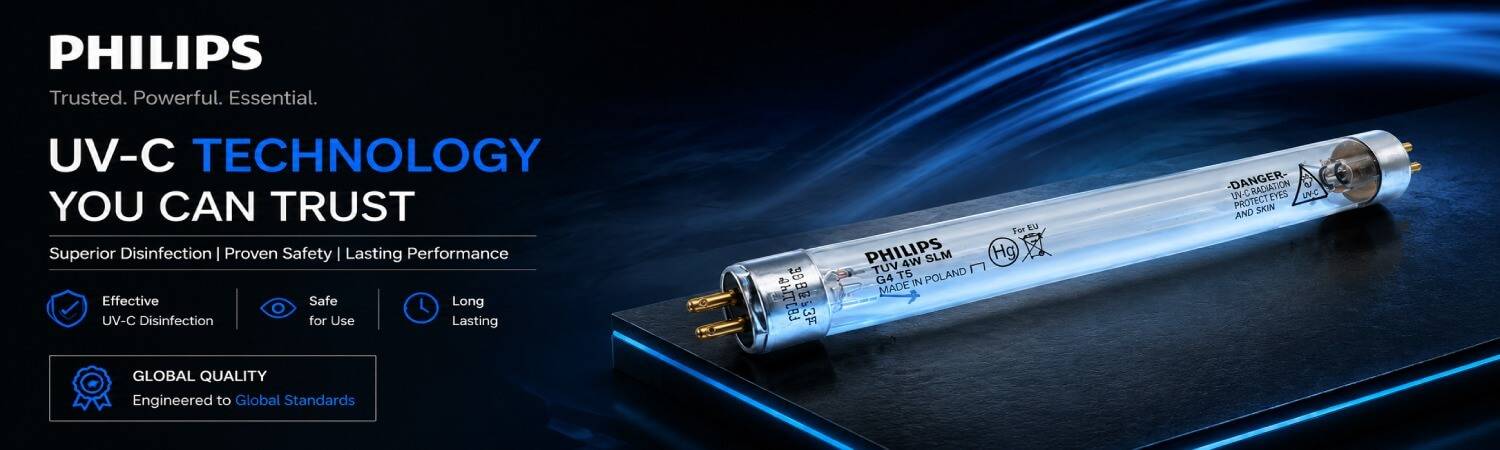
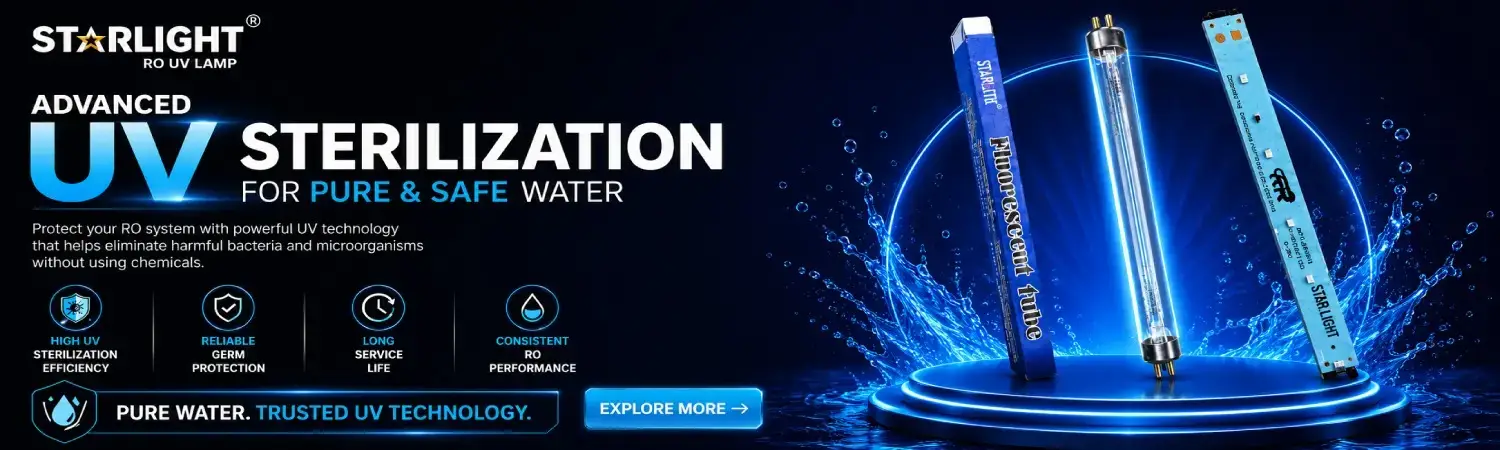
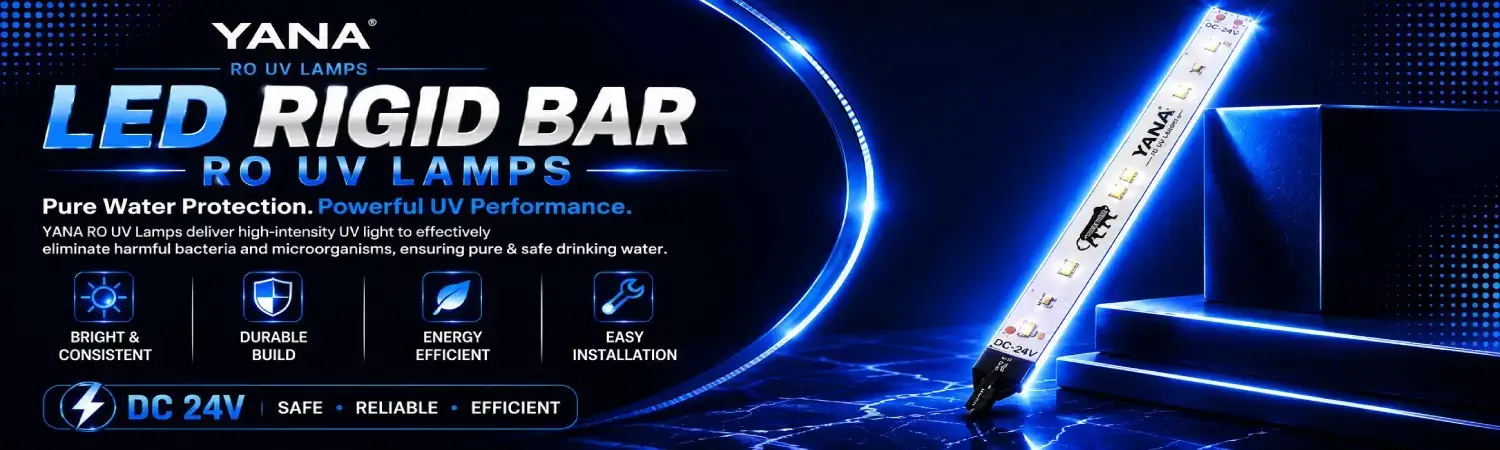
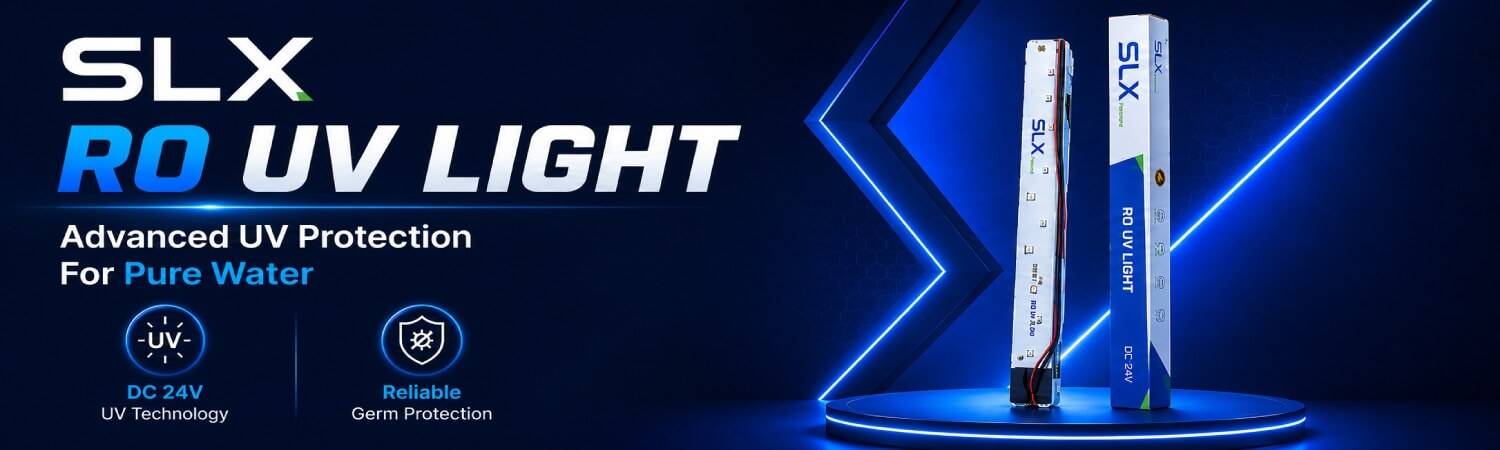
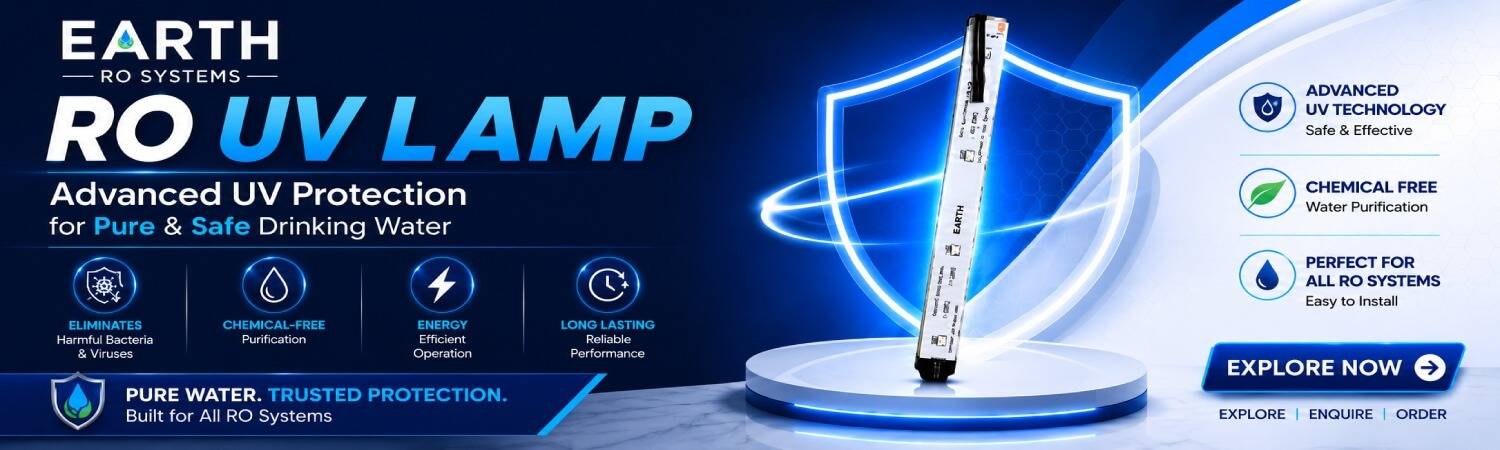
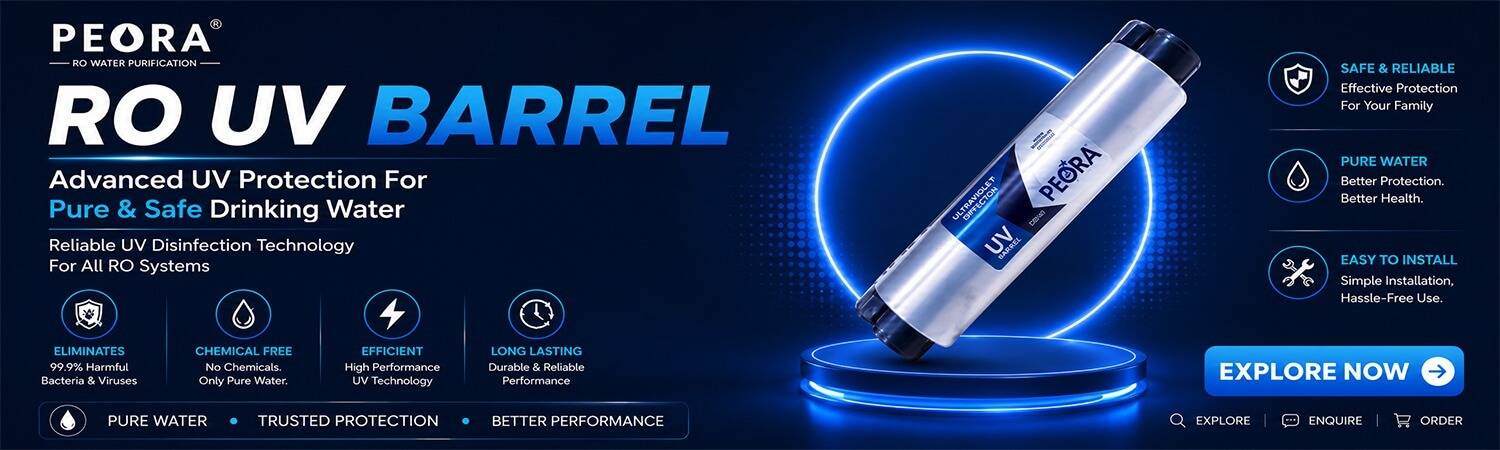
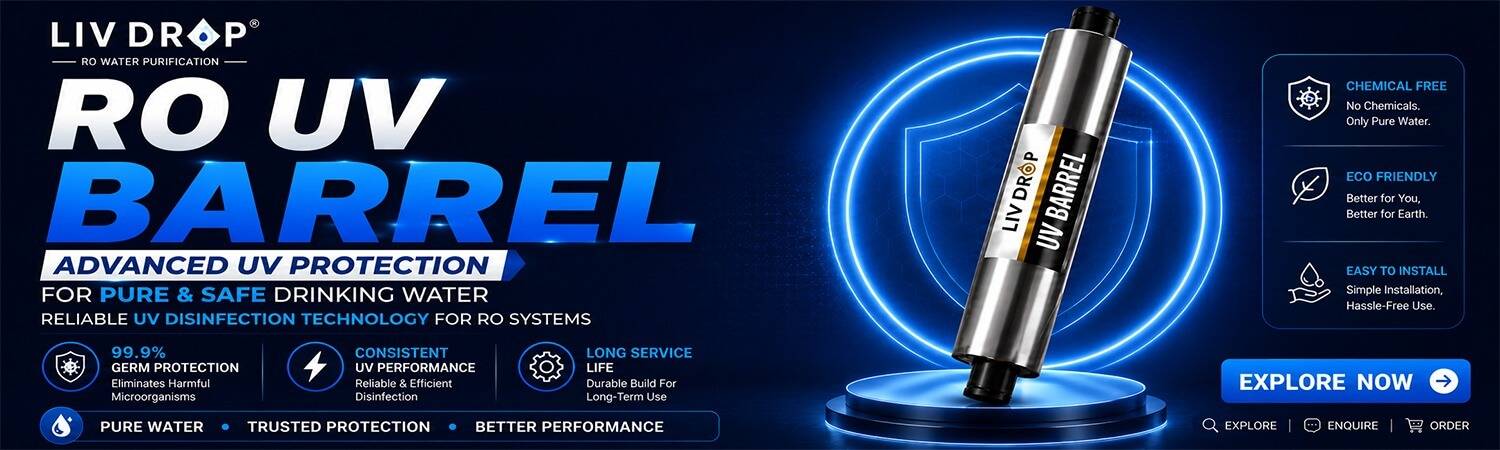


Ro UV Lamps Manufacturer in Delhi
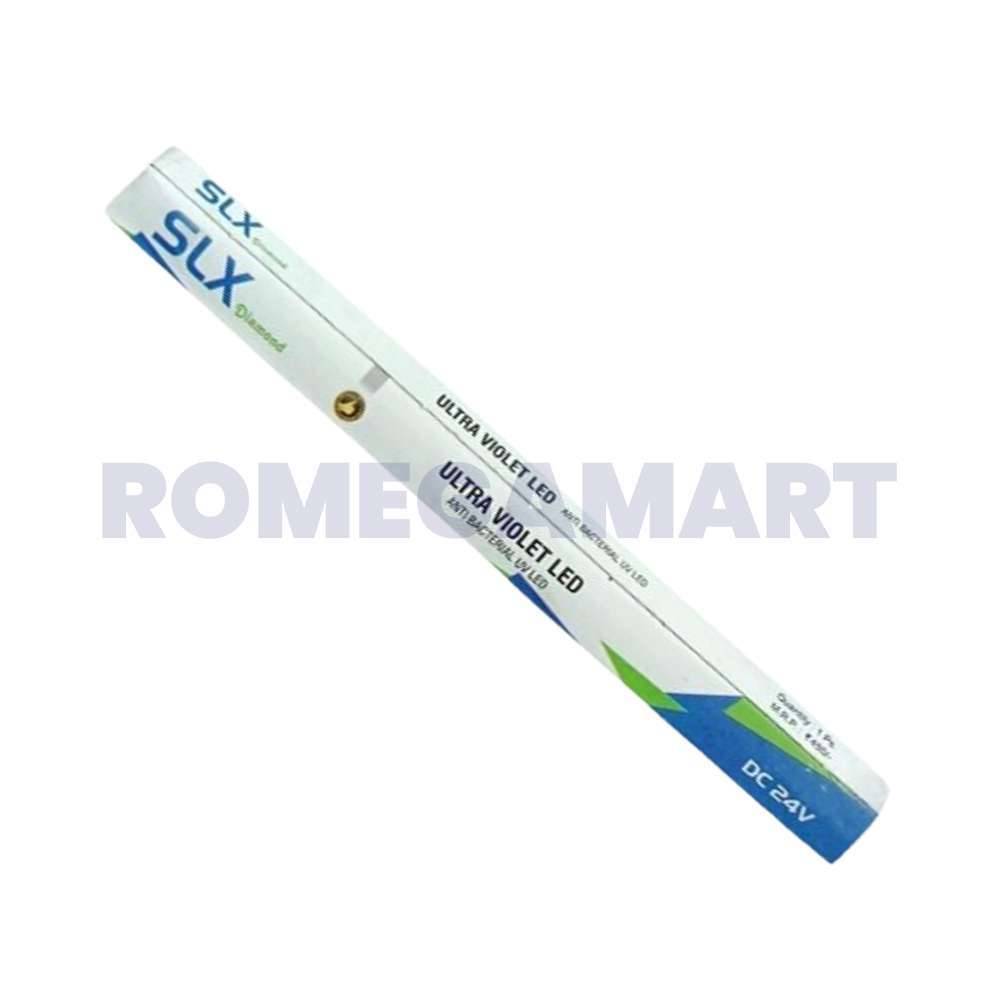


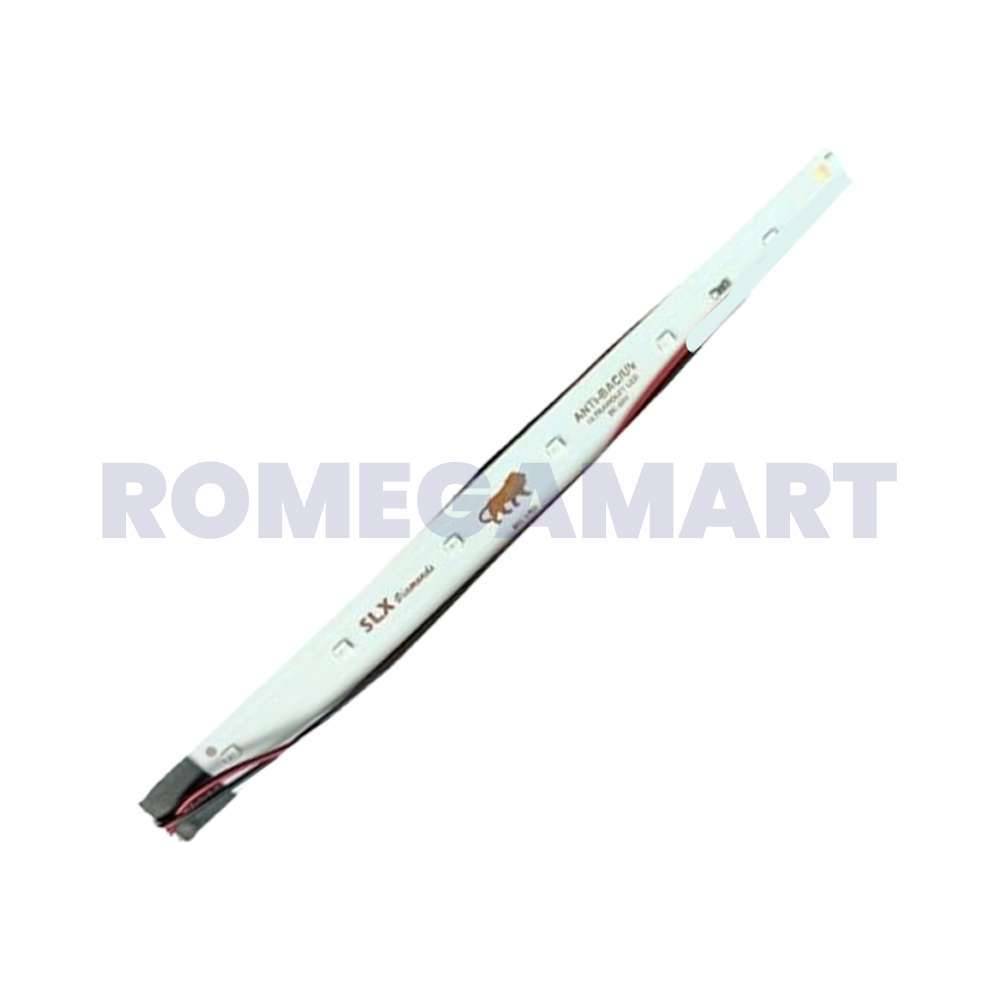
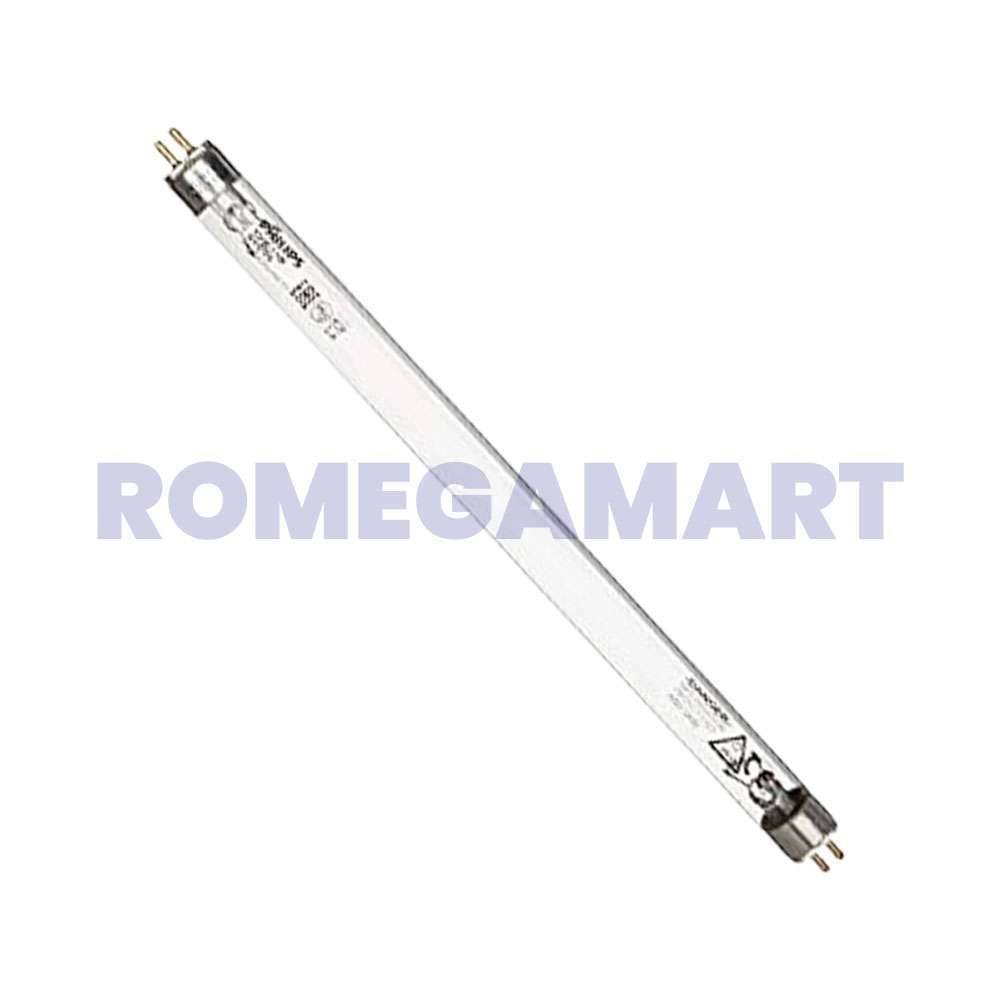


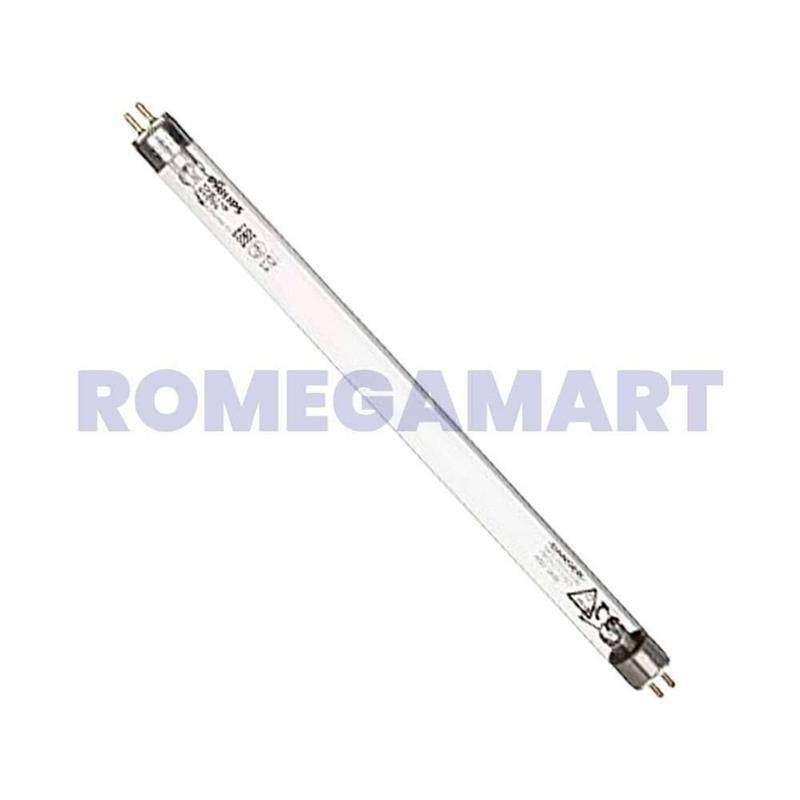
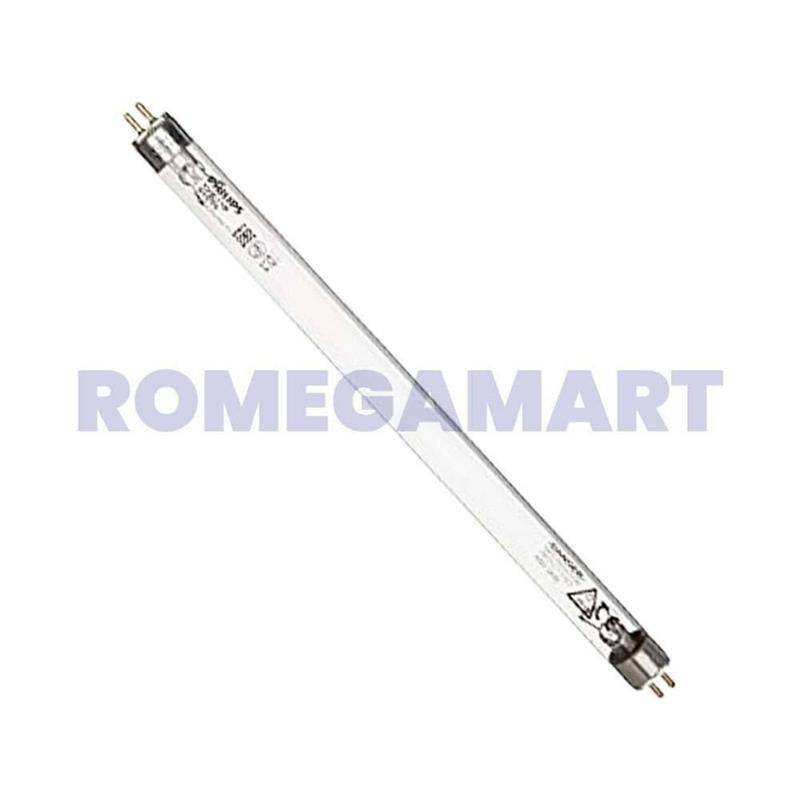
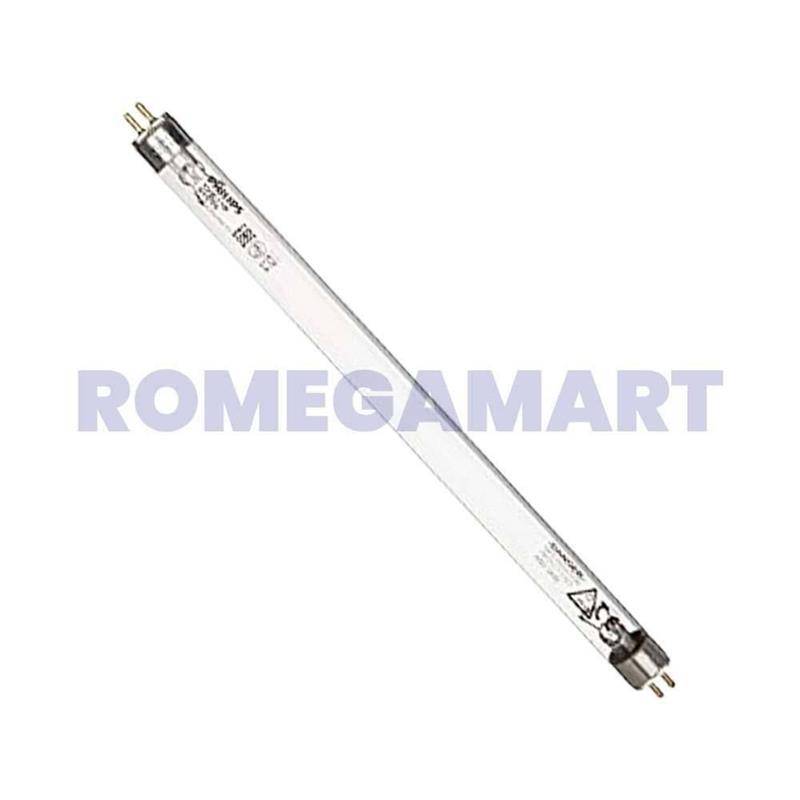
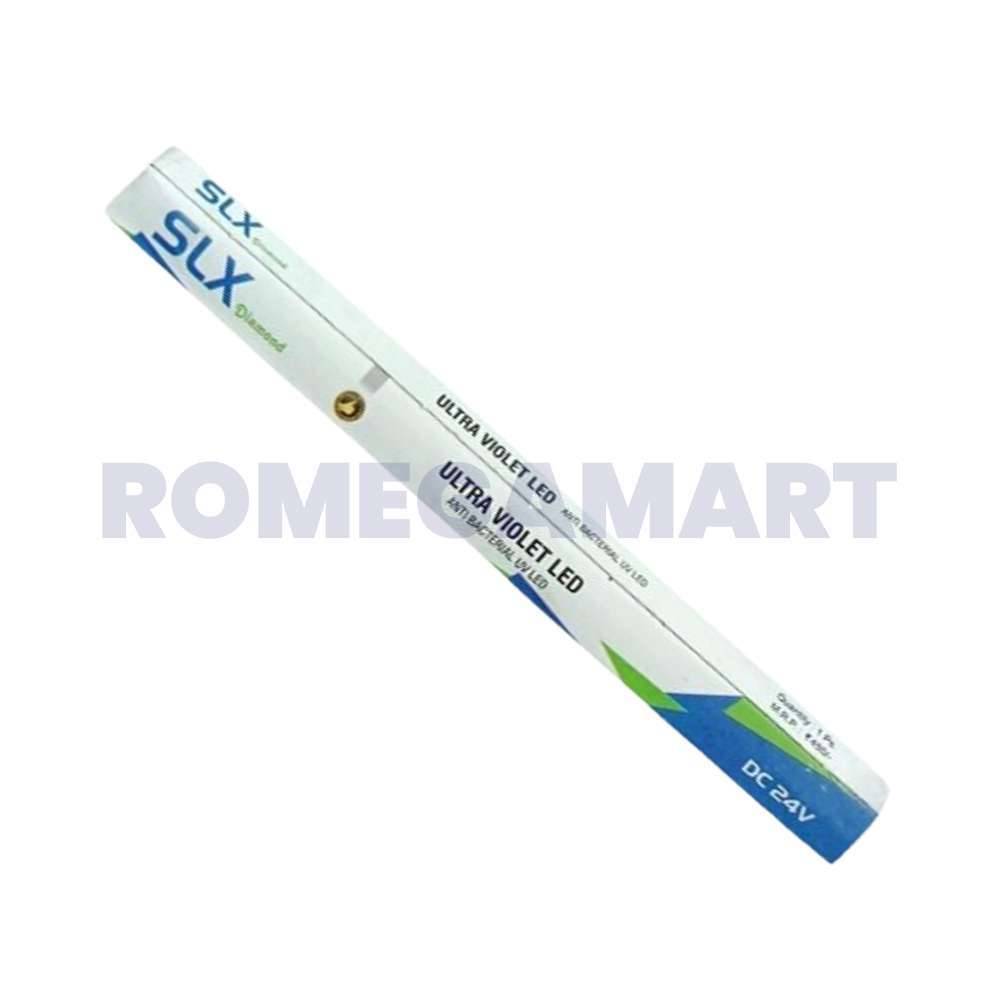


UV Lamp for Water Purifier and RO Disinfection Systems
A UV lamp for water purifier is a disinfection component that uses ultraviolet light to destroy bacteria, viruses, and microorganisms present in water. It helps ensure safe drinking water by providing chemical-free microbial purification.
Modern water purification systems are designed to remove both physical impurities and biological contaminants from drinking water. While filtration components remove sediment and dissolved impurities, additional purification technologies are often required to eliminate microorganisms.
One of the most widely used disinfection technologies in domestic purification systems is the UV lamp for water purifier, which uses ultraviolet radiation to neutralize harmful microorganisms present in water.
A RO UV lamp emits ultraviolet light at a specific wavelength that disrupts the DNA structure of bacteria and viruses, preventing them from reproducing.
Many purification systems include a UV light for water purifier to ensure that water passing through the purifier is free from microbiological contamination.
A commonly used component in domestic purification units is the 11 watt UV lamp, which provides sufficient ultraviolet intensity for household water treatment.
Inside purification units, the water purifier UV tube is positioned in a protective chamber where water passes through ultraviolet light during the purification process.
In residential purification systems, the UV lamp for RO system works alongside filtration technologies such as membranes and sediment filters to ensure comprehensive water purification.
With the growing demand for safe drinking water, components such as UV lamp for water purifier units are widely distributed through B2B platforms like Romegamart, connecting manufacturers, distributors, and service professionals in the water purification industry.
Role of UV Disinfection in Water Purifiers
Water sources may contain harmful microorganisms such as bacteria, viruses, and parasites that can cause waterborne diseases. These microorganisms are not always removed by basic filtration processes.
The UV lamp for water purifier provides an additional layer of protection by neutralizing microbial contaminants.
When water flows through the UV chamber, the RO UV lamp emits ultraviolet radiation that damages the DNA of microorganisms.
This process prevents microbes from multiplying and effectively disinfects the water.
A properly functioning UV light for water purifier therefore helps ensure microbiologically safe drinking water.
The water purifier UV tube is designed to operate continuously within the purifier while maintaining consistent ultraviolet output.
Within purification systems, the UV lamp for RO system works together with other filtration components to deliver comprehensive water purification.
Types of UV Lamps Used in Water Purifiers
Different purification systems may use different types of UV lamps depending on system design and capacity.
Common UV lamp for water purifier types include:
| UV Lamp Type | Application |
|---|---|
| 11 watt UV lamp | Standard domestic purification systems |
| Compact UV tube | Space efficient purifier design |
| High intensity UV lamp | Advanced purification systems |
| Integrated UV module | Combined UV chamber systems |
The 11 watt UV lamp is widely used in household purification systems because it provides effective microbial disinfection.
A RO UV lamp designed for domestic purifiers ensures stable ultraviolet radiation output.
The water purifier UV tube is typically installed inside a quartz sleeve that protects the lamp from direct water contact.
A reliable UV lamp for RO system ensures effective microbial purification within domestic purification units.
Construction and Components of UV Systems
The UV lamp for water purifier operates within a specially designed chamber that allows water to pass around the lamp while being exposed to ultraviolet radiation.
A RO UV lamp is usually housed inside a quartz sleeve that protects the lamp while allowing ultraviolet light to pass through.
The UV light for water purifier produces ultraviolet radiation at approximately 254 nanometers, which is highly effective for microbial disinfection.
The water purifier UV tube is connected to an electrical ballast or power supply that regulates voltage and maintains stable lamp operation.
In domestic purification systems, the UV lamp for RO system is carefully positioned to ensure maximum water exposure to ultraviolet radiation.
Advantages of UV Water Purification
Ultraviolet purification offers several benefits for domestic water treatment systems.
The UV lamp for water purifier provides chemical-free microbial disinfection without altering water taste or odor.
A RO UV lamp operates without adding chemicals to water, making it a safe purification method.
The UV light for water purifier works instantly as water flows through the UV chamber.
A water purifier UV tube requires minimal maintenance while providing reliable disinfection performance.
The 11 watt UV lamp used in domestic purifiers offers energy-efficient operation while ensuring effective microbial treatment.
Choosing the Right UV Lamp
Selecting the correct UV lamp for water purifier is important for maintaining effective microbial purification.
Several factors should be considered when choosing UV lamps.
| Selection Factor | Importance |
|---|---|
| Lamp wattage | Determines UV intensity |
| Lamp compatibility | Must match purifier design |
| Lamp lifespan | Influences maintenance cycle |
| UV chamber design | Affects purification efficiency |
The 11 watt UV lamp is commonly used in domestic purification systems because it provides sufficient disinfection capacity.
A compatible RO UV lamp ensures reliable operation within the purifier system.
The water purifier UV tube must match the purifier’s UV chamber size and electrical specifications.
Choosing the correct UV lamp for RO system ensures consistent microbial purification.
Maintenance of UV Lamps
Routine maintenance ensures that the UV lamp for water purifier continues to function effectively.
Over time, the ultraviolet output of a RO UV lamp gradually decreases.
Periodic inspection allows technicians to monitor the condition of the UV light for water purifier.
The water purifier UV tube should also be kept clean to ensure optimal ultraviolet transmission.
In many purification systems, the 11 watt UV lamp is checked during scheduled purifier servicing.
Maintaining a properly functioning UV lamp for RO system ensures continuous microbial disinfection.
Market Demand for UV Purification Components
Increasing awareness of waterborne diseases has significantly increased demand for advanced water purification technologies.
As purifier installations continue to grow, the demand for UV lamp for water purifier components has also increased.
Service technicians frequently install RO UV lamp units during purifier maintenance and servicing.
Manufacturers producing 11 watt UV lamp units supply these components to distributors and retailers across the purification industry.
The water purifier UV tube remains a widely used component in domestic purification systems.
B2B platforms such as Romegamart help connect suppliers, wholesalers, and distributors who provide UV lamp for RO system components.
Key Features of High Quality UV Lamps
| Feature | Benefit |
|---|---|
| High UV intensity | Effective microbial disinfection |
| Quartz sleeve protection | Improved lamp durability |
| Stable electrical operation | Consistent UV output |
| Energy efficient design | Suitable for domestic purifiers |
FAQs
What is a UV lamp for water purifier?
A UV lamp for water purifier is a disinfection component that uses ultraviolet light to kill bacteria and viruses in water.
What does a RO UV lamp do?
A RO UV lamp emits ultraviolet radiation that destroys microorganisms during the purification process.
What is an 11 watt UV lamp?
An 11 watt UV lamp is a commonly used ultraviolet lamp designed for domestic water purification systems.
What is a water purifier UV tube?
A water purifier UV tube is the ultraviolet lamp installed inside the purifier to disinfect water.
What is UV lamp for RO system?
A UV lamp for RO system is used to provide microbial disinfection within reverse osmosis purification systems.
Conclusion
Ultraviolet purification technology plays an important role in ensuring microbiologically safe drinking water. The UV lamp for water purifier helps neutralize bacteria, viruses, and other microorganisms that may be present in water.
A RO UV lamp works alongside filtration components to deliver comprehensive purification performance.
The UV light for water purifier provides chemical-free microbial treatment while maintaining natural water taste.
In domestic purification systems, the 11 watt UV lamp remains one of the most widely used ultraviolet disinfection components.
A properly functioning water purifier UV tube ensures continuous ultraviolet exposure during the purification process.
As demand for safe drinking water continues to grow, components such as UV lamp for RO system remain essential in water purification technology. Platforms like Romegamart help connect manufacturers, suppliers, and distributors within the water purification industry.