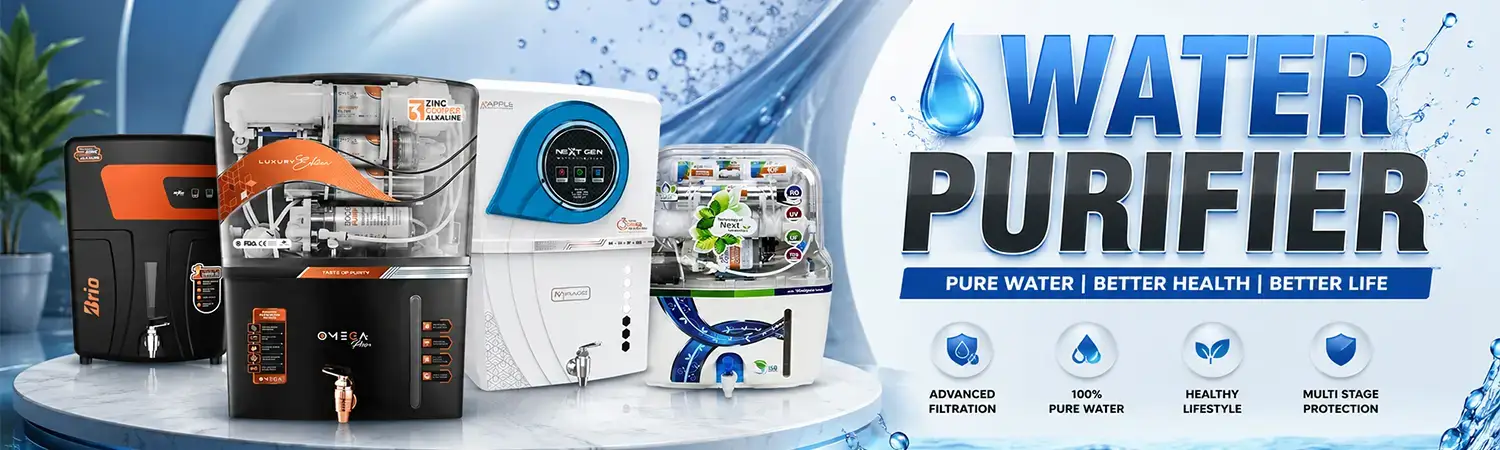
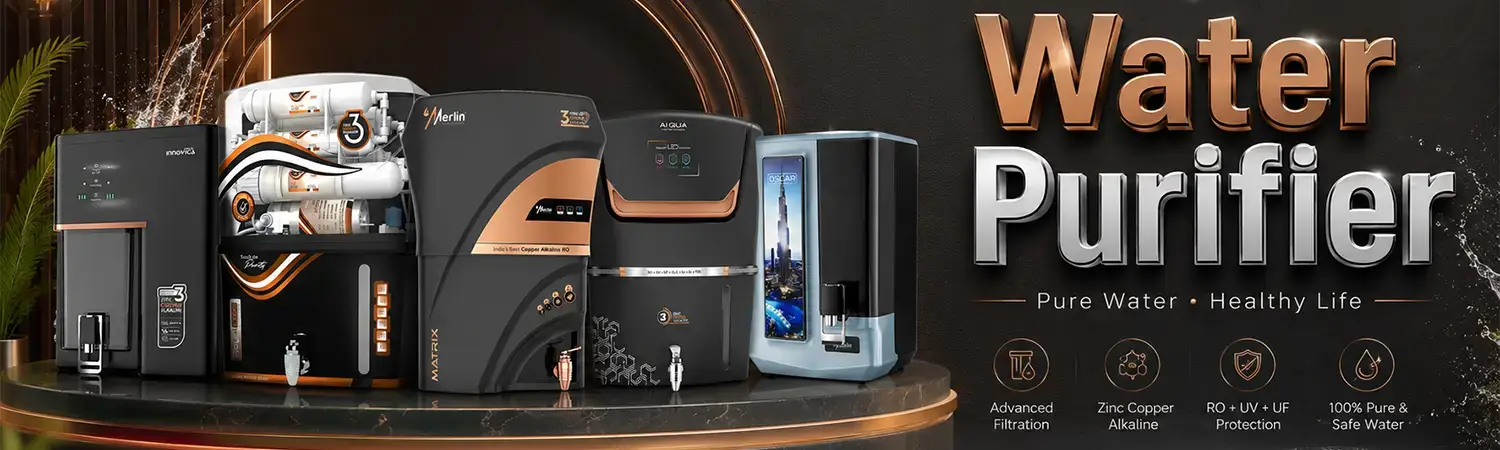
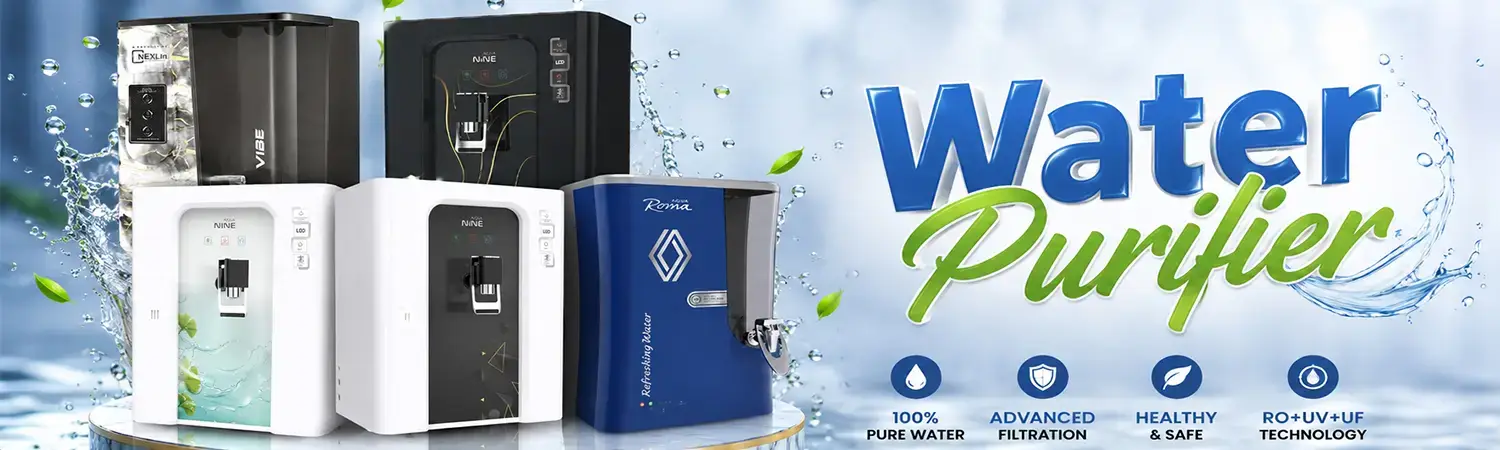
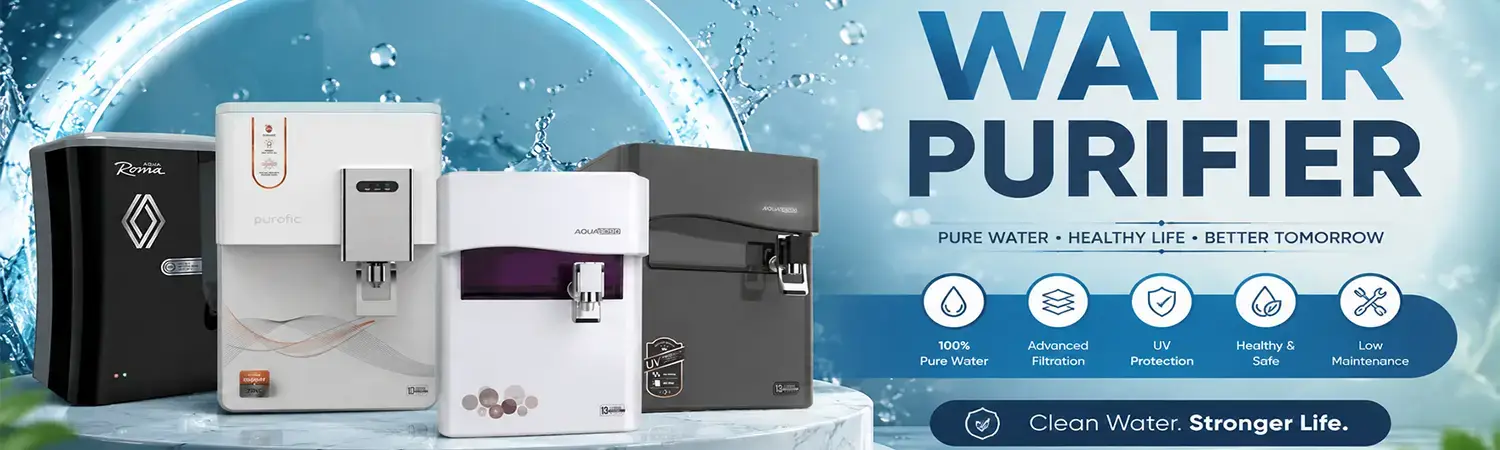
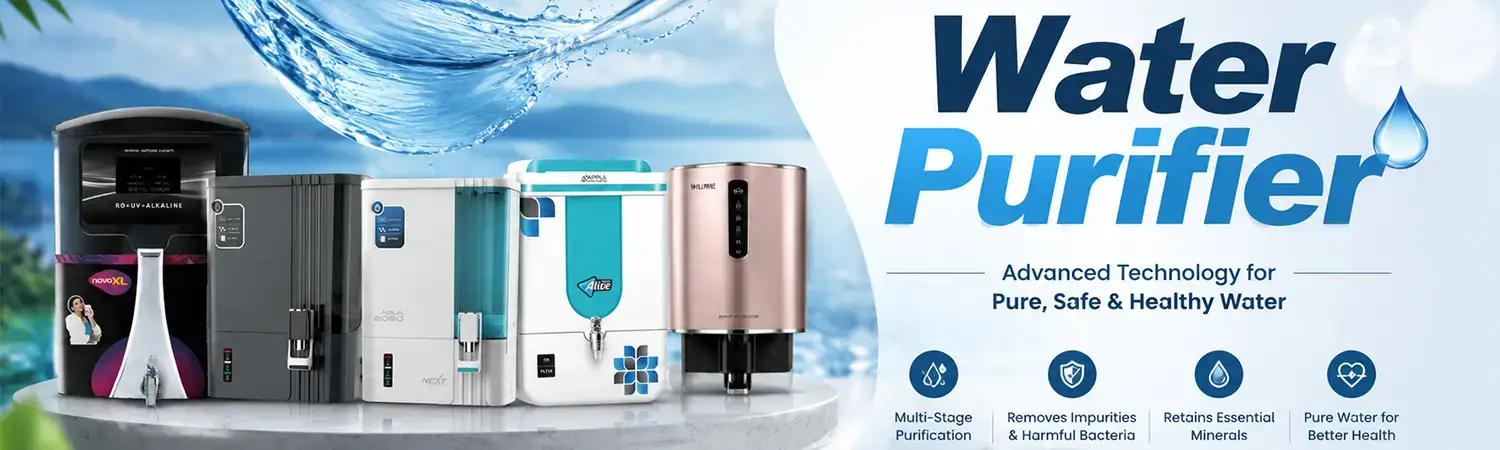
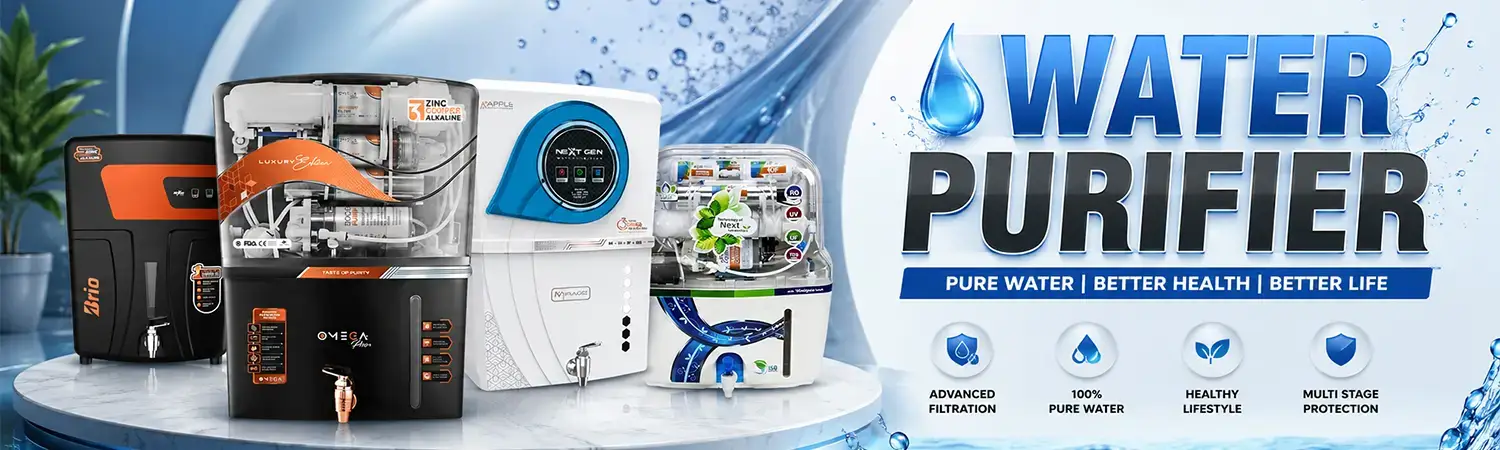
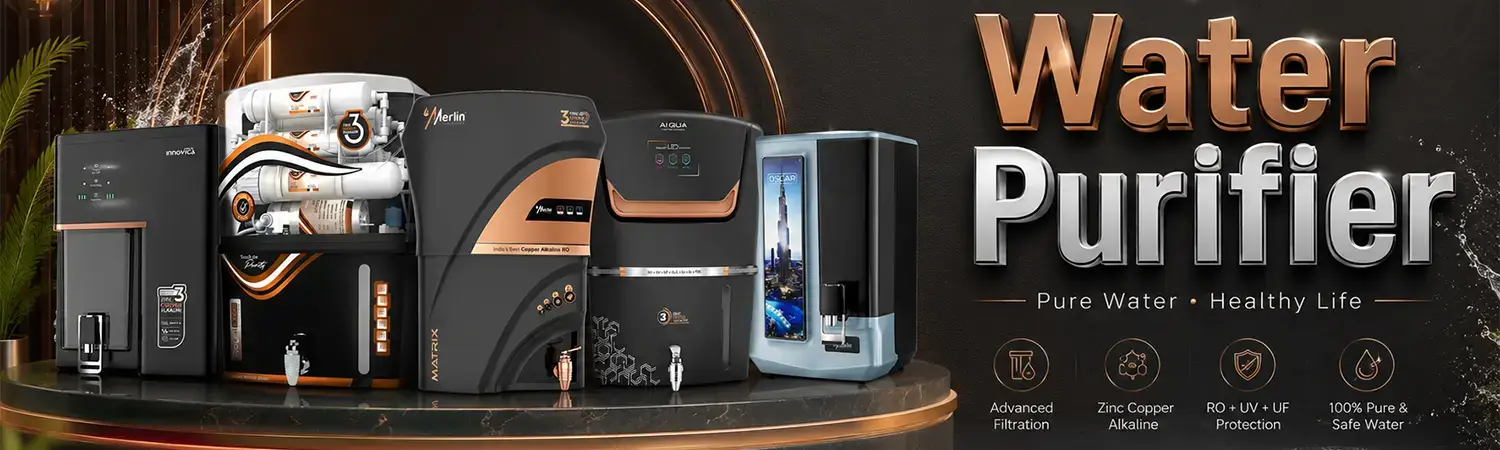
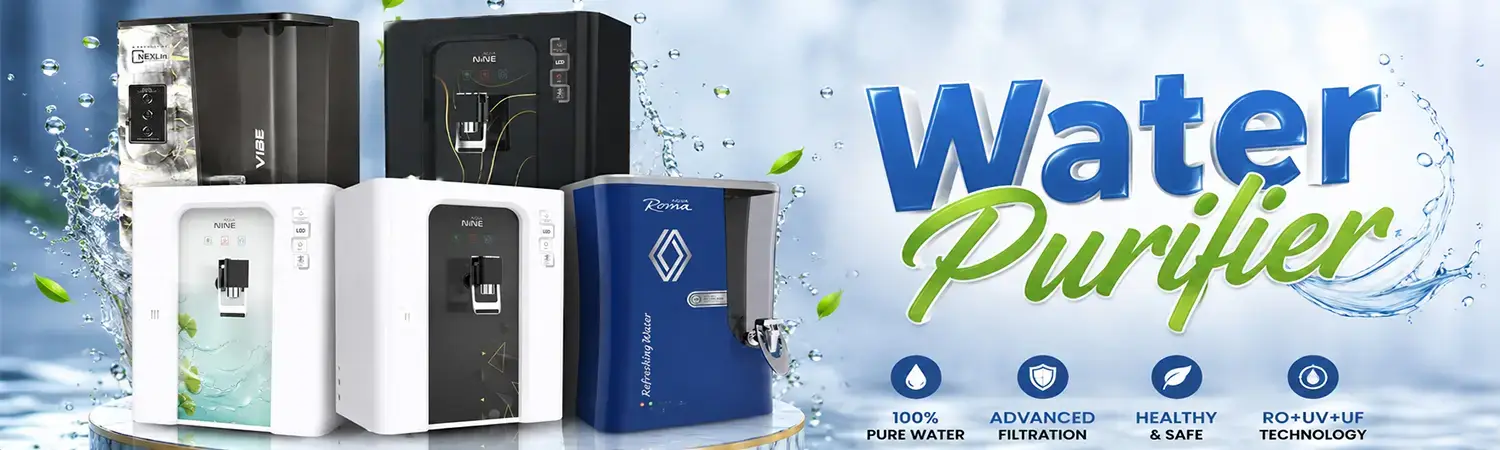
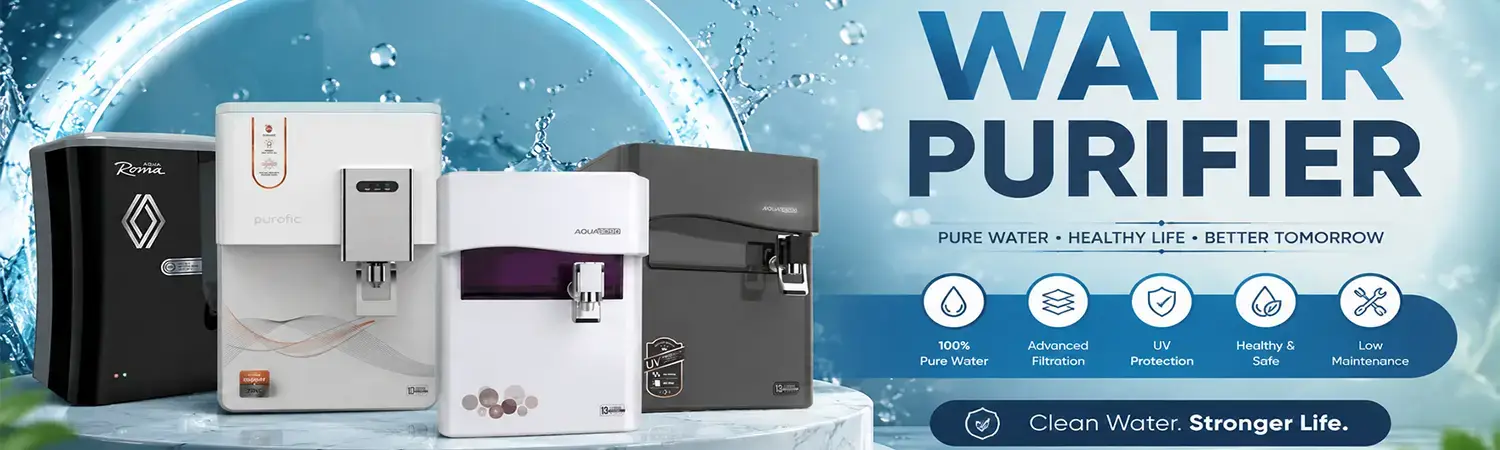
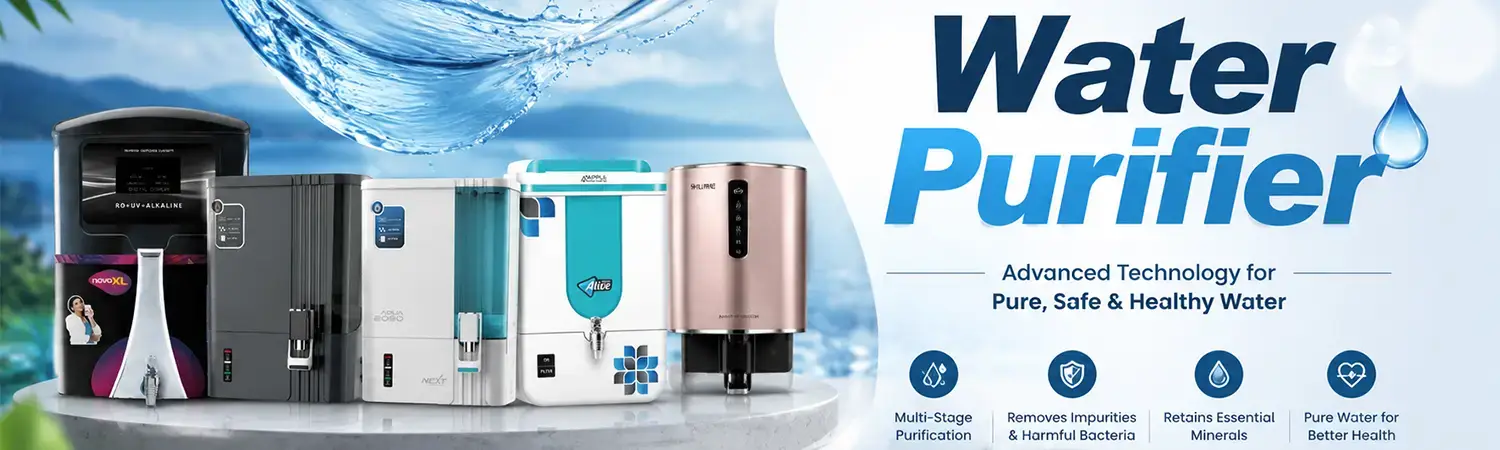
Wall Mounted RO Water Purifiers in Delhi
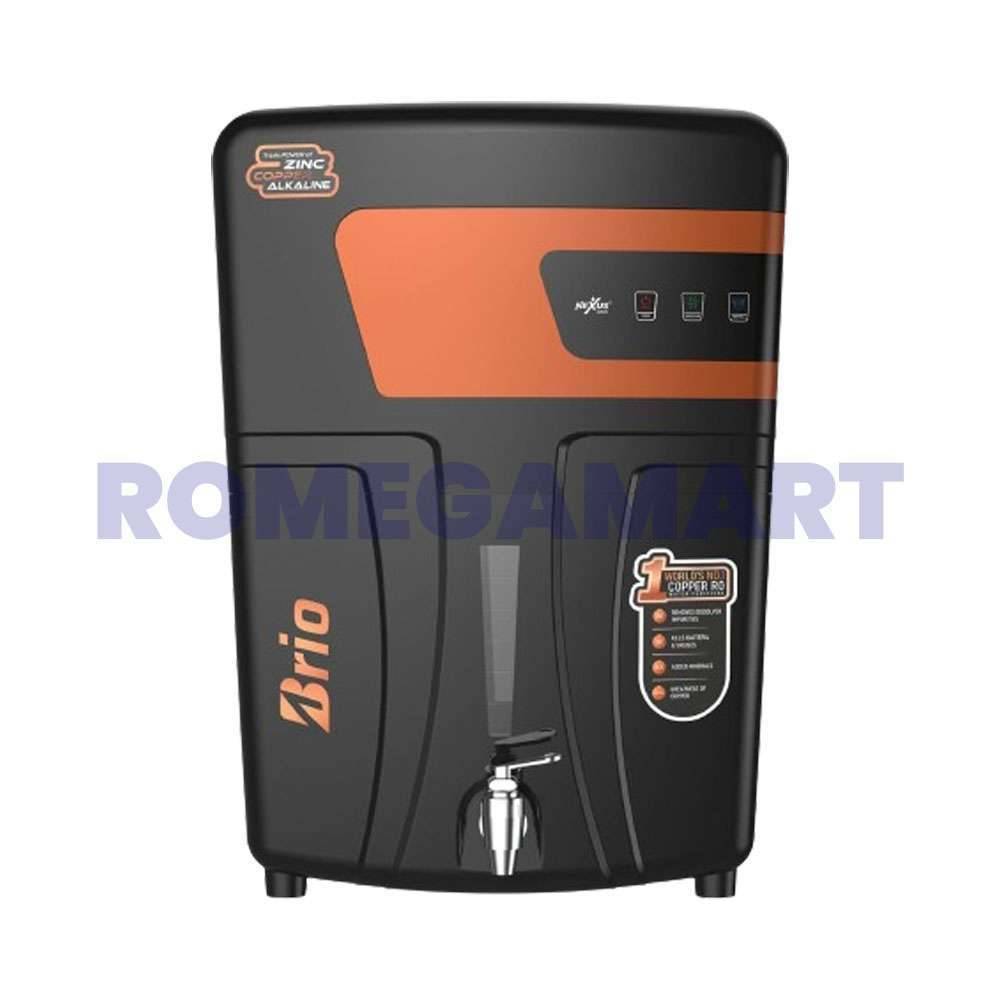
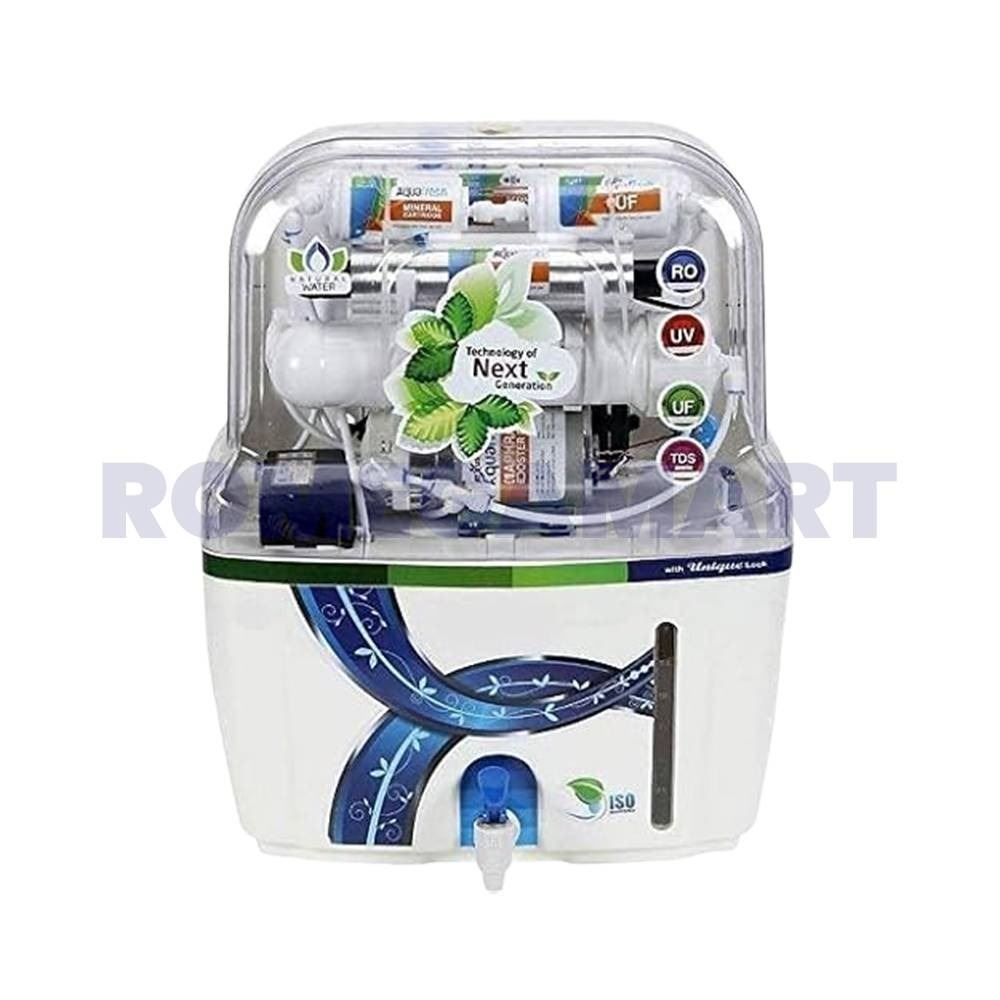
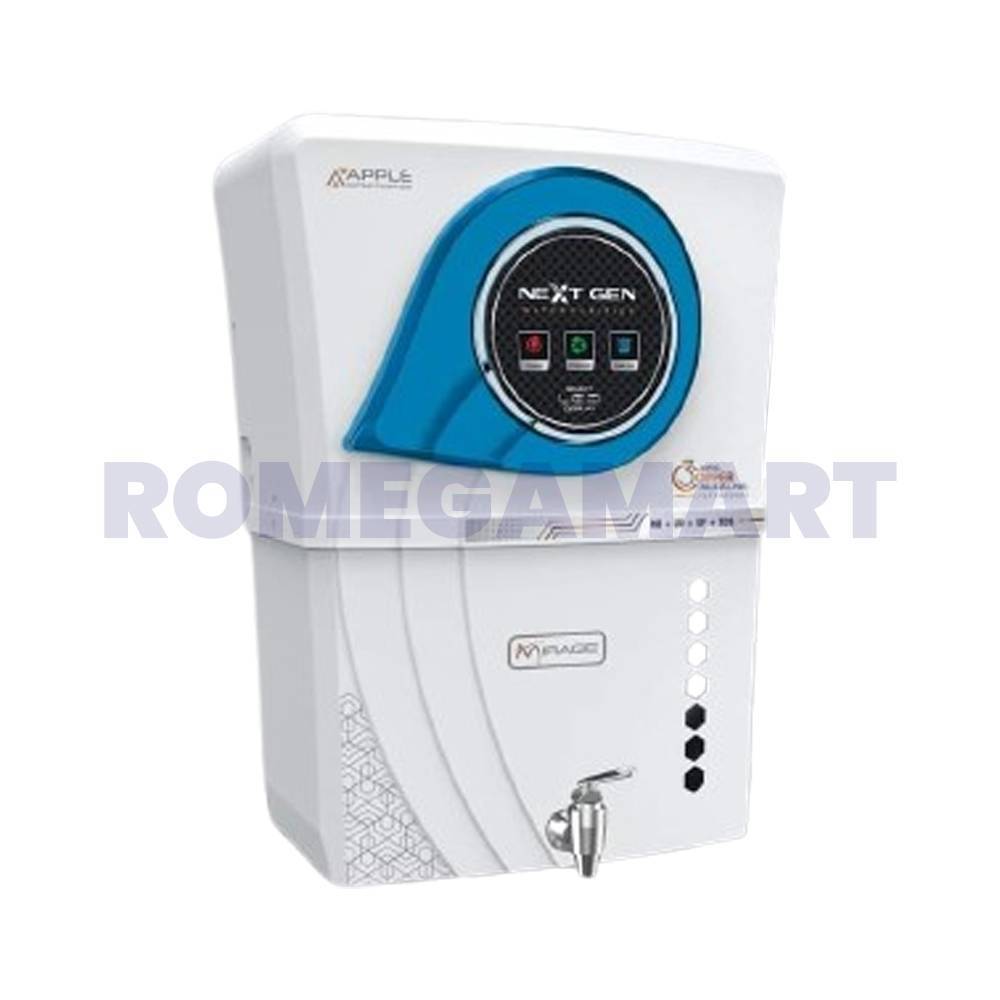

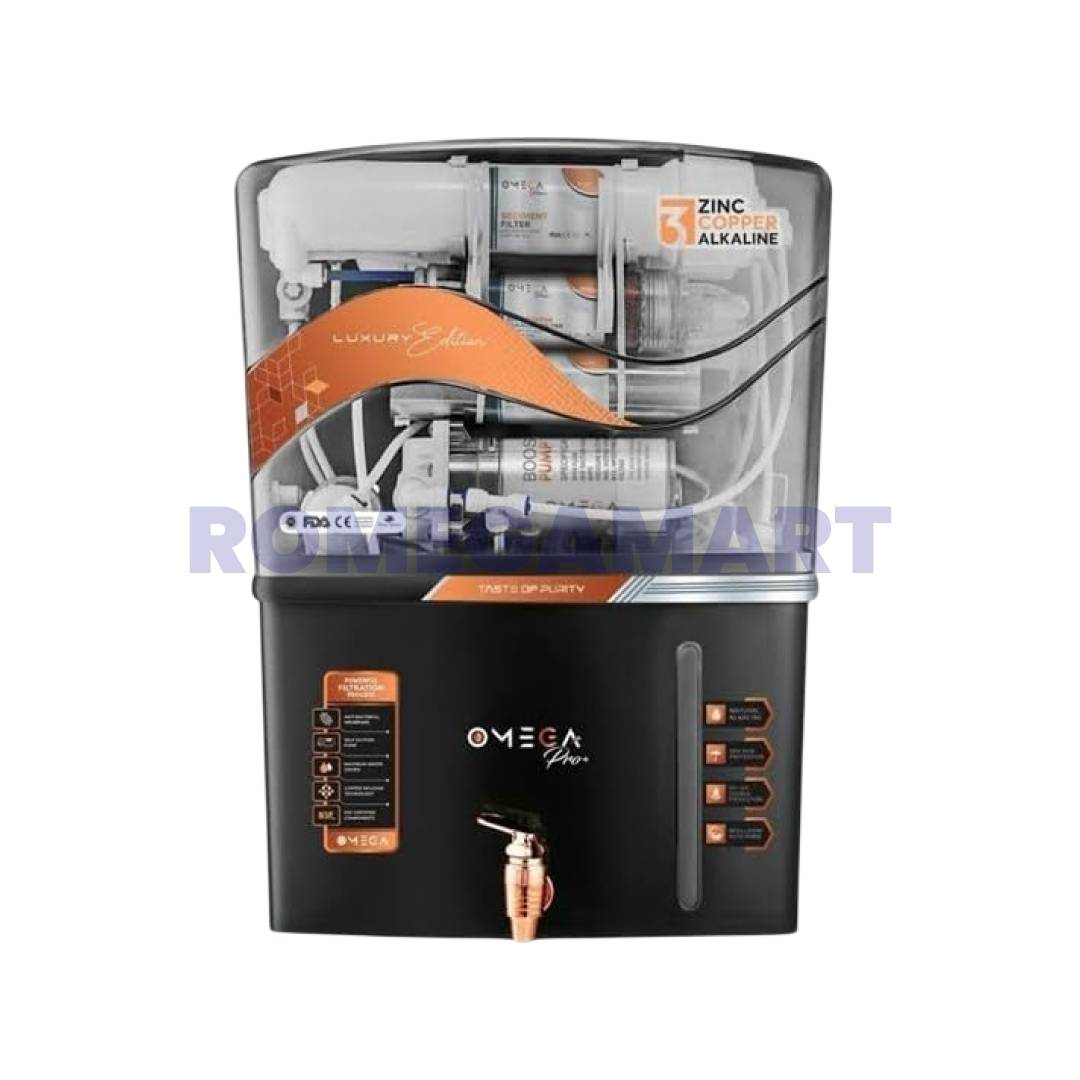
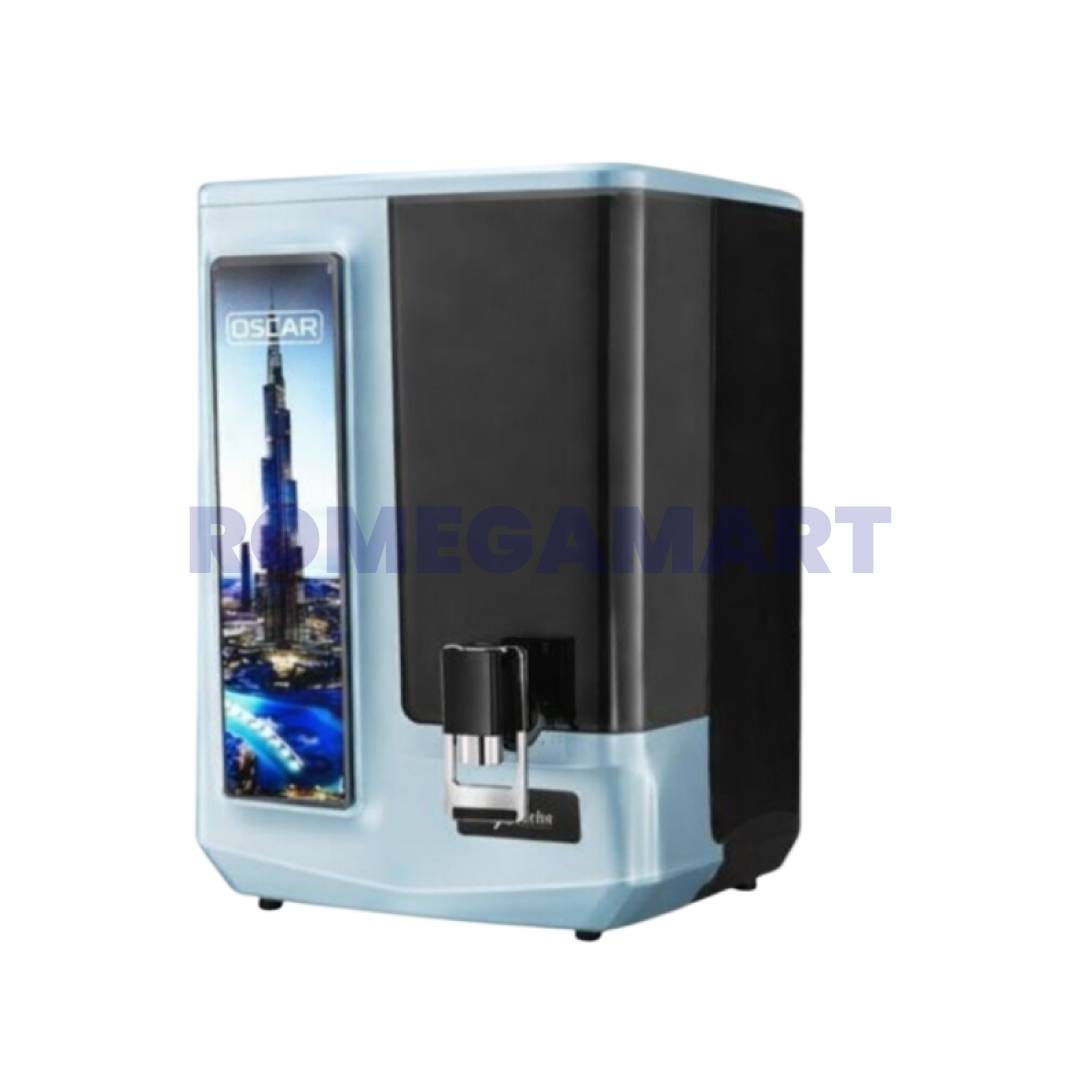
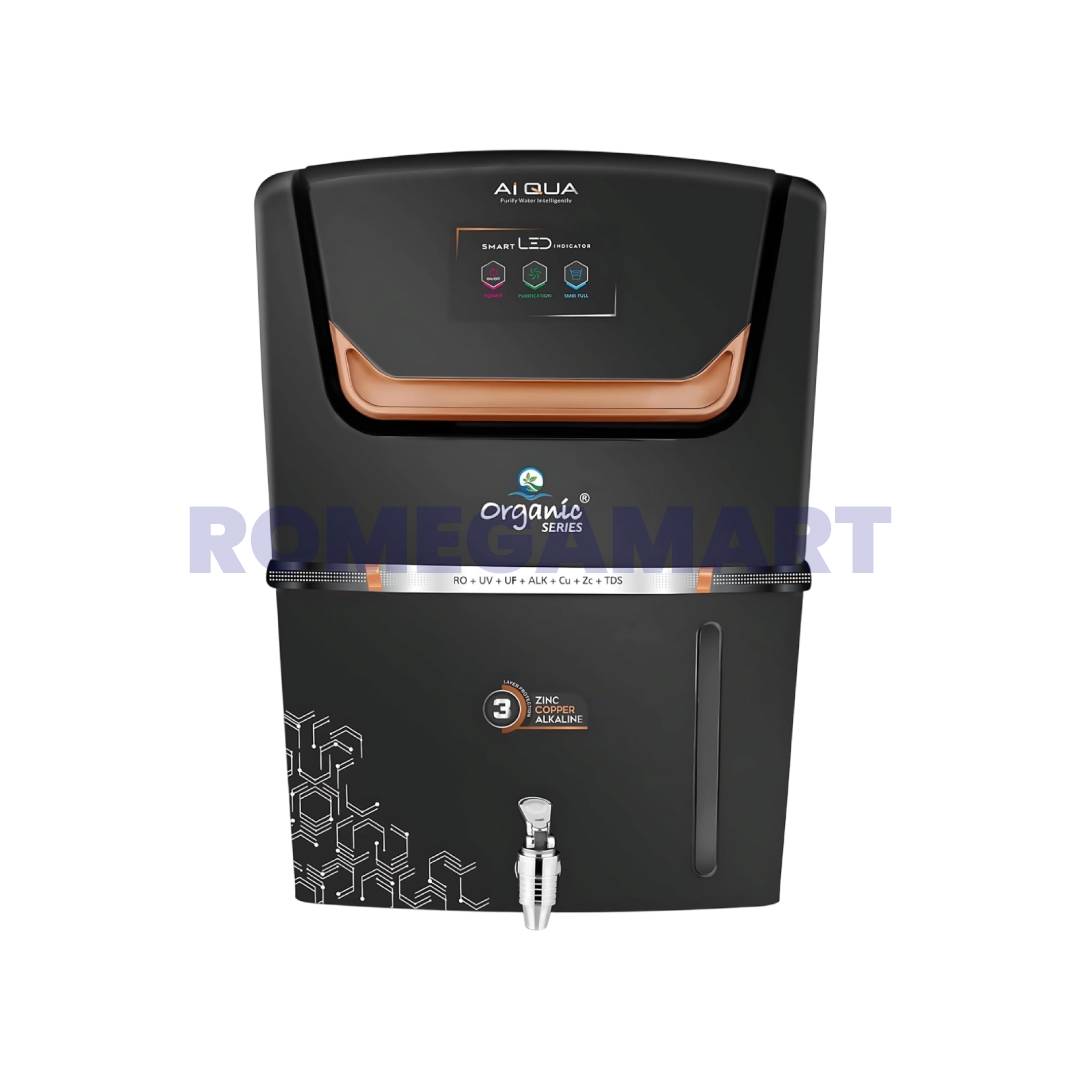
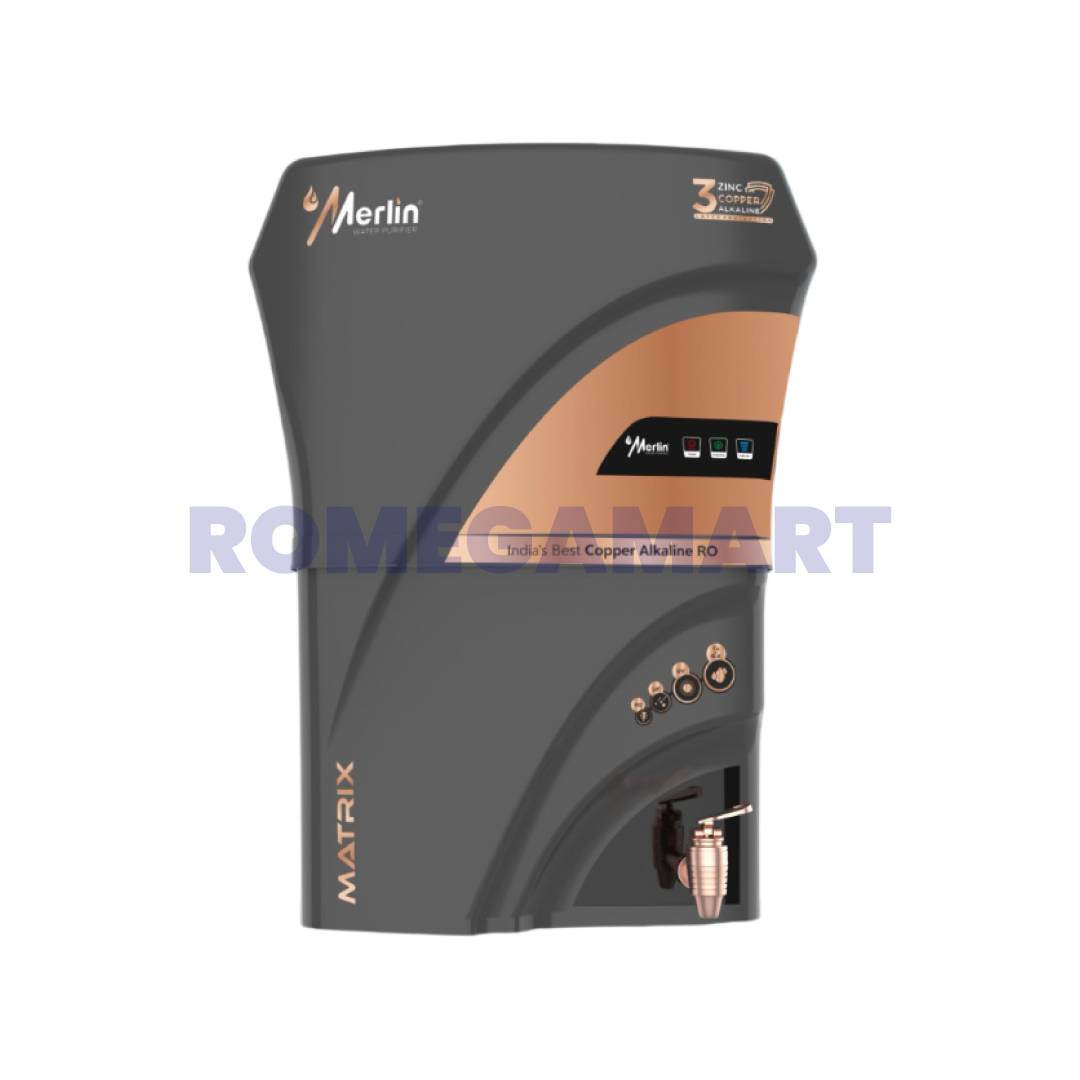
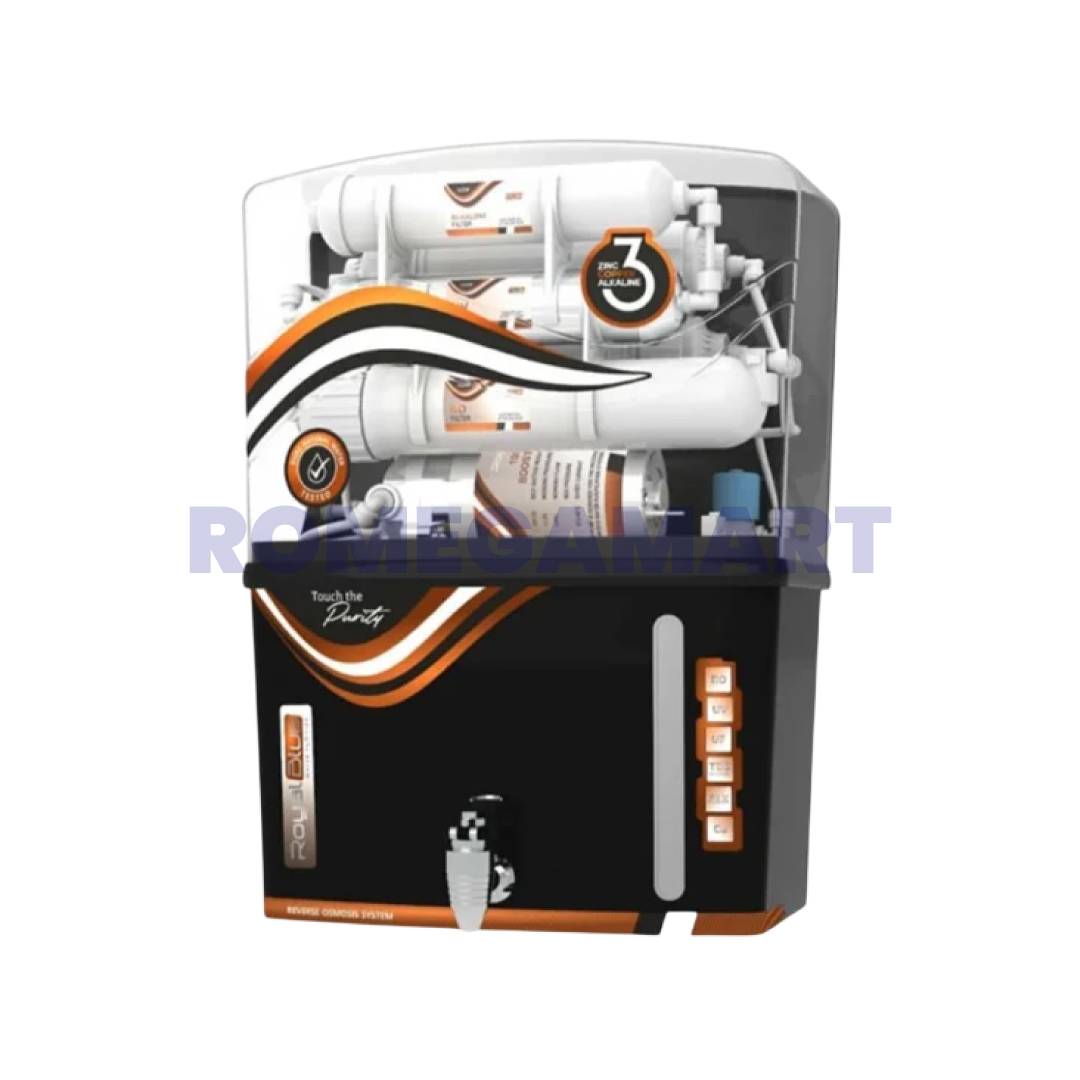
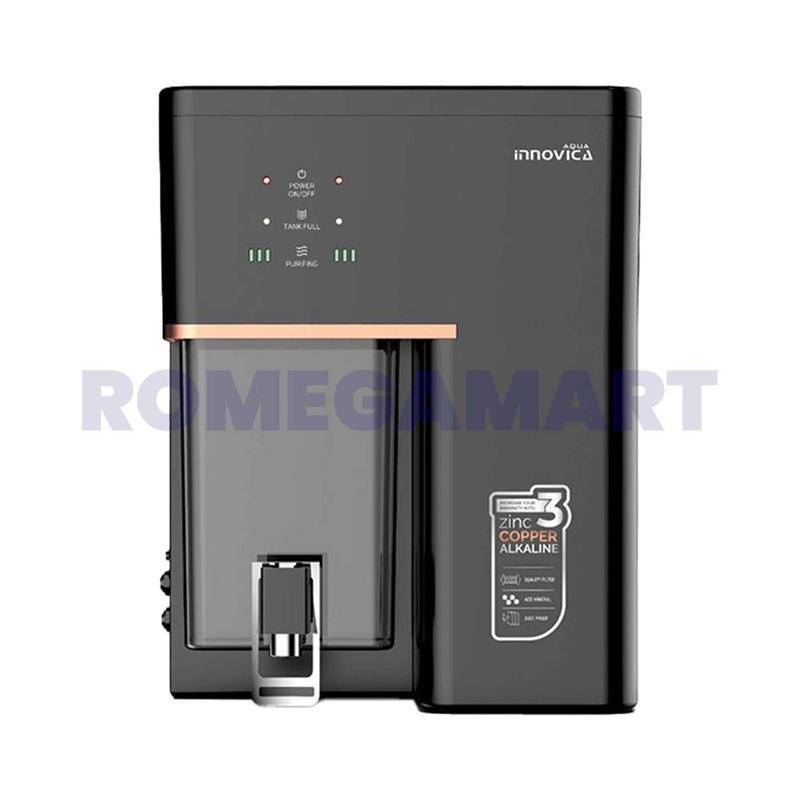
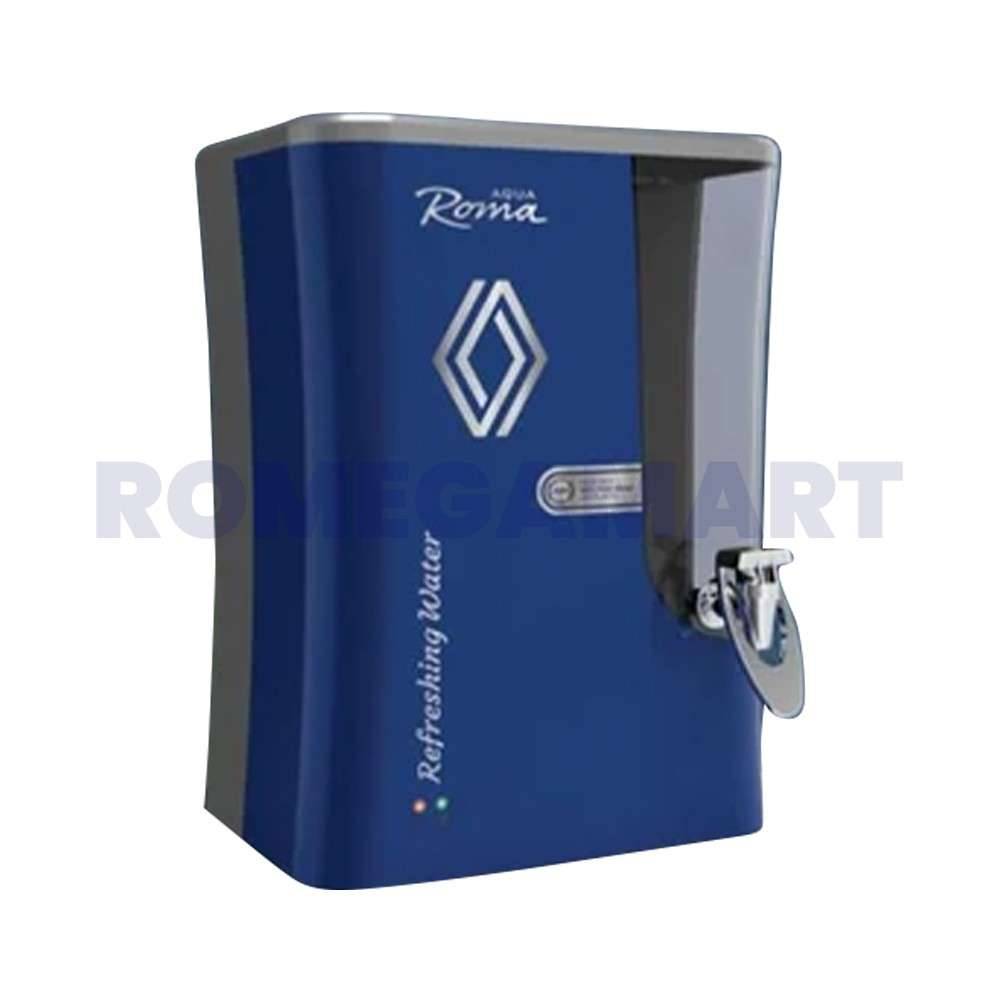
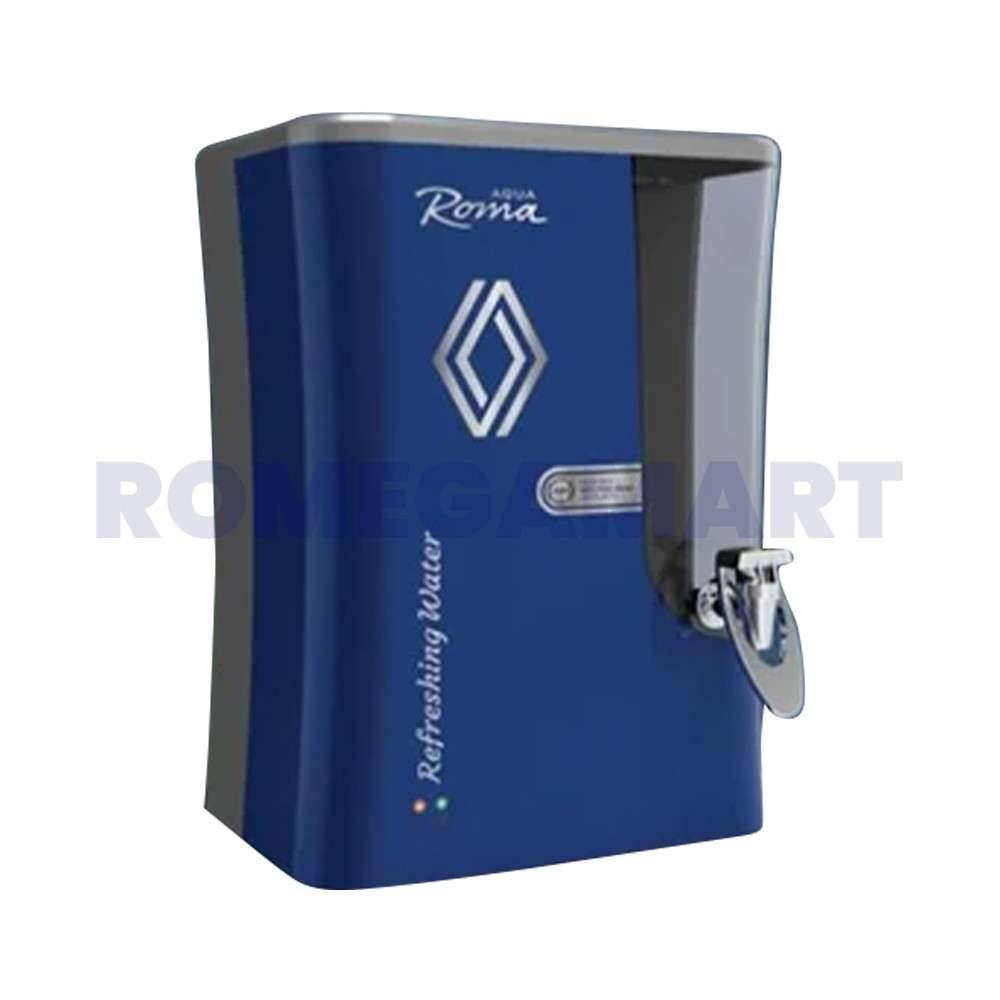
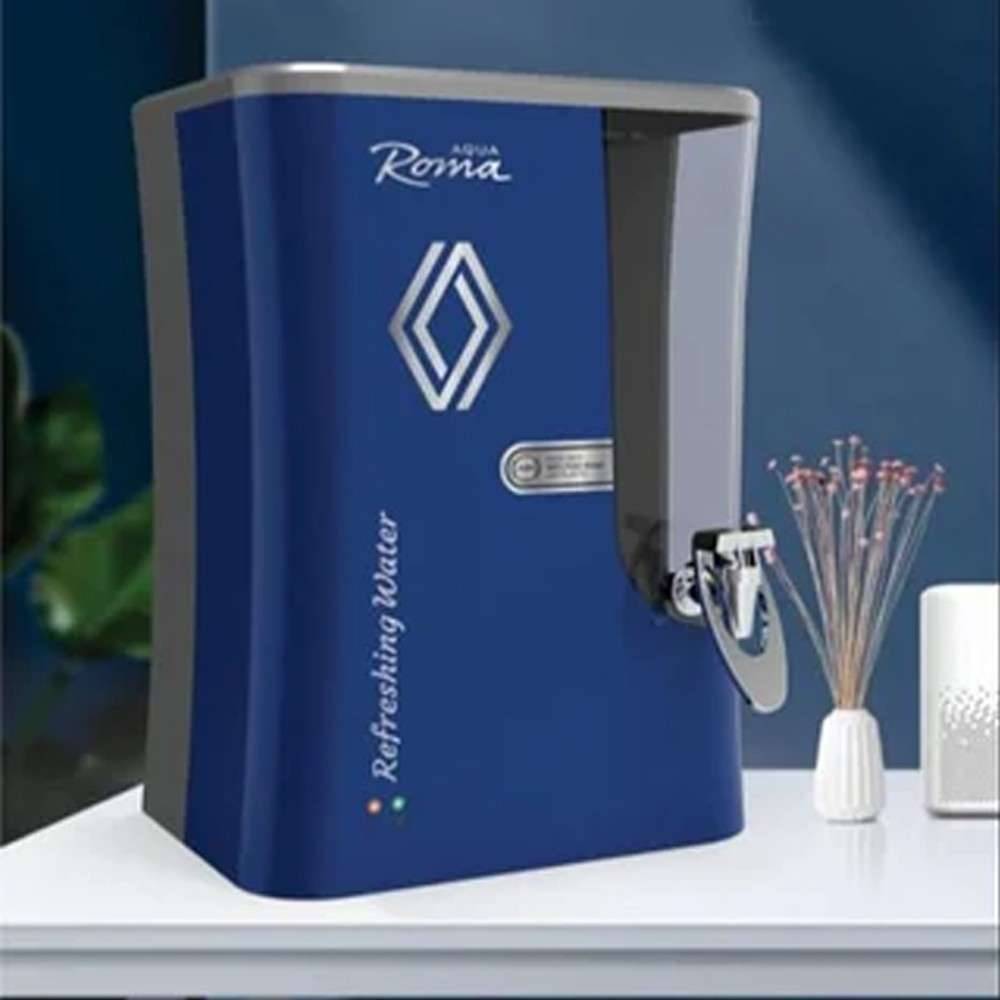
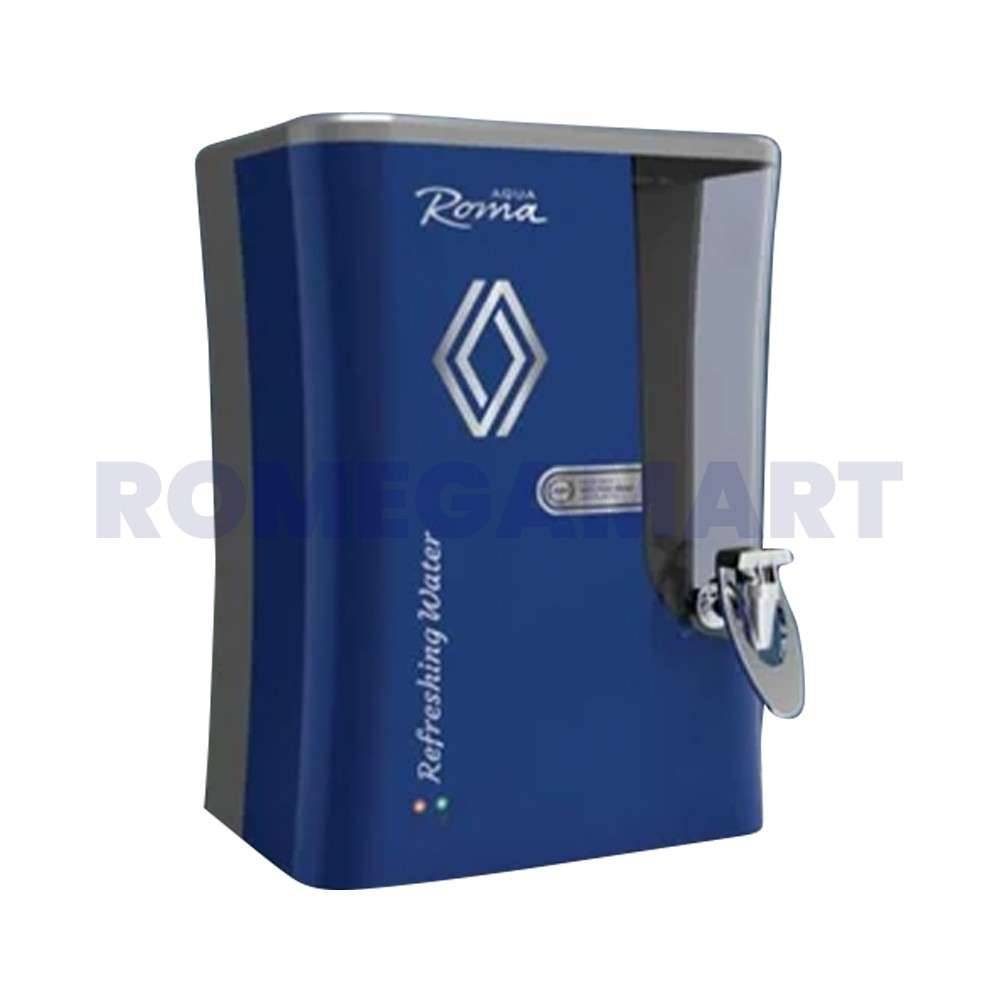
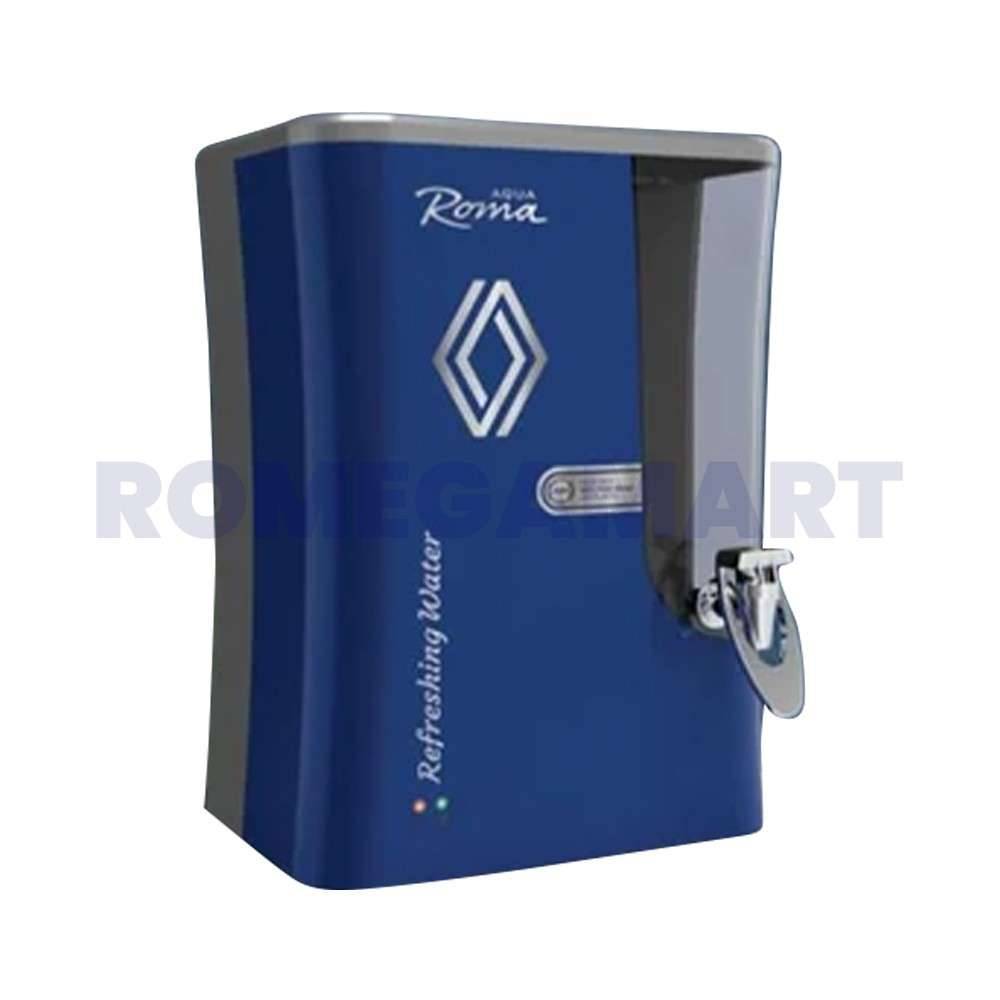
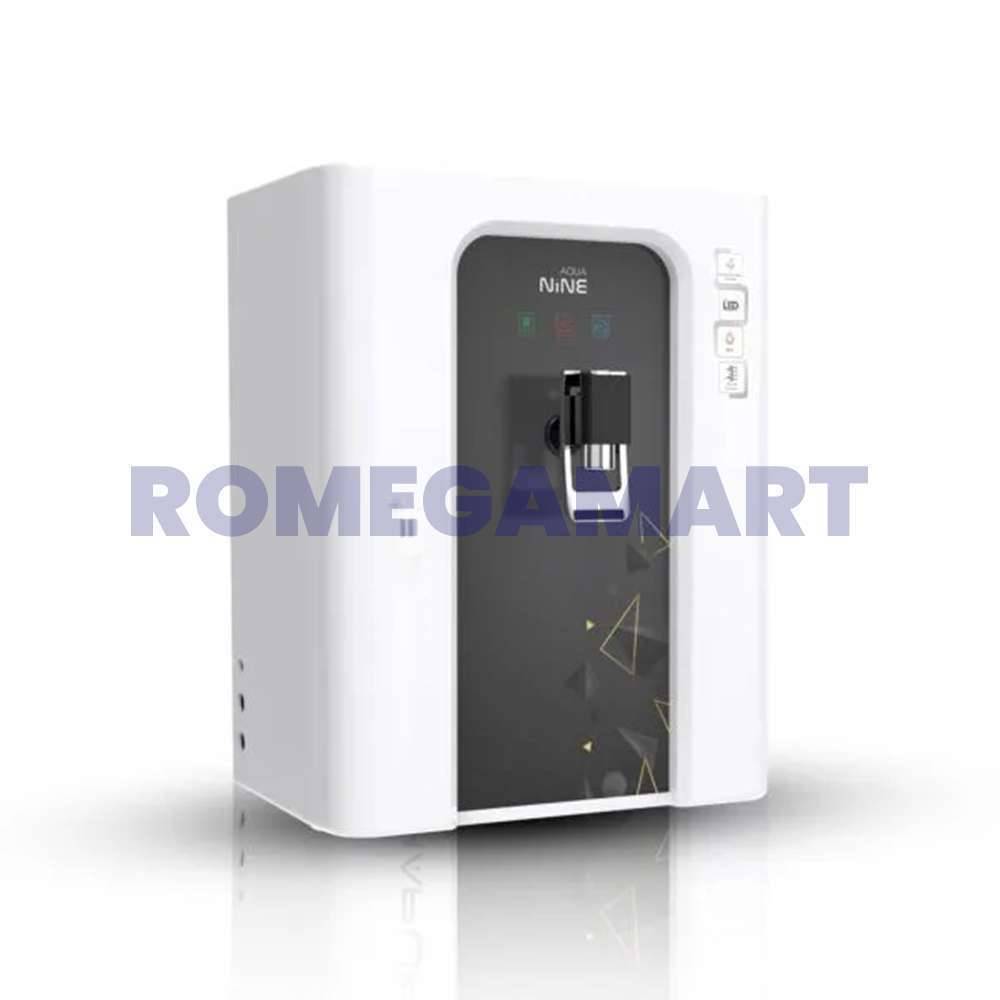
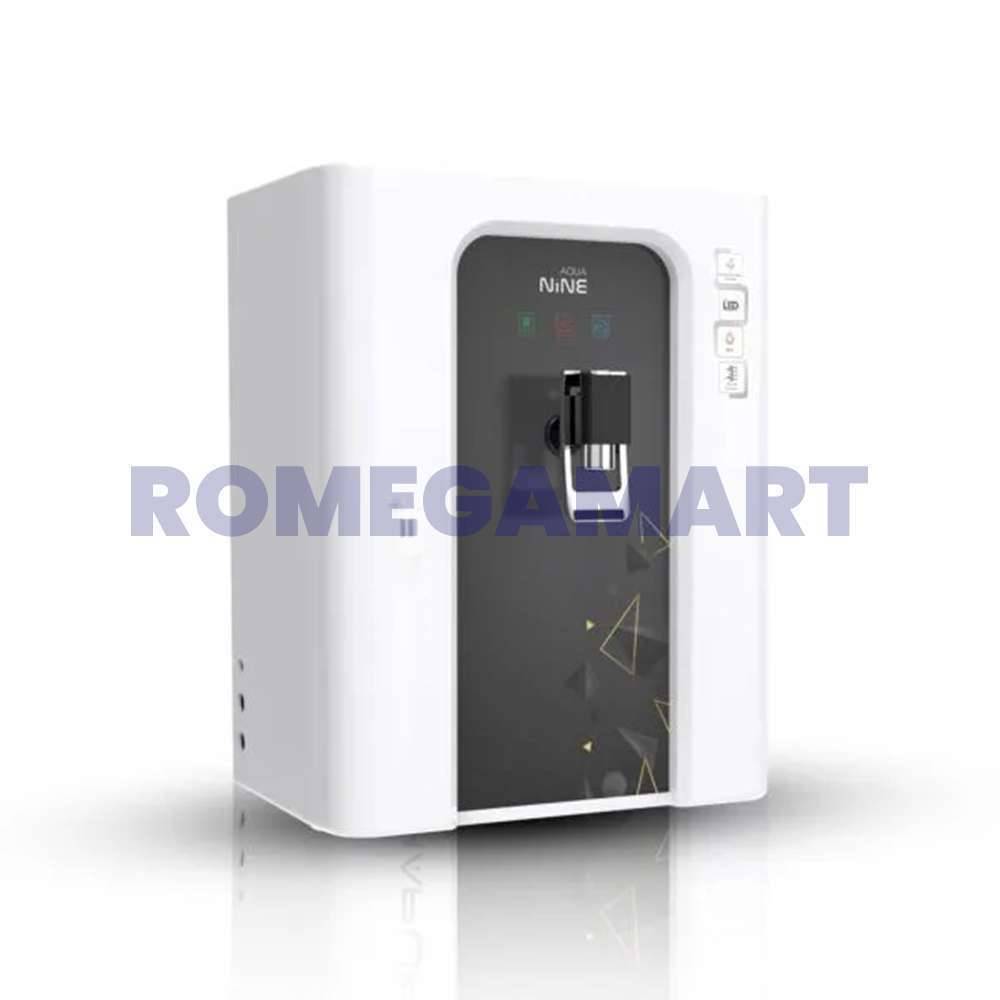
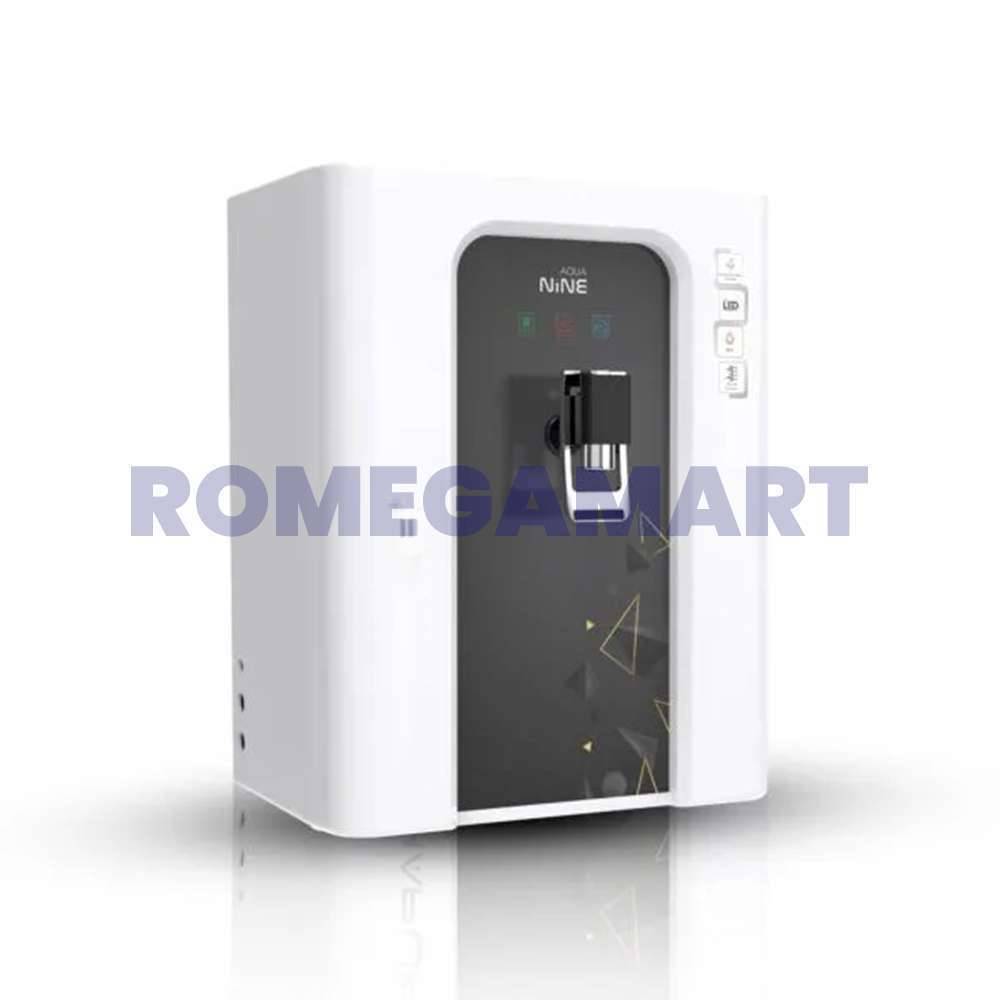
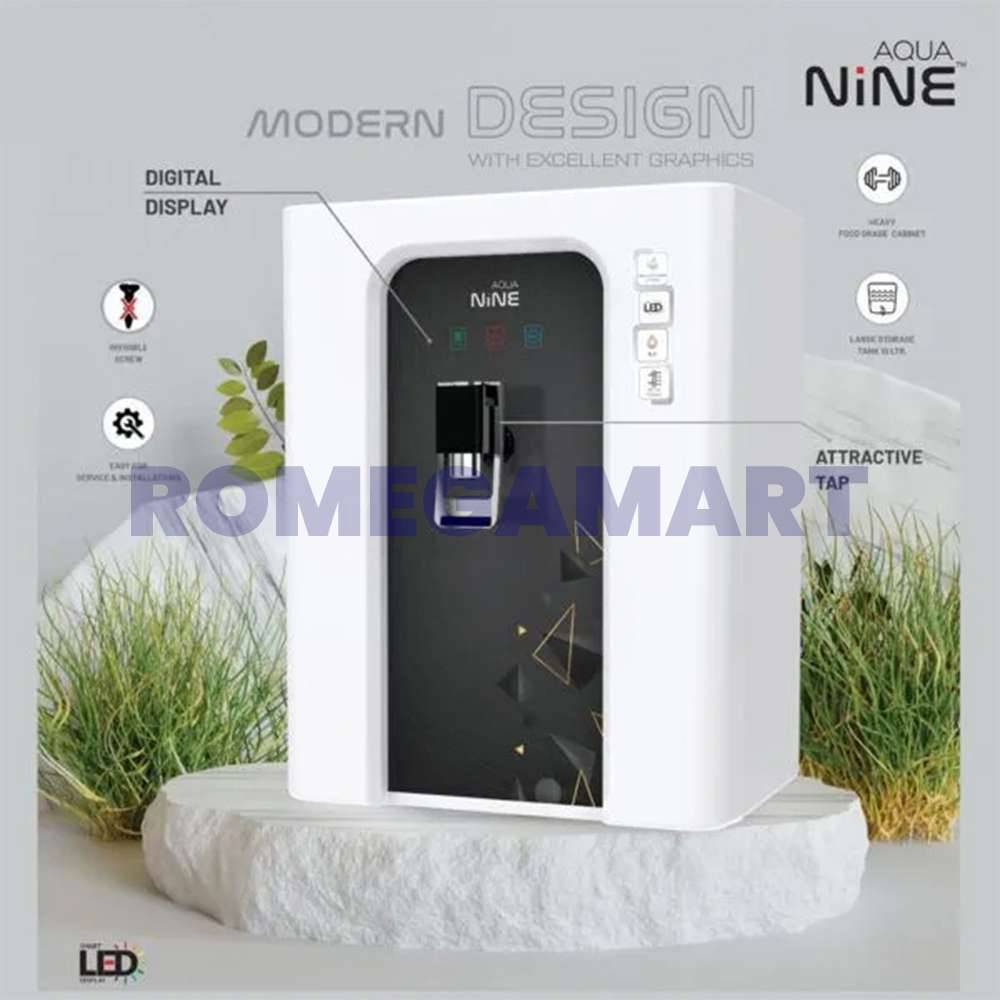
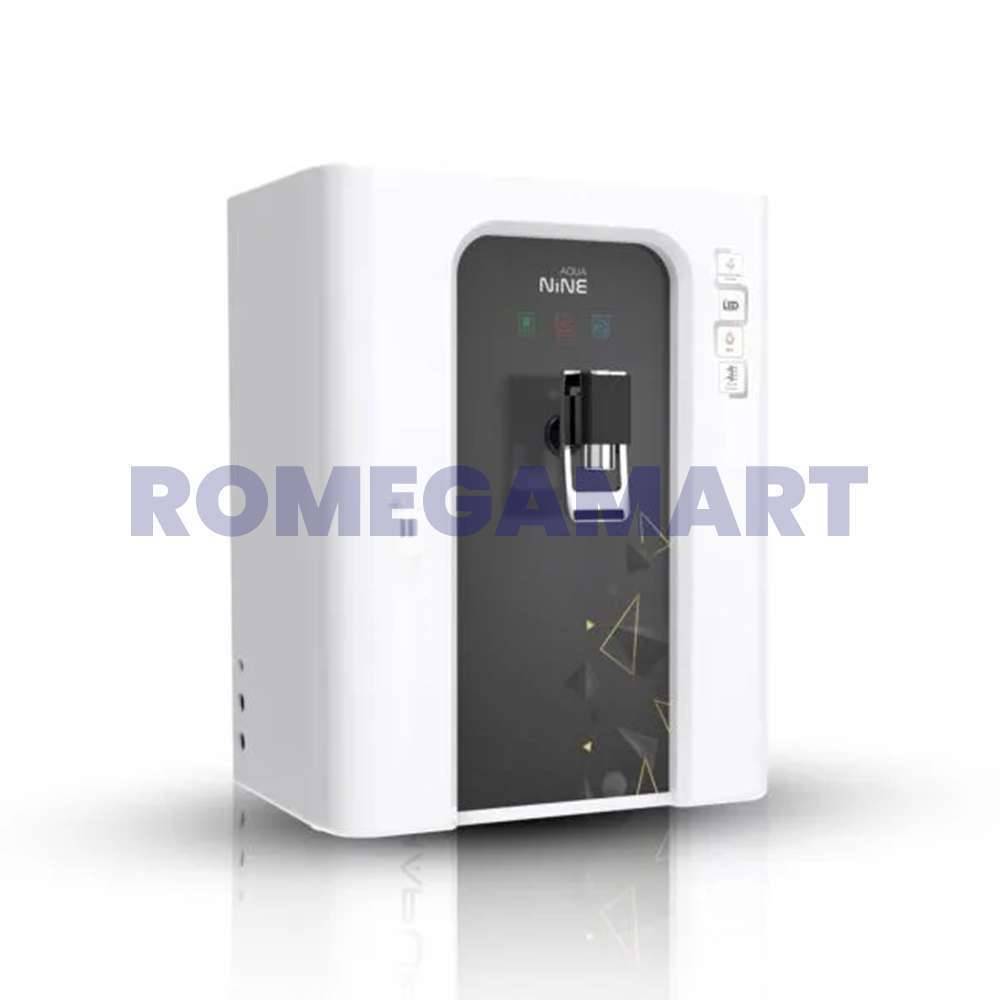
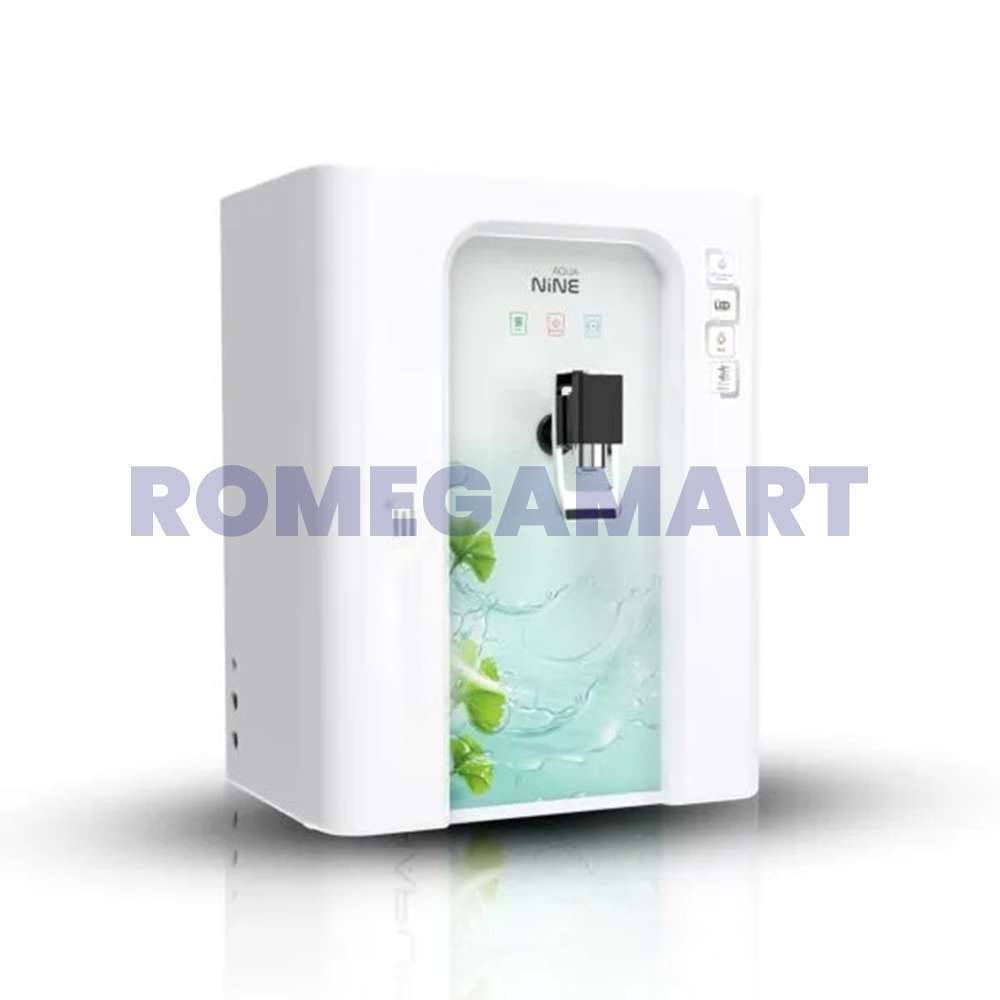
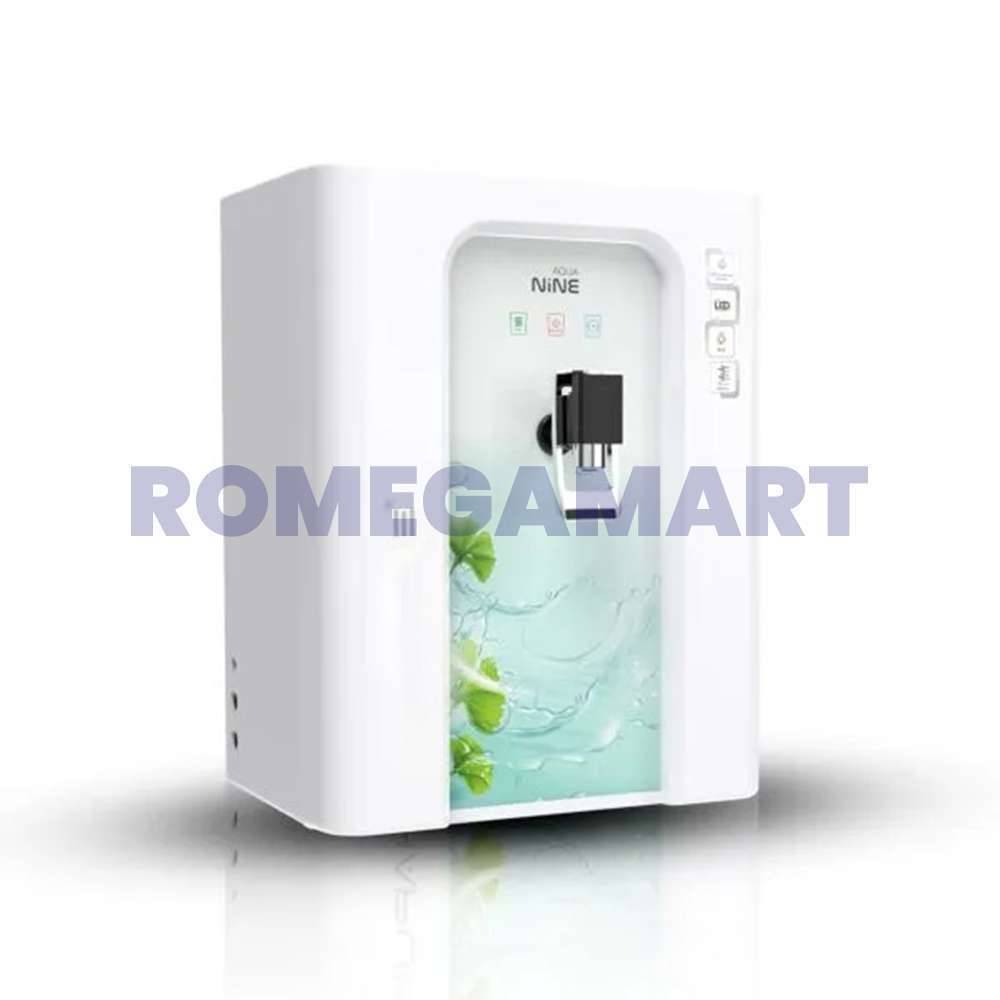
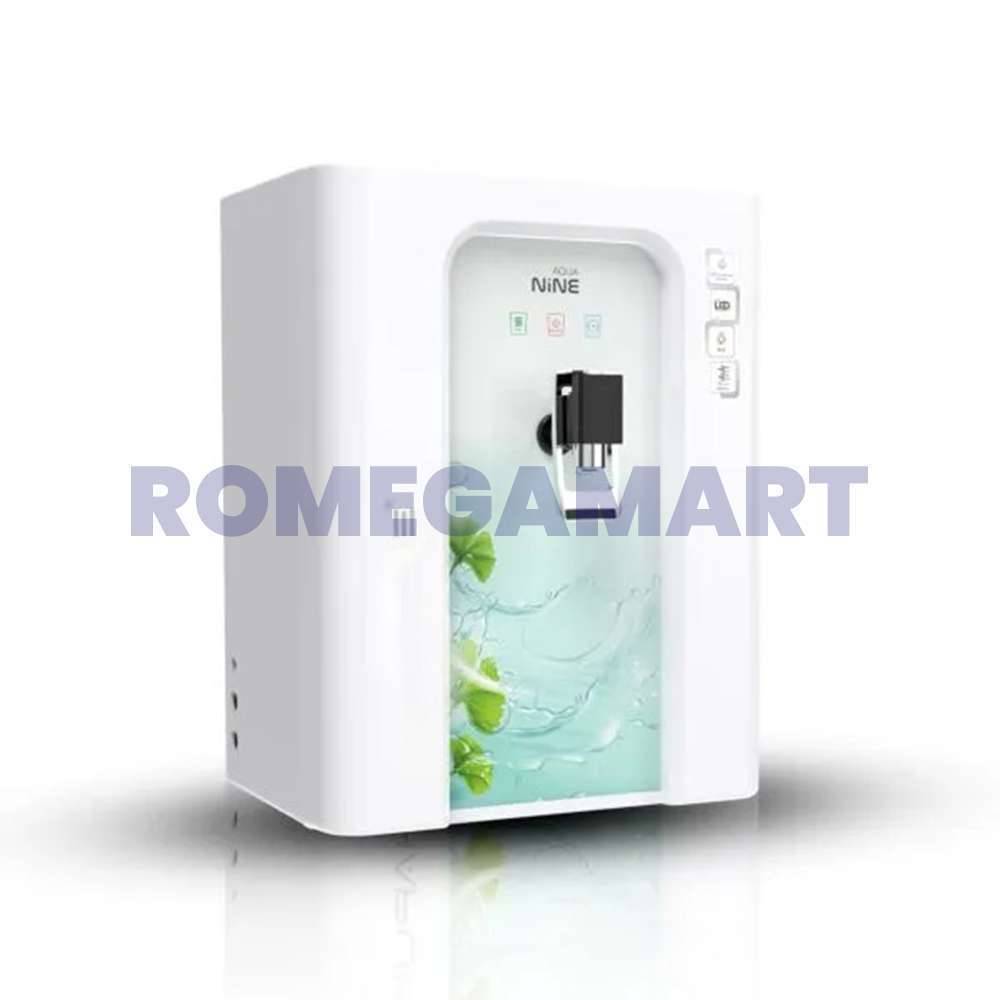
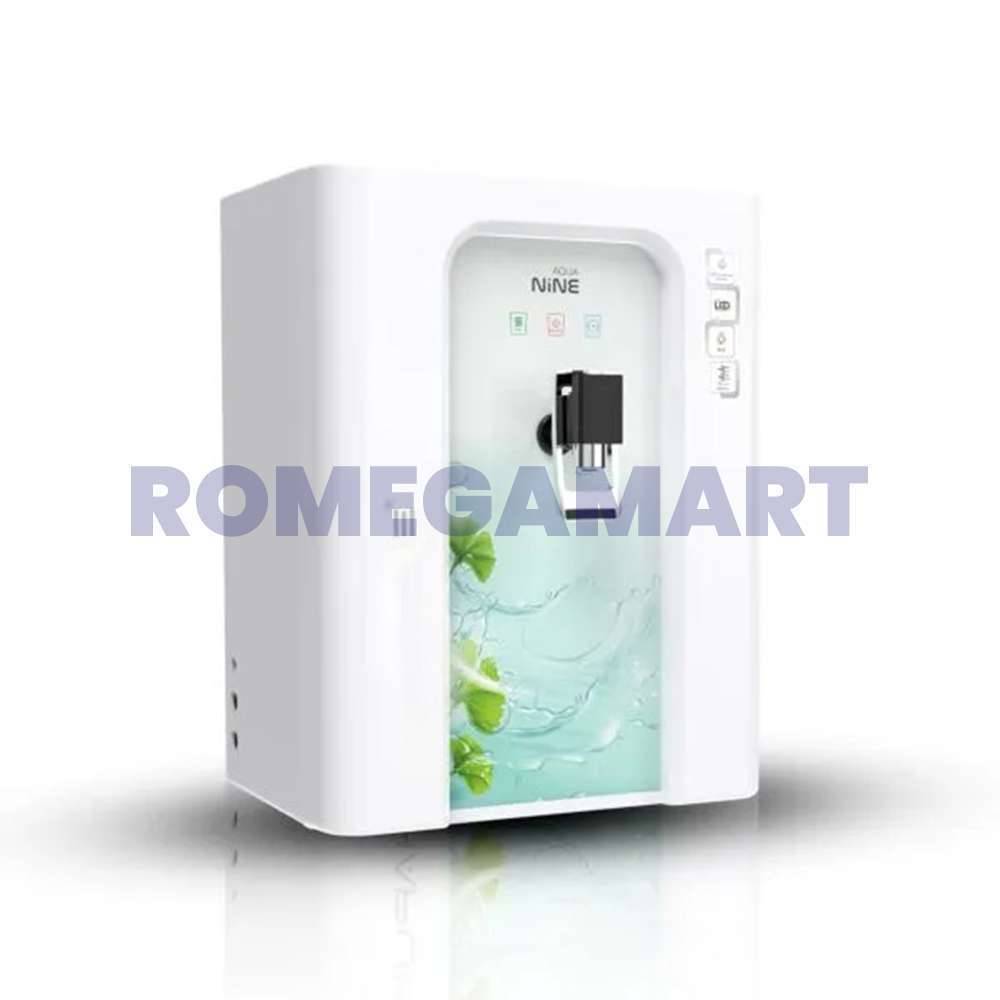
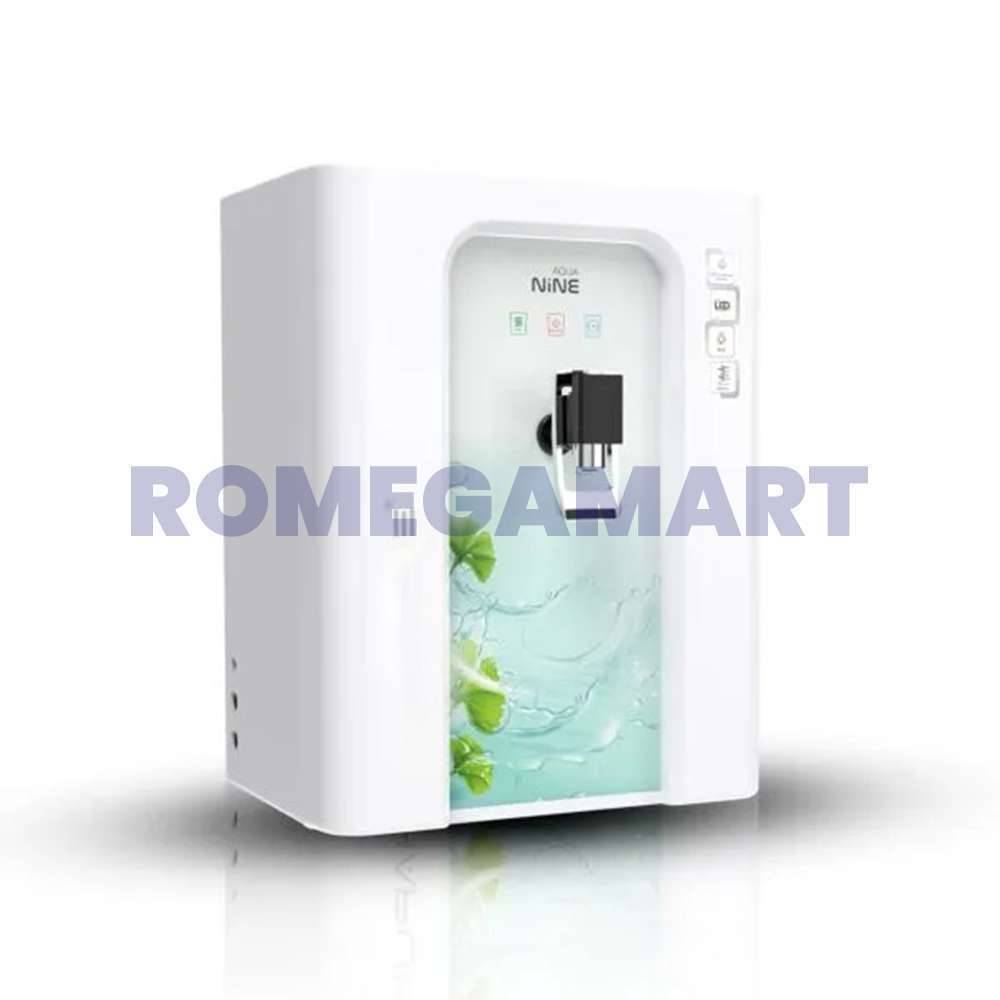
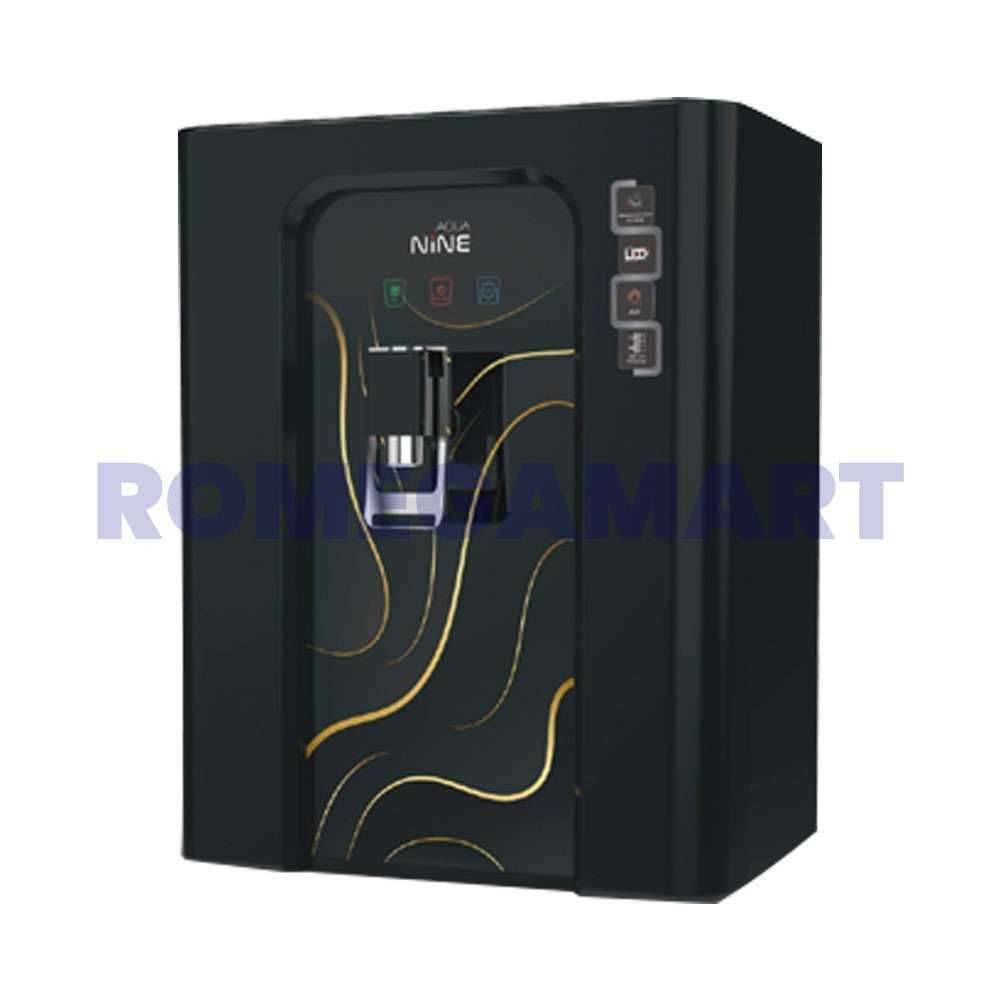
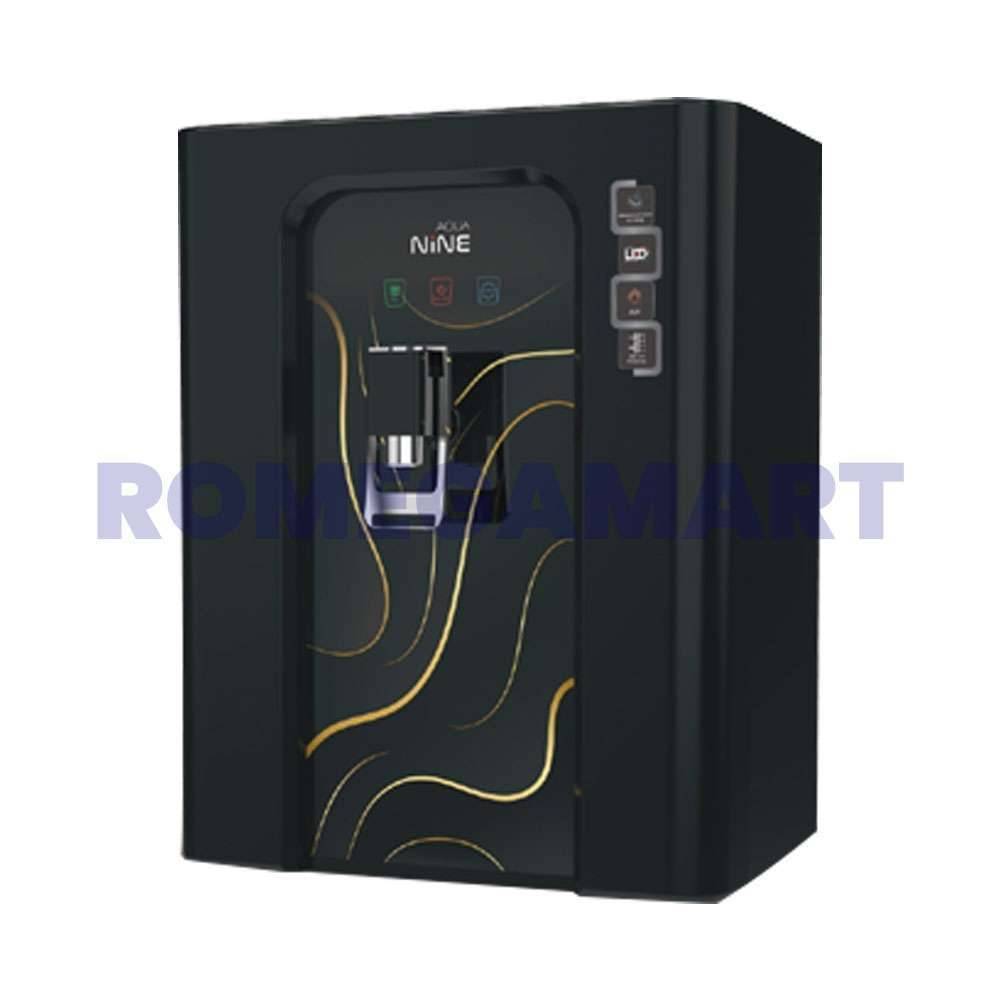
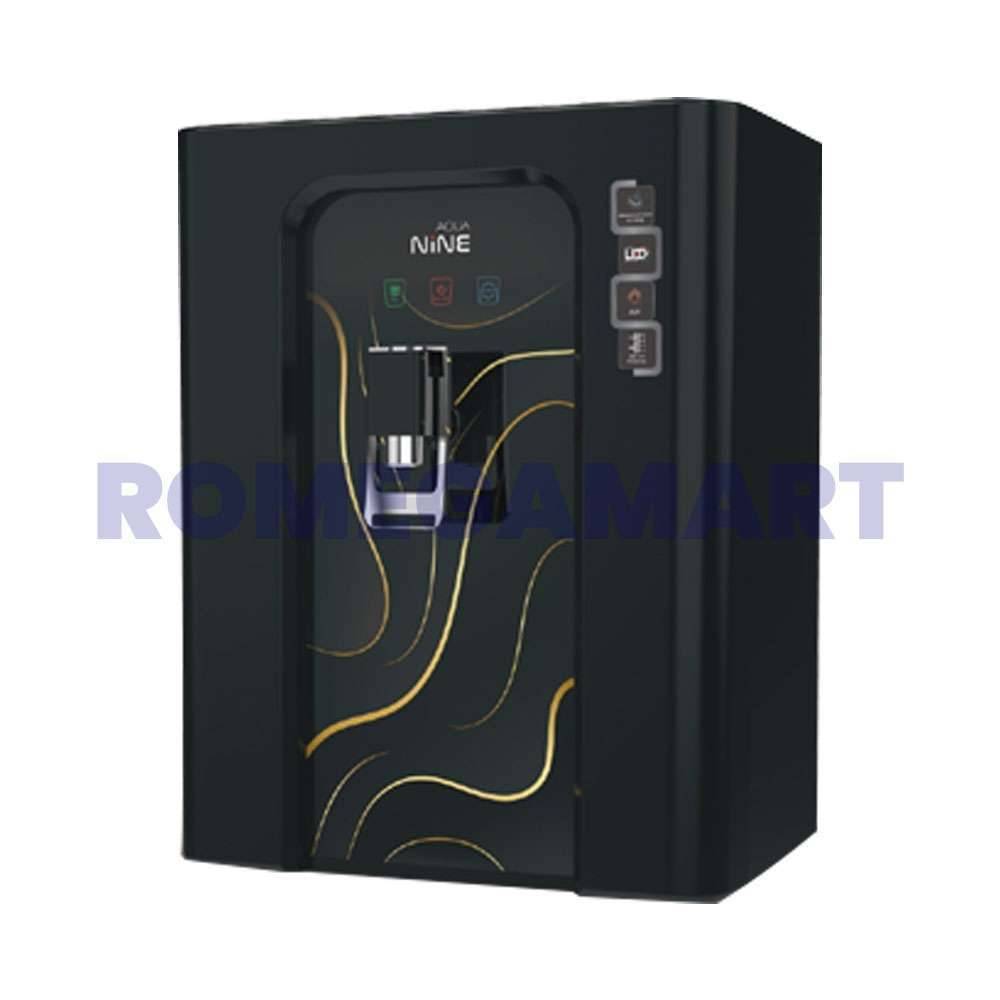
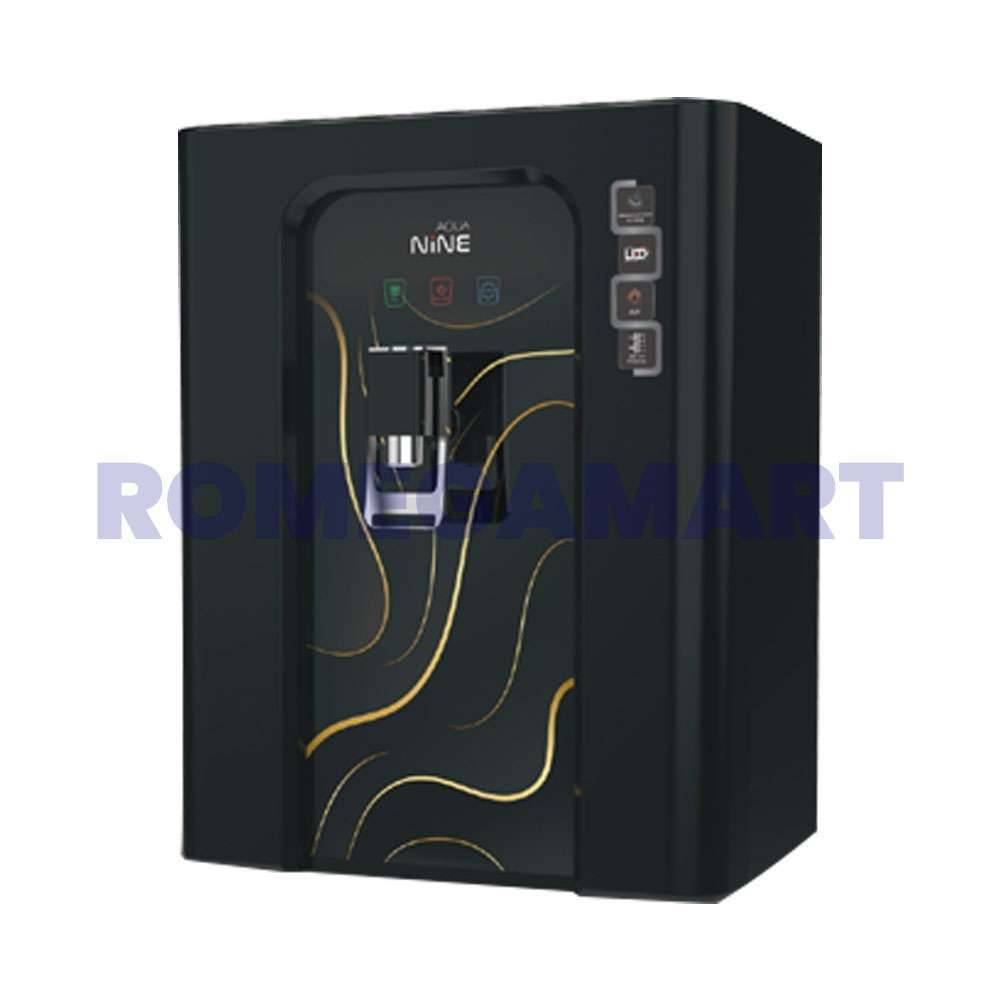
Wall Mounted RO Water Purifiers
Wall mounted RO water purifiers are compact domestic water purification systems designed to save counter space while providing convenient access to purified drinking water. These systems are suitable for homes, offices, shops, retailers, dealers, distributors, and other everyday applications.
Explore wall mounted RO water purifiers with different purification technologies, storage capacities, filtration stages, and features. Depending on the model, available systems may include RO, UV, UF, sediment filtration, activated carbon, mineralizer, copper, alkaline, and TDS control technologies.
Romegamart connects buyers with water purifier manufacturers, suppliers, dealers, distributors, and retailers. Compare product specifications, brands, storage capacity, purification stages, prices, and supplier details before selecting the right wall mounted RO water purifier for your requirements.
Why Choose a Wall Mounted RO Water Purifier?
Saves valuable kitchen and counter space.
Suitable for homes, offices, shops, and small businesses.
Provides convenient access to purified drinking water.
Available with different storage capacities for different family sizes.
Supports RO, UV, UF, and multi-stage purification technologies.
Available with features such as TDS control, mineralizer, copper, and alkaline filtration.
Easy to access for routine cleaning, servicing, and filter replacement.
Available from manufacturers, suppliers, dealers, and distributors for retail and wholesale requirements.
Wall Mounted RO Purifier Technologies
Different wall mounted water purifiers use different combinations of filtration technologies. Choose a system according to your source-water quality, TDS level, daily water consumption, electricity availability, and maintenance requirements.
RO Water Purifier
Reverse osmosis uses a semi-permeable membrane to reduce dissolved solids and other impurities from water. RO systems are commonly considered for borewell, tanker, and other high-TDS water sources. Test your water quality before selecting an RO purifier.
UV Water Purifier
Ultraviolet purification uses UV light to help deactivate microorganisms. UV systems are generally considered for water supplies with relatively low TDS where microbial purification is required.
UF Water Purifier
Ultrafiltration uses a membrane to filter suspended particles and certain microorganisms. Some UF systems can operate without electricity, depending on the product design and water pressure.
RO, UV, and UF Combination
Multi-stage systems combine two or more purification technologies. These models may be suitable for households that require dissolved-solids reduction together with additional filtration stages.
Features to Compare Before Buying
Purification technology and number of filtration stages.
Storage tank capacity.
Source-water compatibility.
RO membrane and filter type.
TDS controller or mineralizer.
Copper or alkaline feature, where available.
Power requirement and pump specifications.
Filter replacement cost and availability.
Warranty and installation support.
Manufacturer, supplier, dealer, or distributor details.
Product price, minimum order quantity, and delivery options.
How to Choose the Right Wall Mounted RO
Start by checking the quality of your incoming water. Measure the TDS level and identify whether the supply comes from a municipal line, borewell, tanker, or storage tank. Water testing helps you choose a suitable purification technology instead of selecting a purifier only by appearance or price.
Next, compare the storage capacity with your household or business requirements. A larger family or office may require a higher-capacity tank, while a small household may prefer a compact model. Also consider electricity availability, daily water consumption, service support, filter cost, installation requirements, and product warranty.
For retailers, dealers, and distributors, compare the supplier profile, brand, product specifications, minimum order quantity, replacement-part availability, and wholesale pricing before placing an order.
Wall Mounted RO for Different Applications
Homes
Select a suitable storage capacity and purification technology based on family size and water quality.
Offices
Compare storage capacity, daily output, service support, and regular maintenance requirements.
Shops
Choose a compact system with convenient operation and easy filter replacement.
Retailers and Dealers
Compare brands, pricing, product demand, supplier support, and availability.
Distributors
Review minimum order quantity, delivery coverage, replacement parts, and wholesale terms.
Wall Mounted RO Purifier Specifications
| Specification | Available Options or Details |
|---|---|
| Product Type | Wall Mounted RO Water Purifier |
| Installation Type | Wall Mounted |
| Purification Technology | RO, UV, UF, RO+UV, RO+UV+UF |
| Storage Capacity | 5 L, 8 L, 10 L, 12 L, 15 L, or as specified by the product |
| Suitable Applications | Home, Office, Shop, Retail, Wholesale, and Distribution |
| Water Sources | Municipal, Borewell, Tanker, and Storage-Tank Water |
| Additional Features | TDS Controller, Mineralizer, Copper, Alkaline, and UV Protection |
| Buying Options | Retail and Wholesale |
Buy Wall Mounted RO Water Purifiers Online
Browse the available wall mounted RO water purifier models on Romegamart and compare specifications, brands, storage capacity, filtration stages, prices, and supplier information. Whether you are buying a purifier for your home or sourcing products for resale, select a model that matches your water quality and usage requirements.
For wholesale enquiries, retailers, dealers, and distributors can contact the relevant supplier to confirm product availability, minimum order quantity, delivery timelines, installation support, warranty, and after-sales service.
Frequently Asked Questions
What is a wall mounted RO water purifier?
A wall mounted RO water purifier is a drinking-water purification system installed on a wall. It may use reverse osmosis along with UV, UF, sediment, carbon, mineral, or other filtration stages, depending on the model.
Is a wall mounted RO suitable for borewell water?
A wall mounted RO may be suitable for borewell water with high dissolved solids, but the source water should be tested before choosing a purifier. Select the technology according to TDS, contaminants, pressure, and daily usage.
What is the difference between wall mounted RO and under-sink RO?
A wall mounted RO is installed visibly on the wall, while an under-sink RO system is installed below the kitchen counter. Wall mounted systems are generally easier to access, inspect, and service.
What storage capacity should I choose?
Choose storage capacity according to family size, daily consumption, water availability, and electricity reliability. Compare the available tank capacities and product output before purchasing.
What should I check before buying a wall mounted RO?
Check the source-water quality, TDS level, purification stages, storage capacity, filter cost, warranty, installation, service availability, supplier details, and replacement-part availability.
Can retailers and distributors buy wall mounted RO systems wholesale?
Yes. Retailers, dealers, and distributors can contact suppliers listed on Romegamart to confirm wholesale pricing, minimum order quantity, product availability, delivery, warranty, and after-sales support.
Explore more categories
Table top RO water purifier for high TDS water.
Under counter RO water purifier with storage tank.
Water purifier for tanker water.
Non electric water purifier without electricity.
Imported RO water purifier for high TDS water.
Domestic RO water purifier wholesale supplier.
Alkaline water purifier with ionizer