RO Chemicals for Industrial, Commercial and Domestic RO Plants in Delhi

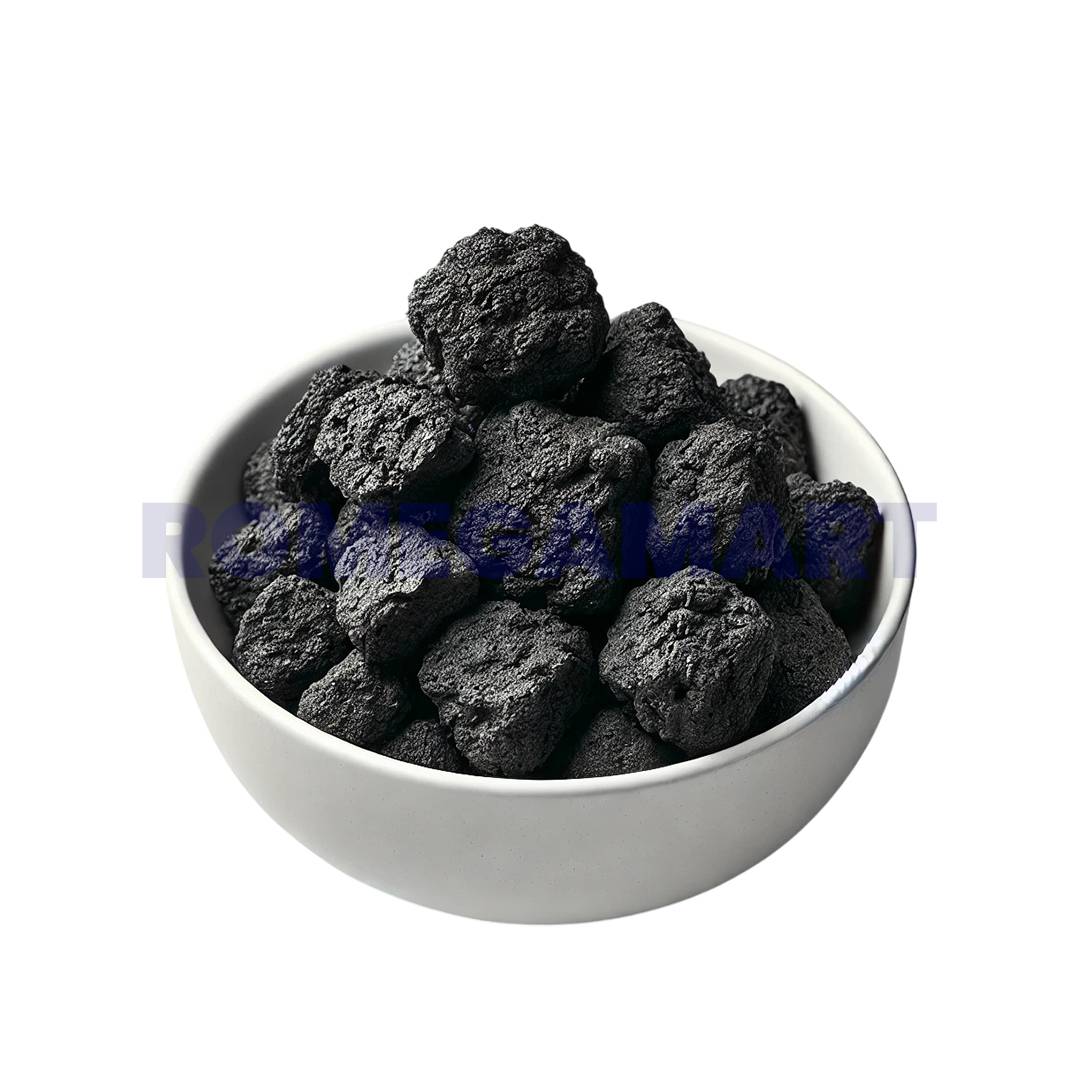
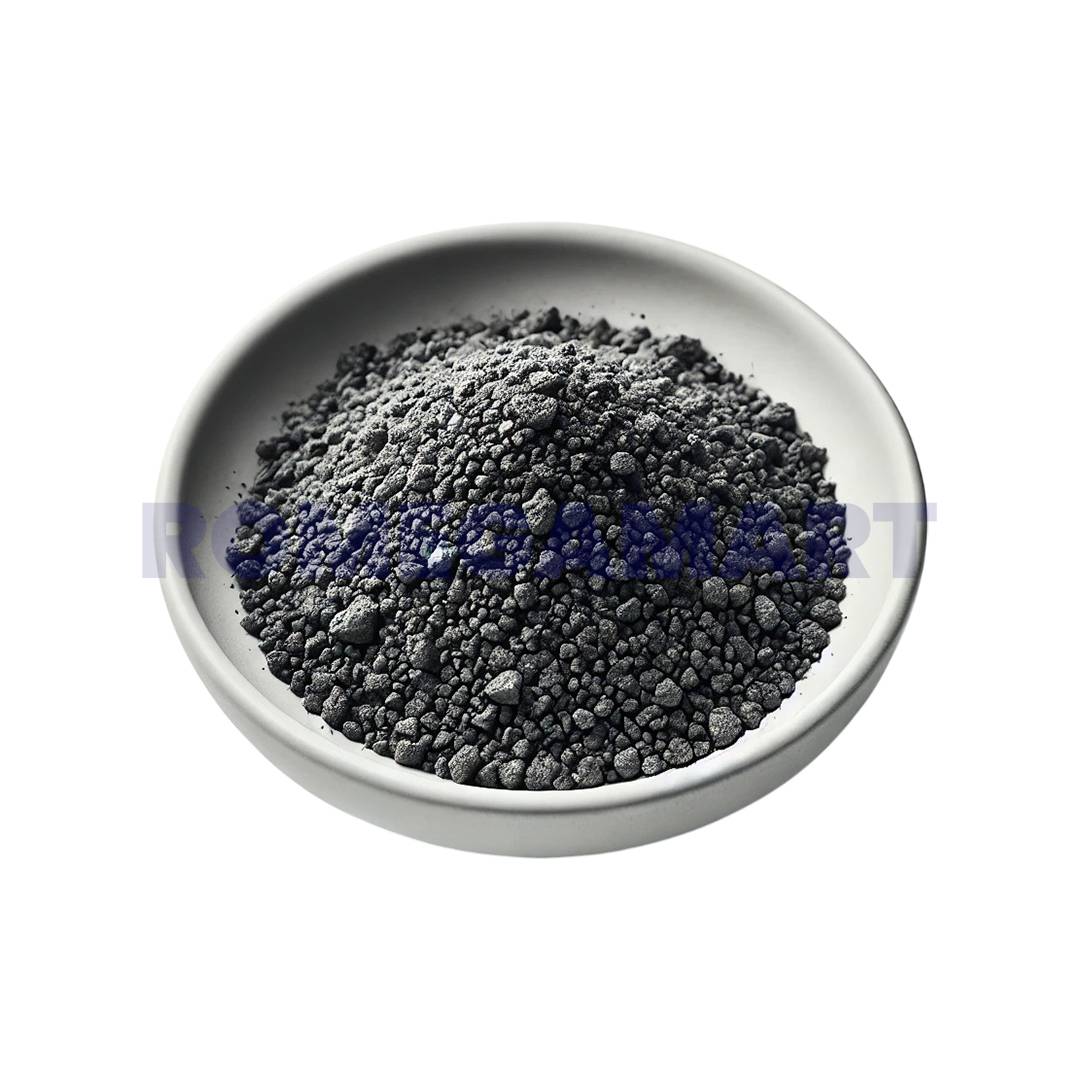
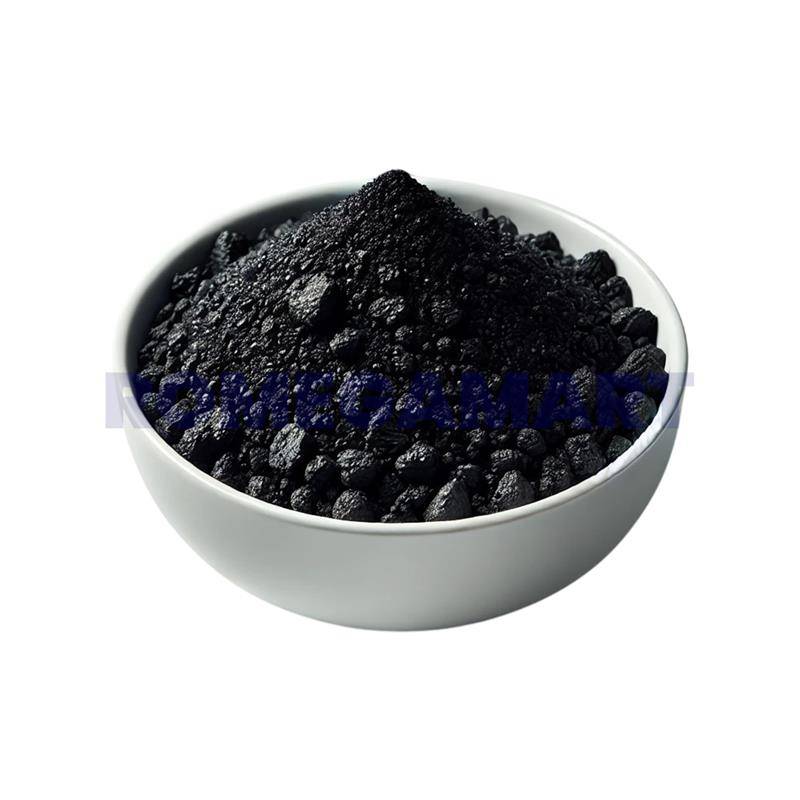
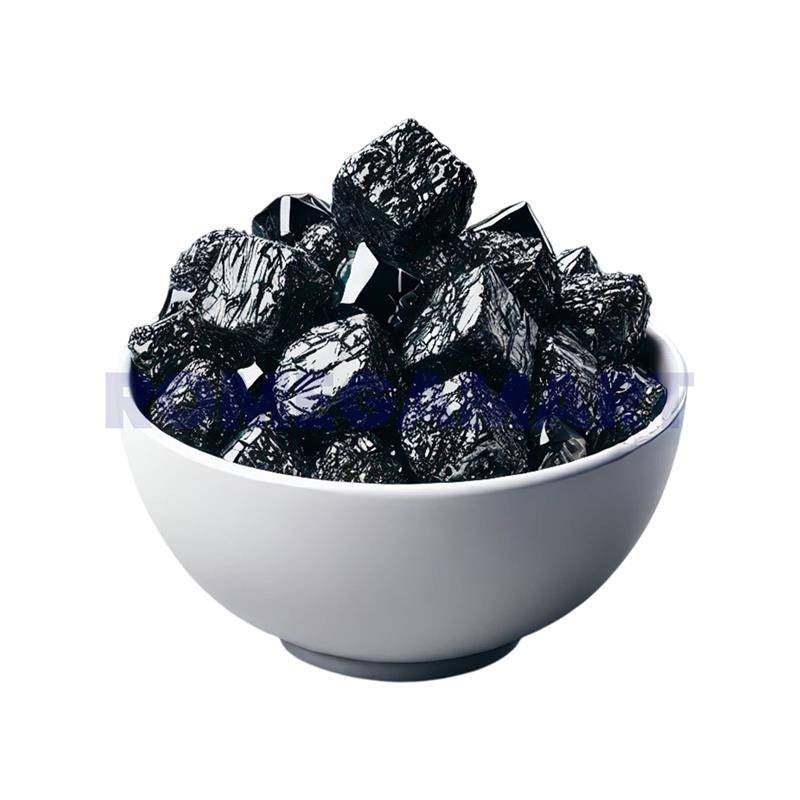


RO Chemicals for Industrial, Commercial and Domestic RO Plants
Buy quality RO Chemicals for the efficient operation, cleaning and protection of reverse osmosis systems. At Romegamart, explore essential chemicals for domestic RO purifiers, commercial RO systems, industrial RO plants, water-treatment units, and membrane-based filtration applications.
RO chemicals are used to manage scaling, membrane fouling, microbial growth, pH imbalance, and deposits that can reduce water flow, lower rejection performance, and increase maintenance requirements. Selecting the right chemical based on feed-water quality, membrane type, system capacity, and operating conditions helps support consistent RO plant performance.
Types of RO Chemicals Available
Our RO chemical range can support common RO plant maintenance and water-treatment requirements:
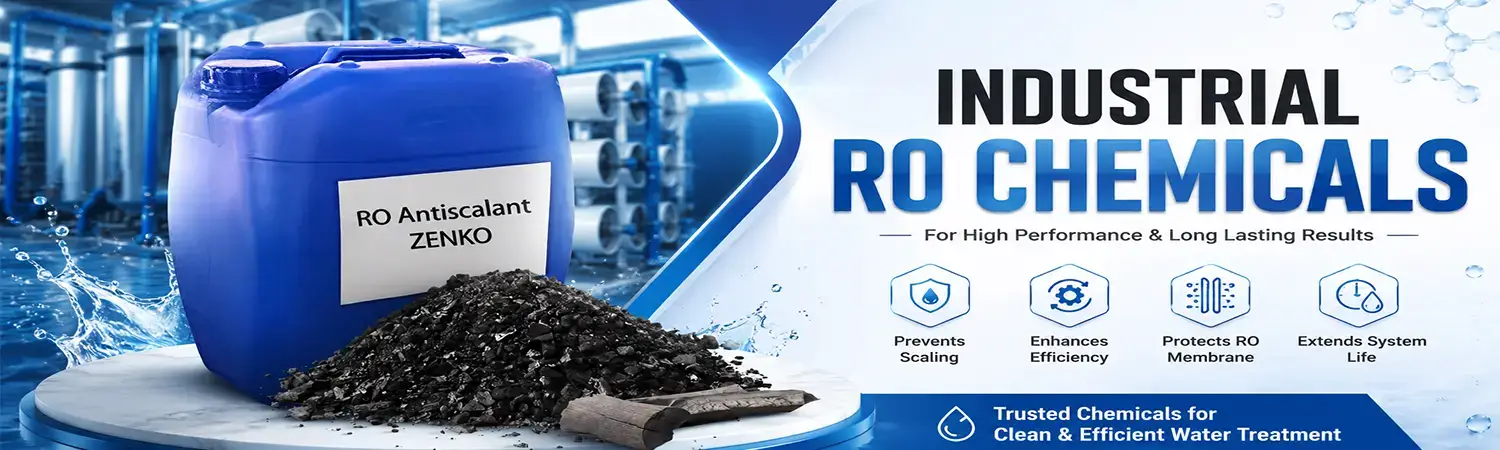
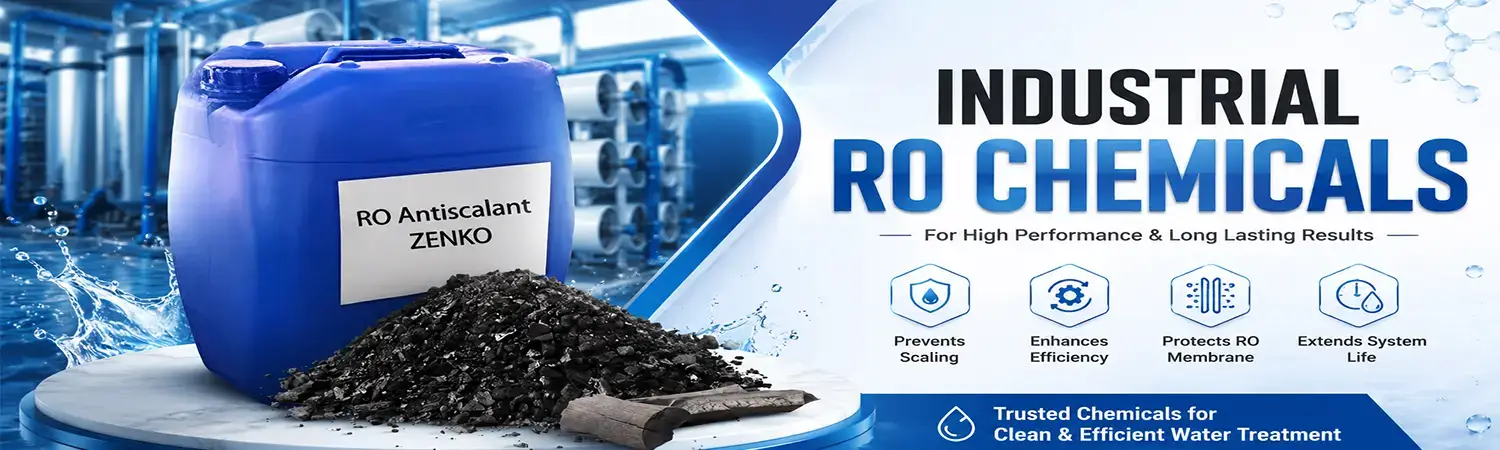
RO Antiscalant Chemicals: Help control mineral scale formation on RO membranes, including deposits caused by hardness, calcium, silica, sulphates, and other dissolved salts.
RO Membrane Cleaning Chemicals: Acidic and alkaline cleaning formulations used during CIP cleaning to remove scale, organic matter, colloidal deposits, and other membrane foulants.
RO Biocide Chemicals: Used to control microbial growth and biofilm in suitable industrial RO-system applications.
pH Booster and pH Reducer Chemicals: Used for feed-water pH adjustment where required for RO operation, pretreatment, or chemical cleaning.
RO Dechlorination Chemicals: Help remove residual chlorine before it reaches chlorine-sensitive RO membranes, where applicable.
RO Flushing Chemicals: Used for cleaning, preserving, or maintaining RO membranes as per system requirements and manufacturer guidance.
Antiscalants, membrane cleaners, and biocides are widely used in membrane treatment programmes to address scale, fouling, and biological growth that may affect system performance. The right formulation should be chosen according to feed-water analysis, membrane compatibility, and the operating design of the RO plant.
Applications of RO Chemicals
RO chemicals are commonly used in:
Industrial RO plants
Packaged drinking-water plants
Pharmaceutical and food-processing water treatment
Hotels, hospitals, schools, and institutional RO systems
Boiler-feed-water and cooling-tower pretreatment
Effluent-treatment plant and wastewater-recovery systems
Domestic and commercial RO servicing applications
Why Use RO Chemicals?
Regular and correctly controlled RO chemical dosing can help reduce scale formation, protect membranes from fouling, maintain water flow, improve membrane life, and reduce unplanned RO plant downtime. Antiscalants are generally dosed into the feed stream to limit mineral deposition, while suitable acidic or alkaline membrane cleaners may be used during cleaning cycles to address specific foulants.dutcotennant+1
Always follow the chemical product label, safety data sheet, membrane manufacturer recommendations, and site-specific dosing guidance. Do not use cleaning chemicals, biocides, or dosing products without checking their compatibility with your RO membrane, piping, seals, and intended application.
Choose the Right RO Chemical
Before buying RO chemicals, check:
Feed-water TDS, hardness, silica, iron, pH, and microbiological condition
RO plant capacity and daily operating hours
Membrane make, model, and chemical-compatibility requirements
Required application: antiscalant dosing, membrane cleaning, pH adjustment, or biocide treatment
Chemical concentration, pack size, and storage requirements
Dosing-pump capacity and recommended dosing rate
Whether the treated water is intended for industrial process use or potable-water applications
Explore RO chemicals at Romegamart to find suitable solutions for membrane protection, RO plant cleaning, water-treatment dosing, and routine system maintenance.