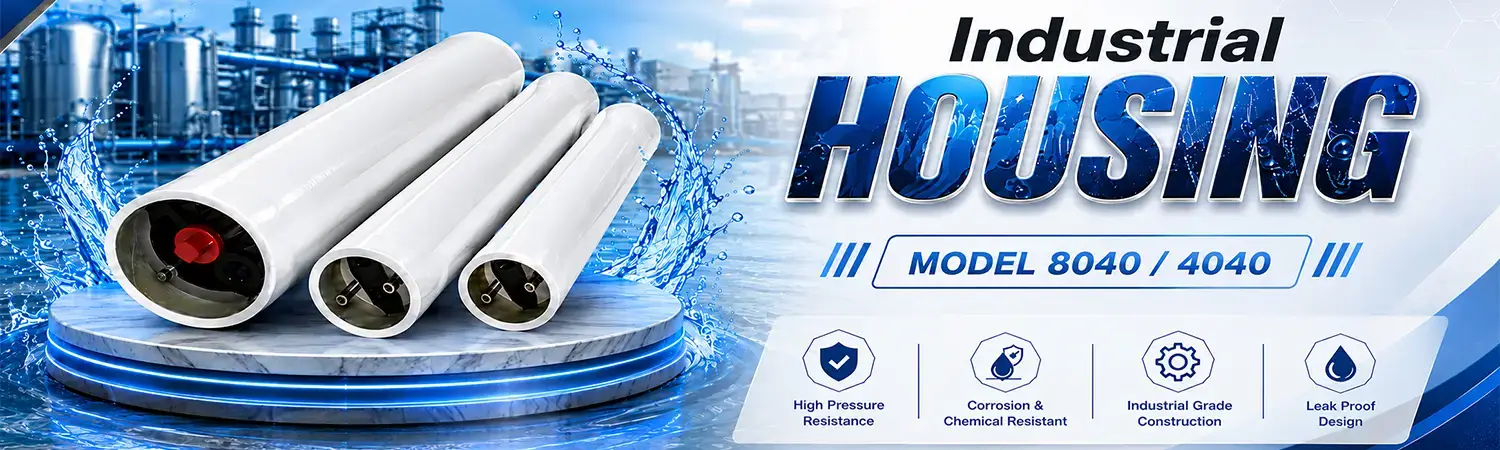

RO Membrane Housing – Industrial 4040 & 8040 in Delhi
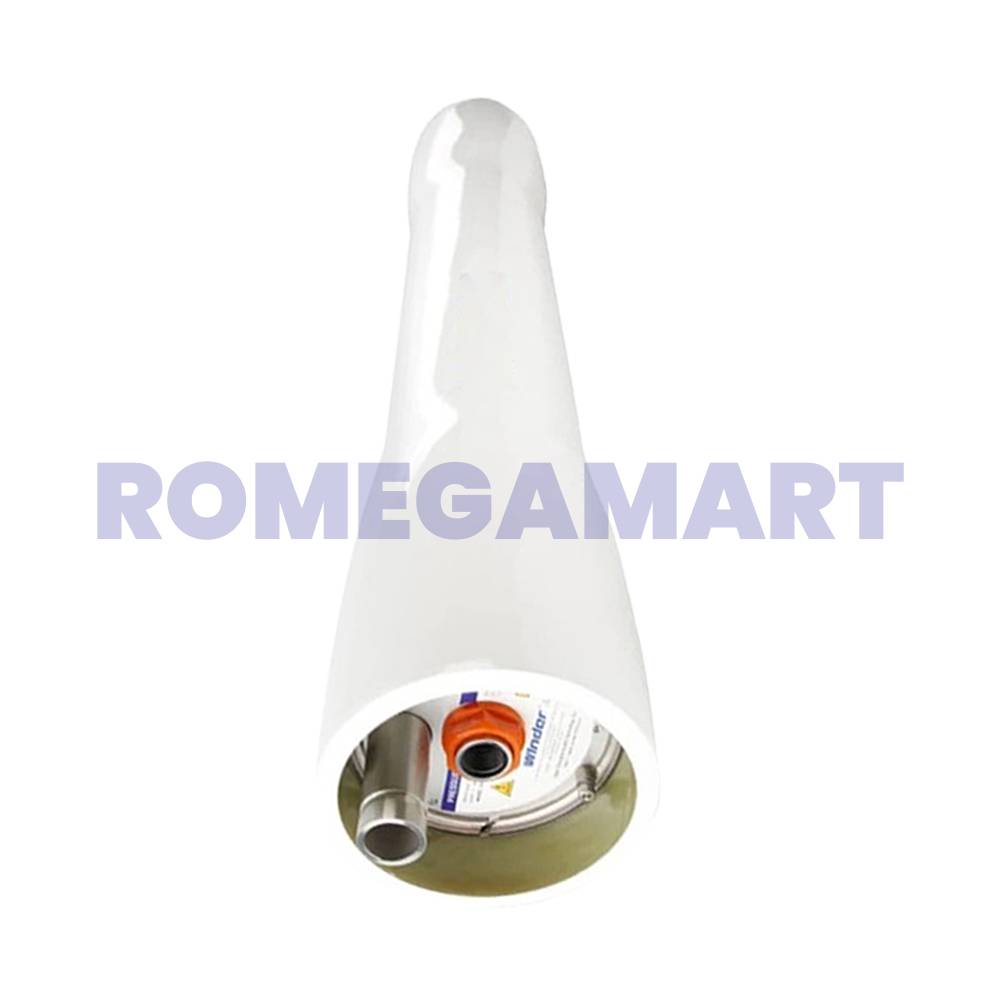

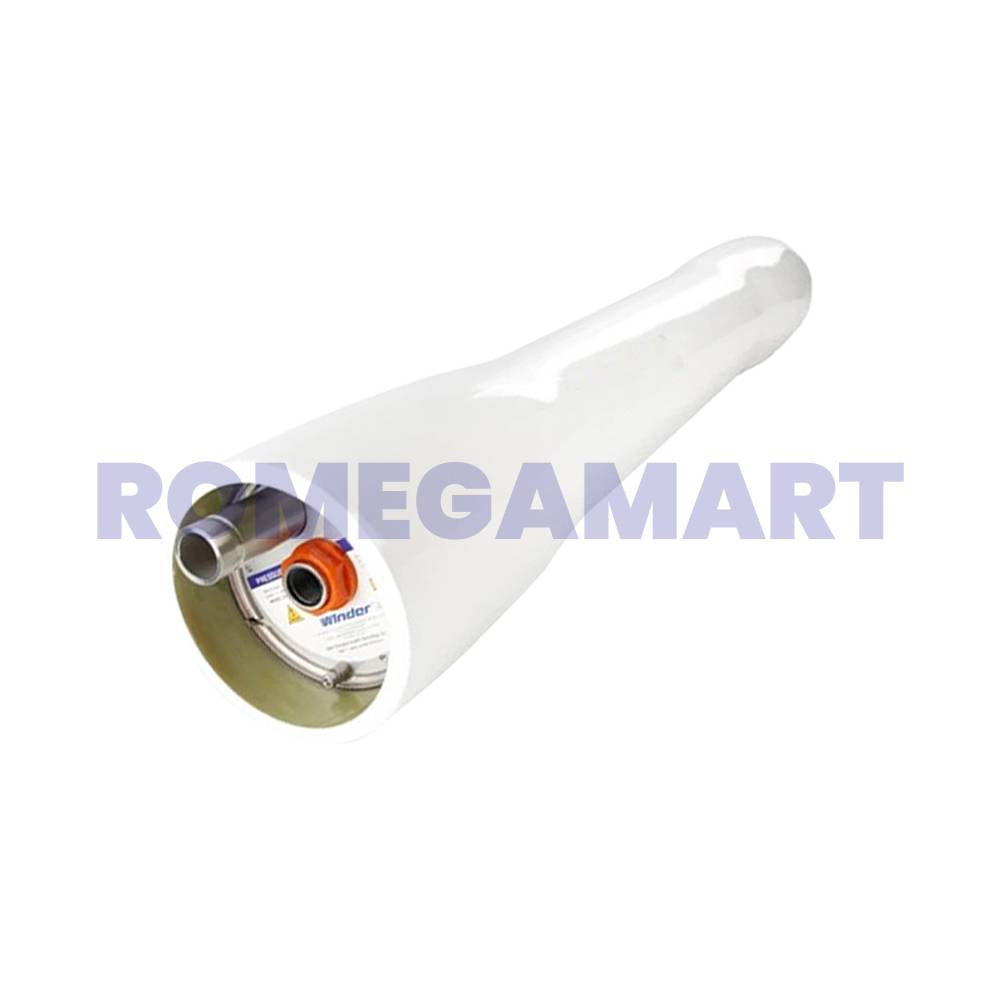


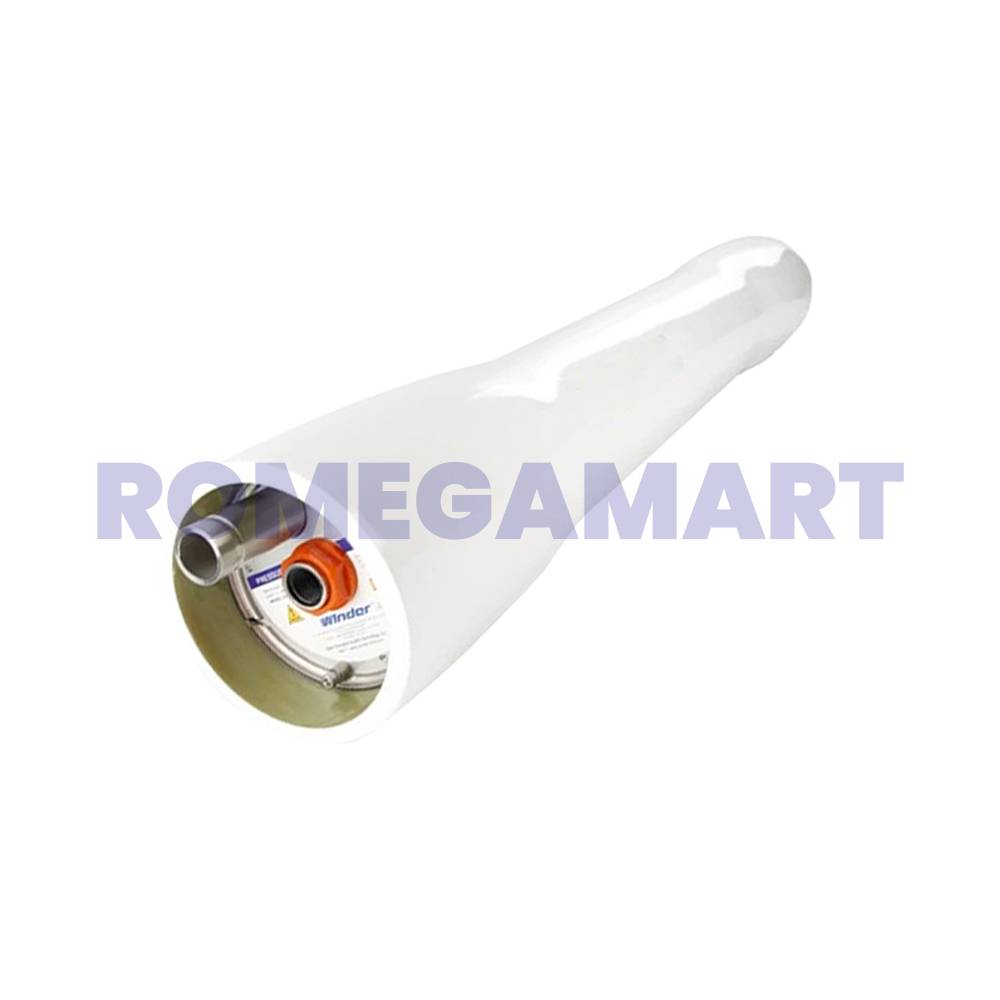


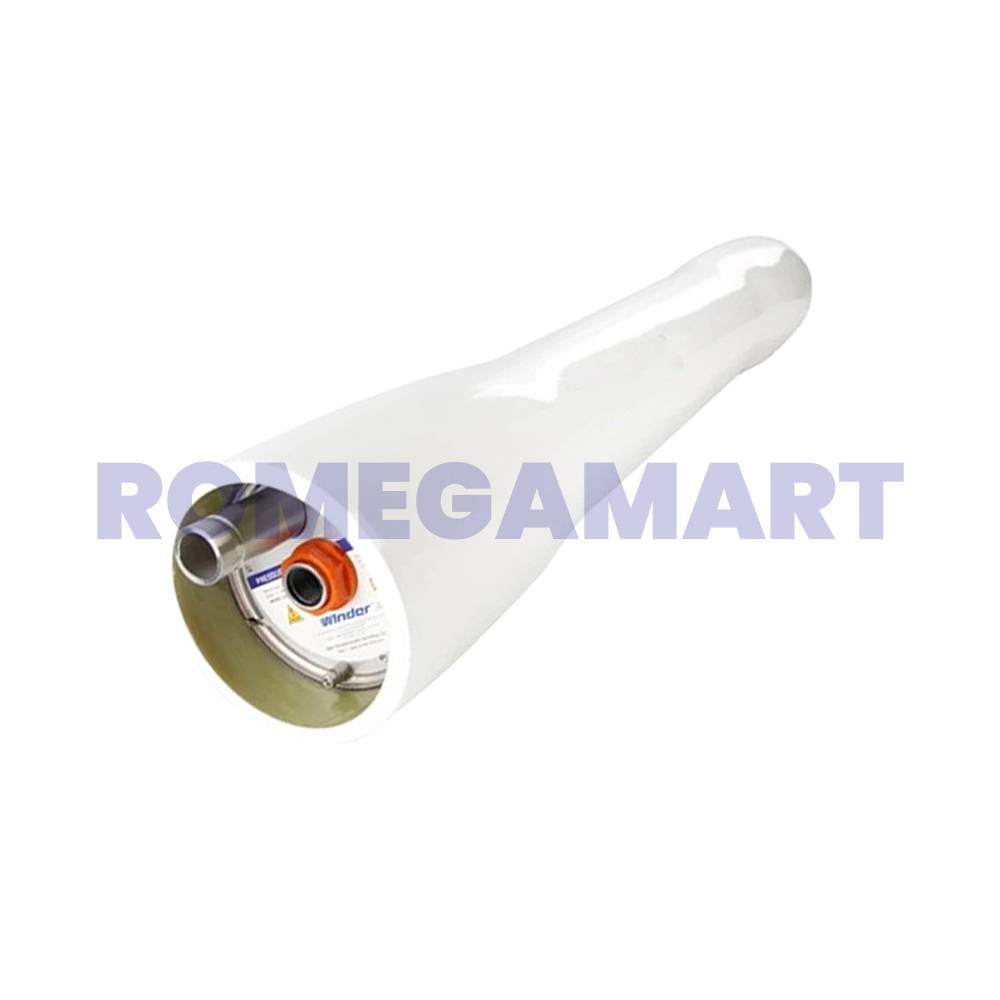
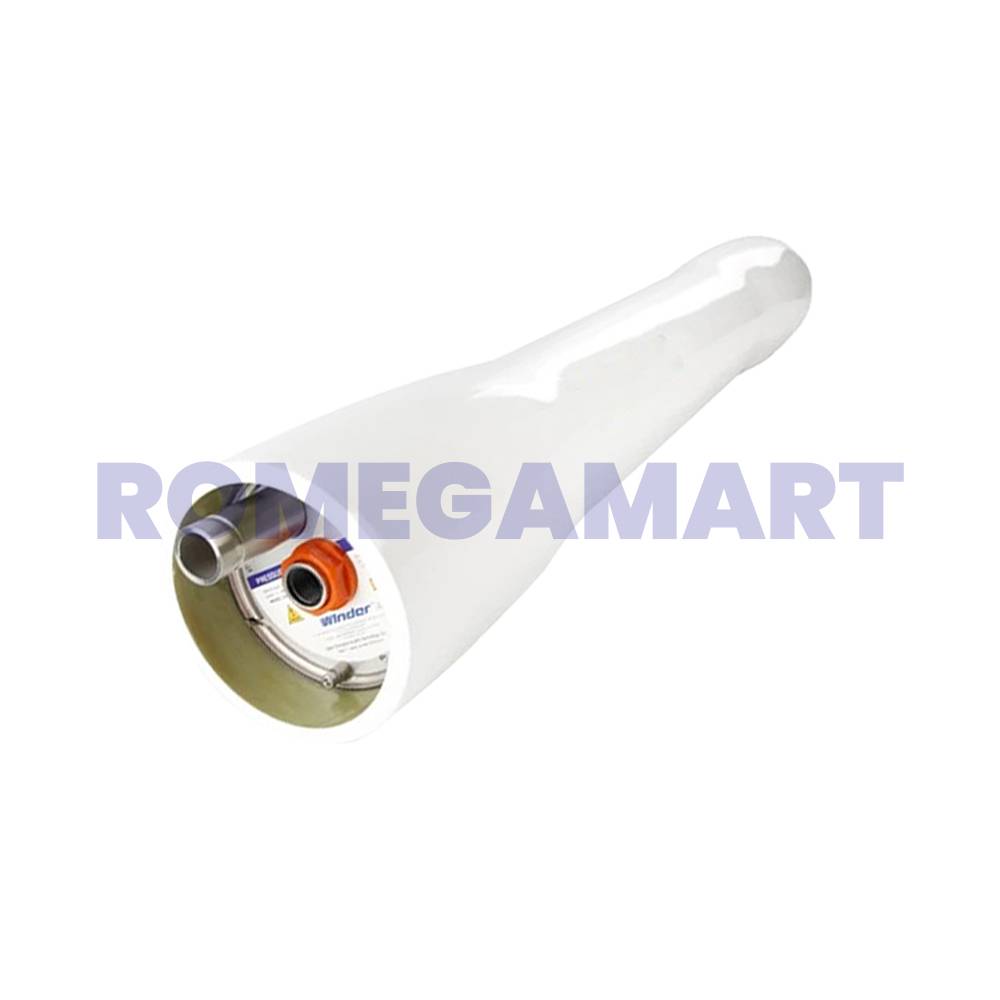

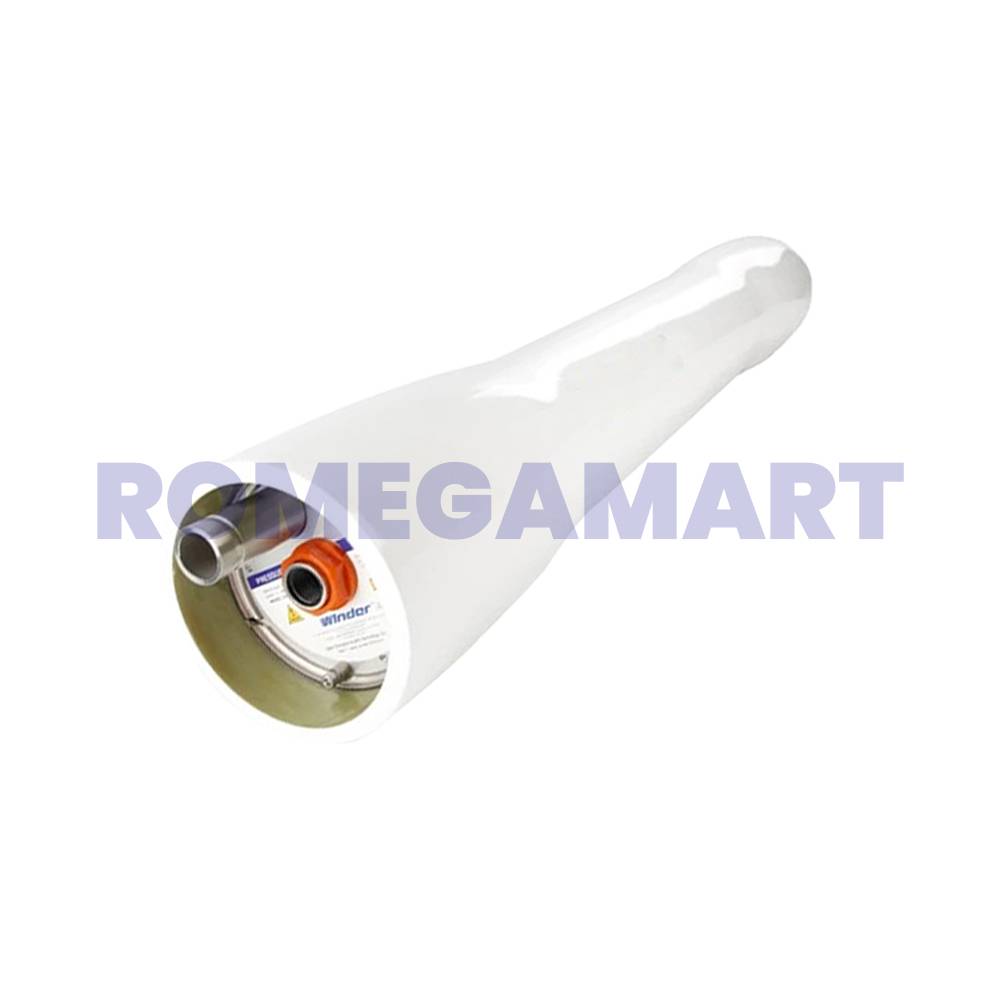
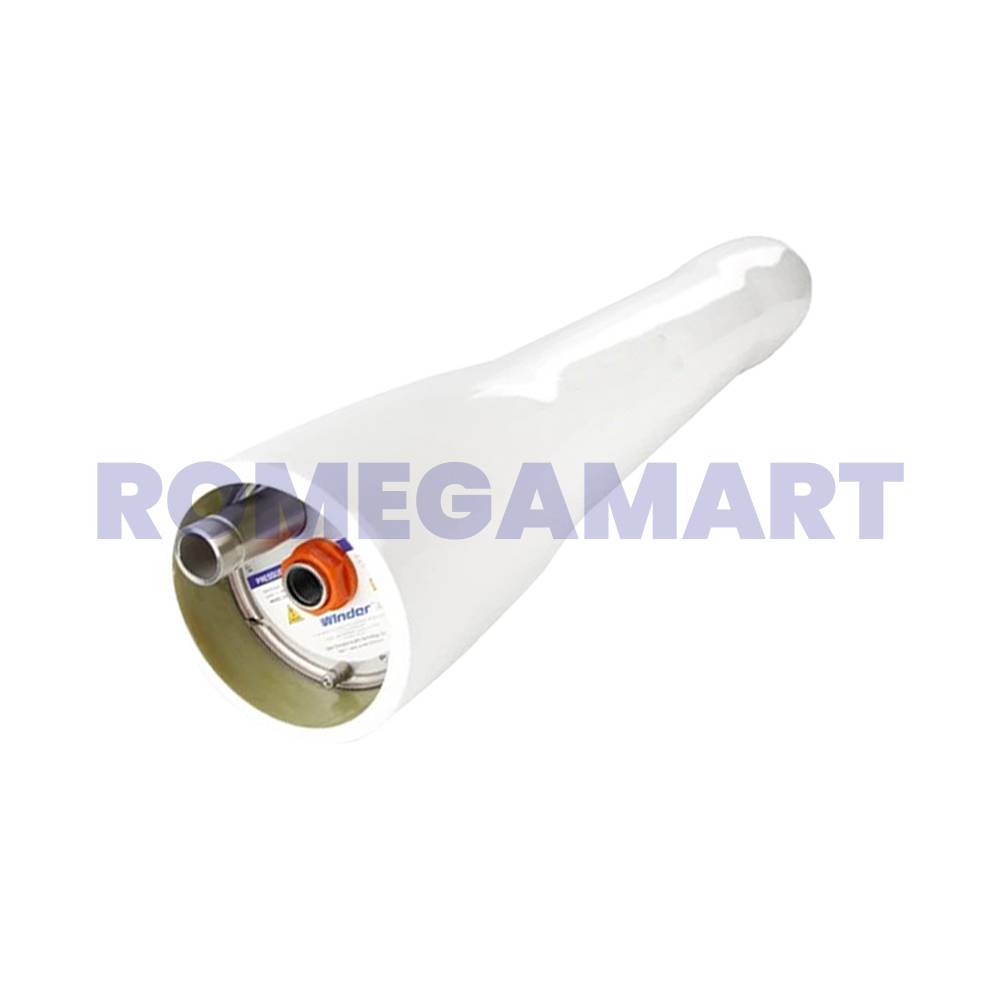
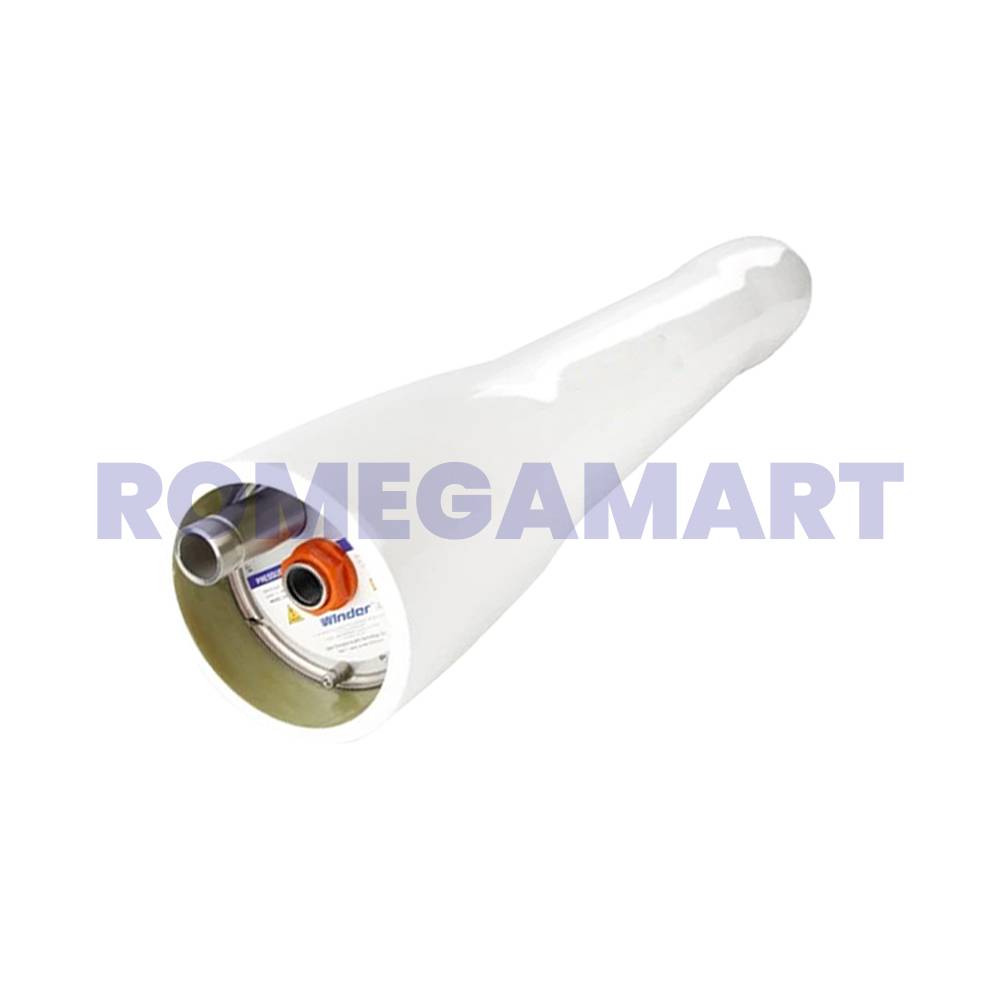


What Is an RO Membrane Housing?
An RO membrane housing is a pressure vessel designed to hold and protect an RO membrane during the reverse osmosis process. It keeps the membrane securely positioned while allowing feed water to enter under pressure and treated water to pass through the membrane system.
Industrial RO membrane housings are designed for commercial and industrial water treatment applications where higher flow rates, operating pressures and continuous operation may be required. The housing must be compatible with the membrane size, pressure vessel configuration and RO plant design.
Types of RO Membrane Housing
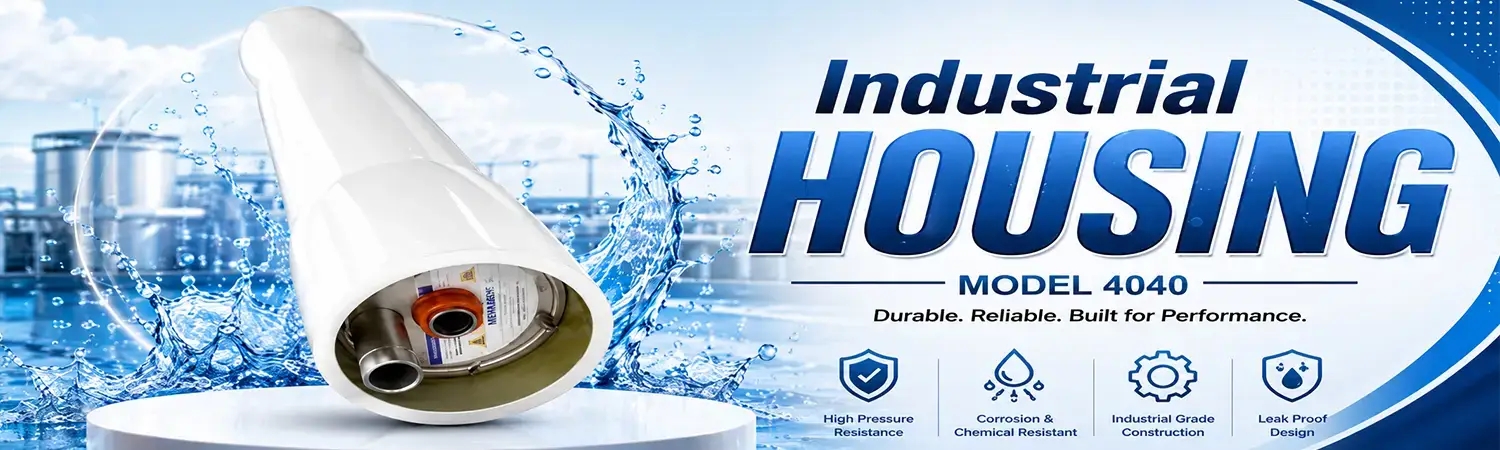
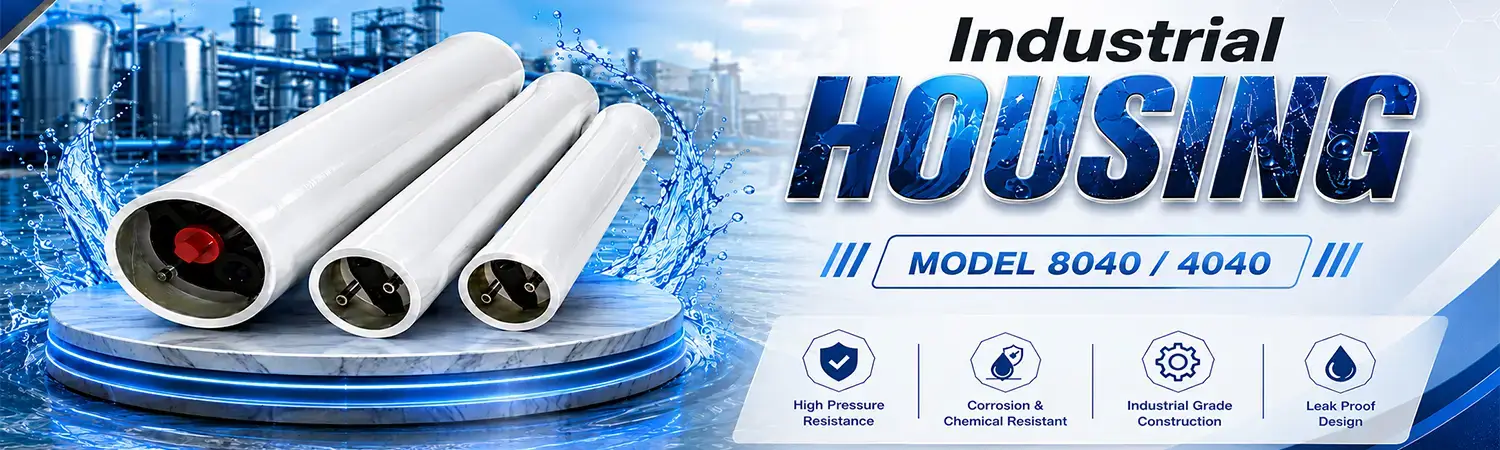
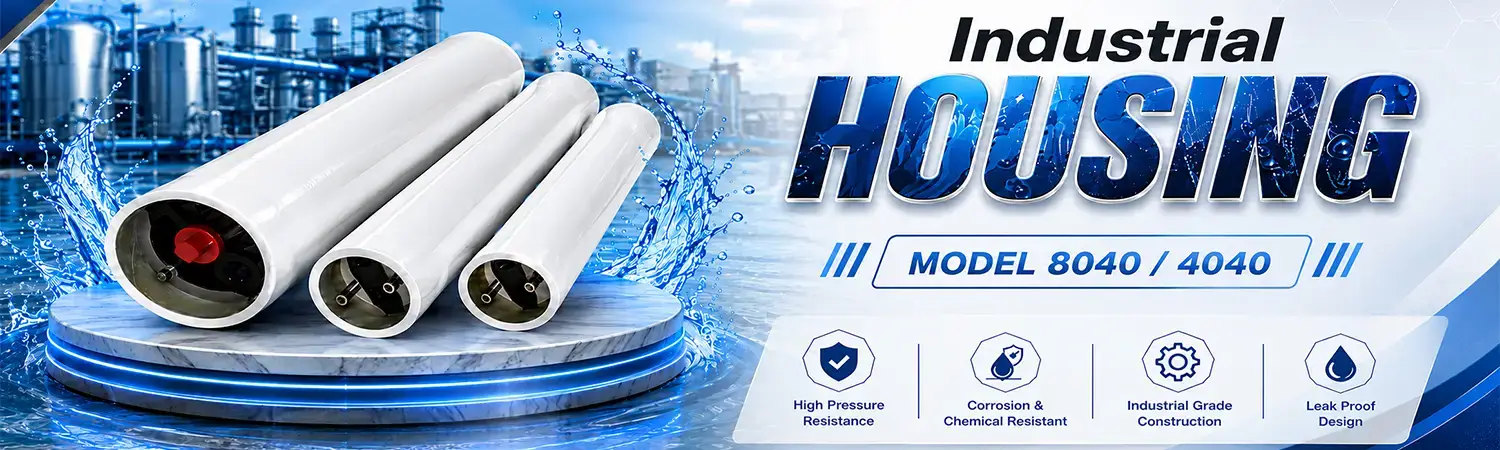
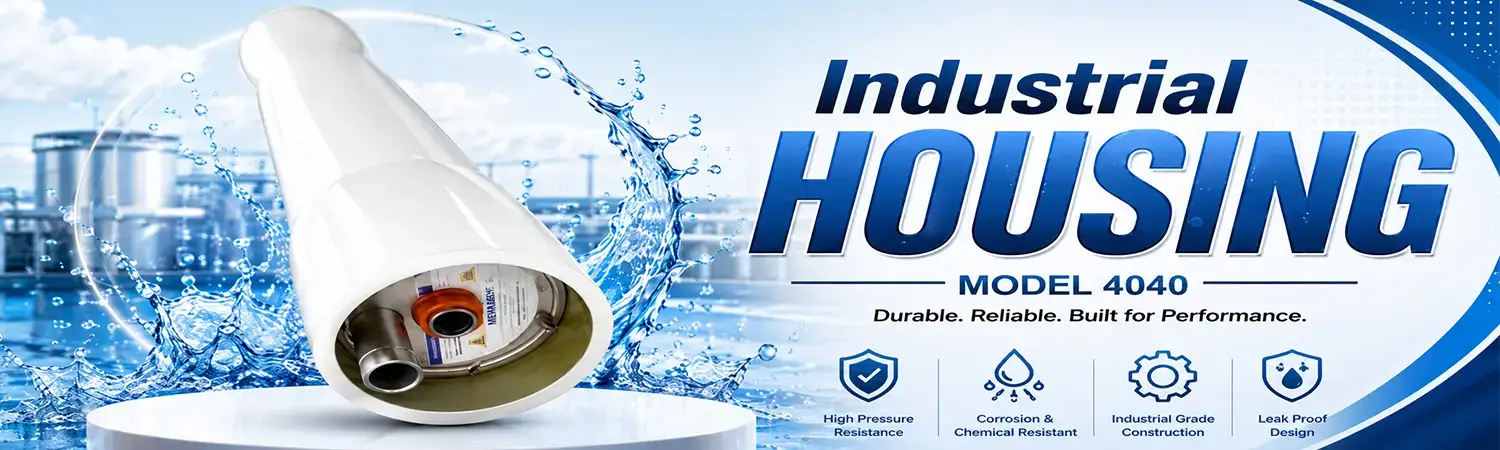
4040 RO Membrane Housing
4040 RO membrane housing is designed for 4040-size RO membrane elements commonly used in commercial and industrial RO systems. The housing should match the membrane dimensions and operating pressure requirements of the RO system.
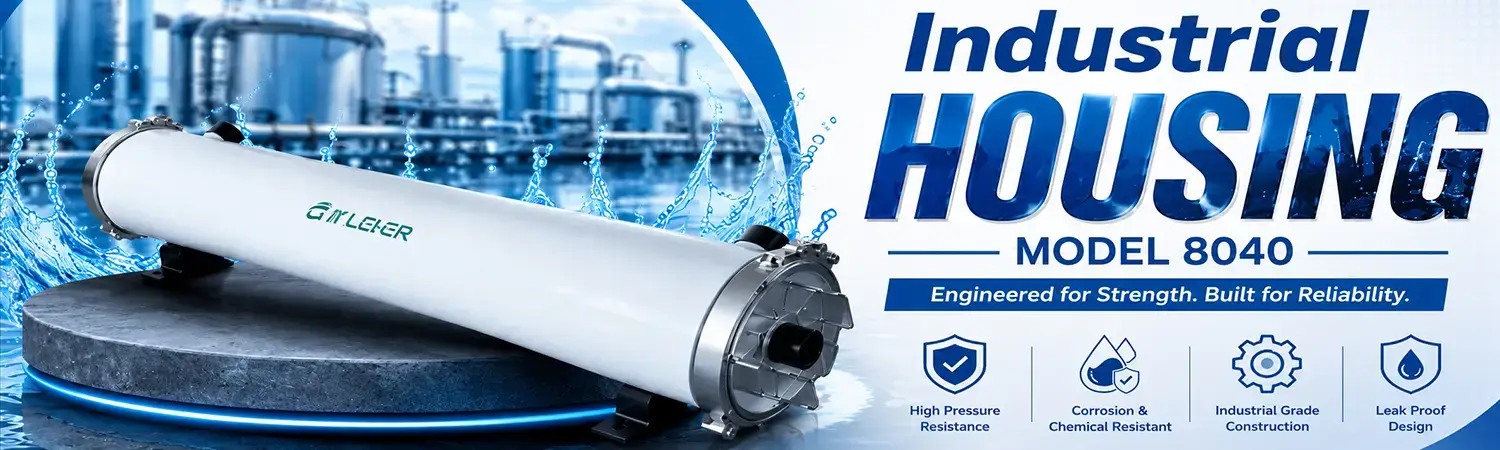
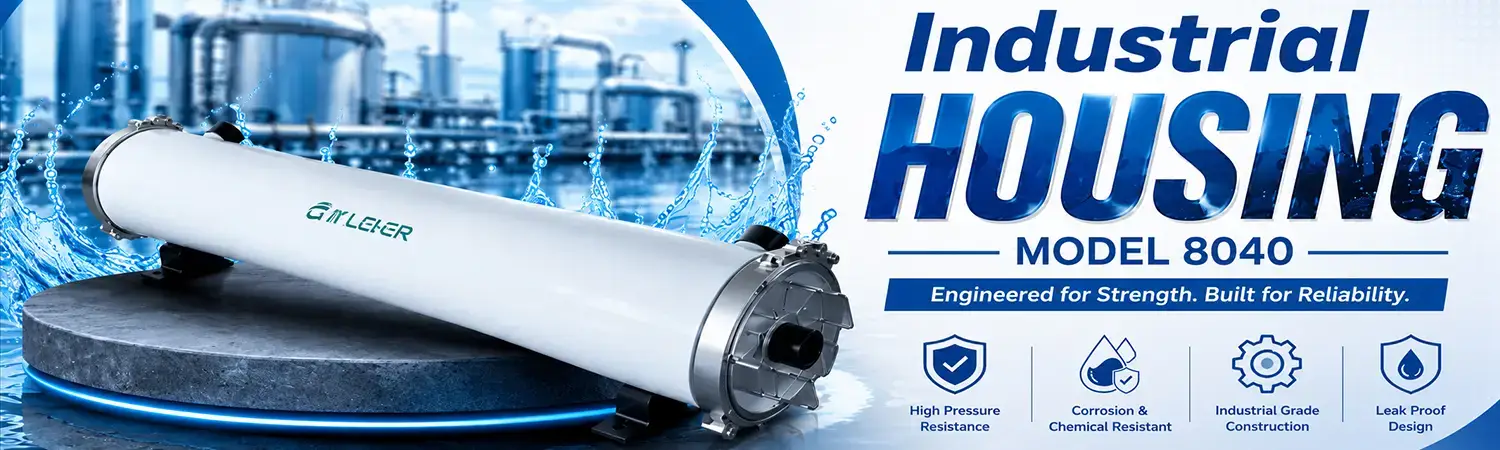
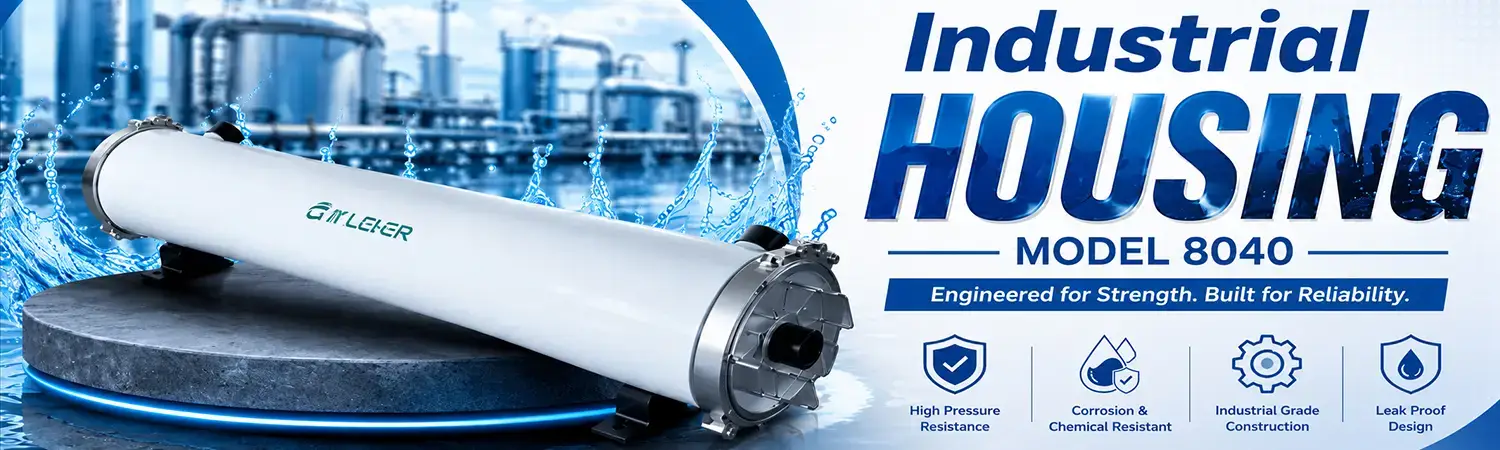
8040 RO Membrane Housing
8040 RO membrane housing is designed for larger 8040 membrane elements used in higher-capacity commercial and industrial RO plants. These housings are selected according to membrane configuration, pressure rating and plant requirements.
Single Membrane Housing
Used for systems designed around one membrane element and suitable for applications where a single membrane vessel is required.
Multi-Membrane Housing
Designed to accommodate multiple membrane elements in one pressure vessel, depending on the RO plant design and required production capacity.
Applications of RO Membrane Housing
RO membrane housings are used in:
- Commercial RO plants
- Industrial RO plants
- Water treatment plants
- High-TDS water treatment systems
- Process water treatment
- Water purification systems
- Industrial water reuse systems
- Wastewater treatment and recovery applications
Key Components of Industrial RO Housing Systems
Materials Used in RO Housings (SS, FRP, PVC)
Industrial RO Housings come in different materials designed for different environments:
-
Stainless Steel (SS):
Best for high pressure, durability, and chemical resistance. -
FRP (Fiber Reinforced Plastic):
Lightweight, corrosion-resistant, ideal for harsh climates. -
PVC:
Affordable and low-pressure applications.
Each material impacts longevity, safety, and overall performance.
Membrane Compatibility & Size Variants
RO Housings are made to fit specific membrane sizes:
-
2.5-inch
-
4-inch
-
8-inch (most common in industrial settings)
Selecting the wrong size creates inefficiency or potential system breakdown.
Pressure Ratings & Flow Capacity
Industrial systems require housings that withstand:
-
Up to 300 PSI (low-pressure housings)
-
Up to 1200 PSI (high-pressure seawater RO housing)
Higher pressure ensures better filtration but requires stronger material construction.
Types of Industrial RO Housing
Single Element RO Housing
Used for small-scale industries that don’t require heavy water output.
Multi-Element RO Housing
Typically used in:
-
Large manufacturing plants
-
Power plants
-
Pharmaceutical processing
These housings hold multiple RO membranes, increasing water production.
High-Pressure vs. Low-Pressure RO Housing
-
High-Pressure Housing: Required for seawater desalination.
-
Low-Pressure Housing: Ideal for freshwater filtration.
Industrial RO Housing Selection Guide
Factors to Consider Before Buying
Operating Pressure Requirements
Make sure the housing can withstand your plant’s maximum operating pressure.
Material Selection Based on Application
For chemical industries, SS 316 is often preferred due to corrosion resistance.
Housing Size & Membrane Fit
Accurate size ensures proper sealing and maximum membrane output.
Installation Process for Industrial RO Housing
Pre-Installation Preparation
-
Check pressure limits
-
Inspect O-rings
-
Prepare mounting brackets
Mounting & Sealing Procedures
Secure the housing to avoid vibration and ensure leak-free sealing.
Testing for Leaks & Pressure Stability
Run a pressure test between 50–60 PSI to confirm system stability.
Maintenance of Industrial RO Housing
Common Maintenance Tasks
-
Cleaning the housing
-
Inspecting seals and caps
-
Checking for corrosion
Troubleshooting Issues
-
Leaks
-
Pressure drops
-
Seal failures
When to Replace Your RO Housing
Most housings last 8–12 years, depending on material quality.
Applications of Industrial RO Housing Across Industries
Food & Beverage Sector
Used in beverage processing, dairy plants, and bottling lines.
Pharmaceuticals & Laboratories
Critical for ultrapure water.
Chemical and Manufacturing Plants
Used for process water, cooling water, and boiler feed water.
Industrial RO Housing Cost Breakdown
Material-Based Cost Variations
-
SS Housing: Highest cost
-
FRP Housing: Mid-range
-
PVC Housing: Budget-friendly
RO Membrane Housing Price in India
The RO membrane housing price in India varies according to membrane size, material, pressure rating, number of membrane elements, construction quality and application.
The price of a 4040 housing may differ from an 8040 housing because the membrane dimensions, capacity and design requirements are different. Buyers should compare the housing's specifications with their existing RO membrane and pressure vessel requirements before purchasing.
FAQs About Industrial RO Housing
Q1: What is Industrial RO Housing used for?
It encloses the RO membrane and maintains pressure required for purification.
Q2: How long does Industrial RO Housing last?
Typically 8–12 years, depending on material and operating conditions.
Q3: Can I use any membrane in an RO housing?
No. The membrane size must match the housing dimensions.
Q4: What are the best materials for RO housings?
Stainless steel and FRP are most commonly used.
Q5: Does Industrial RO Housing need maintenance?
Yes. Regular cleaning and seal inspections are essential.
Q6: Can I replace RO housing parts individually?
Most housings allow O-ring and end-cap replacement.
Conclusion
Industrial RO Housing is a critical component in every industrial water purification setup. By selecting the right material, size, and pressure rating, businesses can ensure long-term efficiency, safety, and cost savings. Whether you’re operating a dairy plant, chemical reactor, or pharmaceutical lab, choosing the right RO housing will directly impact your water quality and system performance.
Explore More : RO High Pressure Pump Wholesalers , Industrial RO Filter Wholesalers , Industrial Housing Wholesalers , Industrial SS Stand Wholesalers , FRV Vassel Wholesalers , Raw Water Pump Wholesalers