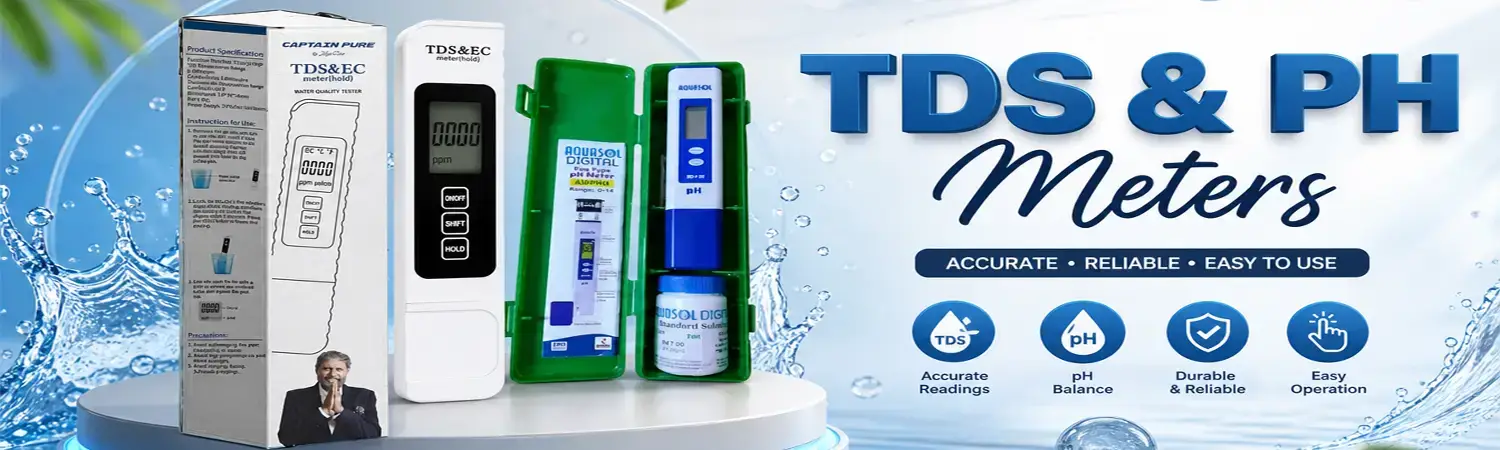
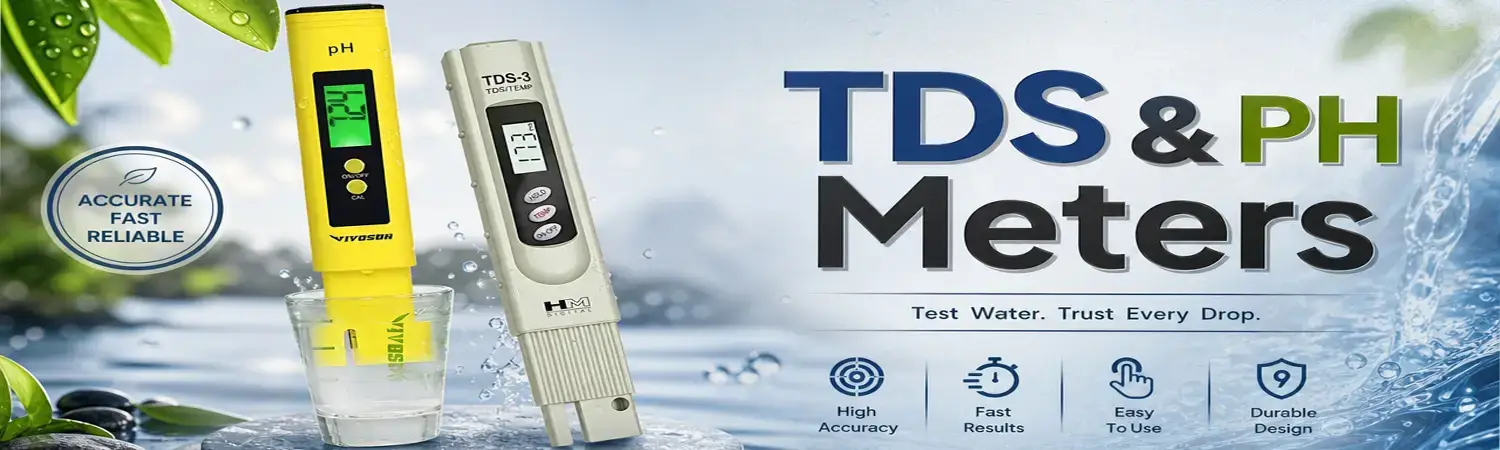
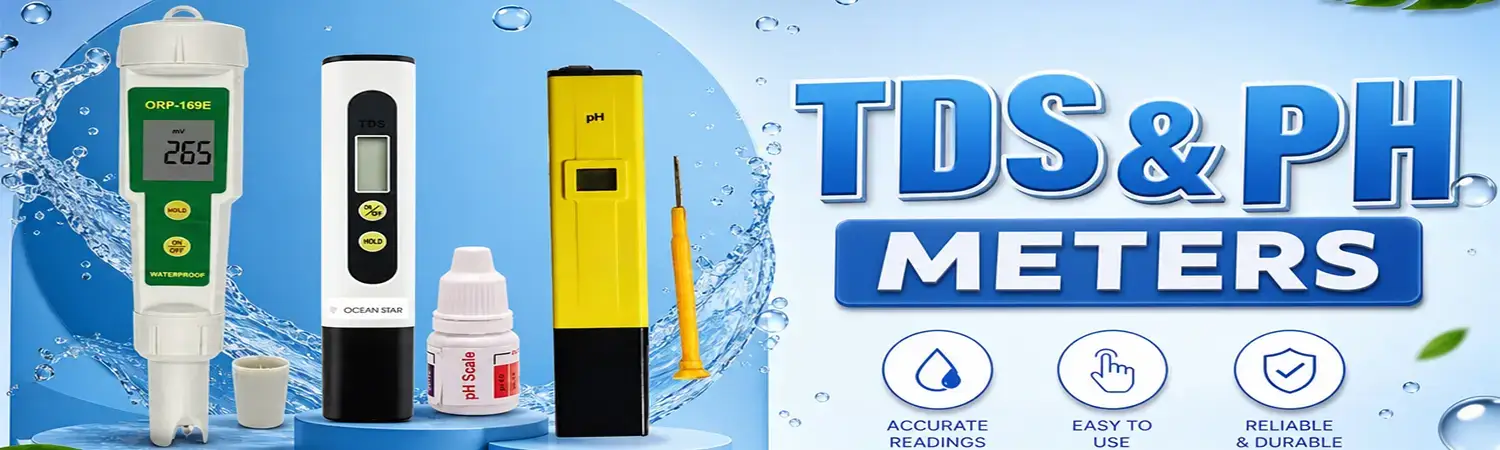
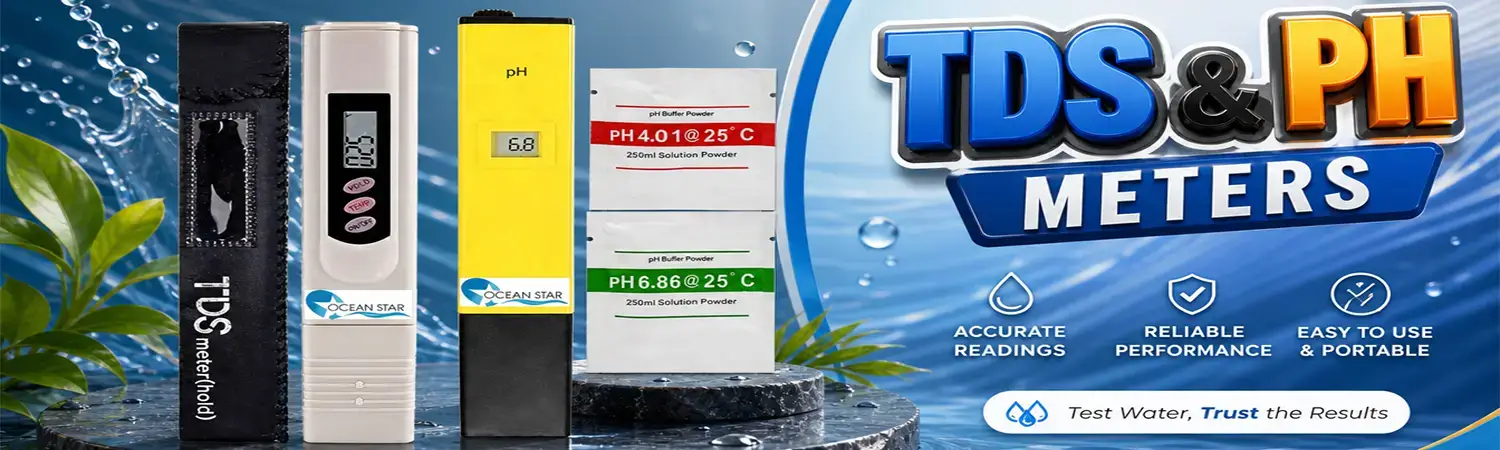
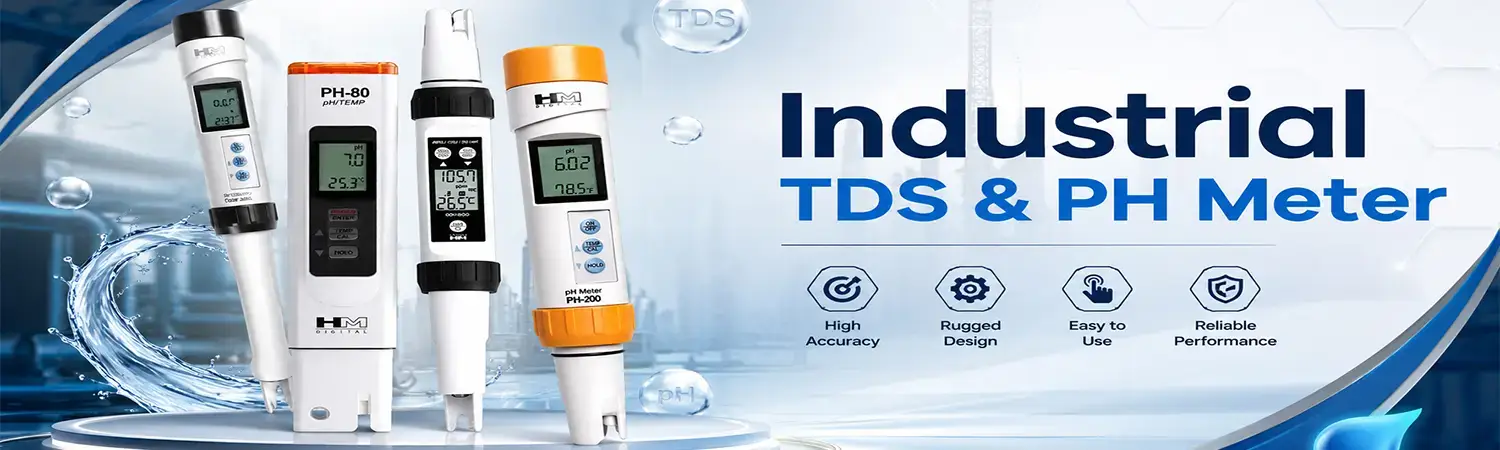
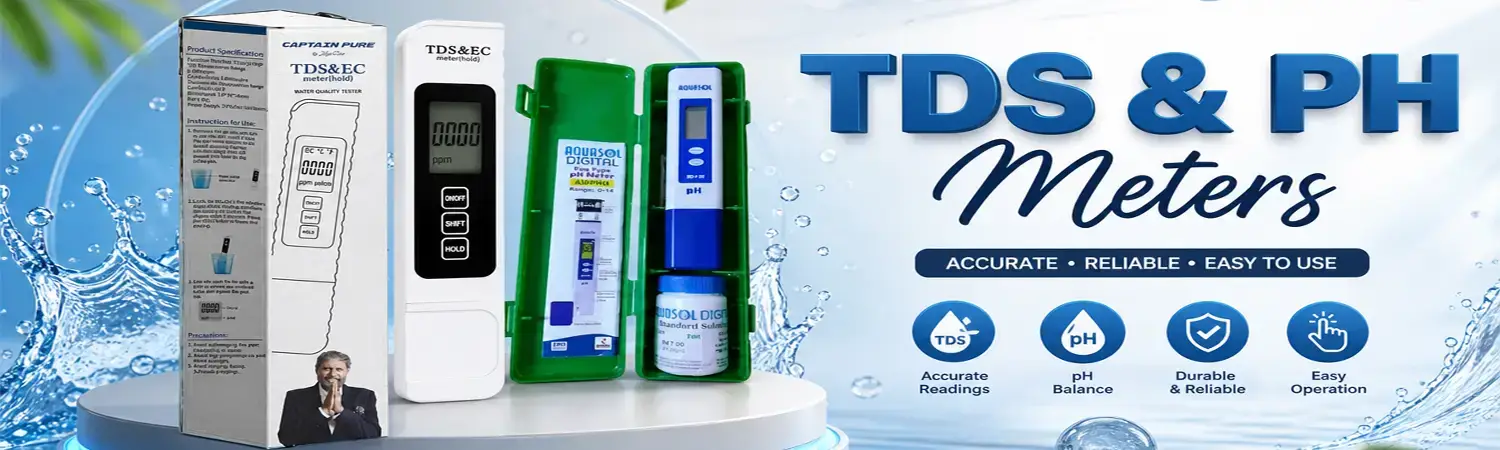
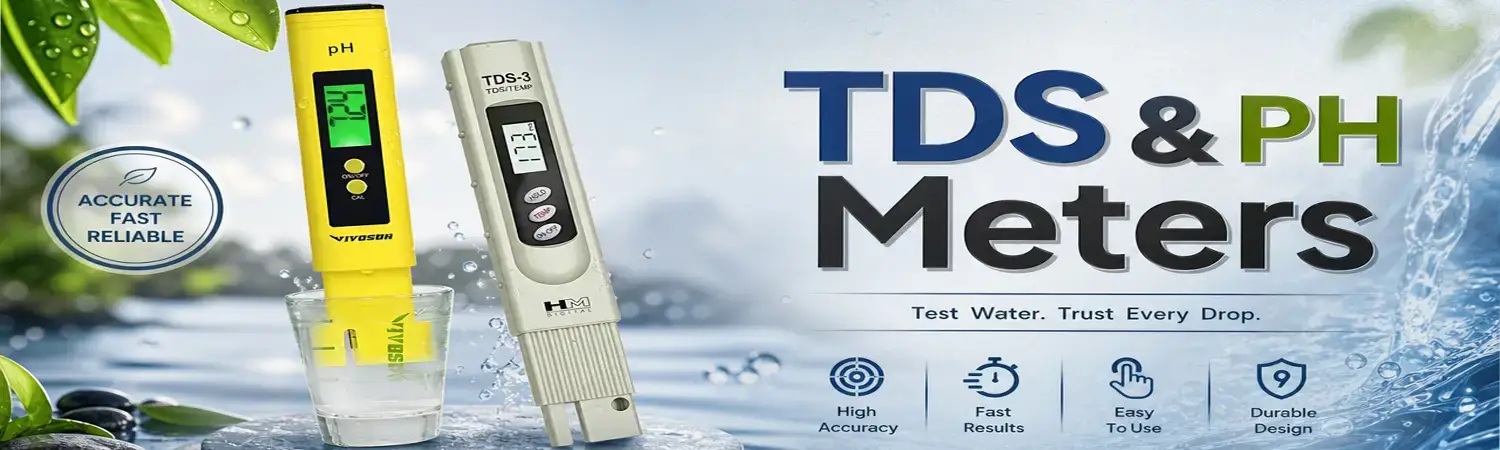
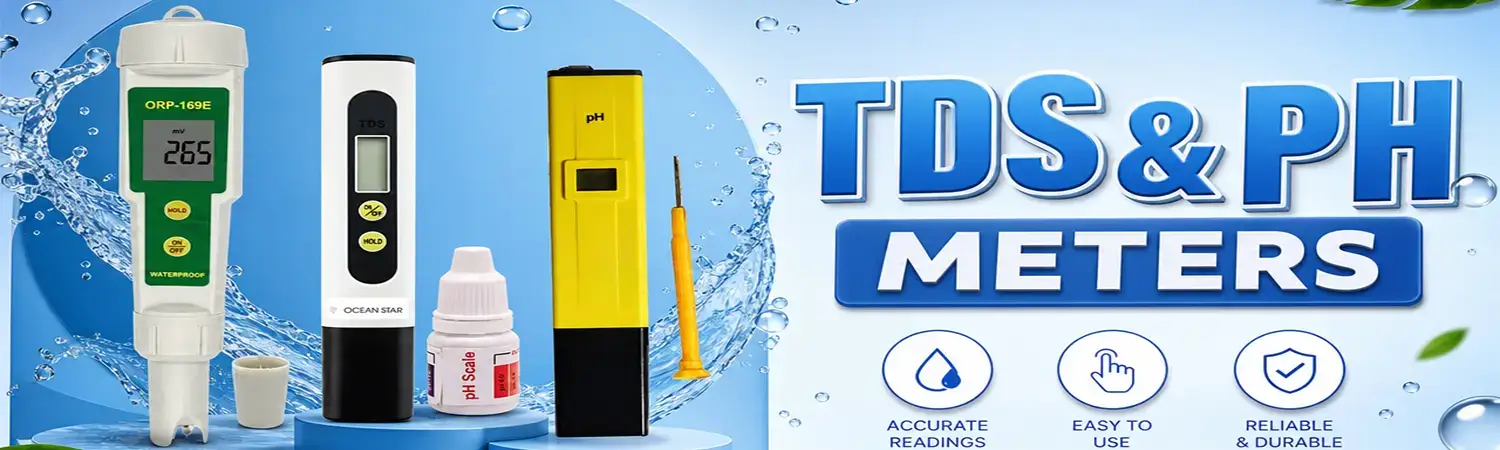
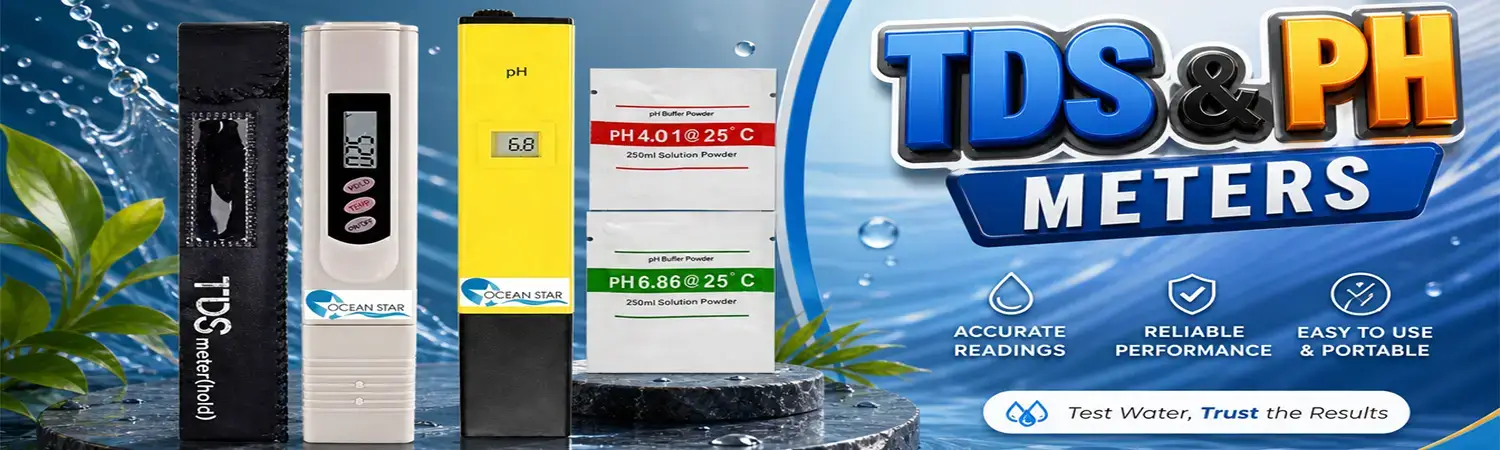
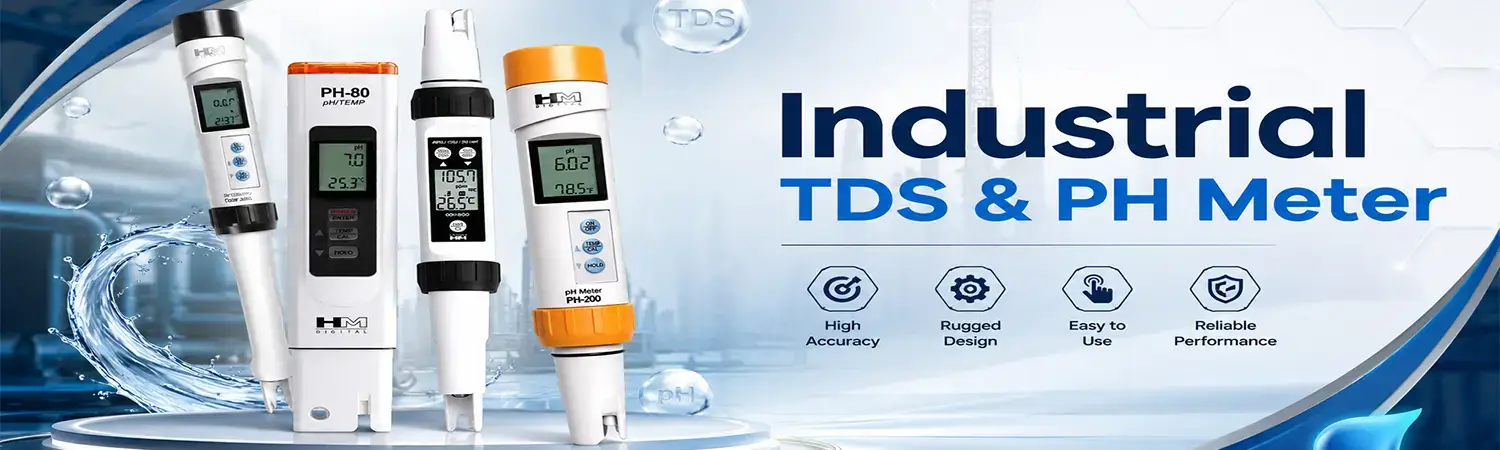
TDS Meter for RO Plants, Water Purifiers & Industrial Water Systems in Delhi
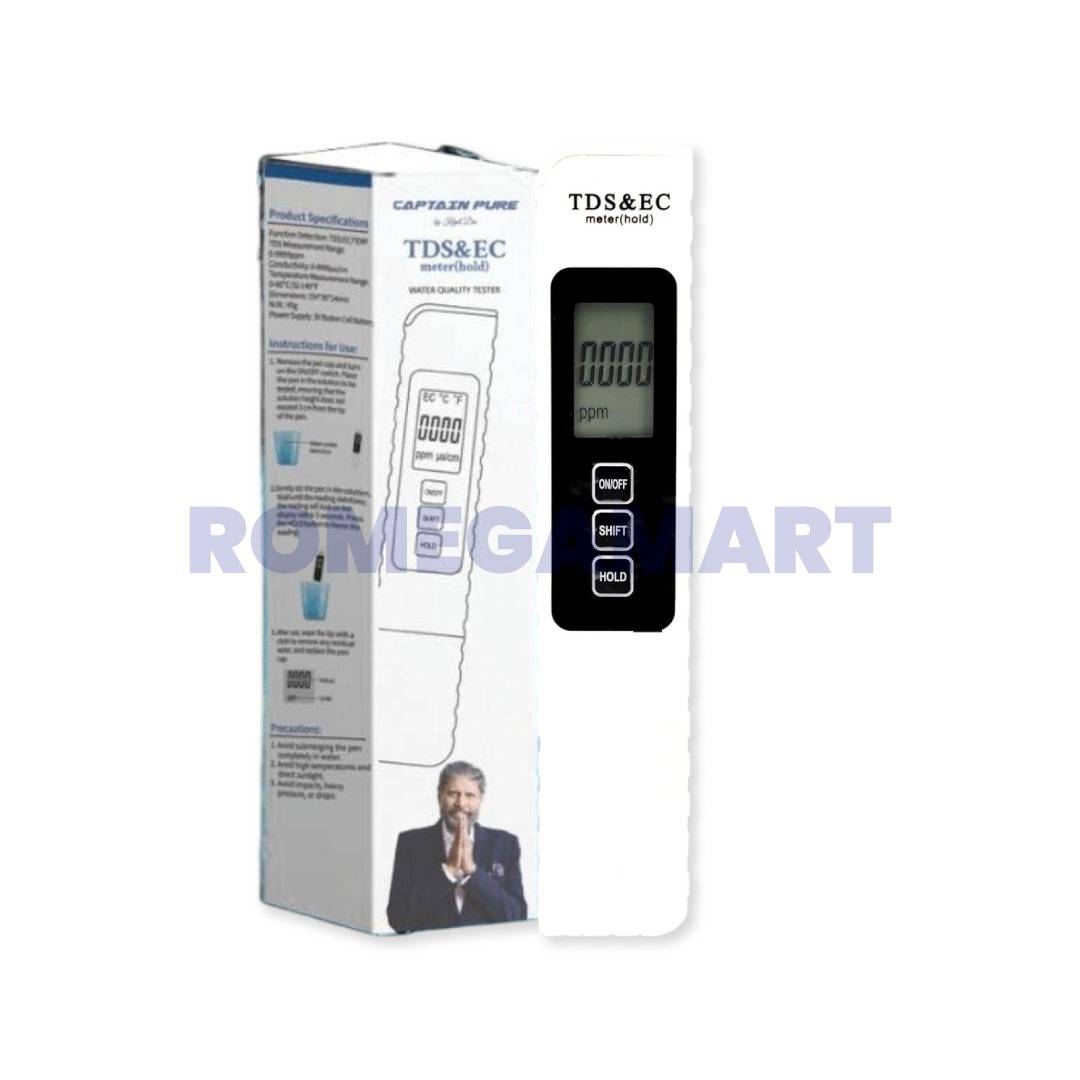
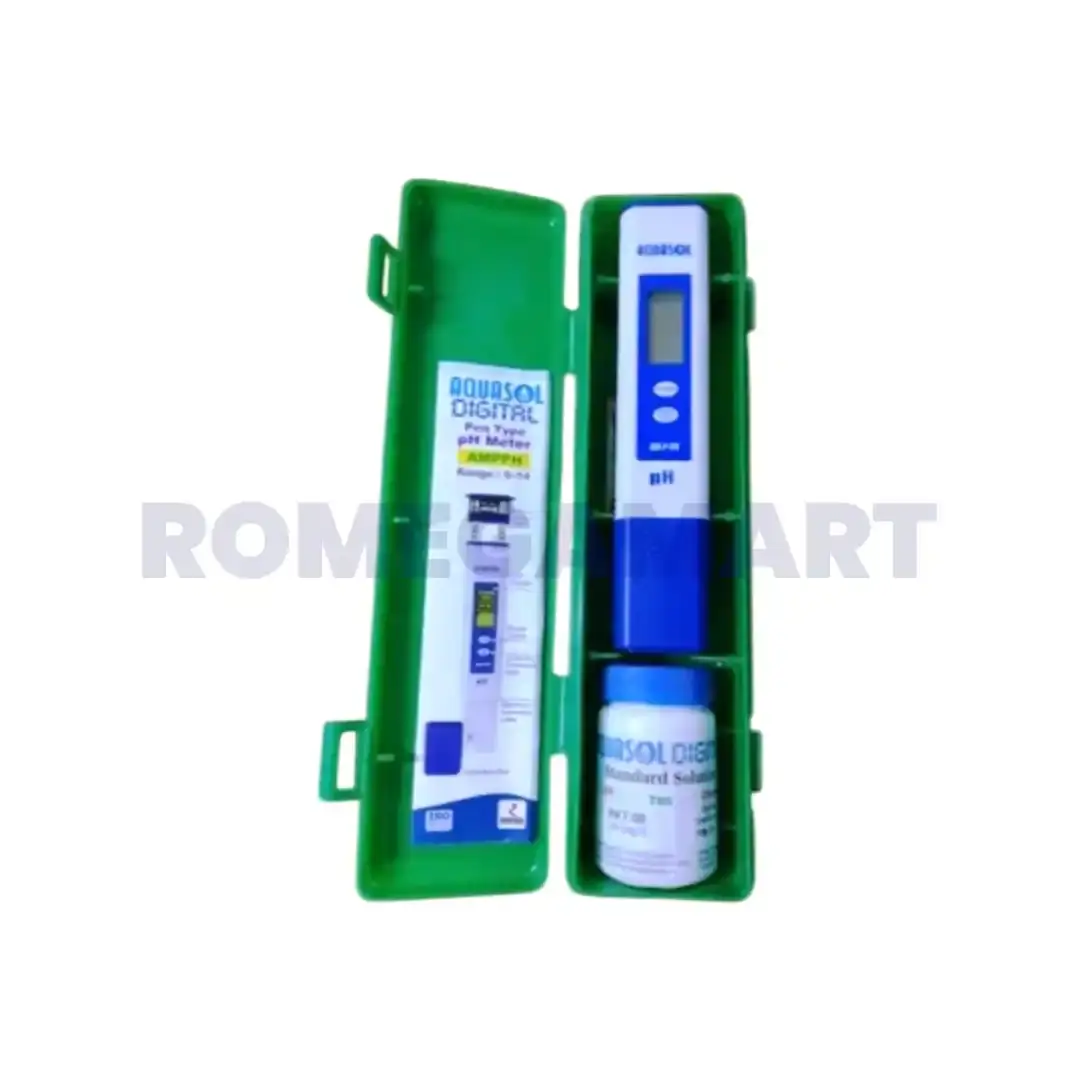
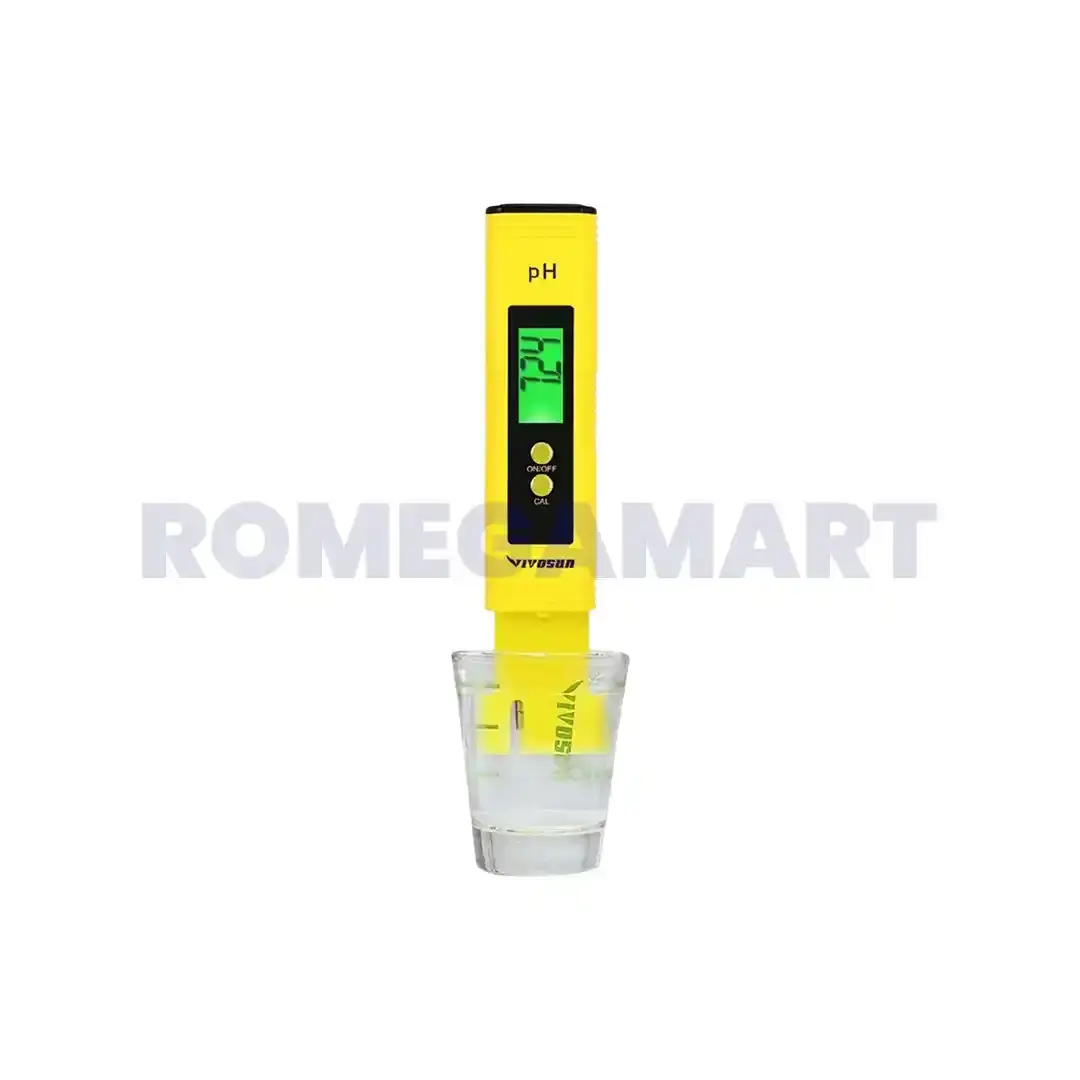
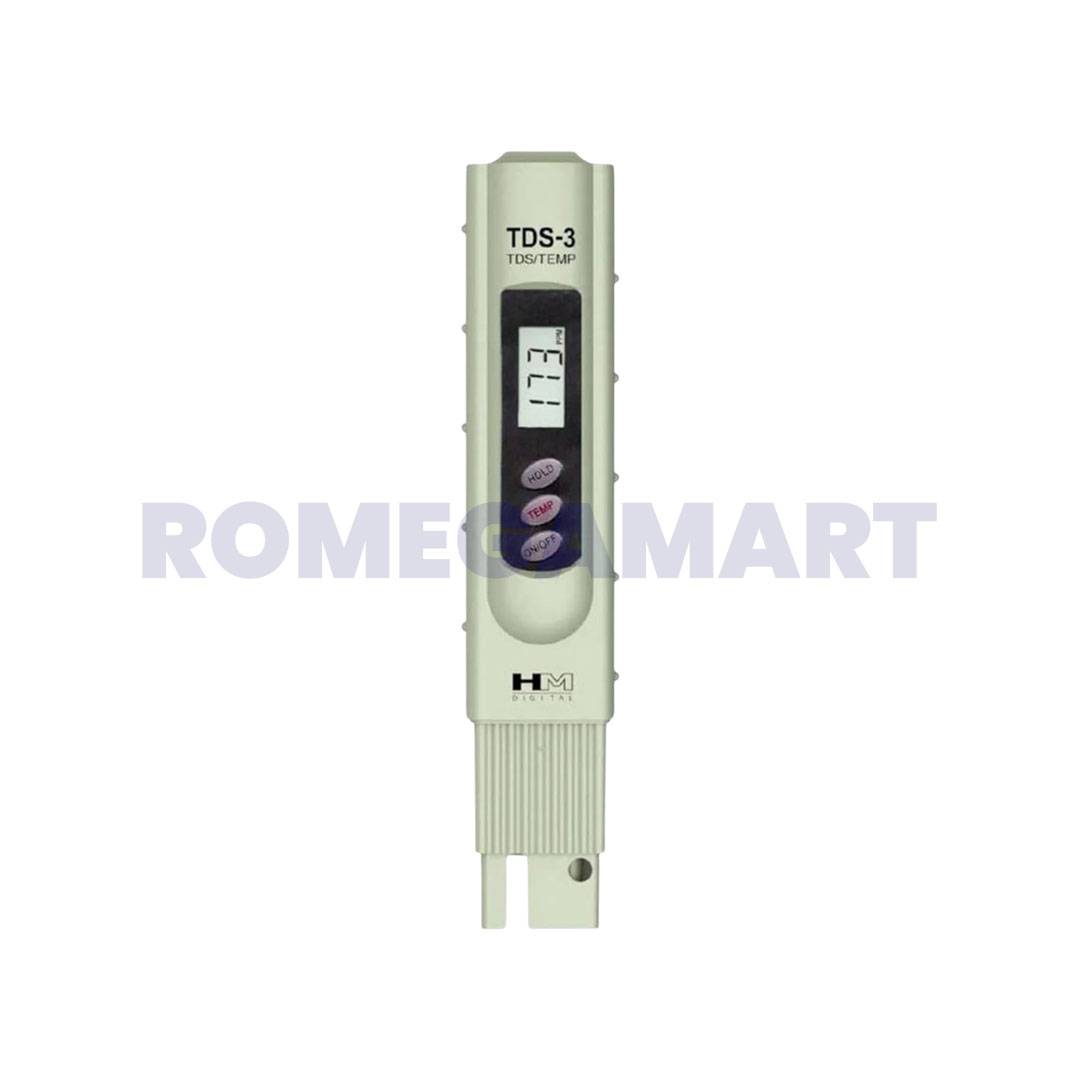


TDS Meter for RO Plants, Water Purifiers & Industrial Water Systems
A good TDS meter is one of the most useful tools for anyone working with RO plants, water purifiers, or industrial water treatment. It tells you how much total dissolved solid is present in your water – from raw feed to permeate and final product – so you can judge membrane performance, dosing needs, and overall water quality.knowyourwater+1
At Romegamart, our TDS/pH meters are designed for real‑world use in homes, offices, and factories. They work seamlessly with RO skids, UV water purifiers, filters, RO solenoid valves, RO sand filter media, SS filter housing, and RO chemicals to help you run a stable, efficient system.
What Is a TDS Meter and Why Do You Need One?
A TDS meter measures the concentration of dissolved salts, minerals, and ions in water, reported in ppm (mg/L). In simple terms, it shows how “salty” or “mineral‑rich” your water is.
For RO and water treatment, a TDS meter helps you:
Check if your RO membrane is rejecting salts properly (feed TDS vs permeate TDS)
Decide when to clean or replace membranes and filters
Verify if your UV water purifier is giving you the expected water quality
Monitor process water in industries like food & beverage, pharma, cooling towers, and boilers
In India, drinking water standards (BIS) set an acceptable TDS limit of 500 mg/L, with up to 2000 mg/L only tolerable when no better source exists. For RO‑treated water, a range of 50–150 ppm is usually ideal for taste and health
Where a TDS Meter Fits in Your RO & Water Treatment System
Think of the TDS meter as your “report card” for the whole system. You can test at different points to understand what’s happening inside:
Raw water / borewell / tanker:
Use a TDS meter before any treatment to decide if you need an RO skid, UV water purifier, or just a softener. If TDS is above ~300–500 ppm, RO is usually the right choiceAfter pre‑treatment (sand filter, carbon filter, SS filter housing):
TDS won’t change much here, but you can confirm that your RO sand filter media and filters are removing turbidity and chlorine, protecting the membrane.RO permeate (after membrane):
This is the most important check. A sharp drop in TDS here means your membrane and RO solenoid valve logic are working correctly. If TDS is high, it may indicate membrane fouling, scaling, or a faulty valve Final product water (after UV, remineralization, mixing):Confirm that your UV water purifier and any TDS controller are delivering water in the desired range for drinking or process use.
Industrial loops (cooling towers, boilers, process lines):
Regular TDS checks help control blowdown, dosing of RO chemicals, and prevent scaling or corrosion.
Types of TDS Meters We Offer
Our TDS/pH meter range covers both simple handheld testers and more advanced online controllers:
Handheld TDS Meters
Compact, battery‑operated pens for quick spot checks at site. Ideal for technicians, service engineers, and plant operators to test feed, permeate, and product water.TDS & pH Combo Meters
Measure both TDS and pH in one device – very useful when you’re also monitoring dosing of acids, alkalis, and RO chemicals for pH correction.Online TDS Controllers / Monitors
Fixed instruments with probes for continuous monitoring in RO skids, industrial RO plants, ZLD systems, and process water lines. Often used with PLCs and control panels.
All these options can be integrated into systems that include SS filter housing, RO solenoid valve, RO sand filter media, UV water purifier, and dosing setups using RO chemicals.
How to Use a TDS Meter in Daily RO Operations
Here’s a simple, practical way to use your TDS meter every day:
Test raw water TDS
Note the TDS of borewell, municipal, or tanker water. This decides your RO capacity and membrane type.Check after pre‑treatment
Verify that your RO sand filter media and carbon filters are doing their job (clear water, no chlorine smell), even if TDS remains similar.Measure RO permeate TDS
Compare feed TDS and permeate TDS to calculate rejection. Low rejection may mean membrane cleaning, replacement, or an issue with the RO solenoid valve or high‑pressure pump.Monitor final product water
Ensure TDS is in the desired range for drinking or process use. Adjust TDS controllers or blending as needed.Log readings over timeTrack trends to plan maintenance for membranes, filters, SS filter housing, and dosing of RO chemicals.
TDS Meter with Other RO Components
Your TDS meter doesn’t work in isolation. It becomes far more powerful when you see it as part of the full system:
RO Skid
Use TDS readings at inlet and outlet of the RO skid to judge overall performance and decide when to service membranes and pumps.UV Water PurifierWhile UV doesn’t change TDS, you can use the meter to confirm that the water entering and leaving the UV water purifier meets your quality targets.
SS Filter Housing & Cartridges
Regular TDS and visual checks help you decide when to change cartridges inside the SS filter housing and avoid unnecessary membrane stress.RO Solenoid Valve
Abnormal TDS in permeate can sometimes point to a leaking or mis‑timed RO solenoid valve, allowing raw or reject water to mix with product.RO Sand Filter Media
If TDS is stable but flow drops or pressure rises, the issue may be in your RO sand filter media or pre‑filters rather than the membrane itself.RO Chemicals
When dosing antiscalants, pH adjusters, or cleaners, a TDS/pH meter helps you verify that your RO chemicals are having the intended effect without over‑dosing.
Who Should Use a TDS Meter?
A TDS meter is useful for:
RO plant owners and service technicians
Water purifier dealers and installers
Factory maintenance teams managing boilers, cooling towers, and process water
Labs, schools, hospitals, and institutions monitoring drinking water quality
Anyone using borewell or tanker water and considering an RO skid or UV water purifier
If you’re selling or servicing systems with SS filter housing, RO solenoid valve, RO sand filter media, RO chemicals, or complete RO skids, carrying a TDS meter is almost mandatory.
FAQs
Q1: What is a good TDS level for drinking water after RO?
For most Indian conditions, 50–150 ppm is ideal for taste and health. Up to 300 ppm is still acceptable. BIS sets 500 mg/L as the acceptable limit for drinking water.
Q2: Does a TDS meter work for borewell and tanker water?
Yes. A TDS meter works on any water source – borewell, municipal, tanker, or surface water. It’s actually recommended to test with a TDS meter before buying any purifier or RO skid.
Q3: Will a UV water purifier reduce TDS?
No. A UV water purifier kills bacteria and viruses but does not remove dissolved salts. TDS remains almost the same before and after UV. For TDS reduction, you need RO.
Q4: How often should I check TDS in my RO plant?
For critical systems, check daily or weekly. For homes and small offices, once a week or whenever you notice taste changes is enough. Log readings to track membrane and filter health.
Q5: Can a TDS meter help with RO chemical dosing?
Indirectly, yes. While TDS itself doesn’t show chemical concentration, a TDS/pH meter helps you monitor pH and overall water quality while dosing RO chemicals like antiscalants and pH adjusters.