







The Human Bias Toward Over-Protection
When it comes to drinking water, people don’t look for “adequate.” They look for maximum protection. This instinct comes from uncertainty—water contaminants are invisible, unpredictable, and emotionally linked to health risks.
In the water purification industry, this creates a strong psychological bias: systems that sound more powerful feel safer. RO water purifiers associated with “extra” protection gain trust faster, even before users understand how purification actually works.
Why “Ultra” Feels Safer Than “Normal”
Words suggesting intensity activate a sense of security. “Ultra” implies that the system goes beyond the minimum—covering risks users may not even know exist.
Psychologically, this creates beliefs such as:
-
“It can handle very bad water”
-
“It protects against unknown contamination”
-
“It’s future-proof”
This reassurance reduces anxiety without requiring technical knowledge of reverse osmosis.
Fear of Invisible Threats Drives Stronger Choices
Most users cannot identify specific contaminants. They only know water could be unsafe. When threats are vague, people respond by choosing stronger protection.
This explains why:
-
High TDS fear leads to aggressive purification choices
-
Users prefer multi-layered water filtration systems
-
“Overkill” feels responsible, not excessive
Strength becomes a substitute for certainty.
Layered Protection Feels Like Insurance
Multiple purification stages don’t just improve filtration—they act as psychological insurance. Even if users don’t understand each stage, they feel protected by redundancy.
People think:
-
“If one layer misses something, another will catch it”
-
“Nothing harmful can survive this many barriers”
This mindset reinforces long-term trust in RO water purification systems, even without ongoing evaluation.
Strength Reduces the Need to Monitor
When users believe their system is extremely powerful, they stop checking it constantly. They rely less on testing and more on belief.
Strong-perceived systems lead to:
-
Less frequent TDS checking
-
Fewer taste doubts
-
Reduced anxiety during water source changes
Confidence replaces vigilance.
Taste Tolerance Increases With Perceived Power
When people believe purification is intense, they tolerate taste variation more easily. Slight changes are interpreted as “working harder” rather than malfunctioning.
In contrast, mild systems are blamed quickly when taste shifts.
Perceived strength buys forgiveness.
Ultra Protection and Poor Water Areas
In regions with borewell supply, tanker dependence, or visible water quality issues, users seek systems that feel capable of handling extremes.
The psychology is simple:
-
Worse water = stronger purifier needed
Whether or not the threat is real, perception drives trust and purchasing behavior in the water purification industry.
The Control Illusion of Powerful Systems
Strong-sounding systems give users a sense of control over uncertainty. Even without understanding pressure, flow, or membranes, users feel they have “covered all risks.”
This illusion of control:
-
Reduces fear
-
Increases daily consumption
-
Encourages system loyalty
Belief stabilizes behavior.
When “Ultra” Becomes Emotional Comfort
Over time, the system becomes a comfort object. Users feel uneasy drinking water elsewhere and prefer their home supply.
This attachment is not about chemistry—it’s about emotional safety.
People trust what they believe is strongest.
Technician Influence Weakens Under Strong Belief
When users believe their purifier is highly capable, technician comments cause less panic. Warnings are heard, but not internalized as threats.
This reduces:
-
Fear-driven upgrades
-
Unnecessary part replacement
-
System abandonment
Perceived strength buffers anxiety.
Industry Perspective
As awareness grows, consumers increasingly choose systems that feel capable of handling worst-case scenarios. Strength messaging resonates because it aligns with human risk behavior.
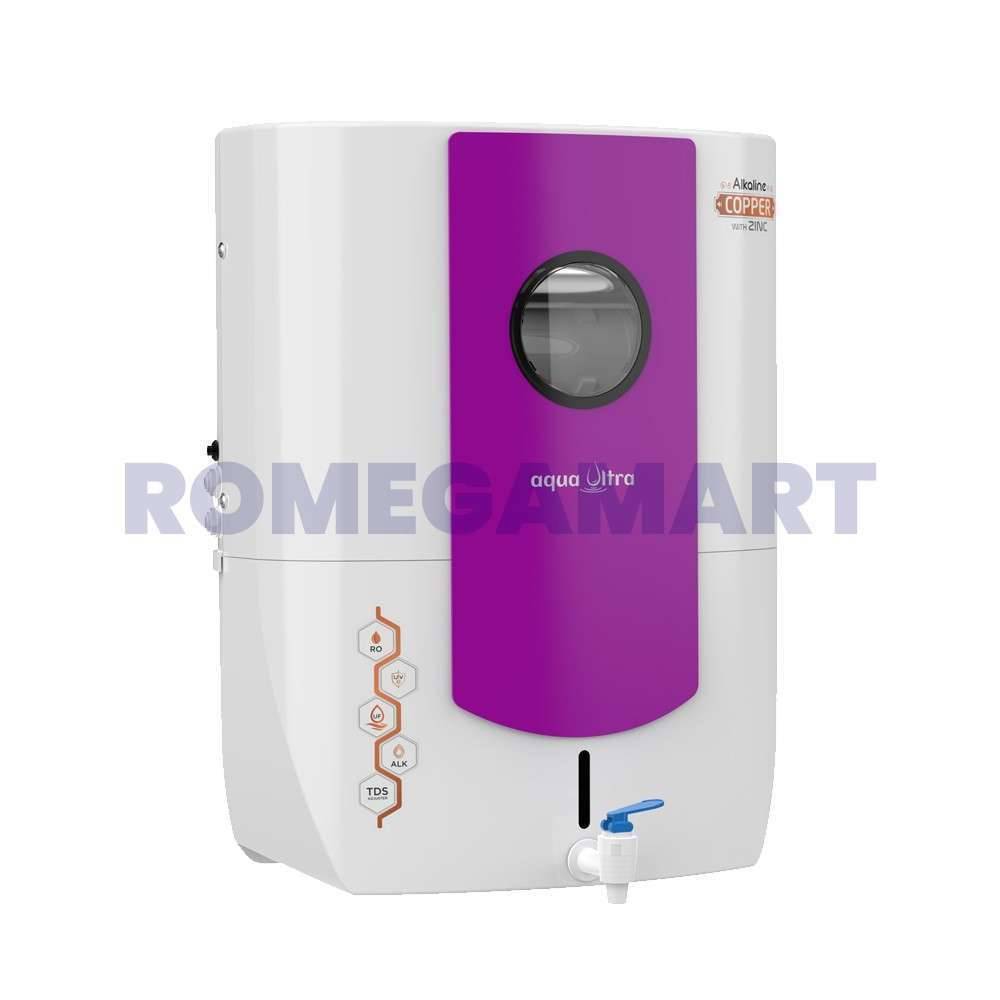
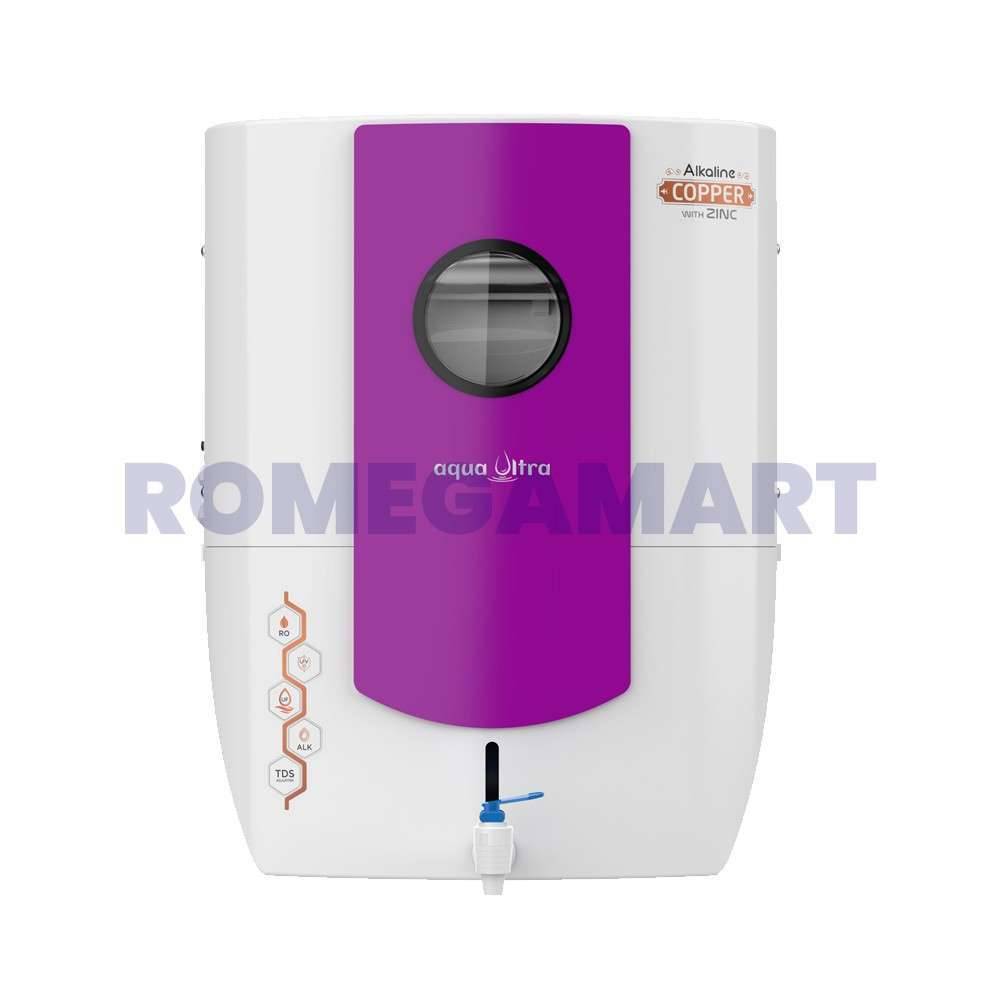
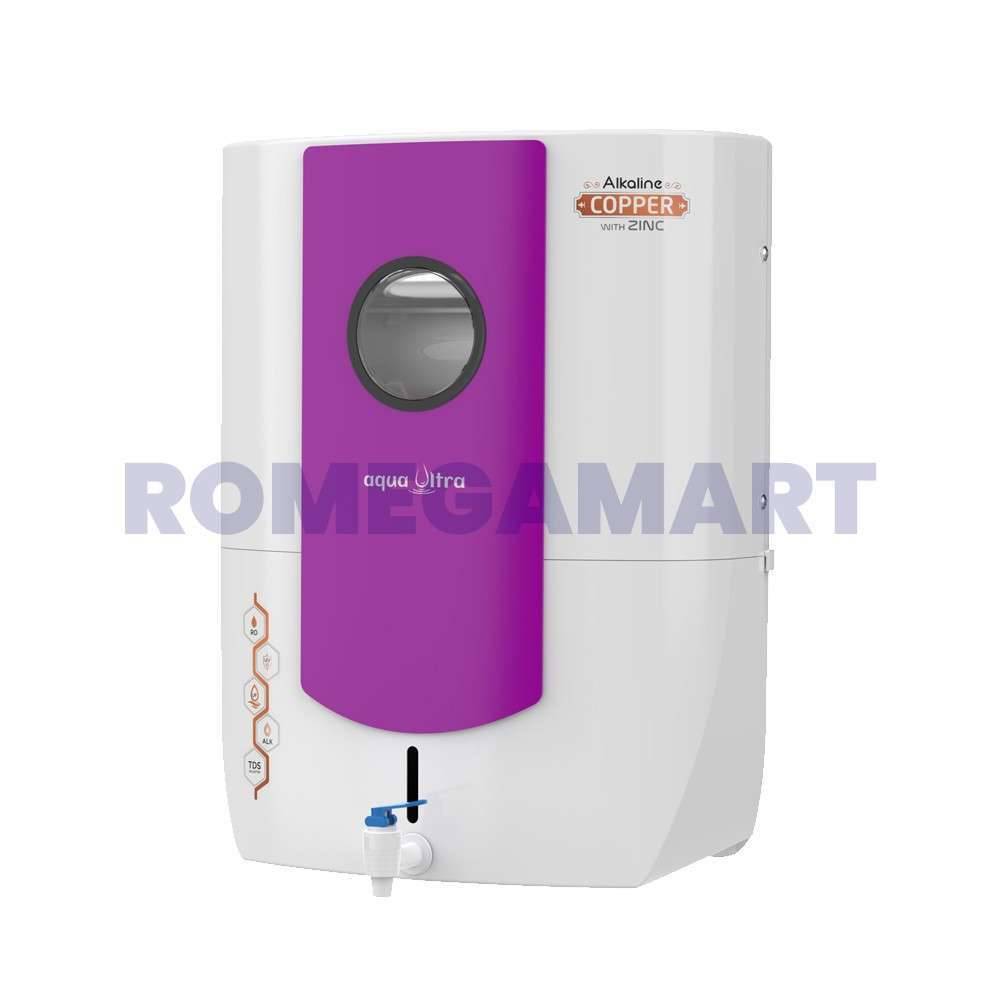
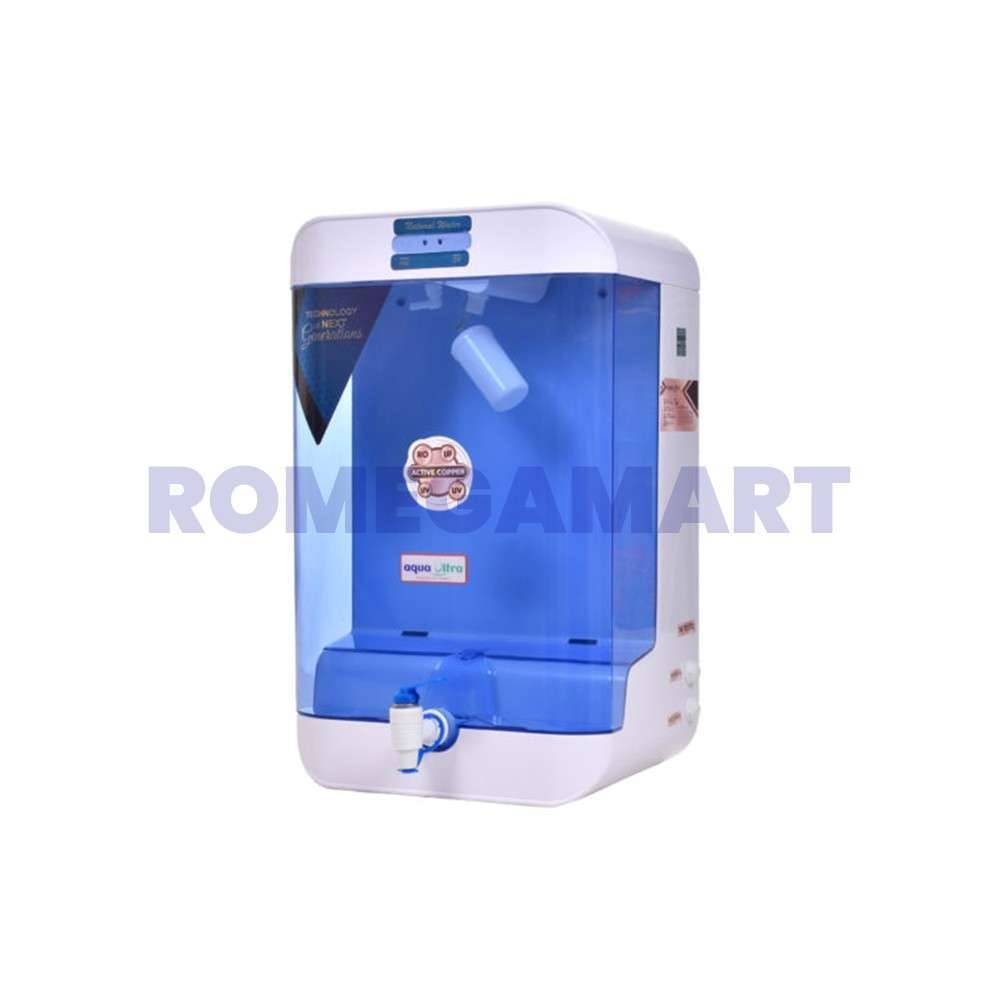
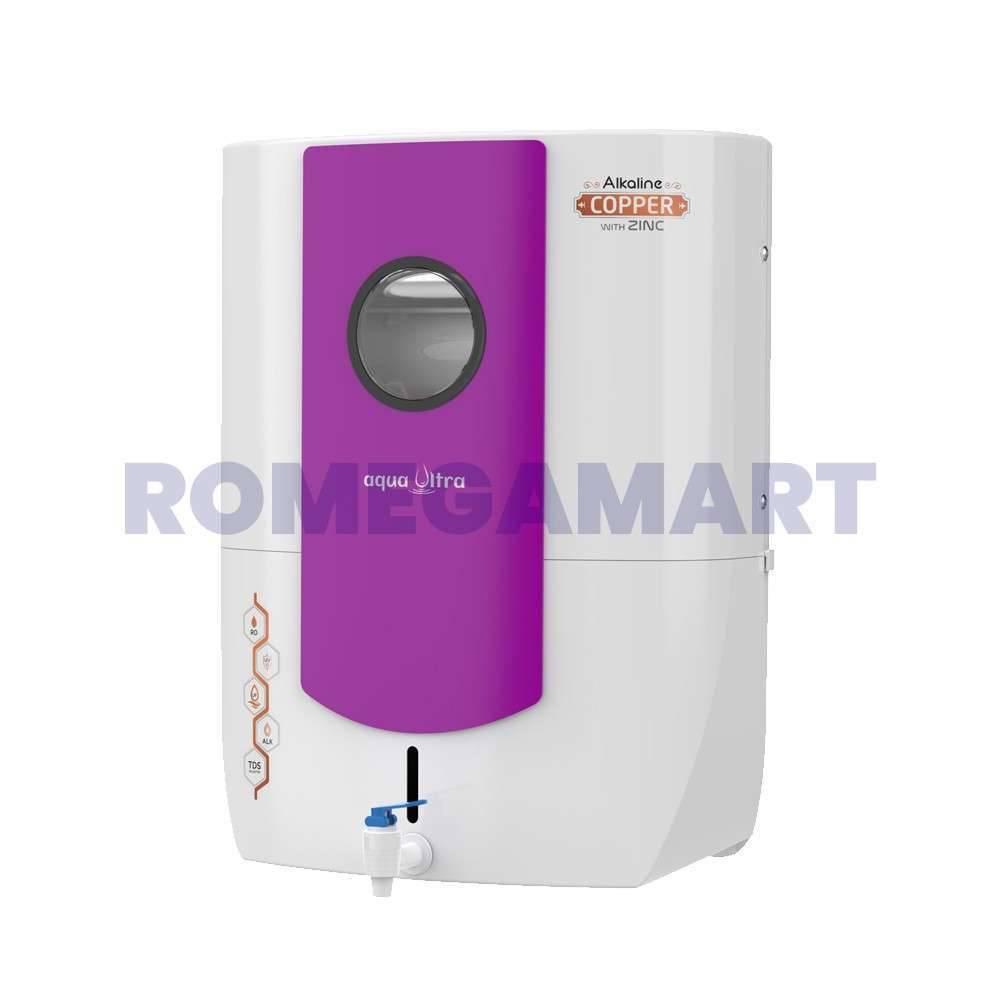
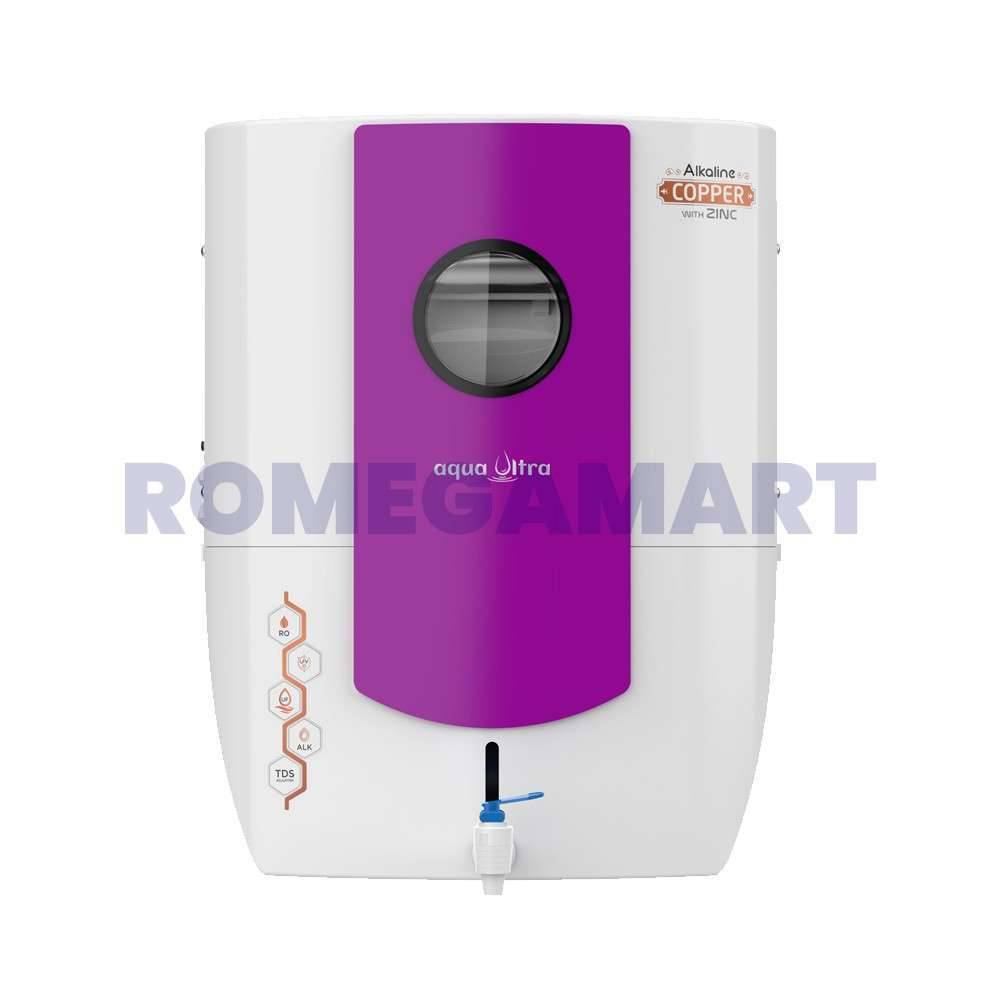
Aqua Ultra exists in a market where trust is built through perceived protection depth, not just filtration performance.
Final Thoughts
People don’t want water that is merely clean—they want water that feels defensively safe. When purification sounds powerful, users relax.
While reverse osmosis provides real protection, confidence is built through perceived intensity and layered safety.
Understanding this psychology explains why stronger-sounding RO water purifiers earn trust faster and are used more consistently—without constant doubt.