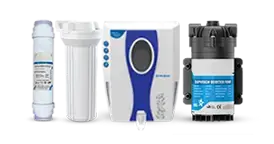
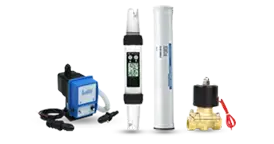


SWIFT RO Water Purifier & Spare Parts Manufacturer in Delhi


Why RO Water Purifiers Matter Today
In many parts of India, drinking water contains dissolved salts, heavy metals, and chemical residues that can affect taste and safety. As a result, RO water purifiers are widely used in homes, offices, and commercial establishments. These systems help improve water quality by removing impurities through advanced reverse osmosis technology.
Brands such as SWIFT operate within the water purification industry, supplying RO systems and compatible components that align with commonly used purification standards. Understanding how these systems work helps users maintain better water quality over time.
Understanding Reverse Osmosis Technology
Reverse osmosis is a water purification process that removes dissolved solids and contaminants by forcing water through a semi-permeable RO membrane. This membrane allows clean water molecules to pass while blocking impurities.
A standard RO water purifier typically includes:
-
Sediment filters to remove dirt, sand, and rust
-
Carbon filters to reduce chlorine, odor, and organic compounds
-
RO membranes (1812 series) to reduce TDS (Total Dissolved Solids)
-
Optional post-treatment stages such as UV filtration, UF filtration, or mineral cartridges
Each stage plays a critical role in delivering safe and better-tasting water.
Importance of RO Spare Parts in Daily Use
The efficiency of RO water purifiers depends on regular maintenance and timely replacement of components. Over time, filters and membranes become saturated and lose effectiveness. Replacing RO spare parts ensures consistent purification and prevents system strain.
Common water purifier spare parts include:
-
RO membranes
-
Sediment and carbon filter cartridges
-
RO pumps for maintaining pressure
-
Solenoid valves and float valves
-
SMPS power supplies and TDS controllers
Ignoring maintenance can lead to reduced water output, higher wastage, and compromised purification.
Domestic and Commercial RO Systems
Different environments require different purification capacities.
Domestic RO systems are designed for household use and focus on compact size, ease of use, and moderate water output. These systems are ideal for kitchens and small families.
Commercial RO systems are used in offices, schools, hospitals, restaurants, and small industries. They rely on larger membranes, stronger pumps, and advanced water filtration systems to meet higher water demand.
Selecting the right system depends on daily consumption, input water quality, and usage patterns.
Role of SWIFT in the RO Industry Ecosystem
Within the RO industry, brands like SWIFT support the ecosystem by offering standardized RO water purification systems and compatible components. This availability helps technicians, retailers, and service providers maintain and service RO installations efficiently.
By aligning with common industry configurations, such brands simplify repair, maintenance, and part replacement.
Maintenance and Water Quality Awareness
Local water conditions play a major role in determining RO system lifespan. High TDS, excessive sediment, or chemical contamination can shorten filter and membrane life.
Best maintenance practices include:
-
Regular replacement of sediment filters and carbon filters
-
Monitoring RO membrane performance
-
Checking RO pump pressure and electrical stability
-
Ensuring leak-free connections and proper drainage
Routine servicing improves purification efficiency and extends system life.
Key Elements of Water Filtration Systems
A reliable water filtration system depends on multiple components working together.
Key elements include:
-
RO membranes for dissolved solid removal
-
Carbon filters for chemical reduction
-
RO pumps for pressure control
-
TDS controllers for mineral balance
-
Filter housings, pipes, and connectors for durability
A failure in any component can affect overall system performance.
Industry View on RO Water Purification
The water purification industry continues to grow as awareness about safe drinking water increases. Demand for RO water purifiers, spare parts, and servicing remains strong across urban and semi-urban regions.
Educating users about reverse osmosis technology, system selection, and maintenance helps ensure long-term water safety.
Final Thoughts
RO water purification systems provide an effective solution for improving drinking water quality in areas with contamination and high TDS. Understanding reverse osmosis, the role of RO spare parts, and proper maintenance practices enables consistent performance.
Brands like SWIFT contribute to the broader water purification ecosystem by supporting standardized systems and accessible components.