YANA RO Water Purifier & Water Treatment Manufacturer in Delhi






One Water Problem, Many Solutions
Water across India is not the same everywhere. In some regions, water contains high TDS (Total Dissolved Solids), while in others it carries excess iron, fluoride, or microbial contamination. This is why a single purification setup cannot work effectively in every location.
RO water purifiers are widely used because they can be configured according to water conditions. Brands like YANA operate in the water purification industry, where understanding local water quality is more important than simply installing a standard system.
Understanding Input Water Before Choosing RO Water Purifiers
Before installing any water filtration system, it is important to test the source water. Borewell water, municipal supply, tanker water, and surface water all behave differently.
Key parameters that affect system design:
-
TDS levels
-
Hardness and salinity
-
Presence of iron or fluoride
-
Chlorine content
-
Microbial load
High TDS water usually requires reverse osmosis, while low TDS municipal water may only need carbon and UV filtration. Incorrect system selection can reduce filter life and increase water wastage.
How Reverse Osmosis Technology Adapts to Water Conditions
Reverse osmosis works by forcing water through a semi-permeable RO membrane, separating clean water from dissolved impurities. However, membrane selection depends on water pressure and TDS level.
For example:
-
Moderate TDS → 1812 RO membrane
-
High TDS or commercial demand → Larger membranes and stronger RO pumps
System pressure, flow rate, and recovery ratio must be balanced to avoid membrane damage and excessive reject water.
Role of Pre-Filtration in Water Filtration Systems
Pre-filtration is often underestimated but plays a major role in RO system performance. Sediment filters remove physical particles, while carbon filters reduce chlorine and organic compounds that can damage membranes.
In areas with high turbidity or iron content:
-
Multi-layer sediment filtration is required
-
Additional iron removal stages may be added
Without proper pre-filtration, RO membranes fail faster and purification efficiency drops.
Domestic vs Commercial RO Systems Based on Usage
Domestic RO systems are designed for kitchens and small families. These systems focus on compact design and controlled output.
Commercial RO systems are required in:
-
Offices
-
Schools
-
Hospitals
-
Restaurants
-
Small manufacturing units
These systems use higher-capacity water filtration systems, larger membranes, and continuous-duty RO pumps to meet demand without pressure loss.
System sizing is based on daily water consumption rather than brand preference.
Importance of RO Spare Parts Compatibility
Maintenance efficiency depends heavily on the availability and compatibility of RO spare parts. Technicians prefer systems that use standardized components.
Commonly replaced RO spare parts include:
-
RO membranes
-
Sediment and carbon filters
-
RO pumps
-
Solenoid valves and float valves
-
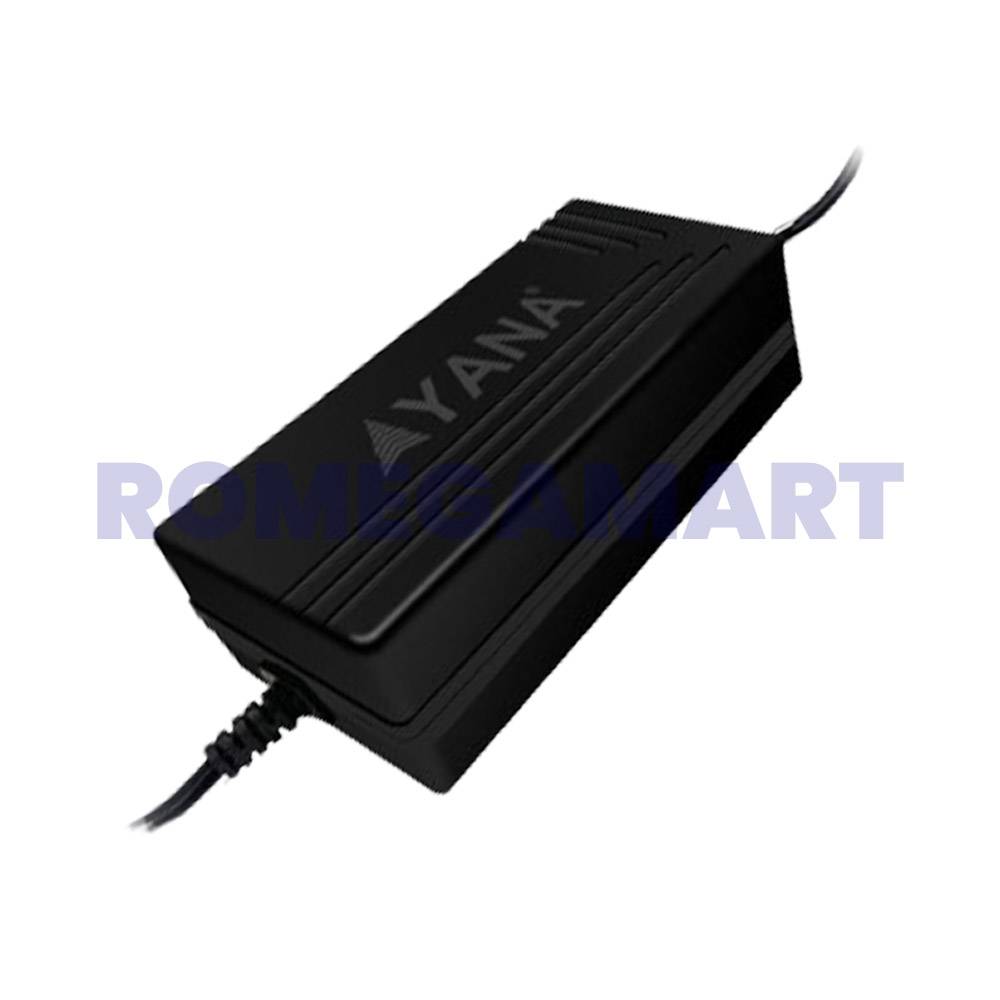
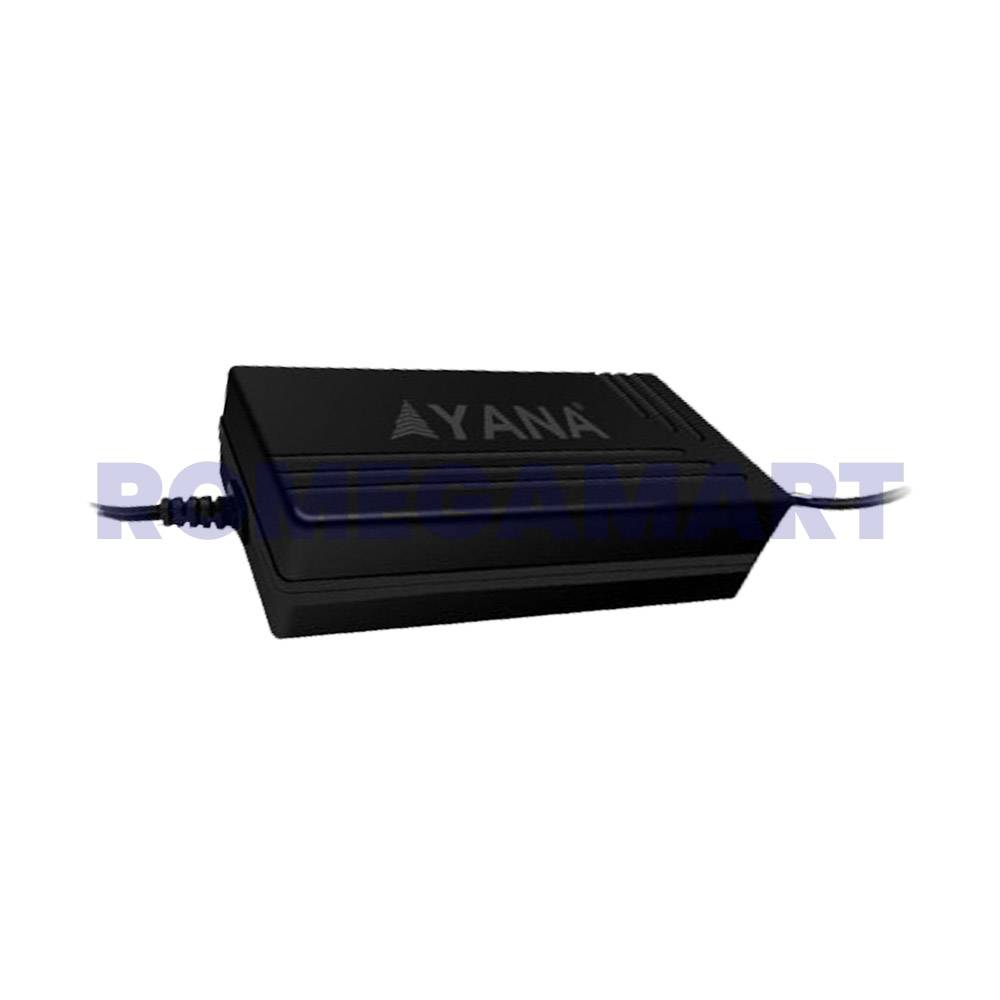
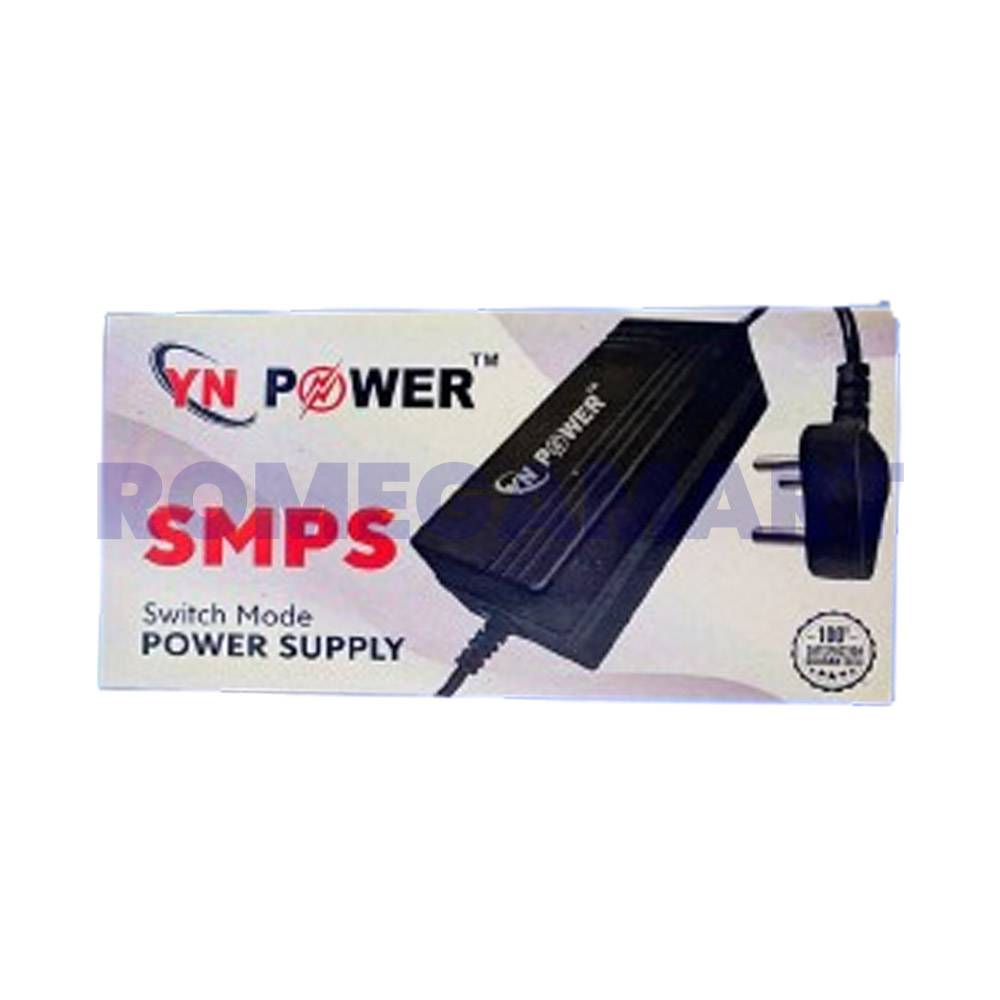
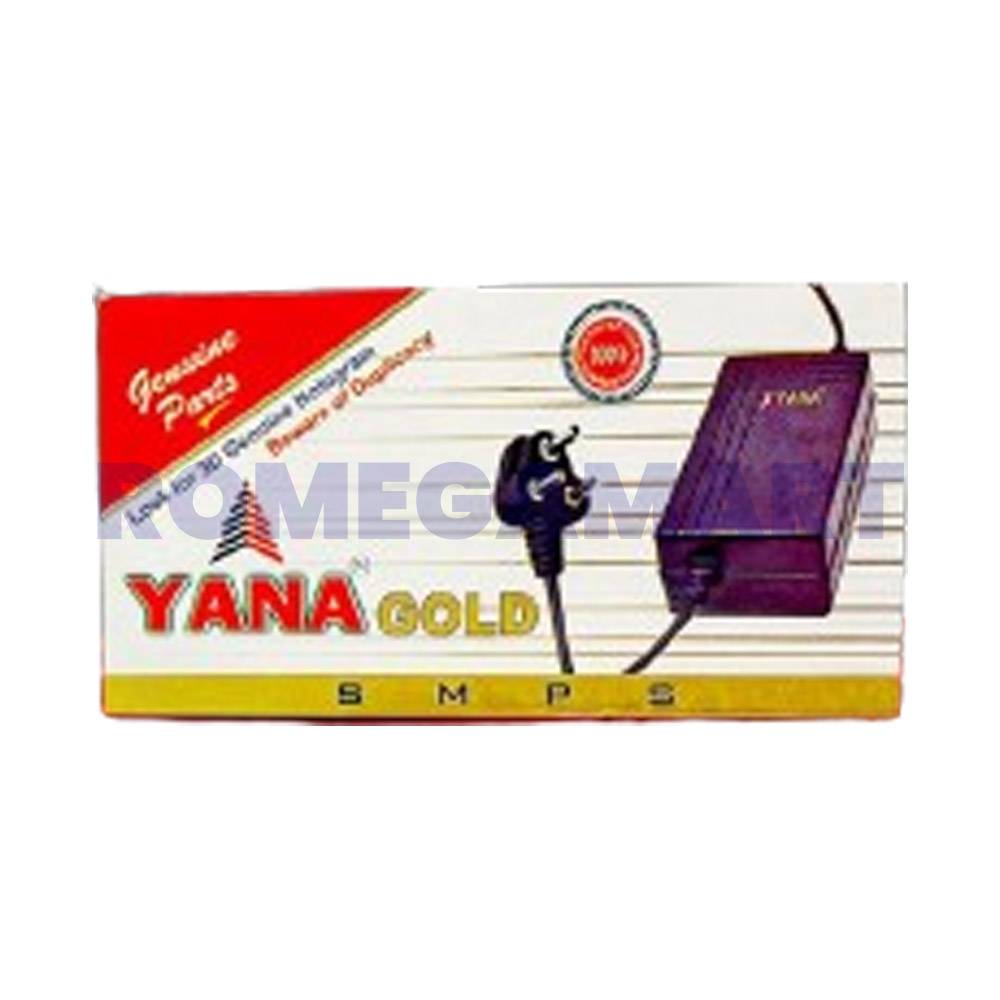
SMPS power supplies
-
TDS controllers
Using mismatched or low-quality parts affects water quality and system lifespan.
Water Wastage and TDS Control
A common concern with RO water purifiers is water wastage. Proper system tuning and TDS controllers help balance purification efficiency and recovery.
Lower recovery leads to more wastage, while aggressive recovery settings can damage membranes. Correct calibration based on input water quality is essential.
Industry Perspective on Water Purification in India
The water purification industry is shifting from one-size-fits-all systems to customized solutions. Awareness among consumers and technicians has increased, leading to better system planning and maintenance.
Understanding reverse osmosis technology, filter stages, and component roles helps users get consistent water quality instead of frequent breakdowns.
Final Thoughts
Effective water purification starts with understanding the source water. RO water purification systems perform best when system configuration matches local water conditions. Knowledge of RO membranes, water filtration systems, and RO spare parts helps ensure long-term performance.
Brands like YANA operate within this ecosystem, supporting standardized purification solutions that adapt to real-world water challenges rather than generic setups.