



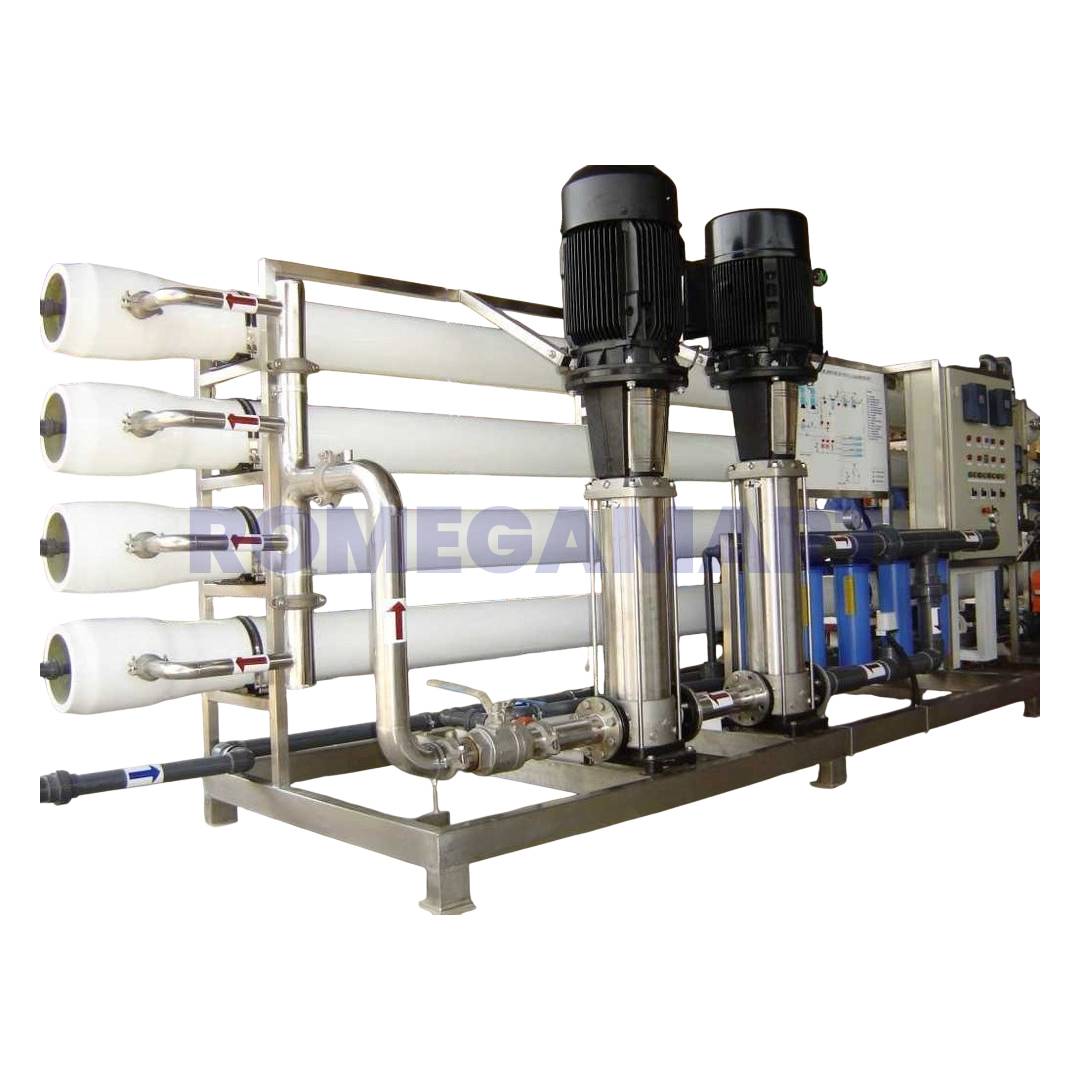
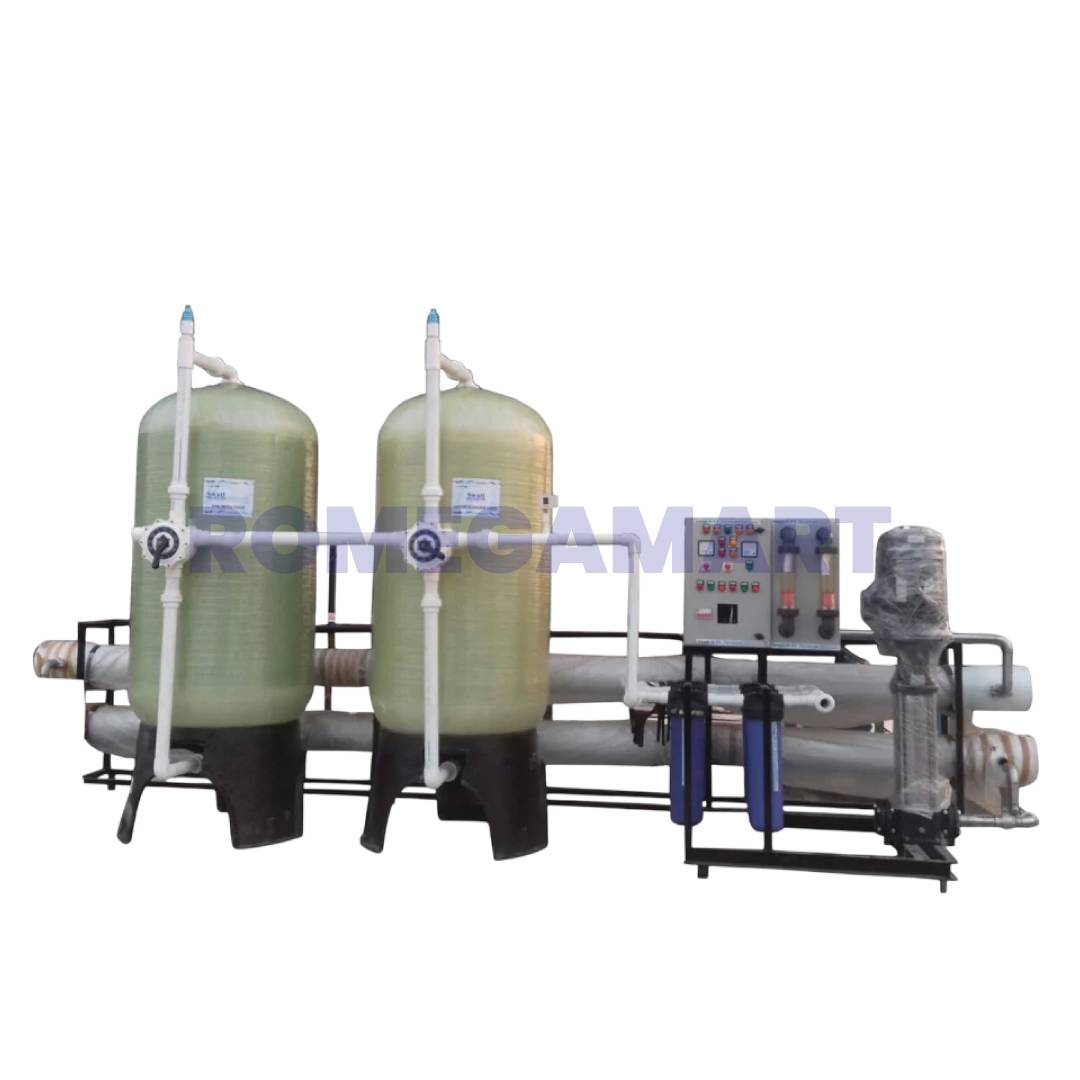
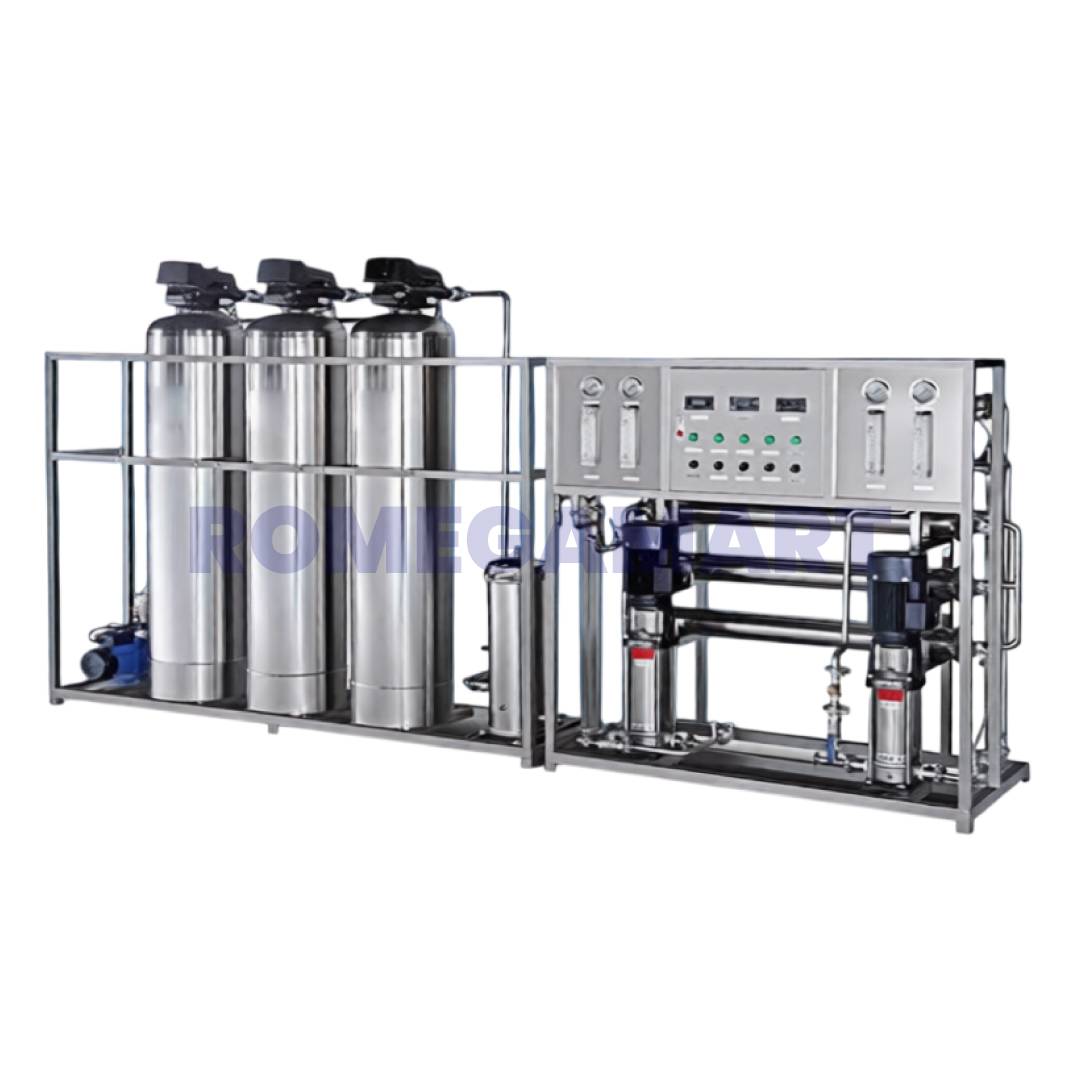
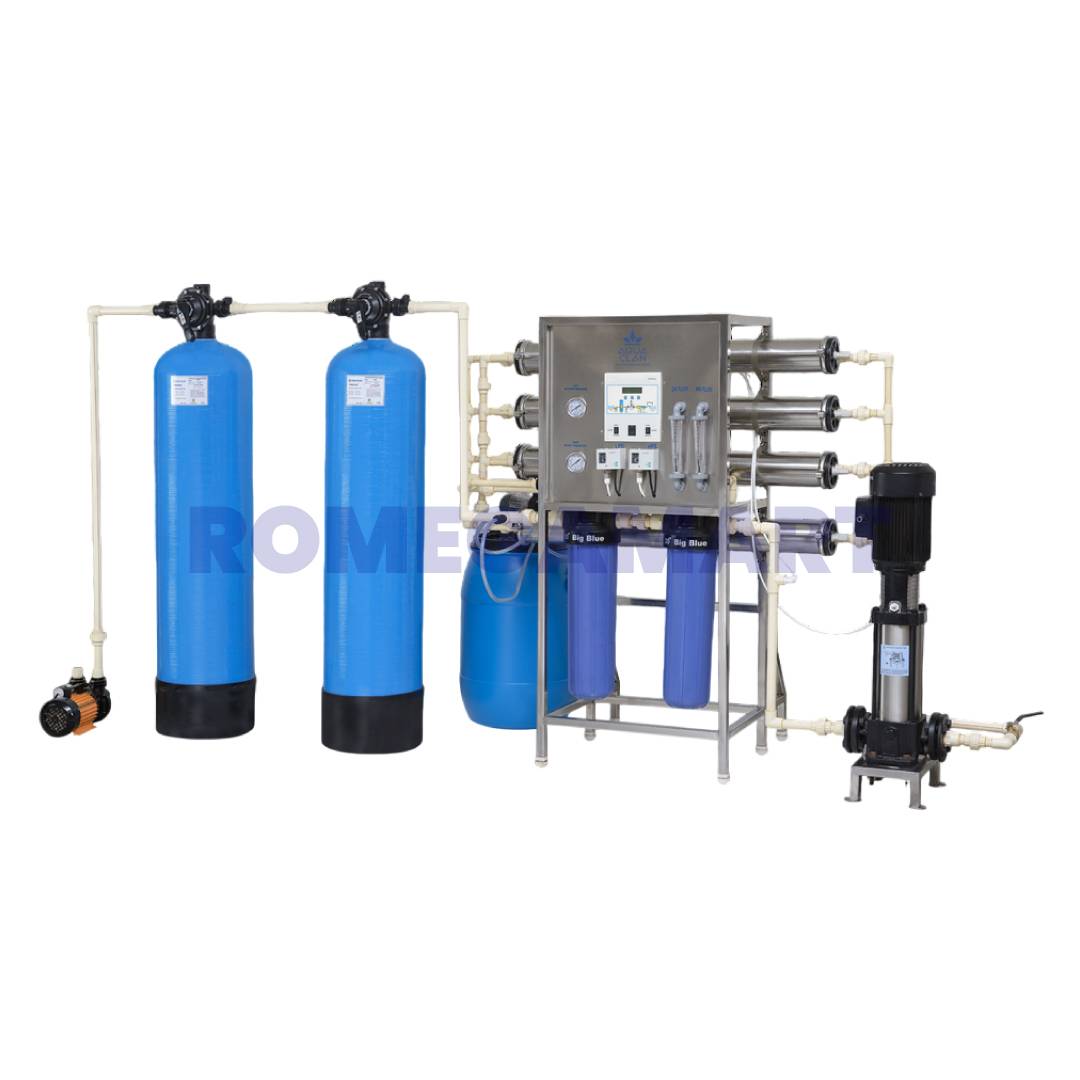
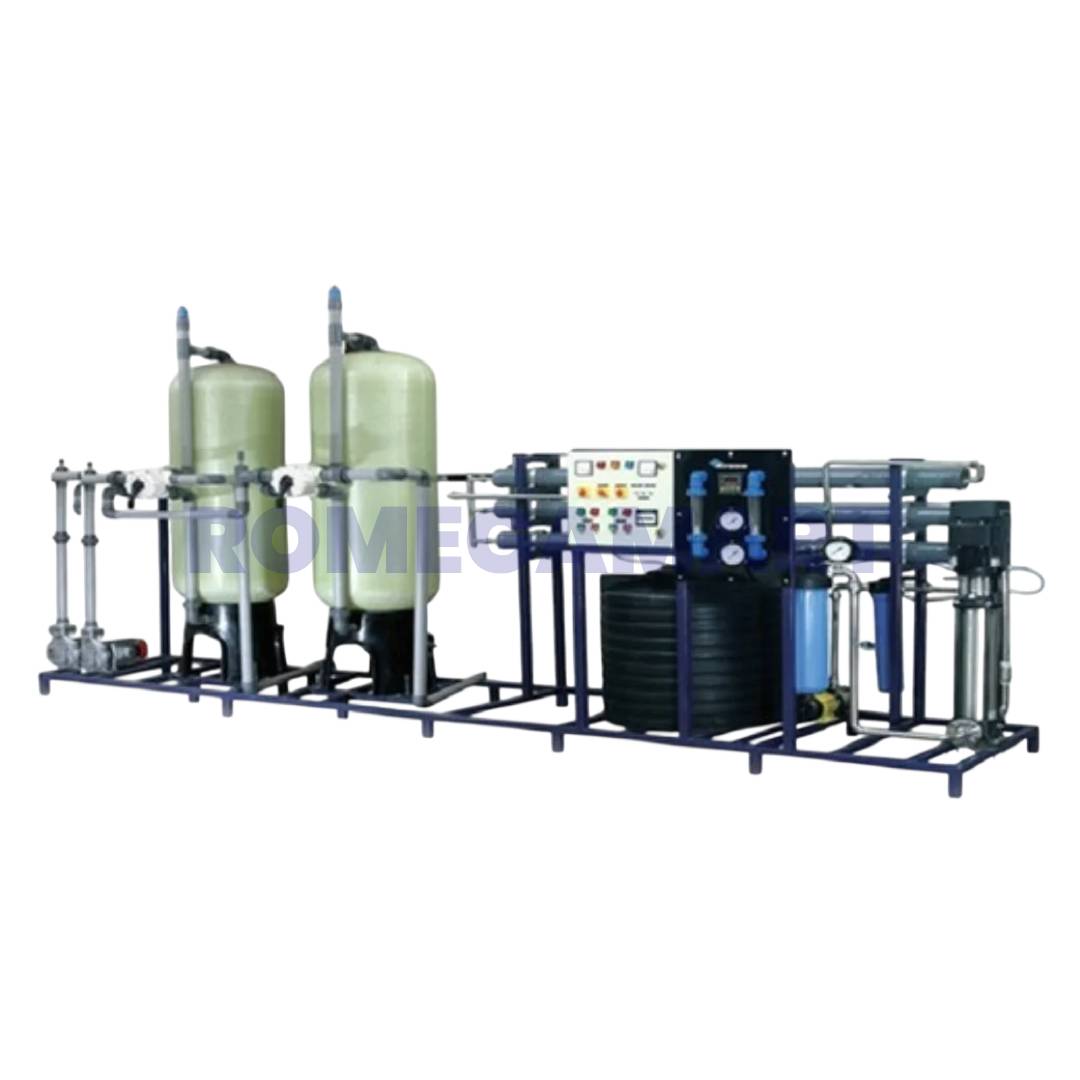
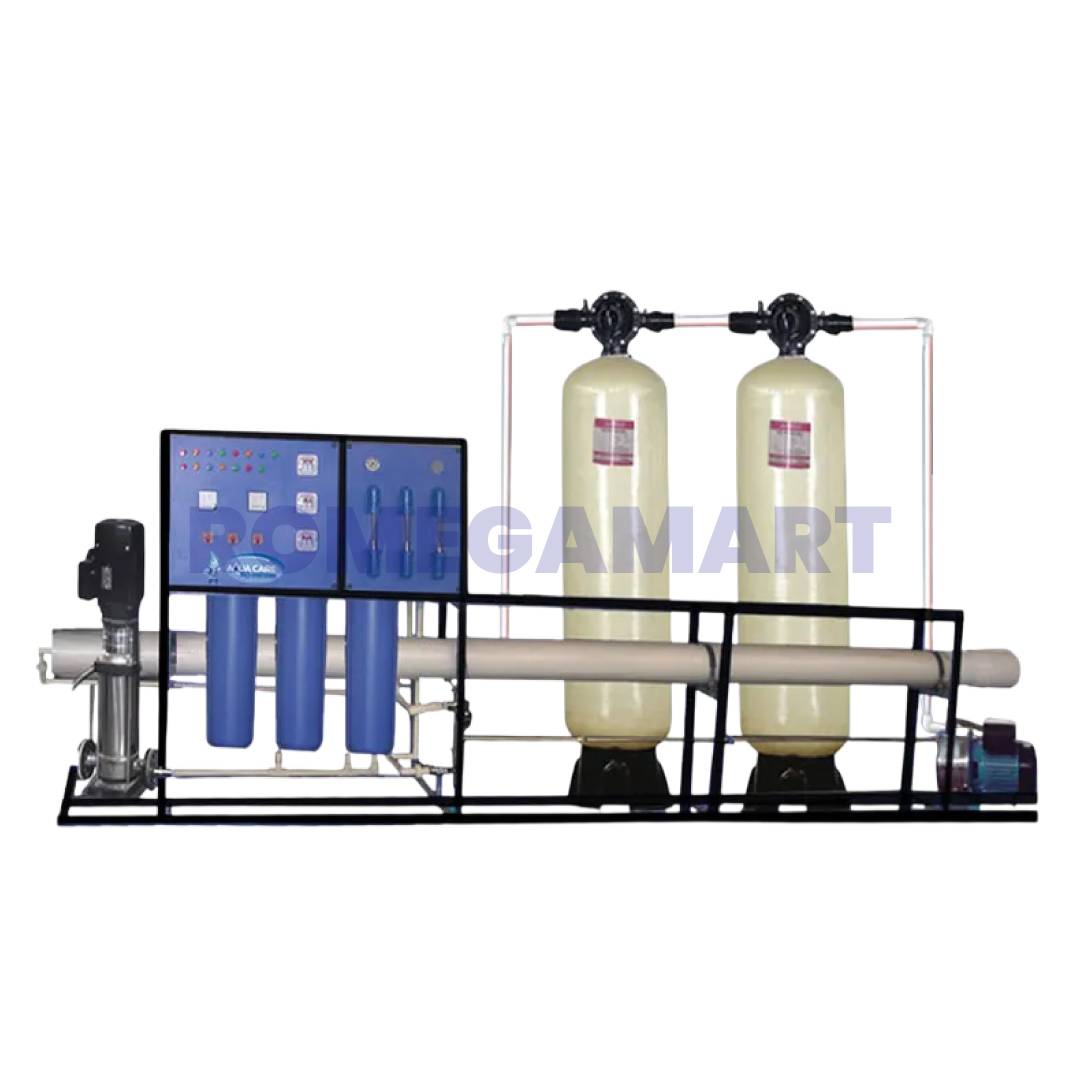
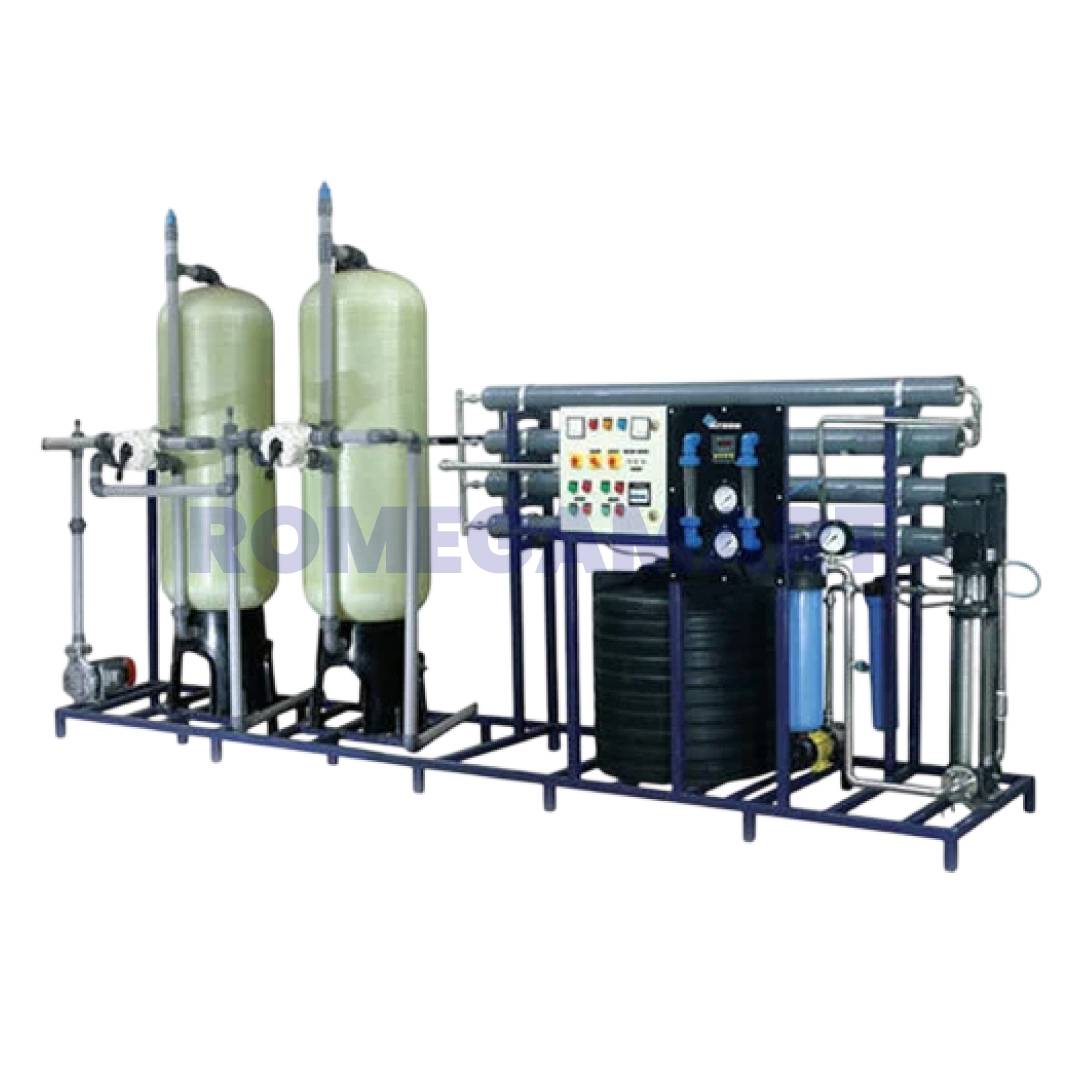
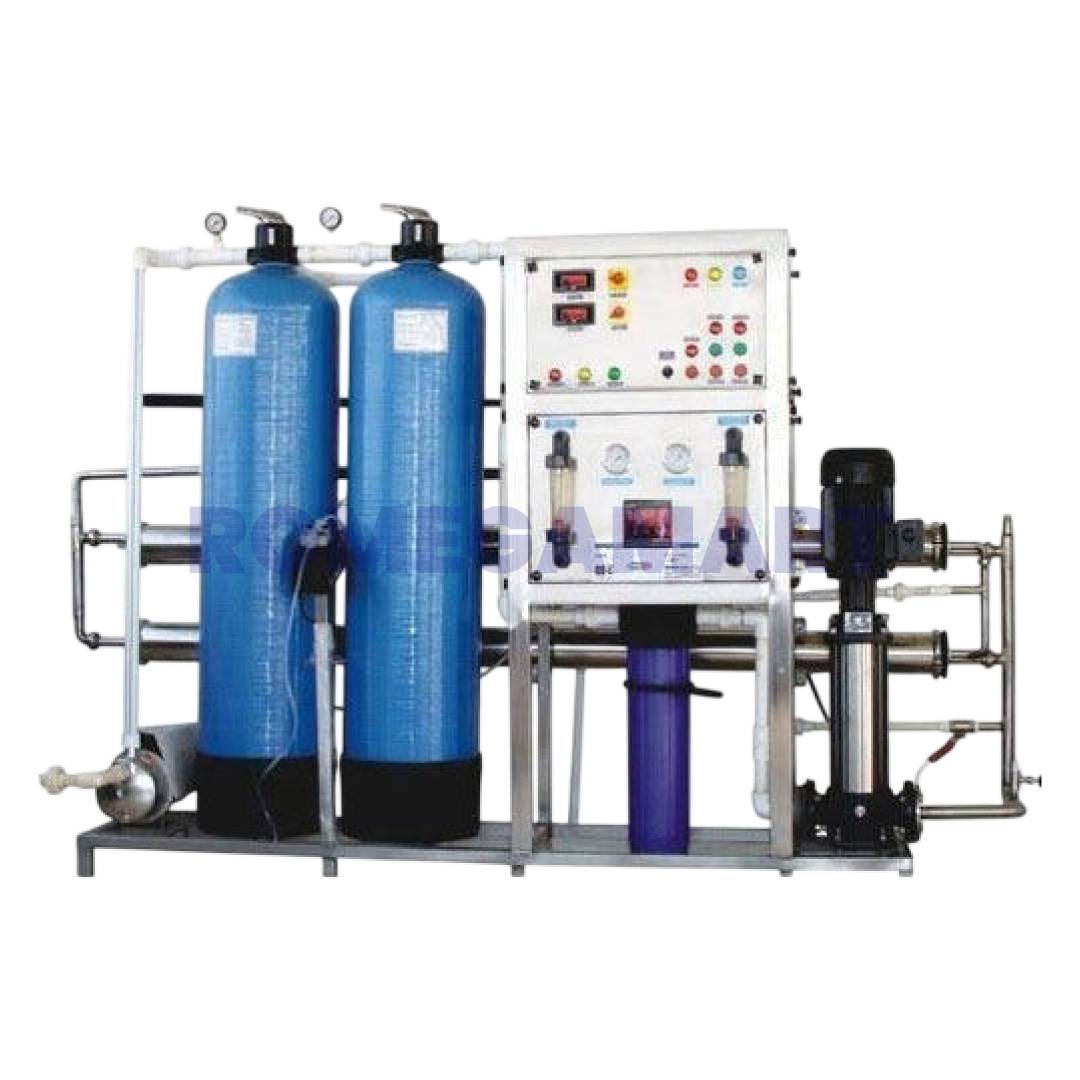
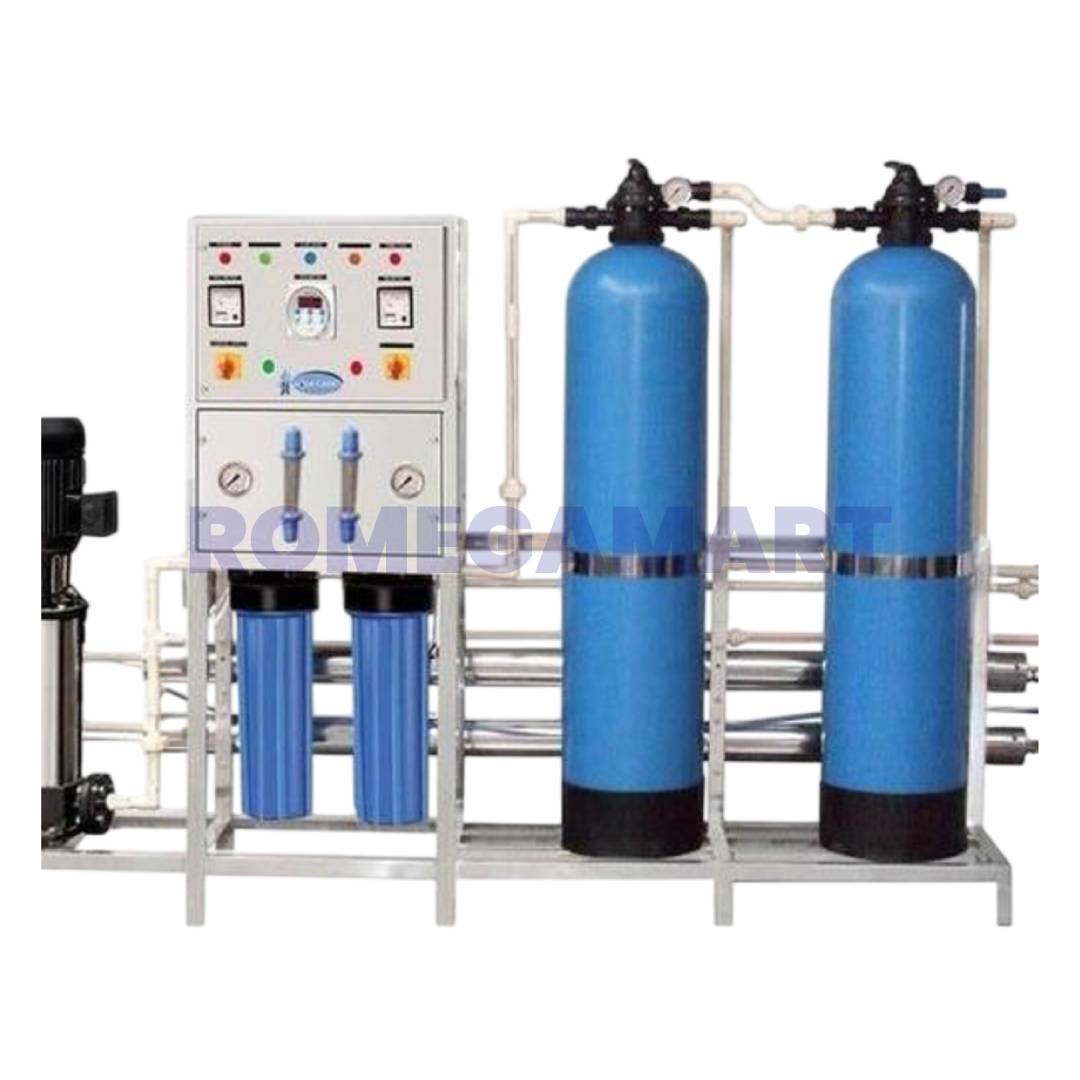
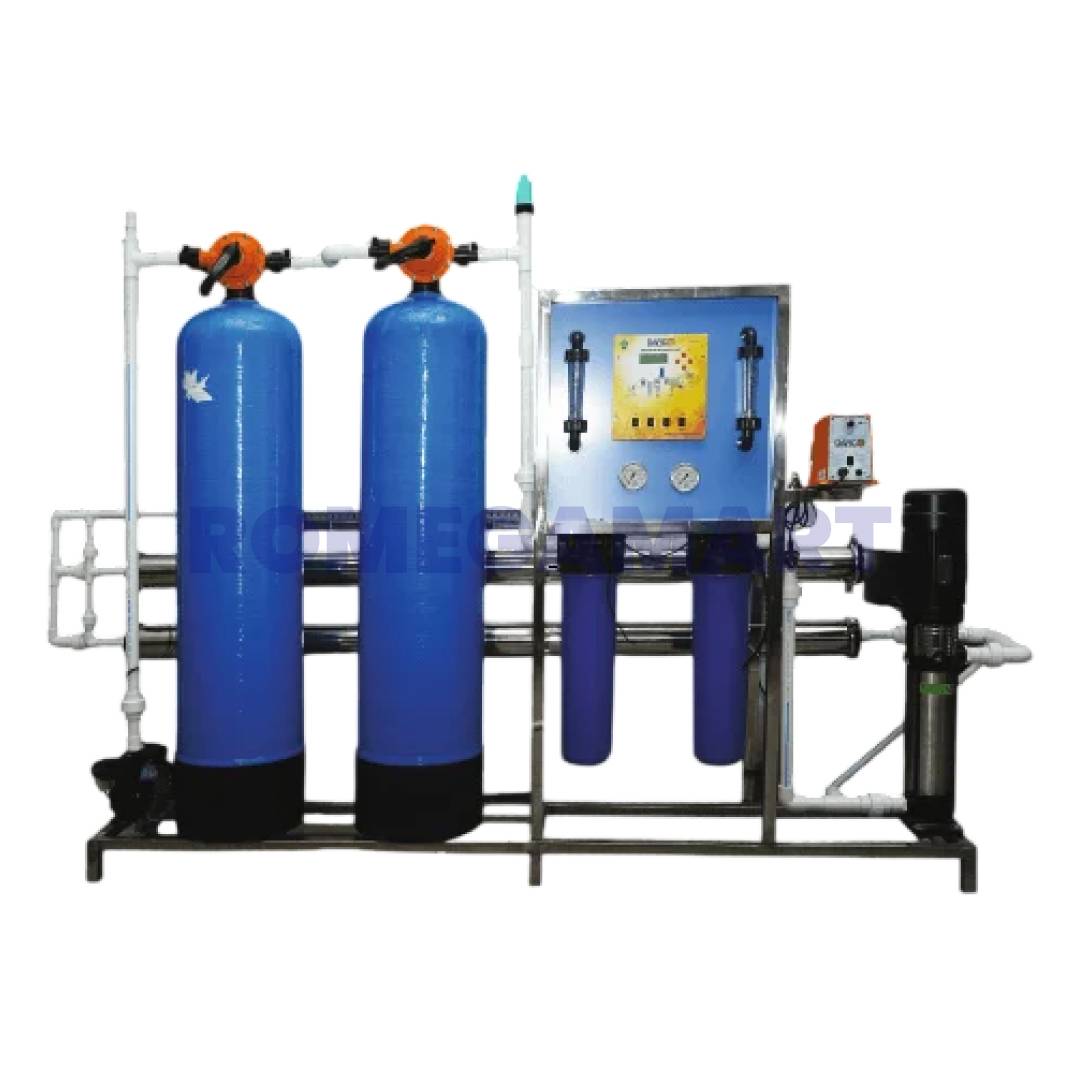
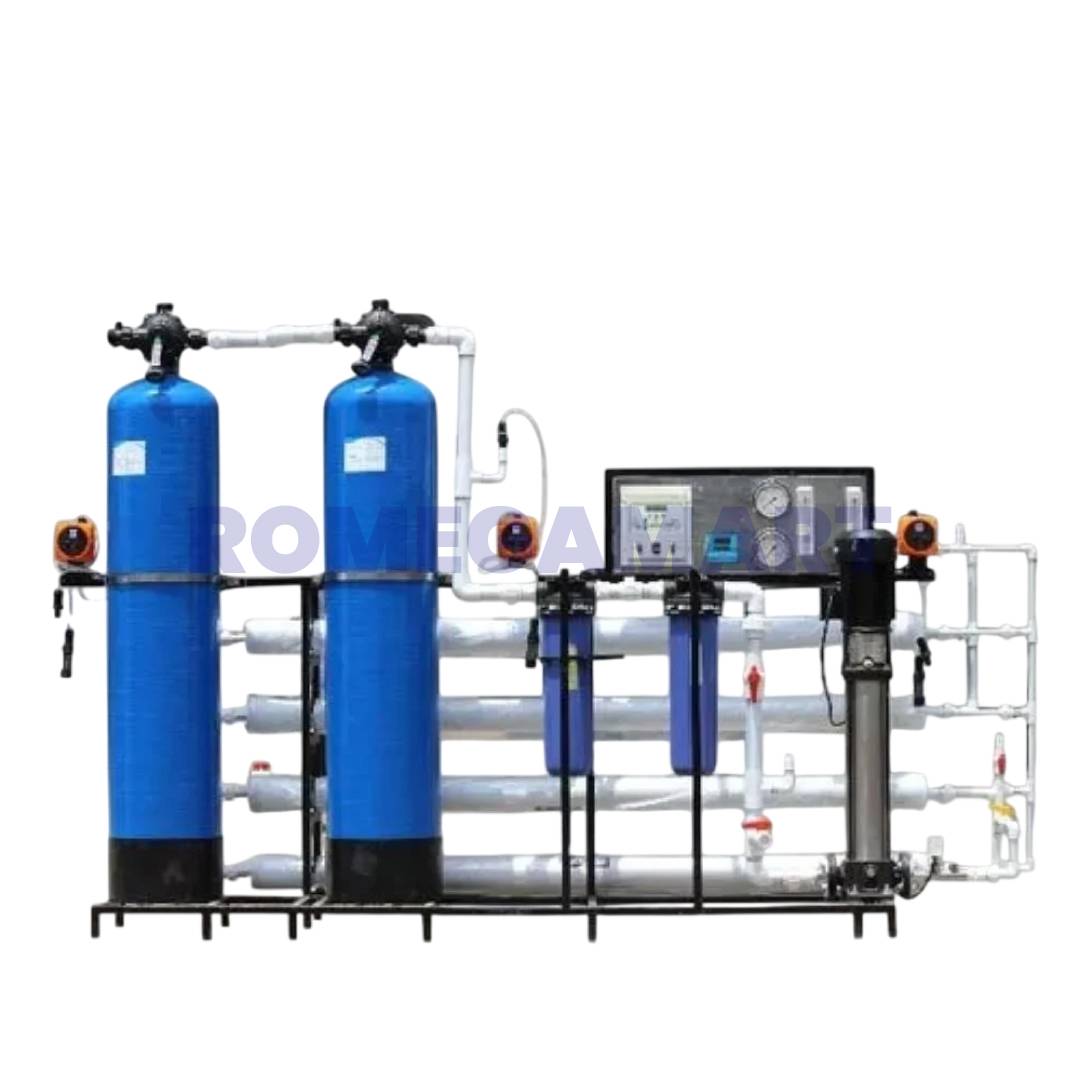
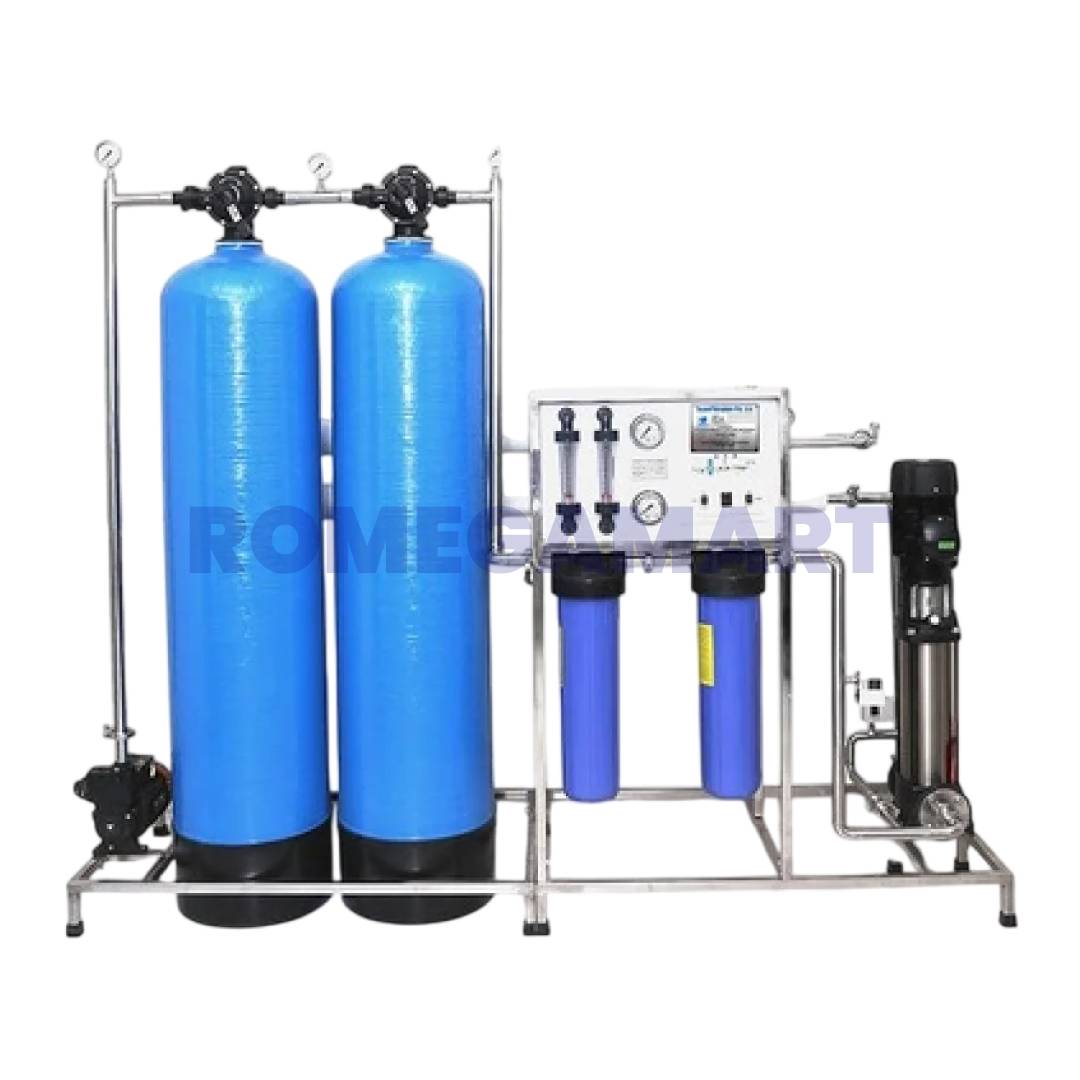

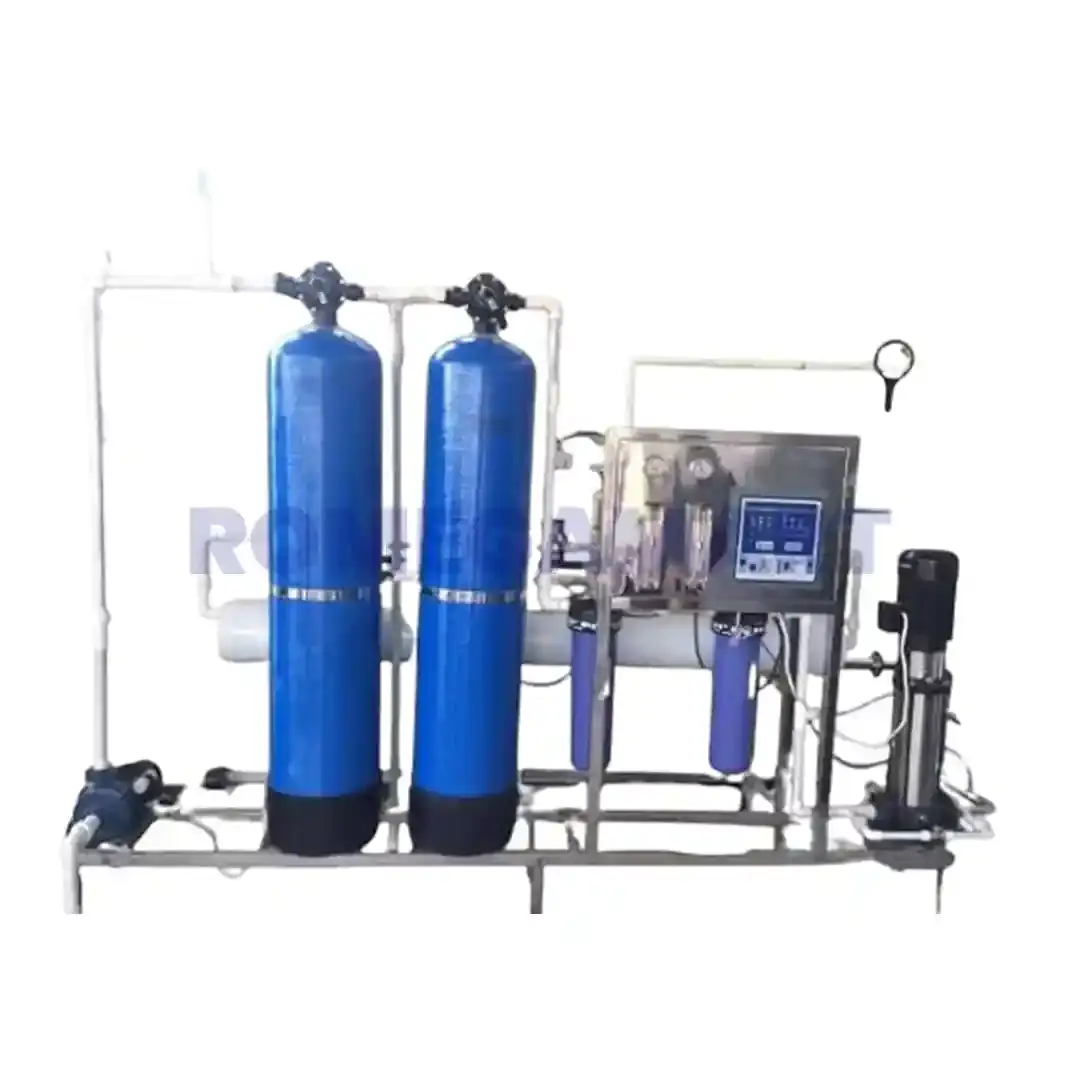
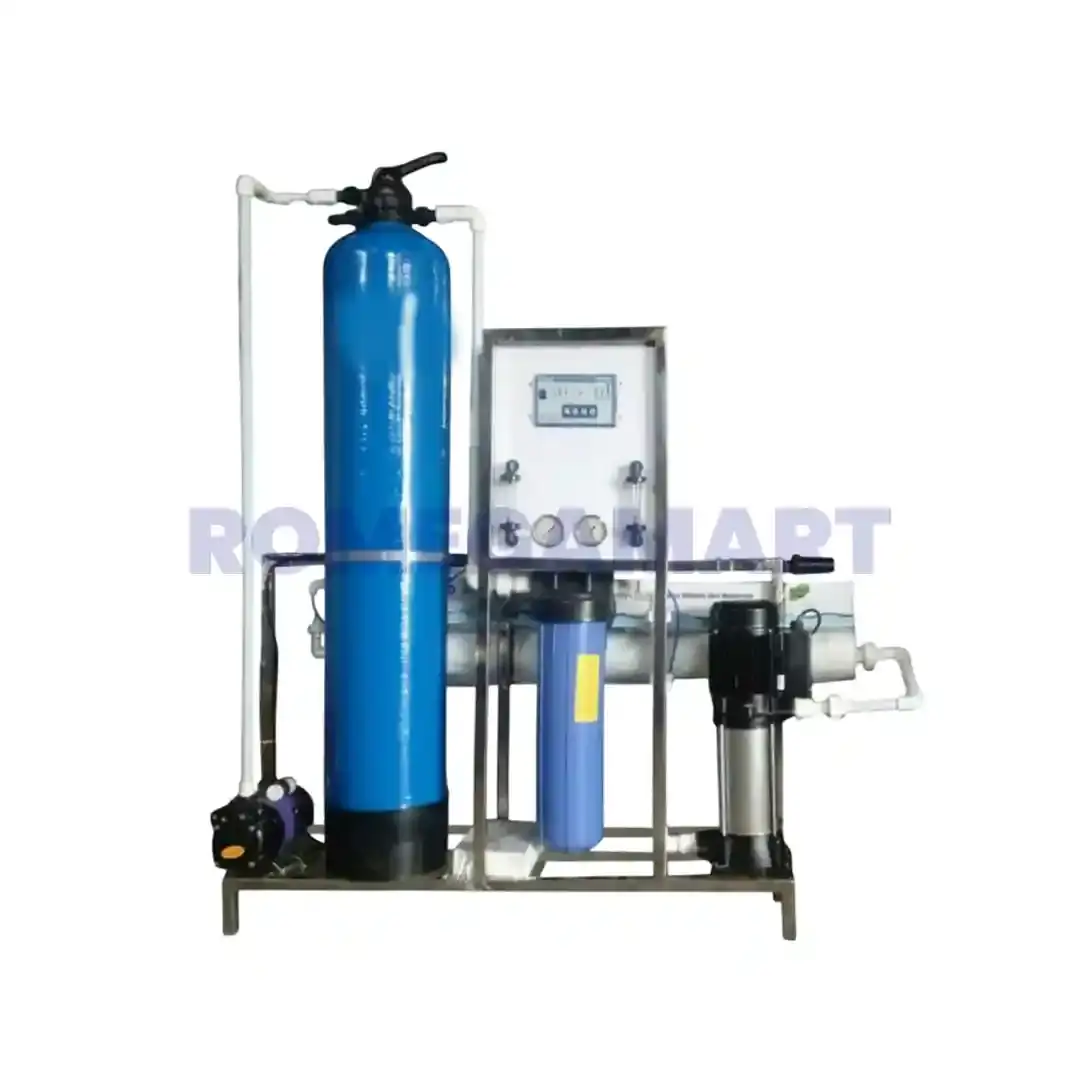
Leading Industrial RO Plant Manufacturer delivering high-capacity reverse osmosis systems for efficient water purification in industrial and commercial applications.
×


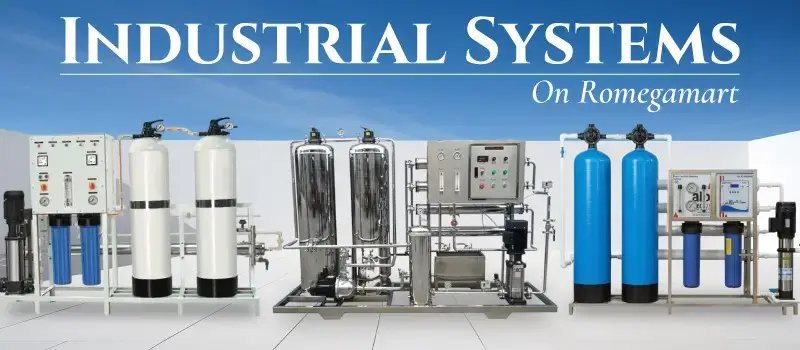
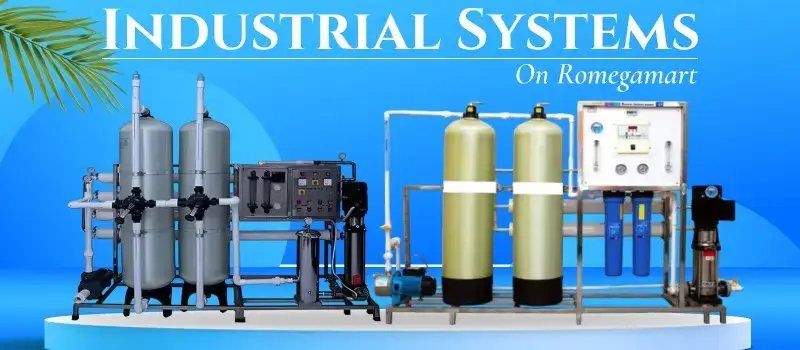
Industrial RO Plant Manufacturer in Delhi
Industrial RO Plant Manufacturer: Reliable Water Purification Solutions for Industrial Needs
Rapid industrialization, strict water quality regulations, and increasing water scarcity have made industrial-grade water purification a critical operational requirement. Industries today cannot rely on untreated or inconsistent water sources. This is where an Industrial RO Plant Manufacturer plays a decisive role by delivering high-capacity, consistent, and compliant water treatment solutions.
What Is an Industrial RO Plant Manufacturer?
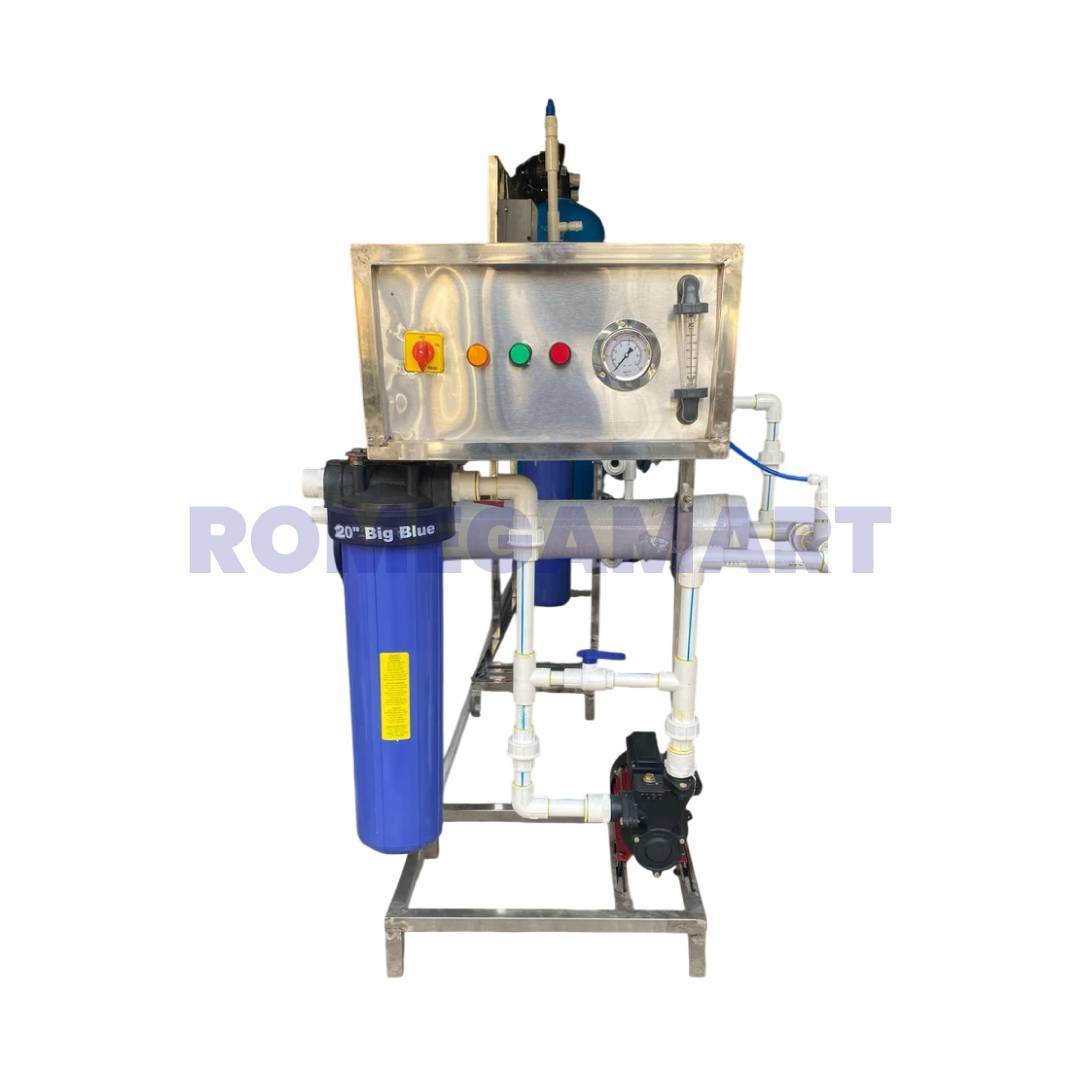
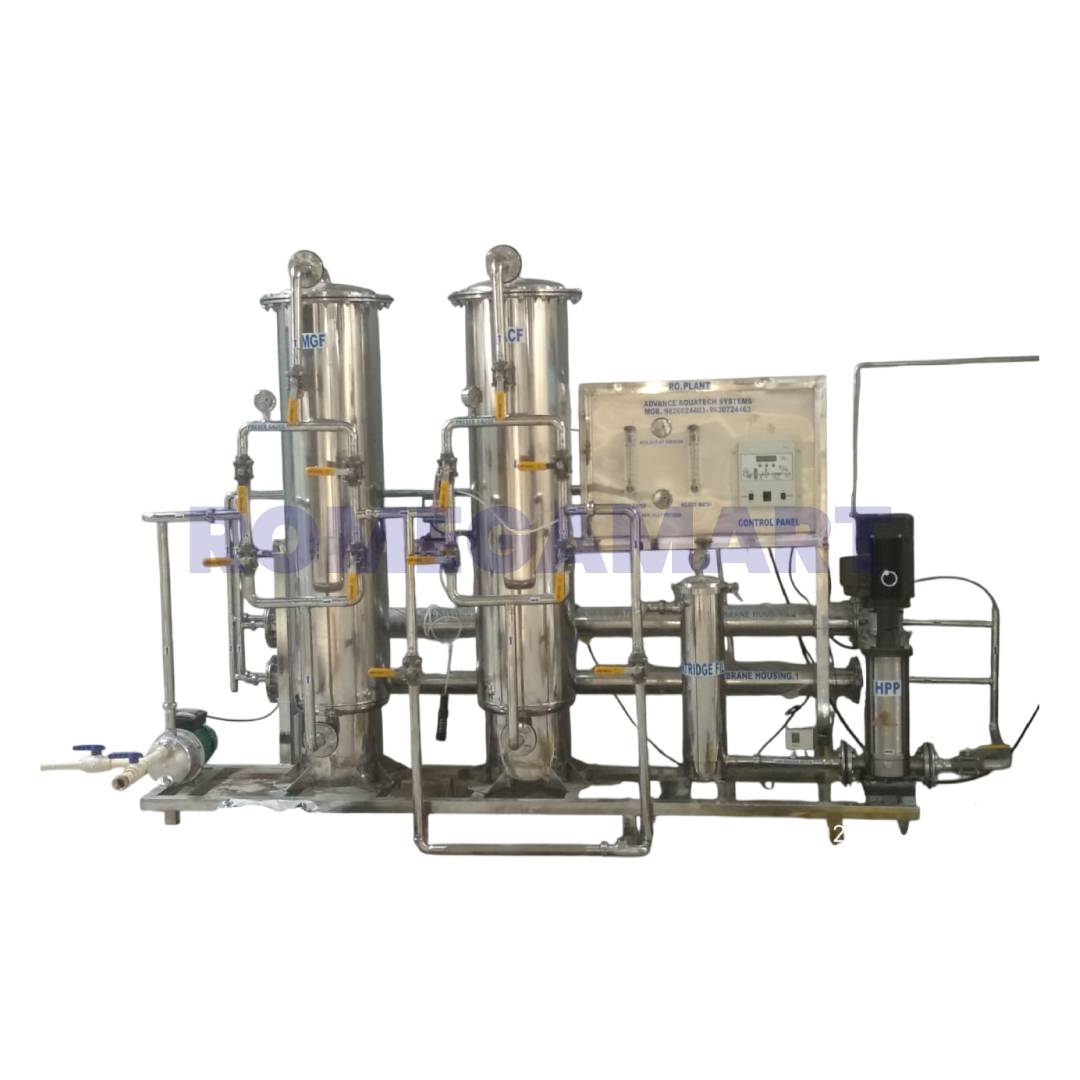
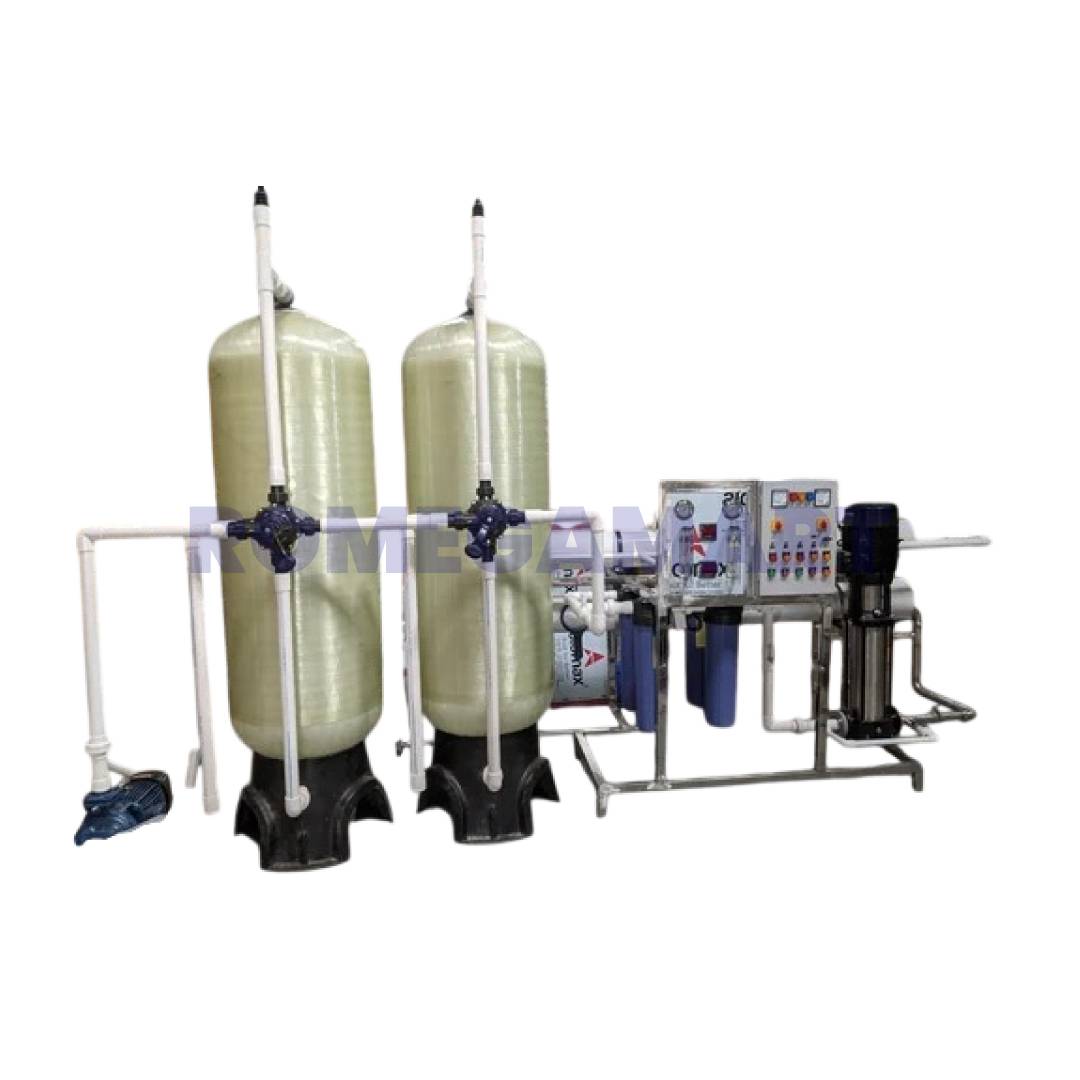
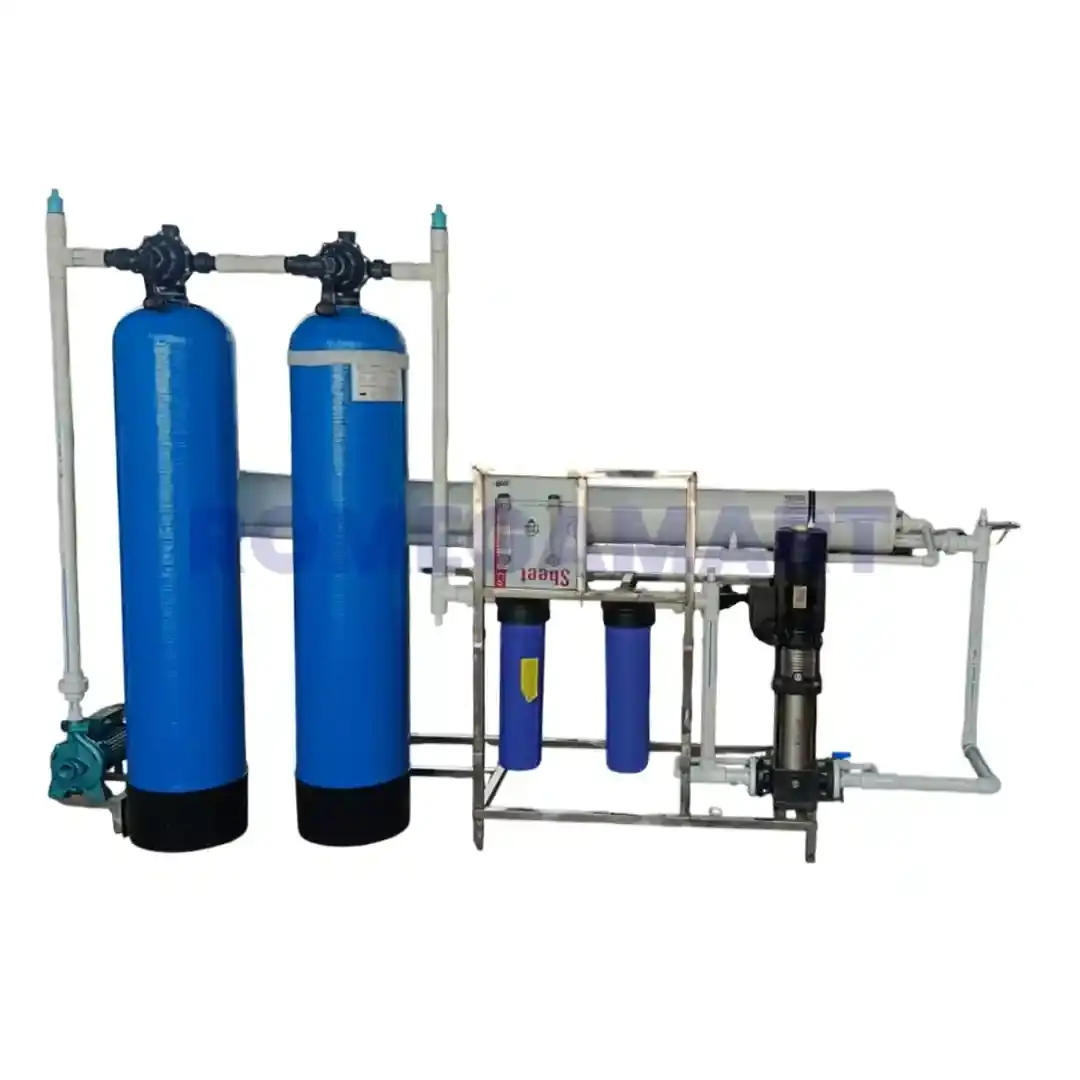
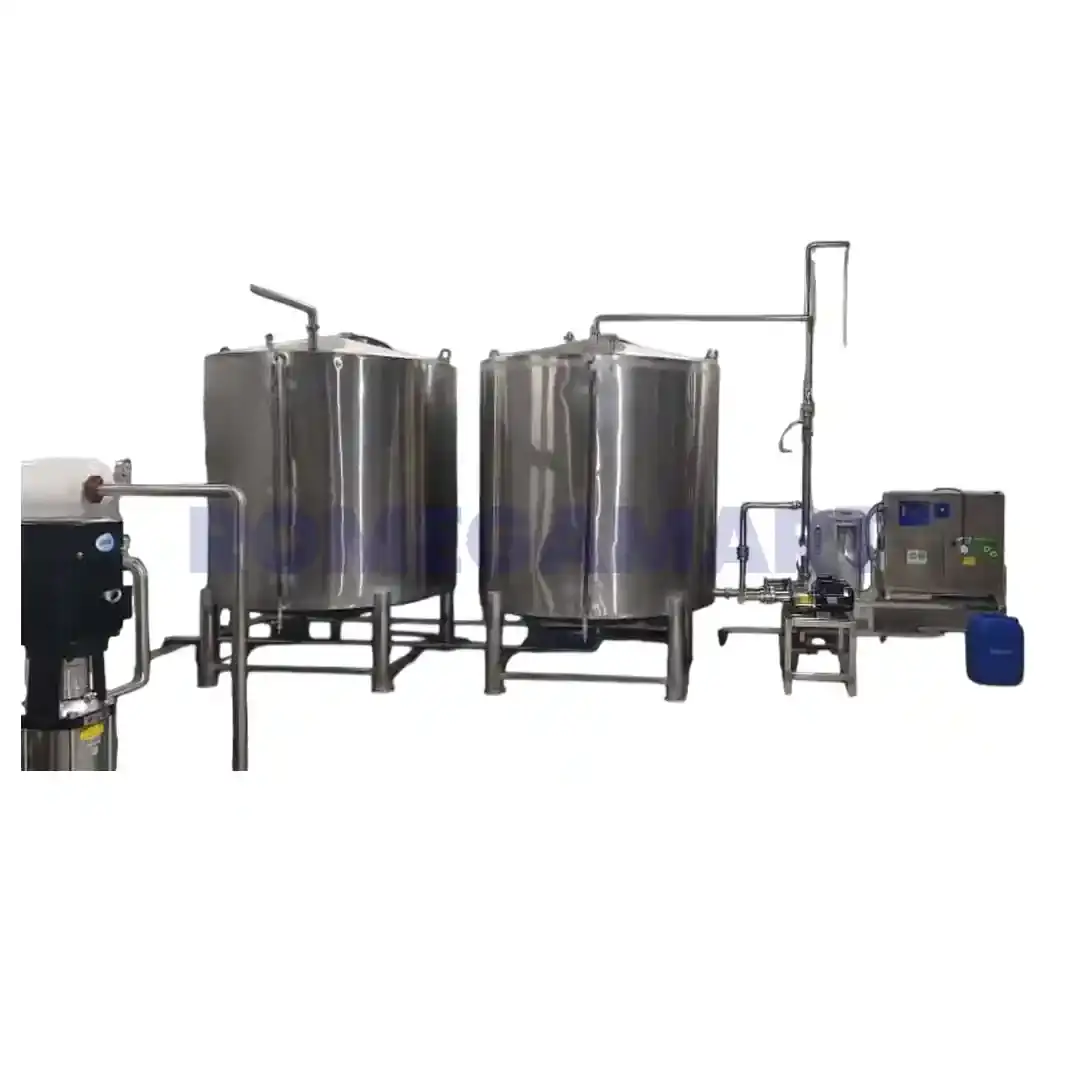
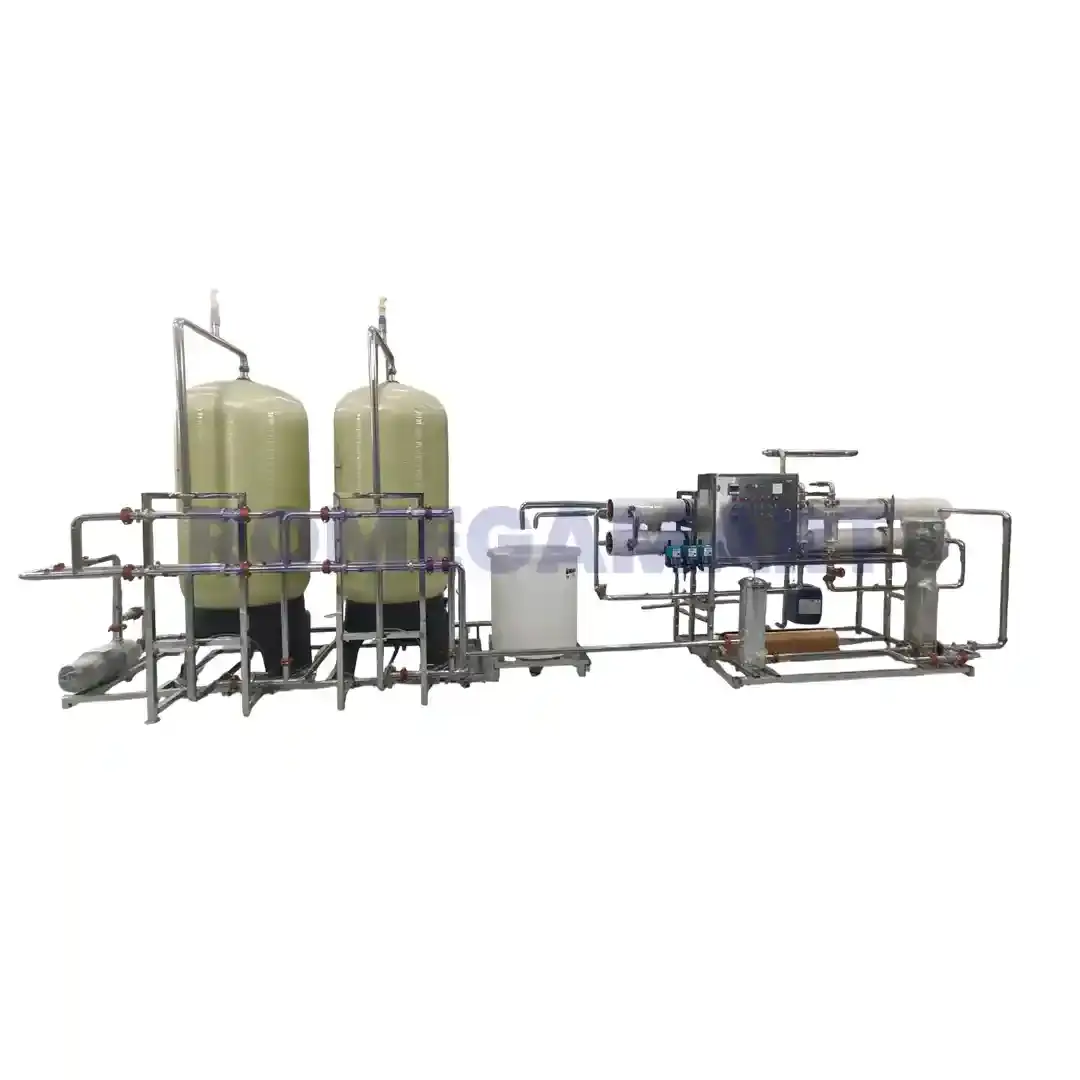
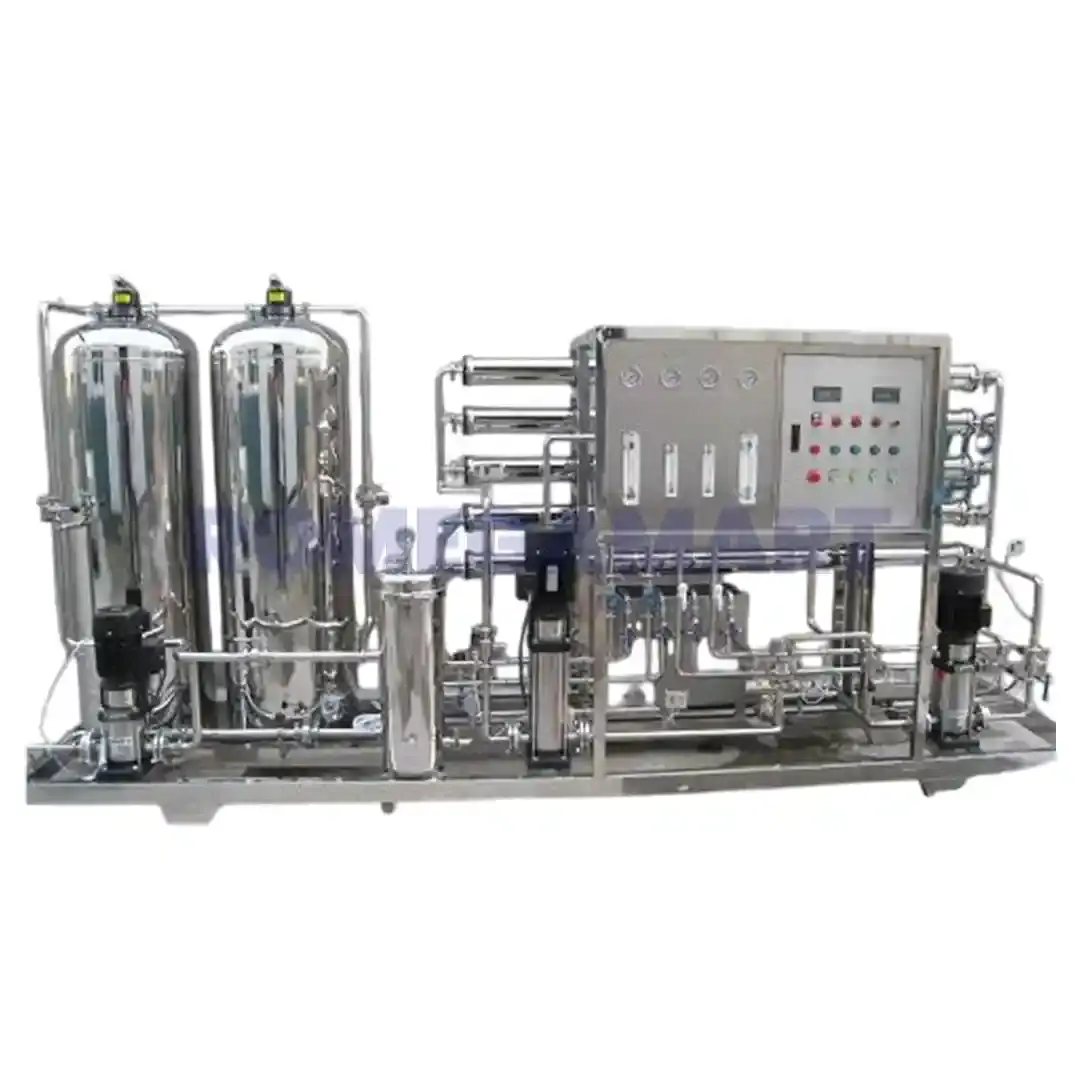
An Industrial RO Plant Manufacturer designs, manufactures, and supplies large-scale reverse osmosis systems that remove dissolved salts, chemicals, heavy metals, and impurities from raw water to make it suitable for industrial processes. These plants are engineered for high flow rates, continuous operation, and customized industrial applications across multiple sectors.
Understanding the Role of an Industrial RO Plant Manufacturer
An industrial RO plant manufacturer is not just a supplier of equipment but a solution provider. The role includes water analysis, system design, fabrication, testing, installation support, and long-term service. Unlike standard systems, industrial RO plants are built to handle fluctuating water quality, heavy loads, and 24/7 operations.
Manufacturers focus on delivering systems that ensure:
-
Consistent output water quality
-
Reduced operational downtime
-
Compliance with industrial and environmental standards
-
Long-term cost efficiency
This makes the manufacturer a strategic partner for industries rather than a one-time vendor.
Importance of Industrial RO Plants in Modern Industries
Water quality directly affects production efficiency, product quality, and equipment life. Poor-quality water can lead to scaling, corrosion, microbial growth, and frequent breakdowns. Industrial RO plants eliminate these risks by providing purified water tailored to specific process requirements.
Key reasons industries rely on industrial RO plants:
-
Protection of boilers, chillers, and machinery
-
Improved product consistency
-
Reduced chemical consumption
-
Compliance with discharge and process standards
A reliable industrial water treatment system ensures uninterrupted operations and long-term sustainability.
How Industrial RO Plants Work: Step-by-Step Process
Industrial RO plants operate on the principle of reverse osmosis, where pressure is applied to force water through a semi-permeable membrane.
Process Flow:
Raw Water Intake: Water from borewell, river, or municipal source
Pre-Treatment: Sand filters, carbon filters, and dosing systems remove suspended solids and chlorine
High-Pressure Pumping: Water is pressurized to overcome osmotic pressure
RO Membrane Filtration: Dissolved salts and impurities are separated
Permeate Collection: Purified water for industrial use
Reject Management: Concentrated impurities are safely discharged or treated
Manufacturers optimize this process to maximize recovery and minimize water wastage.
Types of Industrial RO Plants Manufactured
A professional industrial RO plant supplier offers multiple system types to match different water sources and applications.
Brackish Water RO Plants
Designed for groundwater with high TDS, commonly used in factories and industrial estates.
Seawater RO Plants
High-pressure systems for desalination in coastal and offshore industries.
High-Recovery RO Systems
Engineered to reduce water rejection and improve efficiency.
Customized Industrial RO Plants
Tailored designs based on industry, capacity, and raw water parameters.
Industrial RO Plant Capacity Range and Applications
Industrial RO plants are manufactured in a wide range of capacities, typically from 500 LPH to 100,000 LPH or more.
Capacity Selection Depends On:
-
Industrial RO plants are manufactured in multiple capacities such as 150 LPH, 200 LPH, 250 LPH, 500 LPH, 1000 LPH, 2000 LPH, 5000 LPH, depending on industrial water demand and application.
Applications include process water, boiler feed water, cooling tower makeup, and product manufacturing.
Industries That Require Industrial RO Plants
Industrial RO plants are essential across diverse sectors:
-
Manufacturing Units: Process and utility water
-
Pharmaceutical Industry: High-purity water for formulations
-
Food & Beverage Industry: Ingredient and cleaning water
-
Textile Industry: Dyeing and finishing processes
-
Power Plants: Boiler and cooling systems
-
Chemical Industry: Reaction and dilution processes
Each industry requires a specific design approach, which only an experienced manufacturer can deliver.
Key Components Used in Industrial RO Plants
Quality components define system performance and lifespan. Leading manufacturers use industrial-grade parts such as:
-
RO membranes from reputed brands
-
High-pressure stainless steel pumps
-
Multiport valves and durable piping
-
Automated control panels with safety interlocks
-
Dosing systems for anti-scalants and chemicals
Component selection directly impacts efficiency, maintenance frequency, and operating cost.
Why Choose a Certified Industrial RO Plant Manufacturer
Choosing a certified manufacturer ensures reliability and accountability. Certified manufacturers follow standardized fabrication practices and rigorous quality checks.
Key Benefits:
-
Consistent product quality
-
Compliance with industrial standards
-
Better after-sales support
-
Proven system performance
This is critical for industries where water quality failures can halt production.
Customization Options Offered by Industrial RO Plant Manufacturers
Customization is a core strength of industrial manufacturers. Systems are designed based on:
-
Raw water TDS and hardness
-
Required output quality
-
Space availability
-
Automation level
-
Energy efficiency targets
- Industrial RO plant manufacturers customize systems for capacities such as 150 LPH, 600 LPH, 500 LPH, 1000 LPH, and higher, based on raw water quality, operating hours, and required output standards.
Customized plants improve performance, reduce costs, and align with industry-specific needs.
Compliance, Quality Standards, and Certifications
Reputed manufacturers comply with national and international quality standards. These standards ensure safety, performance, and environmental responsibility.
Common compliances include:
-
ISO-certified manufacturing processes
-
Electrical and mechanical safety norms
-
Environmental discharge guidelines
Compliance is essential for audits, approvals, and long-term credibility.
Industrial RO Plant Maintenance and After-Sales Support
After-sales service is as important as manufacturing quality. Reliable manufacturers provide:
-
Installation guidance
-
Operator training
-
AMC and preventive maintenance
-
Spare parts availability
Regular maintenance ensures consistent water quality and extends membrane life.
Cost Factors Affecting Industrial RO Plant Pricing
The cost of an industrial RO plant depends on several variables:
-
Plant capacity
-
Raw water quality
-
Level of automation
-
Component brands
-
Customization requirements
Instead of focusing on initial price, industries should evaluate lifecycle cost and performance reliability.
How to Select the Right Industrial RO Plant Supplier
When choosing an industrial RO plant supplier, consider:
-
Manufacturing experience
-
Industry references
-
Customization capability
-
Service network
-
Technical support strength
A supplier with proven expertise ensures long-term operational success.
Why Indian Industrial RO Plant Manufacturers Are Preferred Globally
Indian manufacturers are recognized for:
-
Cost-effective engineering
-
Strong customization capability
-
Skilled technical workforce
-
Compliance with global standards
This makes India a preferred sourcing destination for industrial RO systems worldwide.
Frequently Asked Questions (FAQs)
Q1. What is the lifespan of an industrial RO plant?
With proper maintenance, an industrial RO plant can operate efficiently for 10–15 years.
Q2. Can industrial RO plants handle high TDS water?
Yes, systems are designed based on raw water analysis and can handle very high TDS levels.
Q3. Is customization necessary for industrial RO plants?
Yes, customization ensures optimal performance and cost efficiency.
Q4. How often do RO membranes need replacement?
Typically every 2–3 years, depending on water quality and maintenance.
Conclusion : Choosing the Right Industrial RO Plant Manufacturer
Selecting the right Industrial RO Plant Manufacturer is a strategic decision that directly impacts operational efficiency, compliance, and long-term costs. A manufacturer with strong engineering expertise, customization capability, and dependable service support ensures uninterrupted water supply for critical industrial processes.