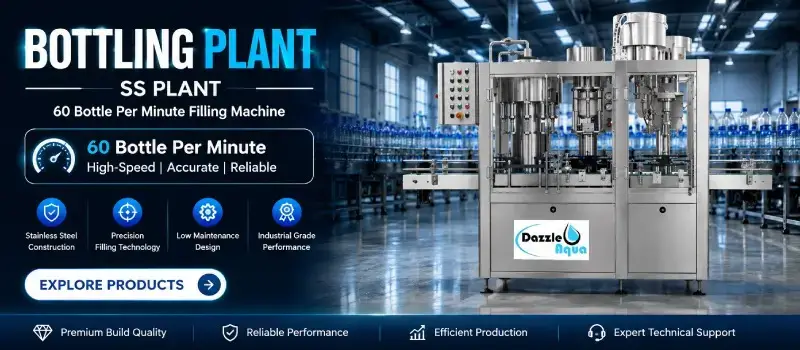
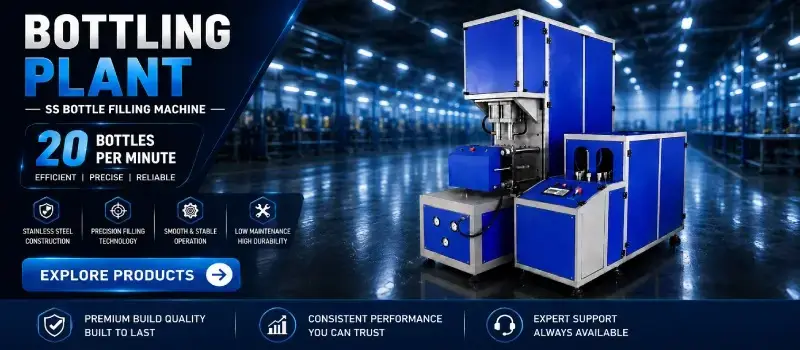
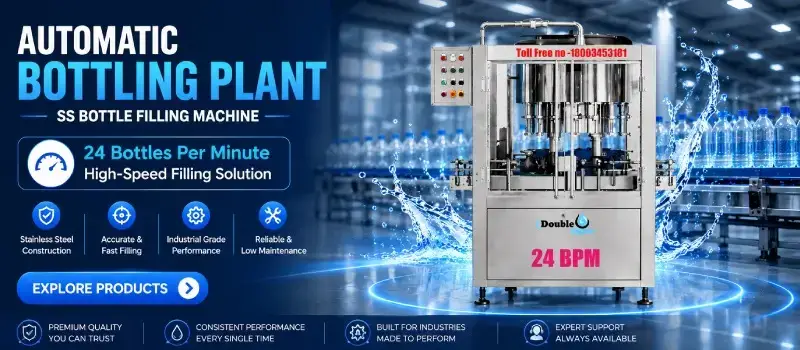


Bottling Plant Manufacturers in Jharkhand


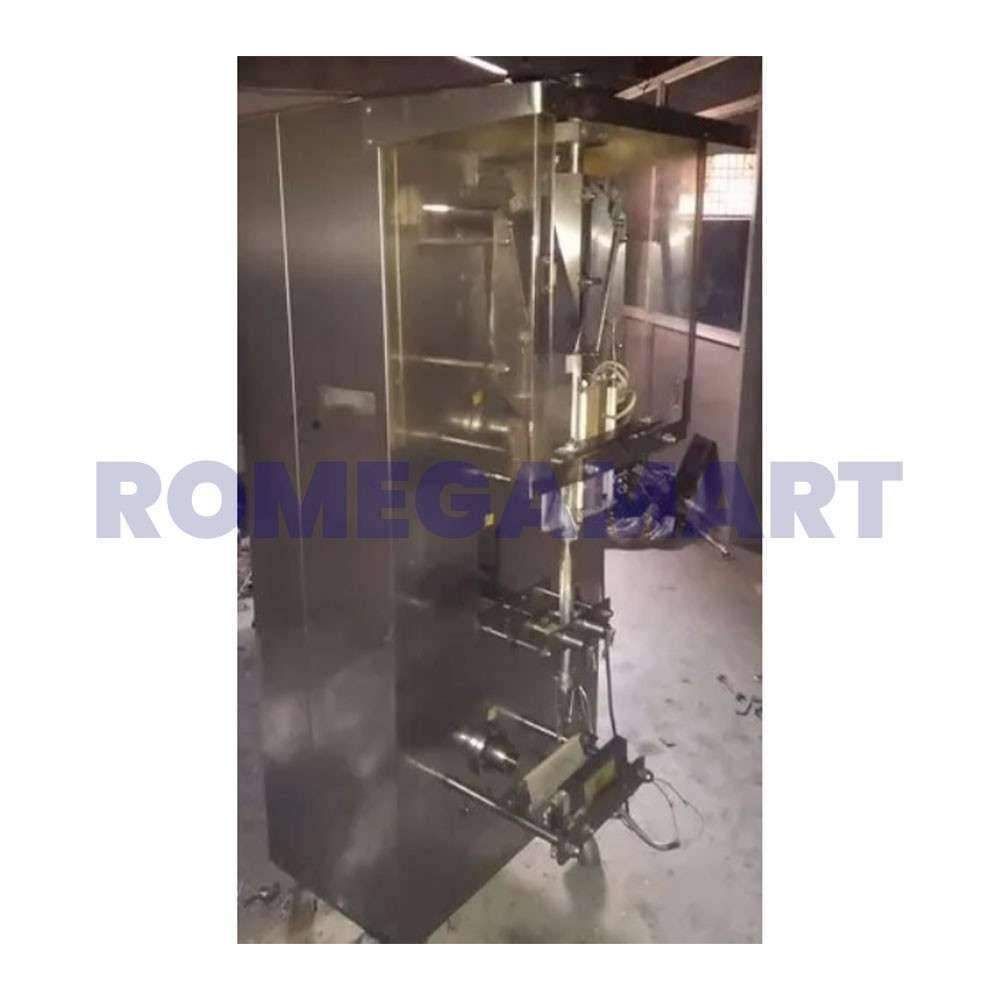


Bottling Plant: Everything You Need to Know for RO Water Business
In today’s fast-paced world, access to clean and safe drinking water has become more critical than ever. As water quality concerns rise, the demand for RO (Reverse Osmosis) water purifiers and packaged drinking water continues to grow. This makes bottling plants an essential part of the water business ecosystem, especially for businesses looking to scale in the RO water industry.
At Romegamart, we provide everything you need—from domestic RO spares to industrial bottling solutions—to help you start or upgrade your water bottling plant efficiently and cost-effectively.
What is a Bottling Plant?
A bottling plant is a facility where water is purified, processed, and packaged into bottles for distribution and sale. These plants can handle various types of containers, including plastic bottles, glass bottles, and cartons.
The process ensures that water meets strict quality and hygiene standards, making it safe for human consumption. In the RO water industry, bottling plants often integrate with RO purification systems to ensure every drop is purified to the highest standard.
Key Components of a Bottling Plant:
-
SS Plant (Stainless Steel Plant)
Stainless steel tanks are the backbone of modern bottling plants. They store purified water and maintain hygiene without the risk of corrosion. RO water systems often feed directly into SS tanks before bottling. -
Filling Machine
Automatic filling machines ensure precise and consistent filling of water bottles. They are crucial for maintaining efficiency, reducing spillage, and meeting high production demands. -
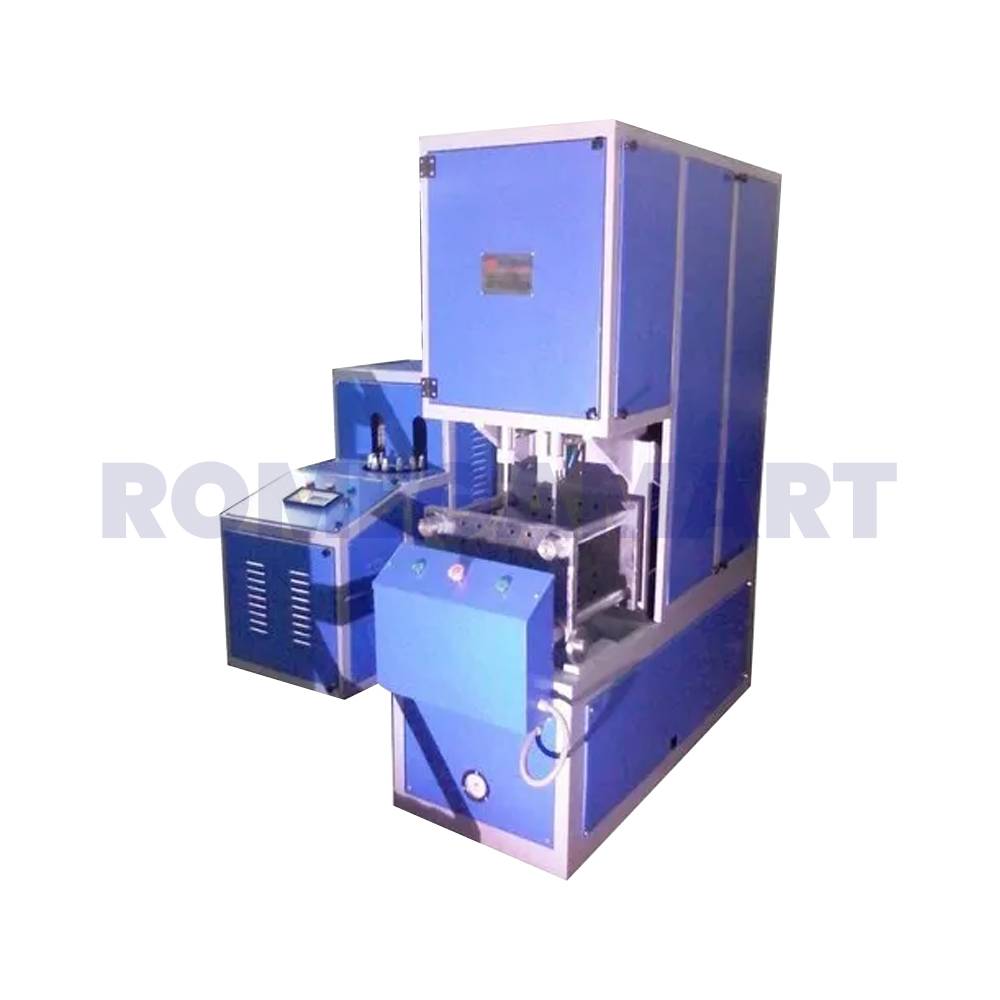
Bottle Blowing Machine
PET and plastic bottles are often made on-site using bottle blowing machines, which blow preforms into the required bottle shape. This reduces dependency on external suppliers and saves costs. -
Batch Coding Machine
Batch coding machines print manufacturing dates, expiry dates, and batch numbers directly on bottles. This is essential for regulatory compliance and consumer trust. -
Glass Packaging
For premium brands, glass packaging is becoming increasingly popular. Glass bottles preserve taste and enhance brand value, especially for mineral and RO water. -
Other Equipment
Additional equipment includes capping machines, labeling machines, conveyors, UV sterilizers, and ozone treatment systems. Each piece ensures efficiency, safety, and hygiene in the bottling process.
Types of Bottling Plants
Bottling plants vary based on production capacity, automation level, and target market. Here are the common types:
1. Small-Scale Bottling Plant
Designed for local markets or startups, these plants often use semi-automatic machines with a production capacity of 500–2000 liters per day. Small-scale plants are cost-effective and easier to maintain, making them ideal for RO water distributors starting their business.
2. Medium-Scale Bottling Plant
With a capacity of 2000–10,000 liters per day, these plants are suitable for regional water brands. They typically include automatic filling machines, bottle blowing units, and batch coding machines, ensuring efficiency and consistent quality.
3. Large-Scale Bottling Plant
These are high-capacity plants producing over 10,000 liters per day. They are fully automated and often integrated with RO water purification systems, SS storage tanks, and glass packaging lines. Large-scale bottling plants serve metropolitan areas and large retail chains.
Why Bottling Plants are Essential for RO Water Business
-
Quality Control
A bottling plant ensures RO water is purified, sterilized, and bottled in hygienic conditions, maintaining the highest quality for consumers. -
Branding and Market Presence
Bottled RO water allows businesses to create a recognizable brand. Packaging, labeling, and premium bottles can significantly boost brand perception. -
Profitability
By setting up a bottling plant, RO water businesses can scale production, cater to larger markets, and increase revenue. -
Consumer Convenience
Bottled water is convenient, portable, and trustworthy. Modern consumers prefer RO water bottles for home, office, and travel use. -
Compliance with Standards
Bottling plants help RO water brands comply with safety regulations like BIS, FSSAI, and WHO guidelines, ensuring legal and safe operations.
Setting Up a Bottling Plant for RO Water
Setting up a bottling plant may seem daunting, but with proper planning, it can be highly rewarding. Here’s a step-by-step guide:
Step 1: Choose the Right Location
The ideal location should have easy access to clean water sources, electricity, and transportation. Proximity to suppliers and target markets reduces logistic costs.
Step 2: Invest in RO Water Purification Systems
A bottling plant is only as good as its purification process. Industrial RO systems are essential for large-scale water production. These systems remove TDS (Total Dissolved Solids), harmful chemicals, and microbes to ensure safe drinking water.
At Romegamart, we offer a wide range of RO water purifiers and industrial systems that are perfect for bottling plants.
Step 3: Choose the Right Bottling Equipment
Depending on your scale, you’ll need:
-
Filling machines (automatic or semi-automatic)
-
Bottle blowing machines for PET bottles
-
Capping machines to seal bottles
-
Batch coding machines for quality tracking
-
Glass packaging lines for premium water brands
Step 4: Set Up SS Storage Tanks
Stainless steel tanks are preferred for storing RO water before bottling. SS tanks are corrosion-resistant and maintain water purity.
Step 5: Quality Assurance
Implement strict quality control measures like UV sterilization, microbial testing, and chemical analysis. This ensures compliance and consumer trust.
Step 6: Packaging and Branding
Use high-quality bottles, caps, and labels. Clear labeling with batch numbers, manufacturing, and expiry dates enhances credibility.
Step 7: Logistics and Distribution
Once bottled, water can be distributed to retail stores, offices, hotels, or online marketplaces. A streamlined supply chain ensures timely delivery and customer satisfaction.
Advantages of Bottling Plants for RO Water Dealers
-
Consistency in Production: Automated bottling reduces human error.
-
Cost Efficiency: Producing bottles in-house saves on external procurement costs.
-
Scalability: Plants can be expanded to meet growing demand.
-
Brand Loyalty: High-quality packaging builds trust among customers.
-
Compliance: Meets regulatory standards for safety and labeling.
Common Challenges and How to Overcome Them
-
High Initial Investment
Bottling plants require equipment, space, and RO systems. Start with a small-scale plant and gradually expand. -
Maintenance Issues
Regular cleaning, calibration, and monitoring are essential. Partner with reliable suppliers for after-sales support. -
Regulatory Compliance
Obtain licenses and certifications from local authorities like FSSAI. Proper batch coding and documentation simplify audits. -
Water Source Reliability
Ensure a consistent water supply. RO plants may require pre-treatment units like water softeners for hard water areas.
Why Choose Romegamart for Your Bottling Plant Needs?
Romegamart is your trusted B2B platform for the RO water industry. Here’s why dealers and distributors prefer us:
-
Wide Range of Products: From domestic RO spares to industrial bottling equipment.
-
Verified Suppliers: All products come from reliable manufacturers.
-
Best Wholesale Rates: Maximize profits while maintaining high quality.
-
Expert Support: Guidance on setup, maintenance, and upgrades.
-
Pan-India Reach: Efficient logistics for bulk orders.
Explore our bottling plant solutions here:
-
SS Plant: SS Tanks and Storage Units
-
Filling Machines: Automatic and Semi-Automatic Fillers
-
Bottle Blowing Units: PET Bottle Making Machines
-
Batch Coding Machines: Printing and Labeling Solutions
-
Glass Packaging Lines: Premium Bottling Solutions
Future of Bottling Plants in the RO Water Industry
The RO water bottling industry is poised for significant growth due to:
-
Rising awareness about water quality
-
Increasing demand for packaged water
-
Technological advancements in automation
-
Expansion of urban and rural markets
By investing in a bottling plant today, RO water businesses can position themselves for long-term success.
Conclusion
A bottling plant is more than just a facility—it’s a gateway to business growth, brand recognition, and customer trust. By integrating RO water purification systems with efficient bottling machinery like SS tanks, filling machines, bottle blowing units, batch coding machines, and glass packaging, businesses can ensure safe, high-quality water for their customers.
Romegamart provides a complete B2B solution for RO water dealers and distributors, offering high-quality equipment, verified suppliers, and wholesale pricing. Whether you’re starting a small-scale local bottling plant or a large-scale automated facility, we have the right solutions to make your business thrive.
Start your RO water bottling journey with Romegamart today and ensure quality, efficiency, and growth!