1000 LPH Commercial RO Plant in Arunachal Pradesh
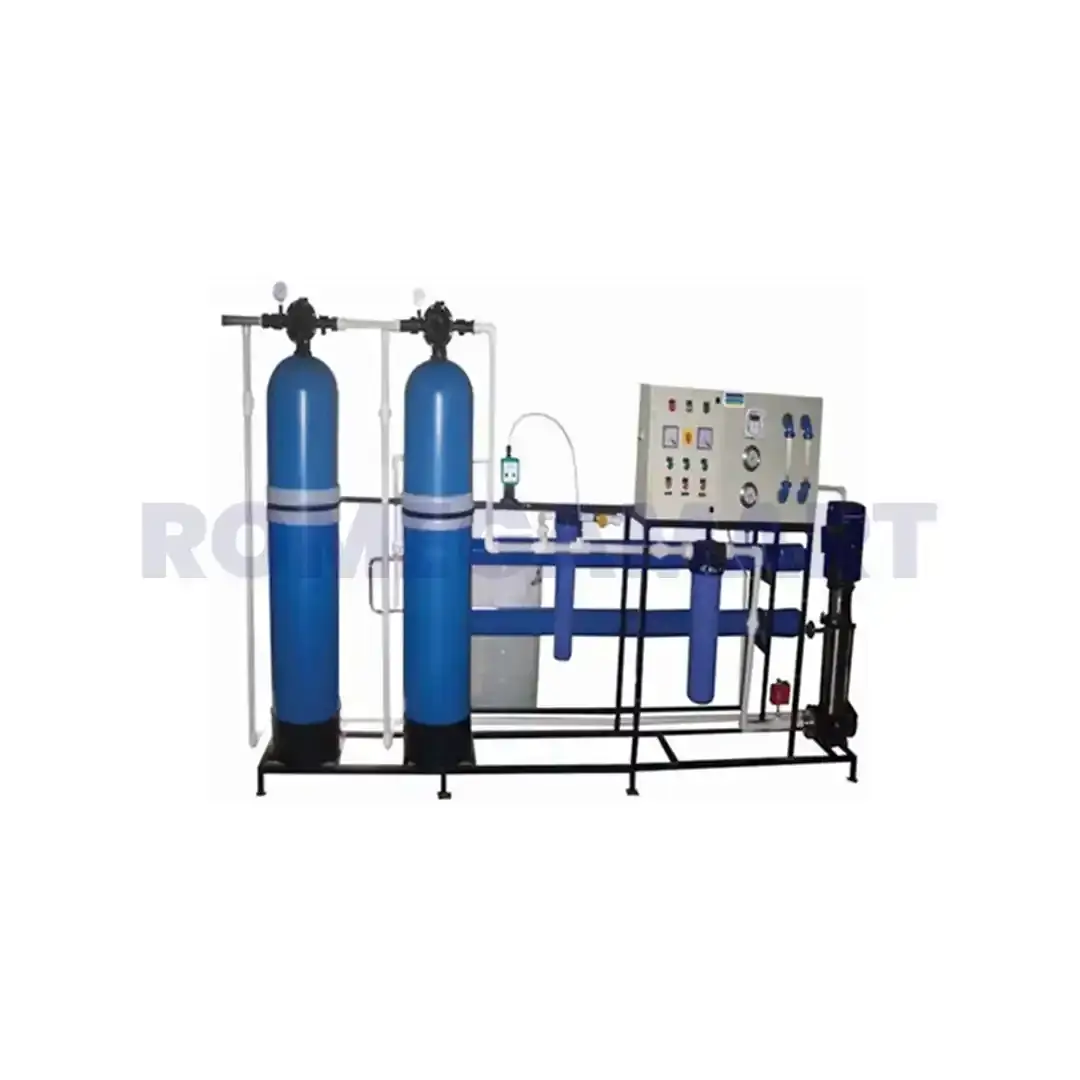
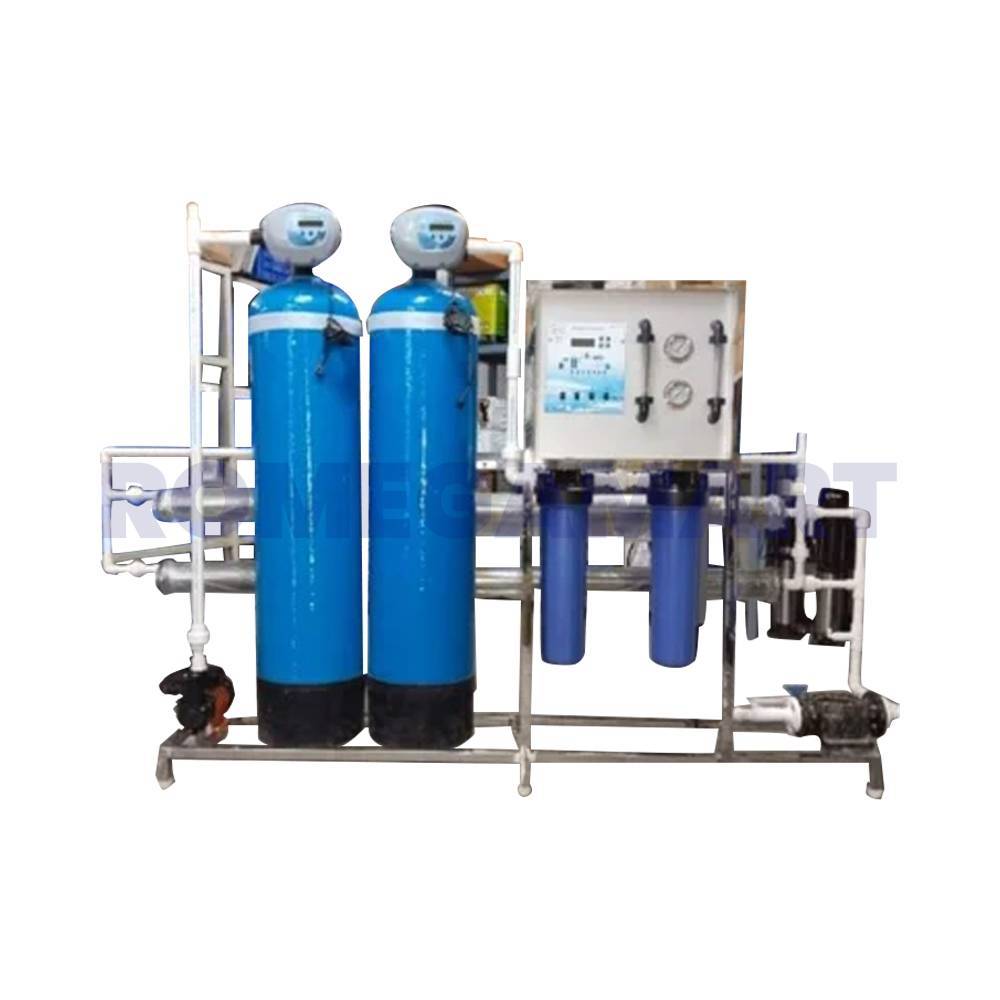


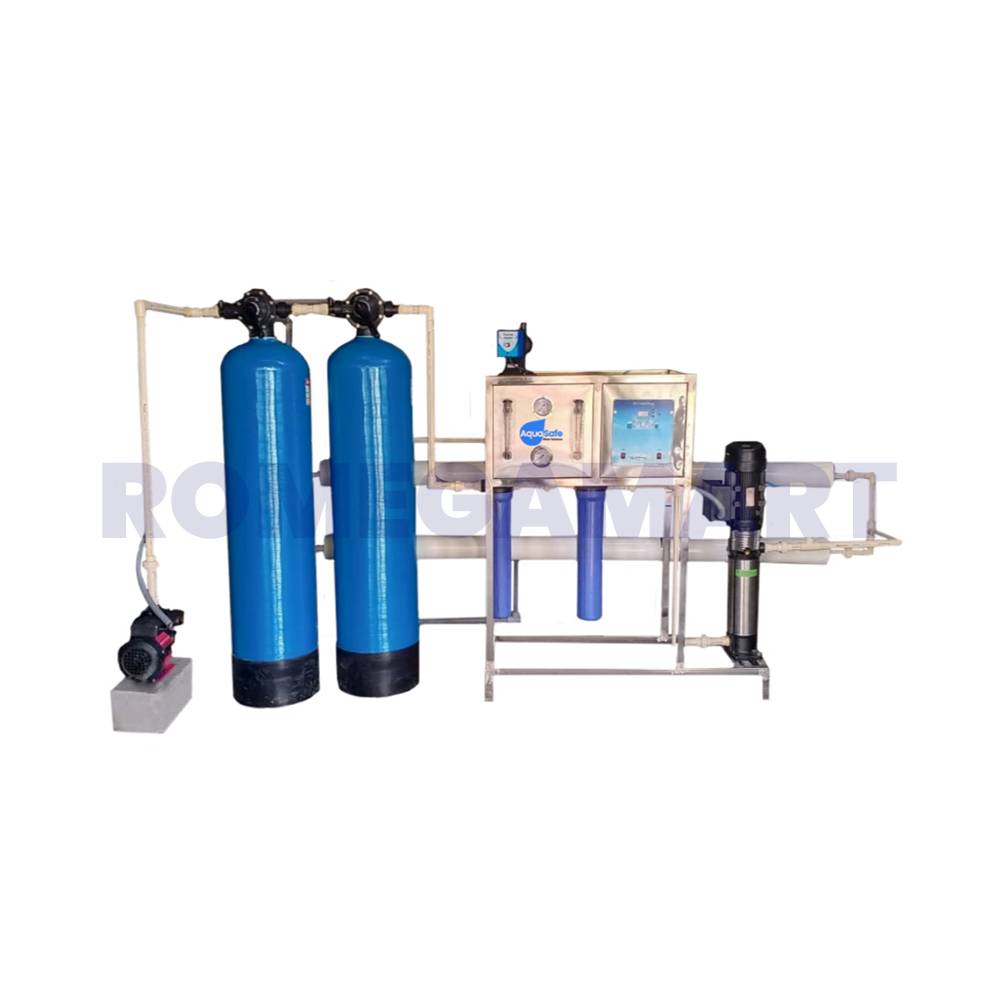


1000 LPH Commercial RO Plant
Introduction
A 1000 LPH Commercial RO Plant is designed to produce up to 1,000 litres of purified water per hour for medium- to large-scale water purification requirements. It is an ideal commercial plant solution for businesses, institutions, industries, hotels, hospitals, schools, restaurants, factories and community drinking-water projects that require a consistent supply of RO-treated water.
At Romegamart, you can explore a wide range of 1000 LPH RO plants from trusted manufacturers, suppliers and dealers. These systems are suitable for commercial and industrial water-treatment needs and can be selected according to raw-water quality, TDS level, automation requirement, membrane configuration, material preference and end-use application.
A 1000 LPH RO system can support approximately 24,000 litres of water production per day when operated continuously for 24 hours. Actual output, recovery and water quality depend on feed-water TDS, pretreatment design, operating pressure and membrane condition. Commercial RO configurations commonly include pretreatment filtration, RO membranes, a high-pressure pump, pressure vessels, control panel and suitable piping.
What Is a 1000 LPH Commercial RO Plant?
A 1000 LPH Commercial RO Plant is a reverse-osmosis water-treatment system with a rated production capacity of 1,000 litres per hour. The system uses RO membrane technology to reduce dissolved salts, excess TDS, suspended impurities and other unwanted contaminants from raw water.
It is commonly installed where a domestic system is not sufficient and a higher-capacity commercial plant is required. Compared with small domestic RO units, this plant is built for continuous, high-volume operation and can be configured for offices, institutions, packaged drinking-water operations, commercial kitchens, manufacturing units and industrial processes.
Depending on the requirement, the 1000 LPH commercial RO plant may be available in FRP, SS, MS powder-coated or skid-mounted construction. Buyers should select the plant only after checking their raw-water report, required treated-water quality, daily water requirement and installation space.
Applications of 1000 LPH RO Plant
A 1000 LPH commercial and industrial RO plant can be used for multiple applications:
Hotels, resorts and restaurants requiring purified water for cooking, drinking and kitchen operations
Hospitals, clinics and healthcare facilities needing clean water for general utility and drinking-water supply
Schools, colleges, hostels and coaching institutes
Corporate offices, business parks and commercial buildings
Factories and manufacturing units requiring purified process water
Food and beverage processing units
Pharmaceutical, textile, chemical and engineering industries
Packaged drinking-water and jar-water businesses
Residential societies and community water-supply projects
Water ATM projects for public drinking-water distribution
Cooling RO applications, cooling-tower makeup water and boiler-feed pretreatment, subject to water-quality requirements
Industrial plant operations where lower-TDS water is needed for production or utility use
Industrial RO systems are commonly applied across food and beverage, pharmaceutical, textile, chemical-processing and power-related sectors, though final plant design must match the specific water-quality and process requirement.
Key Components of a Commercial RO Plant
A quality 1000 LPH Commercial RO Plant may include the following components, depending on the model and seller specification:
Raw-water feed pump
Multi-grade sand filter or pressure sand filter
Activated carbon filter
Antiscalant dosing system
Micron cartridge filter
High-pressure pump
RO membranes
Membrane housing or pressure vessels
Flow meters and pressure gauges
Automatic or semi-automatic control panel
TDS controller or online monitoring system
Product-water storage tank connection
Stainless steel, FRP or mild-steel skid structure
Pretreatment is important because it helps protect RO membranes from suspended matter, chlorine, scaling and other feed-water issues. Common commercial RO layouts use sand filtration, activated-carbon filtration, micron filtration and RO membranes before treated water is collected or sent to the final application.
1000 LPH Commercial RO Plant vs Other RO Systems
RO System Type | Typical Use | Best For |
|---|---|---|
| Domestic system | Small household drinking-water requirement | Homes and small families |
| Commercial plant | Medium- to high-volume purified-water requirement | Hotels, schools, hospitals, offices, restaurants and hostels |
| Industrial plant | Process-specific and large-scale water treatment | Factories, manufacturing plants, food units, pharmaceuticals and process industries |
| Water ATM RO plant | Public or community water dispensing | Villages, societies, railway stations, campuses and public locations |
| Cooling RO plant | Treated water for cooling and utility applications | Cooling towers, boiler pretreatment and industrial cooling systems |
A domestic system is generally designed for low-volume household use, while a 1000 LPH Commercial RO Plant is intended for commercial-scale water demand. If the water is required for manufacturing, process water, cooling, boiler feed or high-TDS industrial water treatment, an industrial plant configuration with appropriate pretreatment and automation may be more suitable.
Benefits of Choosing a 1000 LPH RO Plant
Produces up to 1,000 litres of purified water per hour
Suitable for high-demand commercial water-purification needs
Helps reduce excess dissolved salts and TDS from suitable feed water
Supports consistent water availability for commercial and industrial operations
Can be configured according to borewell water, municipal water or mixed raw-water sources
Available in automatic, semi-automatic and customized configurations
Suitable for integration with water ATM systems and treated-water storage tanks
Can be designed with pretreatment filters to improve membrane protection and system performance
Provides an effective solution for businesses upgrading from a domestic system to a commercial plant
Available for various end uses, including drinking water, process water and cooling RO applications
How to Select the Right 1000 LPH Commercial RO Plant
Before buying a 1000 LPH commercial RO plant, consider these factors:
Raw-water TDS: Test your borewell, municipal or source water before finalizing the system.
Water quality: Check hardness, iron, turbidity, pH, fluoride, nitrate and microbiological parameters where applicable.
Required water output: Confirm whether 1,000 litres per hour meets your peak and daily demand.
Application: Drinking water, water ATM, industrial process water, cooling RO and packaged-water applications may require different post-treatment.
Automation level: Choose manual, semi-automatic or fully automatic operation based on manpower and budget.
Material construction: Select FRP, SS or MS skid material as per location, water conditions and durability needs.
Electricity and installation space: Check power supply, drainage point, inlet-water availability and space for pretreatment, RO skid and storage tanks.
After-sales support: Prefer suppliers that can provide installation guidance, spare parts, membrane replacement and maintenance support.
For feed water with high TDS, hardness, iron or turbidity, additional pretreatment may be necessary. RO plant performance and recovery vary based on the source-water quality and selected system design.
Buy 1000 LPH Commercial RO Plant at Romegamart
Romegamart helps buyers find suitable 1000 LPH Commercial RO Plants for commercial, institutional and industrial water-treatment requirements. Compare commercial RO plant options from different sellers based on capacity, price, material, automation type, membrane technology, warranty, application and location.
Whether you need a commercial plant for a hotel, hospital, school, factory, water ATM, packaged drinking-water unit or cooling RO application, choose a plant after sharing your water report and actual usage requirement with the supplier. This ensures that the selected system delivers the required treated-water quality and reliable long-term performance.
Explore 1000 LPH RO plant models on Romegamart and request quotes from relevant suppliers for your project requirement.
FAQs
What is the capacity of a 1000 LPH Commercial RO Plant?
A 1000 LPH Commercial RO Plant is designed to produce up to 1,000 litres of purified water per hour. If it operates continuously for 24 hours, the theoretical daily production can be up to 24,000 litres, although actual production depends on feed-water quality, recovery rate and operating conditions.
Is a 1000 LPH RO Plant suitable for a hotel or hospital?
Yes. A 1000 LPH commercial RO plant can be suitable for hotels, hospitals, schools, hostels, restaurants, offices and other institutions with high daily purified-water requirements. The final selection should be based on daily consumption, water report and peak demand.
Can this RO plant be used as an industrial plant?
Yes. A 1000 LPH RO plant can be used as an industrial plant for applications such as manufacturing, food processing, textiles, pharmaceuticals and utility water treatment. However, industrial process-water quality requirements vary, so the plant should be customized according to the application and raw-water analysis.
Can a 1000 LPH commercial RO plant be used for a water ATM?
Yes. A 1000 LPH RO plant can be connected with storage tanks, UV/ozone systems, dispensing units and coin/card-based vending systems for water ATM projects. The exact configuration depends on local compliance requirements and the intended water-dispensing setup.
Is a 1000 LPH RO system better than a domestic system?
A 1000 LPH system is not necessarily “better”; it is designed for a different scale. A domestic system suits household-level use, while a 1000 LPH Commercial RO Plant is meant for commercial, institutional and industrial water demand.
Can this system be used for cooling RO applications?
Yes, a 1000 LPH RO plant may be used for cooling RO applications, cooling-tower makeup water or boiler pretreatment when the output-water quality matches the equipment requirement. Confirm the required TDS, hardness, silica and other process-water parameters before installation.
What maintenance is required for a commercial RO plant?
Routine maintenance includes filter-media servicing, cartridge-filter replacement, membrane cleaning, pump inspection, pressure monitoring, TDS monitoring, antiscalant dosing checks and periodic sanitization. Maintenance frequency depends on raw-water quality and operating hours.