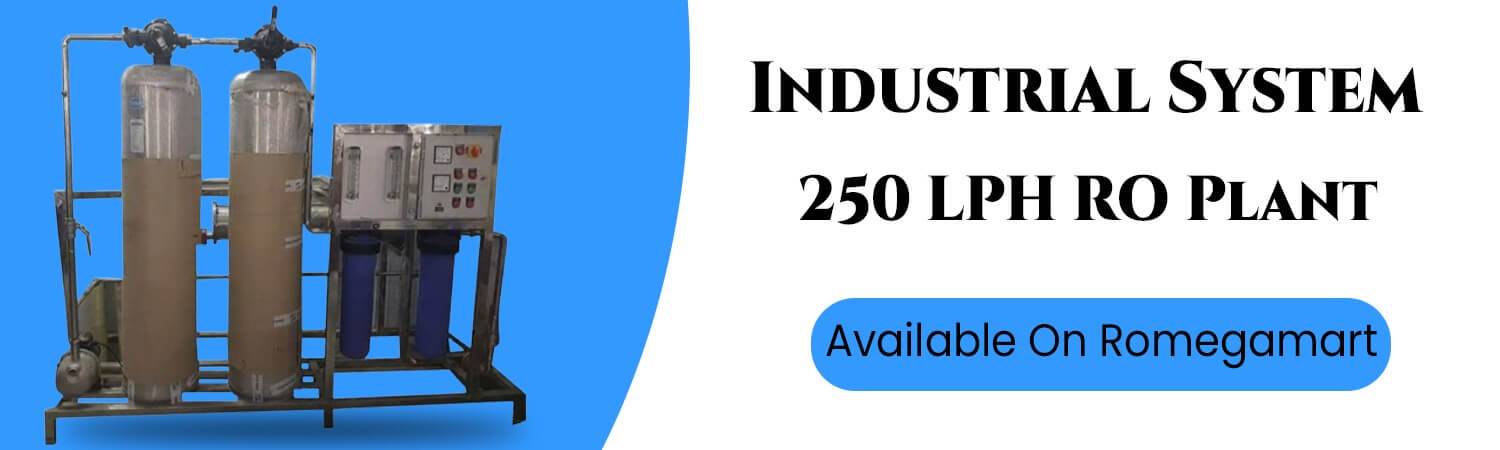
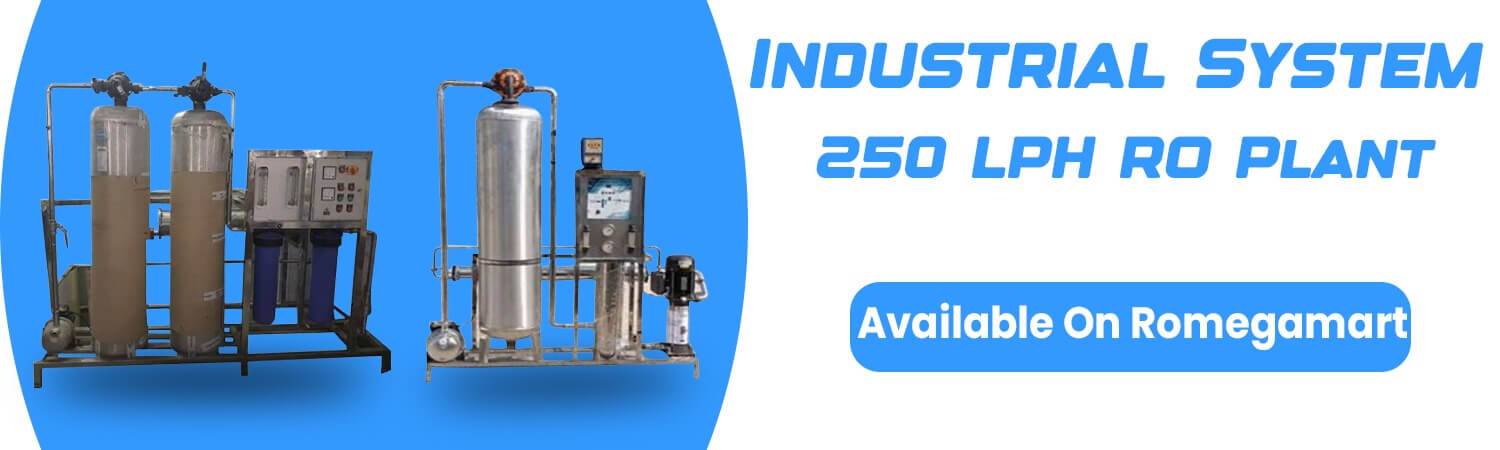
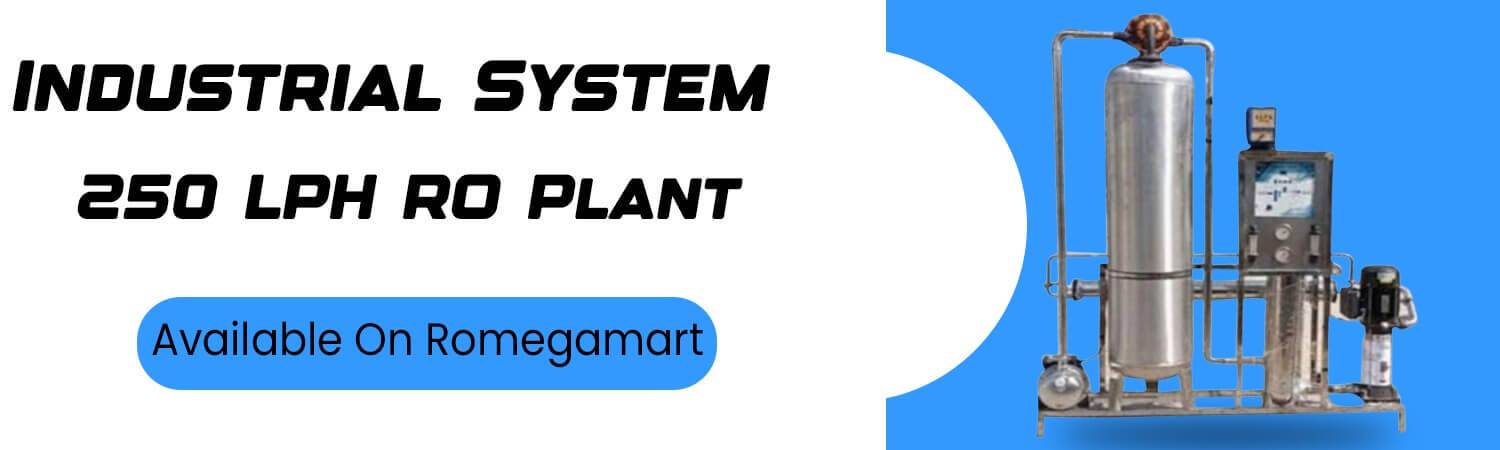
250 LPH Commercial RO Plant for Medium to Large Water Demand in Meghalaya
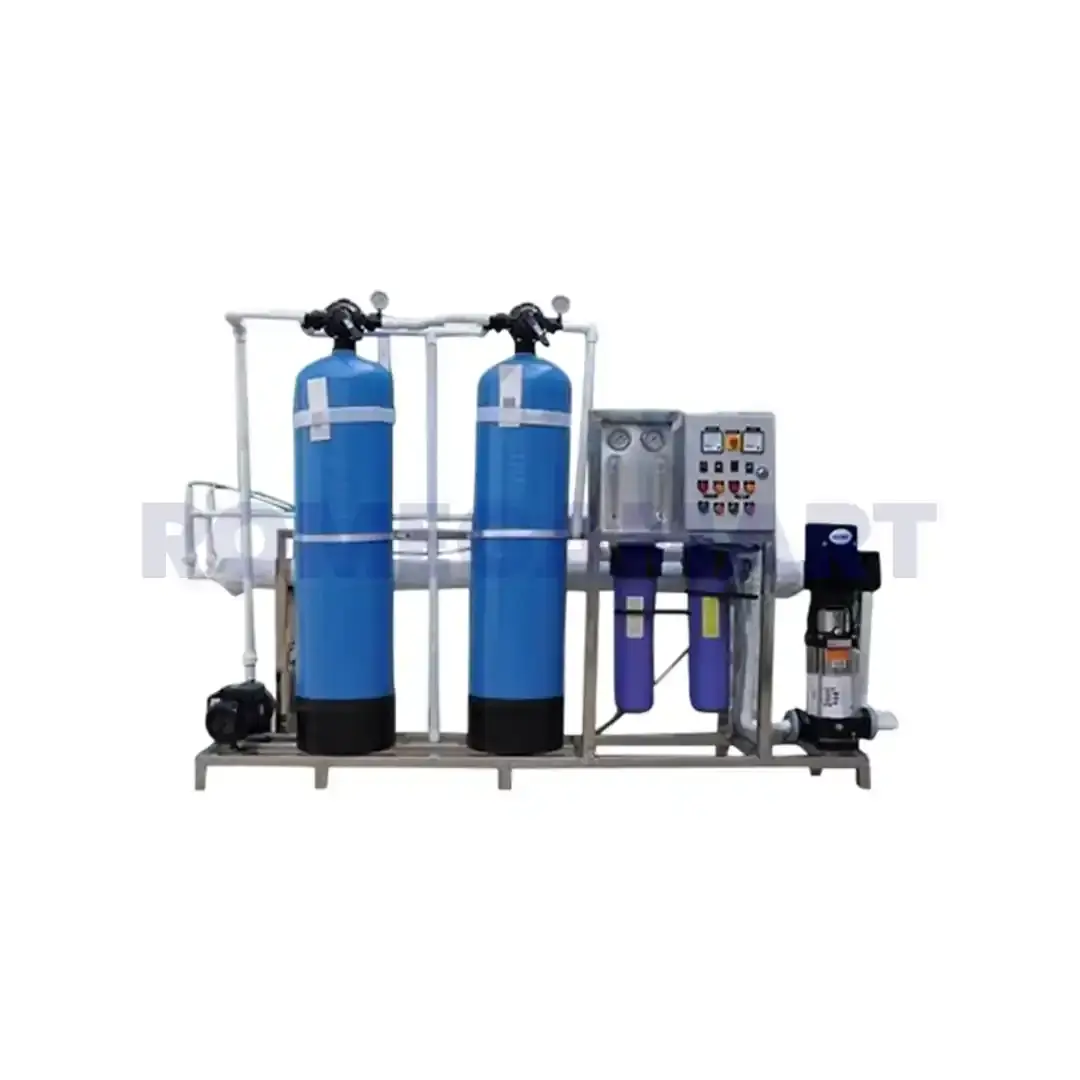
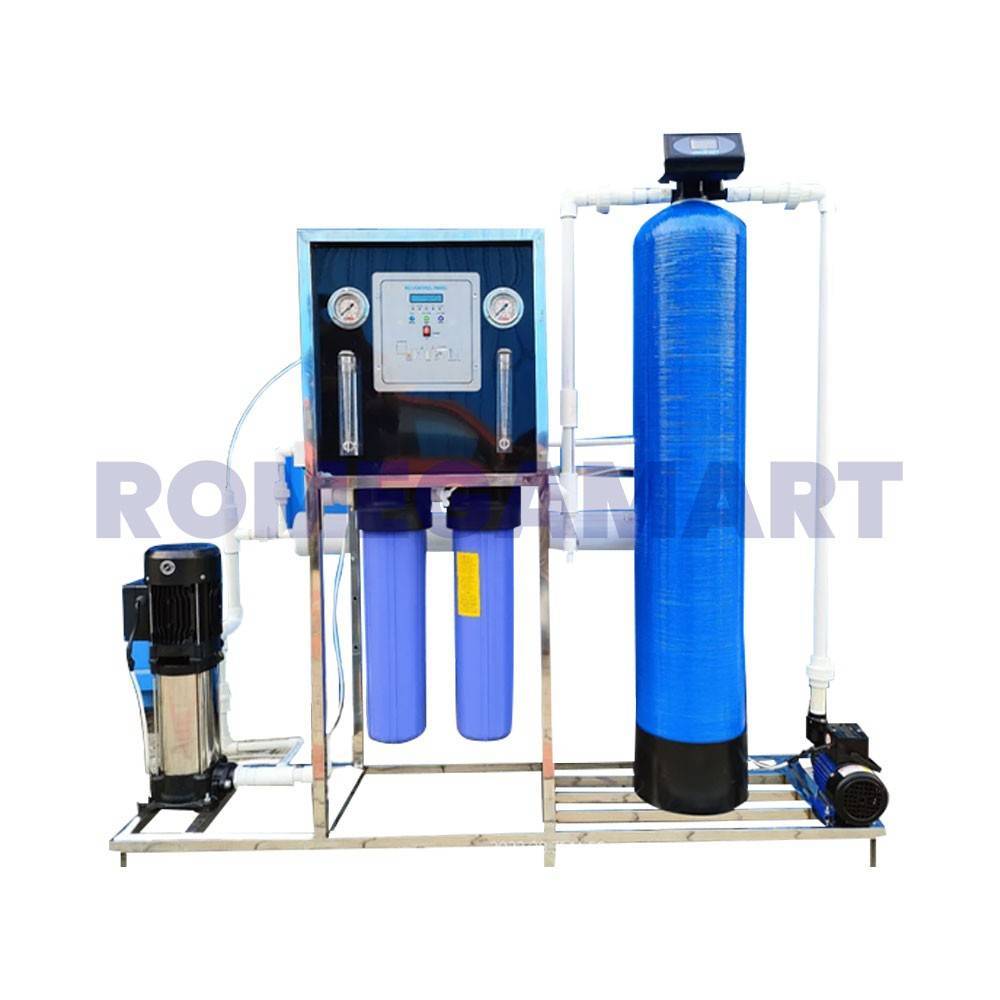


250 LPH Commercial RO Plant for Medium to Large Water Demand
A 250 LPH Commercial RO Plant is designed for businesses that need a dependable supply of purified water throughout the day. It produces up to 250 litres of RO-treated water per hour, making it suitable for hotels, hospitals, offices, schools, hostels, restaurants, factories and other commercial premises where a smaller domestic purifier cannot meet demand.
If your current 60 LPH, 100 LPH, 120 LPH, 150 LPH or 200 LPH commercial RO plant is running continuously, facing frequent membrane fouling, or unable to maintain adequate storage, upgrading to a 250 LPH system can help balance daily consumption with purification capacity. This page explains where a 250 LPH RO plant fits, what to check before buying, and how to maintain it for consistent performance.
What Is a 250 LPH Commercial RO Plant?
A 250 LPH commercial RO plant is a reverse osmosis water purification system with an output capacity of approximately 250 litres per hour. In practical terms, it can support a substantial daily water requirement when operated for several hours and supported by an appropriate storage tank.
Unlike a household RO purifier, a commercial RO plant is built for higher flow, continuous operation and larger-scale distribution. It generally uses multiple purification stages, including pre-filtration, RO membranes and post-treatment components, depending on the feed-water quality and the buyer’s requirement.
The exact configuration—such as stainless steel or FRP construction, automation level, pump capacity, membrane type, UV/UF stage and TDS management—should always be confirmed from the product listing or supplier before purchase.
Who Should Choose a 250 LPH RO Plant?
A 250 LPH commercial RO plant is generally a practical choice when daily purified-water demand is too high for smaller commercial systems but does not yet require a large industrial RO plant.
It is commonly considered for:
Hotels, resorts and restaurants for drinking, cooking and kitchen use
Hospitals, clinics and diagnostic centres for patients, staff and general utility
Schools, colleges, coaching centres and hostels
Offices, corporate parks and co-working spaces
Apartment societies and residential complexes
Small factories, workshops and industrial units for staff or selected process applications
Water vending or distribution setups, subject to proper system design and local compliance requirements
For example, a mid-sized hotel with high kitchen and guest-water consumption may find a 150 LPH or 200 LPH RO plant insufficient during peak hours. In such cases, a 250 LPH plant provides additional capacity without immediately moving to a 500 LPH or 1000 LPH system.
250 LPH vs Smaller Commercial RO Capacities
Choosing the right capacity depends on peak-hour consumption, storage availability, source-water quality and future expansion plans.
Capacity | Typical Use Case | When It May Be Suitable |
|---|---|---|
| 60 LPH Commercial RO Plant | Small offices, cafés, clinics, compact commercial spaces | Low to moderate daily consumption |
| 100 LPH Commercial RO Plant | Small restaurants, schools, offices, small hostels | Steady daytime demand |
| 120 LPH Commercial RO Plant | Growing commercial premises | Moderate usage with limited peak load |
| 150 LPH Commercial RO Plant | Medium restaurants, offices, institutions | Higher daily demand |
| 200 LPH Commercial RO Plant | Hotels, hospitals, larger offices | Frequent high-demand periods |
| 250 LPH Commercial RO Plant | Medium-to-large commercial premises | Continuous or high-volume purified-water requirement |
A 250 LPH system is not automatically the right choice for every business. If your consumption is low, a 60 LPH or 100 LPH commercial RO plant may be more economical. But if your existing system struggles to refill storage tanks, a 250 LPH RO plant can reduce dependency on frequent operation and help maintain a steadier supply.
Key Factors to Check Before Buying
Before finalising a 250 LPH commercial RO plant, review the following points with your supplier or water-treatment consultant:
1. Raw Water Quality
TDS level, hardness, iron, turbidity, chlorine and microbial contamination affect the purification stages required. High TDS or poor-quality borewell water may need additional pre-treatment.
2. Actual Daily Consumption
Calculate not only average consumption but also peak-hour demand. A 250 LPH plant should be matched with adequate raw-water availability, storage capacity and distribution requirements.
3. Construction Material
Commercial RO plants are available in different body and vessel configurations. Stainless steel systems are often preferred where hygiene, durability and appearance are important, while other configurations may suit budget-focused installations.
4. Automation and Controls
Check whether the system includes features such as automatic operation, low-pressure protection, flushing arrangements, pressure monitoring and suitable electrical controls. These features should match the installation environment and operator capability.
5. Membrane and Spare-Part Availability
RO membranes, sediment filters, carbon filters, pumps, pressure vessels and control components require periodic replacement or servicing. Choose a system for which spares and technical support are easily available.
6. Installation Space and Power Supply
Confirm available floor space, drainage, inlet-water connection, power supply and access for future maintenance before placing the order.
Benefits of a 250 LPH Commercial RO Plant
A correctly selected 250 LPH RO plant can help businesses maintain a reliable purified-water supply while reducing operational inconvenience.
Higher purification capacity: Supports medium-to-large commercial water demand without relying on multiple small purifiers.
Better supply continuity: Helps maintain storage levels during peak usage hours.
Suitable for multi-point use: Can supply drinking-water points, kitchens, pantries and other designated areas when installed with proper piping and storage.
Scalable option: Acts as a practical step between smaller 100 LPH or 200 LPH systems and larger 500 LPH or 1000 LPH plants.
Lower dependency on bottled water: Businesses with consistent RO-water availability can reduce reliance on packaged drinking water for internal use.
Service-friendly design: Commercial systems are generally designed for periodic filter replacement, membrane servicing and routine inspection.
Maintenance Requirements
Like every RO system, a 250 LPH commercial RO plant needs scheduled maintenance to maintain water quality and prevent avoidable downtime.
Typical maintenance activities include:
Checking inlet pressure, flow rate and system performance
Replacing sediment and carbon filters at recommended intervals
Inspecting the RO membrane for fouling, scaling or reduced output
Cleaning or replacing membranes when performance drops
Checking pump operation, electrical connections and control settings
Inspecting storage tanks, piping and distribution points for hygiene
Recording TDS and output quality during routine service visits
The exact replacement cycle depends on feed-water quality, operating hours and system usage. Avoid delaying filter changes, because poor pre-filtration can directly affect membrane life and purified-water output.
Why Choose RO Service & Sales?
RO Service Romegamart provides installation, repair, maintenance and AMC support for commercial and industrial RO plants. The service platform focuses on helping businesses keep their RO systems operating efficiently, reducing downtime and maintaining consistent purification performance
The team offers end-to-end RO services, including installation, repair, maintenance and annual maintenance contracts for different types and brands of water purification systems. For buyers who need assistance after purchasing a 250 LPH commercial RO plant, professional installation and periodic servicing can help protect system performance and component life.
Romegamart also provides a wide range of RO plants and related products for domestic, commercial and industrial applications, including commercial systems across different capacities.
Related RO Plants and Products
If you are comparing capacities before purchase, explore these related options:
Commercial RO Systems — browse commercial RO systems from 25 LPH to 1000 LPH, including SS body and UV-integrated configurations
250 LPH SS RO Plant — view a stainless-steel 250 LPH commercial RO plant option.
RO Membranes and Industrial Spares — find commercial and industrial RO membranes for replacement or upgrade requirements.
RO Plant Installation, Repair and AMC Services — request professional support for commercial and industrial RO plant servicing.
Enquire for a 250 LPH Commercial RO Plant
Need help selecting the right commercial RO plant for your hotel, hospital, office, school or factory? Share your daily water requirement, source-water details and installation location to get a suitable product recommendation and quotation.
FAQs
1. What does 250 LPH mean in a commercial RO plant?
It means the plant is designed to purify up to 250 litres of water per hour under suitable operating conditions. Actual output can vary based on feed-water quality, pressure, temperature, membrane condition and system configuration.
2. Is a 250 LPH commercial RO plant suitable for a hotel?
Yes. It can be suitable for hotels, restaurants and similar businesses with regular drinking, cooking and kitchen-water requirements. The final suitability depends on peak demand, storage capacity and the number of usage points.
3. How is a 250 LPH RO plant different from a 200 LPH RO plant?
A 250 LPH plant offers higher hourly purification capacity than a 200 LPH system. It may be a better option when a 200 LPH plant is unable to refill storage quickly enough during busy hours.
4. Can a 250 LPH commercial RO plant be used in a factory?
It can be used for staff drinking water and selected non-critical process applications, provided the water quality requirement and system design match the application. For heavy industrial process water, a properly engineered industrial RO plant may be more appropriate.
5. What maintenance does a 250 LPH RO plant require?
Routine maintenance usually includes filter replacement, membrane inspection or cleaning, pump and pressure checks, tank hygiene, and performance monitoring. Service frequency depends on raw-water quality and operating hours.
6. Should I choose a 250 LPH plant or a 500 LPH plant?
Choose 250 LPH if your current and near-term demand fits within that capacity. Consider 500 LPH if your consumption is consistently high, you expect expansion, or your existing 250 LPH system cannot maintain adequate storage.
7. Do you provide installation and AMC for commercial RO plants?
RO Service Romegamart provides installation, repair, maintenance and AMC services for commercial and industrial RO plants. Contact the team with your plant capacity and location to discuss suitable service support.
Conclusion
A 250 LPH Commercial RO Plant is a strong choice for businesses that need more capacity than a 60 LPH, 100 LPH, 120 LPH, 150 LPH or 200 LPH commercial RO plant but do not yet require a large industrial-scale installation. The right decision depends on actual water consumption, source-water quality, storage planning and long-term maintenance support.
Before buying, compare the complete system specification, confirm installation requirements and plan a service schedule. For product selection, quotations, installation or ongoing RO plant maintenance, enquire with RO Service Romegamart and choose a system that matches your real commercial water demand.