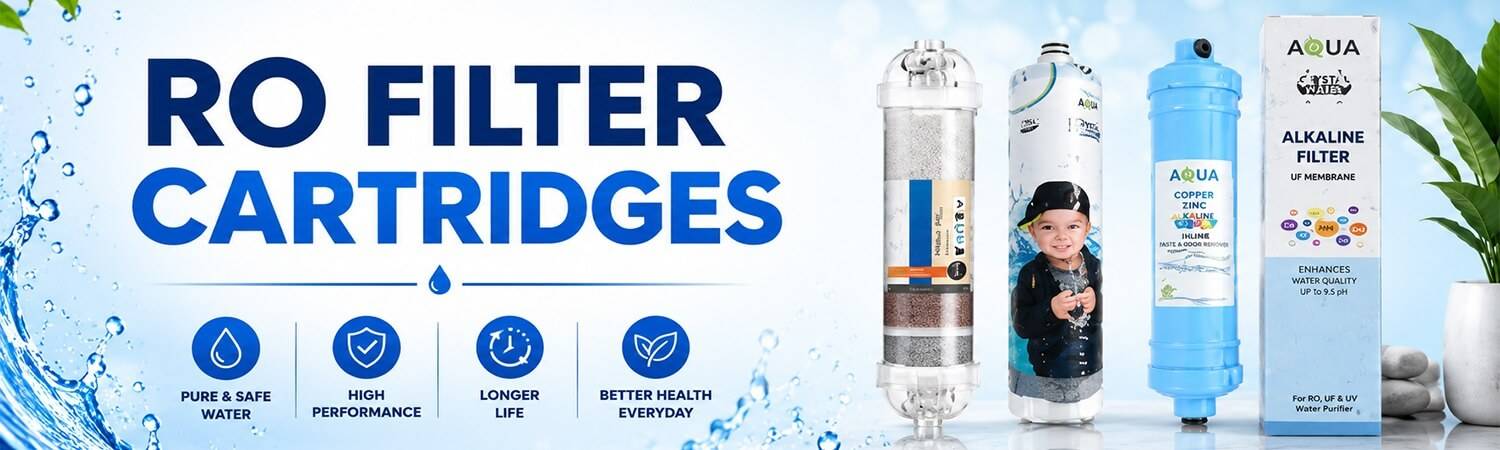
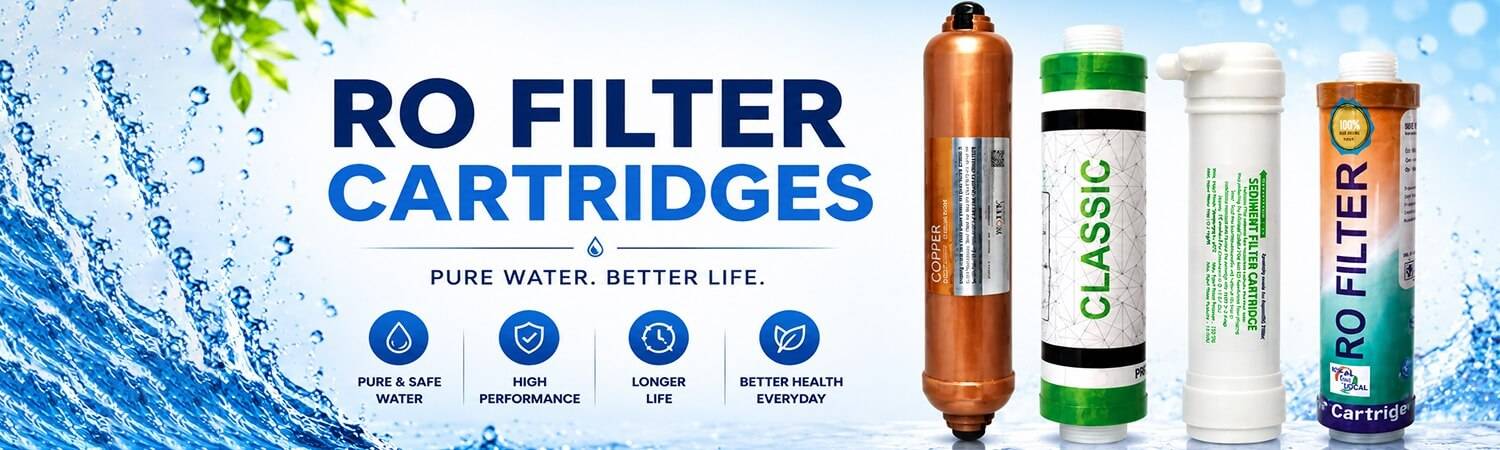
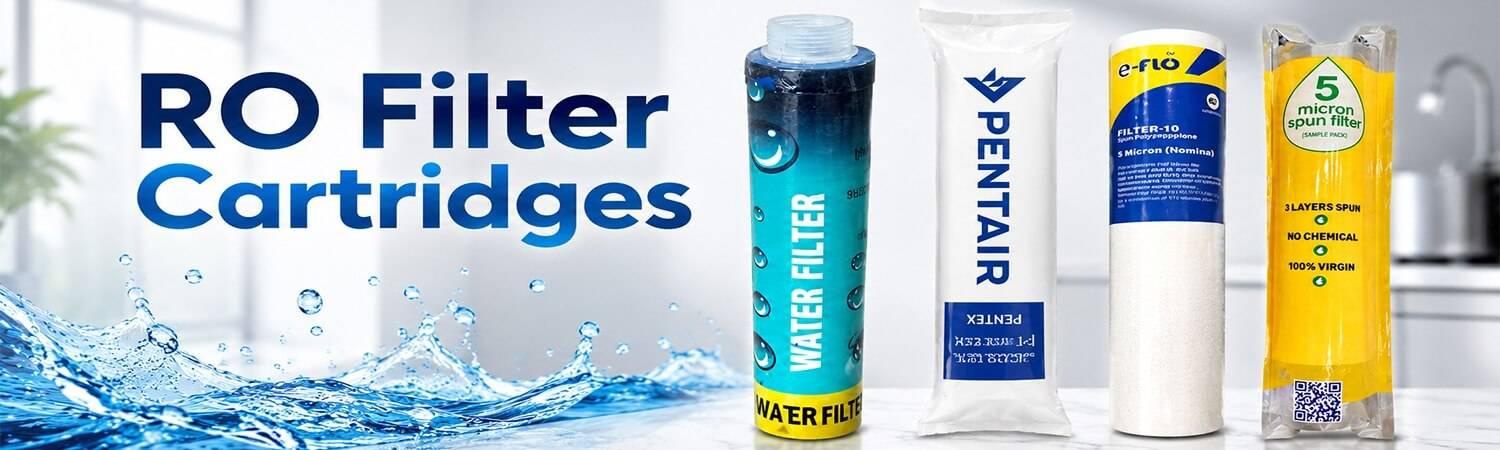
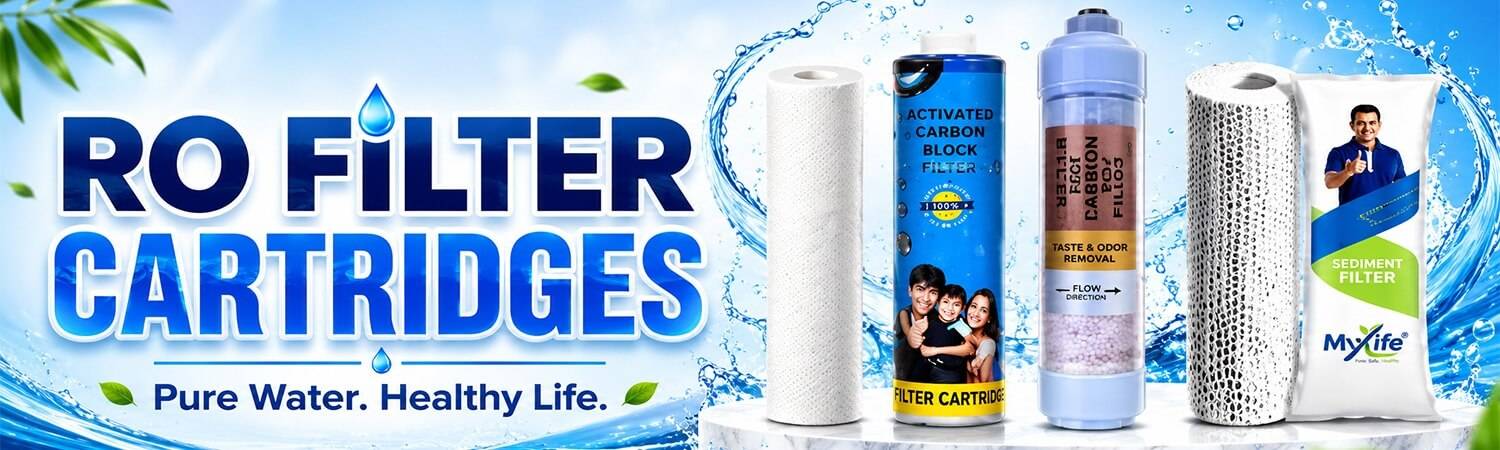
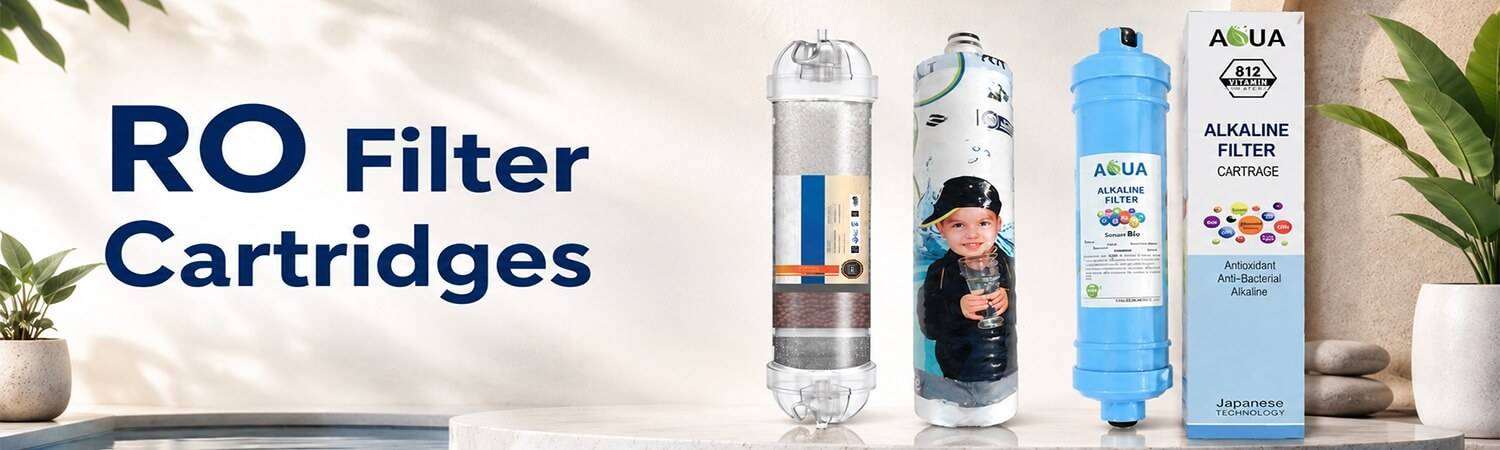


RO Filter Cartridges Manufacturer for Domestic Water Purifiers in Sikkim


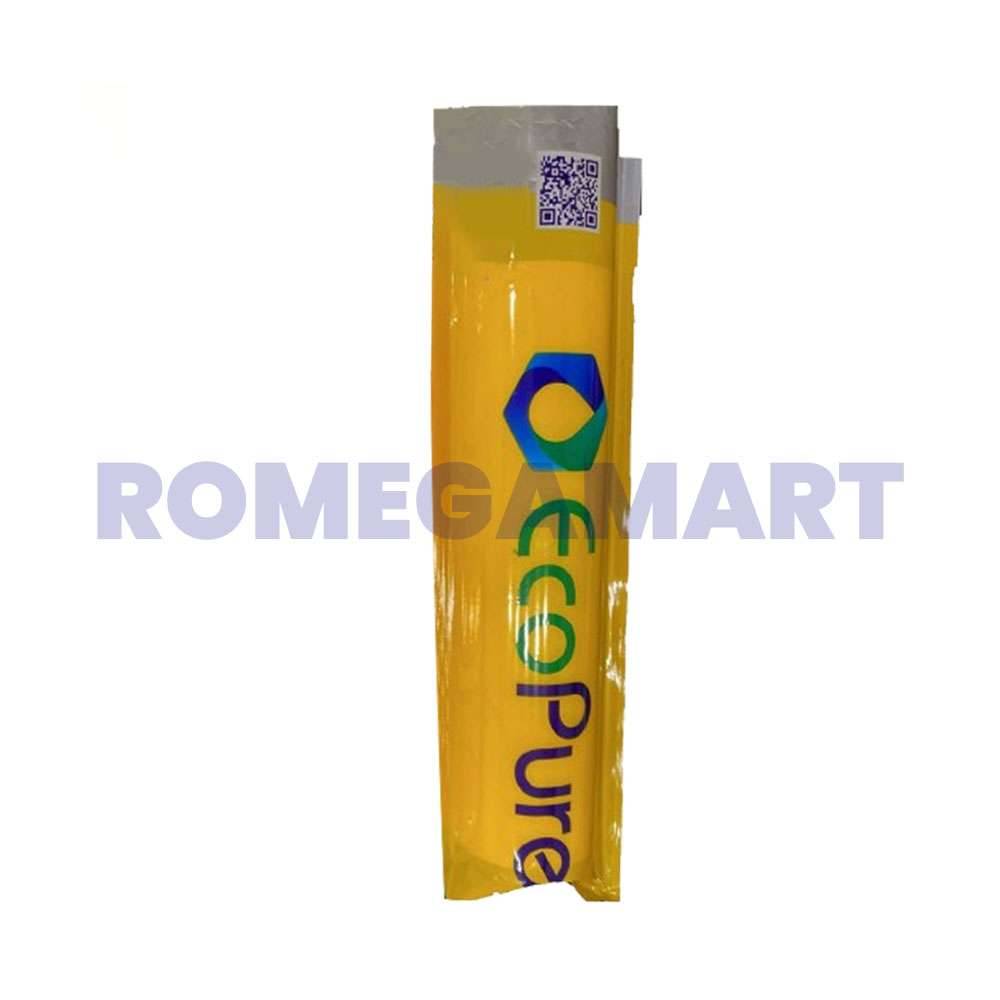


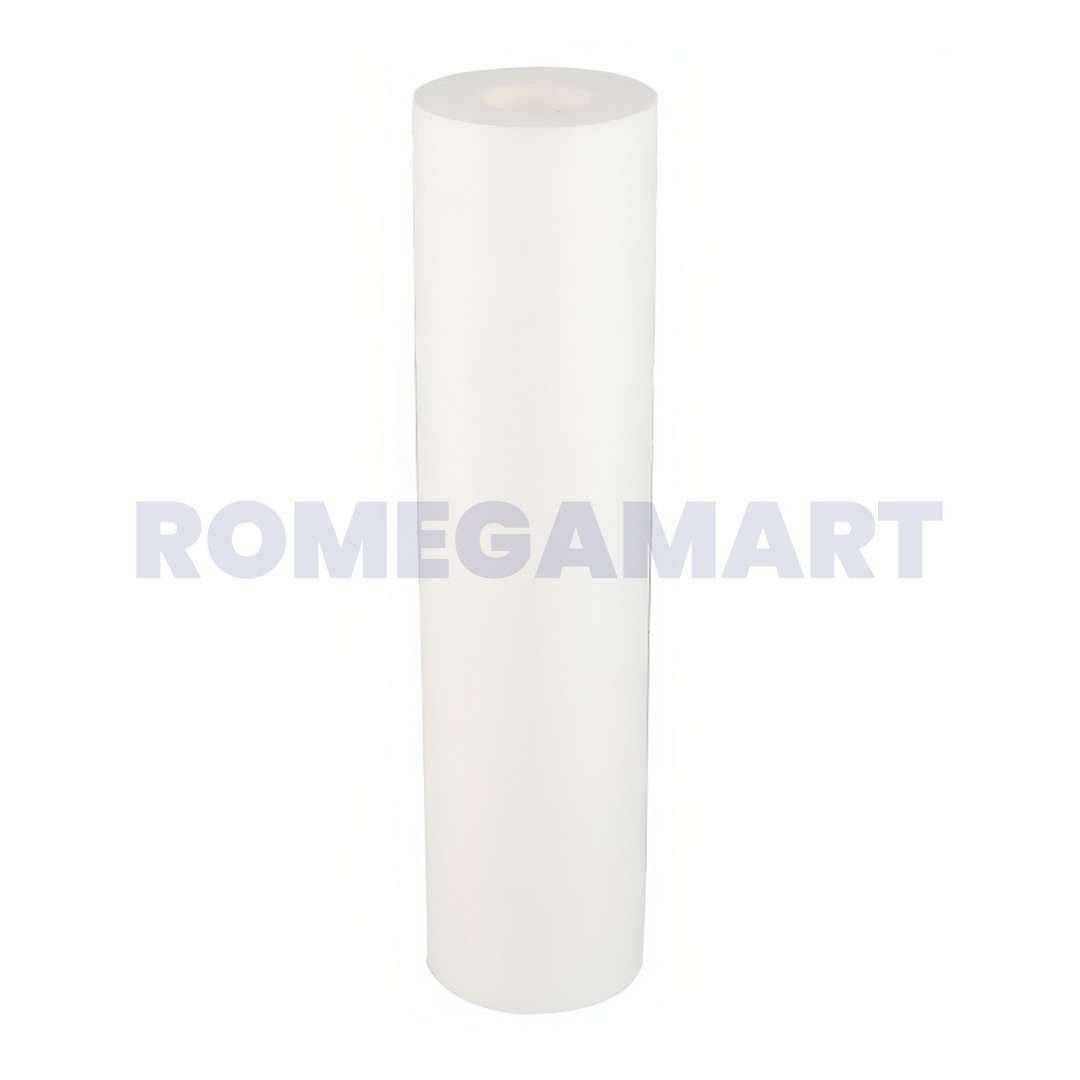


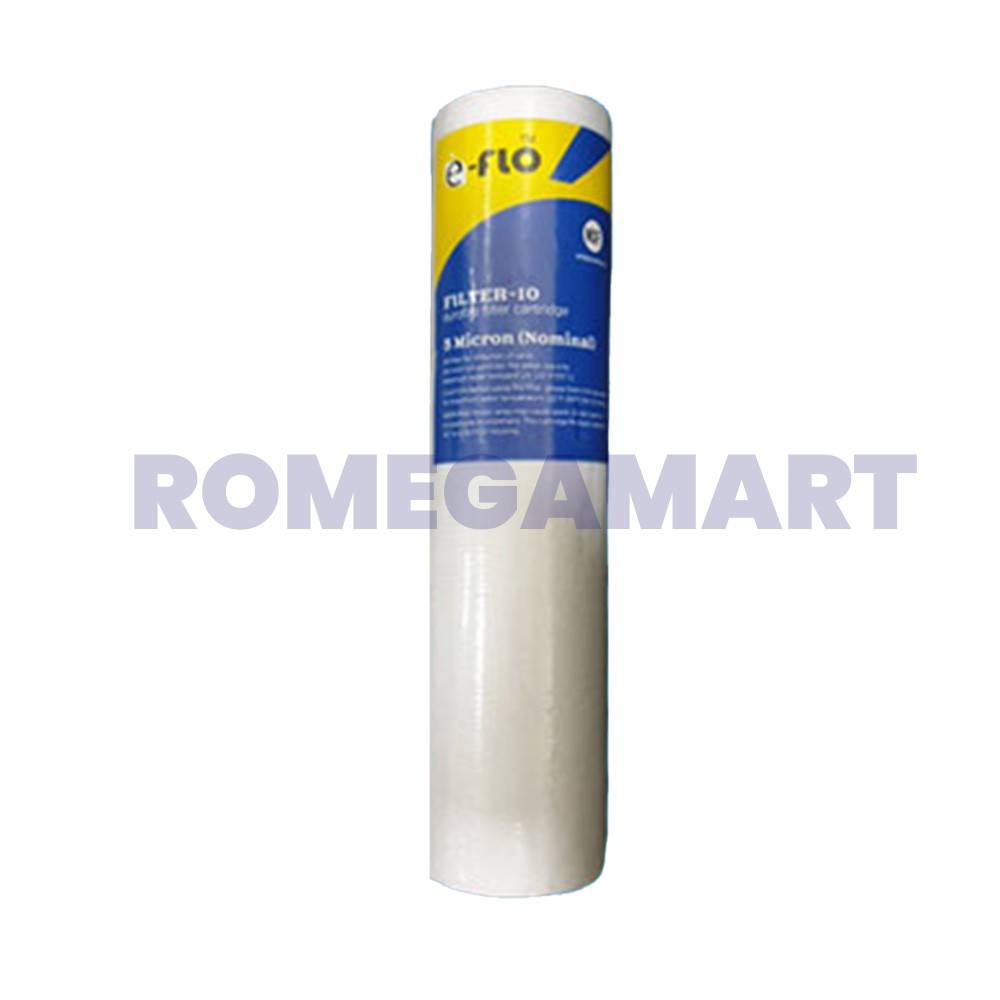
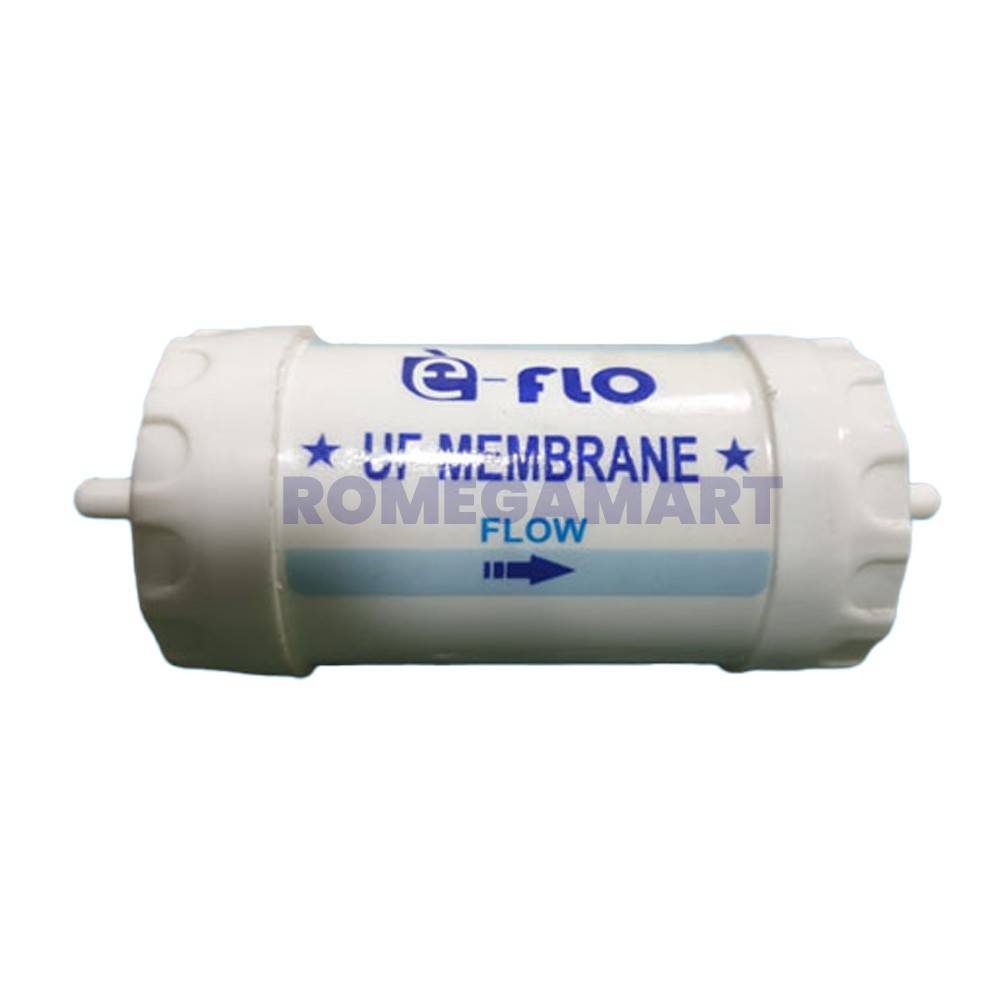
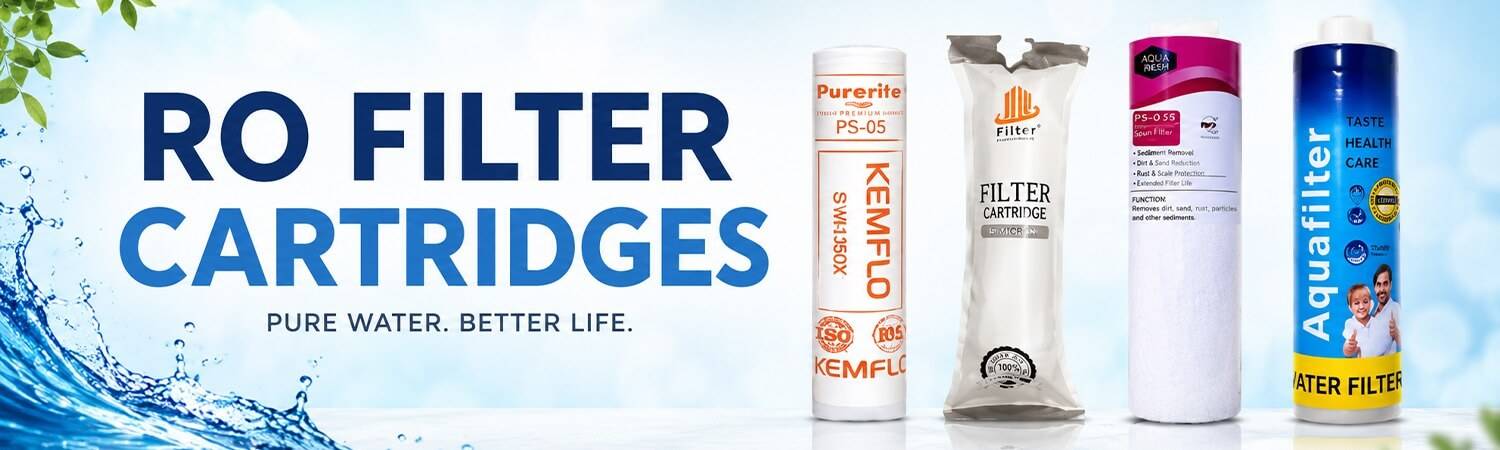
RO Filter Cartridges Manufacturer for Domestic Water Purifiers
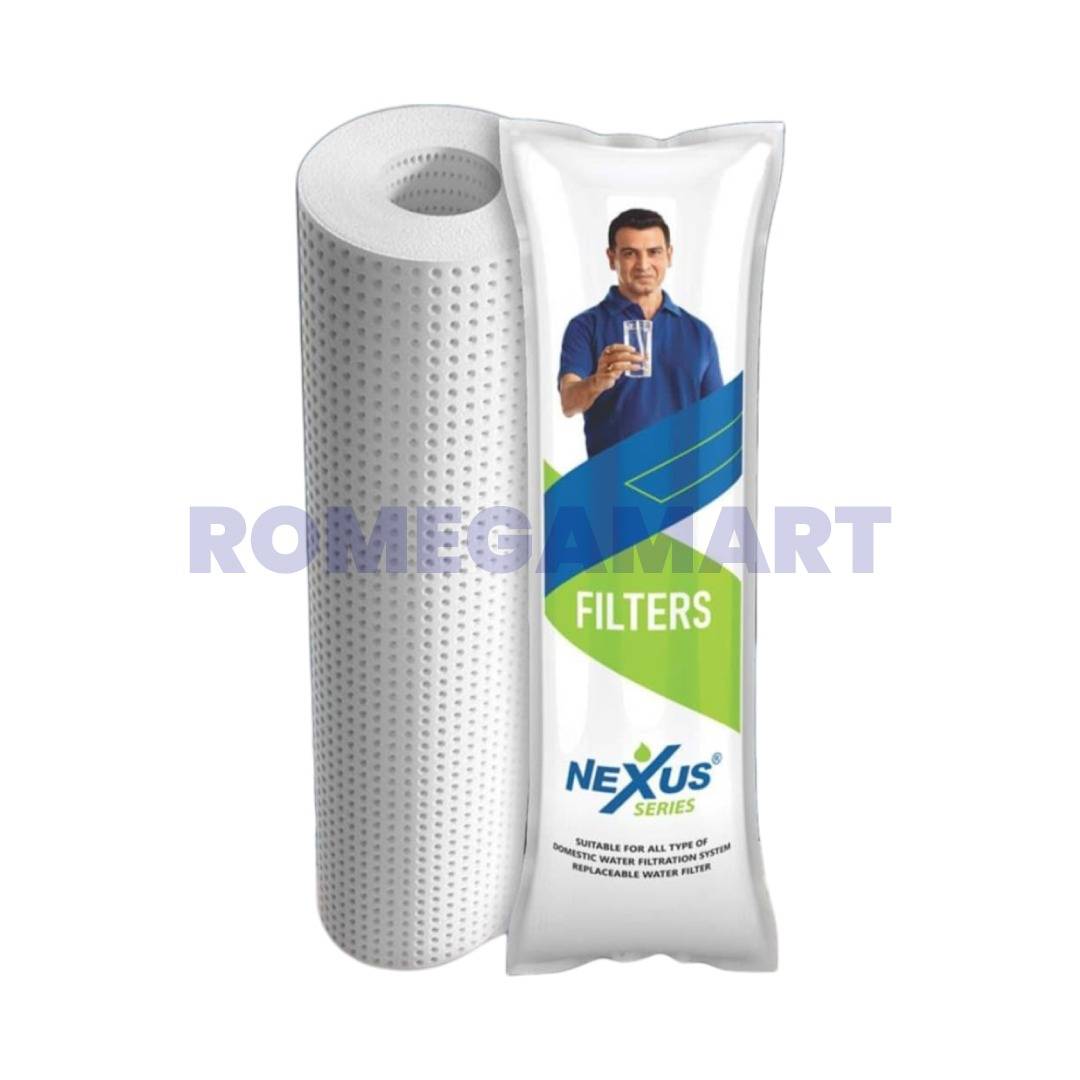
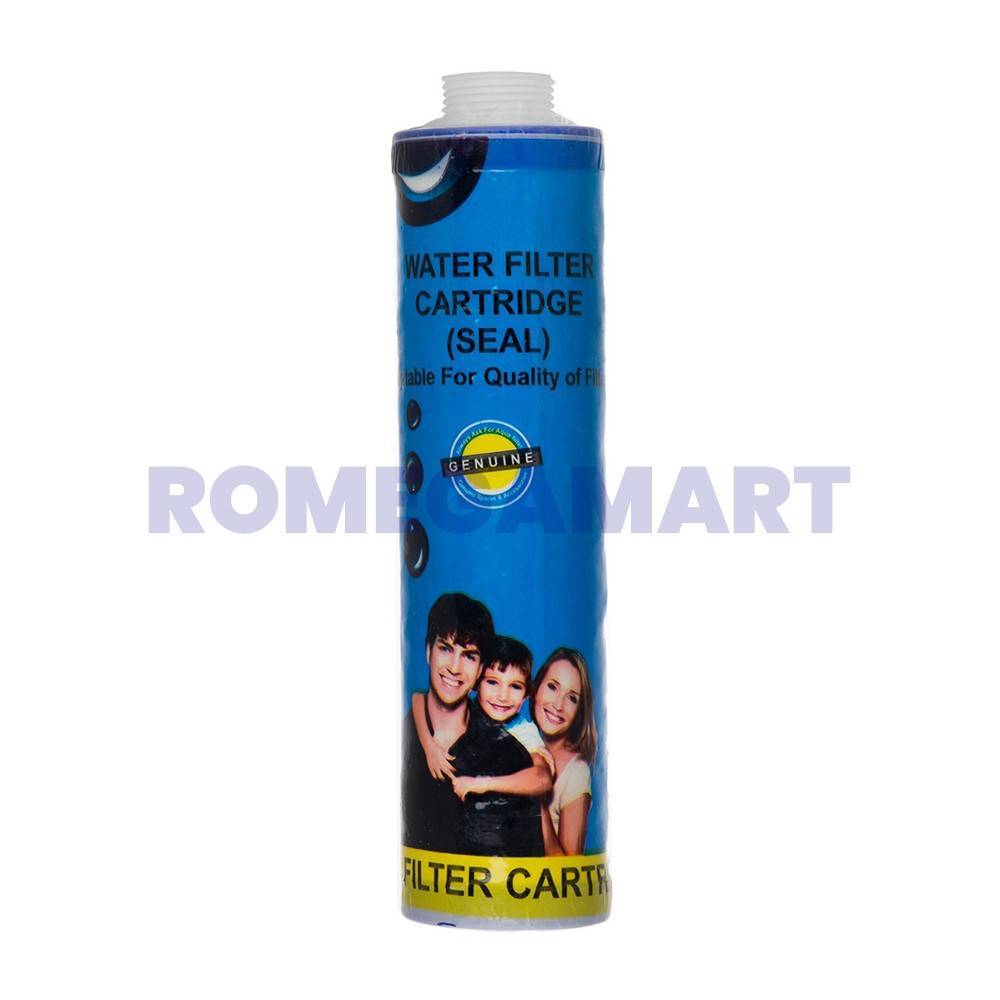
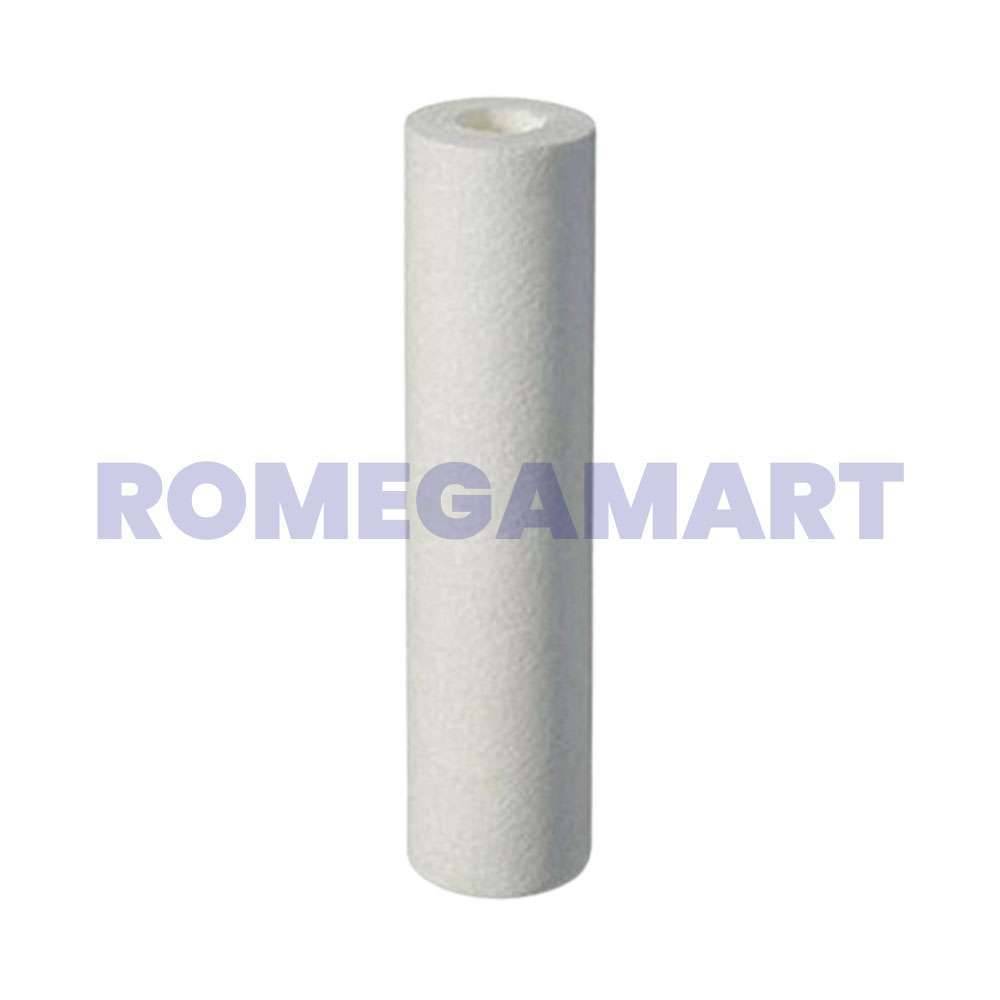
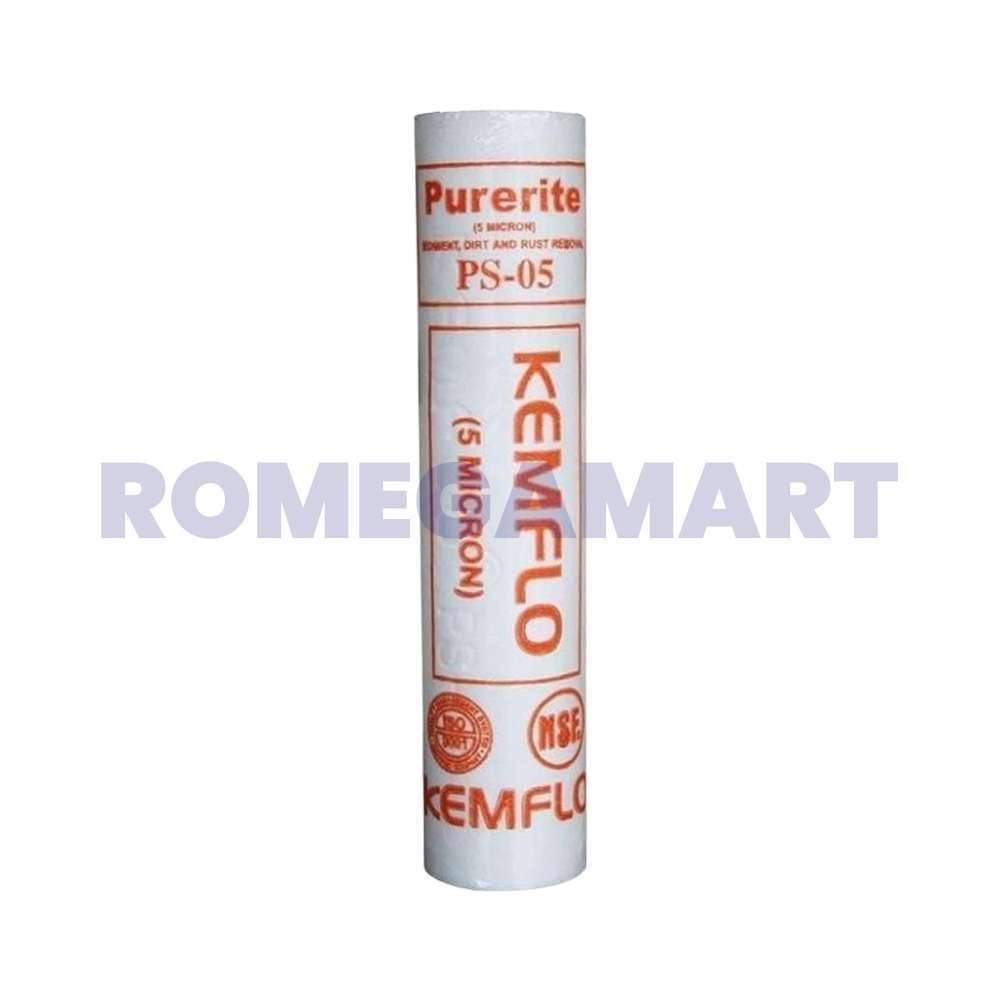
A RO filter cartridge is a filtration component used in water purifiers to remove sediment, suspended particles, and impurities during the purification process. These cartridges help maintain water quality and support efficient filtration inside domestic purification systems.
Domestic water purification systems rely on multiple filtration stages to ensure that water is safe for drinking and everyday household use. These systems are designed to remove physical impurities, suspended particles, and contaminants that may be present in municipal supply water or groundwater sources.
One of the key components used during the filtration process is the RO filter cartridge, which acts as an important filtration unit within the purifier system. These cartridges contain filtration media that capture impurities before water moves to deeper purification stages.
A typical purification system may contain several water purifier cartridge units arranged in sequence to create a multi-stage filtration process. Each cartridge stage performs a specific function that contributes to overall water quality.
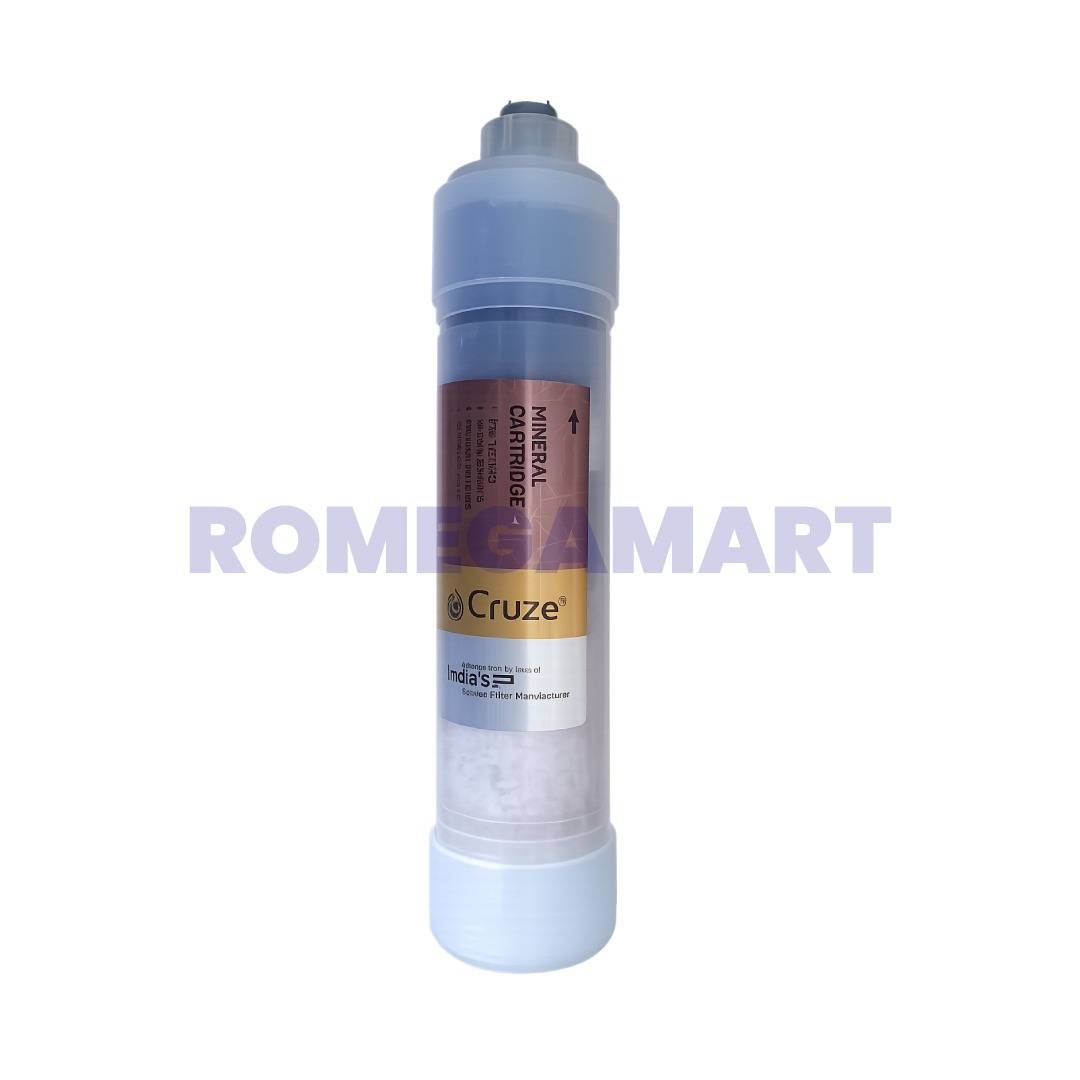
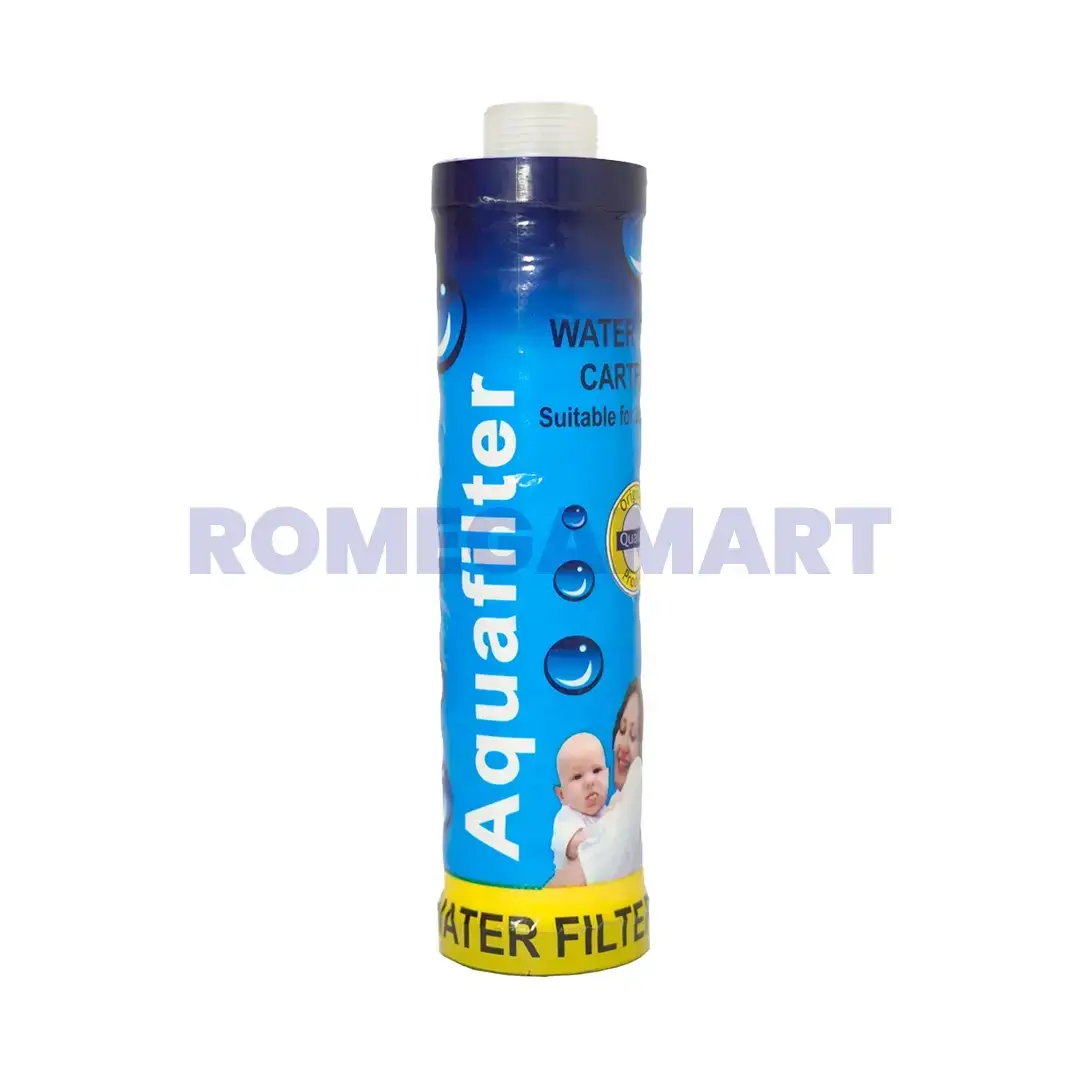
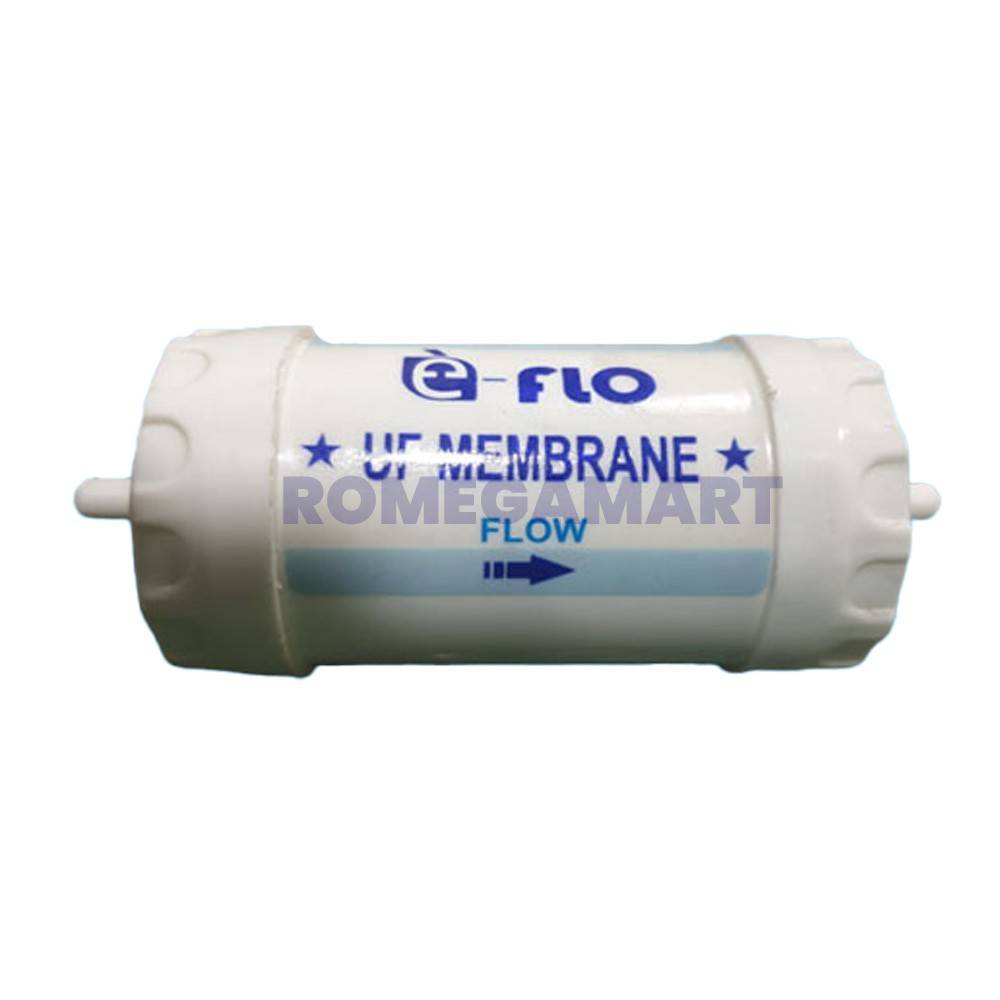
Many modern purification systems also incorporate an inline filter cartridge, which integrates filtration inside a compact cylindrical module. These cartridges simplify purifier design while maintaining efficient filtration performance.
In residential purification systems, the domestic RO cartridge plays an important role in ensuring that incoming water is filtered properly before reaching internal components such as membranes and pumps.
As the adoption of residential purification systems continues to increase, filtration components such as RO filter cartridge units are widely supplied through B2B platforms like Romegamart, connecting manufacturers, distributors, and suppliers within the water purification industry.
Role of Filtration Cartridges in Water Purifiers
Water entering a purification system may contain contaminants such as dust particles, rust flakes, sand, and suspended solids. These impurities must be removed during the early filtration stages to maintain purification efficiency.
The RO filter cartridge functions as a filtration module that captures impurities before water flows into deeper purification stages.
A water purifier cartridge is typically designed to remove suspended particles and contaminants depending on the filtration stage in which it is installed.
Many purification systems include an inline filter cartridge, which integrates filtration media inside a sealed module that simplifies installation and maintenance.
The domestic RO cartridge therefore plays an important role in maintaining filtration efficiency and water clarity inside purification systems.
Types of Cartridge Filters Used in Water Purifiers
Different filtration cartridges are used in domestic purification systems depending on filtration requirements and purifier design.
Common RO filter cartridge types include:
| Cartridge Type | Application |
|---|---|
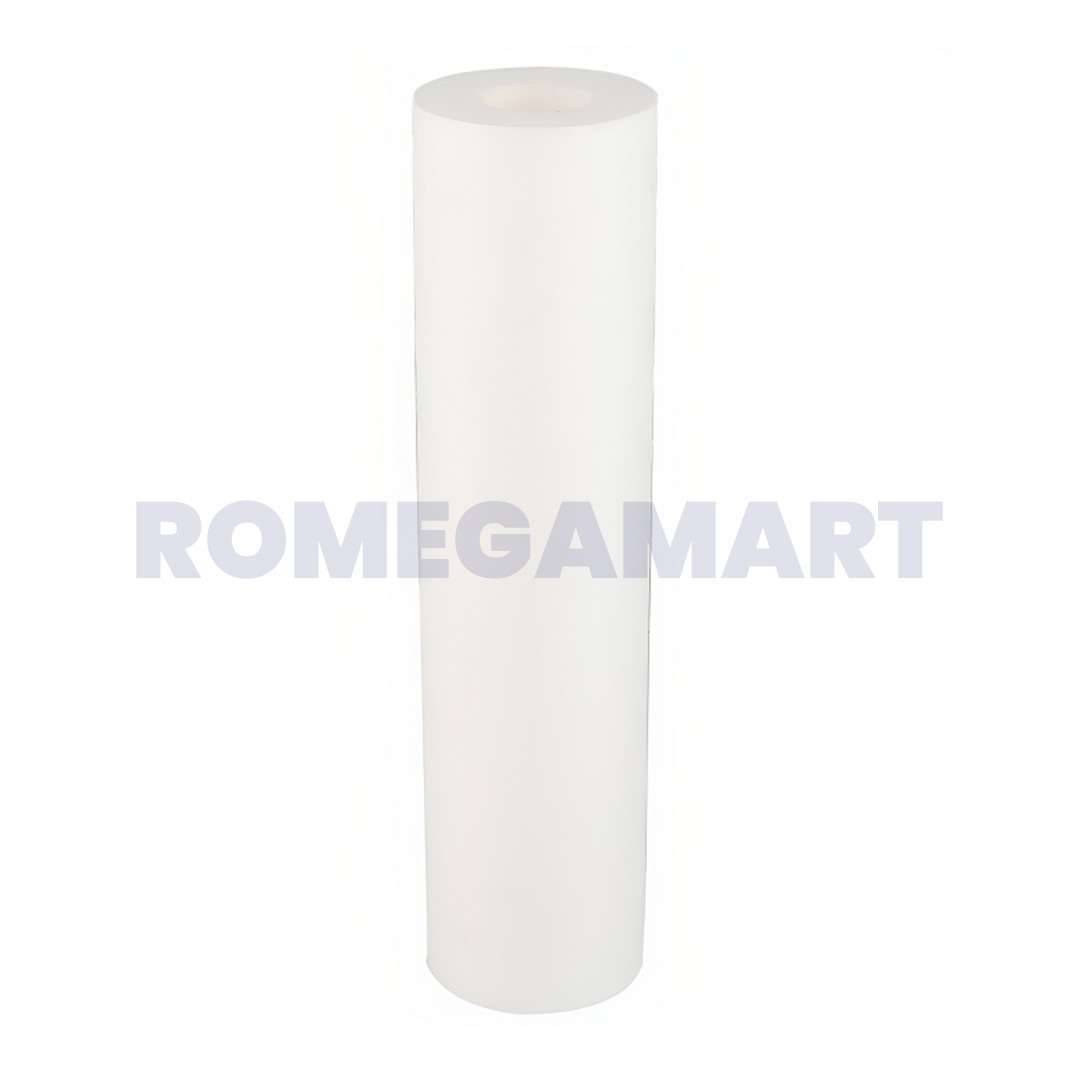
| Sediment cartridge filter | Removes dust, sand and suspended particles |
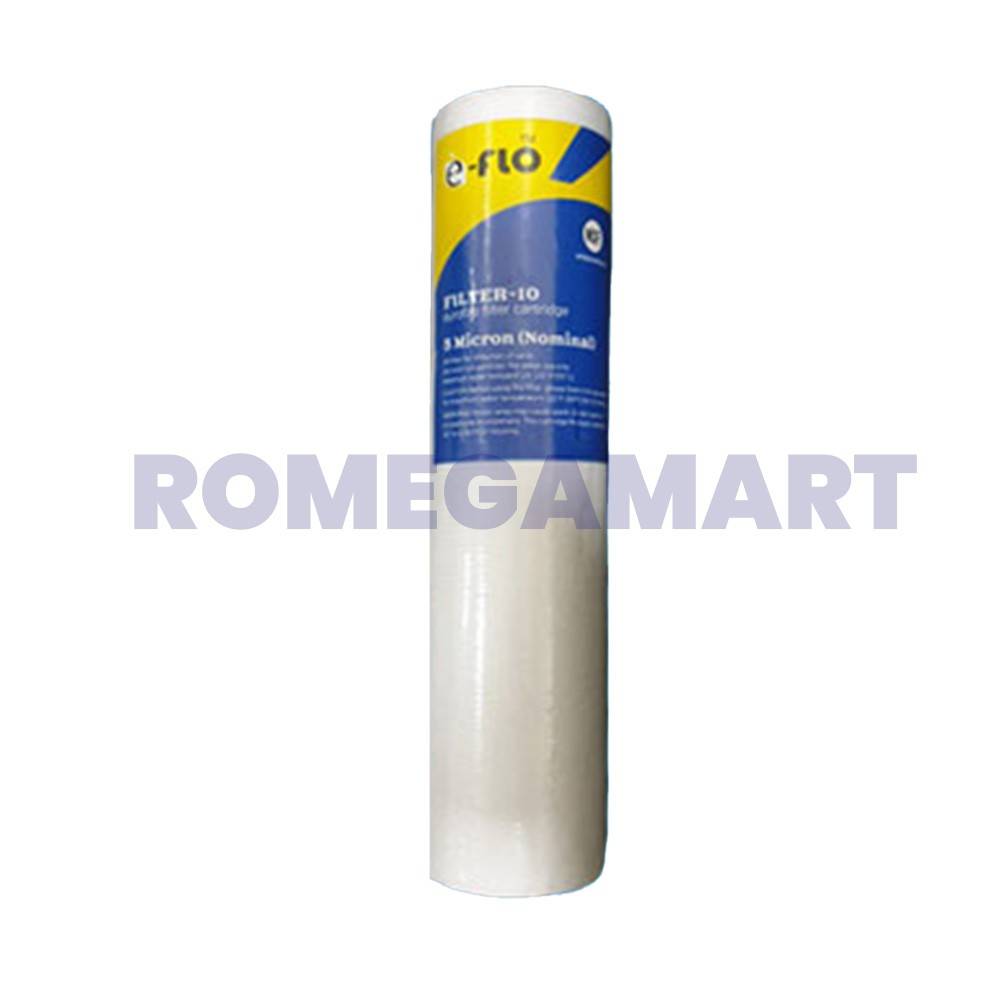
| PP spun cartridge | Fine sediment filtration |
| Inline filter cartridge | Compact integrated filtration |
| Post filter cartridge | Improves final water quality |
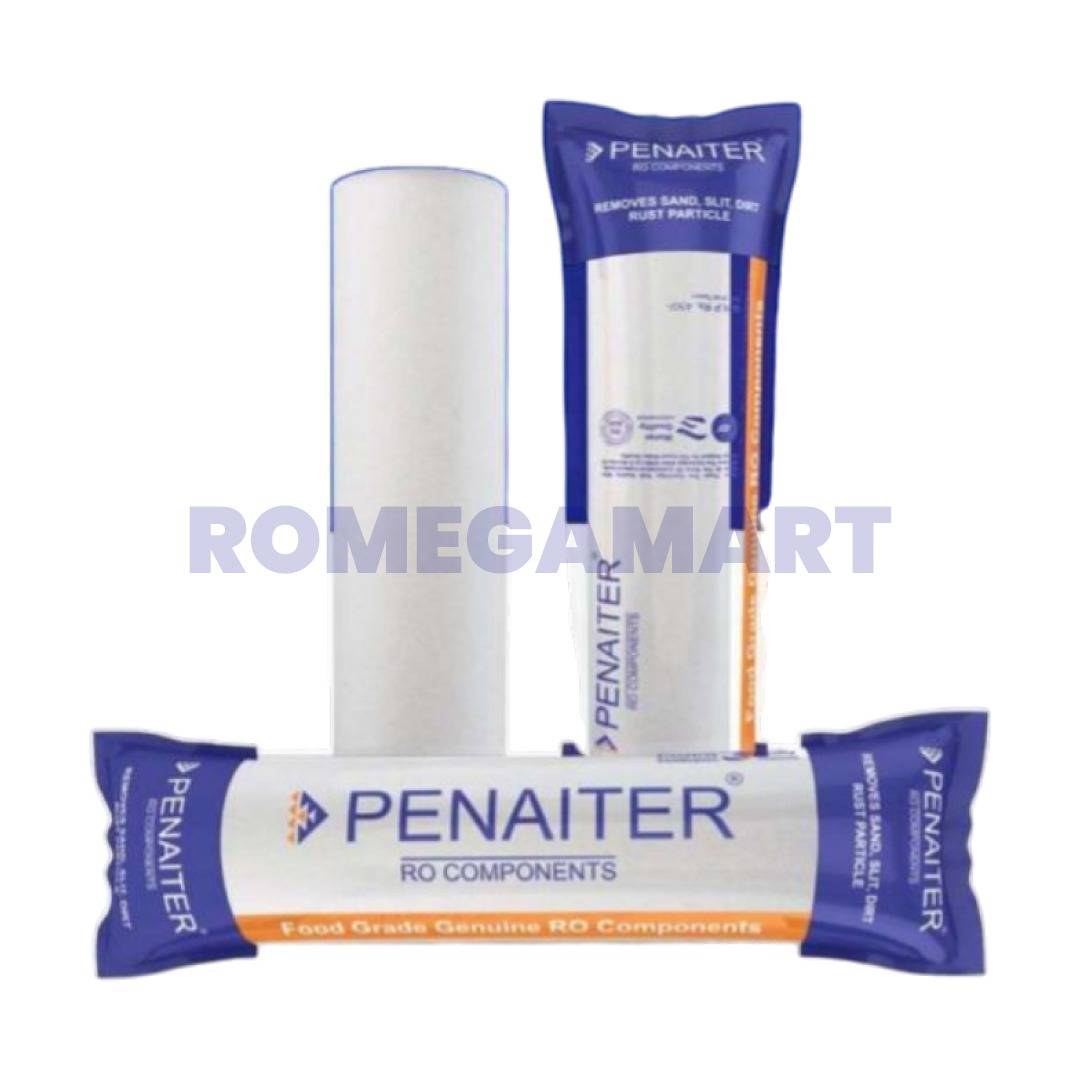
A sediment cartridge filter is usually installed at the first stage of purification to capture visible particles present in water.
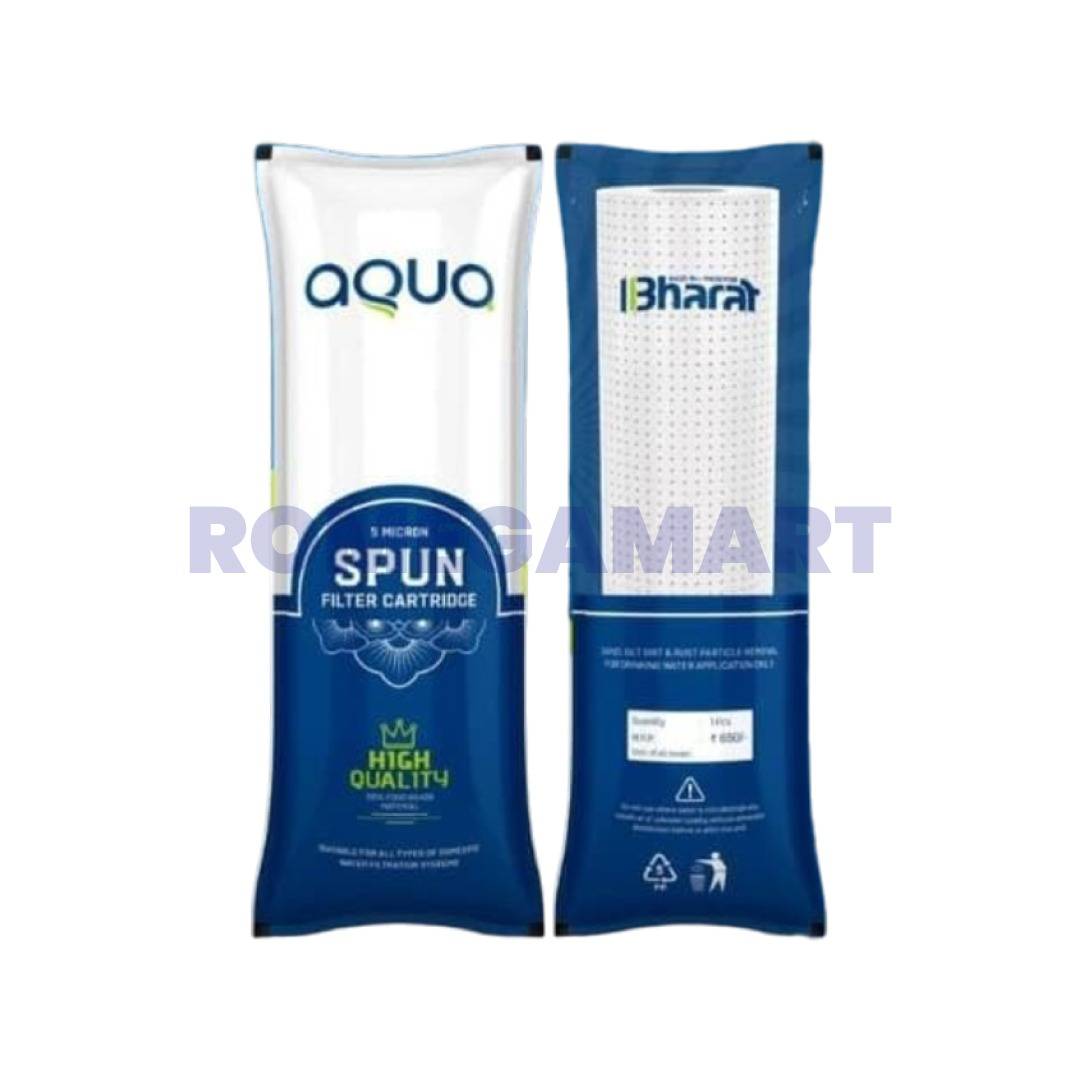
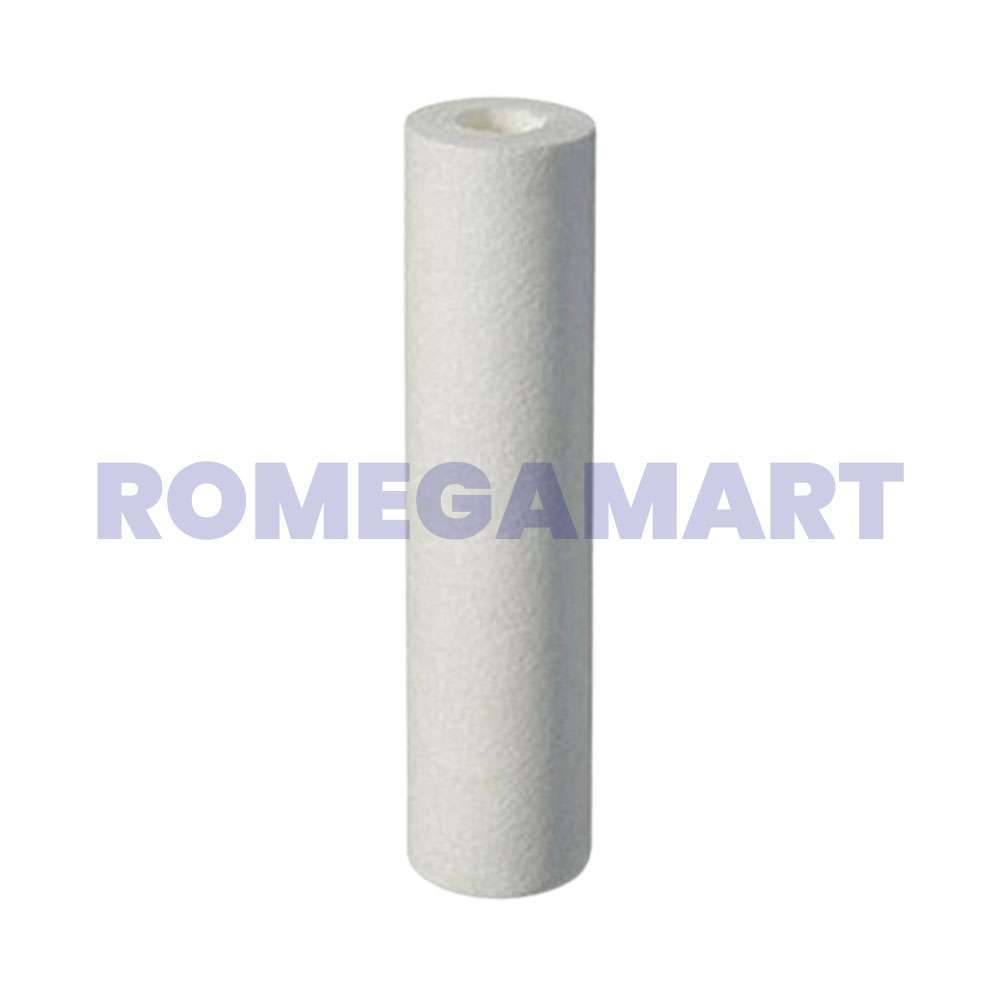
A PP spun cartridge provides fine filtration that protects deeper purification components from sediment contamination.
Many purification systems also utilize an inline filter cartridge, which combines filtration stages within a compact cylindrical unit.
Within household purification systems, the domestic RO cartridge ensures stable filtration performance across different water conditions.
Cartridge Size and Compatibility
Filtration cartridges are available in different sizes designed to fit various purifier systems.
One of the most commonly used sizes is the 10 inch RO cartridge, which fits standard domestic purifier housings.
| Cartridge Size | Typical Application |
|---|---|
| 8 inch cartridge | Compact purifier systems |
| 10 inch RO cartridge | Standard household purifiers |
| 12 inch cartridge | High capacity purification systems |
Selecting the correct water purifier cartridge ensures compatibility with purifier housings and filtration chambers.
An inline filter cartridge is typically designed to match specific purifier models to maintain efficient water flow.
A properly installed domestic RO cartridge ensures effective filtration and prevents leakage within the purifier system.
Filtration Media Used in Cartridge Filters
The efficiency of a RO filter cartridge largely depends on the filtration materials used during manufacturing.
Most sediment filtration cartridges use polypropylene fibers designed to capture suspended particles while maintaining water flow.
A PP spun cartridge is widely used due to its high filtration efficiency and durability.
A water purifier cartridge designed for advanced filtration may contain layered filtration materials depending on the purifier configuration.
Manufacturers producing inline filter cartridge units use durable polymer housings capable of handling internal water pressure.
Within domestic purification systems, the domestic RO cartridge helps ensure stable filtration performance across different water sources.
Micron Rating and Filtration Efficiency
Micron rating is an important specification that determines the filtration capability of a cartridge.
The RO filter cartridge used for sediment filtration typically operates between 5 micron and 20 micron filtration levels.
Lower micron ratings allow filters to capture smaller particles.
For example:
| Micron Rating | Filtration Capability |
|---|---|
| 20 micron | Captures large visible particles |
| 10 micron | Removes medium sediment particles |
| 5 micron | Removes fine sediment and impurities |
A sediment cartridge filter commonly operates within the 5–10 micron range.
Many inline filter cartridge designs combine multiple filtration layers to enhance filtration efficiency.
The domestic RO cartridge therefore contributes significantly to maintaining consistent filtration performance in water purification systems.
How to Choose the Right RO Filter Cartridge
Selecting the appropriate RO filter cartridge helps ensure efficient purifier operation and consistent water quality.
Several factors should be considered when selecting filtration cartridges.
| Selection Factor | Importance |
|---|---|
| Cartridge size | Must match purifier housing |
| Micron rating | Determines filtration capability |
| Water quality | Influences filtration efficiency |
| Filter type | Determines filtration purpose |
The 10 inch RO cartridge is widely used in domestic purification systems due to its compatibility with standard filter housings.
A sediment cartridge filter is recommended for removing visible particles from incoming water.
Purifier models with compact designs often require an inline filter cartridge designed for specific system configurations.
A high quality domestic RO cartridge helps protect internal purifier components such as membranes, pumps, and membrane housings.
Maintenance of Filtration Cartridges
Regular maintenance helps ensure that purification systems operate efficiently over time.
The RO filter cartridge should be inspected periodically to ensure that filtration media remains effective.
Service technicians typically examine each water purifier cartridge during routine purifier servicing.
If filtration media becomes clogged with impurities, the cartridge must be serviced or replaced according to system requirements.
Maintaining a functional inline filter cartridge helps ensure stable water flow and effective impurity removal.
A well-maintained domestic RO cartridge also protects sensitive purifier components and improves overall system lifespan.
Market Demand for Cartridge Filters
The demand for domestic water purification systems has increased significantly as consumers focus more on drinking water safety.
As purifier installations grow, the demand for filtration components such as RO filter cartridge units continues to rise.
Service technicians frequently install water purifier cartridge units during purifier servicing.
Compact purification systems often require inline filter cartridge components because they integrate multiple filtration stages within a single module.
Within the residential purification industry, the domestic RO cartridge remains a widely used filtration component.
B2B platforms such as Romegamart help connect manufacturers, wholesalers, distributors, and retailers who supply filtration components for water purification systems.
Key Features of High Quality Cartridge Filters
| Feature | Benefit |
|---|---|
| High filtration efficiency | Removes impurities effectively |
| Durable filtration media | Longer operational lifespan |
| Stable water flow | Consistent purification performance |
| Compact cartridge design | Easy installation in purifier systems |
FAQs
What is an RO filter cartridge?
A RO filter cartridge is a filtration component used in water purifiers to remove sediment and impurities from water.
What does a water purifier cartridge do?
A water purifier cartridge filters suspended particles and contaminants from water during the purification process.
What is a sediment cartridge filter?
A sediment cartridge filter removes dust, sand, and rust particles from water during the initial filtration stage.
What is a 10 inch RO cartridge used for?
A 10 inch RO cartridge is commonly used in domestic water purifiers and fits standard filter housings.
What is an inline filter cartridge?
An inline filter cartridge is a compact filtration module integrated directly into water purification systems.
Conclusion
Filtration cartridges play a critical role in domestic water purification systems. The RO filter cartridge ensures that incoming water passes through filtration media capable of removing suspended particles and impurities.
Each water purifier cartridge contributes to the multi-stage purification process that improves water clarity and protects purifier components.
Modern purification systems frequently incorporate an inline filter cartridge, allowing compact purifier designs to maintain efficient filtration performance.
Within residential purification systems, the domestic RO cartridge remains an essential component that helps maintain water quality and system efficiency.
As water purification systems continue expanding across domestic markets, the demand for reliable filtration components continues to grow. Platforms like Romegamart help connect suppliers, manufacturers, and distributors involved in the water purification spare parts industry.