

RO Membrane Wholesaler – Bulk Domestic RO Membranes for Water Purifiers in Sikkim



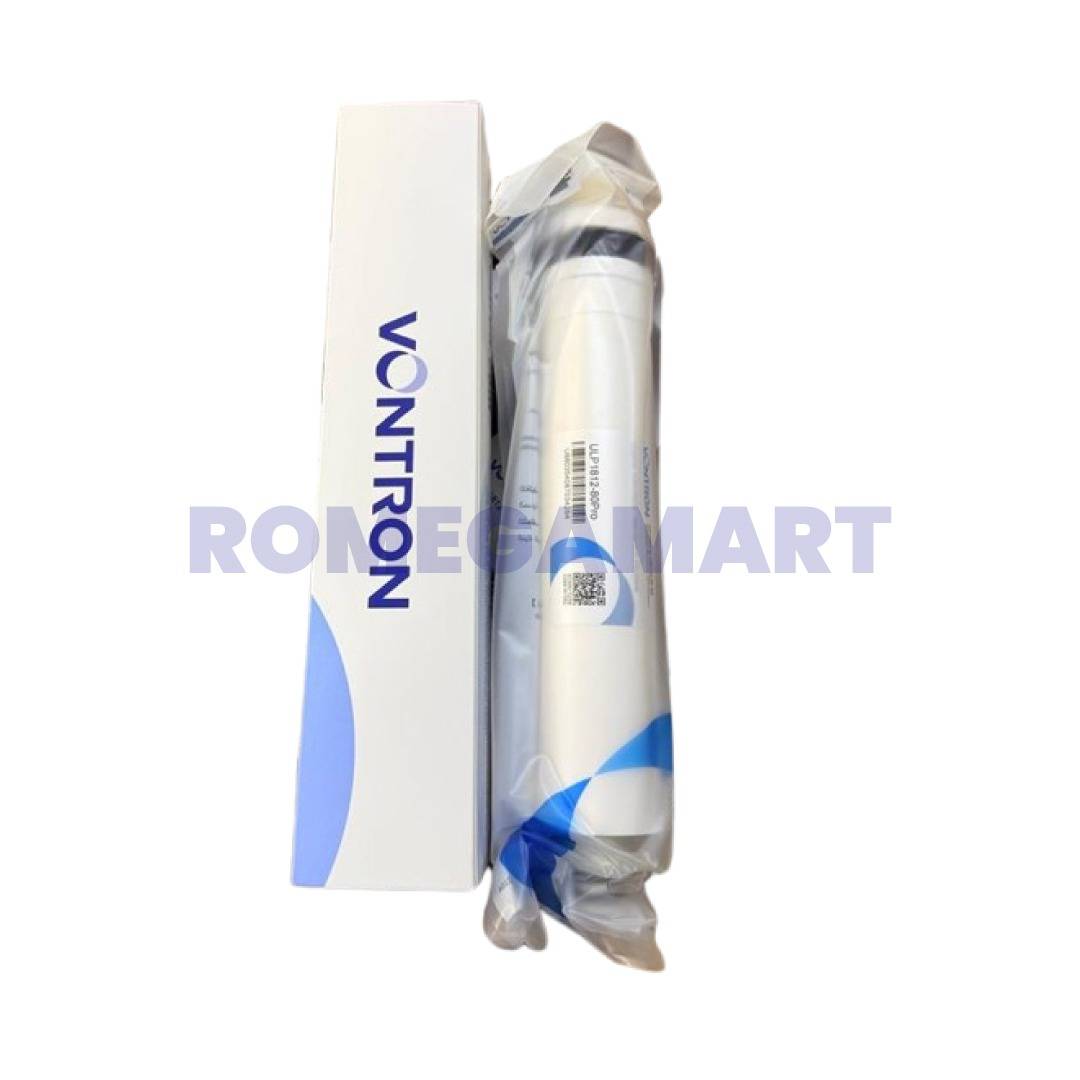
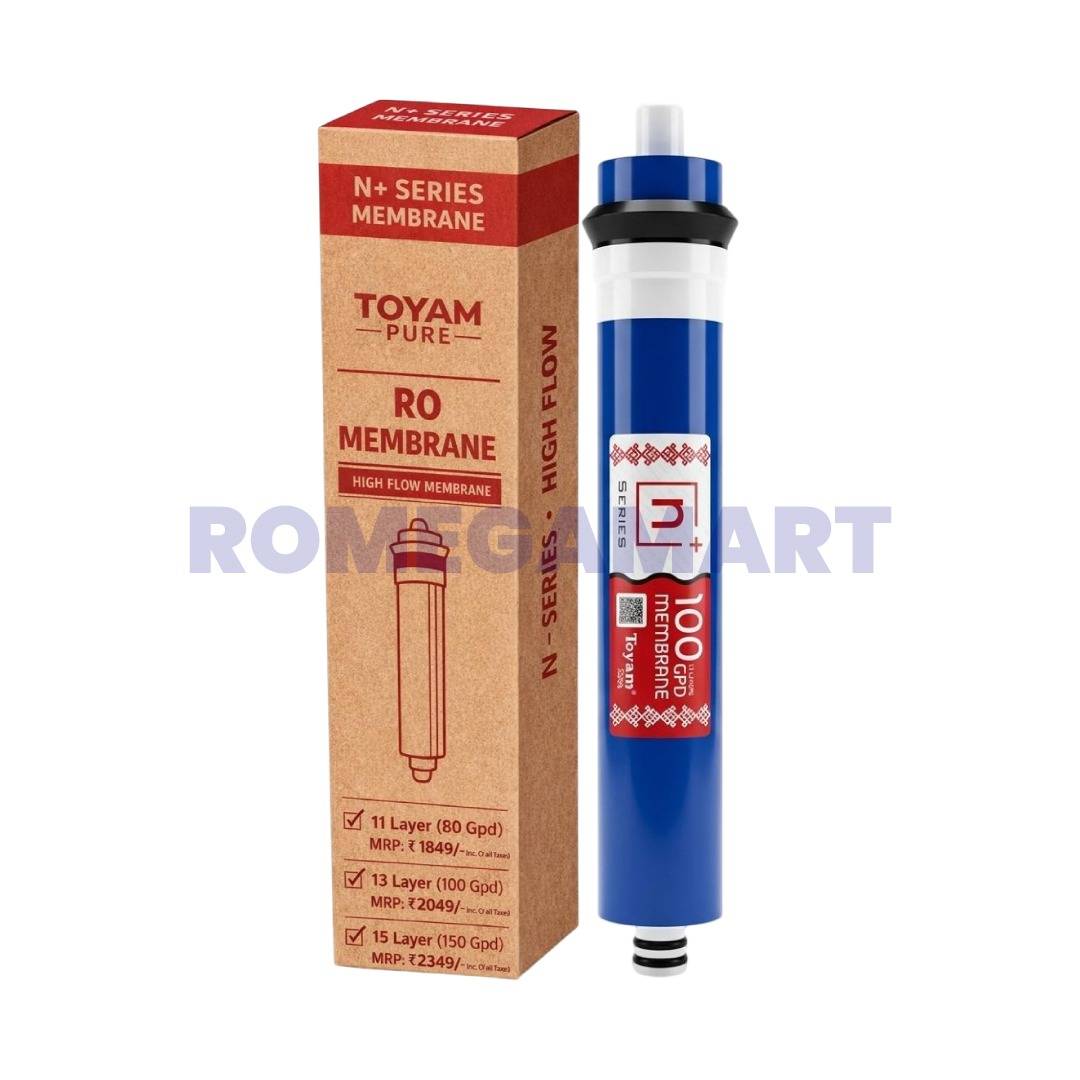
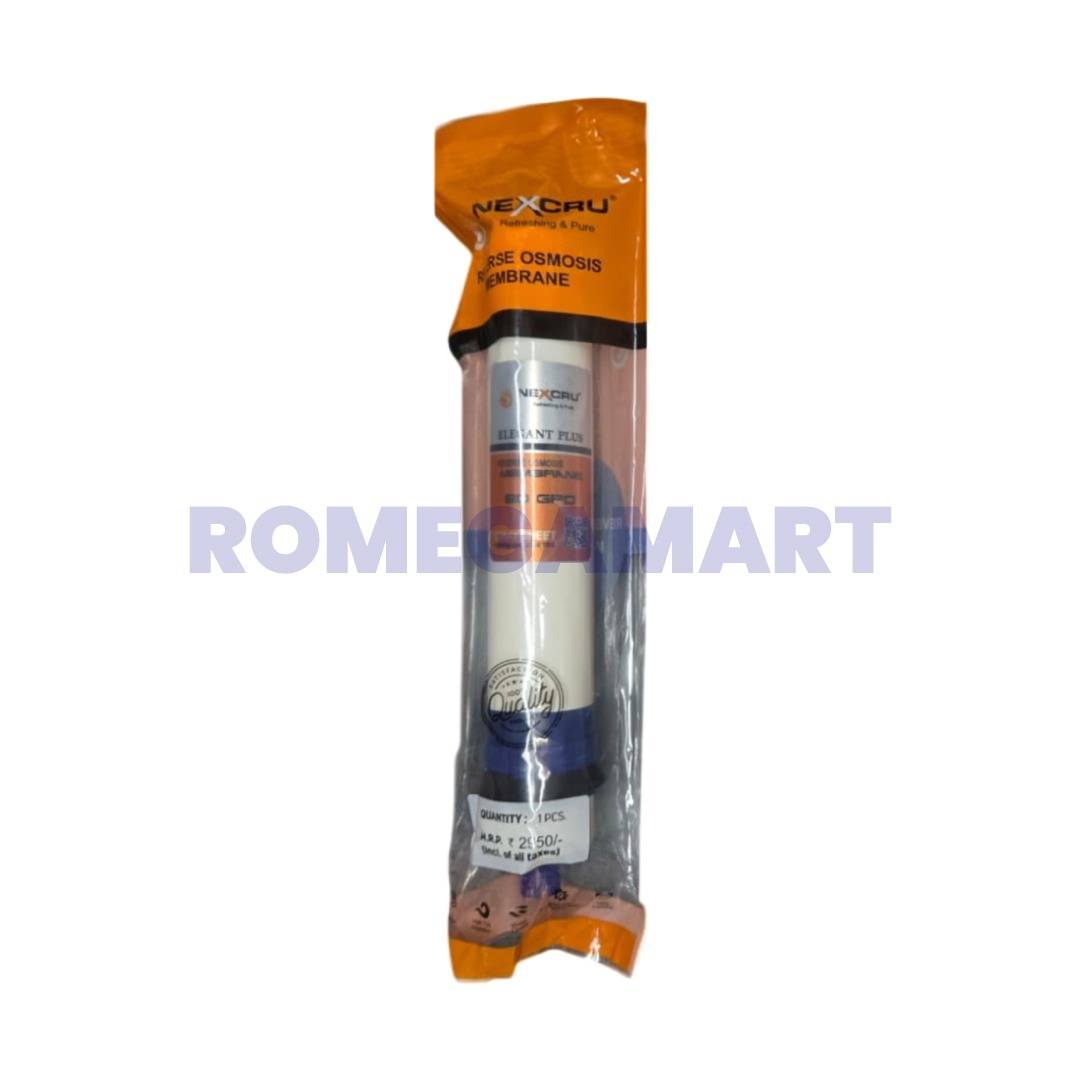
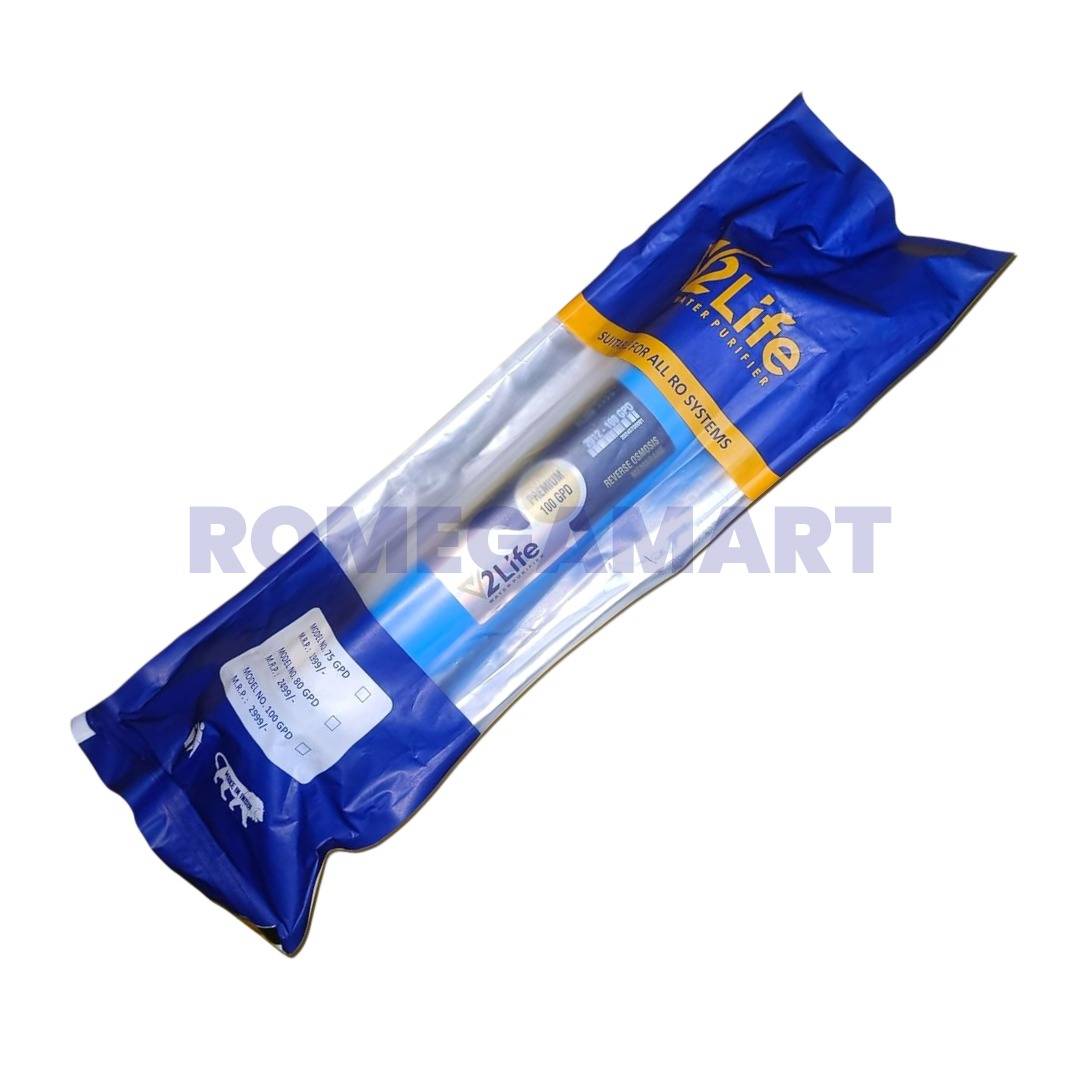
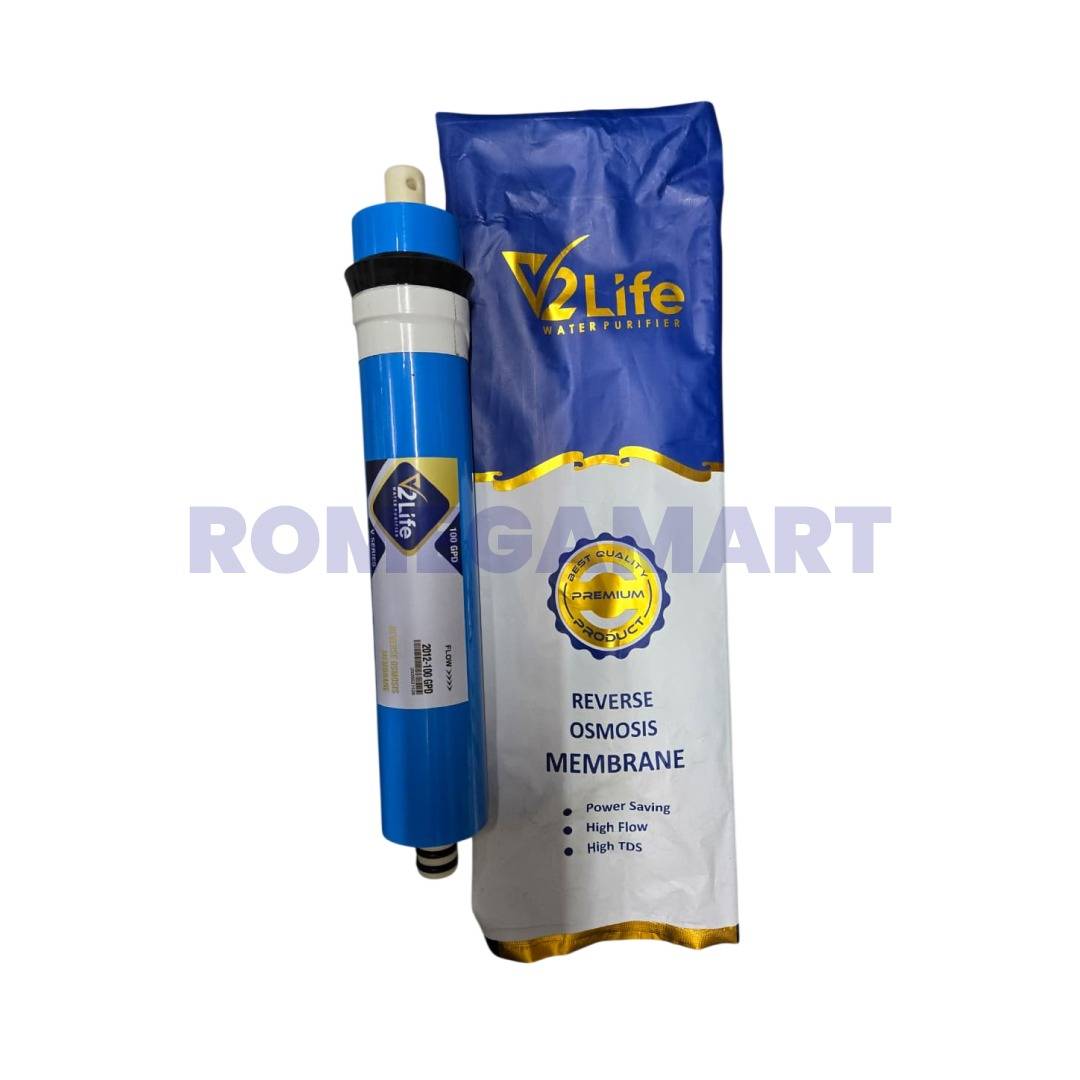
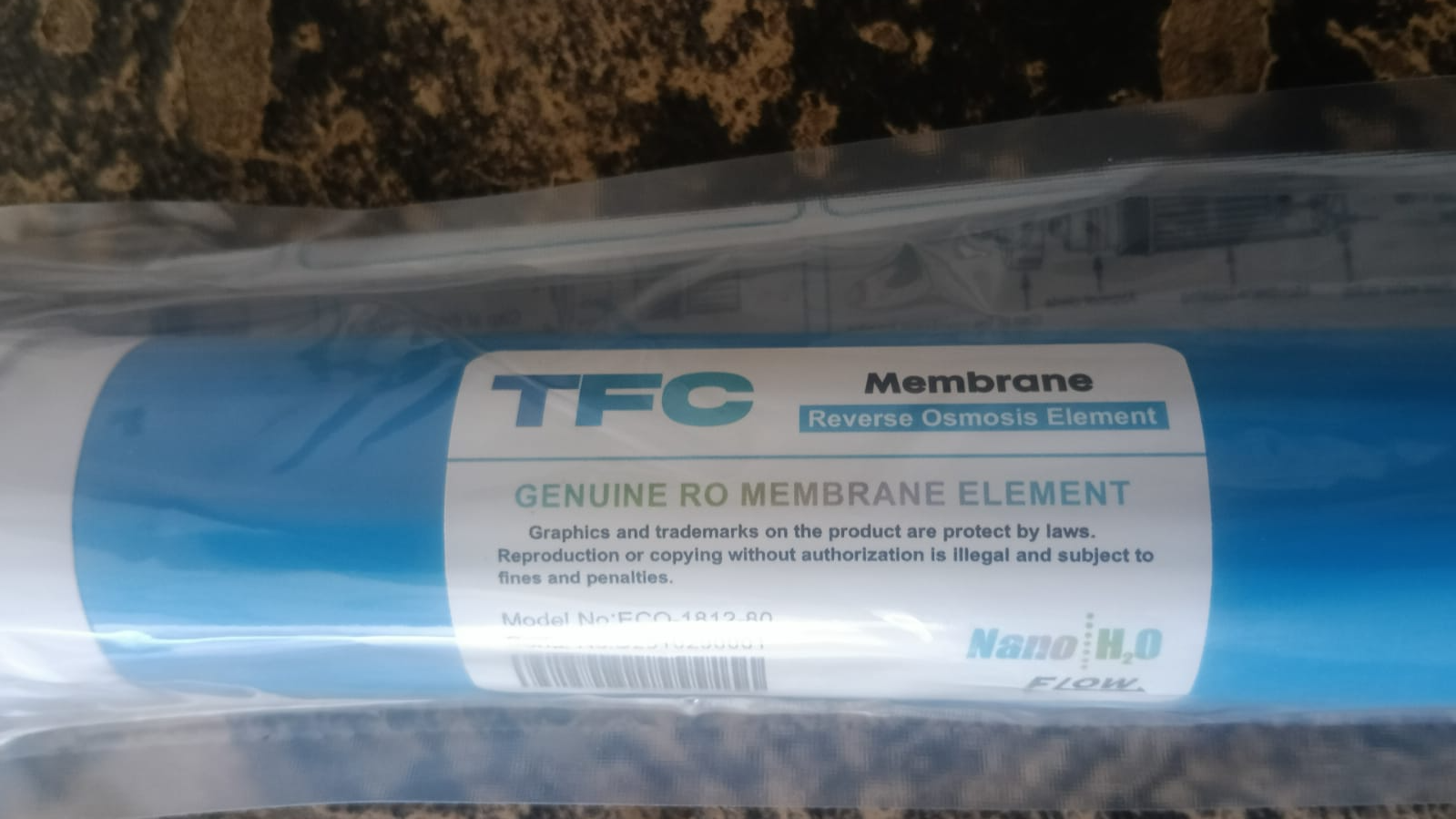

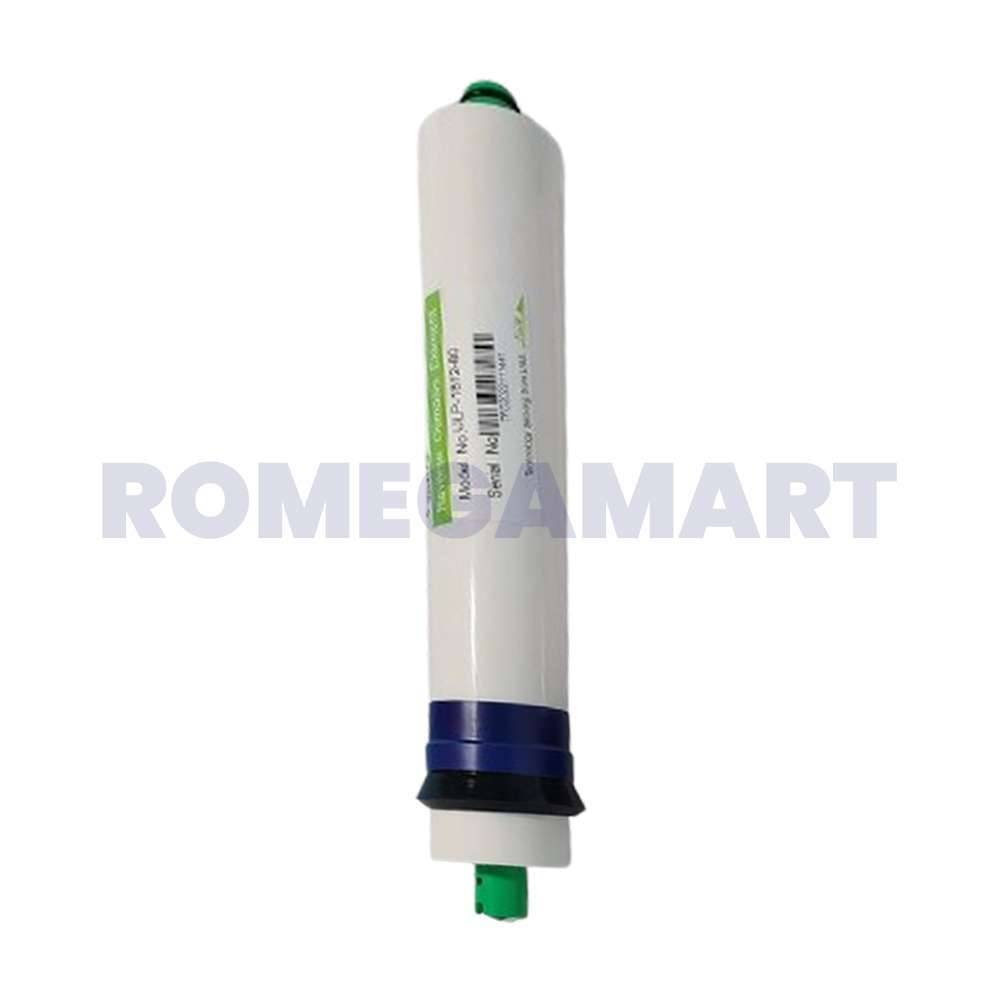
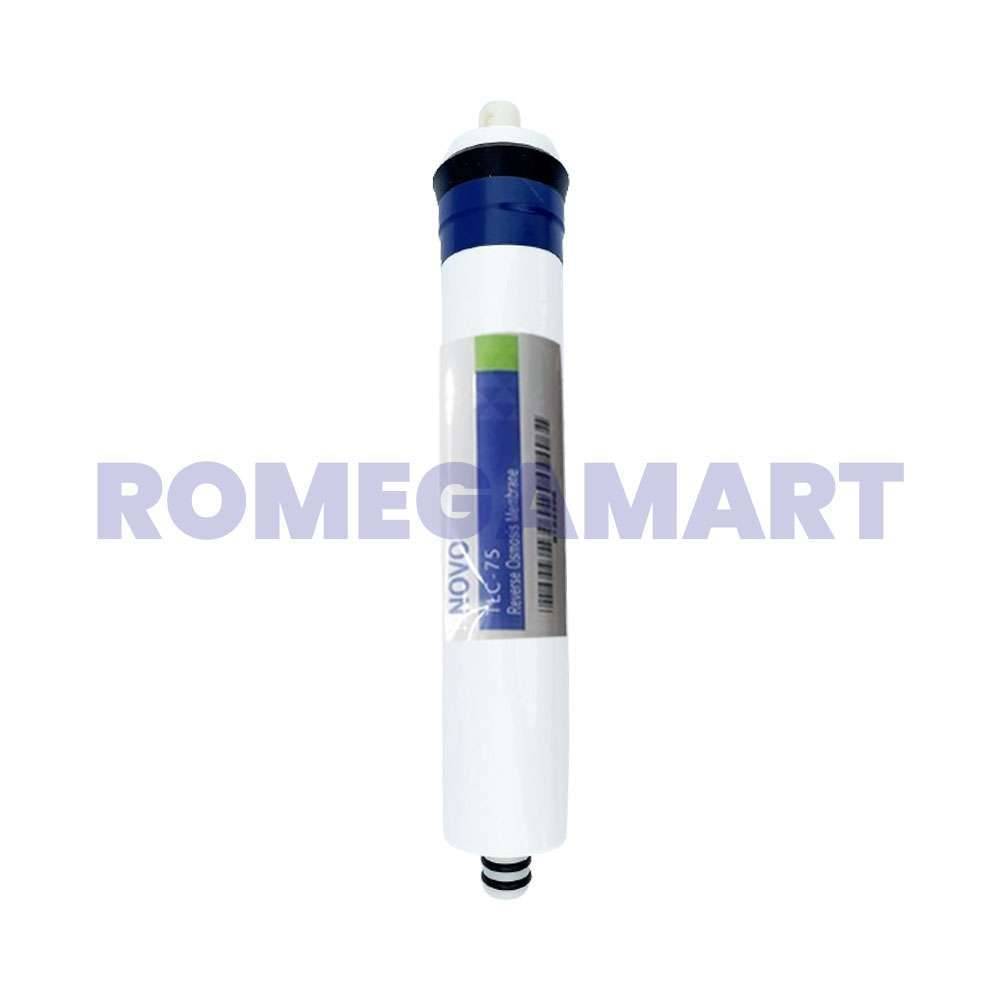

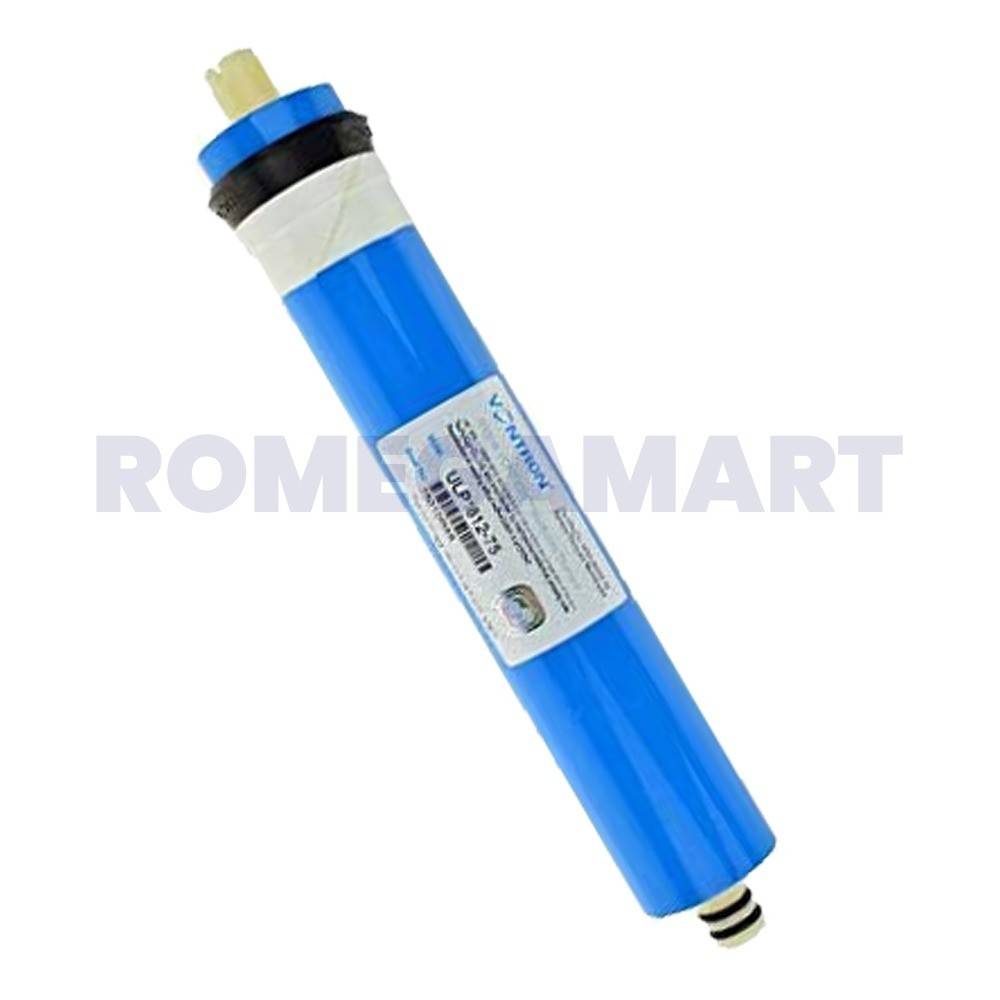


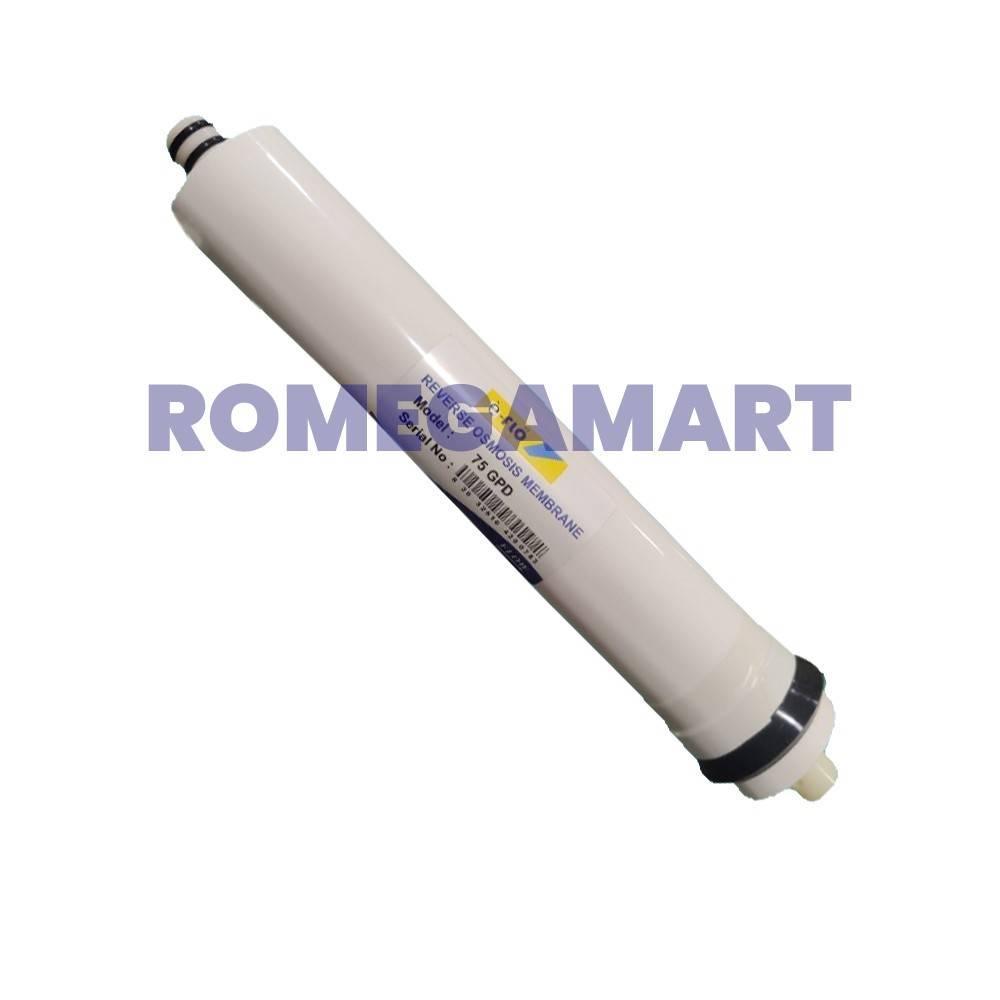
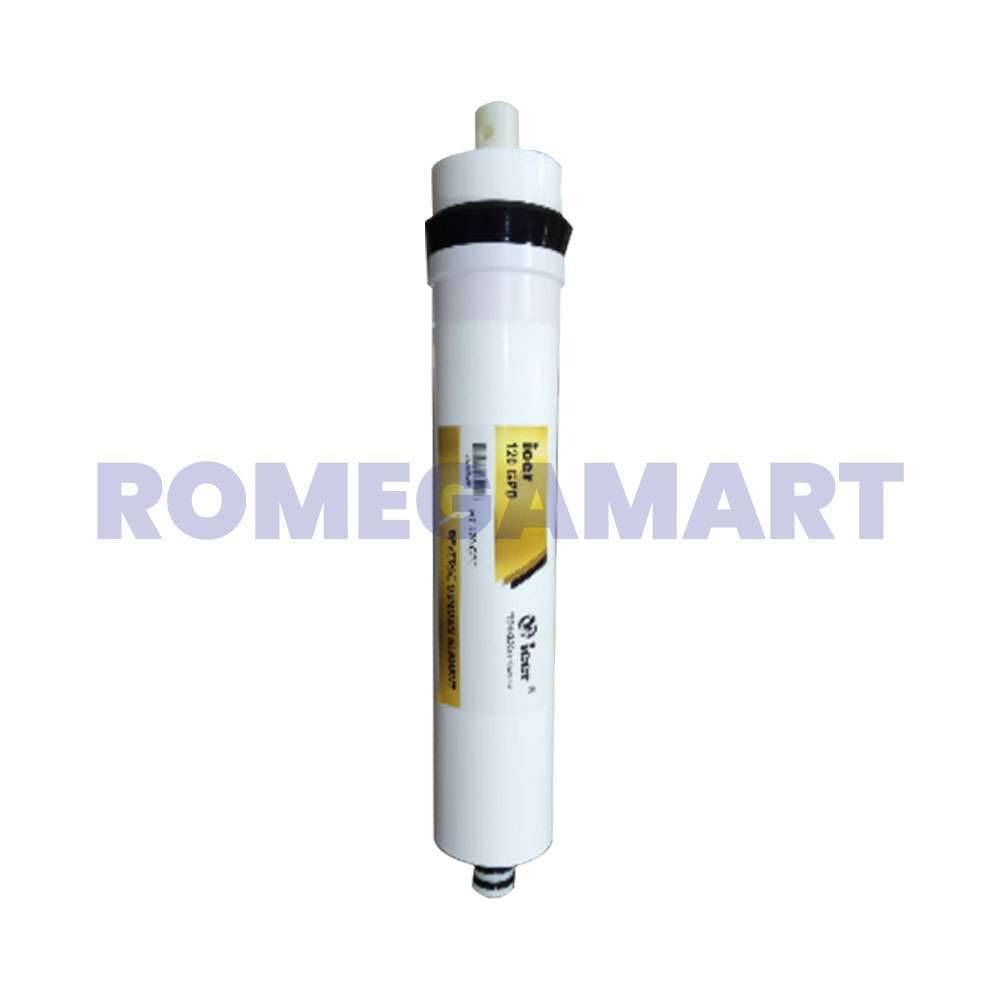
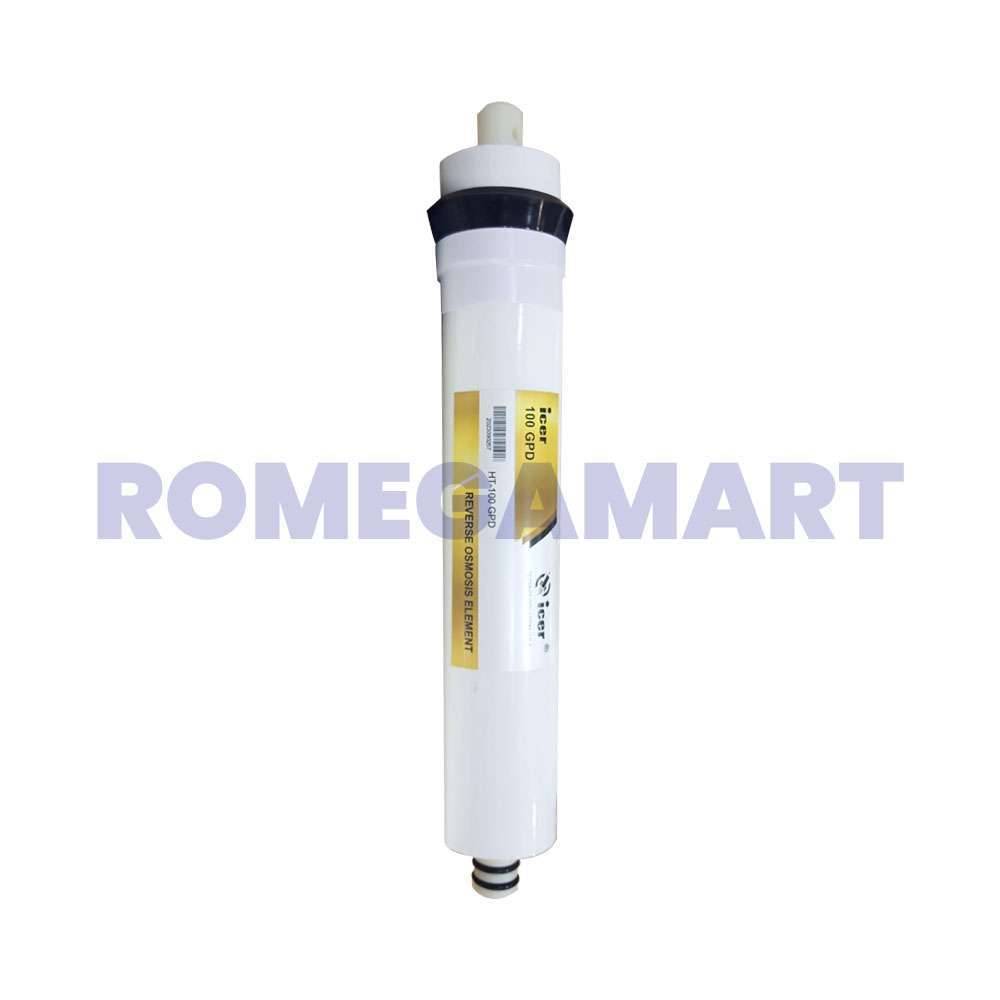
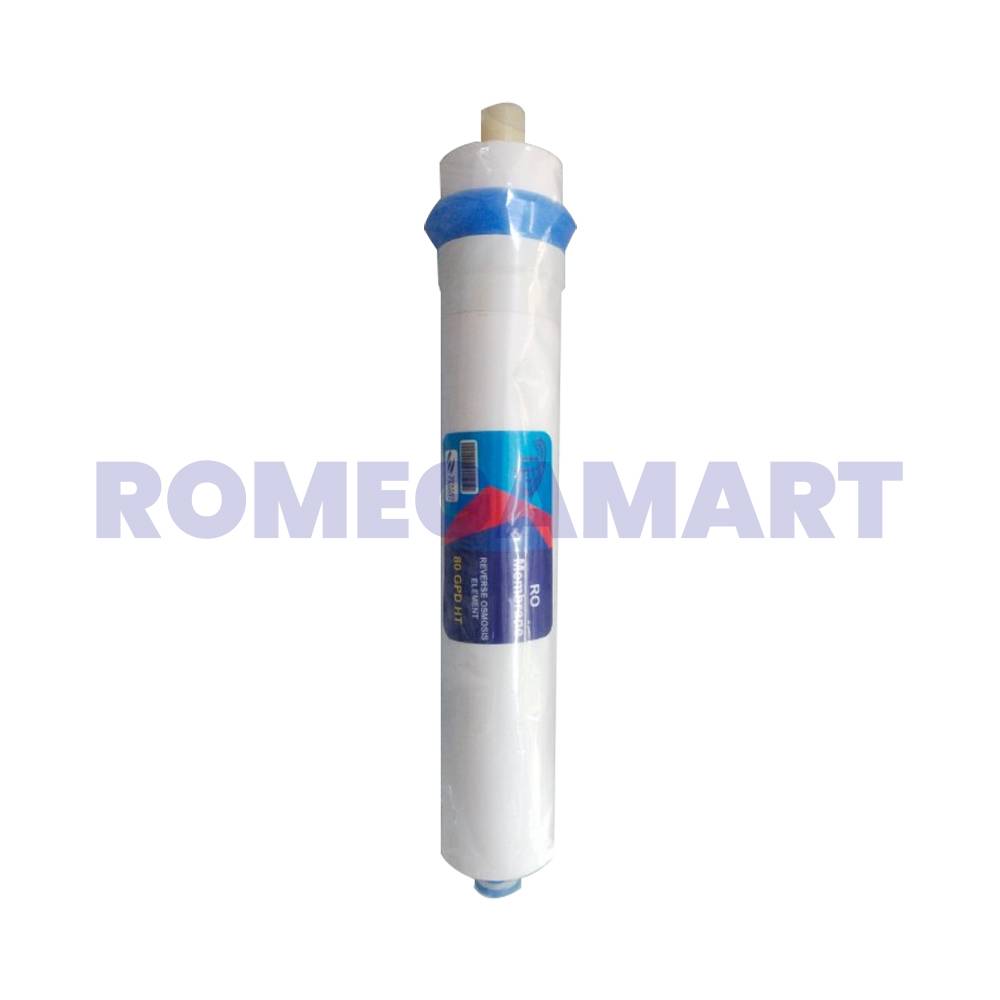
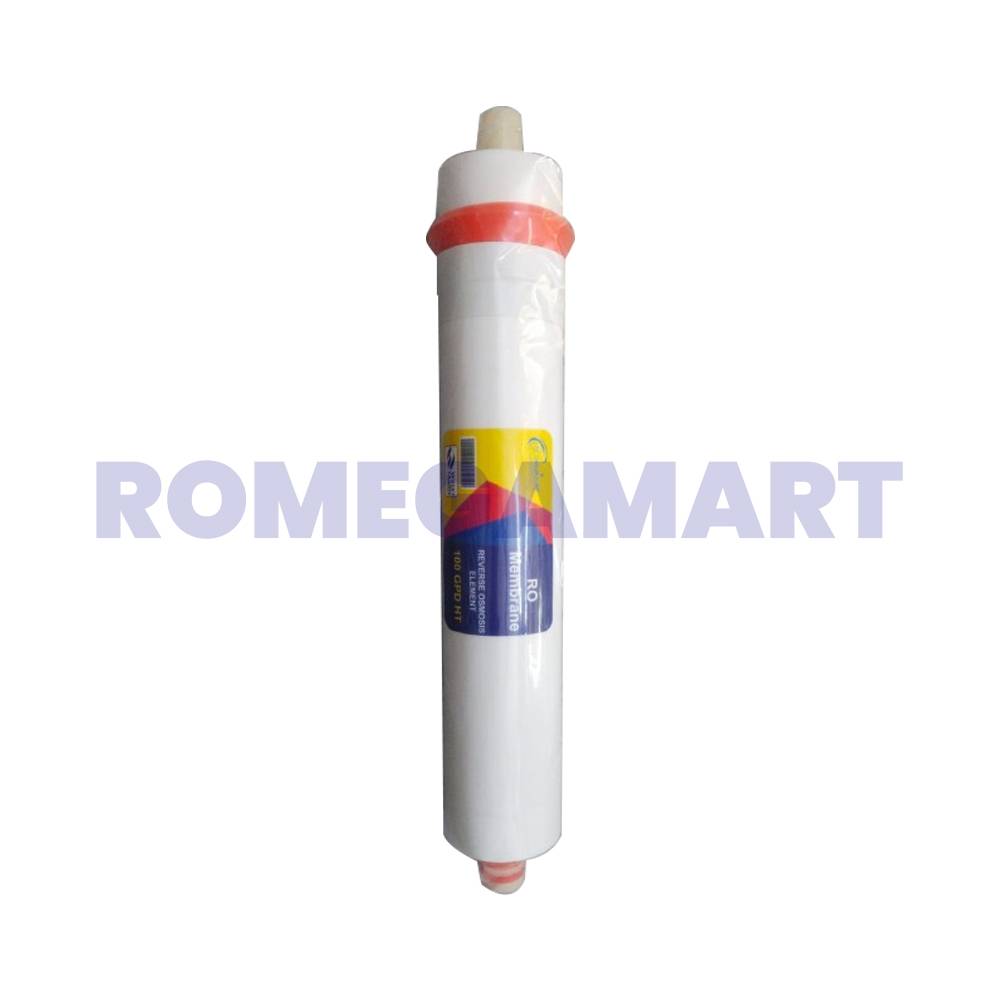
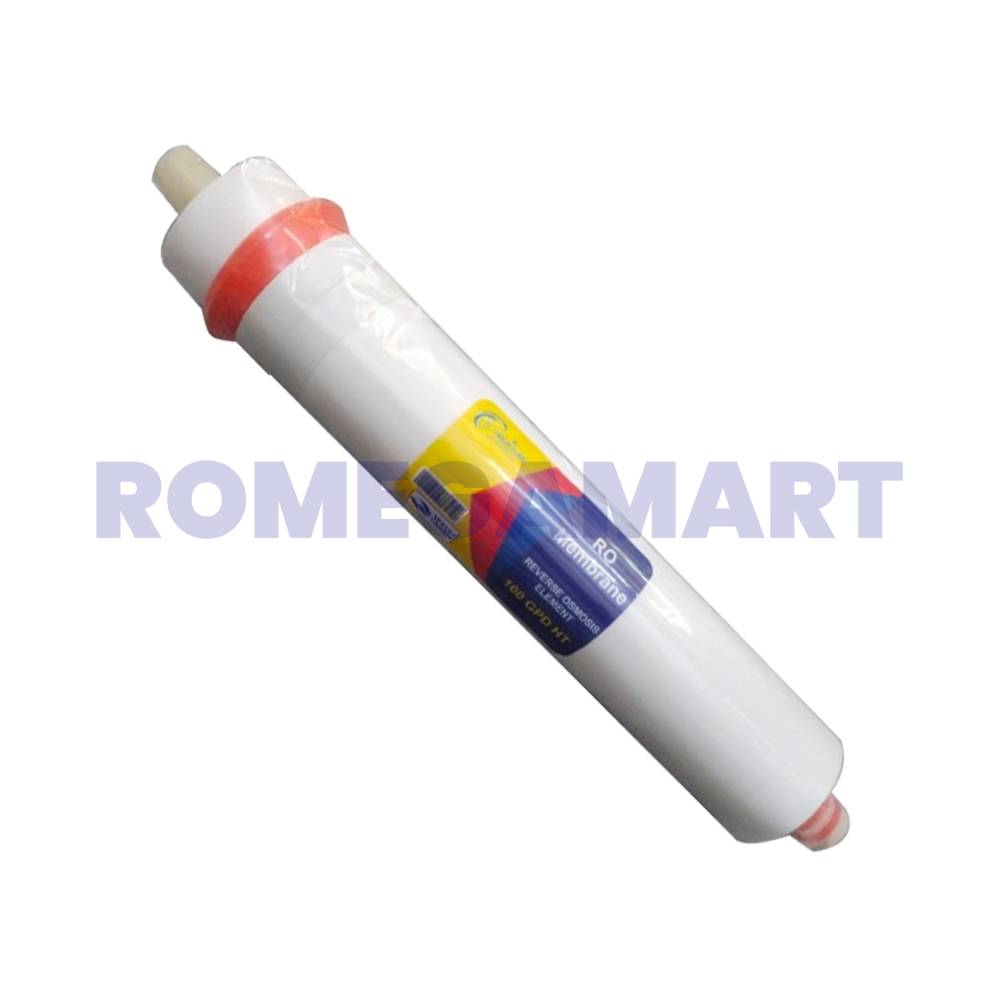
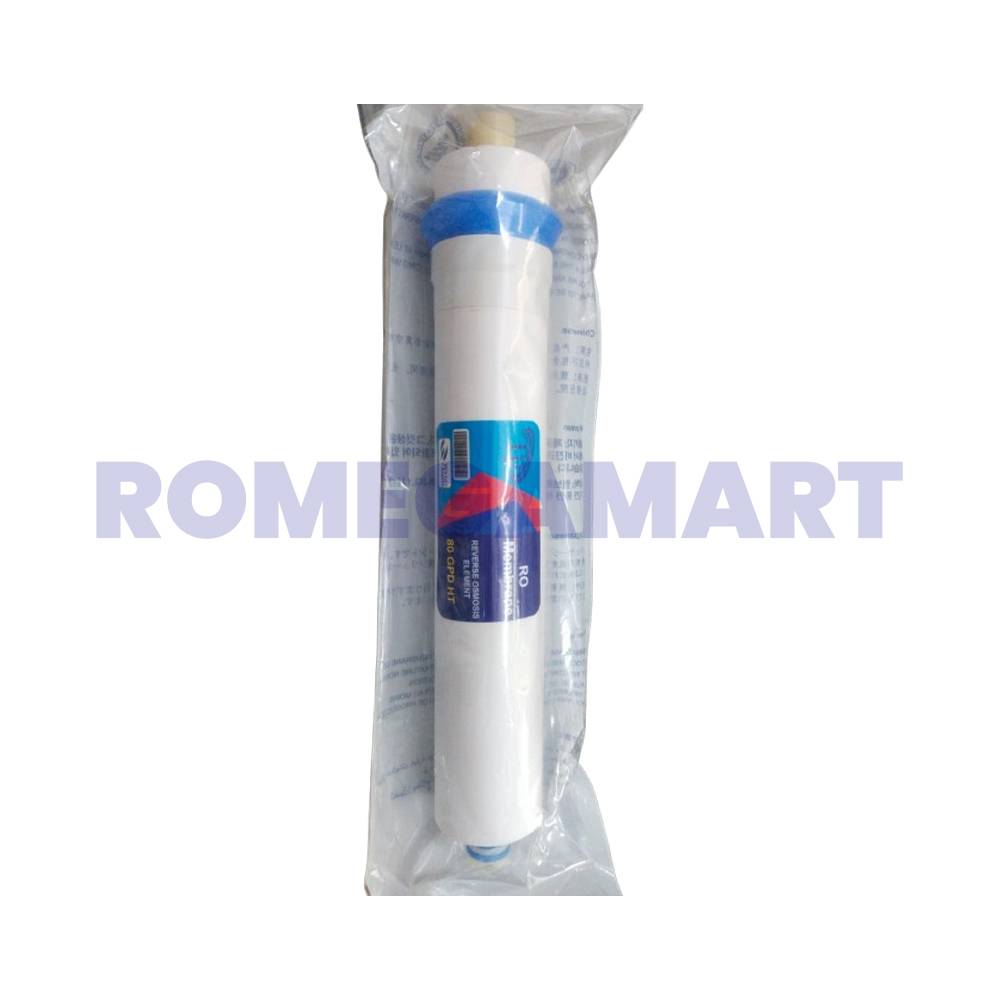
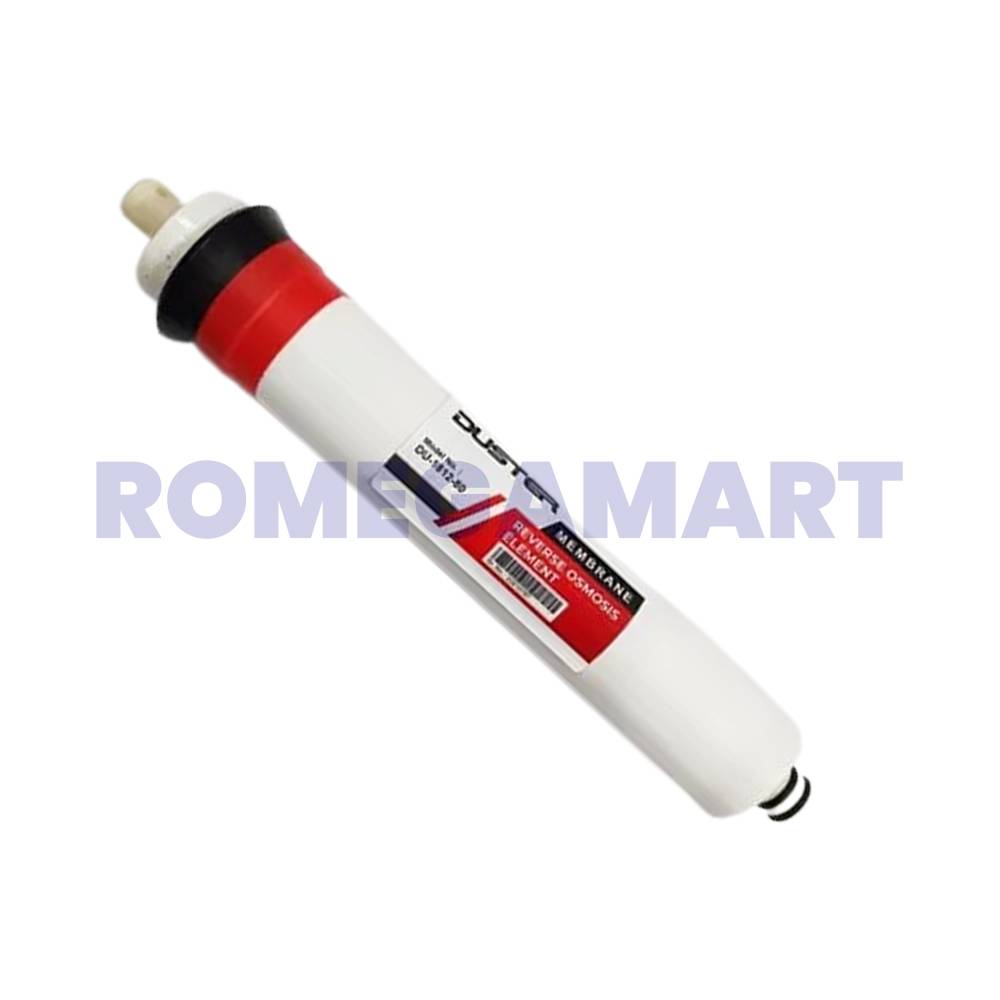
RO Membrane Wholesaler – Bulk Domestic RO Membranes for Water Purifiers
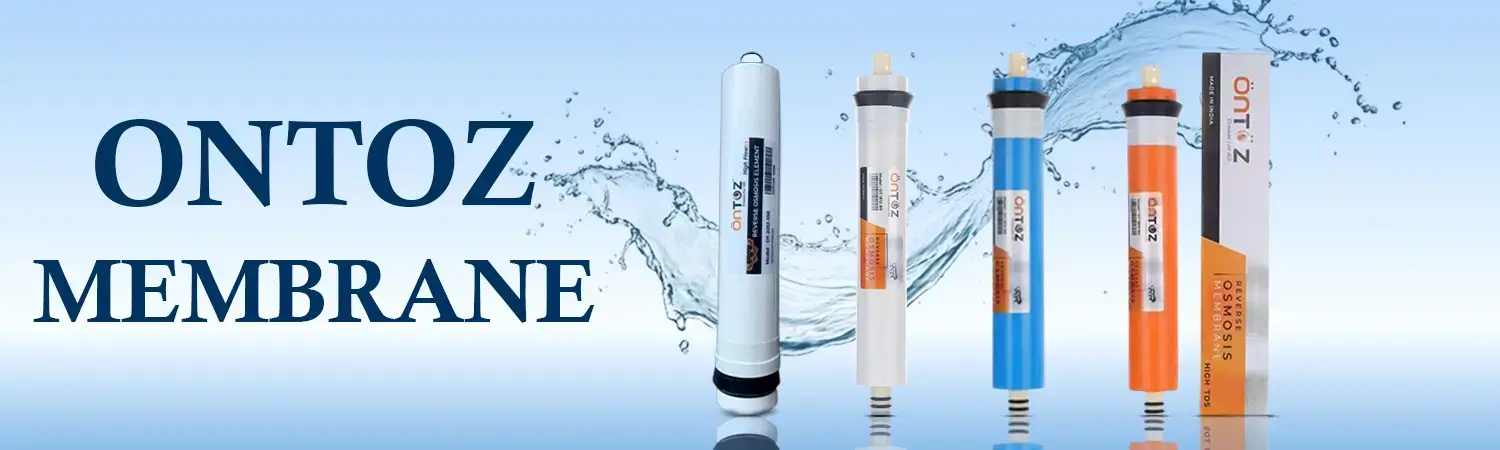
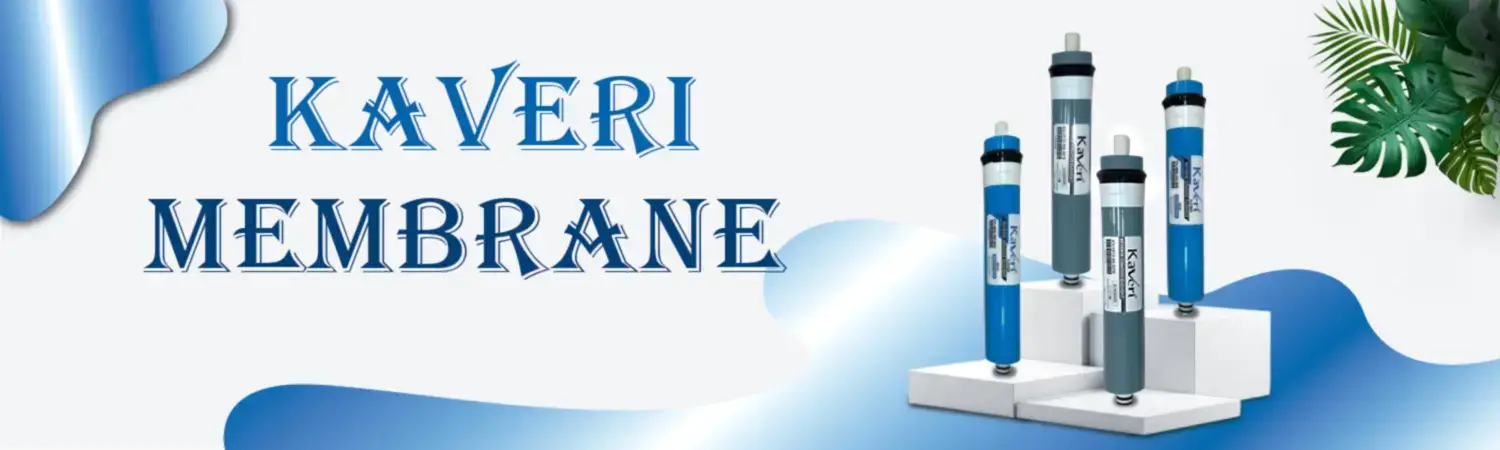
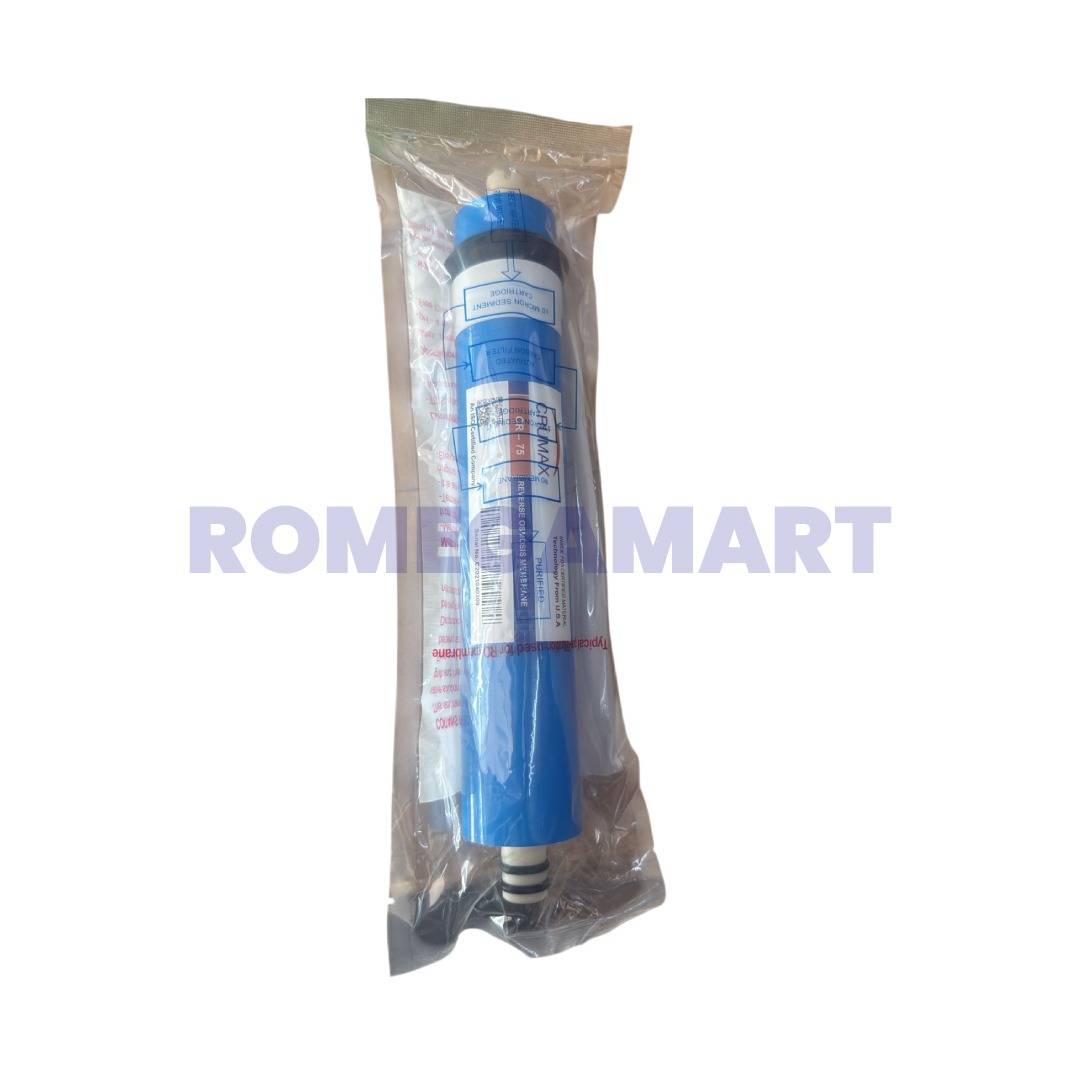
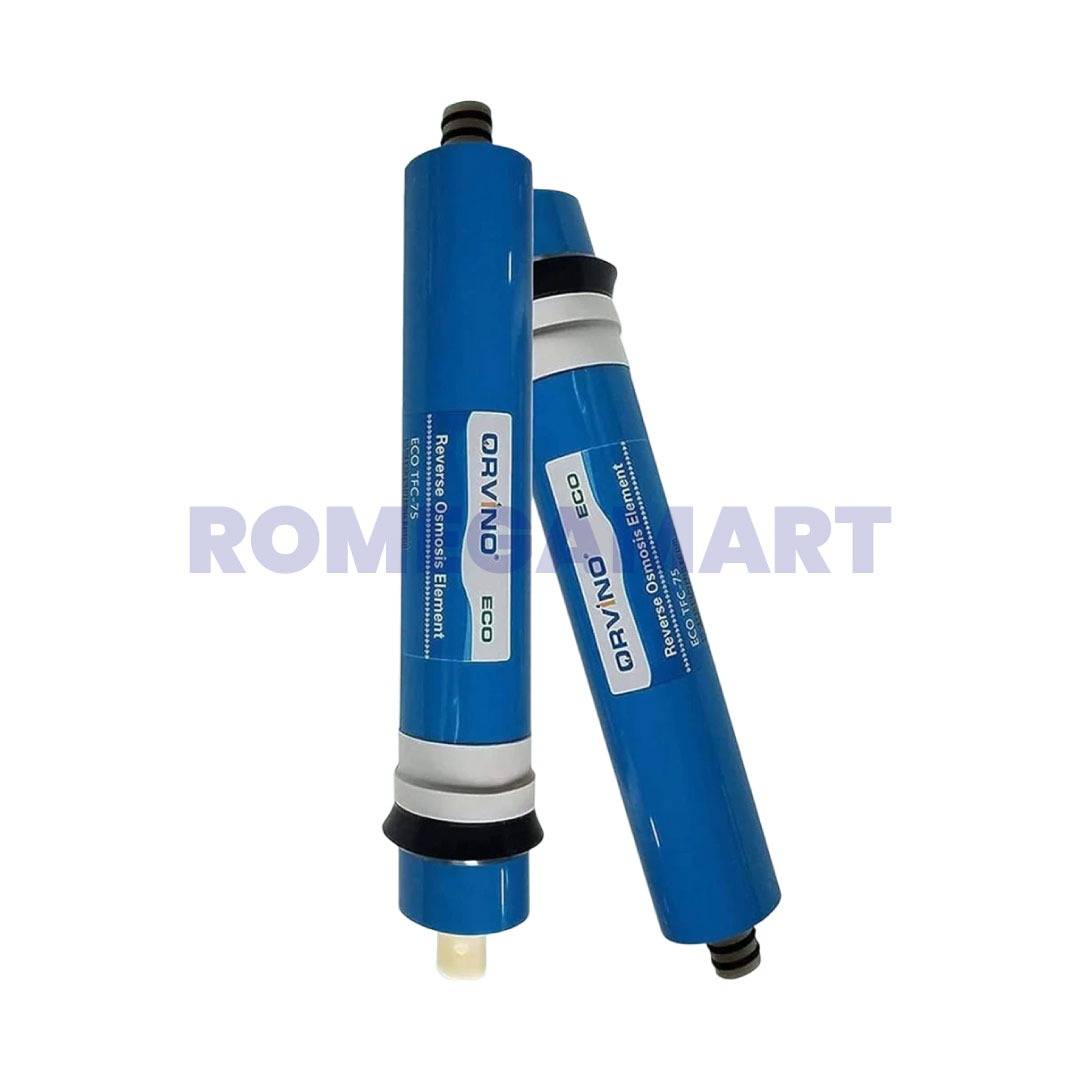
An RO membrane is the core filtration component used in reverse osmosis water purifiers. It removes dissolved salts, heavy metals, bacteria, and chemical contaminants by pushing water through a semi-permeable membrane layer, producing clean drinking water suitable for household consumption.
Water purification technology has become an essential part of modern households due to increasing concerns regarding water contamination and dissolved impurities. Reverse osmosis purification systems are widely used because they can remove microscopic contaminants that conventional filtration methods cannot eliminate.
At the center of these purification systems is the RO membrane, the component responsible for the primary filtration process. This advanced filtration element separates dissolved impurities from water at a molecular level through a semi-permeable membrane structure.
A high-performance RO membrane filter ensures that water purification systems remove dissolved salts, heavy metals, pesticides, and harmful microorganisms effectively. Because of this capability, reverse osmosis filtration has become one of the most widely adopted purification technologies in residential water treatment.
Modern water purification units integrate the water purifier membrane as the core purification stage within a multi-stage filtration system. While sediment filters and carbon filters remove larger particles and chemicals, the membrane performs the most advanced filtration.
The performance of a purification system is largely determined by the quality and efficiency of the domestic RO membrane, making it one of the most critical components in household water purification.
As domestic purification systems continue expanding across residential markets, demand for replacement membranes has grown rapidly. Retailers, service technicians, and distributors frequently source filtration components through RO membrane wholesale suppliers to support purifier manufacturing and maintenance operations.
Role of Membrane Filtration in Reverse Osmosis Systems
Reverse osmosis purification works by applying pressure to push water through a semi-permeable filtration layer. The RO membrane allows water molecules to pass while blocking dissolved contaminants.
During this process, the RO membrane filter separates impurities including:
-
Dissolved salts and minerals
-
Heavy metals such as lead and arsenic
-
Industrial pollutants and chemicals
-
Bacteria and microorganisms
-
Pesticides and organic contaminants
Because of its microscopic filtration capability, the water purifier membrane can remove up to 95–99% of total dissolved solids (TDS) present in water.
This advanced purification capability makes the domestic RO membrane one of the most important filtration elements used in residential water purification systems.
For manufacturers and service providers operating in the purification industry, sourcing reliable membranes through RO membrane wholesale channels is essential to ensure consistent purifier performance.
Common Membrane Capacities Used in Domestic Purifiers
Domestic water purification systems use membranes with different capacities depending on household water consumption and system design.
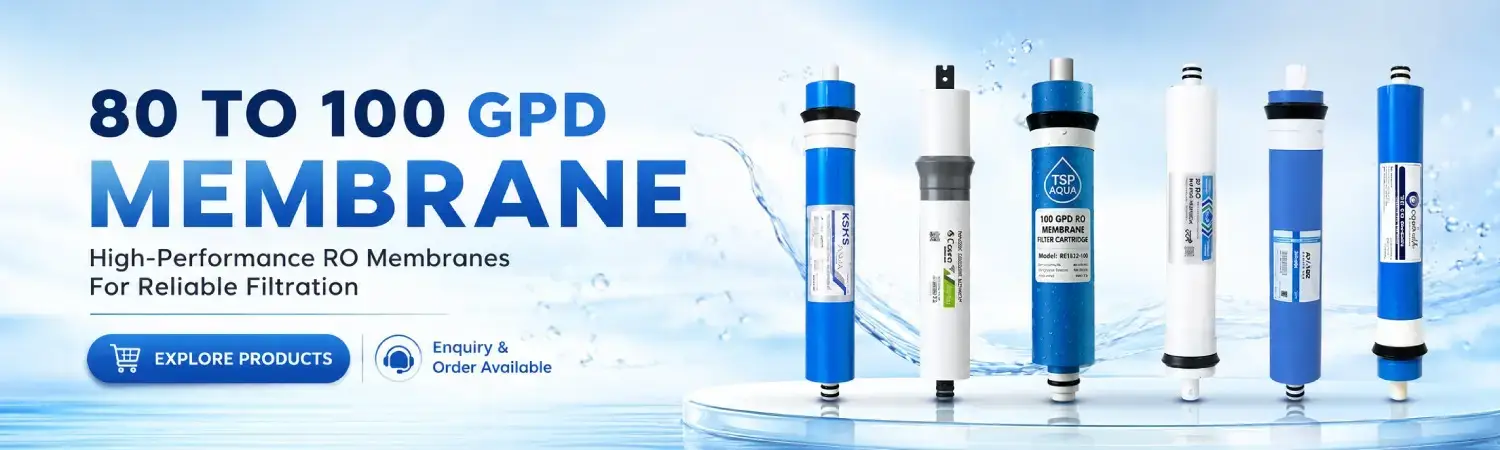
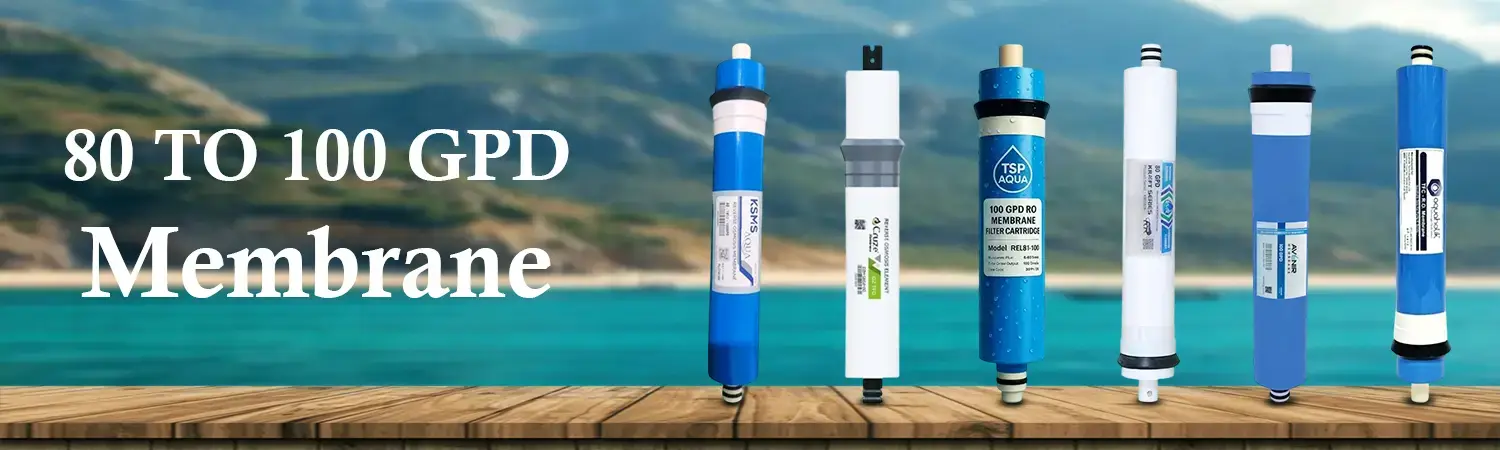
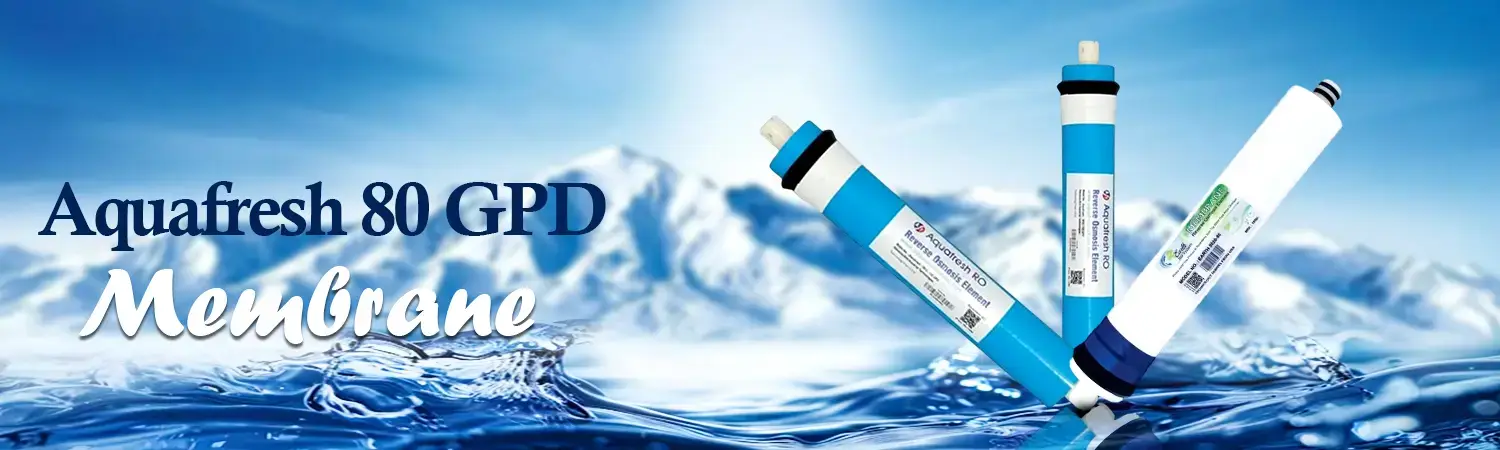
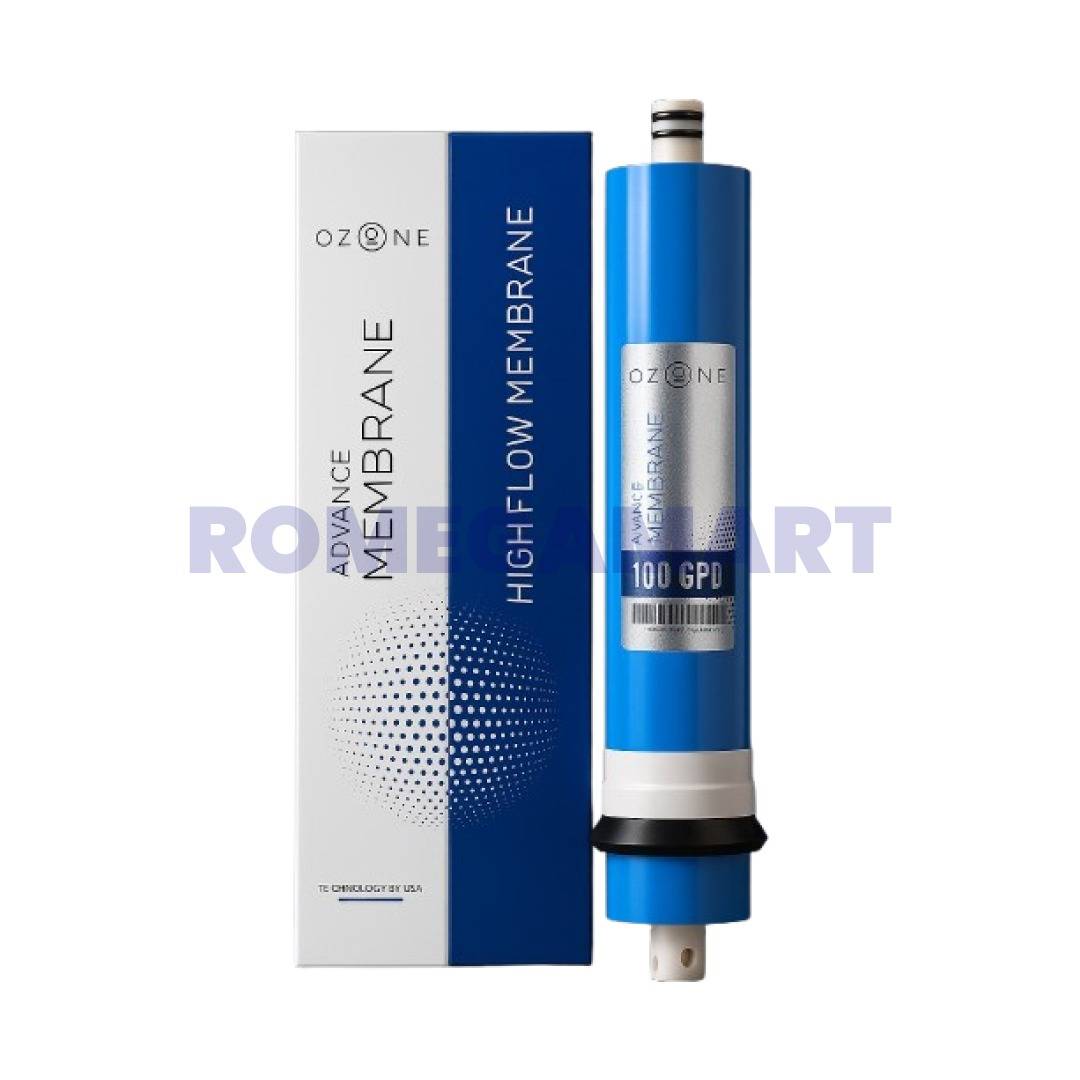
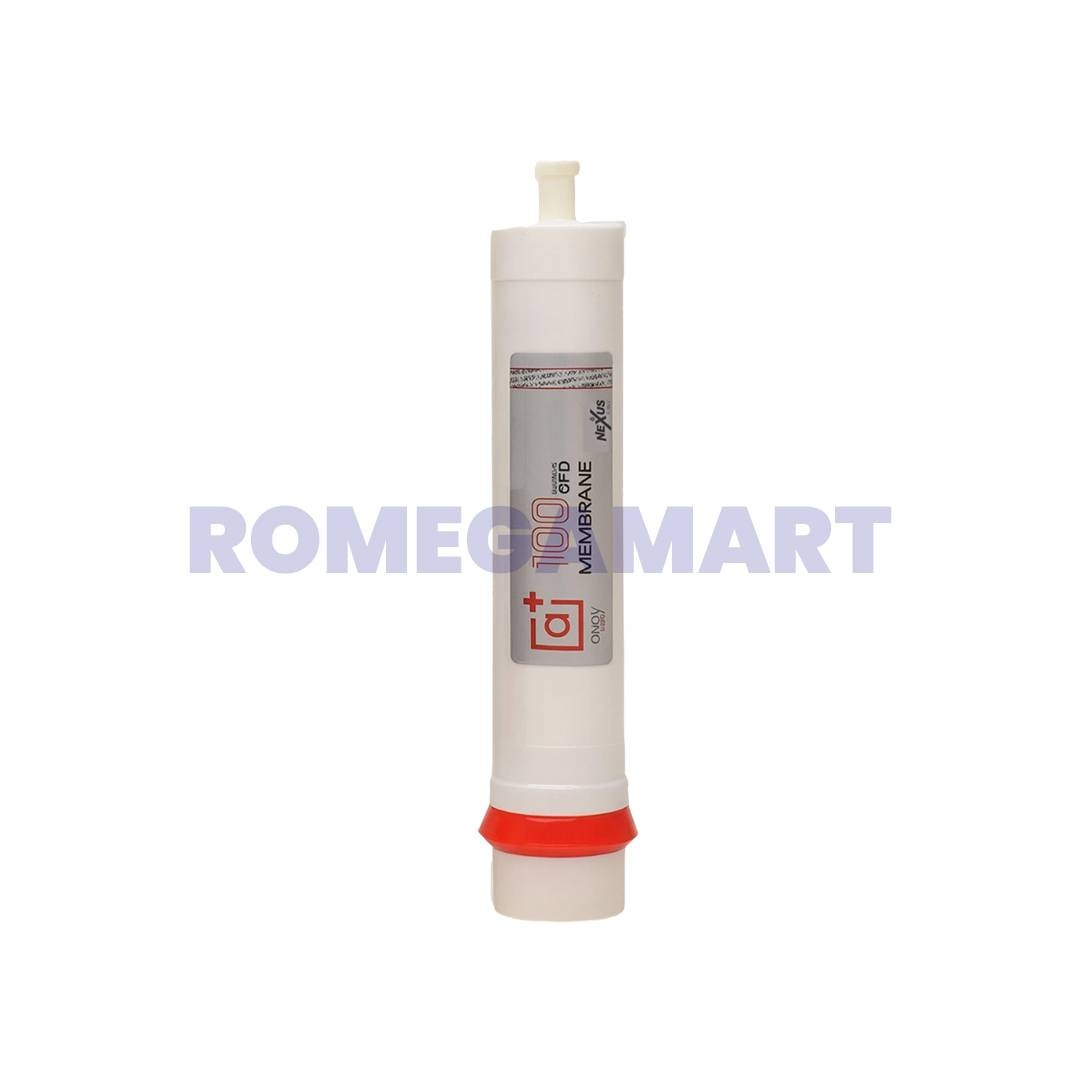
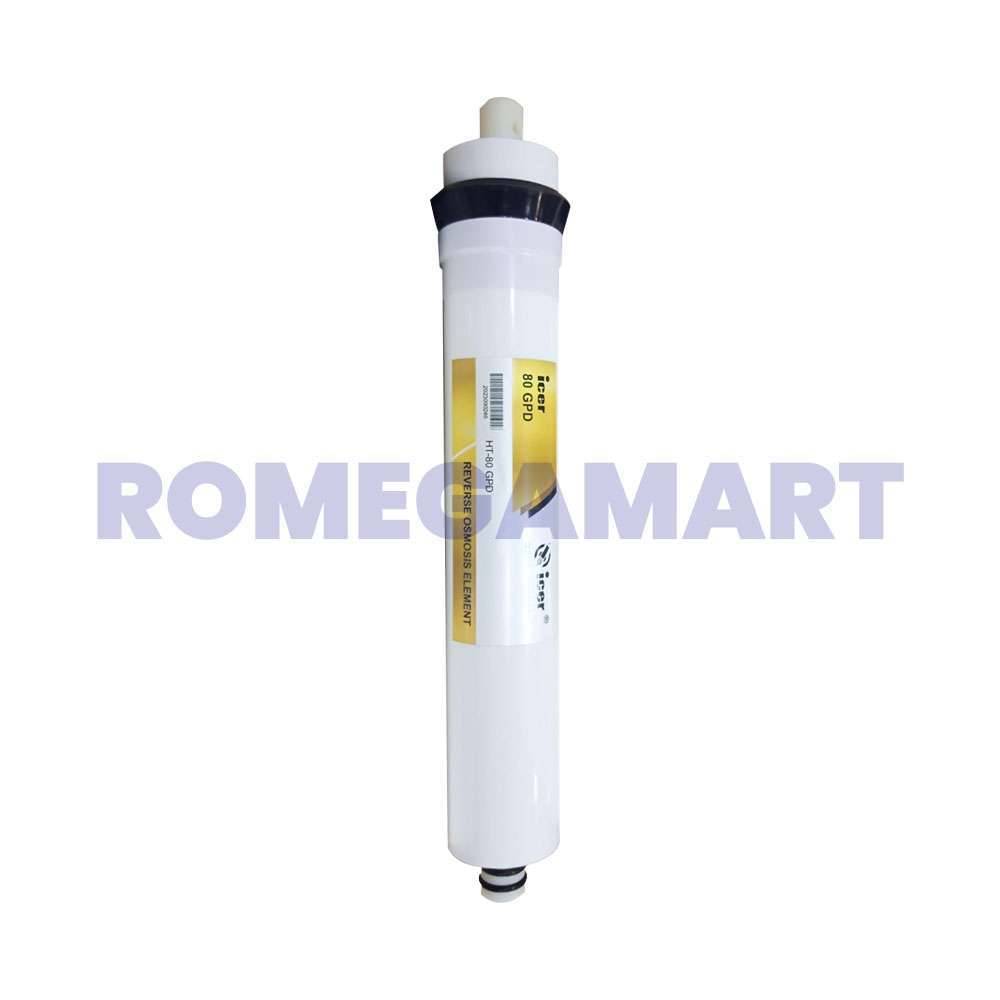
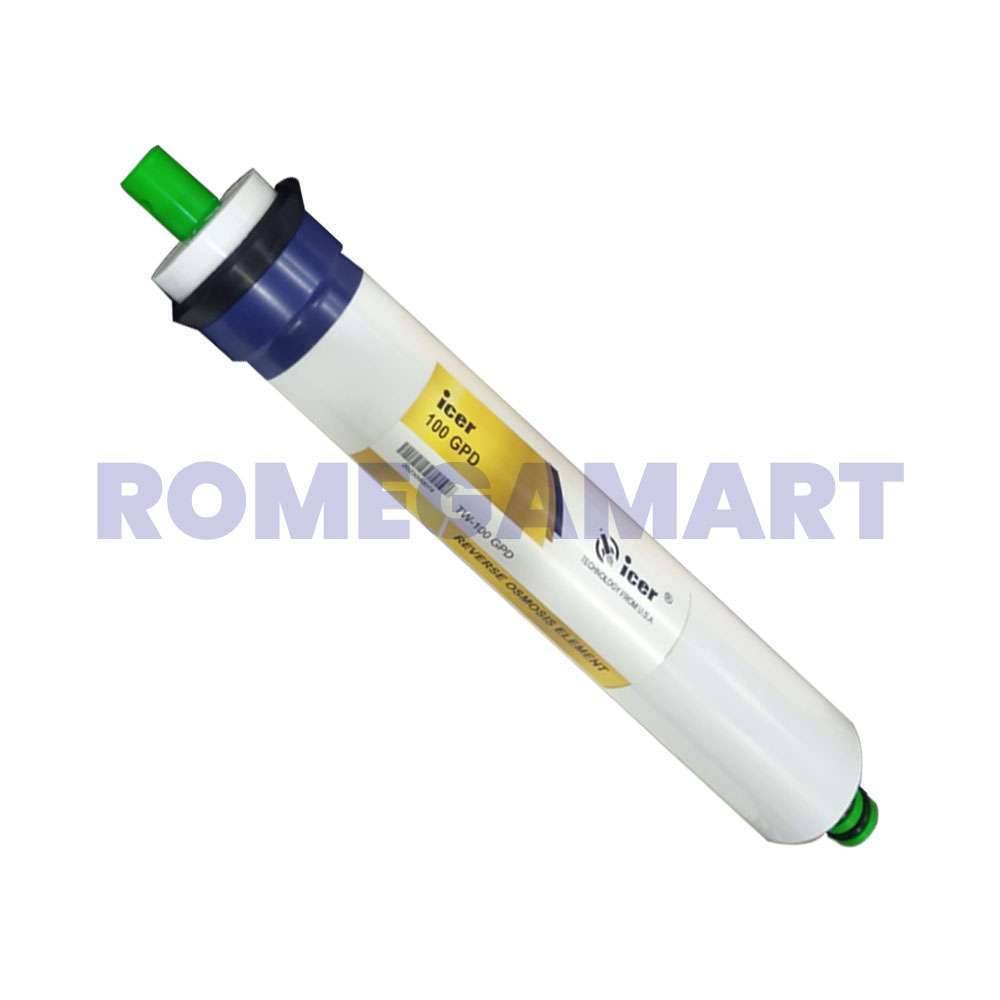
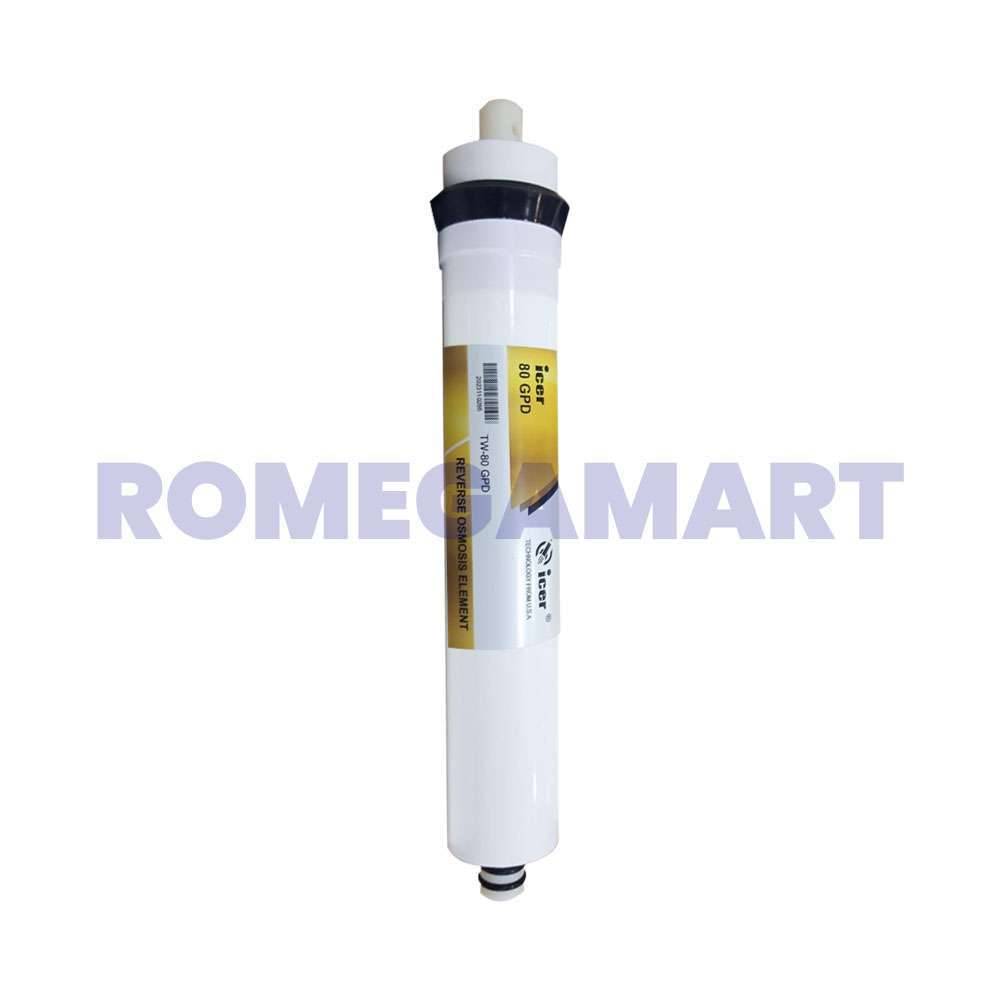
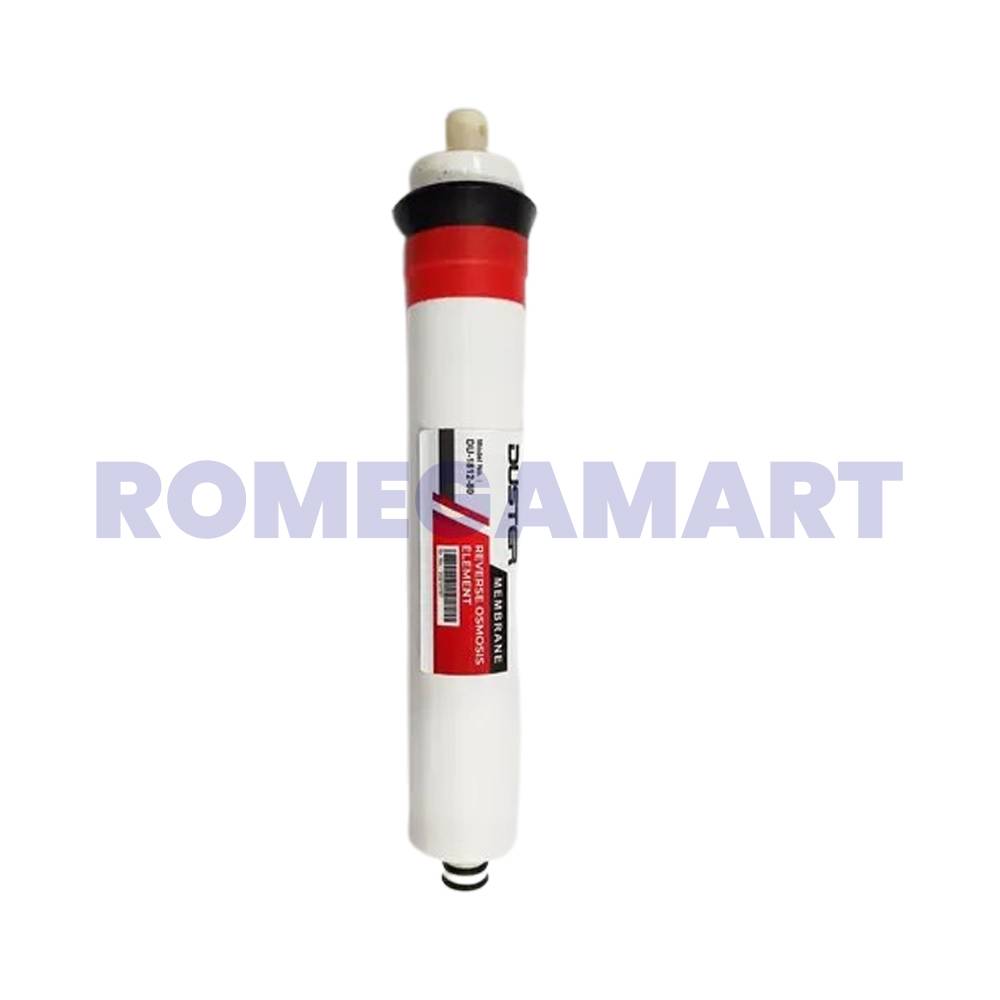
The RO membrane capacity is typically measured in GPD (gallons per day), which indicates the amount of purified water the membrane can produce.
| Membrane Capacity | Typical Application |
|---|---|
| 50 GPD | Compact domestic RO purifiers |
| 75 GPD | Standard household systems |
| 80 GPD | High-efficiency residential purifiers |
| 100 GPD | Larger capacity domestic systems |
These capacities determine the daily output of the RO membrane filter and influence the purification speed of the system.
Manufacturers design water purifier membrane units with stable filtration performance to ensure reliable water purification across these capacities.
Retailers and technicians frequently maintain inventory of multiple domestic RO membrane capacity options to support installation and repair services.
Bulk procurement through RO membrane wholesale suppliers helps distributors and retailers maintain steady product availability.
Membrane Construction and Filtration Technology
The effectiveness of an RO membrane depends largely on the materials and technology used during manufacturing.
Most modern RO membrane filter units are produced using thin-film composite (TFC) technology. This advanced filtration material consists of multiple microscopic layers designed to separate impurities from water efficiently.
The structure of a water purifier membrane typically includes:
-
Protective outer layer
-
Semi-permeable filtration membrane
-
Support layers for structural strength
This multi-layer structure enables the domestic RO membrane to deliver high contaminant rejection while maintaining stable water flow.
Advanced membrane manufacturing techniques ensure that filtration performance remains consistent over extended operational periods.
Businesses sourcing membranes through RO membrane wholesale suppliers often prioritize products manufactured using reliable filtration technology.
Market Demand for Membrane Components
The growing adoption of household water purification systems has significantly increased the demand for filtration components. Among these components, the RO membrane remains the most critical and frequently replaced element.
As purification systems operate continuously, the RO membrane filter gradually accumulates dissolved contaminants that eventually reduce filtration efficiency.
Because of this natural wear process, replacement of the water purifier membrane is required periodically to maintain purification performance.
This replacement demand has created a consistent market for domestic RO membrane products across retailers, technicians, and distributors.
Bulk sourcing through RO membrane wholesale suppliers allows businesses to maintain inventory and support the growing purification market.
B2B marketplaces such as Romegamart help connect membrane manufacturers with retailers and distributors within the water purification supply chain.
Importance of Membrane Replacement in Purification Systems
Over time, contaminants accumulate on the surface of the RO membrane, reducing its ability to filter dissolved impurities effectively.
When the filtration capacity decreases, the RO membrane filter may produce water with higher TDS levels or reduced purification speed.
Replacing the water purifier membrane restores the purification efficiency of the system and ensures consistent drinking water quality.
Service technicians therefore maintain stock of domestic RO membrane components for maintenance and repair operations.
Businesses that source products through RO membrane wholesale suppliers can ensure that replacement components remain available for customers.
Why Businesses Source Membranes in Bulk
Companies operating in the water purification industry often require large quantities of filtration components to support manufacturing, distribution, and maintenance services.
Purchasing RO membrane products through bulk procurement channels helps retailers and distributors maintain consistent inventory levels.
Reliable RO membrane filter suppliers provide standardized filtration components compatible with commonly used purification systems.
Wholesale procurement of water purifier membrane units allows distributors to supply technicians, retailers, and purifier manufacturers efficiently.
Businesses sourcing domestic RO membrane products through RO membrane wholesale networks therefore support the operational requirements of the growing purification industry.
Key Features of High-Quality Membranes
| Feature | Benefit |
|---|---|
| High Contaminant Rejection | Removes dissolved impurities |
| Stable Water Output | Ensures consistent purification |
| Durable Construction | Extends membrane lifespan |
| System Compatibility | Fits common purifier models |
These characteristics allow the RO membrane to function as the primary filtration component in reverse osmosis purification systems.
FAQs
What does an RO membrane do in a purifier?
An RO membrane removes dissolved salts, heavy metals, and microorganisms from water through reverse osmosis filtration.
What capacities are used in domestic membranes?
Common water purifier membrane capacities include 50 GPD, 75 GPD, 80 GPD, and 100 GPD.
How long does an RO membrane last?
A typical RO membrane filter lasts between 1 and 2 years depending on water quality and purifier usage.
Why does an RO membrane need replacement?
Over time, contaminants accumulate on the domestic RO membrane, reducing filtration efficiency.
Where can businesses buy membranes in bulk?
Retailers and distributors often purchase filtration components through RO membrane wholesale suppliers.
Conclusion
Water purification systems depend on several filtration components working together to produce safe drinking water. Among these components, the RO membrane performs the most advanced purification process by removing dissolved impurities and microscopic contaminants.
A reliable RO membrane filter ensures effective filtration and helps maintain water quality in domestic purification systems. As household water purification continues to expand, demand for high-performance water purifier membrane products continues to grow.
Retailers, technicians, and distributors rely on durable domestic RO membrane components to maintain purifier performance and support installation services. Businesses sourcing membranes through RO membrane wholesale networks play a vital role in maintaining the supply chain of the residential water purification industry.