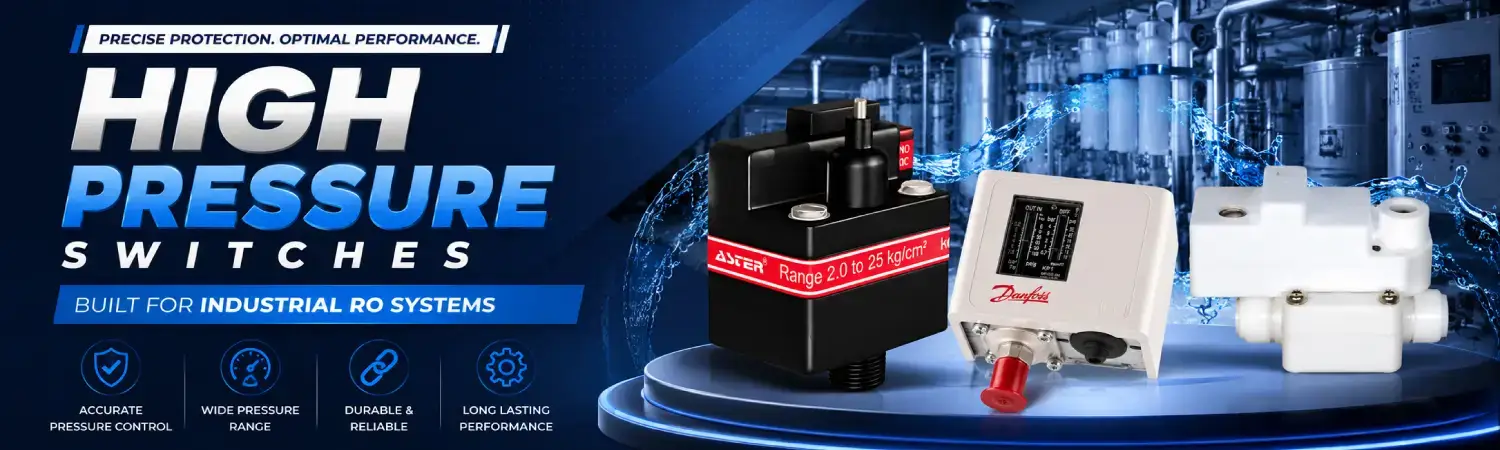
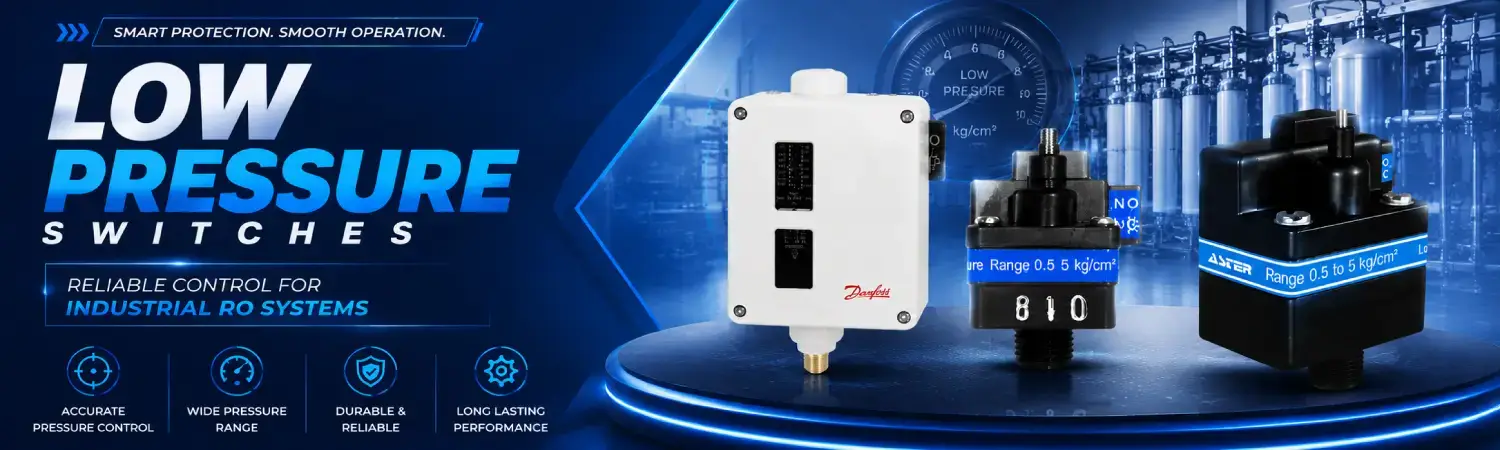
Industrial RO Pressure Switch (LPS / HPS) in Delhi
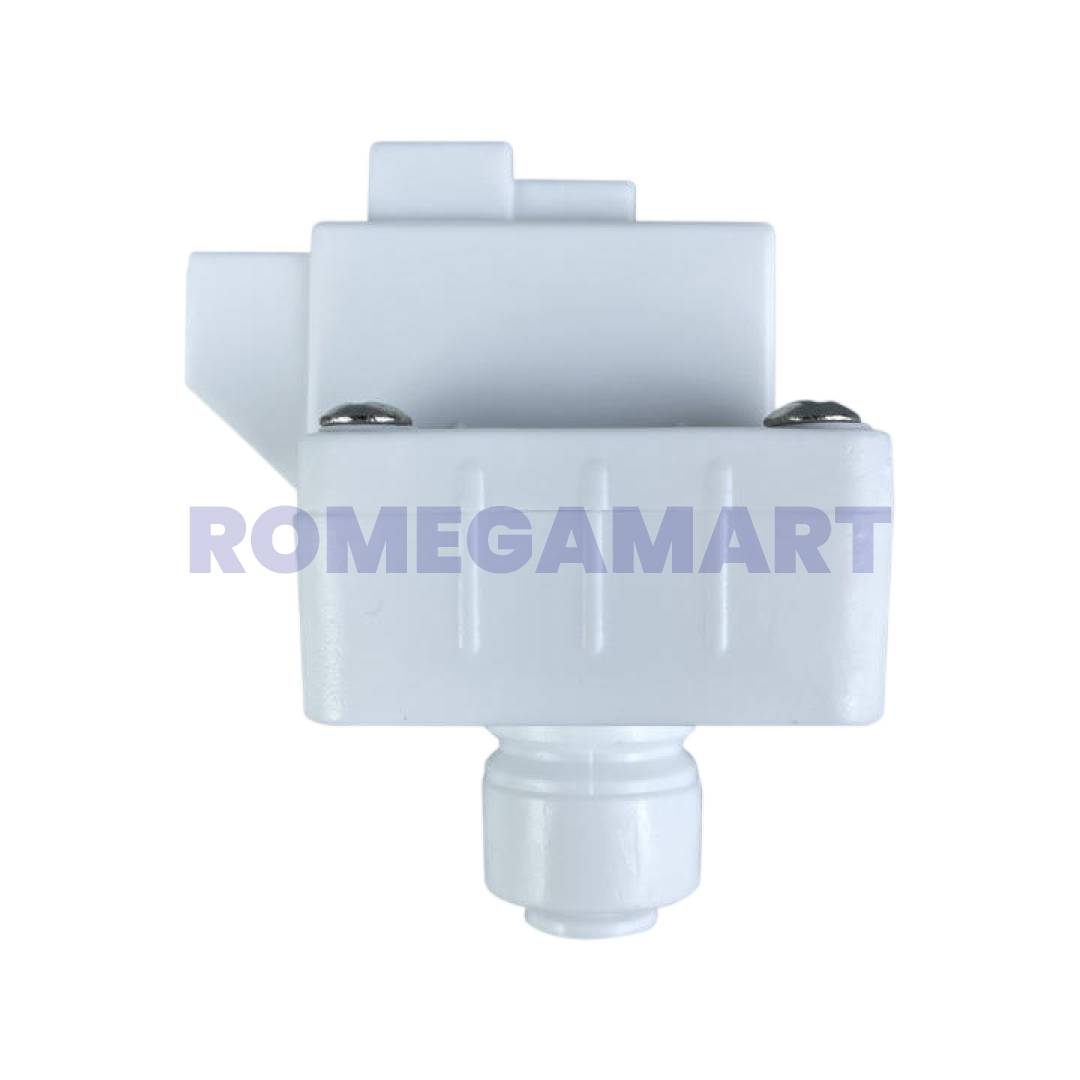


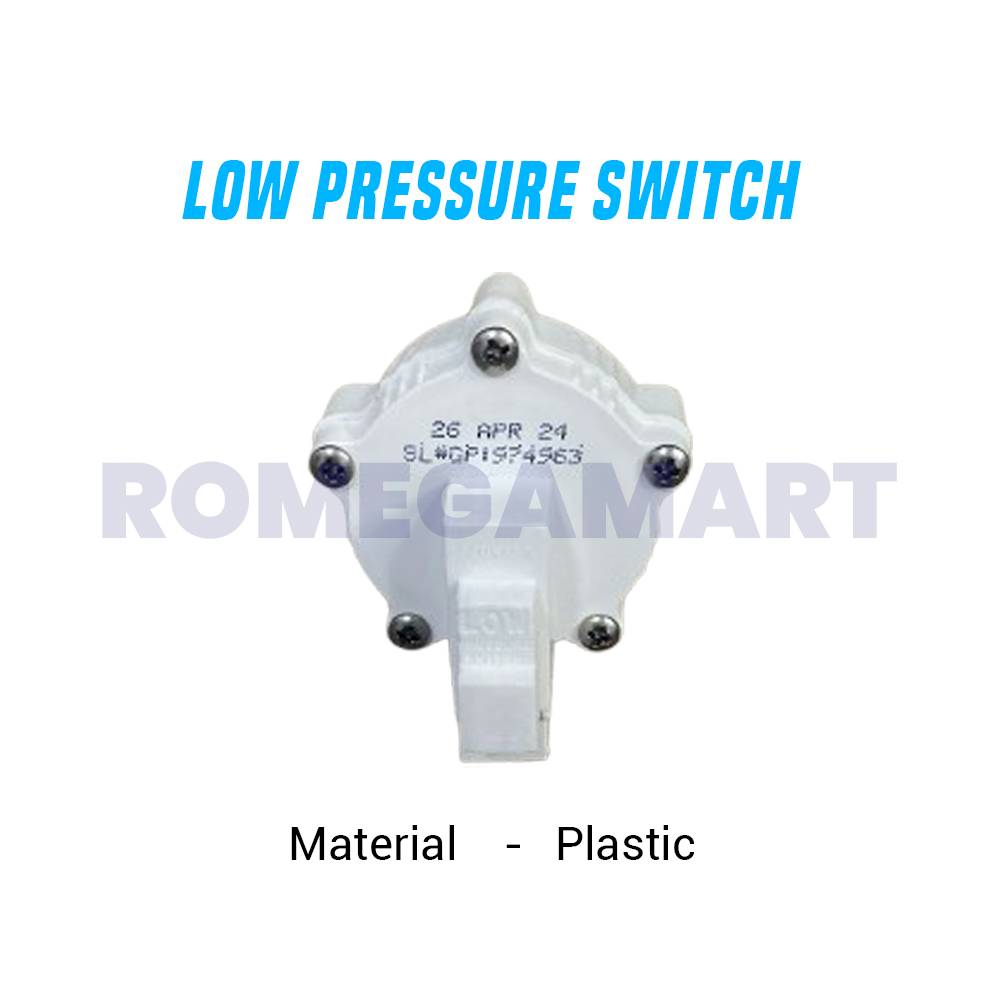
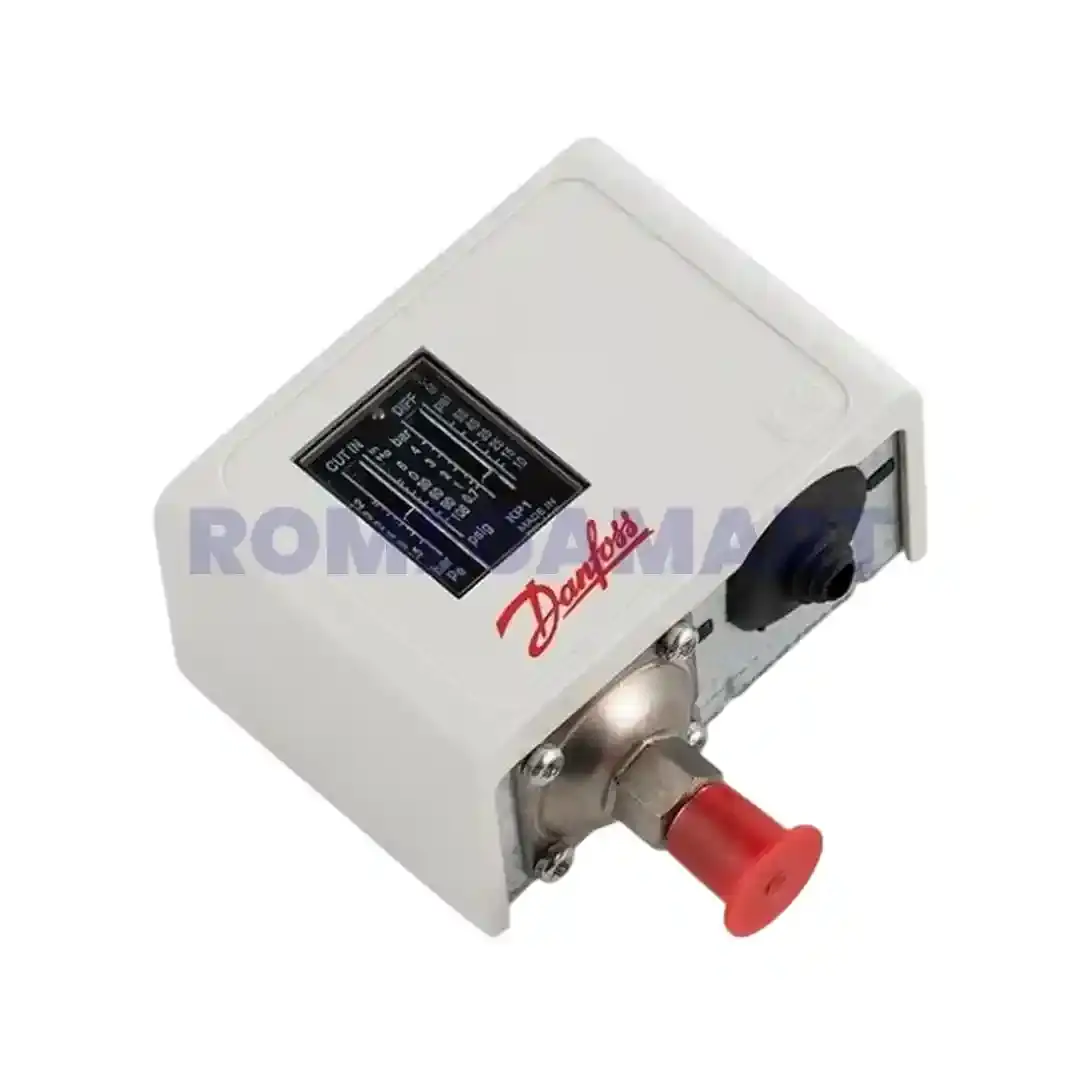
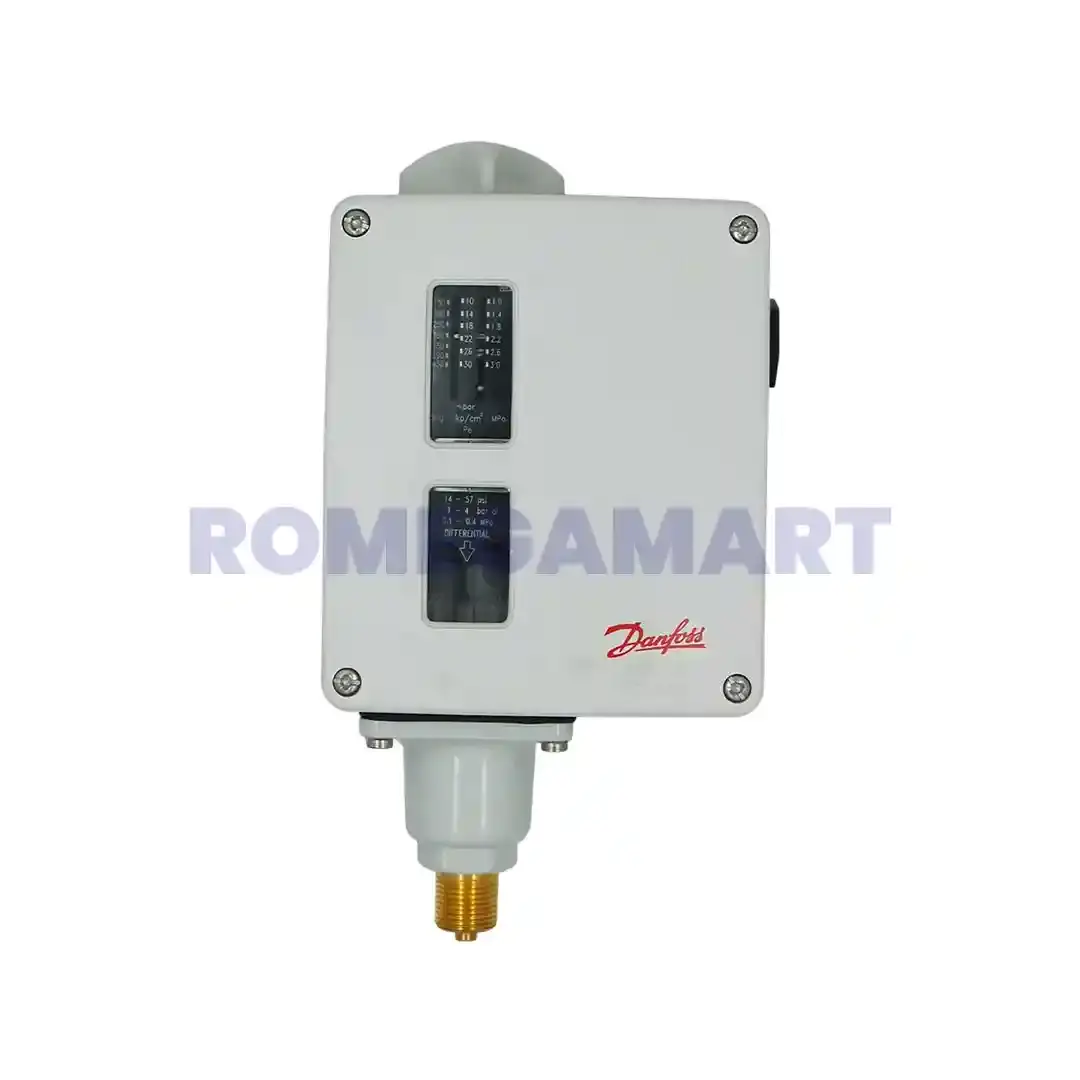


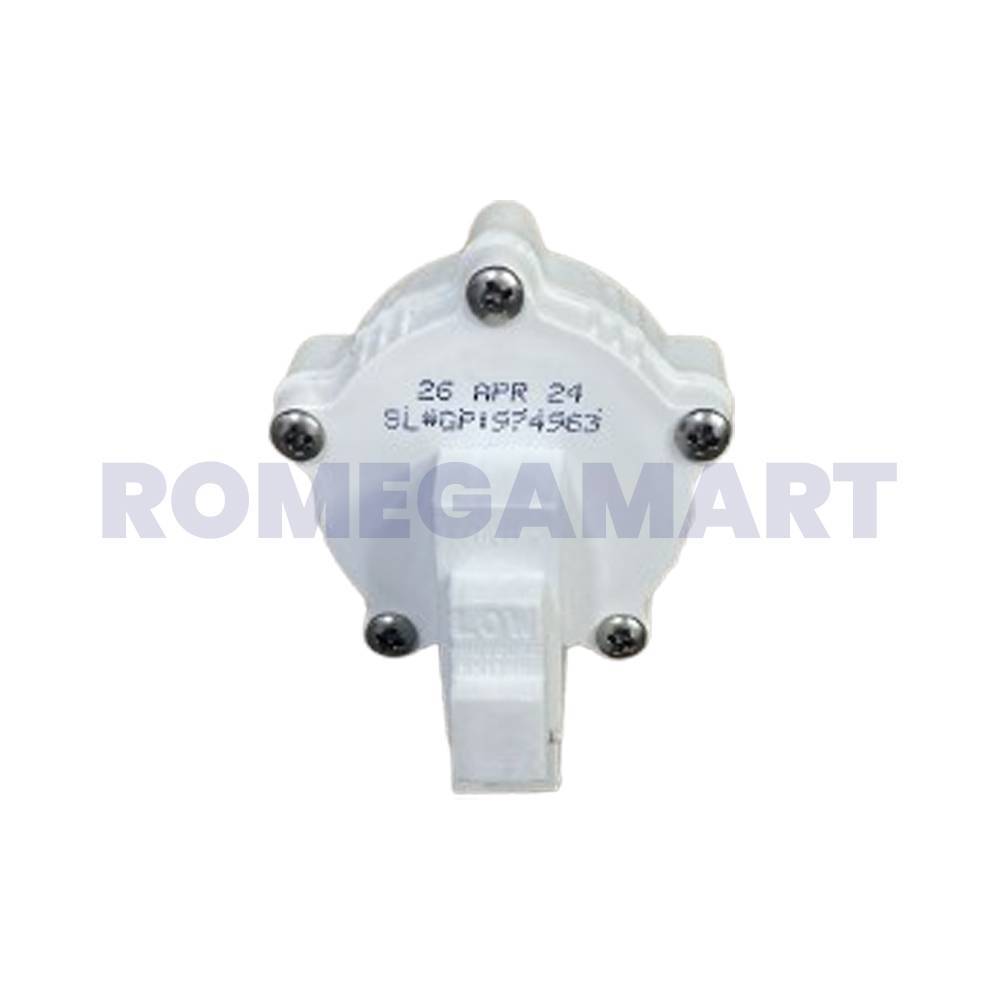


Industrial RO Pressure Switch (LPS / HPS)
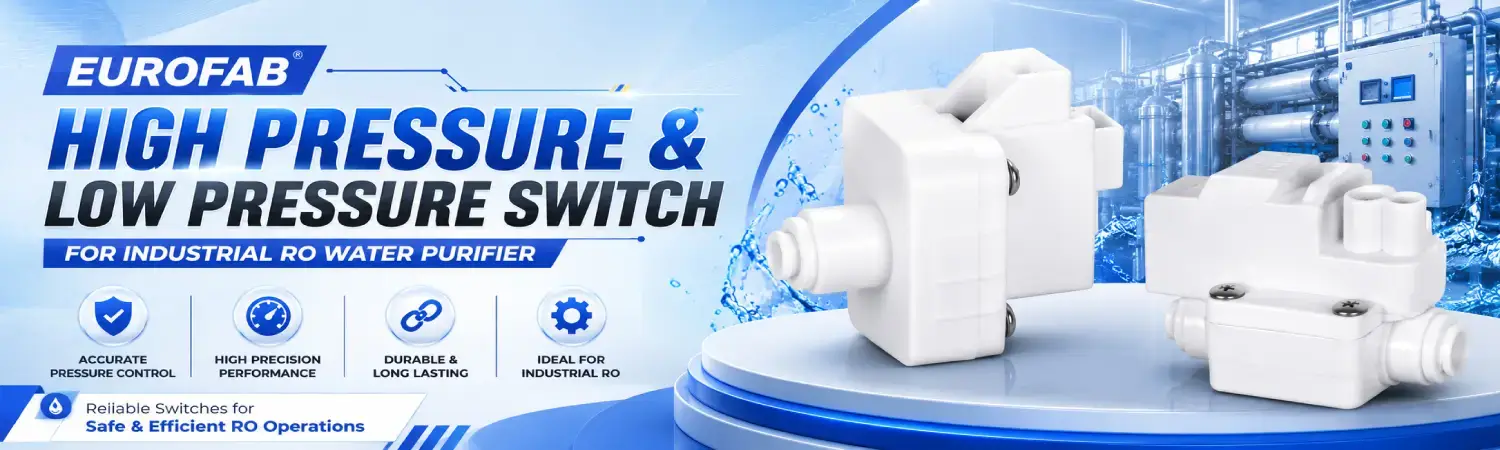
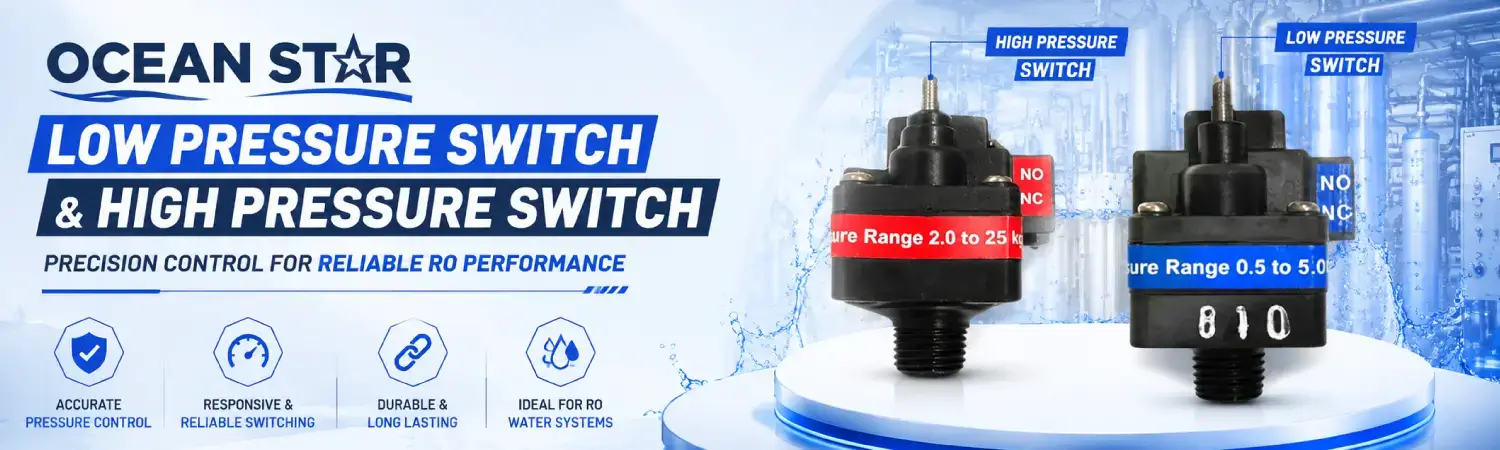
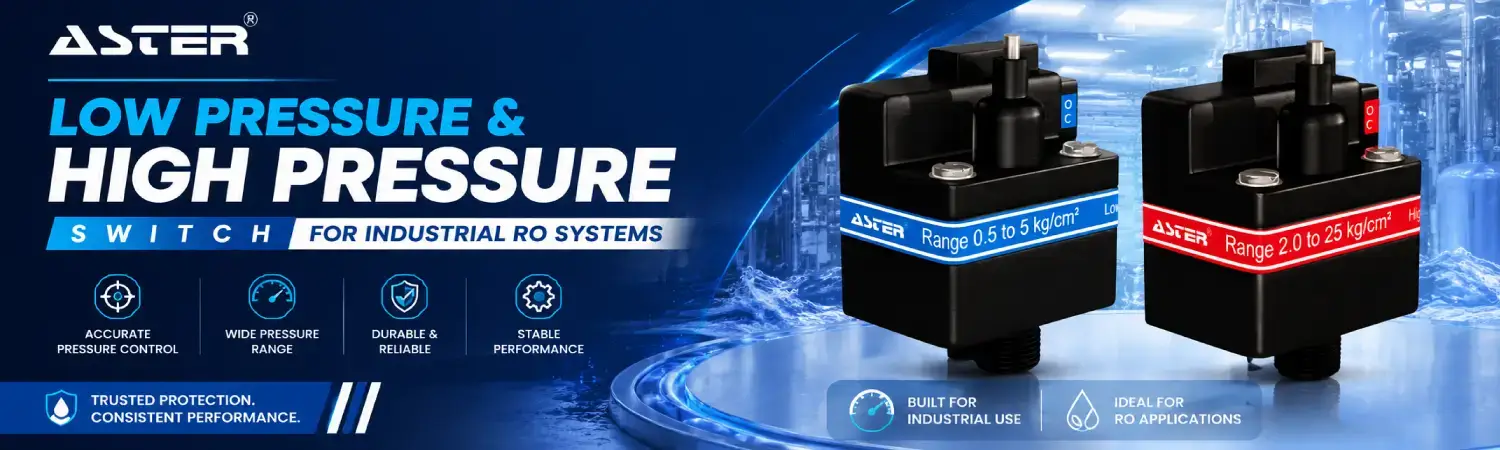
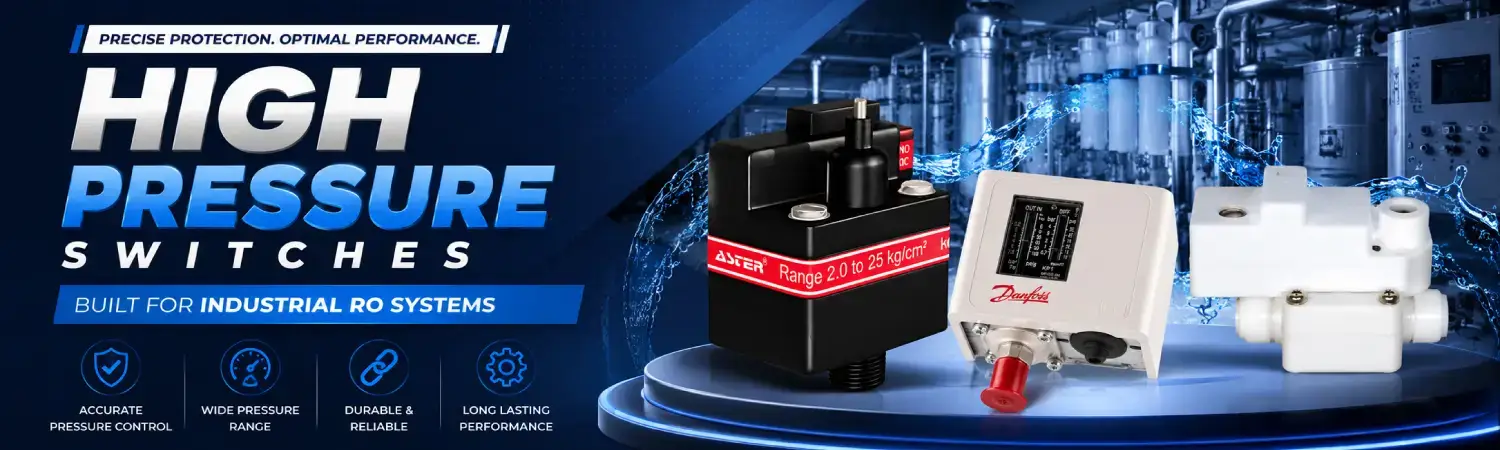
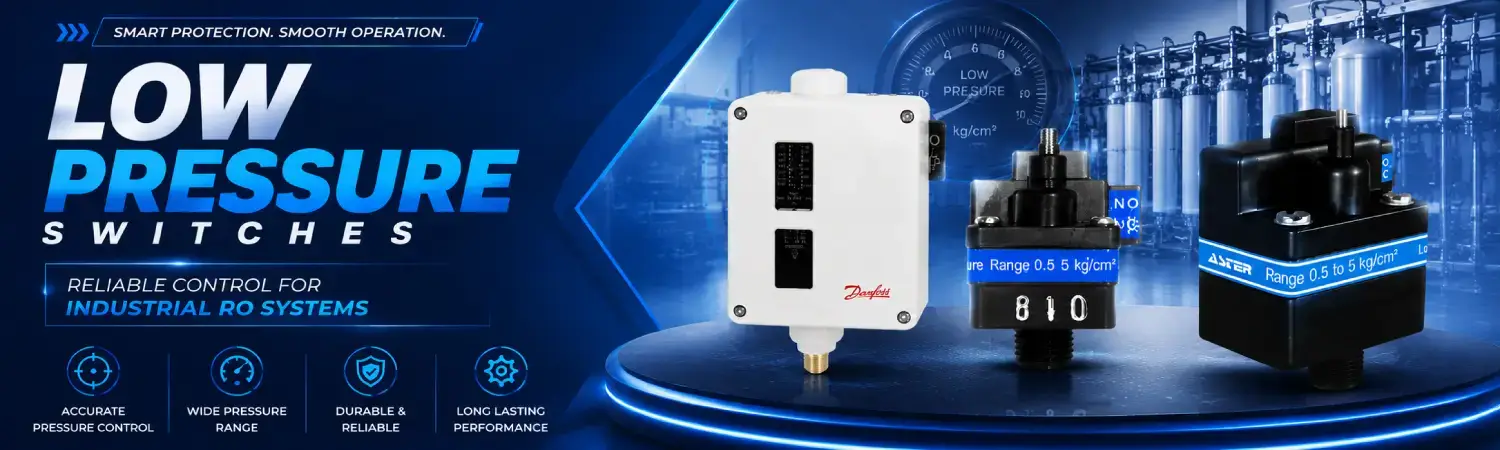
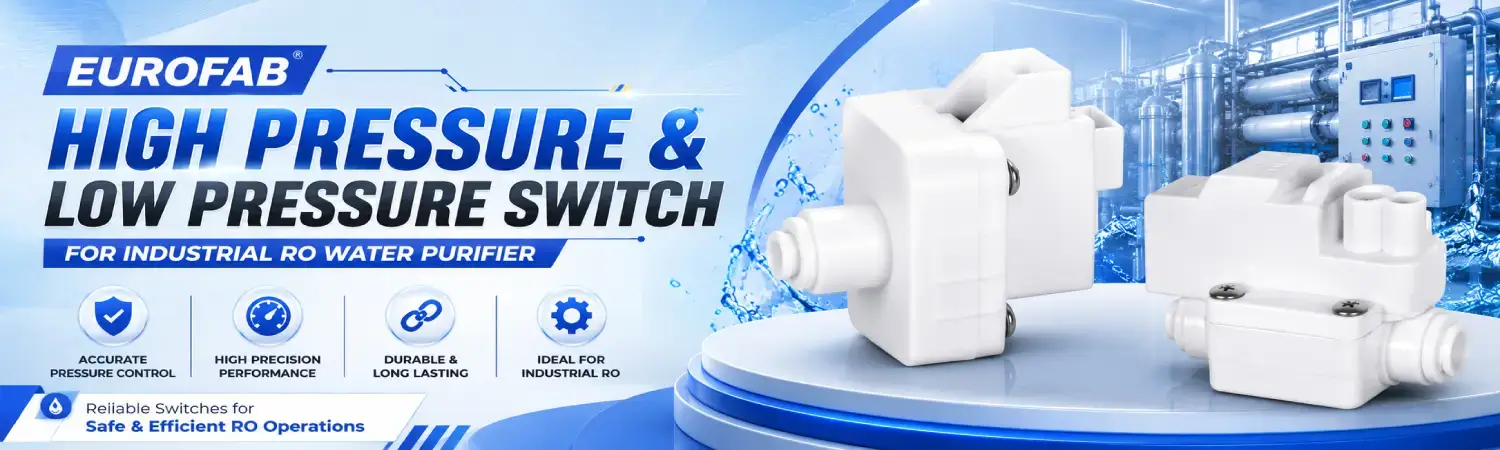
Explore a reliable range of Industrial RO Pressure Switch solutions, including Low Pressure Switch (LPS) and High Pressure Switch (HPS), for industrial RO plants, commercial water-treatment systems, and process-water applications. Romegamart offers durable pressure switches designed to protect high-pressure pumps, membranes, and piping by monitoring and controlling system pressure.
Whether you are looking for an industrial RO Pressure Switch wholesaler, LPS manufacturer, or HPS retailer, this category supports plant operators, RO fabricators, service engineers, and water-treatment dealers. Choose the right pressure switch based on your system pressure range, set point, electrical rating, connection type, and RO plant configuration.
Buy Industrial RO Pressure Switch Online
An Industrial RO Pressure Switch (LPS/HPS) is an important electromechanical safety and control component used in water-treatment and RO plant systems. It automatically opens or closes an electrical circuit when a preset pressure threshold is reached, helping to start or stop pumps, trigger alarms, or shut down the system to prevent damage.
At Romegamart, you can find industrial RO pressure switches suitable for water-purification requirements. These units are useful for RO plant manufacturers, maintenance teams, industrial water-treatment companies, distributors, and businesses searching for reliable RO spares and control components online.
Typical applications of industrial RO pressure switches include:
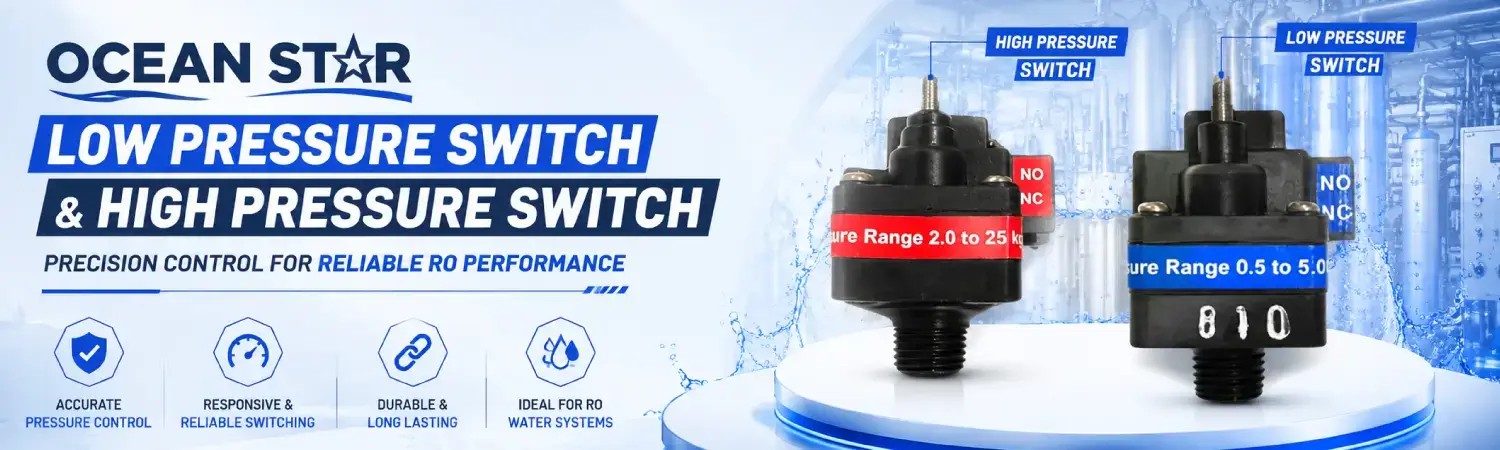
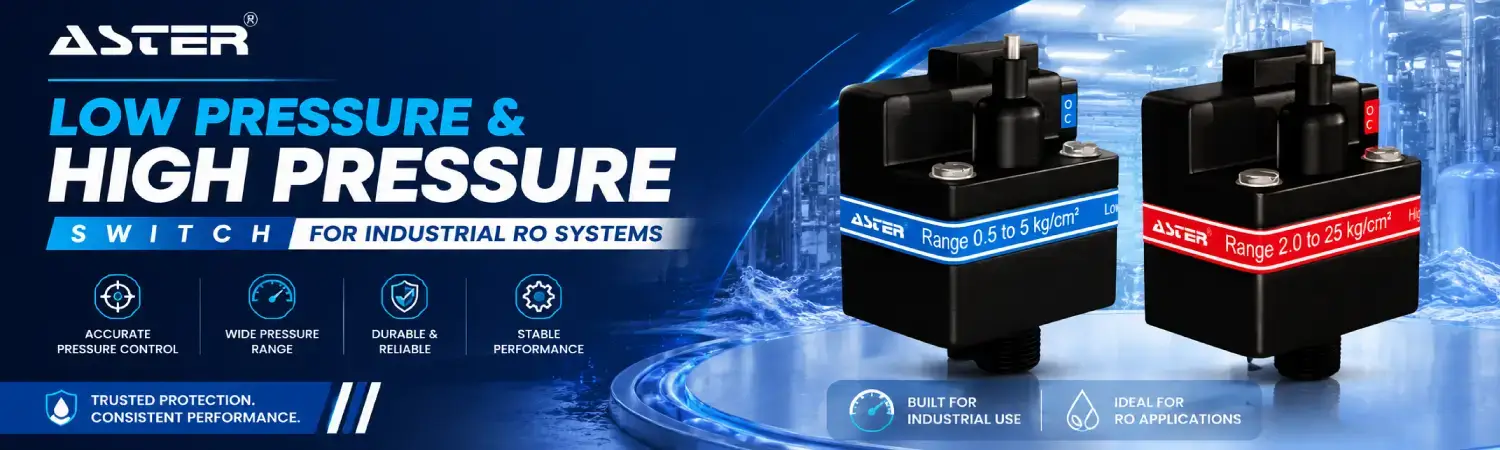
Low Pressure Switch (LPS) – Protects the high-pressure pump from dry-running by monitoring feed-water pressure at the inlet.
High Pressure Switch (HPS) – Provides overpressure protection by shutting down the system when discharge or membrane-side pressure exceeds a safe limit.
Pump start/stop control in automatic RO systems
Alarm and interlock functions in control panels and PLC-based systems
Safety shutdown in packaged drinking water, industrial process-water, and commercial RO plants
Selecting the correct pressure switch depends on system pressure range, set point, electrical rating, contact type (NO/NC), process connection size, and installation location.
LPS and HPS for RO Plants
Low Pressure and High Pressure switches are commonly selected for industrial RO systems because they provide simple, reliable, and cost-effective protection for critical components such as high-pressure pumps, RO membranes, and pressure vessels
The correct pressure switch choice depends on its position in the system, pressure requirement, pump specifications, control logic, and electrical compatibility.
Before purchasing, verify:
Type of switch – Low Pressure Switch (LPS) or High Pressure Switch (HPS)
Pressure range and set point – Typical LPS cut-out around 1.5–2.0 bar; HPS trip around 15–16 bar for many 1000 LPH industrial RO systems
Electrical rating – Voltage and current capacity compatible with pump, control panel, or PLC
Contact type – Normally Open (NO), Normally Closed (NC), or SPDT/SPST as per control circuit
Process connection – Thread size and type (e.g., 1/4" NPT, BSP) and mounting orientation
Wetted materials – Compatibility with feed water, permeate, or other process fluids
Environmental conditions – Temperature, humidity, and location (panel-mounted vs. field-mounted)
For a complete RO setup, pair your pressure switch requirement with an Industrial RO Control Panel and appropriate pumps and instrumentation. Proper integration helps ensure reliable automation and safety shutdown
Industrial RO Pressure Switch Wholesaler, Manufacturer and Retailer
Romegamart serves buyers looking for an industrial RO Pressure Switch wholesaler, LPS manufacturer, and HPS retailer for industrial and commercial water-treatment projects. Whether you need a single replacement switch or require multiple units for regular plant installation, our marketplace helps you explore relevant industrial control components and RO spares in one place.
Industrial RO pressure switches are frequently purchased by:
Industrial RO plant manufacturers and fabricators
Packaged drinking water and bottled-water producers
Water-treatment project contractors and service providers
RO maintenance and automation professionals
Commercial water purifier dealers and distributors
Industrial spare-parts retailers and wholesalers
Food and beverage units, hospitals, hotels, schools, and commercial facilities
Complete Your Industrial RO System
An Industrial RO Pressure Switch works as part of a larger industrial RO plant configuration. For better system planning and easier procurement, explore these related industrial RO products:
Industrial RO High Pressure Pump – Supports the high-pressure requirement of reverse-osmosis systems
Industrial RO Filters – Helps remove suspended particles and impurities before RO processing
RO Membrane Housing – Holds RO membranes securely within the filtration system
RO Plant SS Stand – Provides a durable support structure for RO plant equipment
Stainless Steel Vessel – Used for treated-water storage and pressure-based applications
UV Water Purifier – Provides final disinfection after RO and filtration
Industrial RO Control Panel – Integrates pressure switches, level sensors, and pump controls for automated operation
How Low Pressure and High Pressure Switches Work
A Low Pressure Switch (LPS) monitors feed-water pressure at the inlet of the RO system, typically before or after pre-filters and before the high-pressure pump. When pressure falls below a preset threshold (for example, around 1.5–2.0 bar in many 1000 LPH systems), the LPS opens the control circuit and cuts power to the high-pressure pump to prevent dry-running and overheating
A High Pressure Switch (HPS) monitors pressure on the discharge side of the high-pressure pump or after the RO membranes. When system pressure exceeds a safe limit (for example, around 15–16 bar in many industrial RO designs), the HPS trips and shuts down the pump to protect membranes, piping, and pressure vessels from overpressure.
Key points for pressure switch selection and application:
LPS function – Dry-run protection for the high-pressure pump; ensures minimum feed pressure is available
HPS function – Overpressure protection for membranes, vessels, and piping; emergency shutdown at high pressure.
Set point selection – Must match pump specifications, membrane pressure limits, and system design pressure
Contact configuration – Normally Open (NO), Normally Closed (NC), or changeover (SPDT) as required by the control circuit.
Installation location – LPS on feed line before HP pump; HPS on discharge side or after membranes, close to the measurement point and away from excessive vibration.
Proper selection and installation of LPS and HPS help improve system reliability, reduce unplanned downtime, and extend equipment life.
Pressure Range and Set Point Considerations
Industrial RO systems operate within defined pressure ranges, and pressure switches must be selected to match these ranges while providing a safety margin.
Typical set points for many standard industrial RO plants (for reference only; always follow your system design and pump/membrane specifications):
Low Pressure Switch (LPS)
Cut-out pressure: around 1.5–2.0 bar (approx. 22–29 psi)
Function: Trips HP pump if feed pressure drops below set point to prevent dry-running
High Pressure Switch (HPS)
Trip pressure: around 15–16 bar (approx. 217–232 psi) for many 1000 LPH brackish-water RO systems
Function: Emergency shutdown if system pressure exceeds safe operating limit
Important selection factors:
Operating pressure range – Choose a switch rated above your maximum system pressure.
Switching differential – The difference between cut-in and cut-out pressure; must suit your control logic and pump cycling requirements.
Maximum system pressure – Switch must safely withstand peak pressures without failure.
Process media compatibility – Ensure wetted materials are compatible with feed water, permeate, or other fluids.sucoesi+1
Always confirm pressure switch specifications with your RO system designer or pump/membrane supplier before finalizing.
Installation and Maintenance Tips
Proper installation and maintenance help maximize the life and performance of your industrial RO pressure switch:
Installation position –
LPS: On the feed-water line before the high-pressure pump, after the main inlet valve and pre-filters.electronics.
HPS: On the discharge side of the HP pump or after the membrane housing, close to the measurement point.
Mounting – Avoid locations with excessive vibration, pulsation, or water hammer; use proper brackets or panel mounting as recommended.
Electrical connections – Ensure correct voltage rating, contact type (NO/NC), wiring as per control schematic, and proper earthing. Use waterproof connectors in wet areas.
Pressure tapping – Use clean, burr-free threaded connections; avoid long capillary tubes unless specified.
Testing and calibration – Periodically verify trip and reset pressures using a calibrated gauge; adjust set points only within manufacturer limits.
Replacement – Replace switches showing signs of leakage, contact welding, erratic operation, or failure to trip at the correct pressure.
Following good installation and maintenance practices reduces false trips, improves safety, and helps maintain consistent RO plant operation.
FAQ
What is an Industrial RO Pressure Switch used for?
An Industrial RO Pressure Switch (LPS/HPS) is used in water-treatment and RO plant applications to monitor system pressure and automatically start or stop pumps, trigger alarms, or shut down the system when pressure goes outside safe limits. LPS protects against low feed pressure; HPS protects against overpressure.
What is the difference between LPS and HPS in an RO plant?
Low Pressure Switch (LPS) – Monitors feed-water pressure at the inlet and shuts off the high-pressure pump if pressure drops too low, preventing dry-running and pump damage
High Pressure Switch (HPS) – Monitors discharge or membrane-side pressure and shuts down the system if pressure exceeds a safe limit, protecting membranes, vessels, and piping from overpressure.
What are typical set points for LPS and HPS?
Typical set points (for reference only; always follow your system design):
LPS – Cuts out around 1.5–2.0 bar if feed pressure is too low.
HPS – Trips around 15–16 bar if system pressure is too high in many 1000 LPH industrial RO systems
Exact values depend on pump specifications, membrane pressure limits, and system design.
Can I use any pressure switch with my RO plant?
No. Pressure switches must match your system’s pressure range, set points, electrical rating, contact type, and connection size. Using an incorrect switch can lead to pump damage, membrane failure, or unsafe operation. Always check compatibility with your RO system designer or supplier
Do I need special equipment to install a pressure switch?
A pressure switch typically requires proper threaded connections, electrical wiring to the control circuit or panel, and, in some cases, a pressure gauge for verification. Installation should follow the manufacturer’s guidelines and your system’s electrical and piping schematics.
What other products support pressure switch usage?
Pressure switches are often used alongside components such as industrial RO high-pressure pumps, RO membrane housings, industrial RO control panels, SS filter housings, stainless steel vessels, and UV water purifiers to form a complete and well-managed RO plant.
How often should I check or replace my pressure switch?
Pressure switches should be inspected during routine maintenance and tested periodically for correct trip and reset pressures. Replace switches showing signs of leakage, erratic operation, contact welding, or failure to operate at the correct pressure, or as recommended by the manufacturer.
How do I select the right industrial RO pressure switch?
Check the application (LPS or HPS), pressure range, set point, electrical rating, contact type (NO/NC/SPDT), process connection size, wetted materials, and compatibility with your existing RO plant and control panel. If you are unsure, share your RO plant details, pump specifications, and control voltage with the supplier before placing an order.