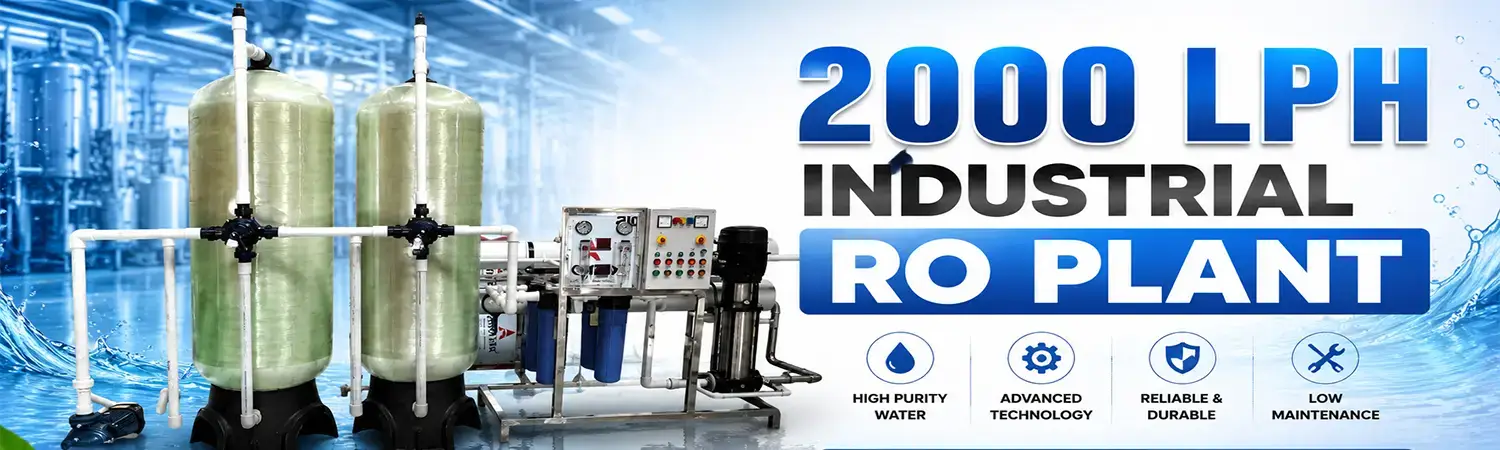
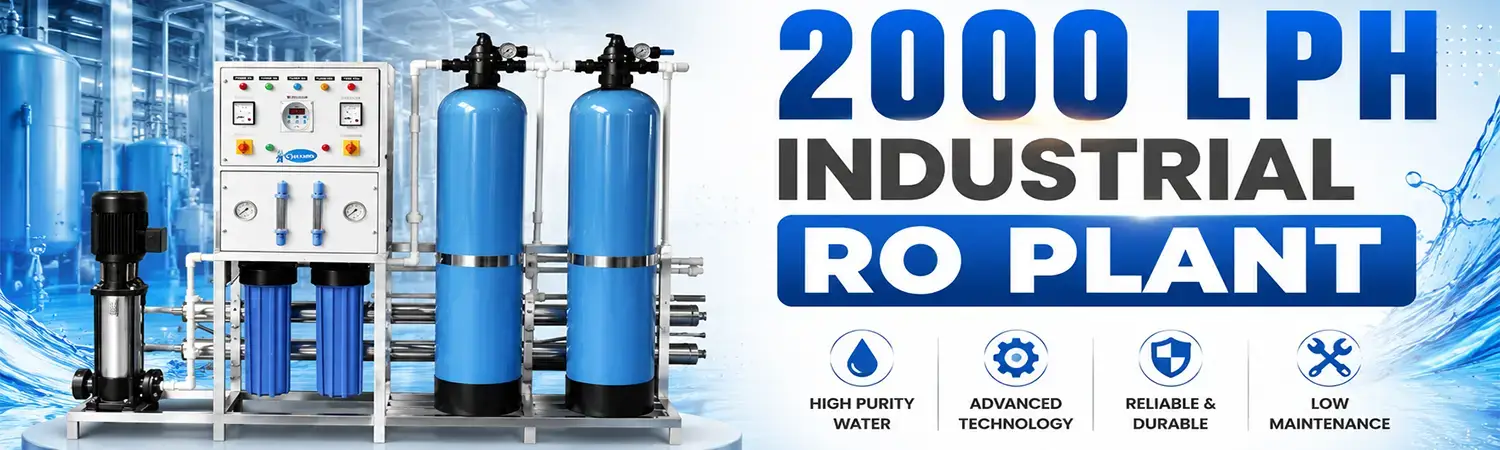
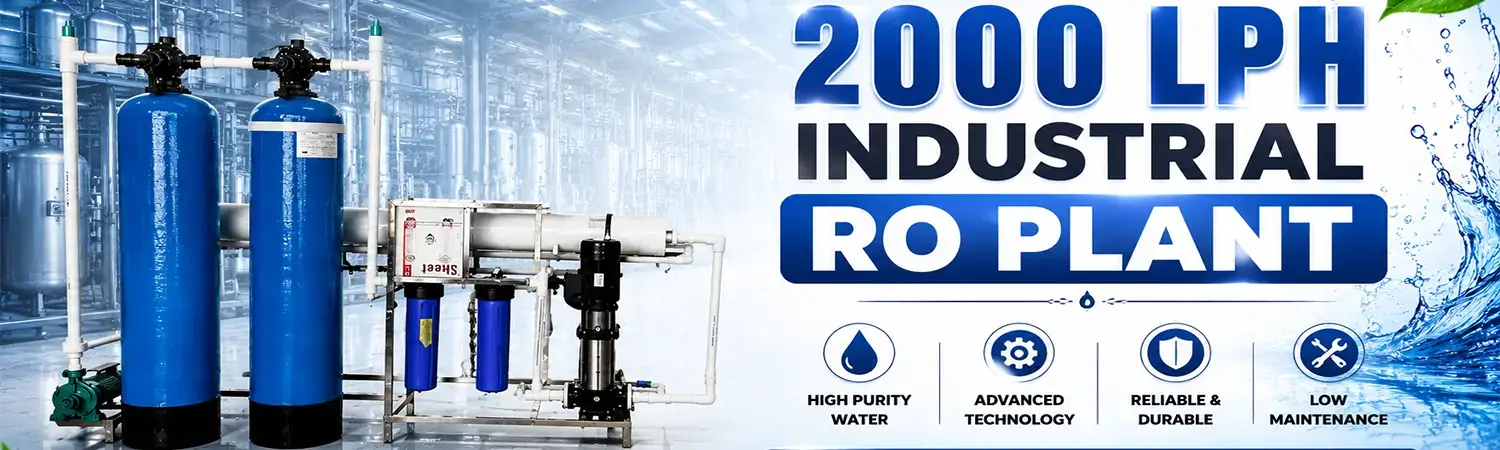
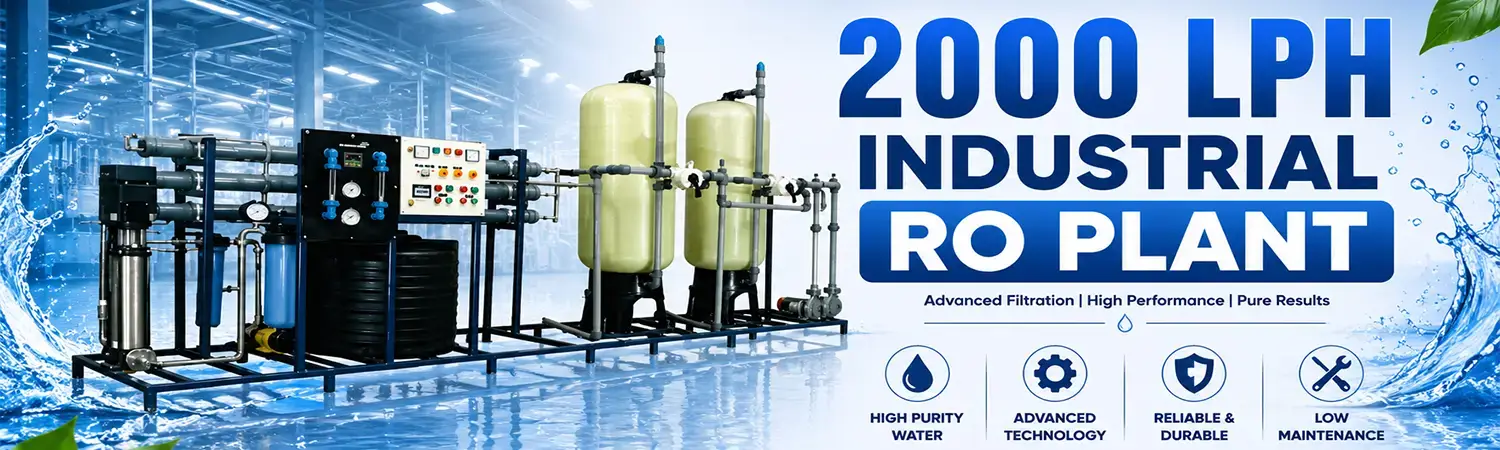
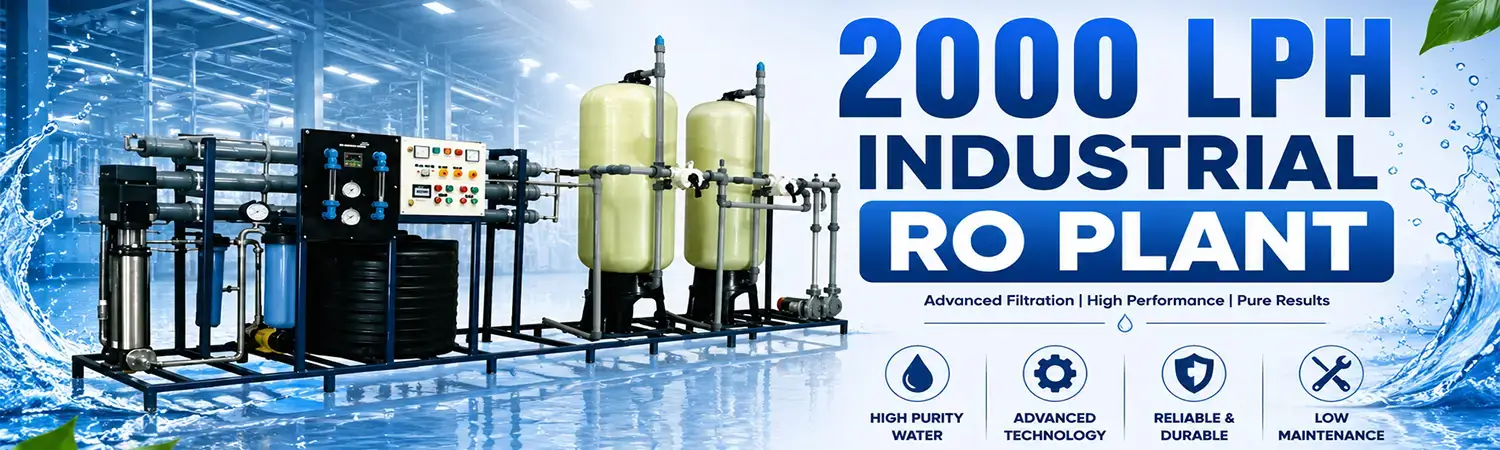
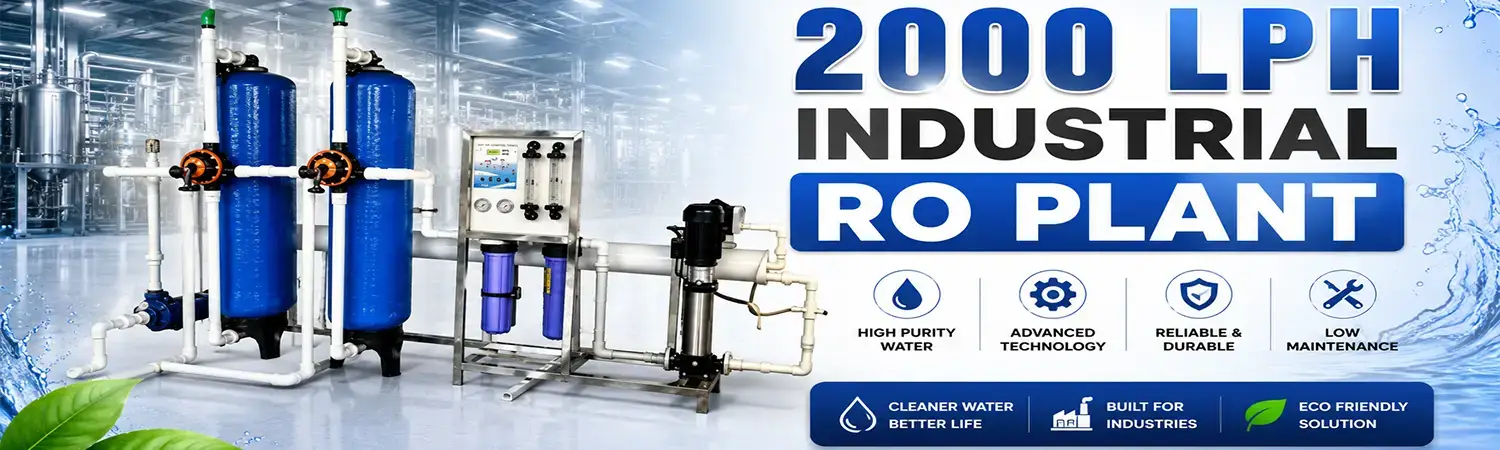
2000 LPH RO Plant – Industrial & Commercial Reverse Osmosis System in Manipur
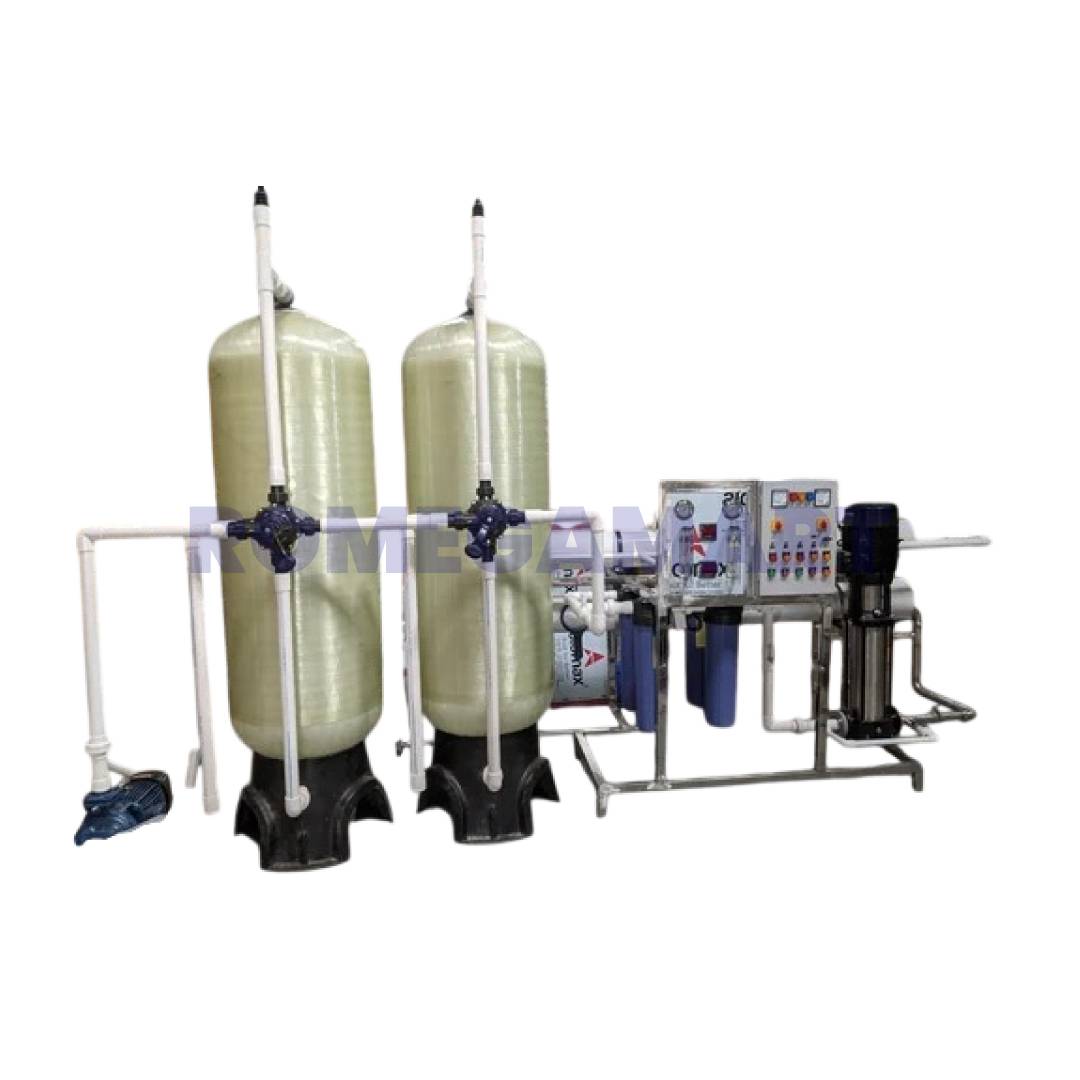
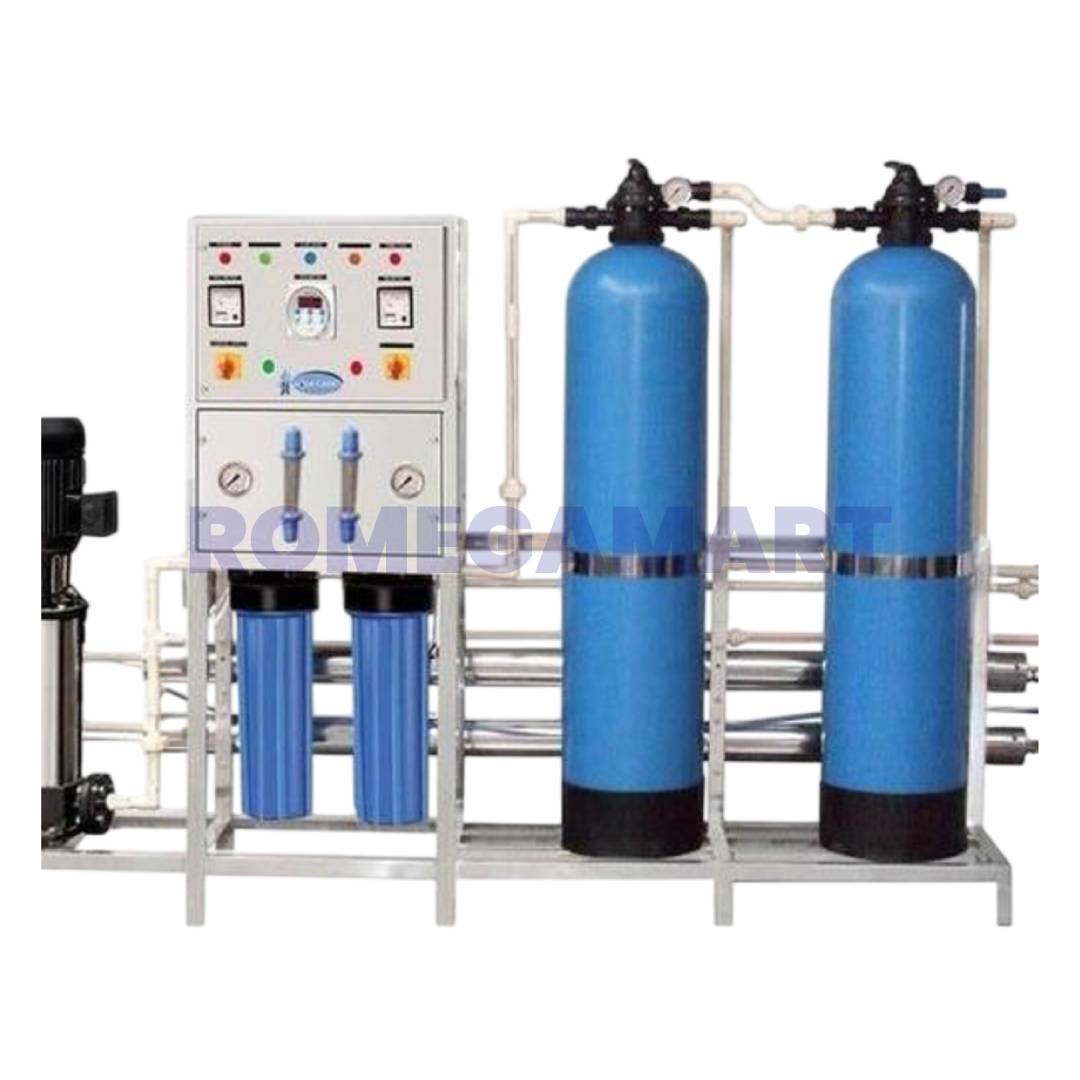
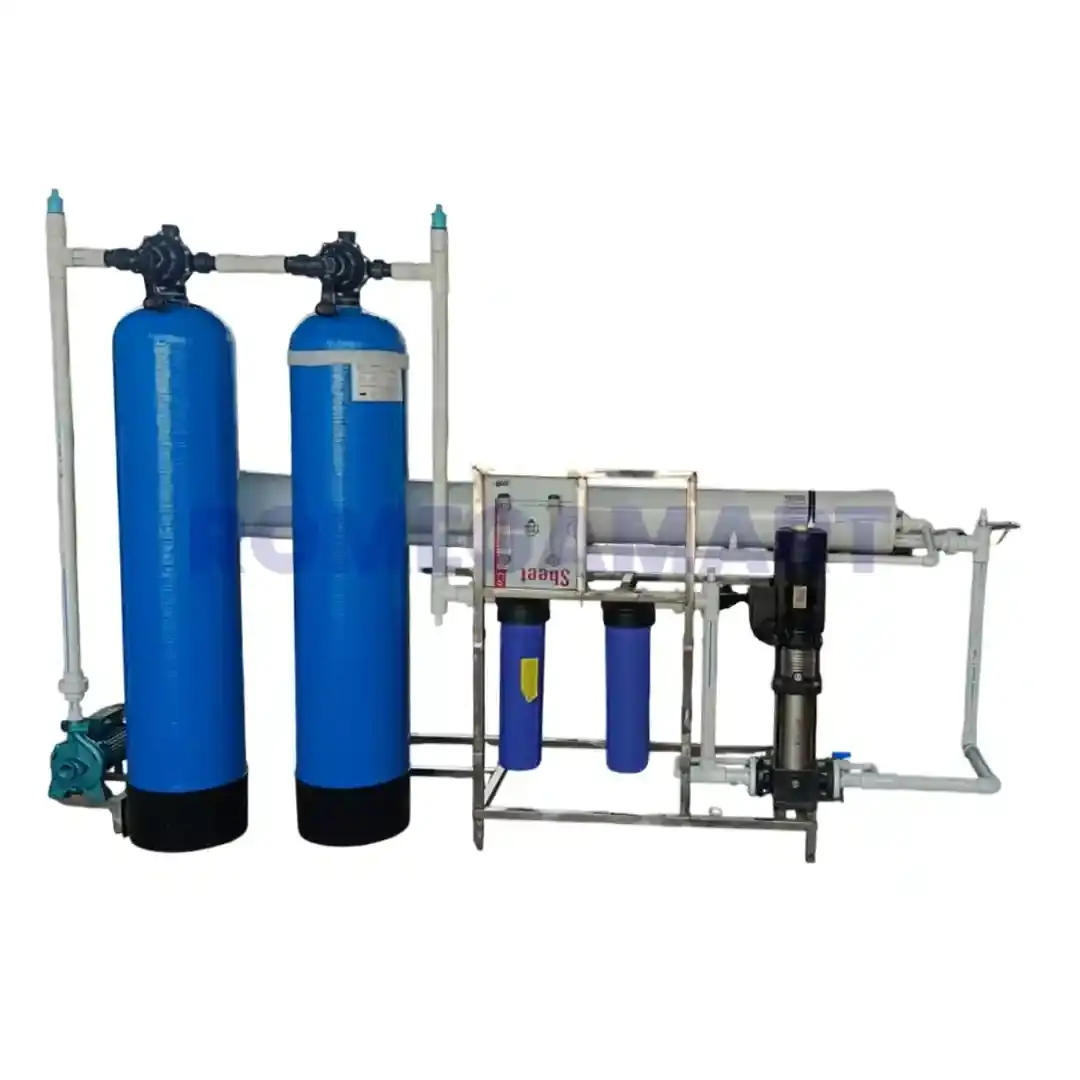
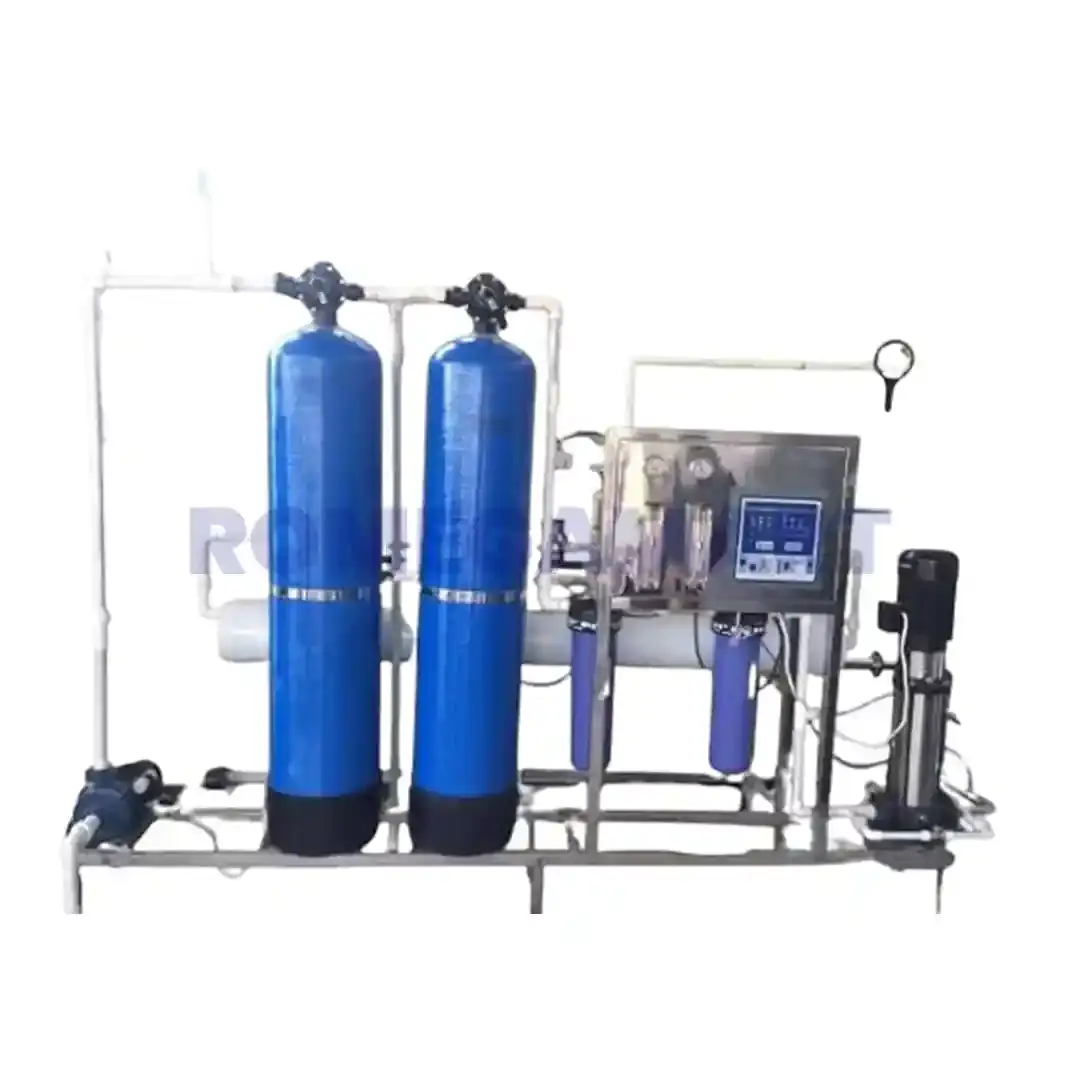
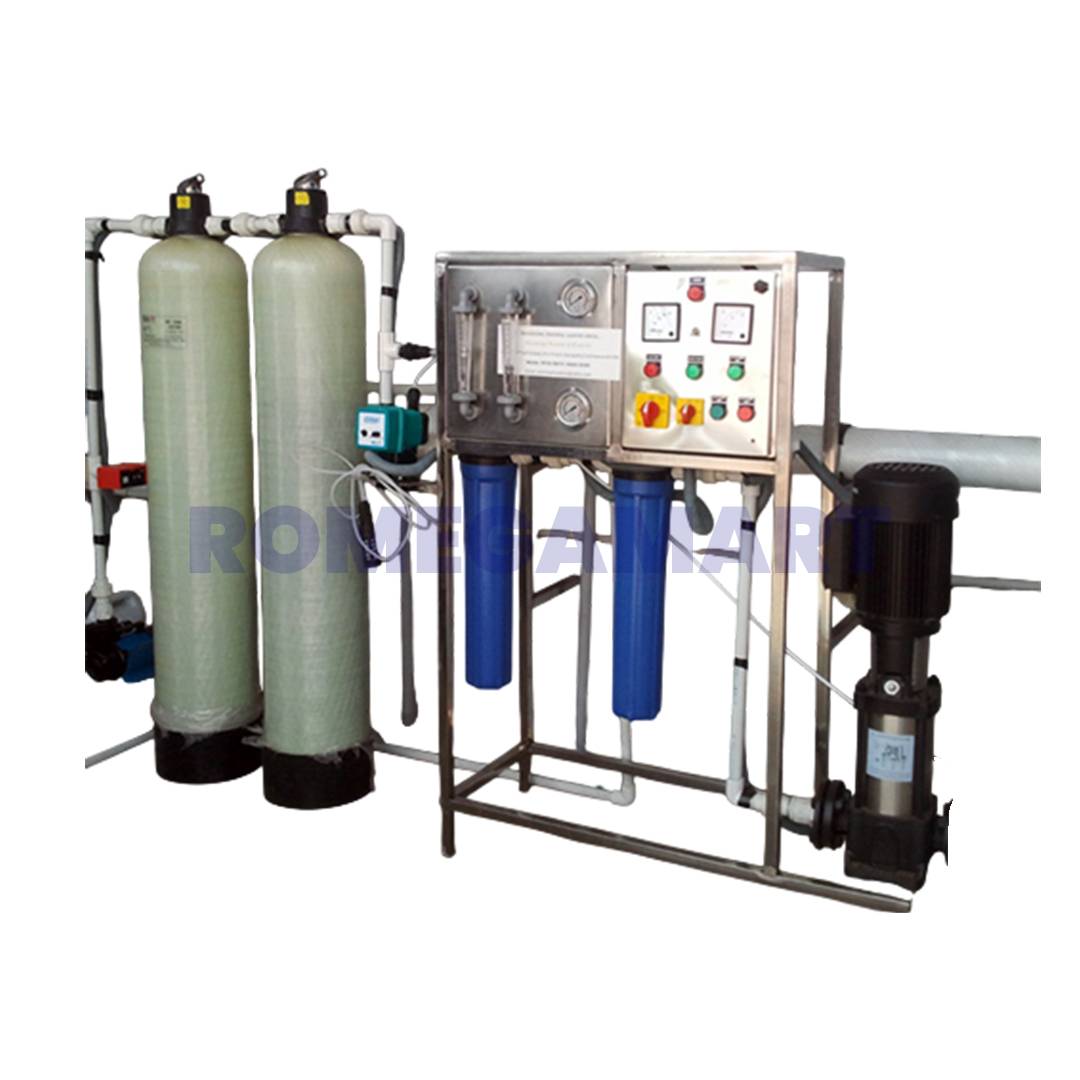
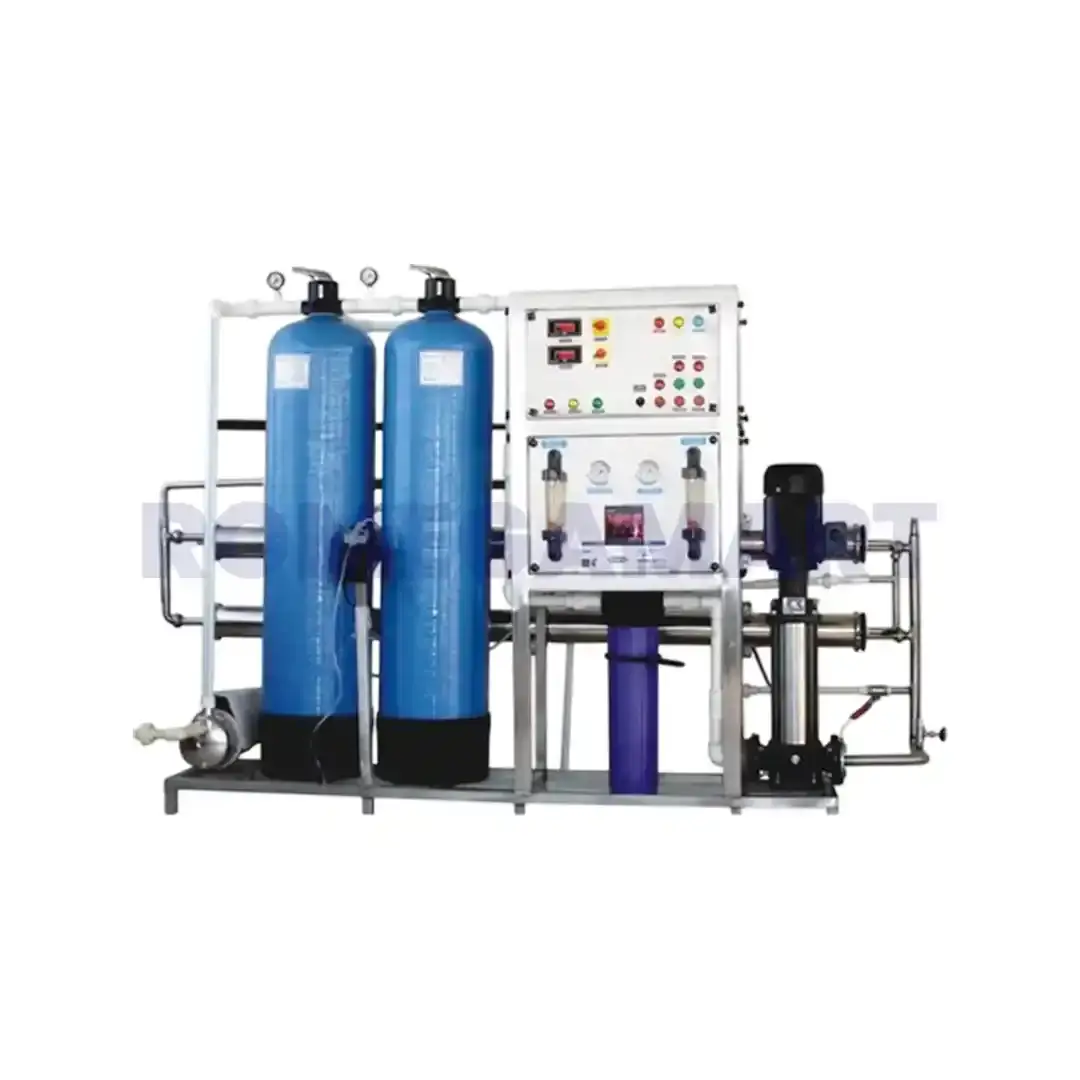
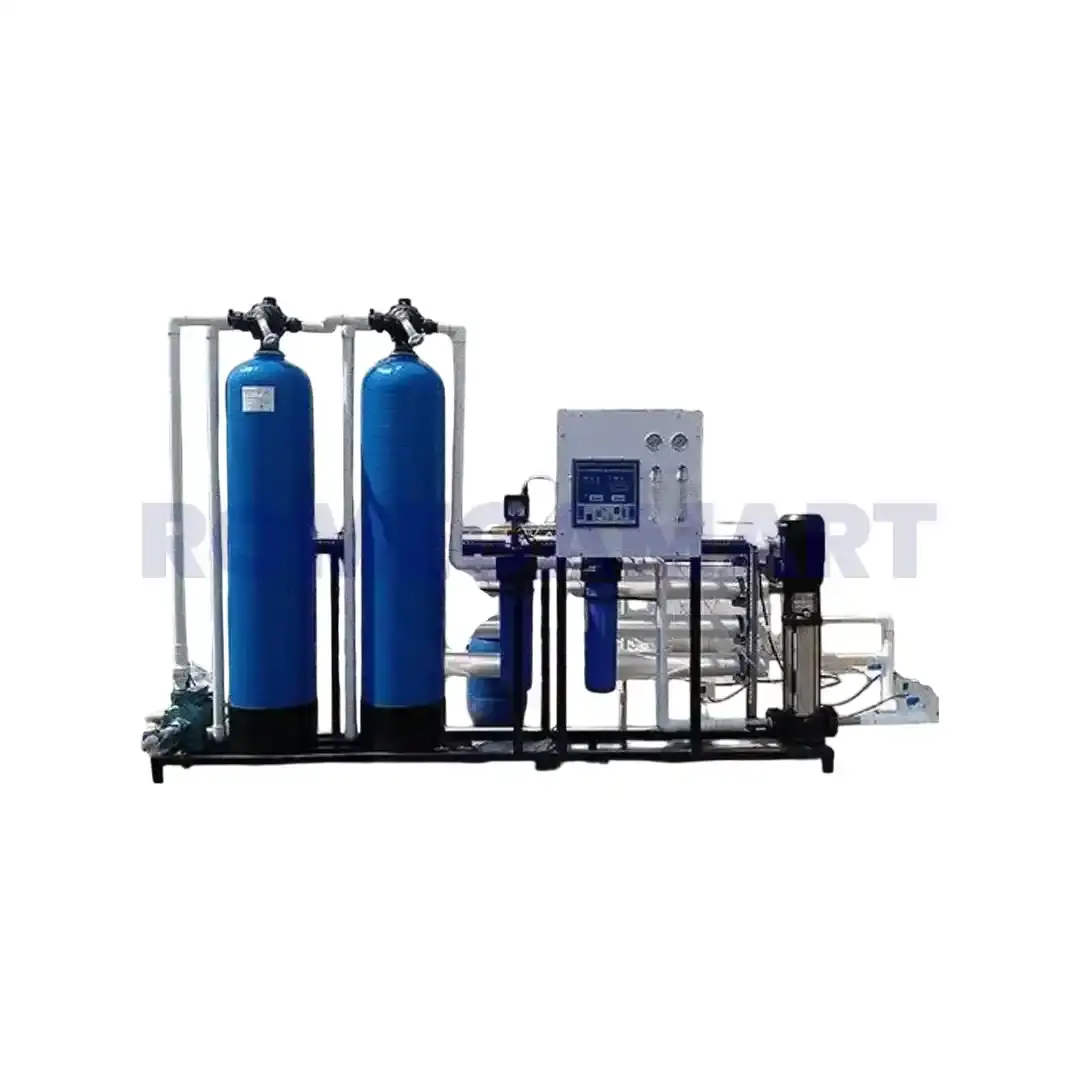
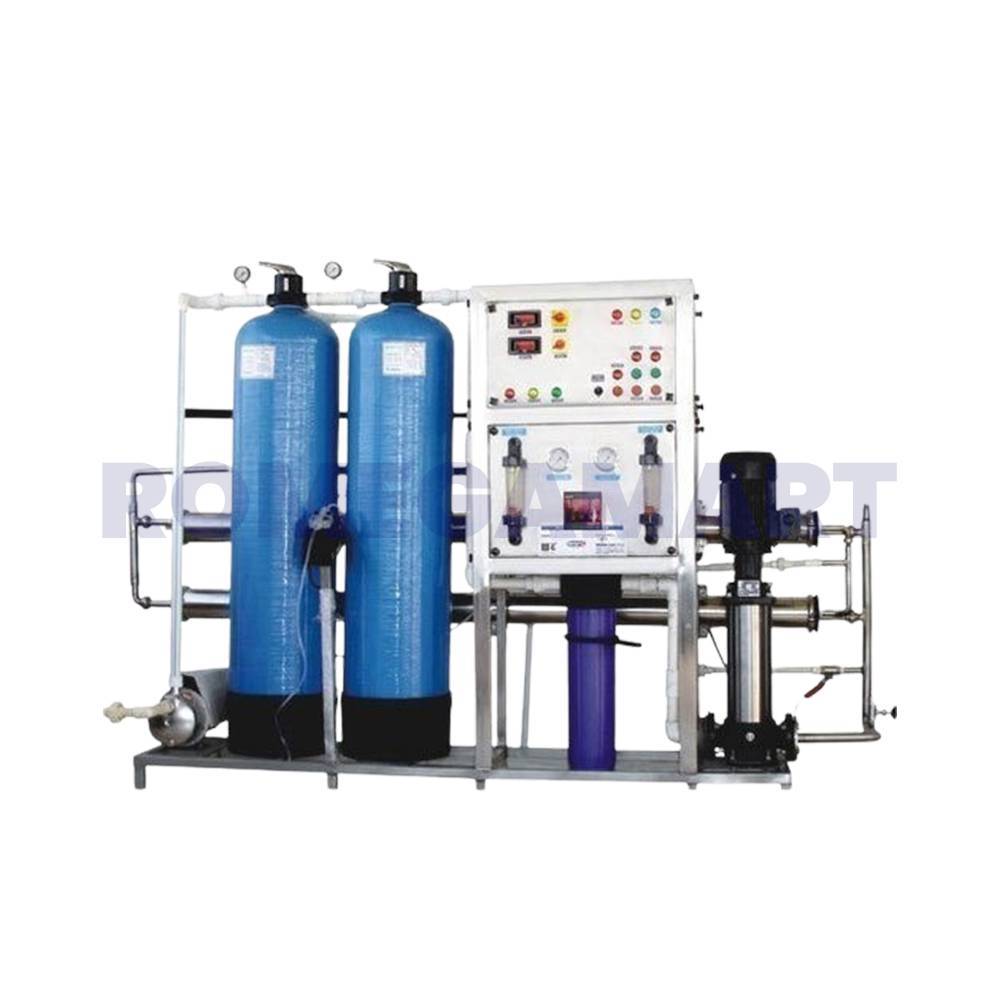


2000 LPH RO Plant – Industrial & Commercial Reverse Osmosis System
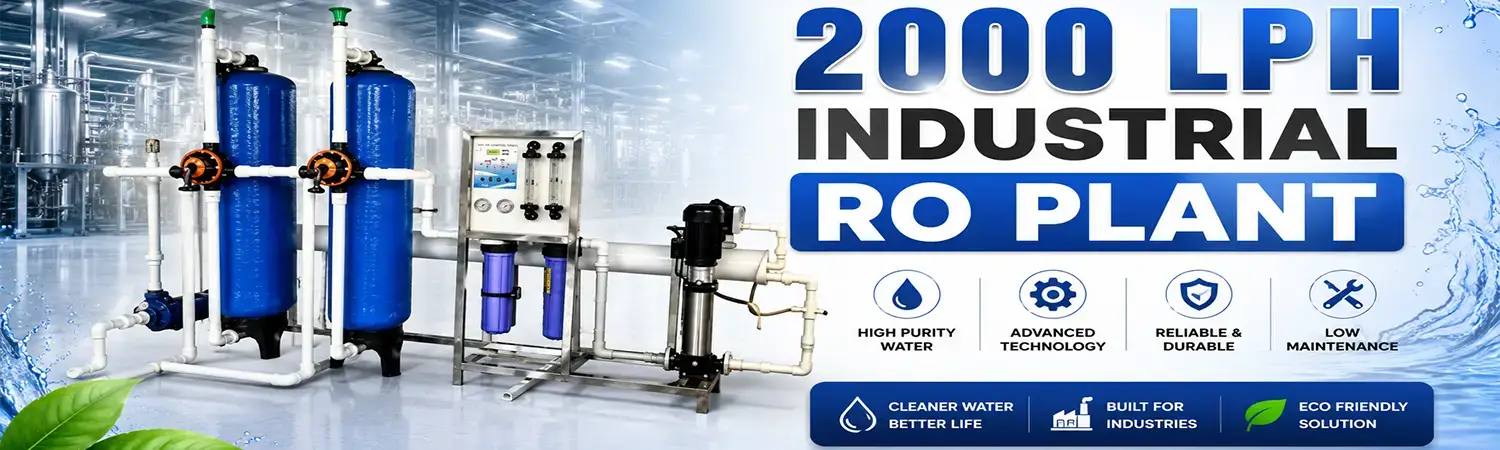
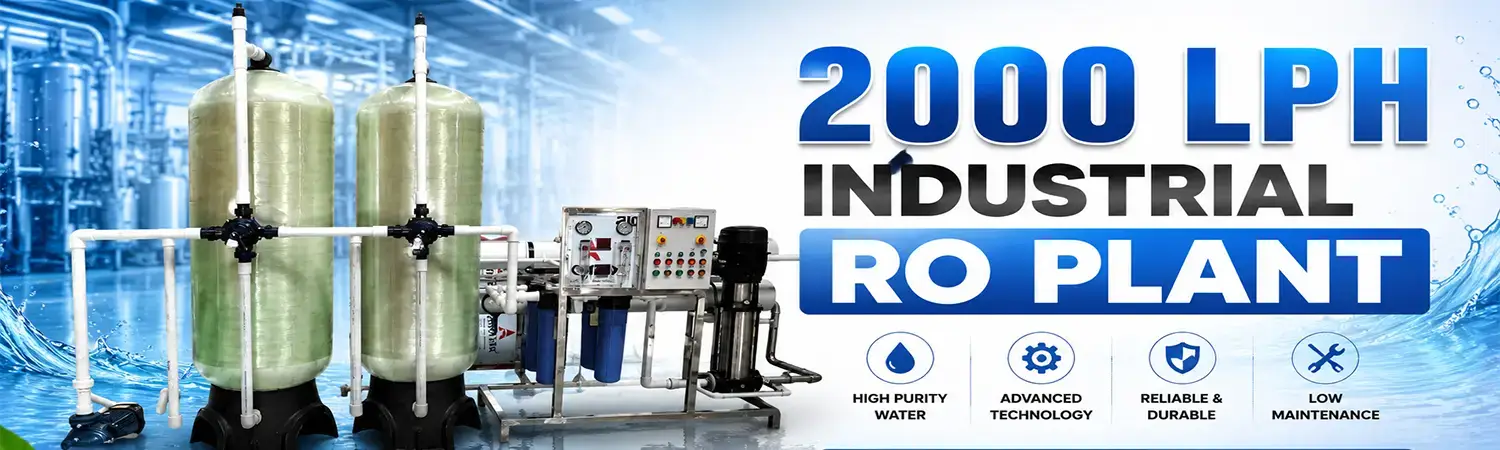
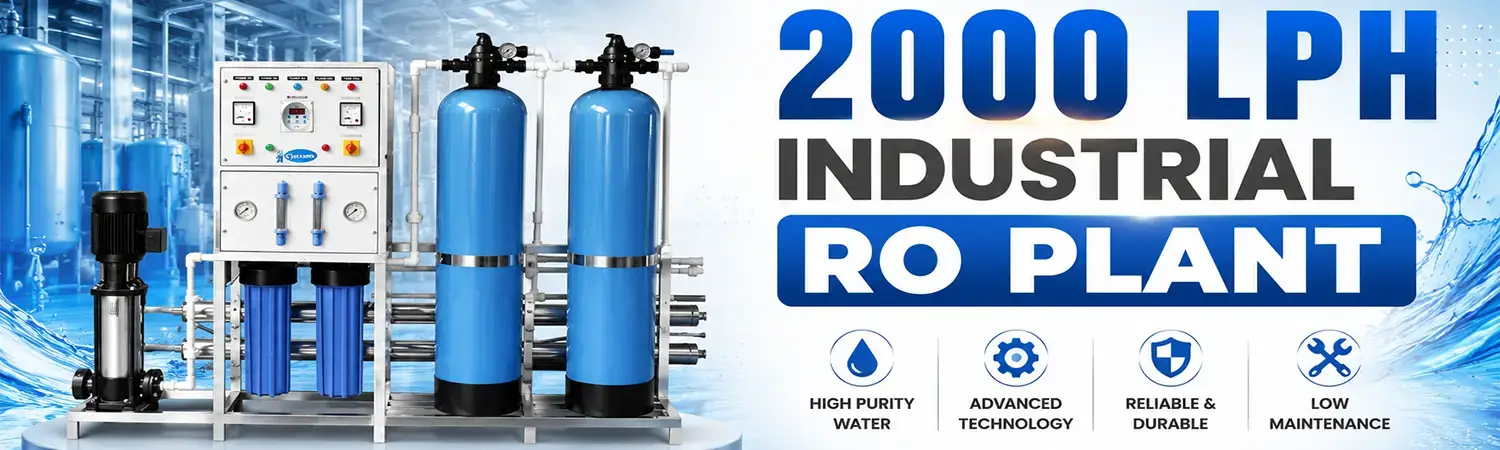
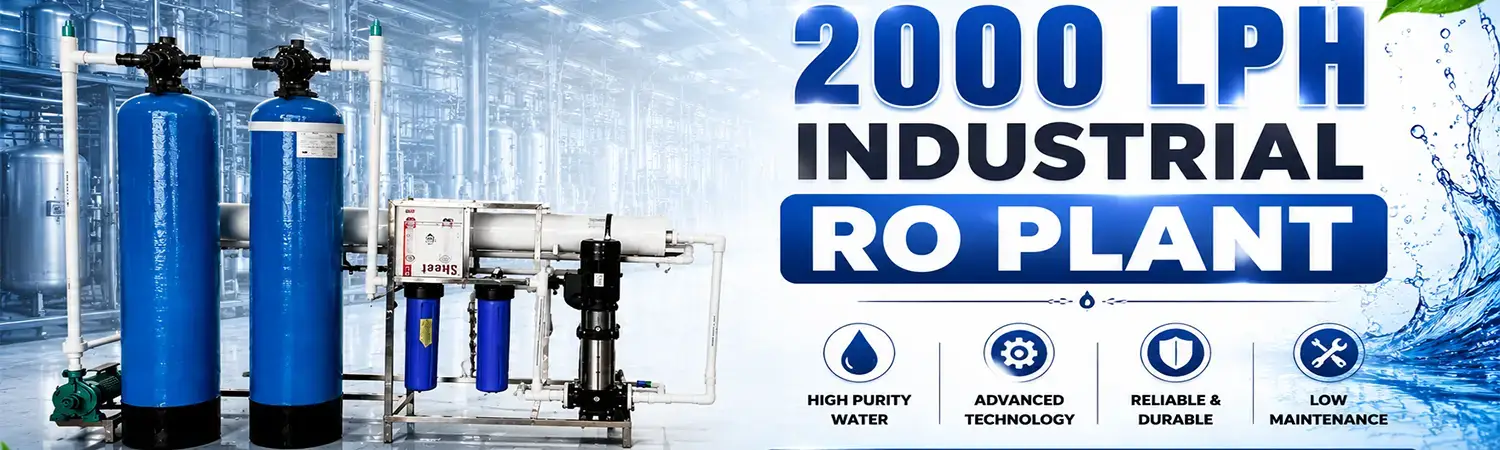
A 2000 LPH RO plant is a medium‑capacity reverse osmosis system designed to produce around 2,000 litres of purified water per hour. It is widely used in small to medium industries, commercial establishments, hospitals, schools, hotels, residential societies and institutions that need a steady, reliable supply of clean water for drinking, process and general use.
With multi‑stage pre‑treatment, high‑pressure pumping and RO membrane technology, a 2000 LPH RO plant removes dissolved salts, hardness, chemicals, suspended solids and many microorganisms. This makes it suitable for applications where water quality directly affects health, equipment life and product quality.
Romegamart’s 2000 LPH RO systems are engineered for Indian water conditions and industrial workloads, with options for manual, semi‑automatic and fully automatic operation.
What Is a 2000 LPH RO Plant?
A 2000 LPH RO plant is an industrial‑grade water treatment system that treats raw water (borewell, municipal, tanker, etc.) and produces approximately 2,000 litres of purified water per hour. The system uses pre‑filtration, activated carbon filtration, softening (if required), high‑pressure pumping and RO membranes to reduce TDS and contaminants.
This capacity is ideal for facilities with moderate but continuous water demand, such as medium‑scale manufacturing units, hospitals, hotels, large offices, schools and housing societies. The 2000 LPH RO plant balances output, footprint and operating cost, making it a popular choice for commercial and industrial applications.
2000 LPH RO Plant Price – Factors That Affect It
The 2000 LPH RO plant price is not a single fixed value. It varies based on design, raw‑water quality, component selection and level of automation. Understanding these factors helps buyers compare quotations more effectively.
Key Factors Influencing 2000 LPH RO Plant Cost
Raw Water Quality
High TDS, hardness, iron, manganese or silica may require additional pre‑treatment such as softeners, iron‑removal filters, specialised media or advanced dosing systems.RO Membrane Type and Brand
The number of membranes, their capacity, rejection rate and brand affect both performance and cost.Material of Construction
Plants with stainless steel frames, SS pumps and SS piping are generally more expensive than MS powder‑coated systems but offer better corrosion resistance and longer life.Pump and Motor Quality
High‑efficiency, branded pumps and motors improve reliability and energy performance but may increase the initial cost.Level of Automation
Semi‑automatic panels are more economical. Fully automatic PLC‑based control panels with digital displays, auto‑flush, low/high‑level protection and remote monitoring add to the cost.Pre‑Treatment and Post‑Treatment
Additional units such as multimedia filters, activated carbon filters, softeners, UV, ozonators and remineralisation systems increase the overall system price.Recovery Ratio and Reject Management
Systems designed for higher recovery or with reject‑water recycling may require more sophisticated controls and instrumentation.Installation and Civil Work
Foundation, piping, electrical work, tank installation and site‑specific requirements can influence the total project cost.While the 2000 litre RO plant price may vary, a well‑designed system typically offers a reasonable cost per litre of purified water over its operational life, especially when it reduces downtime, membrane replacement frequency and maintenance issues.
Typical Specifications of a 2000 LPH RO Plant
A typical 2000 litre RO plant includes the following core components and features. Exact specifications may vary by manufacturer and project requirements.
Core Components
Feed Water Pump
Boosts raw water pressure to the pre‑treatment section.Pre‑Treatment Section
May include multimedia filter, activated carbon filter, softener and micron filter.High‑Pressure Pump
Provides the required pressure for RO membranes.RO Membrane Housing and Membranes
Contains the RO membranes responsible for dissolved‑salt removal.Instrumentation
Pressure gauges, flow meters for permeate and reject, TDS meter and level indicators.Control Panel
Semi‑automatic or fully automatic control with motor protection, auto‑flush and safety interlocks.Flushing System
Manual or automatic membrane flushing to remove concentrated water and reduce fouling.Frame and Structure
MS powder‑coated or stainless steel frame for stability and corrosion resistance.Typical Operating Parameters (Indicative)
Capacity: 2,000 litres per hour (approx.)
Daily Output: Up to 48,000 litres in 24 hours (depending on operating hours)
Recovery: Typically 50–75% (subject to raw‑water quality and design)
Operating Pressure: Varies with TDS and membrane configuration
Power Supply: Usually 3‑phase, 415 V, 50 Hz (customisable)
Material Options: MS powder‑coated or SS 304/316
These parameters should be confirmed with the supplier based on actual site conditions and water analysis.
Applications of a 2000 LPH RO Plant
The 2000 LPH RO plant is suitable for a wide range of applications where medium‑scale purified water is required.
Industrial Applications
Food and beverage processing
Pharmaceutical and biotech units
Textile and dyeing industries
Chemical and process industries
Boiler feed water and cooling systems
Packaging and bottling operations
Commercial and Institutional Applications
Hospitals, clinics and diagnostic centres
Schools, colleges and universities
Hotels, restaurants and banquet halls
Corporate offices and IT parks
Gyms, clubs and recreational facilities
Housing societies and residential complexes
Other Uses
Drinking water supply for staff and visitors
Process water for manufacturing
Lab and testing requirements
Makeup water for cooling towers and boilers (with additional treatment)
The consistent output and stable water quality make the 2000 LPH RO plant a reliable choice for environments where water interruptions or quality fluctuations can affect operations.
Benefits of a 2000 LPH RO System
A well‑designed 2000 LPH RO plant offers several advantages for medium‑scale users:
Consistent Water Quality
Provides stable TDS and purified‑water quality throughout the operating period.
Reduced Dependence on External Water
Less reliance on purchased water or tankers for drinking and process needs.Protection of Equipment
Lower scaling and fouling in boilers, heat exchangers, cooling systems and process equipment.Improved Product Quality
Better water quality can enhance product consistency in food, beverage and pharmaceutical applications.Cost‑Effective Operation
Reasonable energy and maintenance cost per litre of purified water when properly designed.Durable Construction
Robust frames, pumps and membranes support long‑term operation with proper maintenance.Customisable Design
Systems can be tailored to raw‑water quality, space constraints and specific application needs.Scalability
Additional units or parallel systems can be added as demand grows.Maintenance and Longevity
Regular maintenance is essential to keep a 2000 LPH RO plant running efficiently and to extend its service life.
Routine Maintenance Activities
Pre‑Filter Replacement
Sediment and carbon filters should be replaced or backwashed as per the manufacturer’s schedule or based on pressure drop.Cartridge Filter Change
Micron filters should be replaced when the differential pressure increases.RO Membrane Cleaning
Periodic cleaning‑in‑place (CIP) helps remove fouling and scaling. Frequency depends on raw‑water quality and operating conditions.Membrane Replacement
RO membranes typically last 2–4 years, depending on feed water, pre‑treatment, operating pressure and cleaning practices.Pump and Motor Inspection
Check for unusual noise, vibration, leakage and bearing condition. Lubricate or service as recommended.
Instrument Calibration
Verify TDS meters, pressure gauges and flow meters periodically.
Control Panel Check
Inspect wiring, contactors, overload relays and indicators. Ensure auto‑flush and protection functions work correctly.
Leak and Flow Check
Monitor for leaks, abnormal reject flow and changes in permeate quality.
With proper pre‑treatment, correct operation and scheduled maintenance, a 2000 LPH RO plant can deliver reliable service for many years with minimal unplanned downtime.
2000 LPH RO Plant vs Other Capacities
Understanding where a 2000 LPH system fits helps in capacity selection.
250–500 LPH – Small offices, clinics, small housing societies. Compact, lower cost, limited continuous operation.
1000 LPH – Medium offices, schools, small industries. Balanced capacity and cost.
2000 LPH – Medium industries, hospitals, hotels, large societies. Higher continuous output, robust design.
3000–5000 LPH – Large industries, townships, big institutions. High capacity, more complex pre‑treatment and controls.
For facilities with moderate but continuous demand, a 2000 LPH RO plant often provides a good compromise between output, footprint and cost.
How to Choose the Right 2000 LPH RO Plant
When selecting a 2000 LPH RO plant, consider the following:
Water Analysis Report
Test TDS, hardness, alkalinity, iron, manganese, silica, chloride and other relevant parameters.Required Water Quality
Define target TDS and quality standards for drinking or process use.Daily Water Demand
Estimate peak and average hourly demand to confirm that 2000 LPH is sufficient.Available Space
Ensure adequate area for the RO plant, tanks, pre‑treatment and access for maintenance.Power Availability
Confirm 3‑phase power supply and load capacity for pumps and controls.Automation Needs
Decide between semi‑automatic and fully automatic operation based on manpower and reliability requirements.Supplier Support
Check warranty, spare‑part availability, service network and reference installations.A reputable supplier should be able to propose a system design based on your water report and application rather than offering a generic “one‑size‑fits‑all” unit.
Frequently Asked Questions
1. How much water can a 2000 LPH RO plant produce daily?
If operated continuously for 24 hours, a 2000 LPH RO plant can produce up to approximately 48,000 litres of purified water per day. Actual output depends on operating hours, recovery ratio and feed conditions.2. What affects the 2000 litre RO plant price?
The 2000 litre RO plant price is influenced by raw‑water quality, membrane type and quantity, pump and motor quality, material of construction (MS or SS), level of automation, pre‑treatment and post‑treatment systems, and installation requirements.3. Can the 2000 LPH RO plant be used for industrial applications?
Yes. It is suitable for industries with moderate water requirements, including food and beverage, pharmaceuticals, textiles, chemicals, packaging and process industries.4. Is customization possible for this plant?
Yes. The system can be customised based on water quality, application needs, space constraints, desired recovery, automation level and additional treatment such as UV, ozonation or softening.5. What maintenance does a 2000 LPH RO plant require?
Regular maintenance includes pre‑filter and cartridge replacement, RO membrane cleaning and periodic replacement, pump and motor inspection, control panel checks, instrument calibration and monitoring of permeate quality and flow.6. How long do RO membranes last in a 2000 LPH plant?
RO membranes typically last 2–4 years with proper pre‑treatment, correct operating pressure, regular cleaning and timely replacement of pre‑filters. Harsh raw water or poor maintenance can reduce membrane life.7. Is a 2000 LPH RO plant suitable for hospitals and schools?
Yes. Its consistent output, reliable operation and ability to provide low‑TDS purified water make it well‑suited for hospitals, clinics, schools, colleges and similar institutions.Final Call to Action
Looking for a dependable 2000 LPH RO plant for your industry, commercial building, hospital, school or residential society? Choose a system designed for your raw‑water quality, daily demand and long‑term reliability.
Contact Romegamart for a site assessment, water analysis support and a customised quotation for your 2000 LPH RO system.
Explore More RO Capacities
150 LPH RO | 250 LPH SS RO | 1000 LPH RO | 5000 LPH RO | 9000 LPH SS RO | 10000 LPH SS RO
Browse Categories
Water ATM | Water Softener | Water Treatment | Bottling Plant