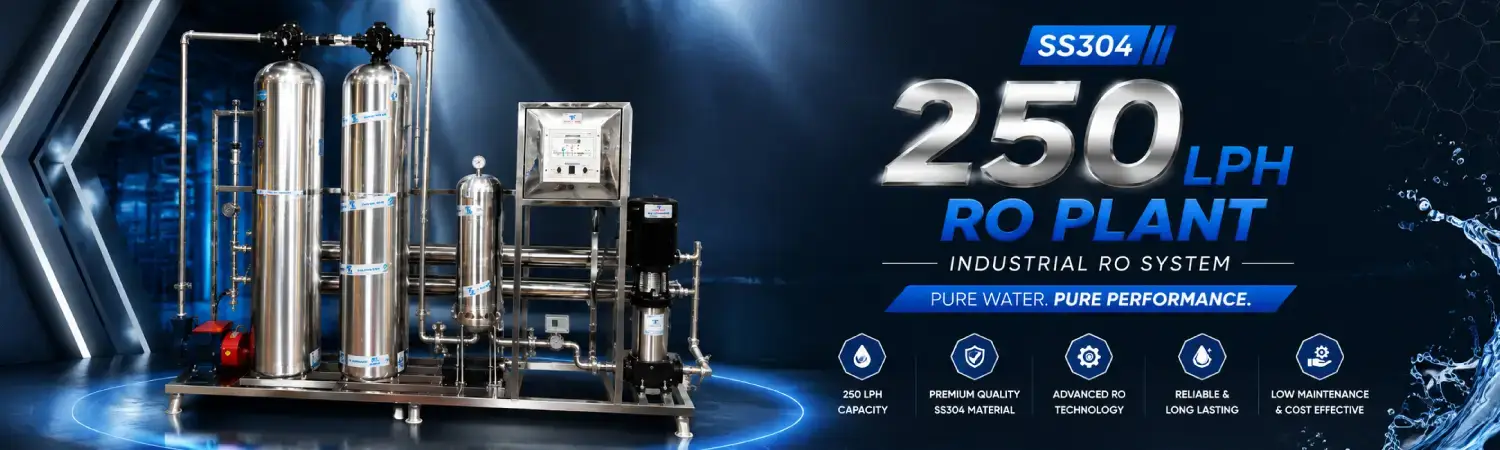
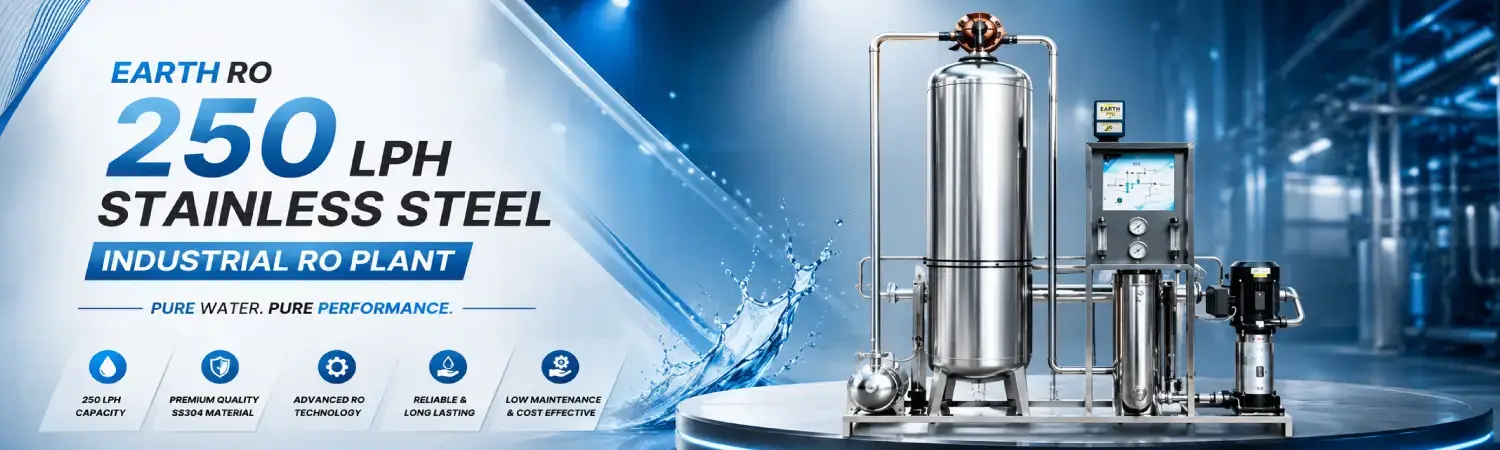
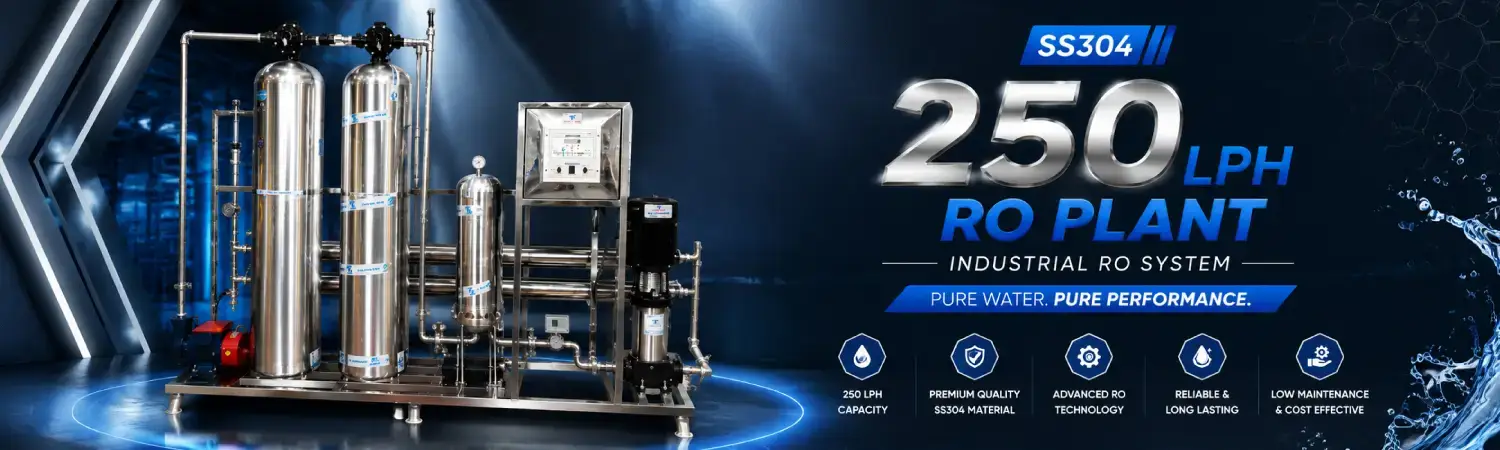
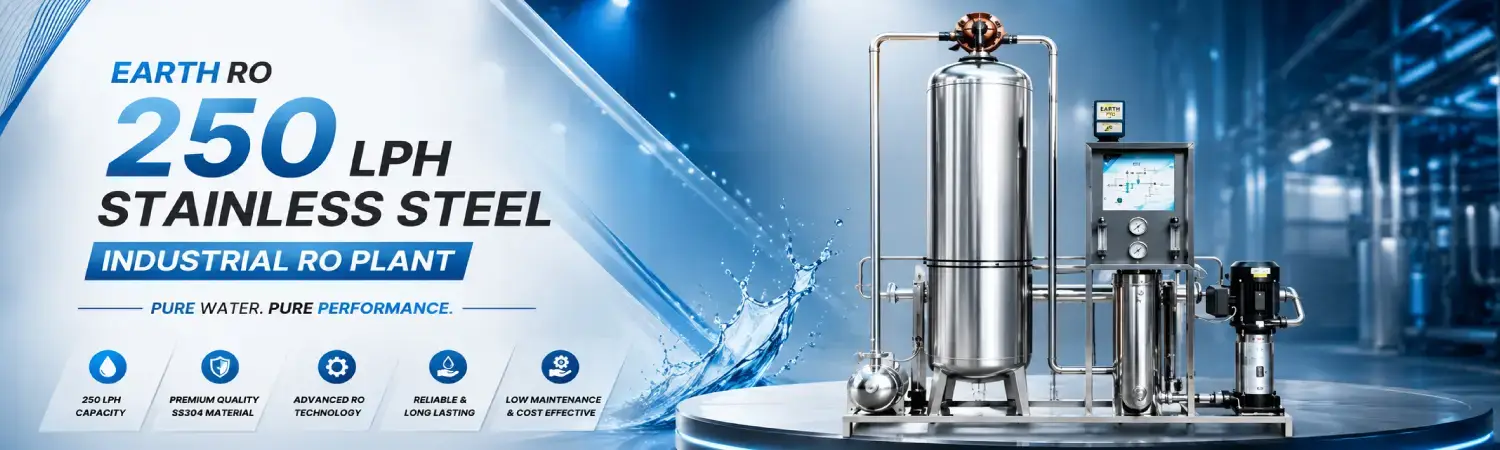
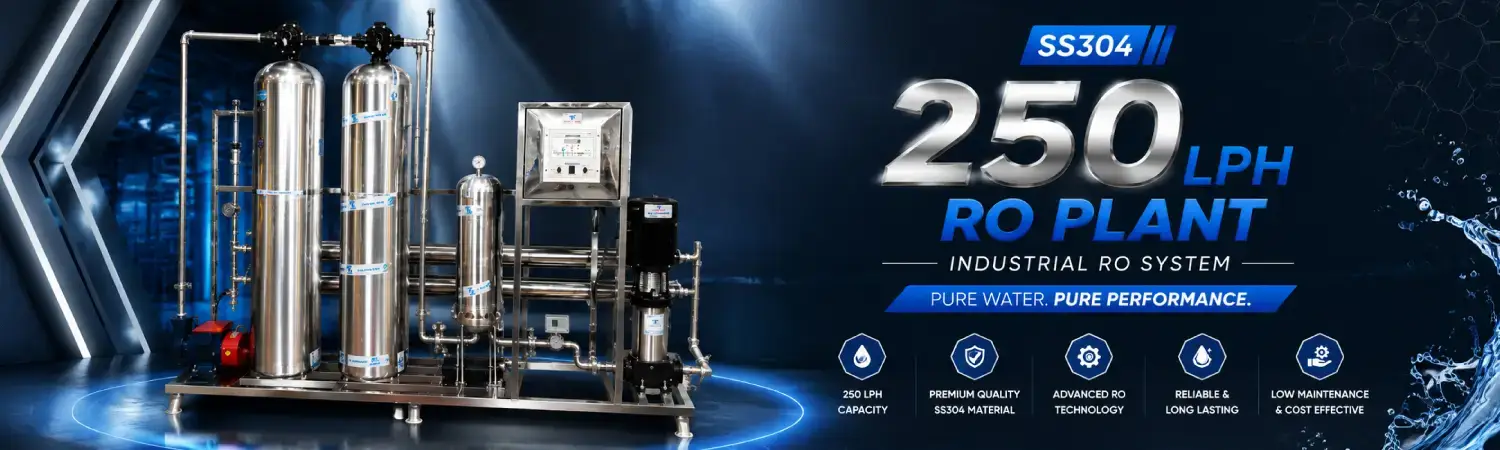
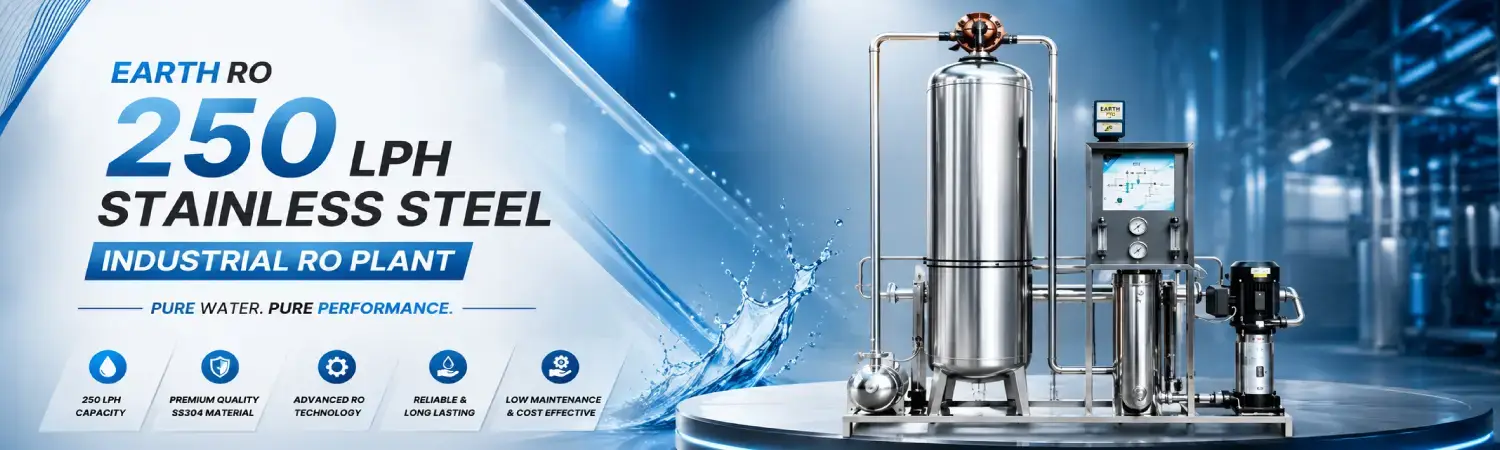
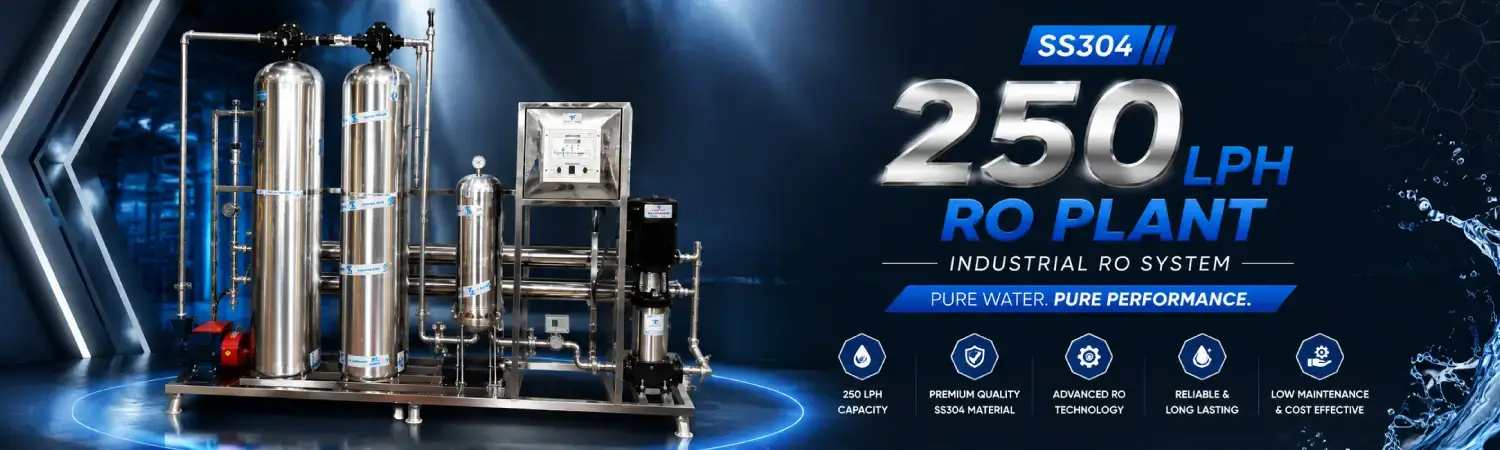
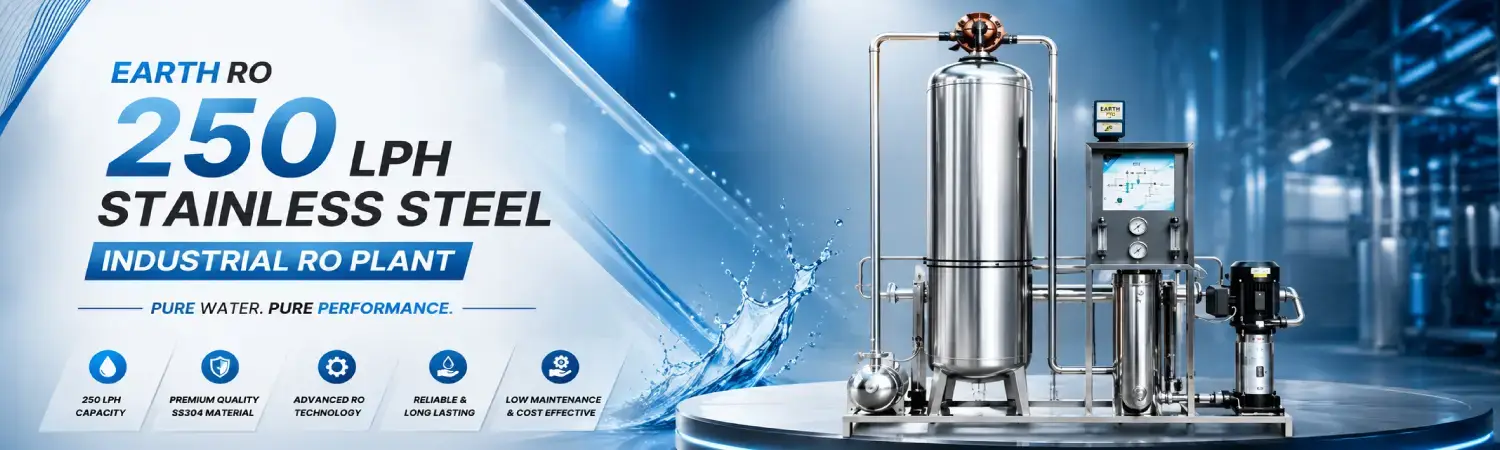
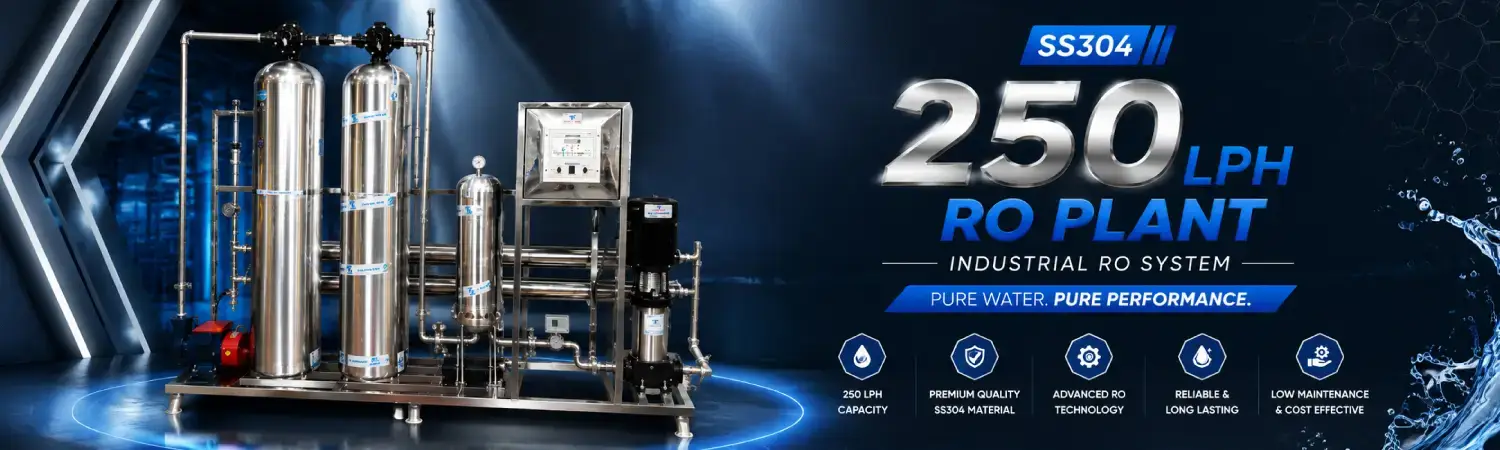
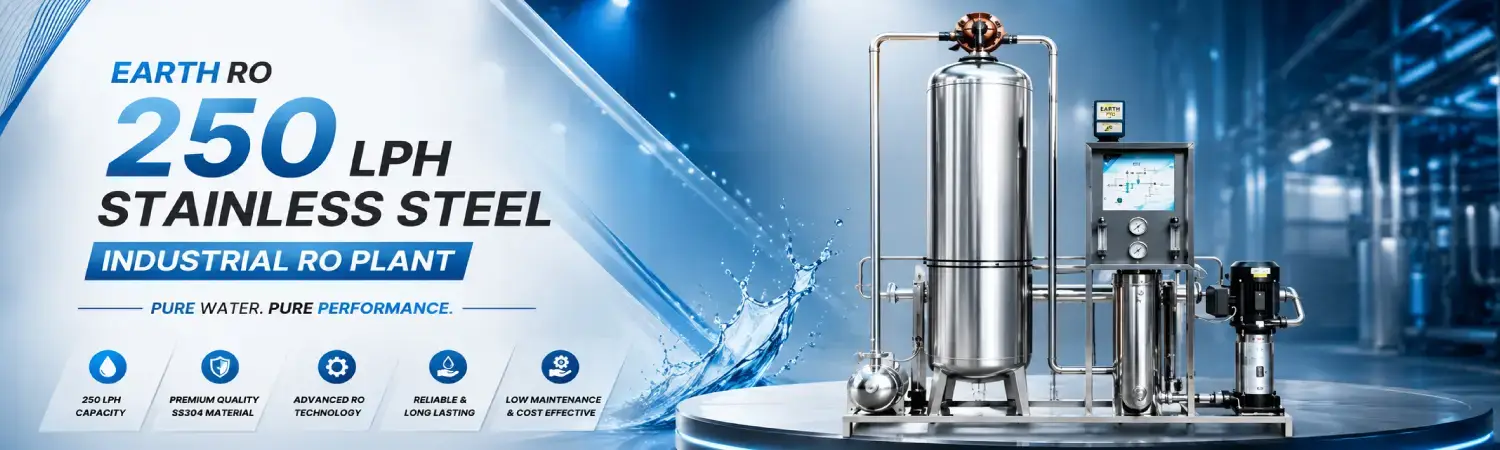
250 LPH SS RO Plant in Uttar Pradesh


250 LPH SS RO Plant: Pricing, Features, Working & Complete Guide
A 250 LPH SS RO plant is a stainless-steel commercial water purification system that produces 250 liters of clean water per hour. It’s widely used in hotels, offices, schools, hospitals, and small industries. The 250 LPH RO plant price depends on membrane quality, pump type, and the grade of stainless steel used.
Introduction
For businesses that need a reliable and hygienic source of purified water, the 250 LPH SS RO plant is one of the most practical choices available. Built using stainless steel, it offers long-term durability and stable performance. Whether you’re simply comparing options or trying to understand the full 250 LPH RO plant price, this guide breaks everything down in a clear and beginner-friendly way.
What Is a 250 LPH Industrial RO Plant?
A 250 LPH industrial RO plant is designed to purify 250 liters of water every hour, making it ideal for commercial spaces with moderate water needs. Many restaurants, cafés, clinics, offices, educational institutions, and small production units rely on this system for clean and safe drinking or process water.
Stainless-steel construction ensures higher hygiene, longer service life, and resistance to wear—qualities that are essential in demanding business environments.
How a 250 LPH RO Plant Works
A 250 LPH RO system purifies water through a sequence of filtration stages. The process begins with pre-filtration, which removes dust and visible impurities. A carbon filter then eliminates chlorine, odor, and organic matter. After this, micron filters capture finer particles.
The heart of the system is the RO membrane, where dissolved salts, chemicals, and contaminants are removed. Depending on your needs, UV purification or a mineralizer may be added to improve taste and final water quality. This multi-step process ensures consistent, safe water output throughout the day.
Why Choose a Stainless Steel (SS) RO Plant?
Stainless steel gives the 250 LPH SS RO plant a significant advantage over FRP or plastic models. SS materials do not corrode, are easier to clean, and support better hygiene. They are especially suitable for places where water contact surfaces must remain sanitary, such as hospitals, food outlets, and laboratories.
If long-term stability and quality matter to your operations, stainless steel is the most dependable option.
Main Features of a 250 LPH RO System
A standard RO 250 LPH system includes a stainless-steel frame, high-pressure pump, and RO membranes supported by sand, carbon, and micron filters. It typically comes with a control panel for monitoring and may include UV or mineral enhancement options.
These systems can manage raw water TDS up to around 2000 ppm and are designed to operate efficiently while maintaining high output.
Where a 250 LPH RO Plant Is Typically Used
A RO 250 LPH system suits settings where the water requirement is steady but not extremely high. Hotels, schools, restaurants, canteens, offices, and small manufacturing units frequently use this capacity.
Its compact design means it fits well in smaller installation areas, while the stainless-steel build ensures reliable day-to-day functioning.
RO 250 LPH Price Compared to Other Capacities
When comparing the RO 250 LPH price to smaller and larger systems, the 250 LPH model strikes a perfect balance. It delivers higher output than smaller commercial units but is more affordable and power-efficient than larger 500 or 1000 LPH systems.
This makes it an appealing choice for many businesses that want performance without excessive operational costs.
RO Water Plant 250 LPH Price – Other Considerations
While evaluating the RO water plant 250 LPH price, it’s helpful to factor in installation requirements, piping, storage, and after-sales service. Stainless-steel plants may cost more initially, but they offer lower maintenance expenses and typically last longer.
Choosing a reputed manufacturer with good service support can substantially improve long-term reliability.
Benefits of Choosing a 250 LPH SS RO Plant
The biggest advantage of a 250 LPH SS RO plant is its long-lasting and hygienic stainless-steel structure. The system delivers a consistent supply of purified water, consumes reasonable power, and requires manageable maintenance.
For businesses that depend on clean water daily—whether for drinking or industrial processes—this capacity provides a dependable and cost-effective solution.
Maintenance and Care
Taking care of a 250 LPH RO system is straightforward. Pre-filters generally need replacement every few months, while the RO membrane can last one to two years, depending on usage and water quality. Pumps and gauges should be checked periodically to ensure proper pressure levels.
Because the system is built from stainless steel, the external surfaces stay clean more easily and are less prone to bacterial growth.
Conclusion
A 250 LPH SS RO plant is an excellent option for commercial and small industrial spaces that require a steady supply of purified water. Whether you’re evaluating the 250 LPH RO plant price, comparing the RO 250 LPH price, or checking details of the RO water plant 250 LPH price, stainless steel versions offer the best durability and hygiene. With proper maintenance, the system provides dependable performance for years.
FAQs – 250 LPH SS RO Plant
1. What does a 250 LPH SS RO plant do?
It purifies 250 liters of water per hour using stainless-steel filtration systems.
2. What affects the 250 LPH RO plant price?
Stainless-steel grade, membrane type, pump quality, and automation level.
3. Where is a 250 LPH industrial RO plant used?
Commonly in schools, offices, restaurants, hospitals, and small industries.
4. Is stainless steel better than FRP?
Yes, stainless steel is stronger, more hygienic, and more durable.
5. How much electricity does a 250 LPH RO system require?
Most models consume between 1.5–2 kW.
6. How often should filters be replaced?
Pre-filters every 3–6 months, membranes every 12–24 months.
Explore - 500 LPH RO, 600 LPH RO, 1000 LPH RO, 2000 LPH RO, 3000 LPH RO.
More Categories - Water Softenners, Water Treatment, Commercial System, industrial System, Domestic System.