100 LPH Commercial RO Plant in Delhi
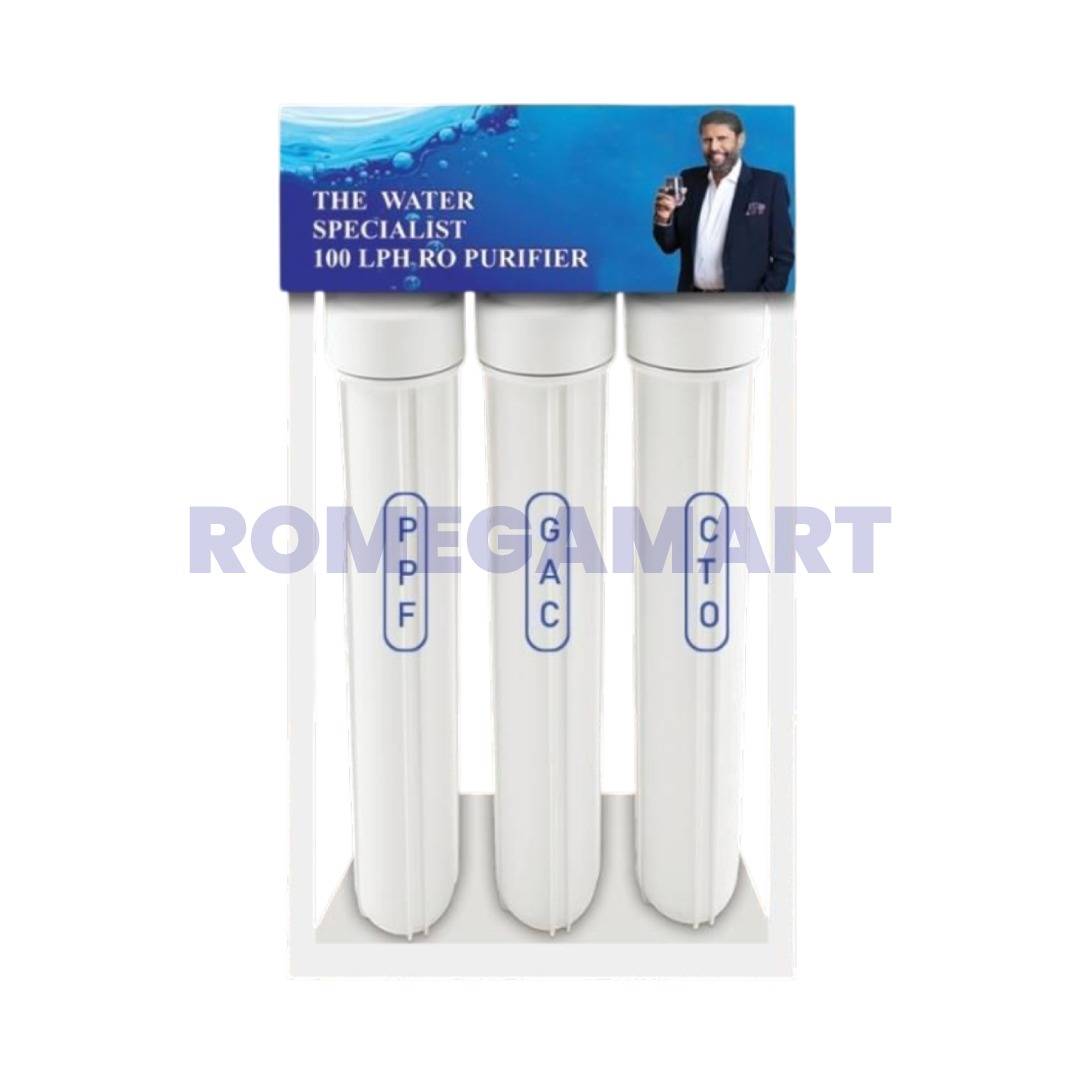
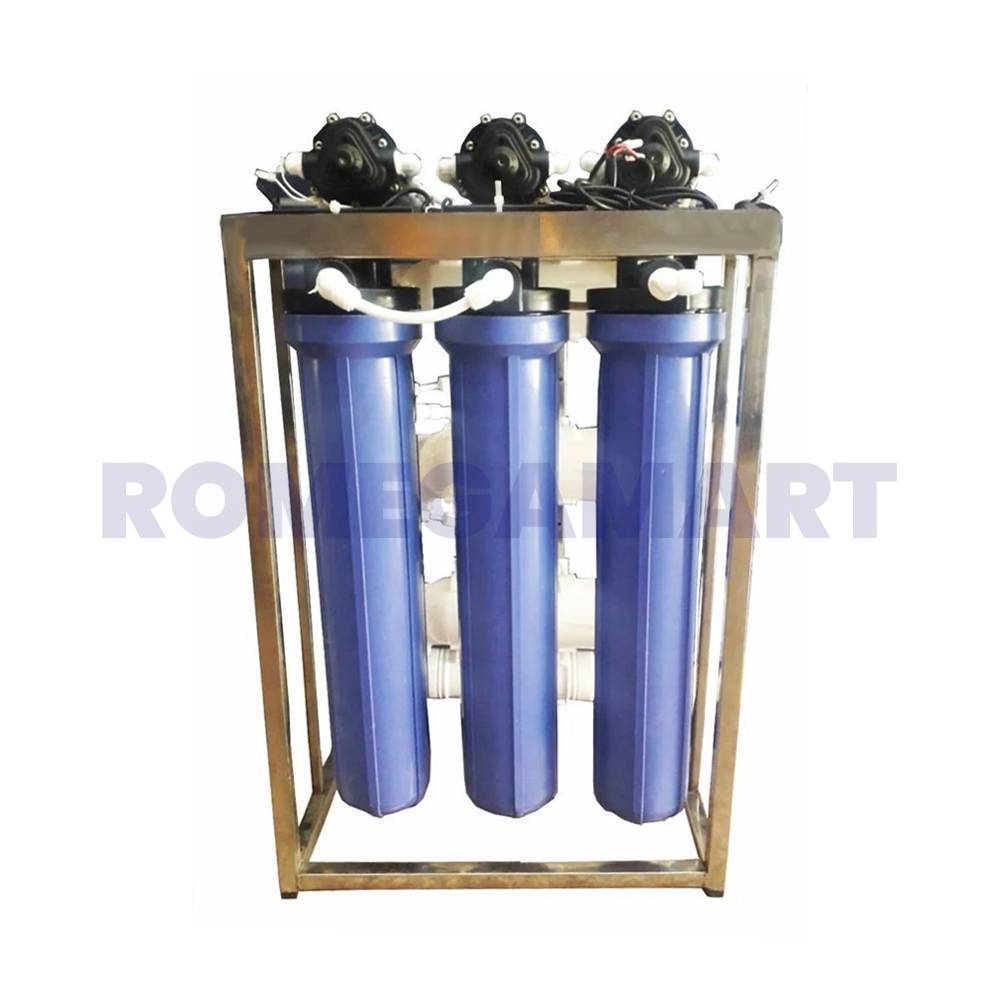
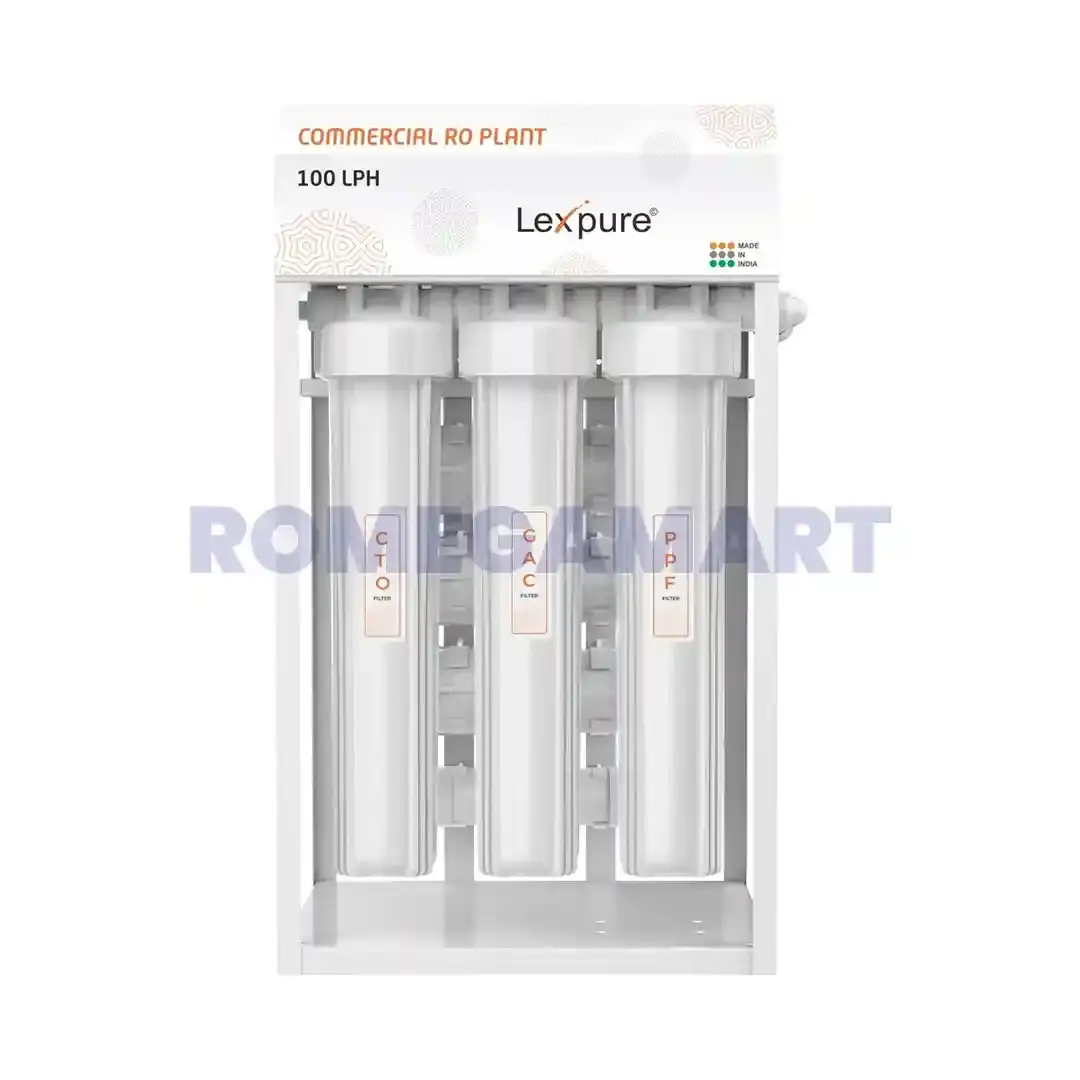
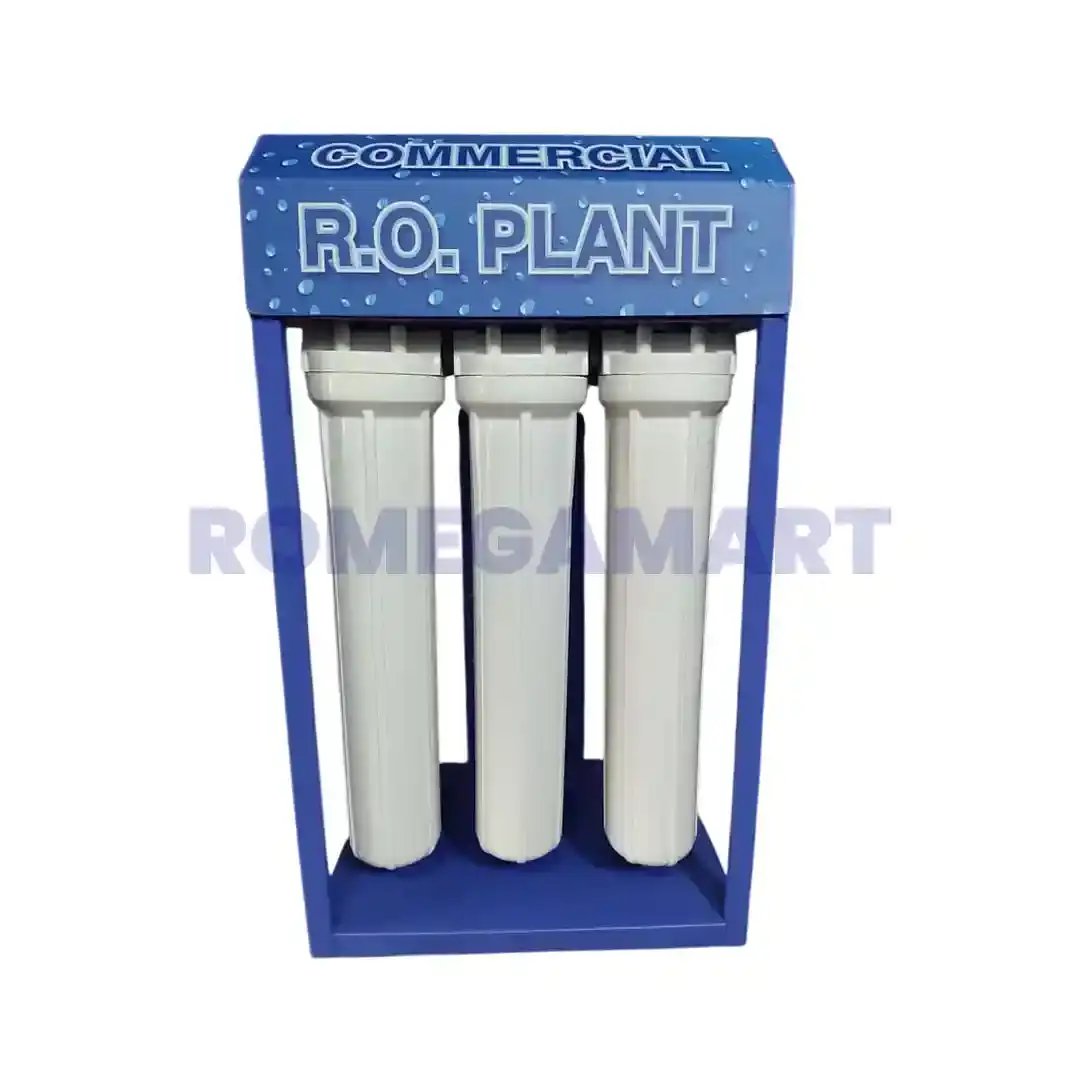
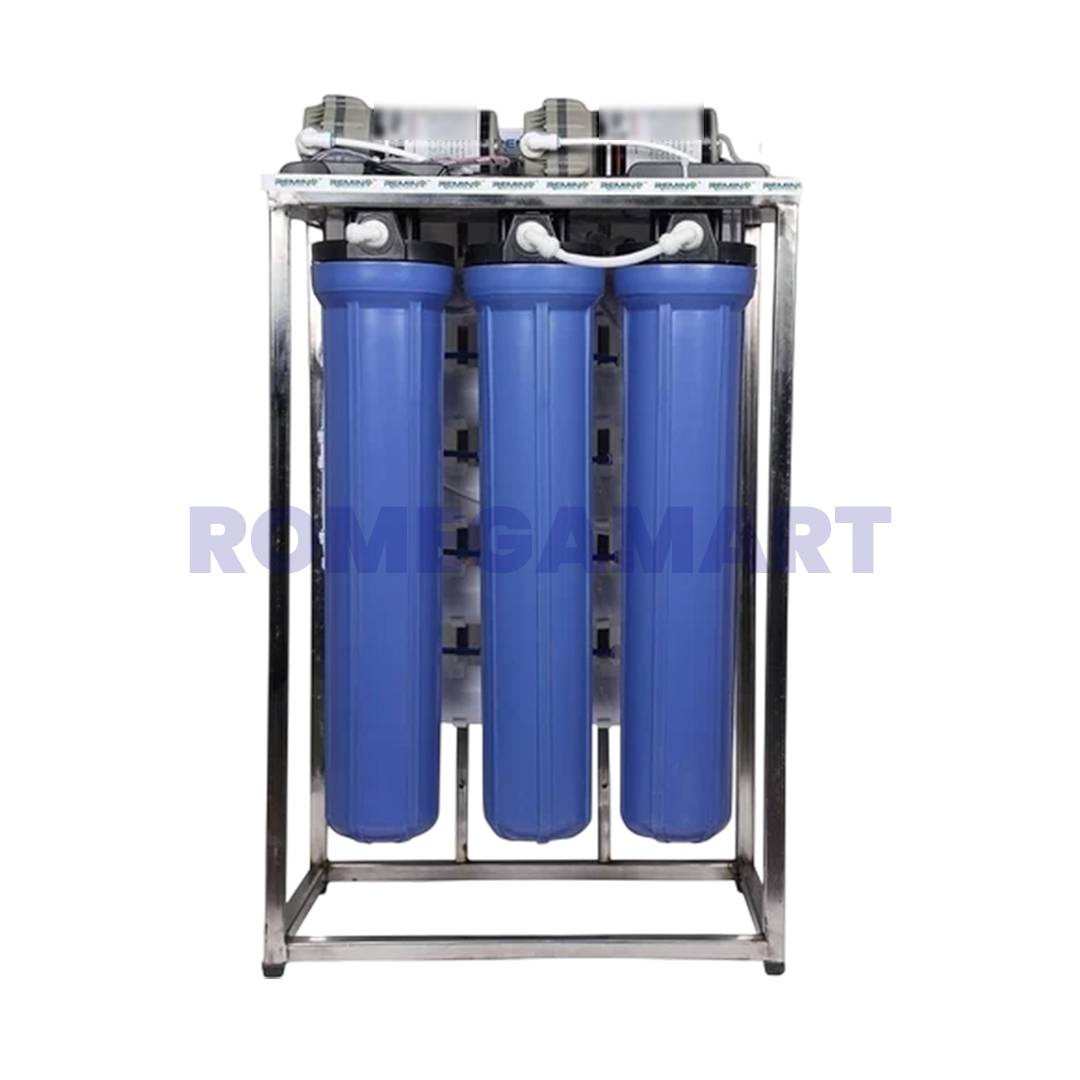
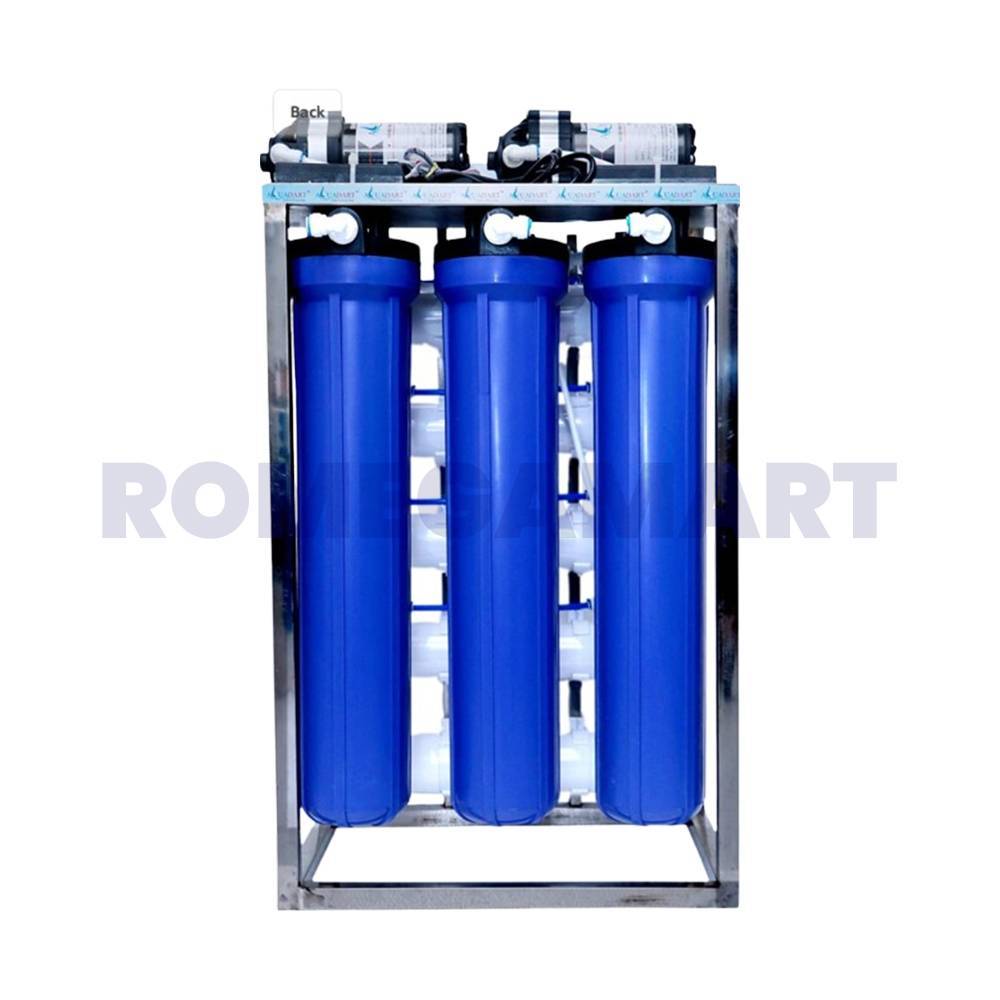


100 LPH Commercial RO Plant
Introduction
A 100 LPH Commercial RO Plant is a compact and efficient water-treatment system designed to produce up to 100 litres of purified water per hour. It is suitable for offices, hotels, restaurants, schools, hospitals, clinics, hostels, showrooms, small factories and other locations that require a regular supply of purified water.
The 100 LPH RO plant is an ideal upgrade from a domestic system when household-type RO purifiers cannot meet the required water demand. It uses reverse osmosis technology to reduce dissolved salts, excess TDS and other impurities from suitable raw water. Depending on the model, the system may include sediment filtration, activated-carbon filtration, micron filtration, an RO membrane, UV treatment and a TDS controller.
A 100 LPH system can theoretically produce approximately 2,400 litres in 24 hours when operated continuously. Actual daily production depends on operating hours, raw-water quality, recovery rate, membrane condition and system configuration
What Is a 100 LPH Commercial RO Plant?
A 100 LPH Commercial RO Plant is a commercial reverse-osmosis system with a purification capacity of 100 litres per hour. It is designed for small- and medium-scale commercial water-treatment requirements where a domestic RO system is not sufficient.
The plant passes raw water through multiple filtration stages before sending it to an RO membrane. The membrane helps reduce dissolved solids and other contaminants, while optional post-treatment stages can improve water quality for drinking or specific commercial applications.
This type of commercial plant can be supplied in different configurations, including wall-mounted, floor-mounted, semi-automatic and automatic models. Buyers should select the system according to raw-water TDS, hardness, turbidity, daily water requirement and intended use.
Applications of 100 LPH Commercial RO Plant
A 100 LPH commercial RO system is suitable for:
Offices and commercial buildings
Hotels, restaurants and cafés
Schools, colleges and hostels
Hospitals, clinics and diagnostic centres
Shops, showrooms and service centres
Temples and other public places
Small manufacturing units
Food and beverage businesses
Laboratories and institutional facilities
Small-scale industrial water-treatment applications
Water ATM and community drinking-water projects
Cooling RO and utility-water applications
Boiler-feed pretreatment for small systems, subject to water-quality requirements
Process water requirements in selected industries
Commercial RO systems are used in offices, factories, schools, colleges, hospitals, restaurants and public places, while industrial applications may require additional pretreatment or customized water-quality control
100 LPH RO Plant for Different Requirements
Domestic System
A domestic system is designed for household drinking-water requirements and generally has a much lower output than a commercial plant. If your requirement is limited to a family or small home, a domestic RO purifier may be sufficient.
When the water requirement increases for employees, visitors, students, patients, guests or customers, a 100 LPH Commercial RO Plant provides a more suitable solution.
Commercial Plant
A commercial plant is designed for regular use in offices, hotels, restaurants, hospitals, schools and other establishments. The 100 LPH capacity is suitable for locations that require purified water throughout the day without depending on a small domestic system.
Industrial Plant
An industrial plant is designed for process water, manufacturing, production, utility and high-volume applications. A 100 LPH system can support small industrial requirements, but industries with high water consumption or strict process-water standards may require a larger industrial plant with customized pretreatment.
Water ATM
A 100 LPH RO system can be integrated with a water ATM setup for community drinking-water dispensing. The complete water ATM solution may include storage tanks, UV or ozone treatment, a dispensing unit, water-level controls and payment or access-control equipment.
Cooling RO
A 100 LPH RO plant may be used for cooling RO and utility-water applications where lower-TDS water is needed. Before installation, check the required hardness, TDS, silica and other water parameters for the cooling equipment.
Main Components of a 100 LPH RO System
Depending on the manufacturer and application, a 100 LPH RO plant may include:
Raw-water inlet and feed connection
Sediment or micron pre-filter
Activated carbon filter
Antiscalant dosing system
High-pressure pump
RO membrane and membrane housing
Flow meter
Pressure gauge
TDS controller
UV or post-carbon filter
Automatic or semi-automatic control panel
Product-water outlet
Reject-water outlet
Storage-tank connection
FRP, stainless-steel or powder-coated MS body
Pre-filtration helps reduce sediment, chlorine and other feed-water issues that can affect RO membrane performance. The exact filtration stages should be finalized after testing the raw water.
Benefits of a 100 LPH Commercial RO Plant
Produces up to 100 litres of purified water per hour.
Suitable for offices, hotels, schools, hospitals and restaurants.
Requires less space than a high-capacity industrial RO plant.
Provides a higher output than a domestic system.
Can be used for drinking water and selected commercial applications.
Available in automatic and semi-automatic configurations.
Can be connected to a storage tank for continuous availability.
Helps reduce excess TDS and dissolved impurities from suitable raw water.
Can support water ATM and community water-dispensing projects.
May be customized for small industrial and cooling RO requirements.
Available with FRP, MS or stainless-steel construction, depending on the model.
Suitable for installation in indoor or protected outdoor locations.
How to Choose the Right 100 LPH Commercial RO Plant2:
Before purchasing a 100 LPH commercial RO plant, consider the following points:
Raw-water test: Check TDS, hardness, iron, turbidity, pH and other relevant parameters.
Daily requirement: Confirm whether 100 litres per hour meets your peak and daily water demand.
Application: Drinking water, industrial process water, water ATM and cooling RO applications may require different configurations.
Operating hours: Calculate the required output according to the number of hours the plant will operate each day.
Automation: Select manual, semi-automatic or fully automatic operation based on available manpower.
Material: Choose FRP, stainless steel or powder-coated MS construction according to the installation environment.
Storage capacity: Add a suitable storage tank if water is required during peak consumption periods.
Power supply: Confirm voltage, pump capacity and electricity availability before installation.
After-sales service: Check installation support, membrane replacement, spare parts and maintenance availability.
Water recovery: Confirm the expected recovery and reject-water quantity with the supplier.
Different 100 LPH models have different recovery rates, membrane sizes, operating pressures and maximum TDS specifications. Therefore, do not select a plant based only on capacity; compare the complete technical configuration.
100 LPH Commercial RO Plant for Water Treatment
A 100 LPH commercial RO plant is useful for businesses that need a reliable water-treatment solution without installing a large industrial plant. It can treat borewell water, municipal water or supply water when the selected model is suitable for the source-water conditions.
The system can be used as a standalone commercial water purifier or integrated with additional equipment such as:
Water softener plant
Pressure sand filter
Activated carbon filter
Iron removal filter
UV water purifier
Ozone generator
Mineral dosing system
Product-water storage tank
Water ATM dispensing unit
Cooling-water treatment system
For high-TDS, high-hardness or heavily contaminated water, additional pretreatment may be required to protect the RO membrane and maintain consistent performance.
Buy 100 LPH Commercial RO Plant from Romegamart2:
Find reliable 100 LPH Commercial RO Plants on Romegamart for commercial, institutional and small industrial water-treatment requirements. Compare available products from manufacturers, suppliers, dealers and distributors based on capacity, construction material, automation, filtration stages, price, warranty and after-sales support.
Whether you need a commercial plant for an office, hotel, restaurant, school, hospital, water ATM project, small factory or cooling RO application, share your raw-water details and usage requirement with the supplier before placing an order.
Explore the 100 LPH category on Romegamart and request quotations for a suitable commercial RO system.
FAQs
What is a 100 LPH Commercial RO Plant?
A 100 LPH Commercial RO Plant is a reverse-osmosis water-treatment system designed to produce up to 100 litres of purified water per hour. It is commonly used in offices, hotels, restaurants, schools, hospitals and small commercial facilities.
How much water can a 100 LPH RO plant produce in a day?
At its rated capacity, a 100 LPH plant can theoretically produce approximately 2,400 litres in 24 hours. Actual production depends on operating hours, raw-water quality, recovery rate, pressure and membrane condition
Is a 100 LPH RO plant suitable for a domestic application?
A 100 LPH RO plant can be used where water demand is higher than the capacity of a domestic system. For a normal household, a domestic system may be more practical, while a 100 LPH commercial plant is better suited for offices, hostels, restaurants, institutions and other high-consumption locations.
Can a 100 LPH RO plant be used in an industry?
Yes, it can be used for small industrial applications, process water and utility requirements. However, industries requiring large volumes or specific water quality may need a customized industrial plant with additional filtration and pretreatment.
Can a 100 LPH RO plant be used for a water ATM?
Yes. A 100 LPH RO plant can be integrated into a water ATM project with a storage tank, dispensing unit, UV or ozone system and suitable control equipment. The final setup should comply with the project’s water-quality and operational requirements.
Is a 100 LPH RO plant suitable for cooling RO?
It may be suitable for cooling RO or cooling-water makeup applications when the treated water meets the equipment manufacturer’s requirements. Test TDS, hardness, silica and other relevant parameters before selecting the system.
What type of water can a 100 LPH RO plant treat?
It may be used for municipal water, supply water or borewell water, depending on the model’s design specifications. A raw-water test is recommended before installation to determine the required pretreatment and membrane configuration.
What maintenance does a 100 LPH commercial RO plant require?
Regular maintenance may include cleaning or replacing pre-filters, checking pump pressure, monitoring TDS, inspecting flow rates, cleaning the RO membrane, checking antiscalant dosing and sanitizing the product-water line.