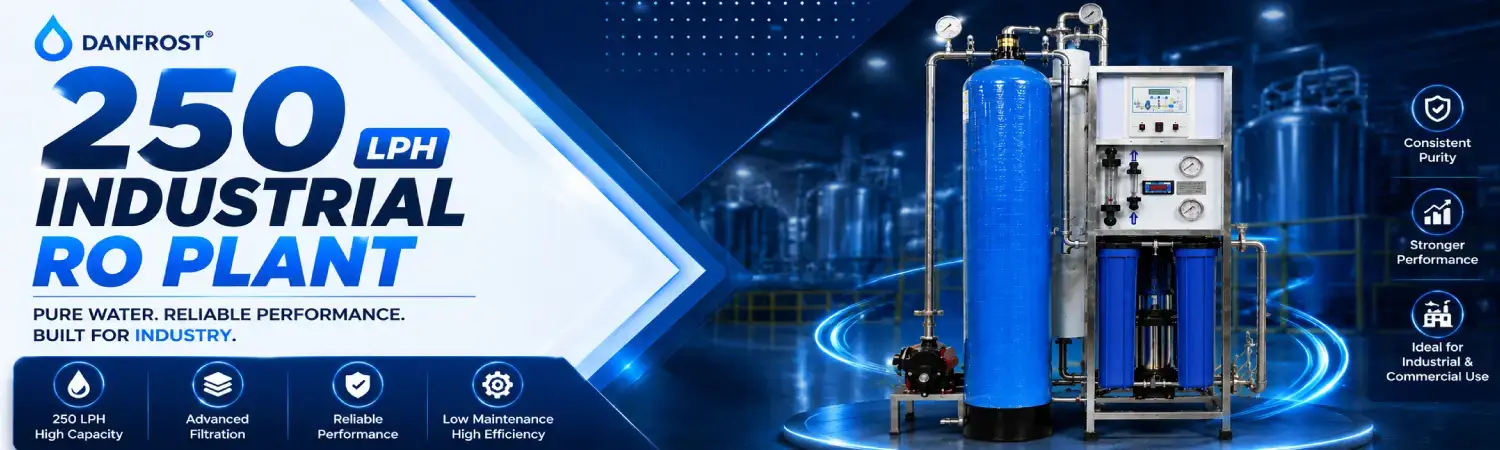
250 LPH RO Plant: Complete Guide for Industrial and Commercial Use in Delhi

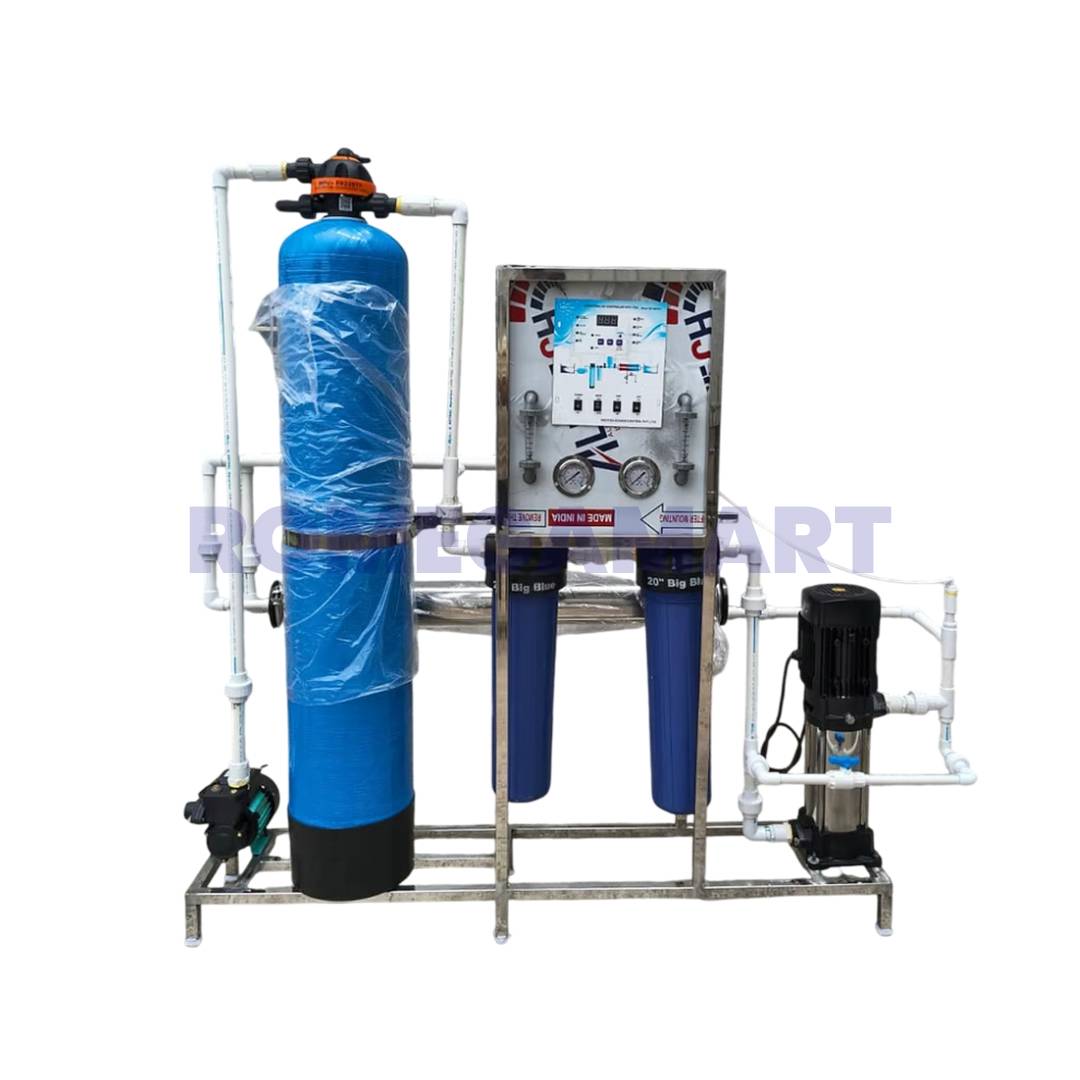
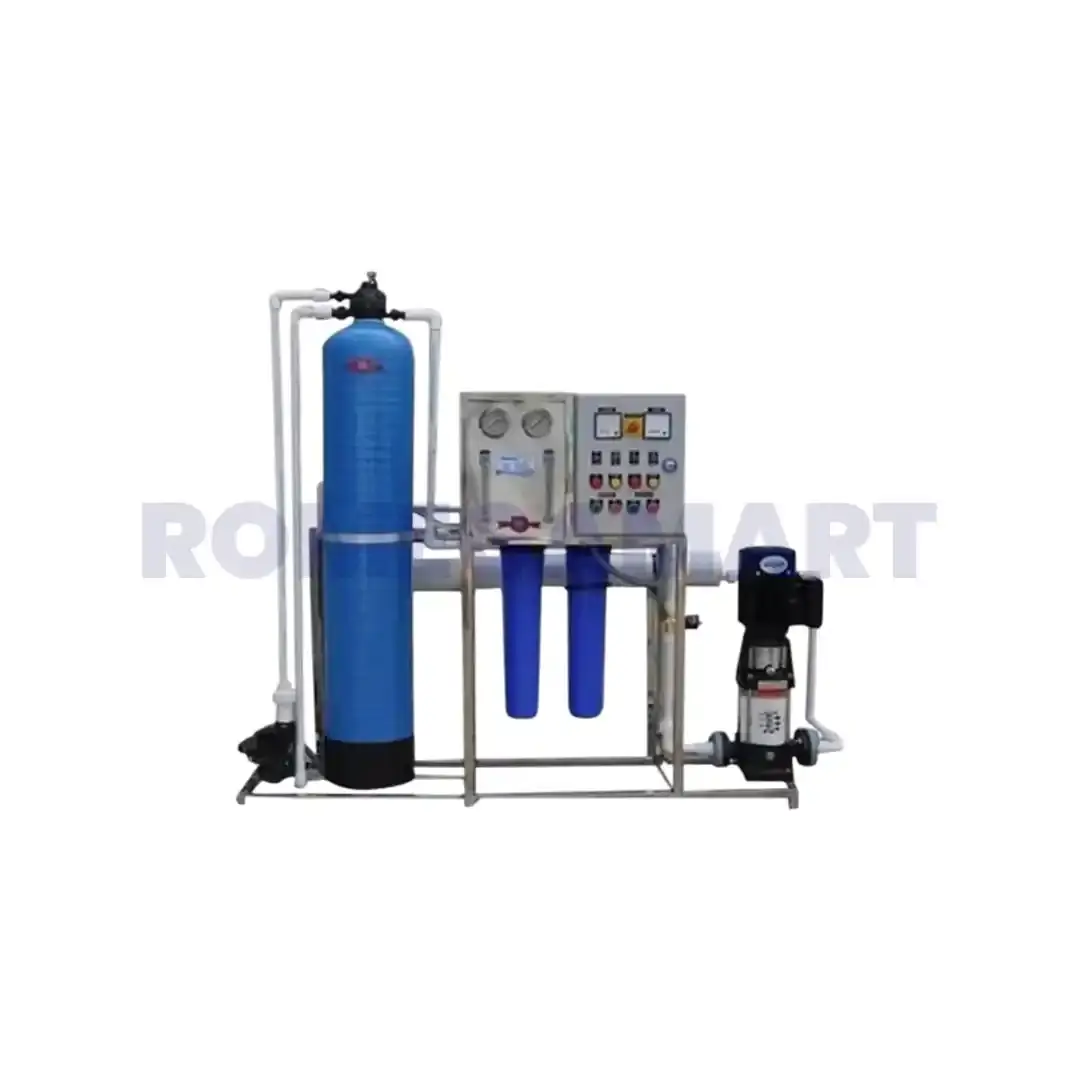


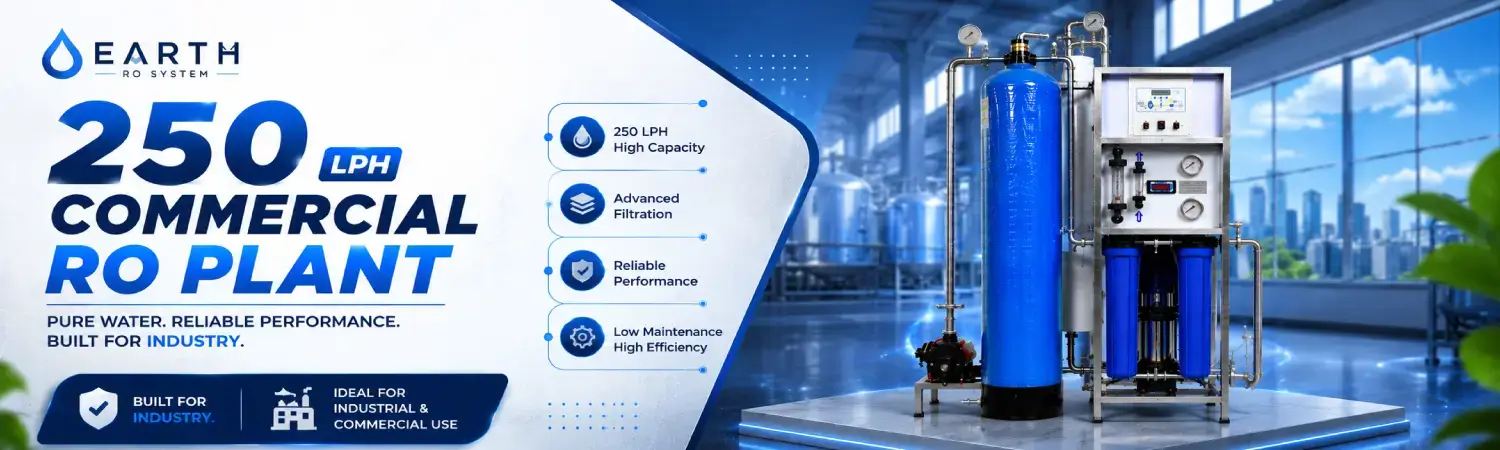
250 LPH RO Plant: Complete Guide for Industrial and Commercial Use
Introduction
Water is an indispensable resource for industries, commercial establishments, and large residential setups. Ensuring its purity is critical for operational efficiency, health, and hygiene. Reverse osmosis (RO) technology has become the most reliable solution for water purification, capable of removing dissolved salts, impurities, and harmful microorganisms.
Among the various RO capacities available, the 250 LPH RO plant is an ideal choice for small to medium-scale industrial and commercial applications. In this blog, we will discuss what a 250 LPH RO plant is, its working process, features, benefits, applications, and pricing to help you make an informed decision.
What is a 250 LPH RO Plant?
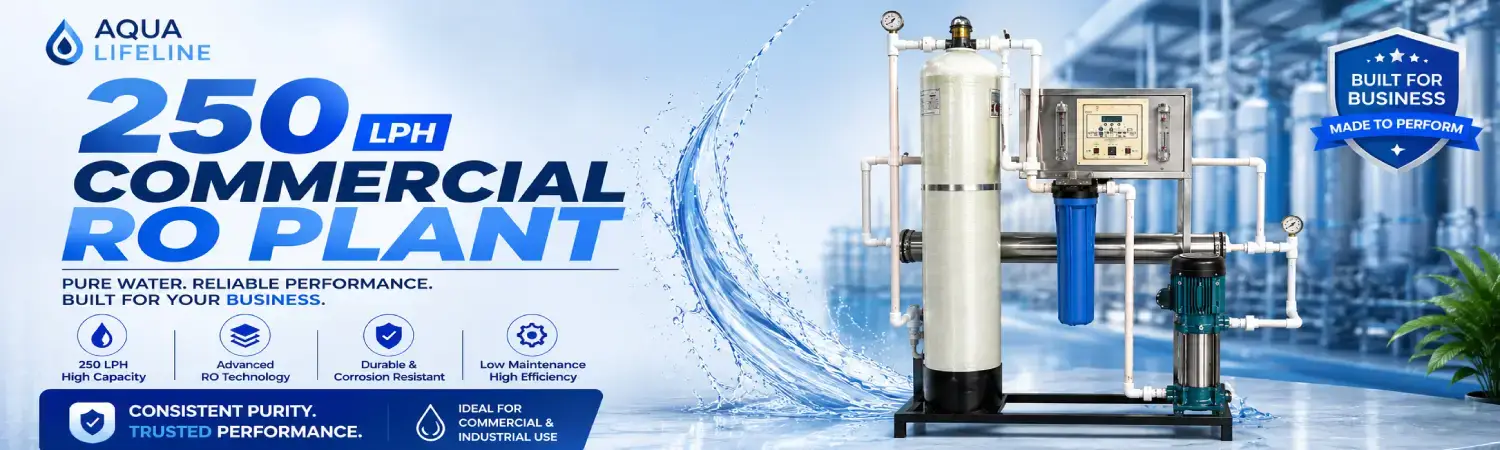
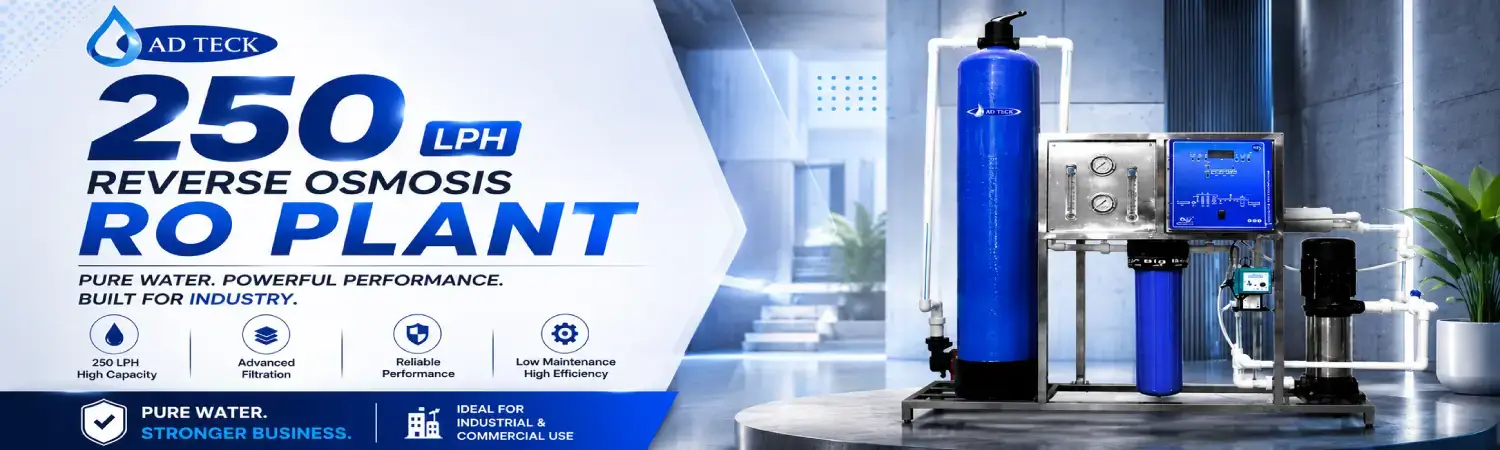
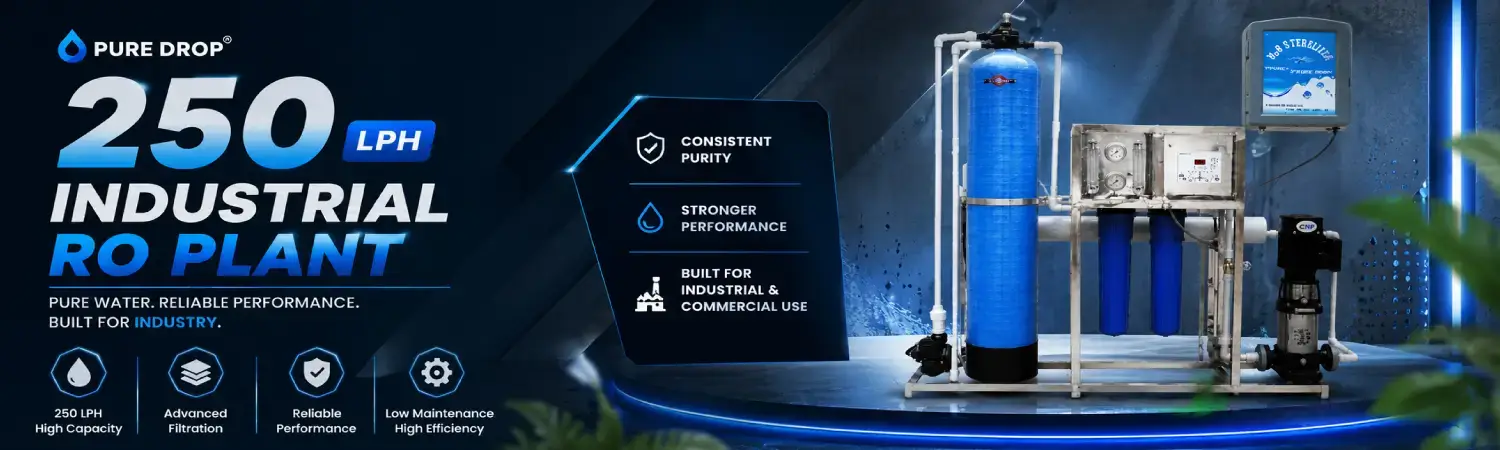
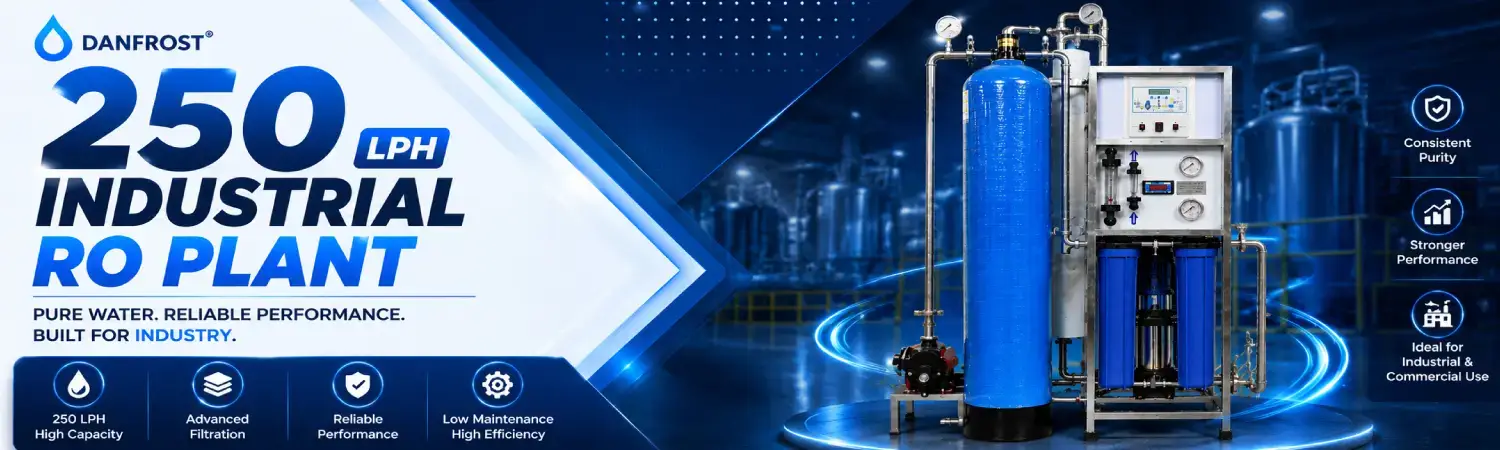
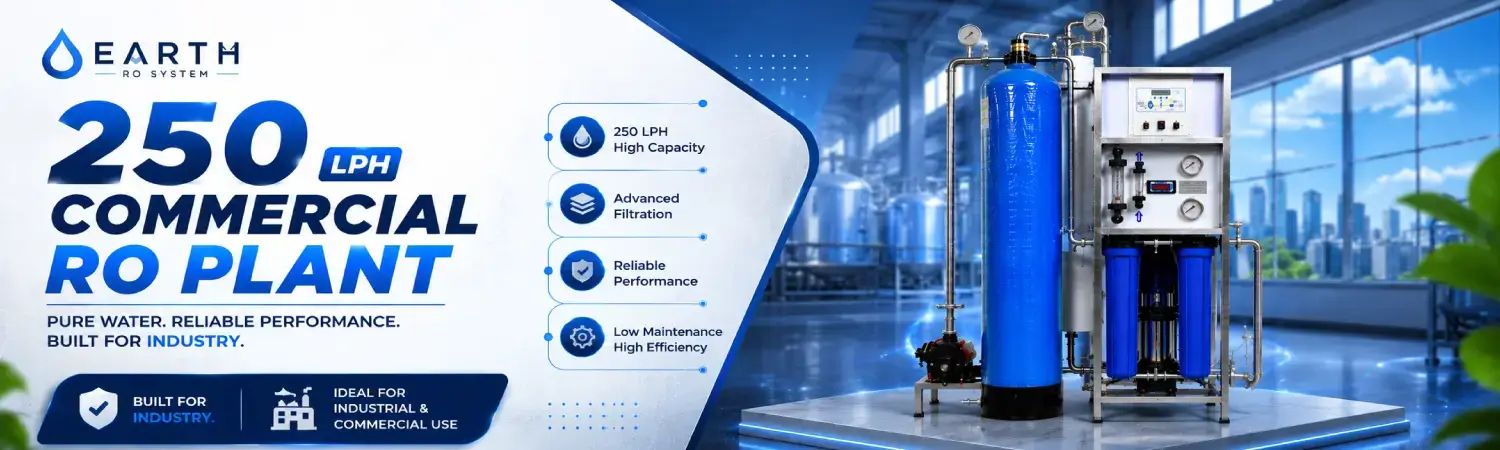
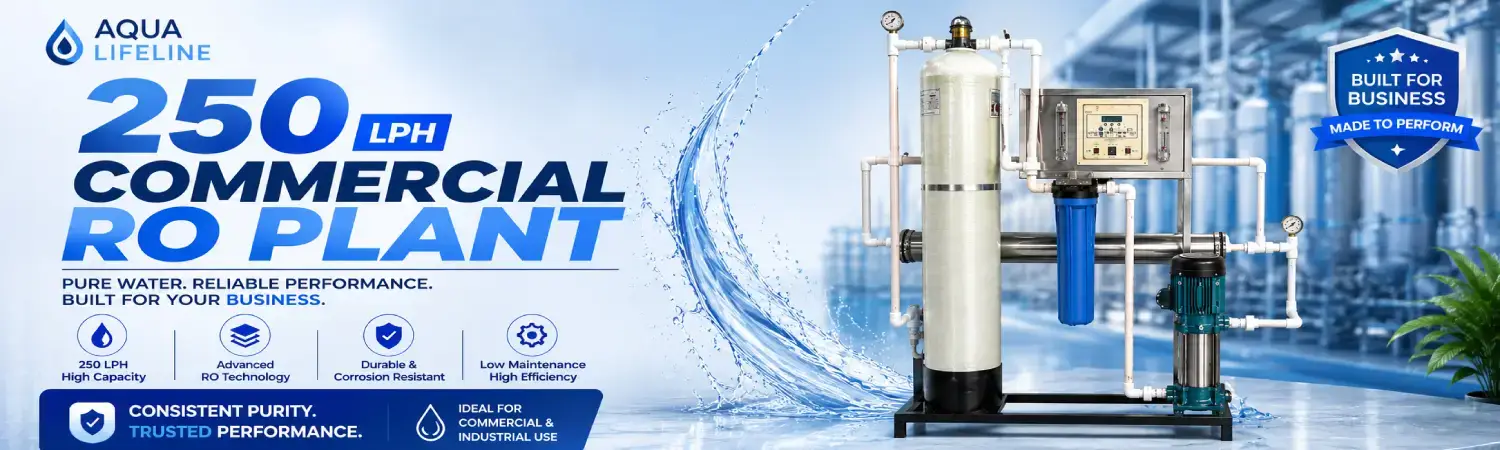
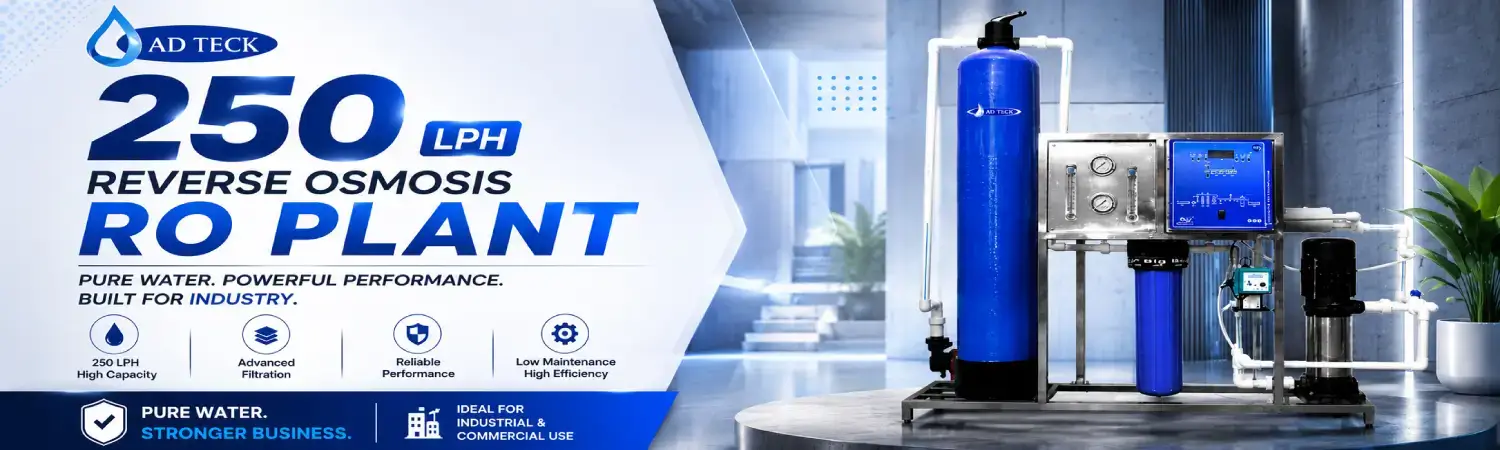
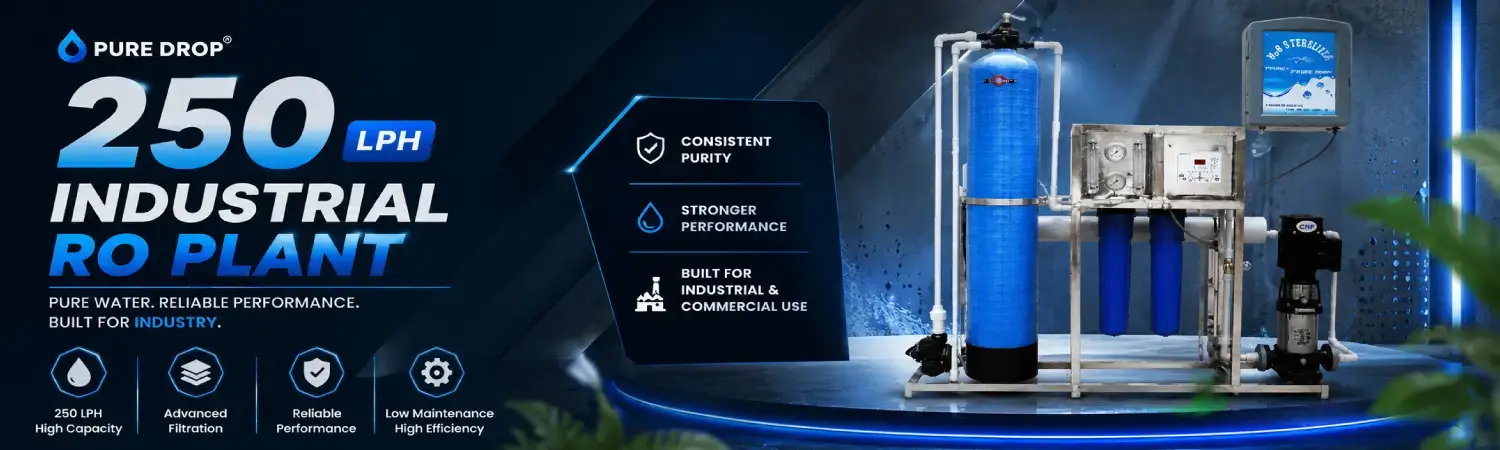
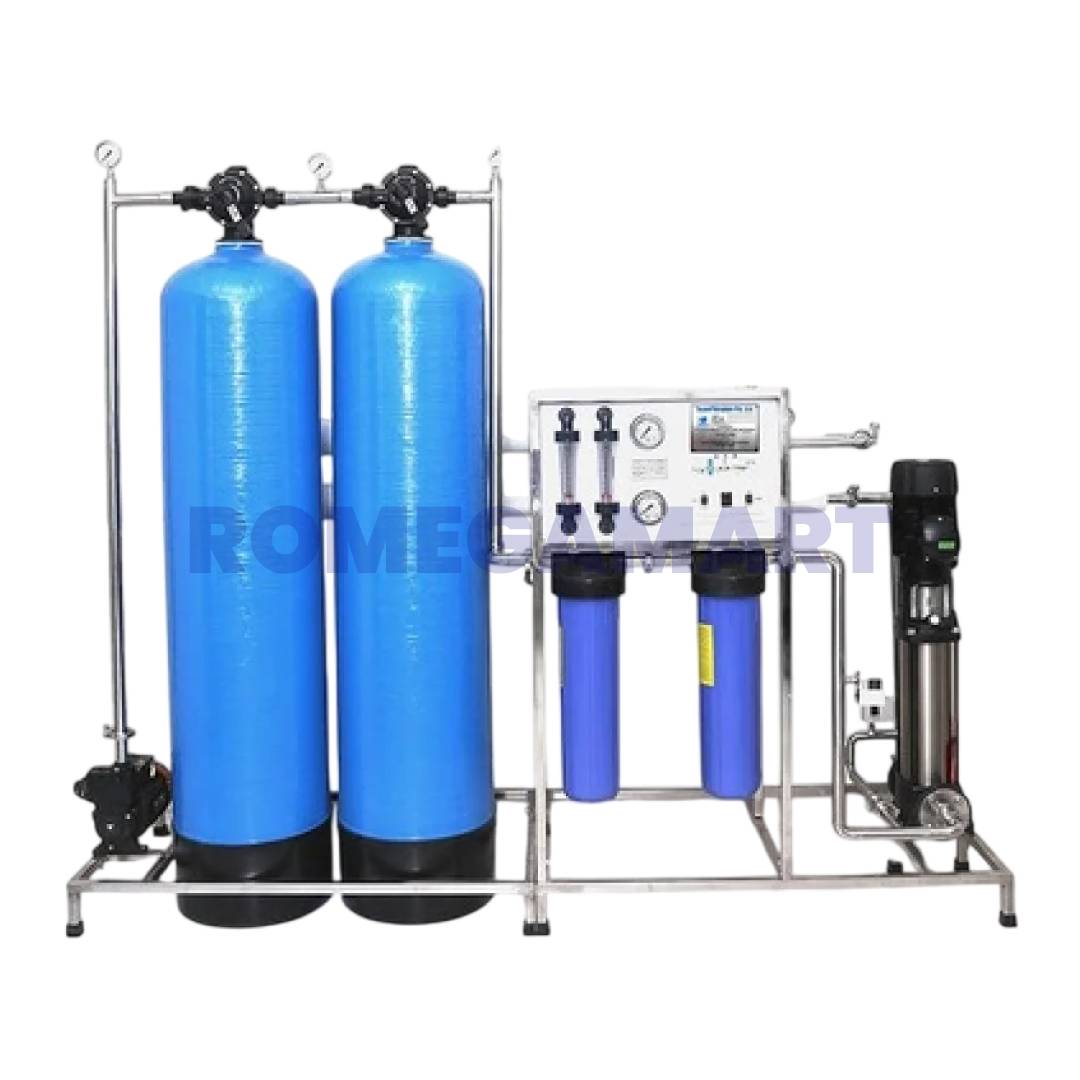
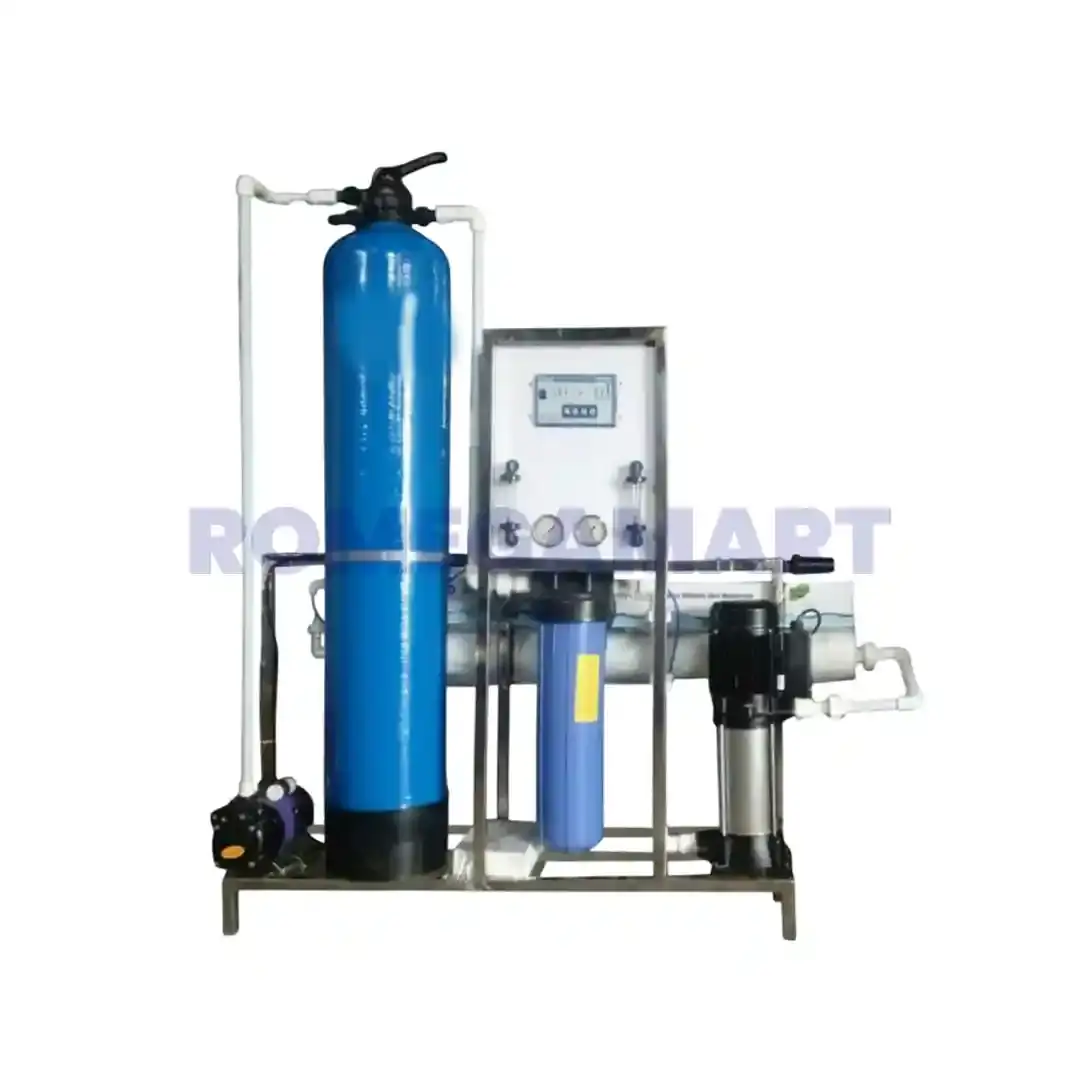
A 250 LPH RO plant is a reverse osmosis system that can produce 250 liters of purified water per hour. The term LPH stands for liters per hour, indicating the system’s production capacity. These plants are widely used in industries, hotels, hospitals, laboratories, and residential complexes where a consistent supply of purified water is essential.
Also referred to as a 250 litre RO plant, this system is designed to remove dissolved salts, heavy metals, bacteria, viruses, and other impurities, providing safe and high-quality water. The 250 LPH industrial RO plant variant is specifically built to withstand continuous operation in industrial environments.
How Does a 250 LPH RO Plant Work?
The 250 LPH RO plant operates on the principle of reverse osmosis. Water first passes through pre-filters, which remove sediments, chlorine, and other contaminants that could damage the RO membrane. A high-pressure pump then forces the water through the RO membrane. Purified water passes through the membrane while the concentrated wastewater containing impurities is discharged.
Some 250 LPH RO systems include post-treatment processes such as UV sterilization or mineral addition to enhance taste and water quality. The purified water is stored in a tank and is ready for industrial, commercial, or residential use. The RO 250 LPH process ensures the water meets strict quality standards and is safe for all applications.
Features of a 250 LPH RO Plant
A 250 LPH RO plant comes with several features that make it suitable for industrial and commercial use. Industrial variants are built with robust, corrosion-resistant materials to handle continuous operation. Modern plants include automated control panels, sensors, and monitoring systems that help maintain efficiency.
Energy-efficient designs ensure optimal performance while minimizing electricity consumption. The 250 LPH RO plant is compact yet highly reliable, capable of delivering purified water continuously with minimal maintenance.
Benefits of Installing a 250 LPH RO Plant
Installing a 250 LPH RO plant guarantees a consistent supply of high-quality water, which is crucial for both health and operational purposes. It removes harmful salts, bacteria, and other impurities, ensuring safe water for consumption and industrial use.
For industrial applications, a 250 LPH industrial RO plant provides water suitable for manufacturing processes, laboratories, and cooling systems. Economically, it reduces dependence on bottled water and external water sources, saving costs and minimizing environmental impact. The combination of efficiency, reliability, and moderate capacity makes it a practical investment.
Applications of 250 LPH RO Plant
A 250 LPH RO system can be applied across multiple sectors. In industries, it supplies water for boilers, cooling towers, and production processes. Hospitals and laboratories rely on it for clean, sterile water. Hotels and restaurants use it to serve safe drinking water to guests. Residential complexes also benefit from its moderate capacity for daily water needs.
The RO 250 LPH capacity is ideal for small to medium-scale operations where higher-capacity plants are unnecessary but smaller systems cannot meet water demand.
250 LPH RO Plant Price
The 250 LPH RO plant price varies depending on brand, features, automation, and additional components like pumps and storage tanks. Generally, the RO 250 LPH price is considered affordable for medium-scale operations while providing long-term value.
Similarly, the RO water plant 250 LPH price may differ depending on whether it includes industrial-grade components, post-treatment systems, or advanced automation. While pricing is important, considering long-term efficiency, reliability, and maintenance is equally crucial when selecting a 250 LPH RO plant.
Maintenance and Longevity
Proper maintenance is essential for the long-term efficiency of a 250 LPH RO plant. Pre-filters should be replaced regularly, and the RO membrane should be cleaned according to manufacturer instructions. Pumps, valves, and other components should be checked routinely.
With regular maintenance, a 250 LPH industrial RO plant can operate efficiently for 8–10 years. Routine care ensures consistent water quality, reduces downtime, and extends the lifespan of the system.
Choosing the Right 250 LPH RO Plant
Selecting the right 250 LPH RO plant involves evaluating water quality, daily water demand, space availability, and budget. Trusted manufacturers with good after-sales support and warranty are recommended. Choosing the correct plant ensures consistent water quality, minimal maintenance issues, and cost-effective operation over time.
Conclusion
A 250 LPH RO plant is a reliable solution for small to medium-scale industries, commercial establishments, and residential complexes. Its reverse osmosis technology removes dissolved salts, impurities, and microorganisms, ensuring safe and high-quality water.
By understanding its features, benefits, applications, and pricing, businesses and homeowners can make informed decisions when investing in a 250 LPH RO system. With proper selection and routine maintenance, the RO 250 LPH can provide years of consistent, safe, and efficient water purification.
FAQs
1. What is the capacity of a 250 LPH RO plant?
A 250 LPH RO plant produces 250 liters of purified water per hour, suitable for small to medium-scale industrial and commercial use.
2. Can a 250 LPH industrial RO plant handle hard water?
Yes, pre-treatment such as water softening may be required to prevent scaling and protect the RO membrane.
3. What is the 250 LPH RO plant price?
The price varies depending on features, brand, and additional components, generally affordable for medium-scale operations.
4. How much electricity does a 250 LPH RO system consume?
Electricity consumption is typically around 1.5–2.5 kWh per 1000 liters of purified water, depending on the system design.
5. How long does a RO 250 LPH plant last?
With proper maintenance, a 250 LPH RO plant can operate efficiently for 8–10 years.
Explore More - 100 LPH RO, 120 LPH RO, 150 LPH RO, 250 LPH RO, 400 LPH RO.
More Categories - Water Softeners, Domestic Systems, Industrial Spares, Domestic Spares.